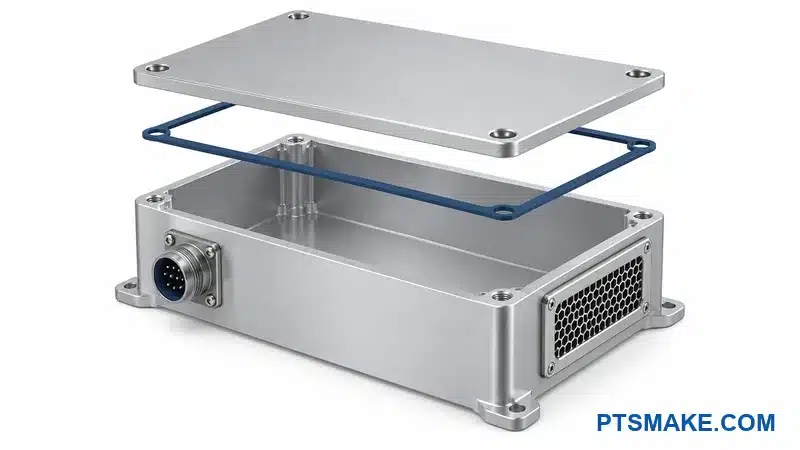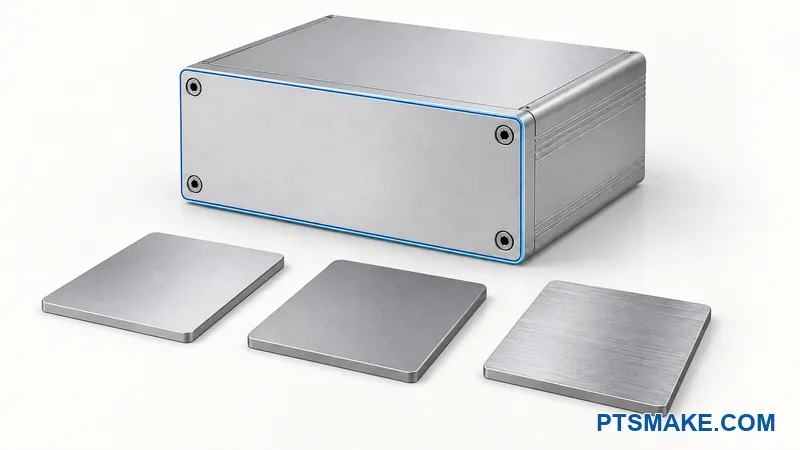

プロジェクトには完璧な高級感が必要ですが、無数の仕上げオプションの中から選ぶのは大変です。標準的な仕上げは、あなたの製品を群衆の中に溶け込ませますが、不適切な仕上げの選択は、あなたのブランドの高級なポジショニングと顧客の認識を破壊する可能性があります。.
ブラッシュドゴールド仕上げは、耐食性と高級美観を兼ね備えており、ポリッシュ仕上げの代替品に比べ、優れた耐久性と傷隠しを提供します。この表面処理では、金のコーティングと制御された摩耗パターンを使用することで、一貫した質感と高級感を生み出しています。.
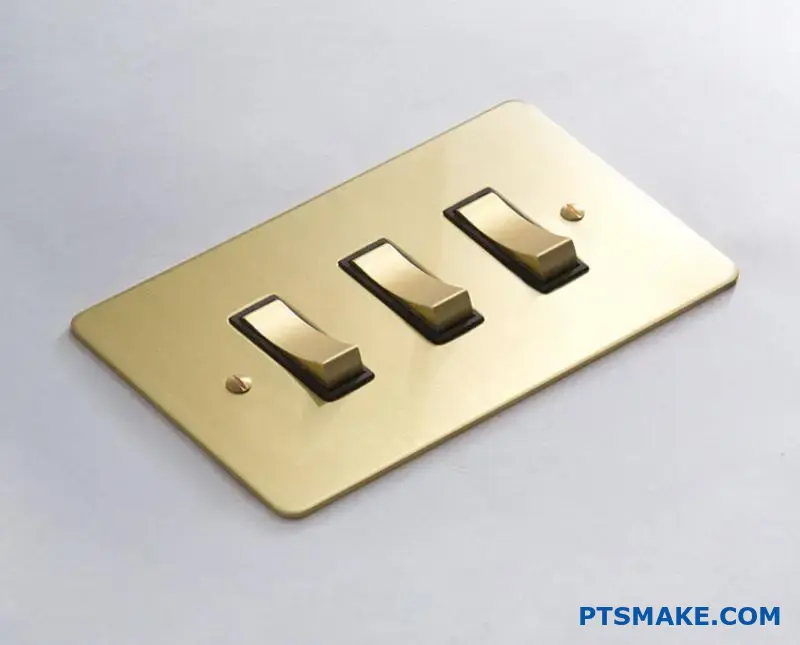
私は、ハイエンド製品の仕上げの選択に悩む何百人ものエンジニアと仕事をしてきました。このガイドでは、技術仕様から製造方法まで、あらゆることを網羅しており、次のハードウェア・プロジェクトで十分な情報に基づいた決断ができるようお手伝いします。.
エンジニアがブラッシュドゴールド仕上げを選ぶ理由:技術的視点
エンジニアはしばしば、単純な美観を超えたところに目を向けます。ブラッシュド・ゴールド仕上げは、堅実で実用的な理由から選ばれます。エンジニアが好む金属仕上げのひとつとなっています。.
この選択は、視覚的な魅力と具体的なパフォーマンスを兼ね備えている。見た目の美しさだけではない。.
エンジニアリングの主な利点
主要なドライバーは耐腐食性である。サテン仕上げのテクスチャーは、優れた触覚フィードバックも提供する。この仕上げは、指紋や小さな傷を効果的に隠します。これらは、ブラッシュドゴールド仕上げの主な技術的利点です。.
クイック比較
| 特徴 | ブラッシュド・ゴールド | 研磨クローム |
|---|---|---|
| 耐食性 | 高い | 中程度 |
| 指紋マスキング | 素晴らしい | 貧しい |
| 触感 | テクスチャー | スムーズ |
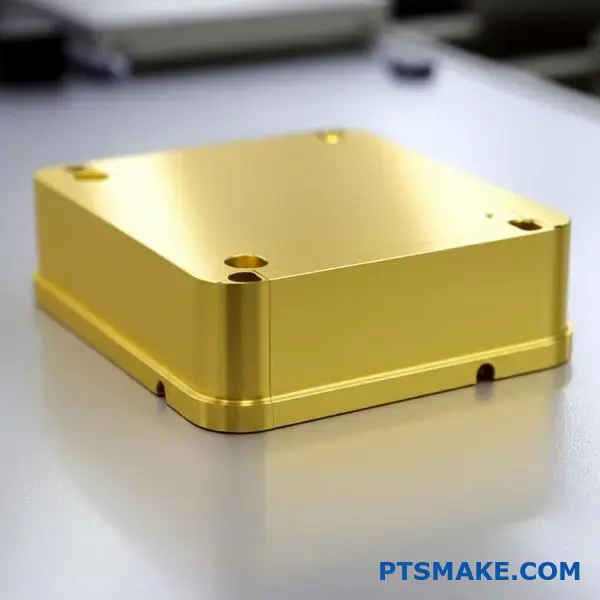
表面を越えてより深く見る
ブラッシュドゴールド仕上げの魅力は、その見た目だけではありません。製造工程そのものが大きな機能的価値を付加し、母材の表面特性を高めます。それは単なる色ではありません。.
フィニッシュの科学
ブラッシング技法は、金属の表面に細かい平行な溝を作る。この溝が光を散乱させ、まぶしさを軽減する。これは、ディスプレイや明るい環境で使用される部品にとって重要な特徴です。また、このテクスチャーは、時間の経過に伴う小さな摩耗の兆候を隠すのにも役立ちます。.
アルミニウム製の部品の場合、この外観を得るためのプロセスはかなり高度なものになります。私たちはしばしば 陽極酸化1 を使い、まず耐久性のある酸化皮膜を作ります。その後、この保護層に金色の染料を注入することで、単なるコーティングではなく、表面そのものに色を定着させる。.
機能美学
触覚フィードバックも重要な技術的利点のひとつです。コントロール・ノブやインタラクティブなサーフェスでは、テクスチャーの感触がユーザーの手を誘導する。視覚的な手がかりなしに、触ったことを確認できる。.
| アプリケーションエリア | ブラッシュド・ゴールドの主な利点 |
|---|---|
| 医療機器 | 生体適合性と耐久性 |
| コンシューマー・エレクトロニクス | 美観と耐指紋性 |
| 自動車内装 | 低グレア&プレミアム感 |
技術的な観点から見ると、ブラッシュドゴールド仕上げは見た目の豪華さ以上のものを提供します。強化された耐久性、耐腐食性、機能的な触覚フィードバックなど、その工学的特性により、性能が最も重要視される多くの要求の厳しい用途において、スマートで信頼性の高い選択肢となっています。.
完全な比較:製造におけるブラッシュドゴールドとポリッシュドゴールドの比較
ゴールド仕上げを選ぶ際、見た目はほんの始まりに過ぎません。本当の決断は、特定の製品における性能と実用性に帰結します。.
各仕上げには、それぞれ異なる特性があります。これらの違いは、エンドユーザーの体験に直接影響します。.
主な機能の違い
ブラッシュドゴールド仕上げは耐久性に優れています。その質感は、小さな傷や日々の摩耗を隠すのに役立ちます。.
ポリッシュ・ゴールドは美しいが、よりデリケートだ。どんな小さな欠点も目立ちがちです。OEM製品の場合、この選択は非常に重要です。.
クイック比較
| 特徴 | ブラッシュド・ゴールド | ポリッシュ・ゴールド |
|---|---|---|
| 耐久性 | 傷をよく隠す | 欠点が見える |
| 反射率 | 低くマットな光沢 | 高く、鏡のように |
| 指紋 | 汚れがつきにくい | プリントを簡単に表示 |
| メンテナンス | 低い | 高い |
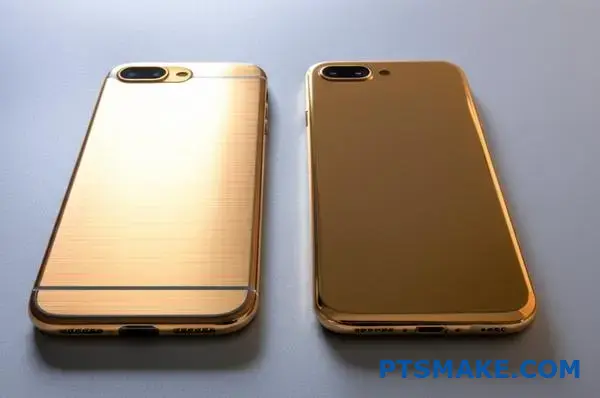
パフォーマンス指標に迫る
私たちが顧客のために部品を開発するとき、特にハイタッチのOEM製品では、耐久性が第一の関心事です。ブラッシュドゴールド仕上げの繊細なラインは、日々の使用で生じる細かな擦り傷をカモフラージュするのに優れています。これにより、製品をより長く新品のように保つことができます。.
対照的に、ポリッシュ仕上げのゴールドの表面は寛容さに欠ける。その滑らかな鏡のような表面は、あらゆる傷や渦巻きを際立たせます。時間が経つにつれて、これは製品の高級感を損ない、ユーザーによるより慎重な取り扱いを必要とします。.
ビジュアルと実用性のトレードオフ
視覚的な魅力も大きな要素だ。ポリッシュされたゴールドは、鏡のようにシャープな輝きを放ちます。 鏡面反射2. .これは、クラシックで高級感のある外観を実現するが、直射日光の下では強烈なまぶしさを生み出すことがある。.
しかし、ブラッシュドゴールド仕上げは、テクスチャーのある表面全体に光を拡散させる。これにより、モダンで繊細な印象のソフトなサテンの光沢が生まれます。主張しすぎず、エレガントな印象を与えます。.
実用的な観点からは、指紋は重要な問題である。ポリッシュ仕上げのゴールドは汚れがつきやすく、外観を保つためには常にクリーニングが必要です。サテン仕上げのゴールドの表面はテクスチャーがあり、反射しないため、指紋がつきにくく、頻繁に扱うものに最適です。.
メンテナンス・ルーチンの比較
| 仕上げタイプ | 洗浄頻度 | 必要な努力 | 理想的なアプリケーション |
|---|---|---|---|
| ブラッシュド・ゴールド | 頻繁ではない | 低い | ハイタッチ・サーフェス |
| ポリッシュ・ゴールド | 頻繁 | 高い | 装飾的で接触の少ないもの |
サテン仕上げとポリッシュ仕上げのゴールドの選択は、見た目以上に影響します。それは耐久性とメンテナンス性を決定づけるからです。ポリッシュ仕上げのゴールドはクラシックな輝きを放ちますが、高いお手入れが必要です。一方、ブラッシュ仕上げのゴールドは、モダンな美しさと日常品としての優れた実用性を兼ね備えています。.
ブラッシュド・ゴールド仕上げが消費者の印象に与える影響
ブラッシュドゴールド仕上げの台頭は、一時のトレンドにとどまらない。高級ブランドにとって戦略的な選択なのだ。この仕上げは、高級感と品質を一貫して伝えます。.
市場データはその人気の高まりを裏付けている。サテン仕上げのゴールド・ハードウェアの消費者へのアピールは、さまざまな業界で強い。製品の認知価値を高めるのに役立ちます。.
仕上がりと市場認識
| 仕上げタイプ | 知覚価値 | 共通アプリケーション |
|---|---|---|
| 研磨クローム | スタンダード、クリーン | キッチン、バス |
| マットブラック | モダン、ミニマリスト | エレクトロニクス、什器 |
| ブラッシュド・ゴールド | プレミアム, ウォーム | 高級品、装飾品 |
この選択は、顧客があなたの製品をどう見るかに直接影響する。.
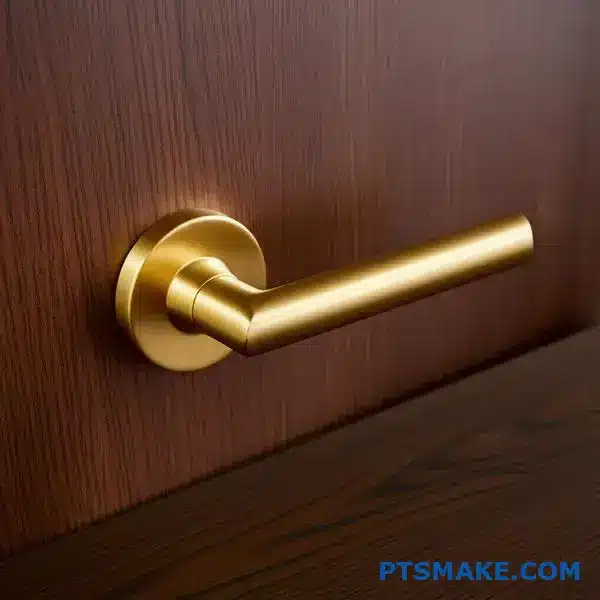
輝きに隠された心理学
ブラッシュドゴールド仕上げは、深い心理的な連想を呼び起こす。ゴールドは常に富と威信を意味する。ブラッシュ仕上げ」の質感は、モダンで洗練されたタッチを加えます。また、まぶしさを抑え、指紋を隠し、実用的で美しい仕上がりになっています。.
このトレンドは、ハイエンドのインテリア・デザインから家電製品や自動車のトリムへと移行した。最も効果的な高級美的表面仕上げのひとつである。混雑した市場で製品を際立たせ、視覚的な優位性を即座に与えることができる。.
PTSMAKEでは、仕上げの選択についてお客様をご案内することがよくあります。適切な仕上げは、製品の性能を大幅に向上させます。 知覚価値3. .これにより、市場でのポジショニングが向上し、小売価格が上昇する可能性があります。仕上げの選択は、単なる美観を超えた、製品設計の重要な決定事項です。.
プレミアム仕上げの比較
私たちは、お客様の決断を助けるために、主要な属性を分析しました。.
| 属性 | ブラッシュド・ゴールド | ローズゴールド | グラファイト |
|---|---|---|---|
| 暖かさ | 高い | 高い | 低い |
| モダニティ | ミディアム-ハイ | ミディアム | 高い |
| 汎用性 | 高い | ミディアム | 高い |
| タイムレス | ミディアム-ハイ | ロー・ミディアム | ミディアム |
このデータは、ブランドが十分な情報に基づいた決定を下すのに役立ちます。製品の外観をターゲットオーディエンスの期待に合わせることができる。.
ブラッシュド・ゴールド仕上げの選択は、データに基づいた決定です。それは、製品のプレミアムな魅力を高める強力なツールです。この戦略的選択は、消費者の認識、ブランドのポジショニング、ひいては販売の成功に影響を与えます。それは単なる美的感覚ではなく、スマートなビジネスなのです。.
ブラッシュド・ゴールド効果を得るためのトップ表面処理技術
真のブラッシュドゴールド仕上げを実現するには、色だけではありません。質感と耐久性です。さまざまな工業工程が、それぞれ異なる結果をもたらします。それらを理解することが重要です。.
プロジェクトの要求を満たすブラッシュド・ゴールド仕上げを実現する方法を知る必要があります。それぞれの方法にはトレードオフがあります。.
私たちが使う主なテクニックを見てみよう。.
一般的な工業プロセス
- 機械的ブラッシング
- 電気めっき
- 陽極酸化処理
- 物理蒸着(PVD)
その選択は、基材、予算、要求される性能によって決まる。.
| テクニック | 主な利点 | 最適 |
|---|---|---|
| ブラッシング | 本物の質感を生み出す | ベーステクスチャの作成 |
| メッキ | 伝統的なゴールドの外観 | 装飾部品 |
| 陽極酸化処理 | アルミニウムに最適 | カラーアルミ部品 |
| PVD | 究極の耐久性 | 高摩耗用途 |
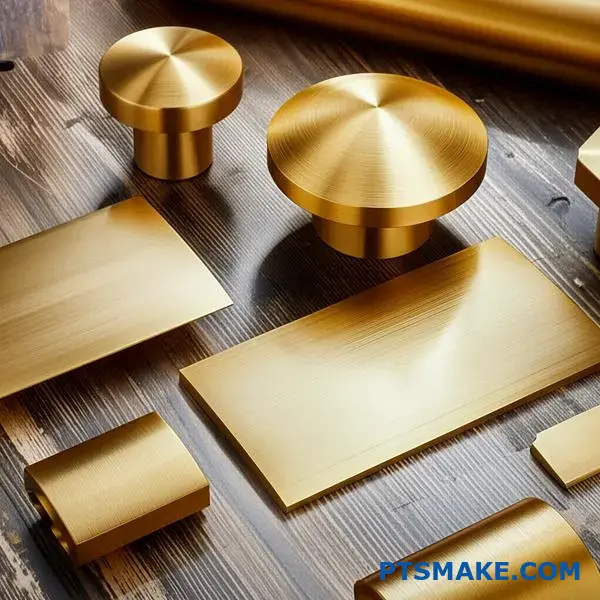
ブラッシュドゴールド仕上げを実現する方法を知ることは、核となる工業プロセスから始まります。それぞれの方法は、外観、耐久性、コストのバランスが異なります。PTSMAKEでは、これらの選択肢の中からお客様に最適なものをご案内します。.
メカニカル・ブラッシング:基礎
まず、機械的なブラッシングが特徴的な線状のテクスチャーを作り出す。これは物理的な研磨プロセスです。金色のコーティングを施す前の最初のステップとなることが多い。ブラシの粒度によって、最終的なテクスチャーの細かさが決まる。.
コーティングと着色方法
ブラッシングの後、カラー層が施される。電気メッキでは、本物の金合金の薄い層を蒸着させます。これは古典的な外観を与えますが、摩耗の激しいものには耐久性が劣る場合があります。陽極酸化はアルミニウム特有の電気化学プロセスです。耐久性のある多孔質の酸化皮膜を形成し、それを金色に染めます。.
最も強固なオプションはPVDです。PVDブラッシュドゴールドコーティング法は、窒化チタンのような薄くて硬いセラミック層を蒸着させます。これは真空チャンバー内で行われます。このプロセスではしばしば スパッタリング4 コーティング材を原子単位で移動させることで、驚くほど弾力性のある仕上がりになる。.
| 方法 | 耐久性 | 色の一貫性 | 基板の制限 |
|---|---|---|---|
| 電気めっき | 中程度 | グッド | ほとんどの金属 |
| 陽極酸化処理 | 高い | 非常に良い | アルミニウムのみ |
| PVDコーティング | 非常に高い | 素晴らしい | ほとんどの金属、一部のプラスチック |
ブラッシング、メッキ、陽極酸化、PVDといった工業プロセスを理解することは非常に重要です。その選択は、製品の最終的な外観、耐久性、コストに影響します。それぞれの技法は、特定の用途に望ましいブラッシュゴールド仕上げを実現するための独自の道を提供します。.
ハイ・タッチ製品にブラッシュド・ゴールド仕上げを長持ちさせる秘訣
耐久性に優れたブラッシュドゴールド仕上げの真の秘密は、目に見えない細部にあります。それは色だけではありません。.
コーティングの厚みを正確にコントロールし、保護層を戦略的に使用する。これらの要素は非常に重要である。.
塗膜厚さの役割
厚みは耐摩耗性に直接影響します。コーティングは厚ければ厚いほど良いというわけではなく、製品の用途に合わせて最適化する必要があります。.
適切なバランスを見つける
手触りの良いアイテムはバランスが重要。薄すぎるとすぐに摩耗する。厚すぎると、欠けたり寸法が変わったりする可能性がある。.
| アプリケーション・タイプ | 推奨厚み(ミクロン) | 根拠 |
|---|---|---|
| 装飾的(ロータッチ) | 1-3 µm | 見た目には十分 |
| コンシューマー・エレクトロニクス | 3-7 µm | 耐久性とコストのバランス |
| ハイタッチ・ハードウェア | 7-15 µm | 最高の耐摩耗性 |
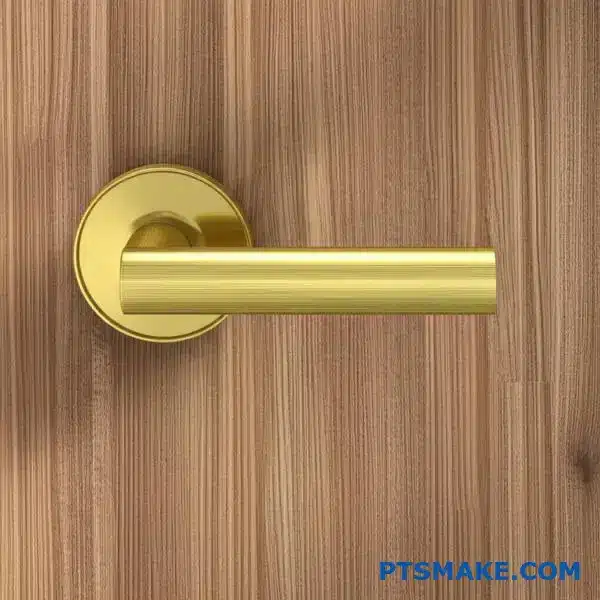
真に耐摩耗性のあるゴールドコーティングを実現するためには、ゴールド層そのものだけに注目するのではありません。耐スクラッチ性と保護トップコートも同様に重要です。これらは、日々の磨耗から仕上げを保護するために共に働きます。.
耐傷性を理解する
私たちは標準化された試験で耐傷性を測定しています。これにより、仕上げの耐久性に関する客観的なデータが得られます。社内テストの結果、ある種のPVD加工はこの分野で従来のメッキ加工を大きく上回ることがわかりました。.
格付けが高いほど、表面はより物理的な酷使に耐えられることを意味する。これは、ドアの取っ手や蛇口、電子機器の筐体などに不可欠です。.
保護トップコート戦略
トップコートは、ブラッシュド・ゴールド仕上げの上に塗られる透明な層。第一の防御ラインとして機能します。適切なトップコートは仕上げを密閉し、つや消しの外観を変えることなく弾力性を高めます。.
私たちは、製品の使用環境や用途に応じて、特定のトップコートをお勧めすることがよくあります。.
| トップコート・タイプ | 主なメリット | 理想的なアプリケーション |
|---|---|---|
| Eコート(クリア) | 優れた耐食性 | 蛇口、バスルーム金物 |
| PVDクリアコート | 最高の耐傷性 | 高級時計、携帯電話ケース |
| アクリルラッカー | 費用対効果の高い保護 | 室内装飾品 |
これらの戦略により、最終製品は耐久性のあるブラッシュドゴールド仕上げとなっている。製品の トライボロジー特性5 これは、手触りの良い表面には欠かせないことです。ベースコートとトップコートの適切な組み合わせを選択することは、PTSMAKEの多くのプロジェクトを通じて洗練された科学です。.
耐久性のあるブラッシュドゴールド仕上げは、最適なコーティングの厚み、検証された耐傷性、戦略的な保護トップコートというシステムによって決まります。これらの要素が連動することで、頻繁に使用されても、製品の外観と機能が長期にわたって持続するのです。.
ブラッシュゴールドCNC機械加工部品で重要な仕上げ公差とは?
ブラッシュド・ゴールド仕上げでは、表面の質感がすべて。最終的な見た目だけではありません。パーツの感触や性能にも影響します。.
一般的に注目されるのはRa値である。この数値は表面の平均粗さを測定します。ブラッシュゴールドの表面仕上げのRa要件にとって重要な指標です。.
ラがルックを決める理由
Ra値が低いほど表面は滑らかである。しかし、ブラッシングの工程は特有のテクスチャーを加えます。真の目標は、究極の滑らかさではなく、一貫性のある均一な外観を実現することです。.
顧客とのテストによると、Raの値が異なると、美的な結果が異なる。.
| 美的ゴール | 標準Ra範囲 (μm) | 視覚的結果 |
|---|---|---|
| スタンダード・サテン | 0.4 - 0.8 | クラシックでソフトな起毛ルック |
| プレミアムラグジュアリー | 0.2 - 0.4 | より繊細なライン、より高い反射率 |
| テクスチャード・インダストリアル | 0.8 - 1.6 | より粗く、より顕著なライン |

Raは素晴らしい出発点ですが、それだけではすべてを語ることはできません。高品質なブラッシュド・ゴールドの仕上げには、「レイ」と呼ばれるブラシの線の方向と一貫性が非常に重要です。.
レイディレクショナル・コンポーネント
ブラッシングの工程は、方向性のある木目を作り出す。この制御された 異方性6 これがブラッシュ仕上げの特徴です。すべてのラインは平行で、均一で、欠陥がなければならない。.
不正確なレイは、高価な部品を欠陥品に見せる可能性がある。これは、Ra値が完全に仕様の範囲内であっても起こります。.
測定とビジュアルの組み合わせ
PTSMAKEでは、2つのプロセスを使用しています。まず、プロフィロメーターで正確なRaデータを取得し、技術図面の要件を満たしていることを確認します。.
次に、当社の品質チームが専用の照明の下で目視検査を行う。一貫した色、深さ、ブラシラインの均一性をチェックします。これにより、設計者が意図したとおりの外観に仕上がります。.
| 検査方法 | 主な焦点 | 主なメリット |
|---|---|---|
| 表面形状計 | Ra(粗さの平均) | プロセス制御のための定量的データ |
| 目視検査 | レイ、色、一貫性 | 美的意図の定性的チェック |
| ライトボックスの評価 | 色の均一性 | バッチ全体の一貫性を確保 |
完璧なブラッシュド・ゴールド仕上げを実現するには、Raの仕様と視覚的基準のバランスを取る必要があります。ブラシの線の方向と一貫性は、測定された粗さと同じくらい重要です。優れた品質を確保するには、計測と専門家による検査の両方が不可欠です。.
ブラッシュド・ゴールドが高級品のブランド価値を高める方法
ブラッシュド・ゴールド仕上げは、伝統的な高級品の域を超えつつある。今では思いがけない分野でブランドを高める強力なツールとなっている。.
私はこの変化を目の当たりにしてきた。ロボット工学、IoT、ライフスタイル・エレクトロニクスの企業がこれを採用している。この仕上げはプレミアム品質の証です。.
機能的なデバイスをステートメント・ピースに変える。これは、ハイエンド市場をターゲットとするブランドにとって極めて重要です。それは、体験を創造することなのだ。.
| アスペクト | 標準技術仕上げ | 高級製品仕上げ(ブラッシュドゴールド) |
|---|---|---|
| ユーザーの認識 | 実用主義的、機能的 | 排他的で洗練された |
| ブランドメッセージ | パフォーマンス重視 | ライフスタイル志向のプレミアム |
| ターゲット市場 | 一般消費者 | 目の肥えた富裕層 |
このアプローチは、製品を際立たせるのに役立つ。デバイスの電源を入れる前から、優れた価値があるという認識を生み出すのだ。.
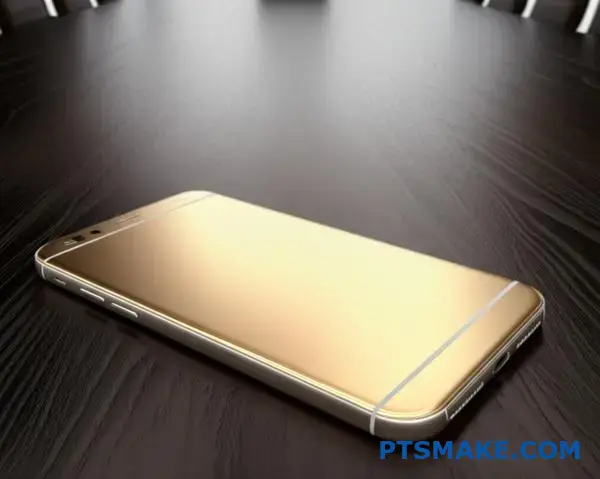
ブラッシュゴールド仕上げの戦略的な使用は、スマートなブランディングの動きです。ブランドの品質へのこだわりと卓越したデザインを瞬時に伝えることができる。この仕上げは、単なる色の選択にとどまらない。.
ハイテク美学の再定義
ロボット工学では、精密機械にブラッシュゴールドのアクセントが見事なコントラストを生み出している。それは、最先端技術と熟練した職人技の融合を示唆している。これによって、製品の知覚価値が大幅に高まります。競争の激しい分野では、高価格帯を正当化するのに役立つ。.
IoTハウジングの目標は、家庭へのシームレスな統合です。ブラッシュゴールド仕上げは、スマートハブをプラスチック製のガジェットからエレガントな装飾品へと変身させる。もはや隠す必要はない。.
ラグジュアリーの触覚的次元
ヘッドフォンやスピーカーのようなライフスタイル・エレクトロニクスは、大きな恩恵を受けます。ブラッシュドゴールドの視覚的な温かみは、その微妙な質感と相まって、ユーザーの感覚的な体験を高めます。この触感、すなわち[Haptic Perception]()7, ラグジュアリー・ブランディングの鍵は、「高級感」である。それは製品に質実剛健さとウェルメイド感を与える。.
| セクター | スタンダード・アプローチ | ブラッシュド・ゴールドの利点 |
|---|---|---|
| ロボット工学 | インダストリアル・グレー/ホワイト | シグナルズ・プレミアム・エンジニアリング |
| IoTデバイス | 目立たないプラスチック | デザインの特徴になる |
| エレクトロニクス | ブラック/シルバーマット | 感情的なつながりを生み出す |
PTSMAKEでは、ブランドがこのような効果を達成するお手伝いをします。私たちは、仕上げが完璧に行われ、中身の製品の高級感が反映されていることを保証します。このような細部へのこだわりが、高級ブランドを築き上げるのです。.
ブラッシュゴールド仕上げを施すことで、ハイテク製品は機能的なツールからラグジュアリーなライフスタイルのステートメントへと変貌する。この審美的な選択は、ブランドの向上を直接的にサポートし、ロボット工学やエレクトロニクスの企業がプレミアム市場セグメントにアクセスし、より高い価値を要求することを可能にする。.
カスタマイズを解き放つ:ブラッシュドゴールドのカラーマッチングとテクスチャーコントロール
完璧な外観を実現するには、"ゴールド "を選ぶだけではありません。真のカスタマイズは細部にある。正確な色合いと質感を定義することです。これにより、真にユニークなブラッシュドゴールド仕上げが実現します。.
ゴールド・スペクトラムの調整
当社では、さまざまな色調の特注ブラッシュドゴールドを製作することができます。これにより、デザイナーは特定のブランドカラーや美的目標に正確にマッチさせることができます。繊細なシャンパンからリッチなイエローゴールドまで。.
| ゴールドトーン | 一次合金元素 | 共通アプリケーション |
|---|---|---|
| シャンパンゴールド | パラジウムまたはニッケル | モダンで繊細な什器 |
| イエローゴールド | 銀と銅 | クラシックで伝統的なハードウェア |
| ローズゴールド | 銅 | 流行の装飾的なアクセント |
テクスチャーの定義
色だけでなく、ブラッシング・パターン自体も重要な変数である。線の方向、深さ、一貫性は、最終的な外観と光の反射を劇的に変える。.
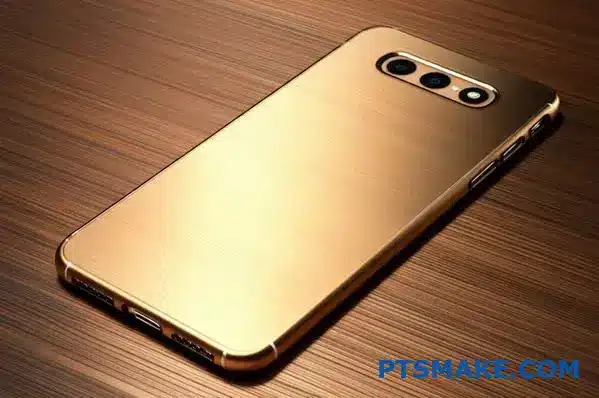
カラー・マッチド・ブラッシュド・メタル仕上げの真のマスターは、基礎となる科学を理解することから生まれます。単に色を塗るだけでなく、表面特性を根本的に変化させることで、特定の再現可能な結果を得ることができるのです。PTSMAKEでは、一貫性を保証するために工程管理に重点を置いています。.
特定の色合いを実現する
色は主に仕上げ工程でコントロールされる。母材の合金もその役割を果たしますが、表面処理が最も柔軟性を発揮します。私たちはしばしば 物理蒸着8 (PVD)を用いて薄く耐久性のある層を形成する。.
PVDチャンバー内のターゲット素材とガスを調整することで、正確な色合いを作り出すことができる。ローズゴールドの場合、チタンと窒化アルミニウムを特定のガス比率で混合したものを使用します。シャンパンの場合は、組成が異なります。これにより、ほぼ無限の色調のカスタム・ブラッシュド・ゴールドが可能になります。.
ブラッシング・パターンのコントロール
テクスチャー・コントロールは、同等の精度を必要とする機械的なプロセスである。繊細なサテンのような仕上げから、大胆で直線的なパターンまで、私たちはいくつかの要素を操作して、望ましい効果を生み出します。私たちのテストでは、これらのパラメーターが非常に重要であることを示しています。.
| パラメータ | 仕上がりへの影響 |
|---|---|
| 研磨粒度 | 粒子が細かいほど、ソフトでサテンのような仕上がりになる。. |
| ブラッシング速度 | 速度を上げると、より滑らかな仕上がりになる。. |
| 印加圧力 | より強い圧力で、より深く、よりはっきりとしたラインを作る。. |
| ブラシの方向 | 線状、円状、クロスハッチ状がある。. |
この体系的なアプローチにより、私たちが製造するすべての部品が、設計で要求される正確な視覚的・触覚的仕様を満たすことが保証されます。.
精密なブラッシュゴールド仕上げを実現するには、色とテクスチャーを専門家がコントロールする必要があります。合金組成、PVDパラメータ、機械的ブラッシング技術を操作することで、メーカーはあらゆるプロジェクトの正確な設計仕様を満たす高度にカスタマイズされた部品を提供することができます。.
PVDと電気めっき:どちらの方法が優れたブラッシュドゴールドを実現するか?
仕上げを選ぶとき、時間は重要な要素です。最終的な品質と生産規模を拡大する能力も同様です。PVDと電気メッキのどちらを選ぶかは、しばしばこの3つの柱に帰着します。.
では、それぞれの違いを見てみよう。この簡単な電気メッキのブラッシュドゴールドの比較は、ハイレベルなビューを提供します。.
| 特徴 | PVD(物理蒸着) | 電気めっき |
|---|---|---|
| プロセス速度 | より遅いバッチプロセス | 大量生産により高速化 |
| 仕上げの品質 | 高い一貫性と均一性 | 矛盾が生じる可能性がある |
| スケーラビリティ | 様々なボリュームに対応 | 大規模ランに最適 |
PVDつや消し金仕上げは、優れた一貫性を提供します。しかし、大量の注文には電気メッキの方が早いこともあります。.
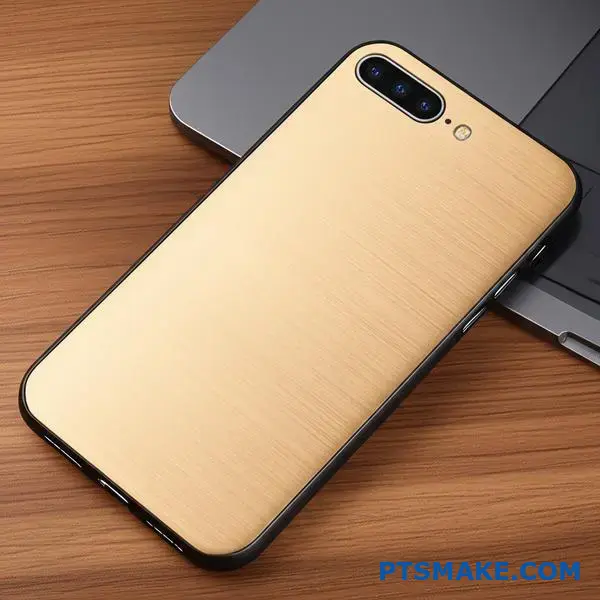
さらに深く掘り下げると、その違いはより明らかになる。適切な選択は、プロジェクト固有のニーズと優先順位に完全に依存する。単にスピードだけでなく、予測可能な結果が重要なのだ。.
プロセス期間の説明
PVDはバッチプロセスです。真空チャンバーに部品をセットし、真空を作り、コーティング・サイクルを実行するには数時間かかります。そのため、小ロット生産では1個あたりの時間が長く感じられます。.
しかし、電気めっきは多くの場合、連続または半連続プロセスである。部品はラインに沿って様々な薬液槽の中を移動する。その結果、特に大量生産では、個々の部品あたりの生産量が速くなる。.
仕上げの品質とスケーラビリティに迫る
PVDつや消しゴールド仕上げの品質は、その重要な強みである。このプロセスは、真空チャンバー内で高度に制御されています。その結果、非常に均一で再現性の高いコーティングが実現します。.
電気めっきの品質は、薬液槽の常時監視に依存しています。薬液のバランスや電流に変動があると、仕上がりに影響します。これは、大規模なバッチ全体の色や厚みのばらつきにつながる可能性があります。そのため 化学量論9 蒸着層の制御はより難しい。.
この表は、私たちのテストで観察されたニュアンスの詳細を示している。.
| アスペクト | PVD詳細 | 電気メッキの詳細 |
|---|---|---|
| バッチ時間 | 1サイクルあたり2~4時間(セットアップを含む) | 連続フロー、パーツごとの高速化 |
| 品質管理 | デジタル工程管理で高い一貫性を確保 | 化学浴モニタリングに依存し、変動する可能性がある |
| ボリュームのスイート・スポット | 少量から大量まで、フレキシブル | 非常に高い連続使用量に最適 |
そのため、PVDは生産サイクルを増やすことで柔軟に規模を拡大する。電気めっきは、大規模な連続生産のために生産ライン全体を拡大することで規模を拡大します。.
プロジェクトの優先順位によってお選びいただけます。PVDは、比類のない仕上げの一貫性を提供し、様々な生産量に適応します。電気めっきは、わずかなばらつきが許容されるような大規模生産において、明確なスピードの利点を提供します。.
完璧なブラッシュド・ゴールドの外観のための正しい基板材料の選択
選ぶベースメタルは単なる土台ではありません。最終的な外観を形作る重要な要素なのです。下地の素材は、ブラッシュドゴールド仕上げの暖かさ、色合い、質感に劇的な影響を与えます。.
ブラッシュゴールド仕上げに最適な下地を考えることは不可欠です。その選択は、外観だけにとどまりません。耐久性やコストにも影響します。.
美学における基板の役割
異なる金属はゴールド・コーティングと独自の相互作用をする。この相互作用が最終的な色を変える。また、光の反射の仕方にも影響します。選択を誤ると、意図したデザインが台無しになります。.
クイック比較卑金属
| 特徴 | アルミニウム | ステンレス鋼 |
|---|---|---|
| 最終トーン | より暖かく、よりソフトなイエロー | よりクールでシャープなゴールド |
| テクスチャー | よりソフトなライン | クリスパーブラシ |
| 重量 | 軽量 | より重い |
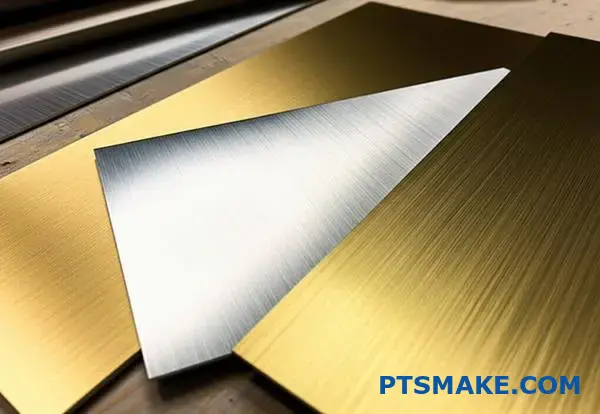
完璧なブラッシュド・ゴールド仕上げを実現するためには、まず下地から話を始めなければなりません。下地金属が製品の最終的な特徴を決定します。PTSMAKEでよく扱うのは、アルミニウムとステンレスの2種類です。それぞれがゴールド仕上げに独特の個性をもたらします。.
アルミニウムより温かみのある外観に
アルミニウムはもともと柔らかく、わずかに温かみがある。この性質は最終的な仕上げにも反映されます。アルミニウムのブラッシュゴールド仕上げは、より豊かで深みのある仕上がりになります。ブラッシングのラインもよりソフトに見えます。.
この素材特有の 表面自由エネルギー10 コーティングの密着性に影響します。その結果、非常に均一で一貫した外観が得られます。高級感のある温かみのある色調が求められる装飾部品に最適です。.
ステンレススチール:よりクールな仕上がりに
一方、ステンレス・スチールは硬く、青みがかったクールな色合いをしている。この下地が、ブラッシュド・ゴールド仕上げをより鮮明で現代的な雰囲気にします。色はより明るく反射して見えます。.
スチールの硬度は、非常にシャープで明確なブラシラインを可能にする。そのため、モダンなデザインに最適です。耐久性に優れているため、摩耗の激しい用途によく使用されます。.
詳細な基板影響分析
我々のテストに基づく、より詳細な内訳は以下の通り:
| 特徴 | アルミニウム基板 | ステンレス鋼基板 |
|---|---|---|
| 色相 | やや赤みがかった黄色 | よりクールで明るくモダンなイエロー |
| ブラッシングの詳細 | より柔らかく、よりなじんだライン | よりシャープで明確なライン |
| 光の反射 | 拡散したサテンのような光沢 | 鮮明で高い反射率 |
| 最適 | 装飾トリム、家電製品 | 備品、建築要素 |
下地は受動的なキャリアではない。最終的なブラッシュドゴールド仕上げを能動的に形作るのです。アルミニウムは温かみのあるソフトな美しさを、ステンレススチールはクールでシャープな表情を生み出します。お客様の選択は、製品の最終的な色、質感、個性を根本的に決定します。.
ブラッシュドゴールドとCNC加工を組み合わせた場合の公差スタックアップの懸念
寸法が重要な部品を設計する際、多くのエンジニアは重要なディテールを見落とします。表面仕上げは外観のためだけではありません。.
ブラッシュド・ゴールド仕上げにより、素材の厚みが増す。この追加された厚みは、最終的な寸法に直接影響する。.
これは、タイトであるために非常に重要である。 CNC部品の公差. .部品を公称サイズ通りに加工すると、仕上げによって許容範囲外になることがある。これは、後で組み立てに大きな問題を引き起こす可能性があります。.
| 特徴 | 仕上げ前の寸法 | 仕上げ後の寸法 |
|---|---|---|
| 外径 | 50.00 mm | 50.05 mm |
| インナーホール | 10.00 mm | 9.95 mm |
この一見小さな変化が、寛容さの問題の始まりである。.
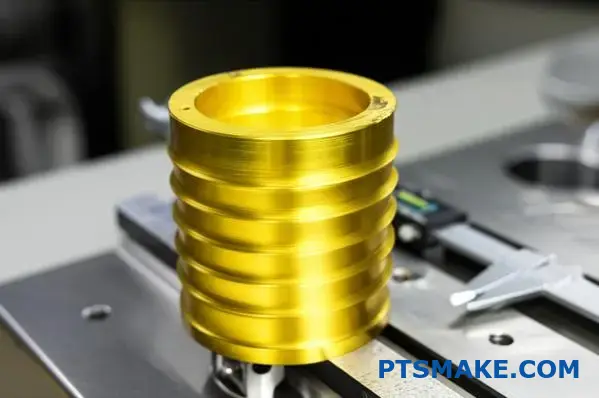
ブラッシュドゴールド仕上げの厚さは、完全に均一ではありません。パーツの形状やメッキプロセス自体によって異なることがあります。このばらつきが、正確な金メッキを実現するために、もう一つ複雑な要素を加えます。 CNC部品の公差.
コーナーやエッジは、メッキの付着量が多くなる可能性がある。凹んだ部分や深い穴は、メッキが少ないかもしれない。このような不一致は、完璧に組み合わされる必要がある部品にとって、隠れた故障の原因となり得ます。PTSMAKEでは、寸法がめっき前かめっき後かを常に明確にしています。.
について 基板形状11 は、コーティングの均一性に大きく影響します。これを考慮しないと、予期せぬ干渉フィットや接続の緩みにつながることがある。.
| 特徴 | 指定公差 | 仕上げのバリエーション | ミスマッチの可能性 |
|---|---|---|---|
| シャフト径 | ±0.02ミリメートル | ±0.01 mm | 0.03mmまで |
| ベアリングボア | ±0.02ミリメートル | ±0.01 mm | 0.03mmまで |
この表は、わずかな仕上げのばらつきが、公差予算全体のかなりの部分を消費することを示している。これは、公差の積み重ねの典型的な例です。.
ブラッシュドゴールド仕上げの厚みは、単なる化粧層ではなく、重要な寸法的特徴です。このことは、すべての CNC部品の公差 初期設計段階から、コストのかかる組み立ての失敗を防ぎ、適切な機能を確保する。.
医療技術用ブラッシュゴールド仕上げ:クリーンルームと摩耗規格
医療技術において、仕上げは見た目だけではありません。安全性と性能です。医療用ブラッシュゴールド仕上げのコンプライアンスは譲れません。.
部品は厳しい基準を満たさなければならない。これにより、患者との接触が安全であることが保証される。また、無菌環境で正しく機能することも保証されます。.
主要な規制枠組み
私たちはいくつかの重要な規格を考慮しなければならない。それぞれが医療機器の安全性と品質の異なる側面を扱っています。.
| スタンダード | 主な焦点 | ブラッシュド・ゴールド仕上げとの関連性 |
|---|---|---|
| ISO 13485 | 品質マネジメントシステム | 工程管理とトレーサビリティの確保。. |
| ISO 10993 | 生体適合性 | 患者との接触に対する材料の安全性を確認する。. |
| ISO 14644 | クリーンルーム | 製造中の清浄度レベルを指示する。. |
これらの規制は、すべての段階を導きます。素材の選択から最終的な梱包まで、ブラッシュゴールド仕上げにはコンプライアンスが最も重要です。.
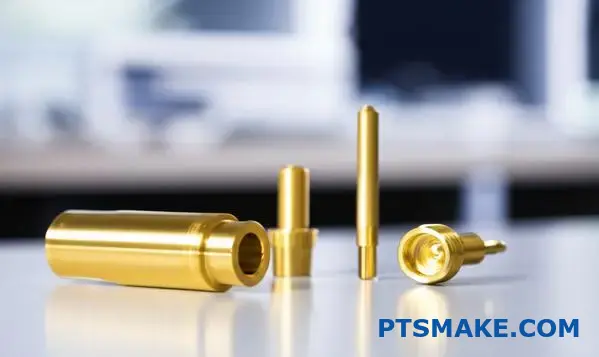
医療用ブラッシュゴールド仕上げのコンプライアンスについて語るとき、私たちは複雑な状況をナビゲートしています。部品は見た目が良いだけでは十分ではありません。厳しい臨床条件下で安全に機能しなければなりません。そこで、特定の国際規格が私たちのロードマップとなるのです。.
生体適合性と表面相互作用
最も重要な規格はISO 10993である。この一連の規格は 生体適合性12 素材の。これは、ブラッシュゴールドの表面を含むデバイスが、人体に接触しても有害な反応を引き起こさないことを保証するものです。これには、細胞毒性、感作性、刺激性の試験が含まれる。.
PTSMAKEの工程では、メッキと仕上げの工程で有害な残留物が発生しないことを確認しています。.
クリーンルーム製造プロトコル
無菌分野で使用される機器では、ISO 14644が鍵となる。この規格はクリーンルームの空気清浄度の分類を規定しています。手術器具に使用される金メッキ部品の製造は、あらゆる段階で微粒子を管理することを意味します。.
| コンプライアンス・エリア | 必要条件 | ブラッシュド・ゴールド仕上げへの影響 |
|---|---|---|
| 素材調達 | メディカルグレード基板 | 下地の安全性を確保する。. |
| メッキ工程 | 制御された化学 | 有害元素の溶出を防ぐ。. |
| 最終クリーニング | 有効な手順 | すべての製造残留物を除去する。. |
| パッケージング | クリーンルーム環境 | 使用まで無菌状態を保つ。. |
当社では、これらの部品を認定されたクリーンルーム環境で取り扱っています。これにより、患者の安全を損なう可能性のある汚染を防ぐことができます。これは、医療グレードの製造を定義する詳細レベルです。.
規格に準拠したブラッシュゴールド仕上げを実現するには、厳格な工程管理が必要です。ISO 10993およびISO 14644の遵守が不可欠です。これにより、無菌医療環境における患者の安全性とデバイスの完全性が保証され、これが当社の最優先事項です。.
陽極酸化シャンパン仕上げの代わりにブラッシュドゴールドを使用する場合
ゴールドトーンの仕上げを選ぶのは難しい。色だけではありません。材料、工程、そして希望する性能です。エンジニアはこれらの要素を慎重に検討する必要があります。.
ブラッシュドゴールドとアルマイト仕上げの論争はよくある。それぞれに適材適所がある。.
主なビジュアルの違い
ブラッシュドゴールド仕上げは、クラシックでリッチなメタリック感を演出。アルマイト仕上げのシャンパンは、よりモダンで繊細な光沢を放ちます。この選択は、最終製品の手触りに影響します。.
| 特徴 | ブラッシュド・ゴールド | 陽極酸化シャンパン |
|---|---|---|
| 美的 | 温かく、伝統的 | クール、コンテンポラリー |
| テクスチャー | 繊細なディレクショナル・ライン | 滑らか、マット |
| 素材感 | メッキされた金属の感触 | 一体型アルミニウム |
これらの違いを理解することが、あなたのプロジェクトに適切な判断を下す第一歩となる。それがデザイン全体のトーンを決める。.
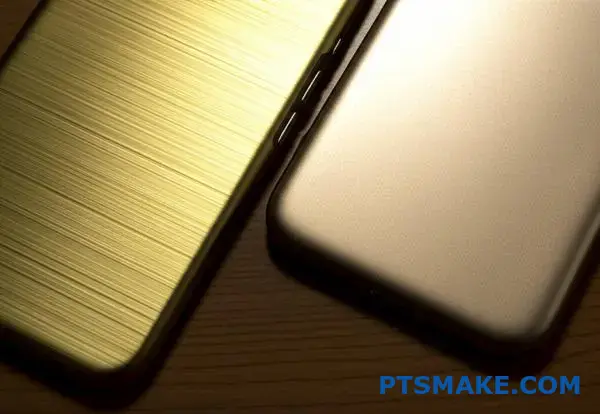
その決断は見た目だけにとどまらない。基本的には製造工程と素材の相性です。ここが、私たちが最もお客様をご案内するところです。.
ブラッシュドゴールド仕上げは通常、二次加工です。ステンレススチールや真鍮のような素材の上に施されることが多い。PVDコーティングや電気メッキのようなプロセスが使用されます。.
しかし、陽極酸化は電気化学プロセスである。アルミニウム専用です。金属表面を耐久性、耐食性、陽極酸化仕上げに変えます。仕上げはアルミニウム[基材]と一体です(エラーコード: 500)13, 単なるコーティングではない。.
技術比較
PTSMAKEでは、お客様が技術的なトレードオフを評価するお手伝いをします。最良の選択は、アプリケーション固有の要件に完全に依存します。.
| 仕様 | ブラッシュドゴールド(PVD/メッキ) | 陽極酸化シャンパン |
|---|---|---|
| 耐久性 | 高い(プロセスによって異なる) | エクセレント(ベースアルミニウムより硬い) |
| 素材 | スチール、真鍮、亜鉛など. | アルミニウムのみ |
| コスト | 一般的に高い | アルミニウムの費用対効果が高い |
| 一貫性 | 多少の変動はある | 高い再現性と均一性 |
ブラッシュドゴールド仕上げかアルマイト仕上げかの判断は、これらの点にかかっている。アルミニウムを使わないのであれば、アルマイト仕上げは選択肢に入らない。アルミニウムの耐久性を重視するなら、アルマイト仕上げが有力な選択肢となる。.
ブラッシュド・ゴールド仕上げとアルマイト・シャンパン仕上げのどちらを選ぶかは、基材、予算、希望する耐久性によって決まります。ブラッシュドゴールドは様々な金属にクラシックな魅力を提供し、アルマイト仕上げはアルミニウム部品に特化した統合された強靭な仕上げを提供します。.
PTSMAKEのブラッシュドゴールド仕上げのエキスパートが、あなたのプロジェクトをより洗練されたものにします。
次のハードウェアまたはOEMプロジェクトで、完璧なブラッシュゴールド仕上げを実現する準備はできていますか?今すぐPTSMAKEにご連絡いただき、迅速、正確、確実なお見積もりをご依頼ください!CNC機械加工と仕上げの20年以上の経験で、あなたのブランドにふさわしいプレミアム品質をお届けします。.

陽極酸化の電気化学的プロセスと、それがどのように金属表面を強化するかについて、さらに詳しくご覧ください。. ↩
さまざまな光の反射が、最終製品の知覚品質やユーザーエクスペリエンスにどのような影響を与えるかを理解する。. ↩
この心理学的概念が、購買決定や商品の価格戦略にどのような影響を与えるかを学ぶ。. ↩
表面の耐久性と性能に与える影響を理解するために、この高度なコーティング技術を探求してください。. ↩
これらの特性が、製品の表面仕上げの耐摩耗性と耐摩擦性にどのような影響を与えるかをご覧ください。. ↩
この方向特性が、ブラッシュ仕上げの金属表面の視覚的魅力と反射率にどのような影響を与えるかをご覧ください。. ↩
製品の質感や手触りが、顧客の品質や価値に対する認識にどのような影響を与えるかを知る。. ↩
このコーティング工程がどのようにして金属部品に一貫した耐久性のある色を実現するのか、技術的な詳細をご覧ください。. ↩
コーティングにおける正確な材料比率が、最終製品の耐久性と色の一貫性にどのように影響するかを学びましょう。. ↩
この特性が塗膜の密着性と最終仕上げの品質にどのような影響を与えるかをご覧ください。. ↩
パーツの初期形状が、最終的なコーティングの均一性と寸法精度にどのように影響するかを学びます。. ↩
材料が人の手に触れても安全であることを保証するために不可欠な試験を理解する。. ↩
母材の特性が表面仕上げの選択と性能にどのように影響するかを学びます。. ↩