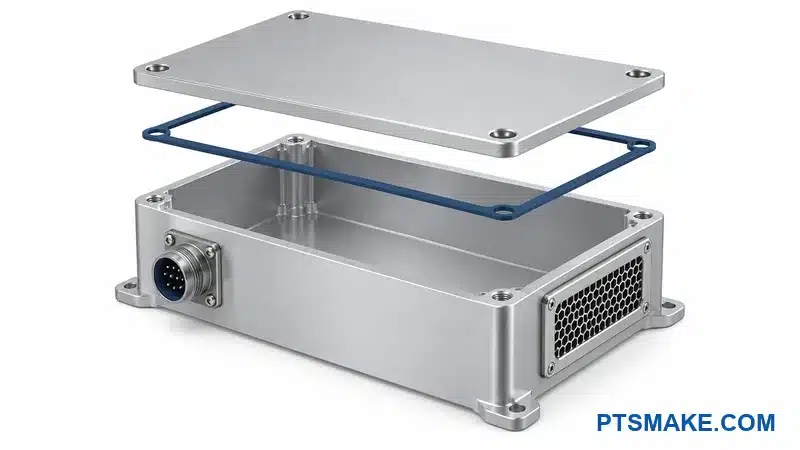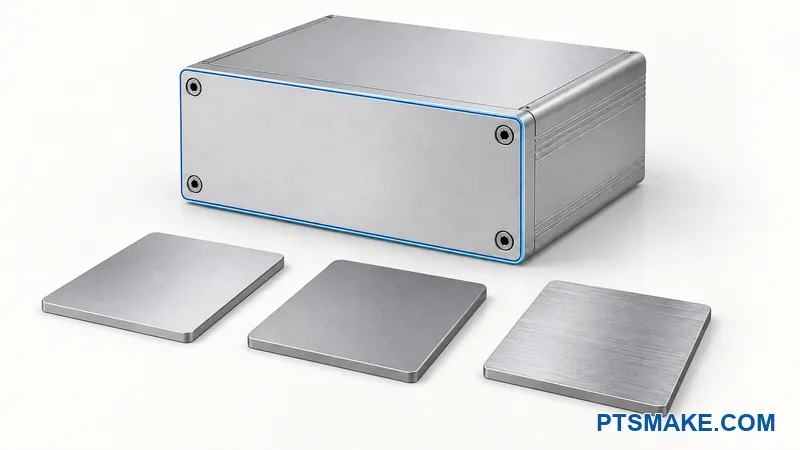

Choosing the wrong brass polish for your precision components can turn a flawless design into a costly failure. Poor surface finishes lead to corrosion, reduced conductivity, failed inspections, and disappointed customers who expect mirror-quality results from their trusted suppliers.
Brass polish selection depends on your application requirements, environmental conditions, and desired finish quality. Industrial applications need specialized compounds that provide durability, corrosion resistance, and consistent results across production runs, unlike consumer-grade products that prioritize convenience over performance.
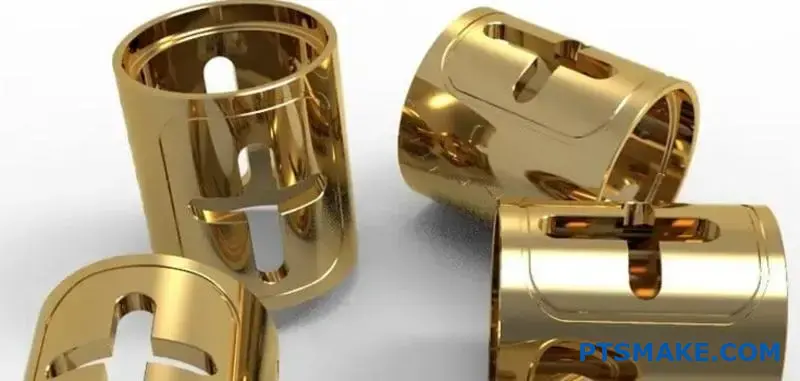
This guide covers everything from choosing the right polish chemistry to achieving mirror finishes that meet aerospace and medical device standards. You’ll discover proven techniques that ensure consistent quality from prototype through mass production.
Why Brass Polish Matters In Precision Engineering
In precision engineering, a component’s finish is not just about looks. It’s a critical aspect of its function. A proper brass polish does more than make a part shiny.
Performance and Perception
It ensures the part performs reliably. It also affects the first impression of the final product. Poor finishing can suggest poor quality.
This is especially true in B2B sectors. Industries like aerospace and medical devices demand perfection. The benefits of a professional polish are clear.
| Sector | Primary Benefit of Brass Polish |
|---|---|
| Ruimtevaart | Corrosiebestendigheid |
| Medische apparaten | Sterilizability & Cleanliness |
| Elektronica | Enhanced Conductivity |
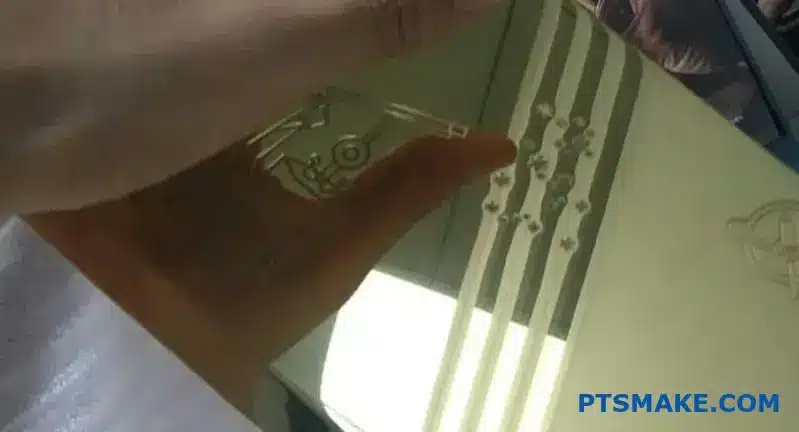
When dealing with high-stakes industries, every detail matters. The industrial brass polish benefits go far beyond simple aesthetics. They directly impact safety, reliability, and functionality. Think about it.
Ruimtevaarttoepassingen
In aerospace, a polished brass component resists corrosion better. This small detail can extend the service life of a critical part, preventing failures. Even minor surface imperfections can become stress points over time.
Medical and Electronic Components
For medical devices, a smooth, polished surface is easier to sterilize. It prevents bacteria from gathering in microscopic crevices. This is a non-negotiable requirement.
In electronics, precision component finishing is key. A clean, polished surface ensures optimal electrical conductivity between components. This is vital for the performance of sensitive electronic assemblies. We’ve seen how a superior finish can improve the signal integrity of a connector. It reduces signal loss.
Lowering the oppervlakteruwheid1 of a component can drastically reduce friction and wear. It also ensures a tighter seal for fittings.
| Toepassing | Key Performance Impact |
|---|---|
| Aansluitingen | Improved Conductivity |
| Lagers | Verminderde wrijving |
| Kleppen | Betere afdichting |
| Implantaten | Verbeterde biocompatibiliteit |
Bij PTSMAKE richten we ons op deze details. Een perfecte afwerking maakt deel uit van onze toewijding om componenten te leveren die specificaties overtreffen.
Messing polijsten is essentieel voor functie en perceptie in precisietechniek. Een hoogwaardige afwerking verbetert de prestaties in kritieke sectoren zoals de lucht- en ruimtevaart en medische apparaten, wat direct van invloed is op de betrouwbaarheid en het vertrouwen van de klant in de eindmontage.
How To Choose The Right Brass Polish For Your Parts
Het kiezen van de juiste messing polijst is niet alleen voor het uiterlijk. Het is een technische beslissing. U moet esthetiek, duurzaamheid en bescherming in evenwicht brengen.
Het uiteindelijke gebruik van uw onderdeel is de belangrijkste factor. Is het een decoratief stuk of een functioneel onderdeel? Deze vraag stuurt uw selectie.
Hier is een eenvoudig raamwerk om te beginnen.
| Polijst Type | Beste voor | Belangrijkste kenmerken |
|---|---|---|
| Hoogglans | Decoratieve Onderdelen | Spiegelachtige glans |
| Satijnglans | OEM Componenten | Lage glans, verbergt vingerafdrukken |
| Antieke Afwerking | Architectuur | Verouderde, klassieke uitstraling |
| Beschermende Lak | Slijtvaste onderdelen | Maximale corrosiebestendigheid |
Deze basisgids helpt u de opties voor uw project te verfijnen.
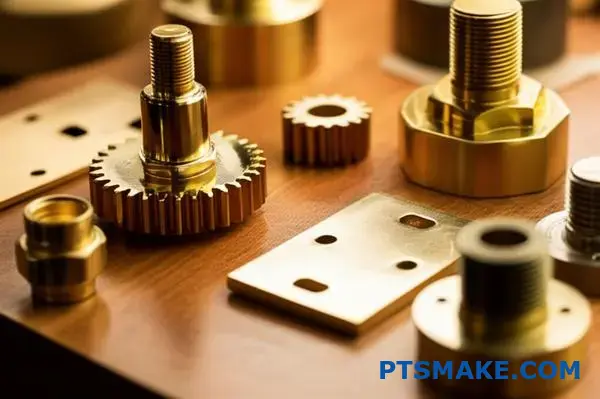
Een selectiegids voor messingafwerkingen helpt uw beslissing te stroomlijnen. Bij PTSMAKE begeleiden we klanten dagelijks door dit proces. We verdelen het in vier belangrijke gebieden.
Gewenste esthetiek
Definieer eerst de uitstraling die u nodig heeft. Een hoogglans polijstafwerking is geschikt voor consumentenproducten. Het creëert een premium gevoel. Maar voor industriële apparatuur is een satijn- of mat afwerking beter. Het vermindert schittering en ziet er professioneel uit.
Industrie en toepassing
De industrie stelt de norm. Medische en luchtvaartonderdelen vereisen vaak niet-reflecterende afwerkingen om functionele redenen. Daarentegen kan architectonisch beslag een antieke messing polijstafwerking gebruiken voor een klassieke uitstraling. De beste messing polijstafwerking voor OEM-onderdelen is vaak een die uiterlijk en prestaties in evenwicht brengt.
Duurzaamheidseisen
Houd rekening met de omgeving van het onderdeel. Wordt het vaak gehanteerd? Of blootgesteld aan zware omstandigheden? Een eenvoudige waspolijstafwerking biedt minimale bescherming. Een heldere lak of poedercoating biedt een veel duurzamere barrière tegen slijtage. Dit is cruciaal voor onderdelen die lang mee moeten gaan. De levensduur van een onderdeel kan worden beïnvloed door galvanische corrosie2 of het in contact komt met andere metalen.
Corrosiebestendigheid
Messing is van nature goed bestand tegen corrosie. Maar zoutnevel, vocht en chemicaliën kunnen aantasting versnellen. Voor maritieme toepassingen of buitengebruik is een polijstafwerking met toegevoegde corrosieremmers of een verzegelde lak essentieel. Onze tests tonen aan dat gelakte afwerkingen de levensduur van een onderdeel in zware omstandigheden aanzienlijk kunnen verlengen.
Het selecteren van de juiste messing polijstafwerking omvat het afwegen van esthetische wensen tegen functionele behoeften zoals duurzaamheid en corrosiebestendigheid. Het gebruik van een duidelijk beslissingskader zorgt ervoor dat uw onderdelen er niet alleen geweldig uitzien, maar ook betrouwbaar presteren in hun beoogde toepassing.
Secrets To Achieving Mirror Finish On Brass Components
Het bereiken van een echte spiegelafwerking op messing is geen magie. Het is een methodisch proces. Het is volledig afhankelijk van de juiste gereedschappen, schuurmiddelen en polijstmiddelen. Gissen leidt alleen maar tot frustrerende krassen.
Voor hoogglans messing onderdelen is precisie van begin tot eind cruciaal. U moet een systematische progressie van schuurmiddelen volgen. Dit begint met schuren om machinekerven te verwijderen. Daarna kunt u overgaan op de eigenlijke messing polijstmiddelen.
Hier is een typische schuurmiddelprogressie die we volgen:
| Stap | Schuurmiddeltype | Korrel/Kwaliteit | Doel |
|---|---|---|---|
| 1 | Schuurpapier | 400-600 | Diepe krassen verwijderen |
| 2 | Schuurpapier | 800-1200 | Verfijn het oppervlak |
| 3 | Schuurpapier | 1500-2000 | Voorbereiden op polijsten |
| 4 | Polijstpasta | Grof | Eerste snede & polijsten |
| 5 | Polijstpasta | Fijn | Finale hoogglans glans |
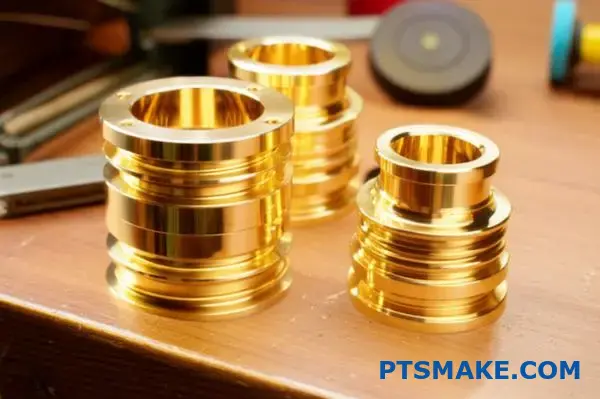
Na het voorbereiden van het oppervlak begint de echte kunst van het spiegelafwerking messing polijsten met compounds. Dit zijn niet zomaar simpele pasta's. Het zijn een zorgvuldige mix van fijne schuurdeeltjes gesuspendeerd in een drager vloeistof of was.
De Juiste Polijstpasta Selecteren
Het schuurmiddel zelf, vaak aluminiumoxide of diamant, bepaalt de snijsnelheid. De drager, meestal op olie- of waterbasis, beïnvloedt smering, warmteafvoer en reiniging. Ingenieurs waarderen dit niveau van controle.
Bij PTSMAKE gebruiken we een meerfasen compoundproces voor kritieke componenten. Dit zorgt voor maximale helderheid en reflectiviteit op het eindonderdeel.
| Type samenstelling | Schuurmiddel Kwaliteit | Typisch gebruik |
|---|---|---|
| Snijden (Bruin) | Grof | Verwijderen van zware defecten |
| Polijsten (Wit) | Medium | Ophelderen en verfijnen |
| Afwerking (Blauw/Rood) | Ultrafijn | Final mirror gloss |
One critical factor to watch for is abrasive agglomeration3. When these fine particles clump together, they act like a much coarser grit. This creates deep, random scratches that are very difficult to remove later.
Proper lubrication and using clean buffing wheels are essential CNC brass polishing tips to prevent this. This discipline ensures a consistent, flawless surface required for high-gloss brass parts. It separates an acceptable finish from an exceptional one.
Achieving a mirror finish on brass demands a disciplined approach. It requires a careful sequence of abrasives to remove all imperfections, followed by the correct selection of polishing compounds to create that flawless, reflective surface.
Comparing Brass Polish vs Plating For Industrial Parts
When choosing a finish for industrial brass parts, the decision isn’t just about looks. It’s a critical choice between aesthetics and function. The debate of brass polish vs plating comes down to your component’s end-use.
A brass polish simply enhances the material’s natural surface. It brings out the inherent warm, golden luster of the brass alloy itself. Plating, however, is an additive process. It deposits a new layer of metal onto the brass.
This fundamental difference dictates the final properties of your part.
| Functie | Messing gepolijst | Plated Brass |
|---|---|---|
| Proces | Abrasive (Removes Material) | Additive (Adds Layer) |
| Primair doel | Enhance Natural Look | Nieuwe eigenschappen toevoegen |
| Oppervlak | Originele messinglegering | Nieuwe metaallaag |
Deze initiële vergelijking helpt bij het kaderen van de beslissing. Het gaat erom te onthullen wat er is versus iets nieuws toe te voegen.
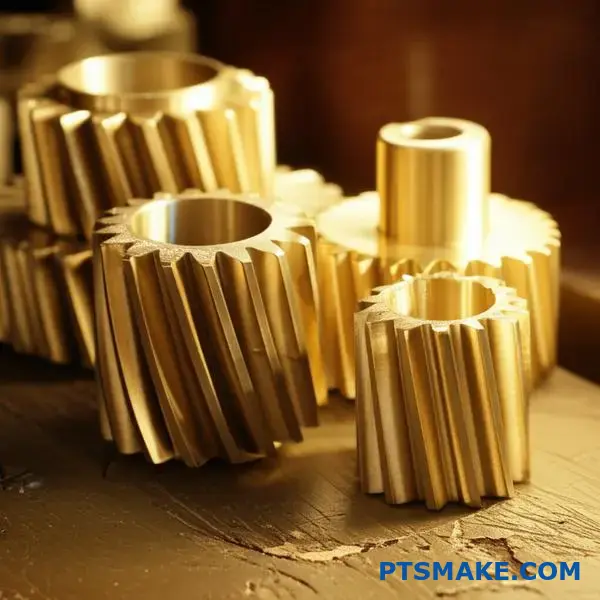
Functionele impact op prestaties
Vanuit een technisch oogpunt is functionaliteit van het grootste belang. Een simpele brass polish is geweldig als je de eigenschappen van het basismateriaal wilt behouden. Het houdt de oorspronkelijke elektrische en thermische geleidbaarheid van de messinglegering intact. Dit is vaak voldoende voor veel toepassingen.
Echter, voor hoogwaardige gegalvaniseerde messingcomponenten, biedt galvaniseren aanzienlijke voordelen. We kunnen een laag van een ander metaal toevoegen, zoals nikkel of tin, om de corrosiebestendigheid drastisch te verbeteren. Voor elektrische contacten kan een dunne laag zilver of goud de geleidbaarheid verbeteren en oxidatie voorkomen. De keuze bepaalt de levensduur van het onderdeel in zware omgevingen.
Esthetische en duurzaamheid afwegingen
Esthetisch gezien biedt galvaniseren veel meer opties en consistentie. Je kunt afwerkingen bereiken zoals glanzend chroom, satijn nikkel, of zelfs zwart zink. Deze looks zijn uniform en zeer herhaalbaar over grote productieruns. Gepolijst messing biedt een klassieke, warme uitstraling, maar het zal na verloop van tijd aantasten zonder een beschermende lak.
Duurzaamheid is een ander belangrijk onderscheidend kenmerk. Een harde chroomlaag is bijvoorbeeld veel beter bestand tegen krassen en slijtage dan blank messing. Bij PTSMAKE beheren we het proces zorgvuldig om een sterke substraathechting4, te garanderen, waardoor de gegalvaniseerde laag niet afbladdert onder spanning. Dit is essentieel voor bewegende delen.
Deze tabel helpt de beste afwerking voor geleidbaarheid en uiterlijk te verduidelijken.
| Eigendom | Brass Polish | Brass Plating (e.g., Nickel) |
|---|---|---|
| Geleidbaarheid | Native to Brass | Varies by Plating Metal |
| Corrosiebestendigheid | Low (Tarnishes) | Hoog tot zeer hoog |
| Hardness/Wear | Base Metal Hardness | Aanzienlijk toegenomen |
| Kleuropties | Brass Only | Multiple (Silver, Chrome, etc.) |
The choice between polishing and plating hinges entirely on your part’s intended application. Polishing is best for aesthetic parts in controlled environments. Plating is essential for components needing enhanced durability, corrosion resistance, or specific electrical properties.
How Brass Polish Impacts Corrosion Resistance In Harsh Environments
In critical sectors, a high-quality brass polish is non-negotiable. It’s more than aesthetics; it is a functional requirement. It directly impacts component reliability and lifespan.
For aerospace and marine parts, failure is not an option. A superior polish creates a smooth, non-porous surface. This minimizes points where corrosion can begin. The right corrosion-resistant brass polish is a primary defense.
Performance in Key Industries
| Industrie | Key Benefit of High-Quality Polish |
|---|---|
| Ruimtevaart | Voorkomt micro-pitting, zorgt voor structurele integriteit |
| Zee | Is bestand tegen zoutwatercorrosie en aangroei |
| Medisch | Vergemakkelijkt sterilisatie, zorgt voor biocompatibiliteit |
Een goed beschermende messing oppervlakteafwerking is de eerste verdedigingslinie op deze veeleisende gebieden.
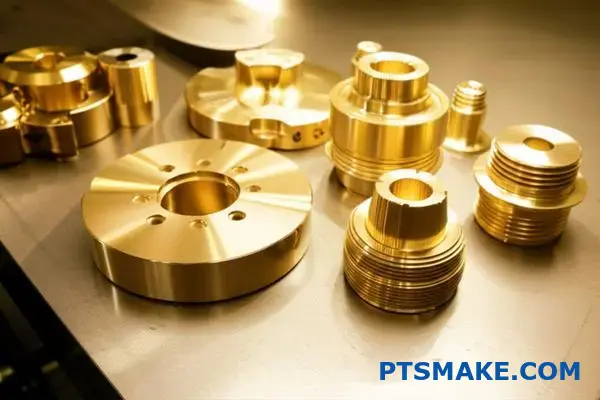
De link tussen de kwaliteit van de polijsting en de prestaties is direct. Een gladder oppervlak, gemeten met een lagere Ra-waarde, laat minder microscopische putjes achter. Deze kleine imperfecties zijn waar corrosie, zoals roest of aanslag, begint.
Luchtvaart- en Maritieme Uitdagingen
In de luchtvaart worden componenten blootgesteld aan extreme temperatuurwisselingen en veranderingen in atmosferische druk. Een vlekkeloze beschermende messing oppervlakteafwerking voorkomt dat vocht wordt vastgehouden. Dit vermindert het risico op spanningscorrosie.
Maritieme omgevingen zijn nog zwaarder. Ze combineren constante vochtigheid met zoutgehalte. Hier is een hoogwaardige brass polish cruciaal om versnelde degradatie door zoutwater te voorkomen. Het helpt ook voorkomen galvanische corrosie5 wanneer messing in contact komt met andere metalen.
Bij PTSMAKE bereiken we ultra-gladde afwerkingen voor deze toepassingen. Dit zorgt ervoor dat de onderdelen van onze klanten betrouwbaar presteren gedurende hun beoogde levensduur.
Toepassingen voor medische apparatuur
Voor medische instrumenten zijn de belangen net zo hoog. Een niet-poreus oppervlak is gemakkelijker volledig te reinigen en te steriliseren. Dit vermindert het risico op bacteriële groei en zorgt voor patiëntveiligheid. De juiste polijsting draagt bij aan de biocompatibiliteit van het materiaal.
| Functie | Luchtvaart/Maritiem Voordeel | Medisch voordeel |
|---|---|---|
| Lage Oppervlakteruwheid | Verminderde weerstand, minder corrosieplekken | Verbeterde reinigbaarheid, minder bacteriële hechting |
| Uniforme Afwerking | Consistente materiaalprestaties | Voorspelbare interactie met weefsels |
| Verbeterde Hardheid | Verhoogde slijtvastheid | Betere duurzaamheid tegen herhaalde sterilisatie |
Een superieure brass polish is een cruciale engineeringstap. Het verbetert direct de betrouwbaarheid en levensduur van componenten in zware luchtvaart-, maritieme en medische omgevingen door een robuust, beschermend oppervlak te creëren.
The Long Game: How Polished Brass Pays Off
Het polijsten van messing is meer dan esthetiek. Het is een strategische investering in de toekomst en het merk van uw product. Deze afwerking heeft directe invloed op de prestaties op lange termijn en de perceptie van de klant.
Een belangrijk voordeel is de verbeterde duurzaamheid van gepolijst messing. Een professioneel gepolijst oppervlak is niet alleen glanzend; het is een veerkrachtiger component.
Deze eenvoudige stap voegt een beschermingslaag toe. Het helpt beschermen tegen kleine krasjes en omgevingscorrosie. Gedurende de levensduur van het product zorgt dit detail voor een lange levensduur.
Prestaties versus Klantindruk
De verbinding tussen de fysieke eigenschappen en wat de klant voelt, is direct. Onze analyse toont een duidelijke correlatie aan.
| Factor | Prestaties op lange termijn | Customer Impression |
|---|---|---|
| Corrosiebestendigheid | Aanzienlijk hoger | Appears well-maintained |
| Oppervlaktehardheid | Marginally increased | Feels smooth and solid |
| Reinigbaarheid | Easier to wipe down | Looks premium and clean |
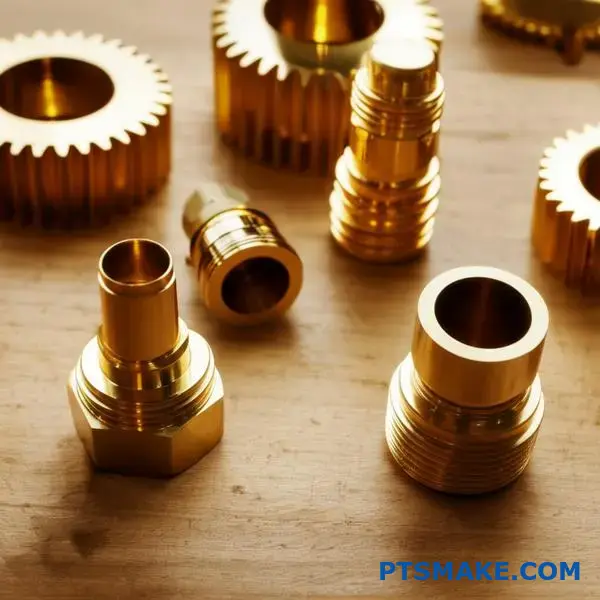
A polished surface does more than protect. It silently communicates your brand’s standards. This is a crucial aspect of OEM branding through surface finish.
Consider the end-user’s first interaction. When they pick up a product with a polished brass part, it feels substantial. It immediately signals high quality.
This positive haptische perceptie6 is powerful. It builds subconscious trust. Customers link that feeling of quality with your brand, creating a lasting positive association.
Building Brand Equity Through Finish
At PTSMAKE, we consistently see how finish becomes an unspoken part of brand identity. It acts as a silent promise of the quality within. A tarnished or rough surface might imply shortcuts were taken elsewhere.
In contrast, a bright, smooth polish suggests meticulous attention to detail. It shows a commitment to excellence that customers notice.
The Ripple Effect of Quality Perception
This initial perception influences loyalty. A customer who trusts the quality of your components is far more likely to make repeat purchases. The initial investment in a superior brass polish pays for itself through customer retention and brand reputation.
| Afwerkingskwaliteit | Klantinzicht | Impact op OEM-merk |
|---|---|---|
| Hoogglans | "Dit voelt goed gemaakt aan." | Wordt als premium, betrouwbaar ervaren |
| Dof/Onbewerkt | "Is dit een goedkoop onderdeel?" | Wordt gezien als basic, budgetgericht |
| Inconsistent | "Ze besteden geen aandacht aan details." | Merk oogt onprofessioneel |
Een hoogwaardige messing polijstbehandeling levert een tastbare ROI op. Het verhoogt de duurzaamheid van gepolijst messing voor superieure prestaties. Dit creëert een premium klantindruk, versterkt de OEM-branding door de oppervlakteafwerking en bouwt blijvende waarde op voor uw gehele productlijn.
Customer Case Study: Brass Finish For Medical Device Compliance
Een klant benaderde ons met een uitdaging. Ze hadden een kritiek messing onderdeel voor een diagnostisch apparaat. Het voldeed echter herhaaldelijk niet aan de wettelijke controles.
Het probleem lag niet bij het ontwerp of het materiaal. De oppervlakteafwerking voldeed niet aan de strenge normen voor medische apparatuurafwerking.
Onze taak was om hun messing polijstproces te verfijnen. Dit zorgde ervoor dat het onderdeel niet alleen functioneel, maar ook volledig conform was. Deze casestudy over messing polijsten benadrukt hoe afwerking cruciaal is.
| Staat | Oppervlaktegesteldheid | Conformiteitsstatus |
|---|---|---|
| Voor | Micro-pitting, inconsistente Ra | Mislukt |
| After | Smooth, uniform, <0.4μm Ra | Passed |
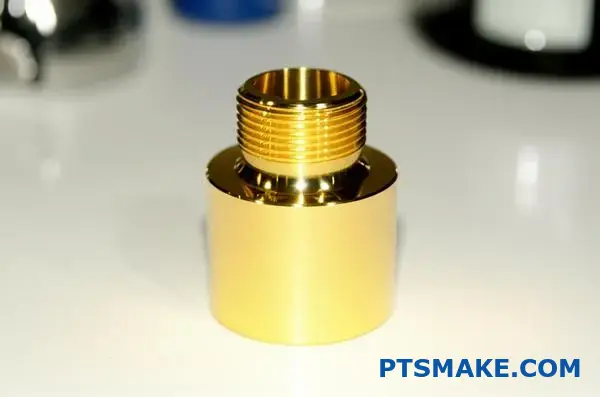
The Regulatory Hurdle
The component required direct contact with sensitive biological samples. This meant the surface had to be non-reactive and easy to sterilize. Any microscopic flaws could harbor contaminants. This risked patient safety and test accuracy.
Initial Failures
Their first prototypes had a visually appealing shine. But under microscopic inspection, the surface was too rough. This roughness failed the necessary medical device finish standards for cleanability. The surface directly impacts a device’s safety profile.
The PTSMAKE Solution: A Multi-Step Process
We abandoned the standard single-step polishing method. At PTSMAKE, we developed a multi-stage process. It was designed for their specific brass alloy. This approach ensured a consistent and ultra-smooth surface. The final finish was crucial for achieving device Biocompatibiliteit7.
We worked with the client’s team through several iterations. Together, we perfected the technique. Our process not only met but exceeded the required specifications for their application.
| Stap | Standaardproces | Our Enhanced Process |
|---|---|---|
| 1 | Mechanical Sanding | Controlled Lapping |
| 2 | Single-Compound Buff | Multi-Compound Buffing |
| 3 | Chemische reiniging | Ultrasoon reinigen & passiveren |
| 4 | Visuele inspectie | 3D-oppervlaktemetrologie |
Deze gedetailleerde methode garandeerde goedkeuring door regelgevende instanties.
Deze casestudy toont aan dat voor medische hulpmiddelen messing polijsten geen cosmetische behandeling is. Een nauwkeurig afwerkingsproces is cruciaal voor het voldoen aan strenge regelgevende normen en het waarborgen van productveiligheid, wat uiteindelijk leidt tot een succesvolle marktintroductie.
How PTSMAKE Ensures Brass Polish Consistency From Prototype To Mass Production
Opschalen van een enkel prototype naar massaproductie is een cruciale test. Het is waar veel projecten uitdagingen ondervinden.
Een perfect prototype is een geweldige start. Maar het bereiken van diezelfde consistente messing afwerking over duizenden eenheden vereist een robuust systeem.
Van monster tot schaal
Bij PTSMAKE zorgen we voor PTSMAKE polijst herhaalbaarheid door gedocumenteerde processen. Deze systematische aanpak maakt van een ambacht een betrouwbare wetenschap. We bouwen vertrouwen op door elke keer weer voorspelbare kwaliteit te leveren.
| Stadium | Belangrijkste focus | Resultaat |
|---|---|---|
| Prototype | Het bereiken van de doelafwerking | Een enkel, perfect onderdeel |
| Productie | Het repliceren van de afwerking | Thousands of identical parts |
This discipline is fundamental to our manufacturing philosophy.
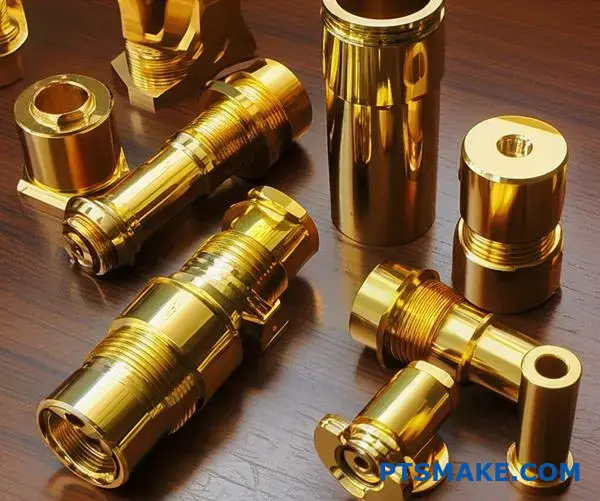
The Bridge from One to One Thousand
The transition from a single perfect part to thousands is not magic. It is a carefully managed engineering process. We document every variable from the prototype phase. This data becomes the foundation for mass production.
Standaard werkprocedures (SOP's)
We create detailed SOPs for every brass polish project. These documents are not just guidelines. They are strict instructions for our technicians. They cover everything from machine settings to the specific grade of abrasive used.
This ensures every operator, on every shift, produces the same result.
Key Controlled Parameters
We precisely control multiple variables. This removes guesswork and guarantees a consistente messing afwerking. The study of tribologie8 informs our understanding of how materials interact during the polishing process, allowing for finer control.
| Parameter | Controlemethode | Waarom het belangrijk is |
|---|---|---|
| Polishing Speed | Digital RPM Control | Affects heat and material removal rate |
| Schuurkorrel | Sourced & Verified Batches | Determines final surface roughness |
| Applied Pressure | Calibrated Tooling | Ensures uniform material contact |
| Cyclustijd | Automated Timers | Guarantees consistent duration |
Our Commitment to Repeatability
Our focus on PTSMAKE polijst herhaalbaarheid is relentless. We use statistical process control to monitor outcomes. Any deviation is immediately flagged and corrected. This proactive approach ensures your final production run matches the approved prototype perfectly.
Successfully scaling a brass polish finish requires moving from craft to science. PTSMAKE achieves this with detailed SOPs and strict process controls. This ensures the prototype’s quality is perfectly replicated in every part during mass production.
Packaging Polished Brass Parts For Scratch-Free Delivery
The final brass polish is perfect. Now, the most critical journey begins: from our facility to yours. Proper packaging is not just a final step. It is a core part of the manufacturing process.
Effective logistics for polished brass ensures your parts arrive factory-fresh. It prevents costly rework or rejection. The right anti-scratch packaging material is key.
Primary Packaging Layers
Choosing the correct initial wrap is essential. It’s the first line of defense against scratches and environmental factors.
| Materiaal | Scratch Risk | Tarnish Risk |
|---|---|---|
| Microfiber Cloth | Zeer laag | Laag |
| VCI Paper | Laag | Zeer laag |
| Standard Bubble Wrap | Hoog | Medium |
| PE Foam Wrap | Laag | Laag |
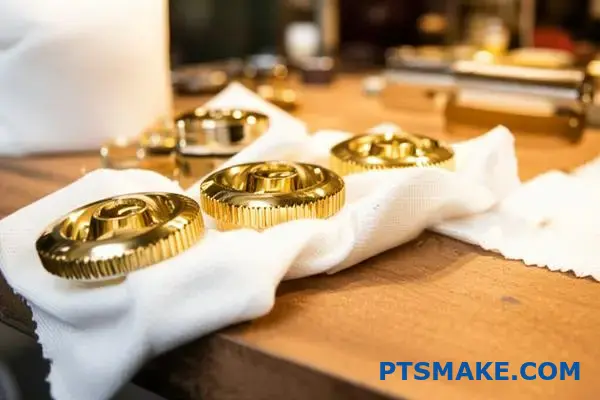
The right materials are crucial for protecting your investment. At PTSMAKE, we’ve refined our processes to eliminate shipping damage. This protects the delicate brass polish from abrasion and environmental factors during transit. A pristine part reflects our commitment to quality.
Geavanceerde materiaalselectie
We avoid common materials like standard bubble wrap. Its surface can leave impressions on a mirror finish. We also steer clear of kraft paper, which can be abrasive. Instead, we opt for specific anti-scratch packaging material designed for sensitive surfaces.
Our go-to solution is a multi-layer approach. It starts with a soft, non-abrasive layer. This could be a lint-free cloth or a specialized polyethylene (PE) foam sheet. This layer makes direct contact with the part.
Next, we might use VCI (Vapor Corrosion Inhibitor) paper. This is especially important for long-distance or sea freight. It helps prevent tarnishing. Some paper materials can be hygroscopisch9, which can trap moisture against the surface. VCI paper actively combats this risk.
Comparing Advanced Protective Wraps
After testing, we’ve found clear winners for protecting a high-quality brass polish.
| Materiaal | Beschermingsniveau | Beste gebruikscasus |
|---|---|---|
| Lint-Free Microfiber | Uitstekend | Primary wrap for mirror finishes |
| VCI Paper/Bags | Uitstekend | Anti-tarnishing, long transit |
| Cross-linked PE Foam | Zeer goed | Cushioning & scratch prevention |
| Acid-Free Tissue | Goed | Interleaving between flat parts |
This careful selection in the logistics for polished brass is non-negotiable for delivering perfection.
Proper B2B shipping protection is a science. It involves choosing the right anti-scratch packaging material and creating a system that prevents movement, abrasion, and corrosion. This ensures every part, with its perfect brass polish, arrives ready for assembly.
Optimizing Design For Easier Polishing In Manufacturing
Achieving a flawless brass polish begins at the design stage. It is not just a final step. Smart design choices make polishing much easier, faster, and more cost-effective for your project.
A part not designed for finishing often needs rework. This leads to inconsistent quality and higher costs.
DFM for Polished Brass CNC
Proper DFM ensures your part is finish-ready. This approach minimizes the intense manual labor required for a high-quality brass polish. It is a critical step for consistent outcomes.
| Ontwerp | Difficult to Polish | Easy to Polish |
|---|---|---|
| Interne hoeken | Sharp, tight | Generous, rounded |
| Oppervlakken | Complex, multi-faceted | Groot, plat of zacht gebogen |
| Uitsparingen | Diep, smal | Ondiepe, brede toegang |
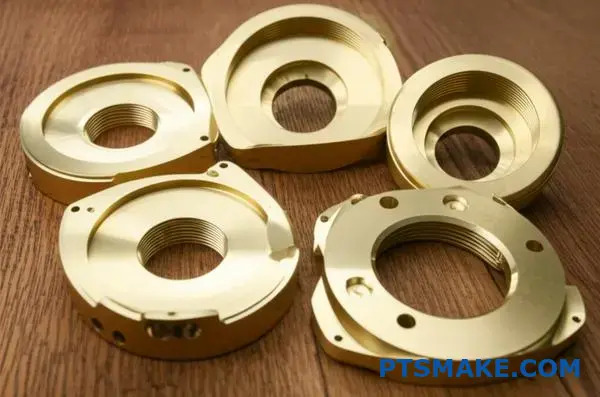
Het polijsten van messing is een ambacht, maar met een goed ontwerp kunt u de uitkomst sterk beïnvloeden. Bij PTSMAKE werken we samen met klanten om ervoor te zorgen dat elk messing onderdeel ontwerp klaar is voor afwerking voor een uitzonderlijk resultaat. Deze samenwerking is cruciaal.
Vereenvoudig geometrie voor toegang
Complexe vormen met veel kenmerken zijn moeilijk gelijkmatig te polijsten. Polijstgereedschappen, vooral geautomatiseerde, hebben moeite om elk oppervlak te bereiken. Dit resulteert vaak in een gevarieerde, inconsistente glans.
Kiezen voor eenvoudigere geometrieën met grote, toegankelijke oppervlakken maakt een groot verschil.
Rond altijd interne hoeken af
Scherpe interne hoeken zijn een grote uitdaging. Poetswielen kunnen een scherpe hoek simpelweg niet bereiken. Dit laat doffe, ongepolijste plekken achter die opvallen.
Een eenvoudige DFM-tip is het toevoegen van een royale afronding. Deze kleine verandering geeft polijstgereedschappen volledige toegang.
Plan het voorpolijstoppervlak
De initiële oppervlakteafwerking van CNC-bewerking heeft directe invloed op de uiteindelijke brass polish. A smoother machine finish requires less polishing time. It also reduces the risk of removing too much material. This property can be affected by the material’s Anisotropie10, which can influence cutting and polishing.
| Parameter | Aanbevolen richtlijn | Waarom het belangrijk is |
|---|---|---|
| Interne radii | > 1 mm | Allows tool and buff access |
| Oppervlakteruwheid | < Ra 0.8 μm | Reduces manual polishing time |
| Wanddikte | Consistent | Prevents distortion during buffing |
In summary, a superior brass polish is designed, not just applied. Simple considerations like rounded corners and smooth surfaces significantly reduce polishing effort, cost, and lead time. Planning ahead is the most effective strategy.
Work With PTSMAKE For Unmatched Brass Polish Precision
Ready to achieve flawless, high-performance brass finishes for your industrial projects? Contact PTSMAKE for a fast, tailored quotation—our experts ensure consistent, corrosion-resistant brass polish from prototype to production. Take the next step in quality and partner with PTSMAKE today!

Learn how this surface metric directly influences component friction, wear, and overall lifespan. ↩
Learn how contact with other metals can impact your brass parts’ lifespan. ↩
Understand how abrasive particle behavior impacts surface quality and learn techniques to prevent scratching. ↩
Understand how this bond is critical for the long-term reliability and performance of your plated components. ↩
Understand the electrochemical process that causes one metal to corrode when touching another in an electrolyte. ↩
Learn how tactile qualities influence a user’s perception of product quality and overall value. ↩
Understand the key material properties required for safe medical device applications. ↩
Explore how the science of friction and wear helps us perfect polishing techniques for superior consistency. ↩
Leer hoe materiaalvochtabsorptie uw onderdelen tijdens verzending kan beïnvloeden. ↩
Leer hoe de directionele eigenschappen van een materiaal het uiteindelijke gepolijste oppervlak en de ontwerpresultaten kunnen beïnvloeden. ↩