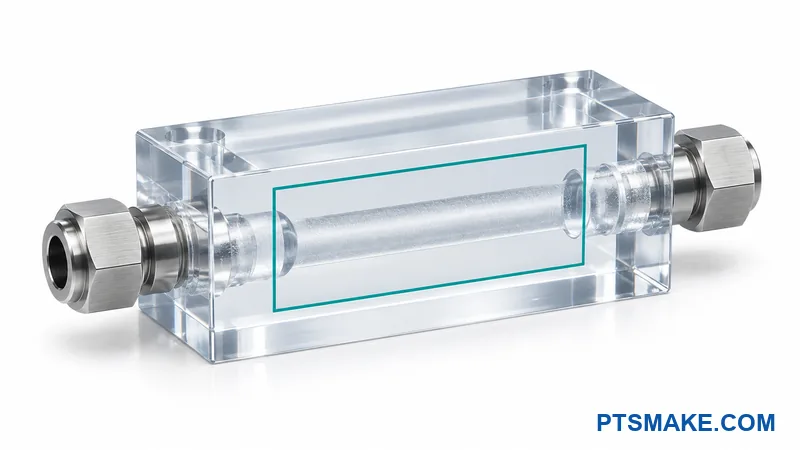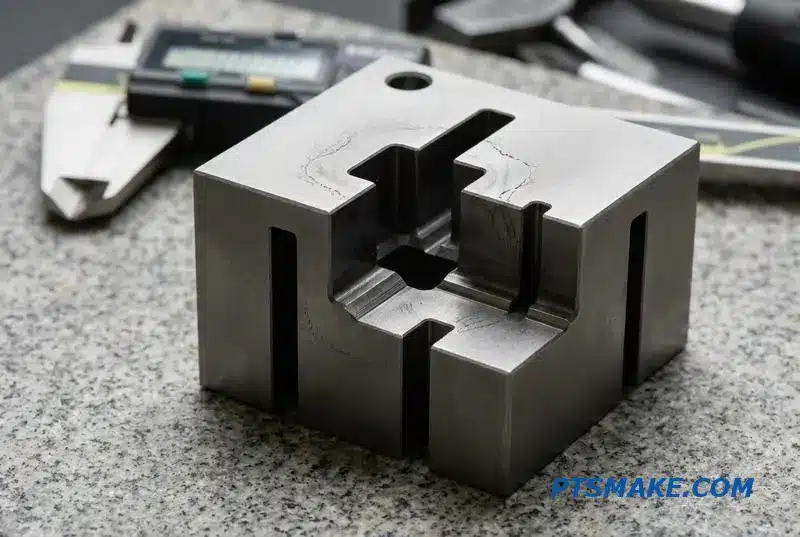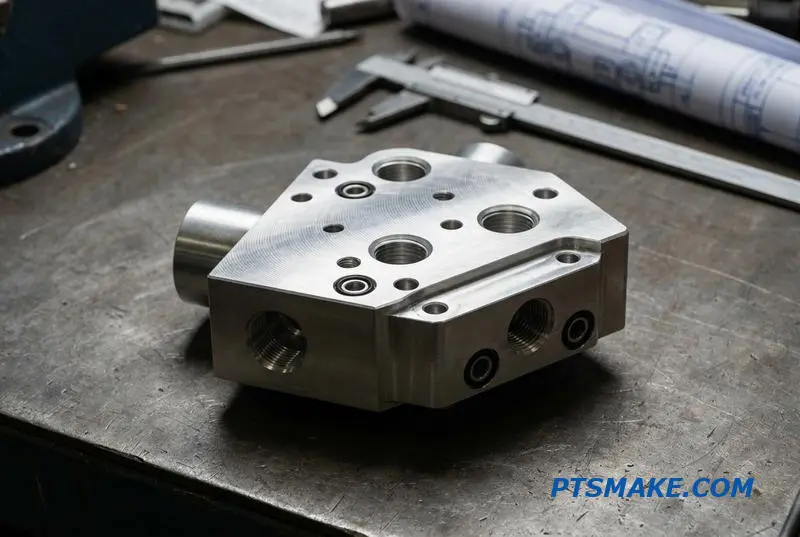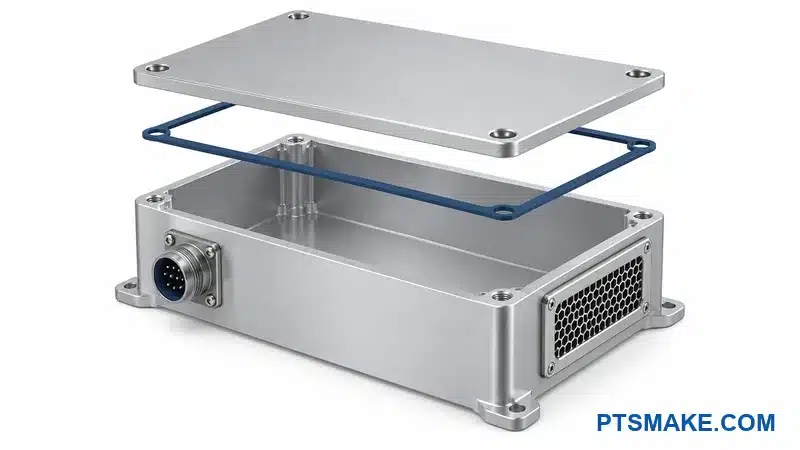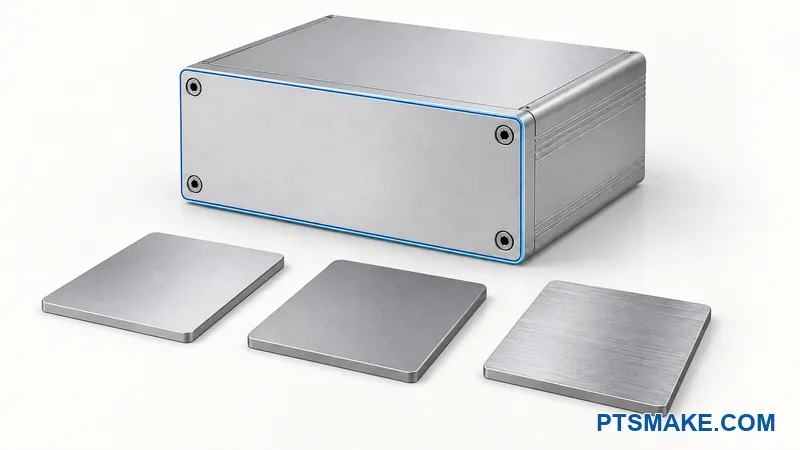

Encontrar usinagem de precisão confiável para projetos de energia parece navegar em um campo minado. Uma escolha errada de fornecedor pode comprometer todo o seu cronograma, estourar seu orçamento e violar padrões de segurança que simplesmente não podem falhar.
A usinagem de precisão Energy CNC combina fabricação avançada controlada por computador com expertise especializada para produzir componentes críticos para geração de energia, sistemas de energia renovável e projetos de infraestrutura. Esta tecnologia oferece as tolerâncias apertadas, qualidade consistente e cronogramas de entrega confiáveis que os tomadores de decisão do setor de energia exigem para aplicações de missão crítica.
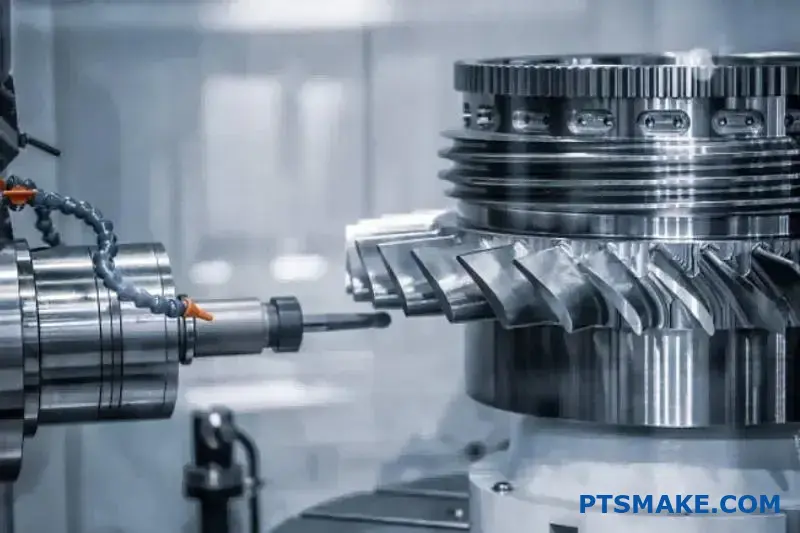
Trabalhei com clientes do setor de energia que aprenderam essas lições da maneira mais difícil. Este guia abrange tudo, desde a seleção do parceiro de usinagem certo até a garantia de que seus componentes atendam aos rigorosos padrões que seus projetos exigem. Você descobrirá estratégias práticas que podem economizar tempo e dinheiro, mantendo a qualidade da qual sua reputação depende.
O Guia Definitivo para Usinagem de Precisão CNC para Energia
O setor de energia exige precisão extrema. Componentes devem suportar ambientes hostis. Falha não é uma opção para essas aplicações críticas.
Por que a precisão é importante
É aqui que entra a usinagem de precisão CNC para energia. Ela oferece a precisão necessária para peças de missão crítica. Garante confiabilidade, desde plataformas de petróleo em alto mar até turbinas eólicas imponentes.
Eficiência na Produção
Projetos modernos de energia exigem velocidade e consistência. A usinagem CNC oferece ambos. Ajuda a reduzir o desperdício de material e encurta significativamente os prazos de produção.
| Caraterística | Maquinação tradicional | Maquinação CNC |
|---|---|---|
| Tolerância | Inferior | Mais alto |
| Consistência | Variável | Elevado |
| Complexidade | Limitada | Elevado |
Este guia explora o papel vital da usinagem de precisão.
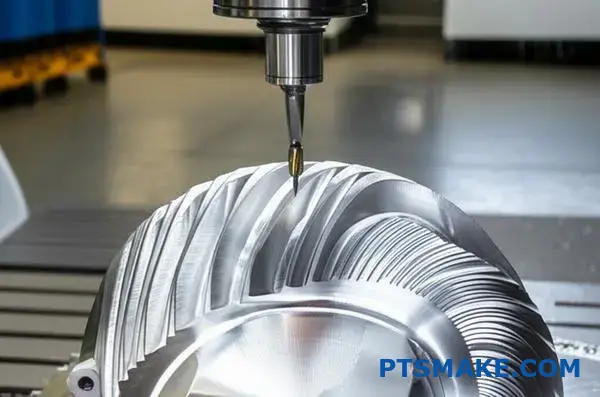
No setor de energia, os componentes operam frequentemente sob pressão e temperatura extremas. Simplesmente não há margem para erro. A usinagem de precisão para a indústria de energia não é apenas uma preferência; é um requisito rigoroso para segurança e desempenho.
Além dos Métodos Tradicionais
A fabricação tradicional luta para atender a essas demandas. Geometrias complexas para pás de turbinas ou válvulas especializadas exigem técnicas avançadas. O CNC garante que cada peça atenda às especificações exatas, sempre. É um processo central da fabricação moderna. fabrico subtrativo1.
Habilitando um Futuro Sustentável
A mudança global para energias renováveis destaca a importância do CNC. Turbinas eólicas e suportes de painéis solares precisam de componentes com tolerâncias incrivelmente apertadas. Essas peças devem durar décadas em condições externas desafiadoras. A usinagem CNC torna possível esse nível de qualidade durável.
Principais Aplicações em Energia
| Setor da energia | Componentes maquinados por CNC |
|---|---|
| Petróleo e gás | Válvulas, flanges, brocas |
| Energia Eólica | Cubos de turbinas, peças de caixa de engrenagens |
| Energia Solar | Suportes de montagem, quadros |
| Nuclear | Componentes do reator, hastes de controle |
Esta tecnologia é fundamental para construir e manter nossa infraestrutura energética global.
A usinagem de precisão CNC é inegociável para a indústria moderna de energia. Ela oferece a precisão necessária para aplicações exigentes, apoia a inovação em energias renováveis e garante a confiabilidade da infraestrutura crítica. É a pedra angular da fabricação avançada de energia.
Como a Usinagem de Precisão Resolve Desafios Críticos do Setor de Energia
O setor de energia opera sob pressão extrema. Os componentes devem suportar calor intenso, corrosão e altas tensões. Falha não é uma opção.
Dores de Cabeça Comuns na Fabricação
Os engenheiros enfrentam dois grandes problemas. Eles precisam de tolerâncias incrivelmente apertadas. Eles também trabalham com materiais exóticos e difíceis de usinar.
Aqui está uma rápida olhada nos problemas centrais e como os abordamos.
| Problema | Solução CNC |
|---|---|
| Qualidade Inconsistente | Precisão Repetível |
| Materiais Difíceis | Ferramentas e Processos Especializados |
| Tolerâncias apertadas | Usinagem de Alta Precisão |
É aqui que usinagem de precisão cnc de energia torna-se essencial para segurança e confiabilidade.
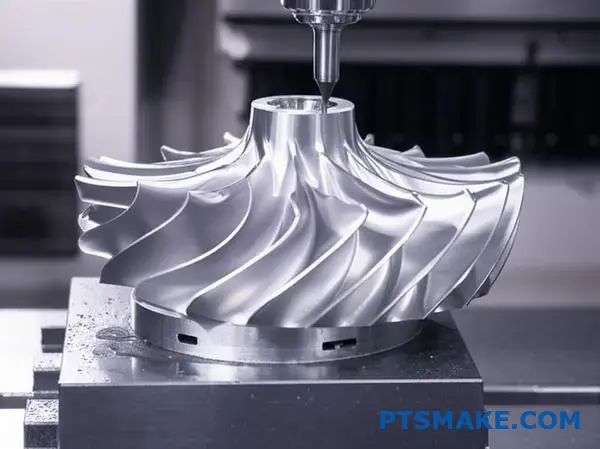
No setor de energia, não se trata apenas de fazer uma peça se encaixar. O próprio processo de fabricação pode comprometer a resistência do material. Este é um ponto crítico que muitos ignoram.
Problema: Integridade do Material Sob Tensão
A usinagem tradicional pode introduzir tensões nos componentes. Isso é especialmente verdadeiro com superligas como Inconel ou Titânio. Esses materiais são propensos a endurecimento por trabalho2. Técnicas inadequadas podem criar pontos fracos que falham sob pressão. Isso afeta diretamente a segurança operacional.
Solução: Usinagem CNC Estratégica
Moderno usinagem cnc do setor de energia oferece controle preciso sobre cada variável. Usamos trajetórias de ferramentas otimizadas e fluxo constante de refrigerante. Isso minimiza o calor e a tensão mecânica na peça. Na PTSMAKE, combinamos capacidades de 5 eixos com simulações de software avançadas. Isso garante que o componente final mantenha sua integridade estrutural projetada.
Nosso foco é entregar peças que não sejam apenas dimensionalmente precisas, mas também metalurgicamente sólidas. Essa abordagem fornece a confiabilidade que a indústria exige.
| Caraterística | Maquinação tradicional | Maquinação CNC moderna |
|---|---|---|
| Gestão do calor | Frequentemente inconsistente | Ativamente controlado |
| Tensão do material | Alto risco | Minimizado |
| Complexidade da peça | Limitada | Altamente capaz |
| Repetibilidade | Baixa | Extremamente elevado |
Encontrámos que este nível de controlo de processo é inegociável para aplicações críticas.
A indústria energética exige precisão extrema e resiliência de materiais. A fabricação comum com tolerâncias apertadas e ligas difíceis arrisca a falha de componentes. A tecnologia CNC aborda diretamente estes problemas, garantindo a fiabilidade e a qualidade essenciais para aplicações críticas.
Principais 5 Aplicações de Usinagem CNC em Energia Renovável
A maquinação CNC é crucial para a energia renovável. A indústria exige peças de precisão que durem décadas. Estes componentes devem funcionar em condições adversas.
Vamos explorar a maquinação CNC específica para aplicações de energia renovável.
Componentes de Energia Eólica
As peças da turbina exigem precisão extrema. As máquinas CNC criam cubos, componentes da caixa de velocidades e raízes das pás. O equilíbrio perfeito é inegociável para a eficiência e segurança.
Estruturas de Energia Solar
As estruturas e rastreadores de painéis solares necessitam de precisão. A maquinação CNC produz suportes que garantem um alinhamento ótimo. Isto aumenta diretamente a geração de energia.
Sistemas Hidroelétricos
A energia hidroelétrica depende de peças duráveis. A CNC cria turbinas e comportas a partir de ligas resistentes. Estas peças devem suportar uma pressão de água imensa.
Uma análise das principais aplicações de componentes energéticos:
| Setor da energia | Componente de exemplo | Benefício Chave da CNC |
|---|---|---|
| Eólica | Caixa de Velocidades da Turbina | Engrenagens de Alta Tolerância |
| Solar | Mounting Bracket | Precise Angles & Fit |
| Hydro | Turbine Runner | Geometrias complexas |
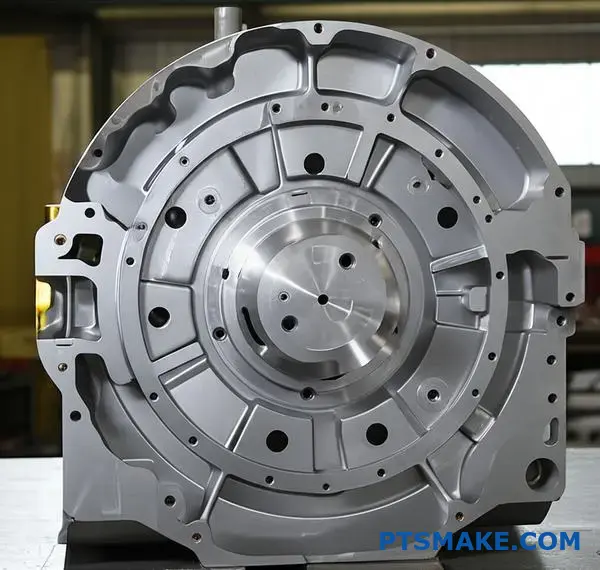
Let’s dig deeper into these applications. The link between design innovation and manufacturing feasibility is where precision machining becomes a game-changer. It’s not just about making a part; it’s about enabling a more efficient energy future.
The Role of Precision in Performance
For a wind turbine, even a tiny imbalance can cause catastrophic failure. 5-axis CNC milling creates the complex aerodynamic surfaces on blades and hubs. This ensures maximum energy capture and operational safety. At PTSMAKE, we focus on this level of detail.
Material and Structural Integrity
Solar tracking systems must move smoothly for years. CNC machining produces lightweight yet strong aluminum frames. These parts resist corrosion and wear. This extends the system’s operational life significantly.
Hydropower turbines use materials like stainless steel. These alloys are tough and difficult to machine. Precision CNC ensures the final part has uniform strength and consistent Isotropic material properties3. This is critical for parts under constant stress.
Based on our work with clients, the choice of machining strategy directly impacts part longevity.
| Setor | Foco no material | Vantagem da maquinagem CNC |
|---|---|---|
| Eólica | Composites & Steel | Complex surface contouring |
| Solar | Ligas de alumínio | Produção rápida e repetível |
| Hydro | Aço inoxidável | Manuseio de materiais duros e duráveis |
A usinagem CNC é a espinha dorsal da fabricação para energia eólica, solar e hidrelétrica. Ela oferece a precisão e a confiabilidade necessárias para componentes de energia renovável de alto desempenho, impactando diretamente a eficiência e a longevidade do sistema.
Garantindo Precisão Inigualável para Peças de Energia de Segurança Crítica
Em setores como o nuclear e o de petróleo e gás, a falha de componentes não é uma opção. As peças operam sob pressão e temperatura extremas. As apostas são incrivelmente altas.
Isso exige um nível de precisão que vai muito além da fabricação padrão. Aqui, a precisão está diretamente ligada à segurança e à proteção ambiental.
As Demandas de Ambientes Extremos
Para essas indústrias, a usinagem CNC crítica para a segurança é essencial. Mesmo um desvio microscópico em uma peça pode levar a uma falha catastrófica do sistema. Nosso foco é alcançar tolerâncias impecáveis.
| Indústria | Desafio primário | Consequência da falha |
|---|---|---|
| Nuclear | Resistência à Radiação, Vedação | Vazamento Radioativo |
| Petróleo e gás | Alta Pressão, Corrosão | Explosão, Vazamento de Óleo |
É por isso que usinagem de precisão cnc de energia exige uma abordagem especializada desde o início.
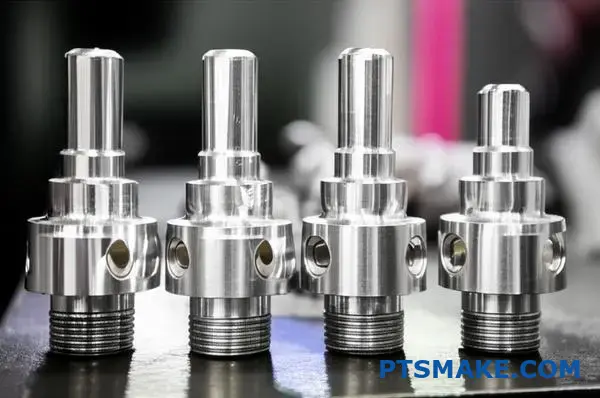
Aderência a Padrões Inflexíveis
Atender às especificações nestes campos significa estrita conformidade com os padrões estabelecidos. Não se trata apenas de fabricar uma peça; trata-se de provar que ela é perfeita todas as vezes. Vemos isso com os padrões API em petróleo e gás ou com os códigos ASME para aplicações nucleares.
Esses padrões ditam tudo, desde a rastreabilidade do material até os protocolos de inspeção final. Eles são o regulamento para garantir a segurança.
Caso em Ponto: Componentes de Válvulas Submarinas
Considere um corpo de válvula para um gasoduto submarino. Ele deve suportar imensa pressão externa enquanto controla o fluxo interno com precisão. As superfícies de vedação requerem tolerâncias medidas em mícrons para evitar vazamentos.
Nosso processo de controle de qualidade valida cada recurso crítico. Isso envolve avançado Metrologia4 para garantir que cada peça individual esteja em perfeita conformidade. Sem isso, o componente simplesmente não pode ser usado.
Pontos de Verificação de Controle de Qualidade
| Estágio | Método de inspeção | Objetivo |
|---|---|---|
| Matéria-prima | Testes PMI | Verificar Composição da Liga |
| Em curso | Inspeção CMM | Confirmar Precisão Geométrica |
| Final | Ensaio de pressão | Validar Desempenho Sob Carga |
Na PTSMAKE, nosso processo para componentes de energia de precisão é construído em torno dessa validação rigorosa.
Em setores de energia com segurança crítica, a precisão é um mandato, não uma preferência. A estrita adesão aos padrões da indústria e o controle de qualidade avançado são inegociáveis para a fabricação de componentes que garantem a segurança operacional e a conformidade.
Estratégias de Custo-Benefício para Fabricação de Projetos de Energia
Atingir economia de custos na fabricação de projetos de energia é fundamental. Isso não significa cortar custos. Estratégias inteligentes podem reduzir despesas, mantendo alta qualidade. É aqui que a eficiência faz a diferença.
Na PTSMAKE, focamos em passos práticos e acionáveis. Estes passos ajudam os nossos clientes a otimizar os seus processos de produção.
Conceção para a capacidade de fabrico (DFM)
Otimizar o seu design é o primeiro passo. Pequenas alterações podem levar a economias significativas no tempo de maquinação e desperdício de material. Isto é fundamental para maquinação CNC rentável.
| Escolha do design | Impacto nos custos |
|---|---|
| Tolerâncias complexas e apertadas | Maior tempo de maquinação, aumento de custo |
| Funcionalidades padronizadas | Configuração mais rápida, menor custo de ferramentas |
Seleção estratégica de materiais
Escolher o material certo é um equilíbrio. Precisa de desempenho sem gastar demais. Frequentemente ajudamos os clientes a avaliar alternativas que atendem às especificações do projeto por menos.
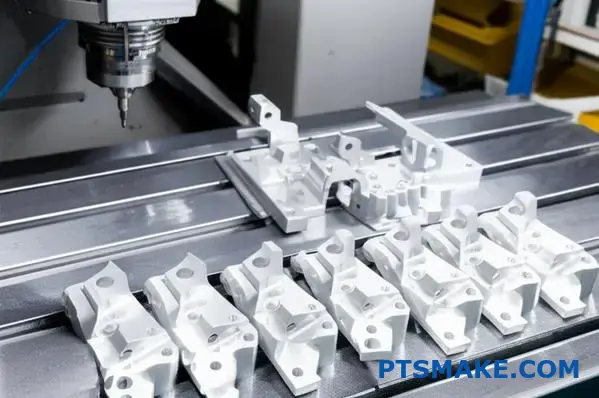
As verdadeiras economias de custo em projetos de energia vêm de uma visão holística. Não se trata apenas de uma peça. Trata-se de todo o processo de fabrico, desde o design até à montagem final. A eficiência é o princípio central.
O poder da produção em lote
Produzir peças em lotes é uma estratégia clássica. Reduz o tempo de configuração da máquina por peça. Isto reduz significativamente o custo unitário. Para qualquer projeto de maquinação de precisão CNC de energia, este método oferece grande valor. É especialmente útil para encomendas recorrentes.
Frequentemente aconselhamos os clientes a planear as suas necessidades de inventário. Isto permite lotes de produção maiores e mais económicos.
Consolidação de Peças
Uma peça maquinação pode substituir dois ou três componentes montados? A consolidação de peças simplifica a montagem. Também reduz potenciais pontos de falha. Esta abordagem aumenta a fiabilidade e reduz os custos de mão de obra e inventário. Um design cuidadoso é essencial aqui. Uma compreensão profunda de Dimensionamento Geométrico e Tolerância5 é necessária para garantir que a peça consolidada funcione corretamente.
| Estratégia de produção | Benefício chave | Aplicação ideal |
|---|---|---|
| Produção em Lote | Menor custo por unidade | Projetos com procura estável e repetitiva |
| Part Consolidation | Reduced assembly time, higher reliability | Complex assemblies in a single component |
Effective cost-saving combines smart design, material knowledge, and efficient production methods. By optimizing design, selecting appropriate materials, and leveraging batch production, you can reduce manufacturing costs significantly without ever compromising the quality or integrity of your energy project components.
In the energy sector, delays are not just inconvenient. They can halt entire projects. This impacts budgets and timelines significantly.
Success hinges on mastering three core areas. These are meticulous planning, streamlined logistics, and robust supplier reliability.
The Foundation of Success
Comprehensive planning is your first line of defense. It sets clear expectations and timelines for every component. This is especially true for energy cnc precision machining parts.
Choosing Your Partners Wisely
Logistics and supplier choice are equally critical. A reliable partner understands the urgency and precision your industry demands. They help you maintain supply chain efficiency.
| Abordagem | Planning Focus | Resultado |
|---|---|---|
| Proactivo | Risk mitigation, buffer stocks | On-time, on-budget |
| Reativo | Problem-solving, expediting | Delays, cost overruns |
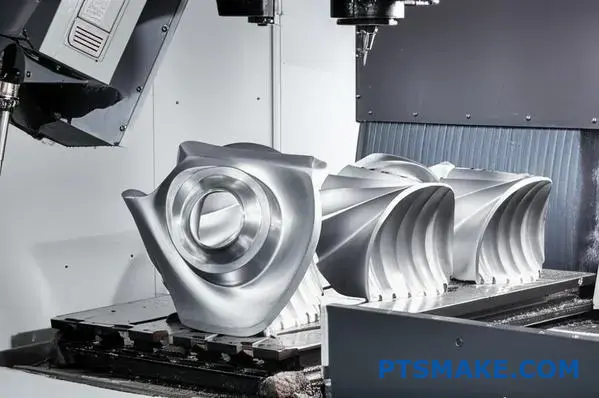
True on-time delivery in energy projects comes from strong partnerships. It’s about moving beyond simple transactions with your suppliers. It becomes a collaborative effort. At PTSMAKE, we prioritize transparent communication. This keeps our clients informed at every stage.
This approach builds trust. It also allows for quick adjustments when challenges arise. A strong supplier relationship means they understand your project’s specific needs. They can anticipate potential issues before they cause delays. This is key for parts requiring energy cnc precision machining.
Enhancing Supplier Reliability
We regularly review performance metrics. This ensures our process aligns with project goals. Using technology for real-time tracking provides an extra layer of security. It helps us build a more predictable and efficient supply chain. This focus on resiliência da cadeia de abastecimento6 is what protects projects from unforeseen disruptions.
| Vetting Criterion | Importância | Exemplo de métrica |
|---|---|---|
| Comunicação | Elevado | < 12-hour response time |
| Controlo de qualidade | Elevado | < 1% defect rate |
| Prazo de execução | Médio | Consistent delivery within the quoted window |
| Competências técnicas | Elevado | Certifications (e.g., ISO 9001) |
Mastering on-time delivery is not about luck. It is about a deliberate strategy. Proactive planning, smart logistics, and strong supplier collaboration are the keys to ensuring your energy projects stay on track and within budget.
Seleção de Materiais Avançados para Peças de Energia de Alto Desempenho
Selecting the right material is a critical step. For high-performance energy parts, standard metals often fall short. Advanced materials offer superior capabilities.
We must consider options like titanium and composites. These materials boost durability and overall performance significantly. However, they require specialized machining expertise.
Titanium in Energy Applications
Titanium offers an exceptional strength-to-weight ratio. It also provides superior corrosion resistance. This makes it perfect for demanding energy environments.
Composites for Modern Demands
Os compósitos são leves e incrivelmente fortes. Suas propriedades podem ser personalizadas para necessidades específicas, o que é um grande benefício para usinagem de precisão CNC de energia inovadora.
| Material | Benefício primário | Aplicação Típica de Energia |
|---|---|---|
| Ligas de titânio | Resistência à Corrosão e Resistência | Componentes submarinos, peças de turbina |
| Materiais compósitos | Elevada relação resistência/peso | Pás de turbinas eólicas, vasos de pressão |
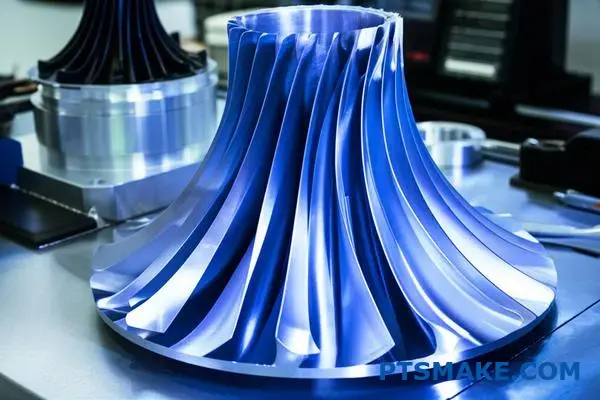
Considerações de Usinagem para Materiais Avançados
A escolha desses materiais avançados de usinagem CNC para aplicações de energia é apenas o começo. O verdadeiro desafio muitas vezes reside na fabricação.
O titânio tem condutividade térmica muito baixa. O calor se acumula rapidamente na aresta de corte. Isso causa desgaste rápido da ferramenta. Para combater isso, usamos fluidos de corte específicos e ajustamos os parâmetros de usinagem cuidadosamente.
Os compósitos são uma história diferente. Sua estrutura em camadas pode levar à delaminação durante a usinagem. A propriedades anisotrópicas7 desses materiais significam que a resistência varia de acordo com a direção. Isso impacta diretamente nossa estratégia de corte.
Na PTSMAKE, nossa experiência com peças de energia de alto desempenho é extensa. Refinamos nossos processos para lidar com essas complexidades. Isso garante que a integridade do componente nunca seja comprometida. O sucesso depende da compreensão de como cada material se comporta sob estresse.
Uma comparação rápida
Veja como esses materiais se comparam de uma perspectiva de usinagem.
| Fator | Titânio | Compósitos de fibra de carbono |
|---|---|---|
| Desafio principal | Gestão do calor | Prevenindo a Delaminação |
| Desgaste da ferramenta | Elevado | Alto (Natureza Abrasiva) |
| Ferramentas Necessárias | Carbide with specific coatings | Diamond-coated or PCD tools |
| Utilização do líquido de refrigeração | Essential, high-pressure | Often machined dry |
| Pós-processamento | Often involves stress relief | Sealing edges may be needed |
Advanced materials like titanium and composites provide significant advantages for high-performance energy parts. However, their benefits are only realized through expert CNC machining that addresses their unique properties and challenges, ensuring reliability and performance in the final product.
Um Checklist Completo para Escolher um Parceiro CNC de Energia
Selecting the right partner for energy CNC precision machining is critical. Your project’s success hinges on this decision. A wrong choice can lead to delays and quality issues.
This guide provides a clear checklist. It helps you evaluate potential suppliers systematically. Let’s build a reliable partnership from the start.
Initial Screening Questions
Before diving deep, ask these preliminary questions. They quickly filter out unsuitable suppliers.
| Questão | Porque é que é importante |
|---|---|
| Industry Experience? | Do they understand the demands of the energy sector? |
| Key Certifications? | Certs like ISO 9001 show a commitment to quality. |
| Machine Park? | Eles têm o equipamento certo para suas peças? |
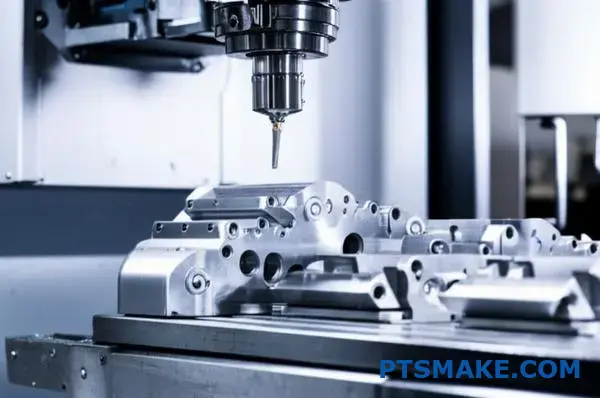
Uma abordagem sistemática é essencial. Esta lista de verificação para fornecedores de fabricação de energia é o seu roteiro. Ela ajuda você a ir além da apresentação de vendas de um fornecedor e a entender suas capacidades reais.
Mergulho Técnico Profundo
Uma vez que você tenha uma lista restrita, é hora de um olhar mais atento. Avalie sua proeza técnica e sistemas de gestão de qualidade. É aqui que você separa os bons dos ótimos.
Para componentes complexos de energia, a rastreabilidade de materiais é inegociável. Você deve ser capaz de rastrear materiais da origem até a peça final. Pergunte sobre o processo de documentação deles.
Avançado metrologia8 O equipamento também é crucial. Sem ele, é impossível verificar as tolerâncias rigorosas exigidas no setor de energia. Nós da PTSMAKE investimos pesadamente nesses sistemas para garantir a conformidade.
Comunicação e apoio
As habilidades técnicas são apenas metade da história. A forma como um parceiro se comunica pode fazer ou quebrar um projeto.
| Aspeto da comunicação | Parceiro Ideal | Bandeira vermelha |
|---|---|---|
| Capacidade de resposta | Respostas rápidas e claras | Tempos de espera de mais de 24 horas |
| Proatividade | Sinaliza problemas potenciais | Espera os problemas surgirem |
| Relatórios | Actualizações regulares do progresso | Atualizações vagas ou inexistentes |
Ao escolher um parceiro CNC para projetos de energia, você precisa de uma equipe que atue como uma extensão da sua. Comunicação aberta e transparente é a base desse relacionamento.
A structured evaluation process is your best tool. This checklist helps you assess a supplier’s technical ability, quality systems, and communication protocols, ensuring you choose a CNC partner for energy projects who can deliver results.
Estudo de Caso: Produção Bem-Sucedida de Componentes de Turbina Eólica
Theory is one thing, but results are what matter. Let’s look at a real-world wind turbine CNC case study. A client needed a critical gearbox component.
The part required extreme precision. It was made from a durable, hard-to-machine alloy. This is a common challenge in energy component manufacturing.
Here were the initial project challenges:
| Desafio | Especificação | Impacto no desempenho |
|---|---|---|
| Dureza do material | Inconel 718 | Desgaste elevado da ferramenta, velocidades baixas |
| Tolerância | ±0,005 mm | Bearing fit and lifespan |
| Geometria | Canais internos complexos | Cooling fluid dynamics |
Our task was to deliver a solution that was both precise and repeatable for production. This is a typical energy machining success story we aim for.
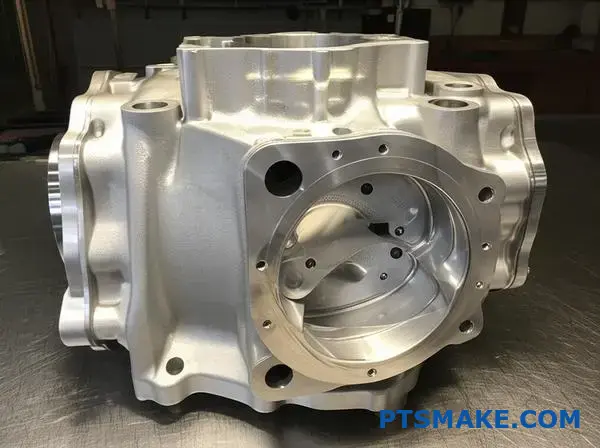
This project tested our energy cnc precision machining capabilities. The primary hurdle was the material itself. Inconel is notoriously difficult to work with. It causes rapid tool wear and requires very specific machining parameters to avoid work hardening.
Our initial approach with standard carbide tools was inefficient. It resulted in high costs and long lead times. We knew a different strategy was necessary for this wind turbine component.
We shifted to using ceramic cutting inserts. We also optimized the cutting paths with advanced CAM software. This change alone significantly reduced machining time. The material’s behavior under stress was a key factor; its uniform Isotropic Material Properties9 allowed for predictable cutting forces once we found the right parameters.
After collaborating with the client’s engineering team, we implemented a multi-stage process. This involved roughing, semi-finishing, heat treatment, and then final finishing on a 5-axis CNC machine.
The results from our process optimization were clear.
| Métrica | Previous Method | Solução PTSMAKE | Melhoria |
|---|---|---|---|
| Tempo de ciclo | 42 horas/peça | 31 horas/peça | Redução de 261% |
| Vida útil da ferramenta | 2 peças/ferramenta | 7 peças/ferramenta | Aumento de 2501% |
| Taxa de rejeição | 8% | <1% | 87,5% Redução |
Este estudo de caso bem-sucedido de CNC para turbinas eólicas mostra como enfrentar desafios de materiais e processos de frente leva a melhores resultados. Fornecemos um método de produção confiável, não apenas uma única peça.
Este estudo de caso demonstra como ferramentas especializadas e otimização de processos resolveram um desafio complexo de usinagem. Nossa solução para o componente da turbina eólica reduziu o tempo de ciclo e os custos, ao mesmo tempo em que melhorou a qualidade, construindo confiança por meio de resultados comprovados.
O Papel da Precisão na Fabricação de Componentes de Energia Nuclear
Na energia nuclear, a segurança não é apenas um objetivo; é a base absoluta. Não há margem para erro. É aqui que a importância da fabricação de precisão se torna clara.
Especificamente, a usinagem CNC para energia nuclear não é meramente um método de produção. É um requisito crítico de segurança.
O Ambiente Implacável
Componentes em um reator nuclear enfrentam condições extremas. Eles suportam altas temperaturas, pressão intensa e radiação constante. Qualquer falha microscópica pode levar a uma falha catastrófica. A precisão é a única salvaguarda.
| Caraterística | Maquinação tradicional | Maquinação CNC |
|---|---|---|
| Tolerância | +/- 0,1 mm | Até +/- 0,005 mm |
| Consistência | Variável | Altamente repetível |
| Complexidade | Limitada | Elevado |
| Segurança | Dependente do Operador | Controlado pelo Sistema |
Este nível de precisão garante que as peças se encaixem perfeitamente. Também garante que elas funcionem de forma confiável sob estresse por décadas.
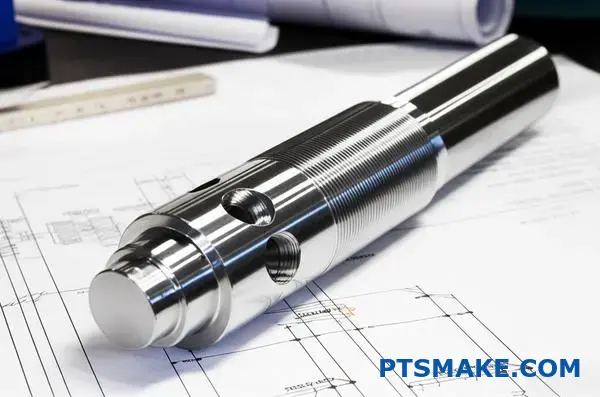
A indústria nuclear é regida por alguns dos padrões mais rigorosos do mundo. Regulamentos como ASME NQA-1 e 10 CFR Part 50 ditam cada etapa. Isso inclui o fornecimento de materiais, fabricação e documentação.
Navegando pelos Obstáculos Regulatórios com Precisão
A usinagem CNC é vital para atender a essas regras complexas. Ela fornece a rastreabilidade e a repetibilidade que os reguladores exigem. Cada corte é programado, executado e documentado. Isso remove a variável de erro humano.
Na PTSMAKE, nosso sistema de gestão da qualidade é construído para isso. Ele garante a conformidade total com todas as especificações do cliente e órgãos reguladores. Entendemos que o histórico de um componente é tão importante quanto suas dimensões físicas. Por exemplo, a seleção de materiais deve levar em conta fatores como potencial fragilização por nêutrons10.
Esta é uma consideração crítica para a segurança operacional a longo prazo. A usinagem de precisão nos permite trabalhar com ligas especializadas e resistentes à radiação.
| Benefício da Usinagem CNC | Impacto na Conformidade Nuclear |
|---|---|
| Alta Precisão | Atende a tolerâncias de projeto rigorosas para segurança. |
| Repetibilidade | Garante que todas as peças sejam idênticas, simplificando a certificação. |
| Rastreabilidade Completa | Fornece registros de dados detalhados para auditorias. |
| Manuseamento de materiais | Capaz de usinar ligas exóticas e resistentes. |
Em última análise, a usinagem de precisão CNC de energia oferece a confiança necessária para operar instalações nucleares com segurança e eficácia durante todo o seu ciclo de vida.
A precisão incomparável da usinagem CNC não é apenas um recurso, mas uma necessidade. É fundamental para atender aos rigorosos padrões de segurança e às exigências regulatórias do setor de energia nuclear, garantindo a integridade dos componentes e a confiabilidade operacional.
Soluções Escaláveis: Do Protótipo à Produção em Massa
No setor de energia, a jornada de um único conceito a milhares de unidades é crítica. A usinagem CNC escalável é a chave para essa transição. Ela suporta tanto a prototipagem inicial quanto a produção em massa de forma integrada.
Essa flexibilidade permite a validação rápida do projeto. Em seguida, ela escala sem grandes alterações de processo. Isso garante consistência e controla custos.
Prototipagem vs. Produção
| Caraterística | Fase de prototipagem | Fase de produção em massa |
|---|---|---|
| Objetivo | Validar a conceção e a função | Saída consistente de alto volume |
| Velocidade | O rápido tempo de resposta é fundamental | Otimizado para tempo de ciclo |
| Custo | Custo unitário mais alto | Menor custo por unidade |
| Flexibilidade | Mudanças fáceis de projeto | Processo padronizado |
Essa dupla capacidade torna a usinagem CNC uma solução ideal para a exigente indústria de energia. Ela preenche a lacuna de forma eficaz.
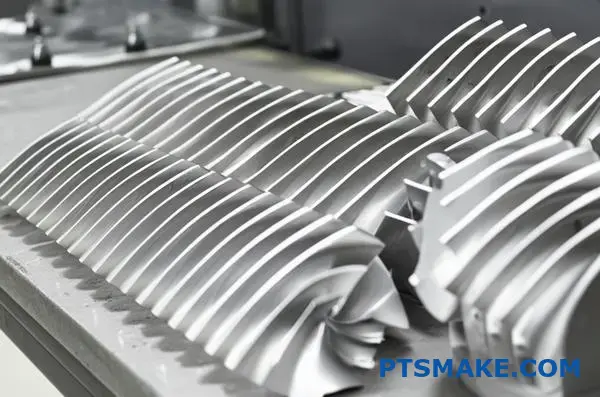
A escalabilidade da prototipagem para a produção usando usinagem CNC é um processo estruturado. Ele garante que as peças finais atendam às rigorosas demandas da indústria de energia, desde turbinas eólicas até componentes de painéis solares.
O Estágio de Prototipagem
Inicialmente, focamos em velocidade e precisão. O objetivo é criar um protótipo funcional para testes. Essa peça pode ser usinada a partir de um bloco sólido para testar forma, ajuste e função rapidamente. Mudanças de projeto são comuns e facilmente implementadas nesta fase.
A Transição para a Produção
Uma vez aprovado o design, o foco muda. Analisamos o processo para eficiência. É aqui que os princípios de Conceção para a capacidade de fabrico (DFM)11 são cruciais. Refinamos percursos de ferramentas, projetamos gabaritos personalizados e selecionamos materiais que equilibram desempenho com custo para grandes volumes. Esta etapa é vital para um escalonamento bem-sucedido.
Produção em Larga Escala
Para produção em massa, a automação é fundamental. Utilizamos centros CNC multieixos e sistemas de carregamento automatizados para executar operações continuamente. Isso aumenta a produção e garante que cada peça mantenha tolerâncias rigorosas. O controle de qualidade consistente é incorporado em todo o processo.
| Estágio | Atividade principal | O Papel da Usinagem CNC |
|---|---|---|
| 1. Protótipo | Validação de design, iteração rápida | Usinagem rápida e flexível de 1 a 10 unidades |
| 2. Pré-produção | Otimização de processo, projeto de gabaritos | Refinamento de programas para eficiência |
| 3. Produção em Massa | Saída automatizada de alto volume | Operação contínua com supervisão mínima |
Esta abordagem faseada, pela qual guiamos nossos clientes na PTSMAKE, garante um caminho suave e previsível para qualquer projeto de usinagem de precisão CNC de energia.
A usinagem CNC oferece um caminho unicamente escalável, desde um único protótipo até a produção completa. Essa abordagem integrada garante a manutenção da intenção do projeto, proporciona controle de custos e oferece a flexibilidade necessária para a inovação no setor de energia.
Melhores Práticas de Garantia de Qualidade para Peças da Indústria de Energia
No setor de energia, a falha de peças não é uma opção. Um protocolo robusto de Garantia de Qualidade (QA) é a base da confiabilidade. Ele previne falhas catastróficas. Isso envolve mais do que uma verificação final.
It’s a comprehensive process. It begins before machining and ends long after delivery.
Key Inspection Stages
Effective QA integrates multiple inspection points. Each stage serves a specific purpose, ensuring standards are met throughout the manufacturing cycle for energy parts.
| Tipo de inspeção | Objetivo | Ferramentas utilizadas |
|---|---|---|
| Inspeção do primeiro artigo | Verifies the setup | CMM, Calipers |
| Inspeção durante o processo | Controlo da coerência | Gauges, SPC Software |
| Inspeção final | Confirms all specs are met | All relevant tools |
This structured approach is vital for any usinagem de precisão cnc de energia project. It ensures every part is perfect.
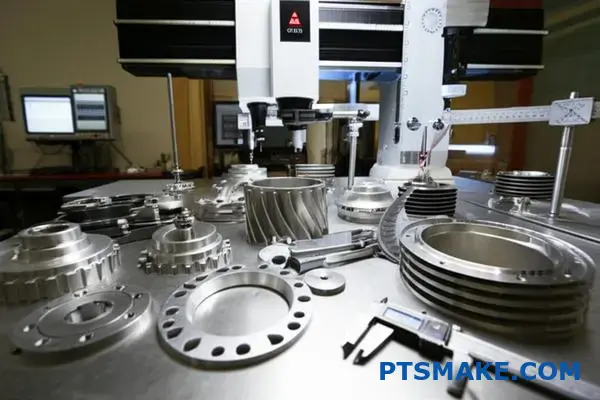
A comprehensive QA strategy goes beyond simple measurements. It involves a documented, repeatable system that ensures consistency and adherence to strict industry standards. This is the core of effective CNC machining quality control.
Implementing QA Standards
The first step is adopting a recognized standard. ISO 9001 provides a strong framework. From there, we build specific protocols for the energy industry’s unique demands. This includes full material traceability and stringent testing procedures.
At PTSMAKE, we integrate these steps directly into our workflow. This ensures that garantia de qualidade de peças de energia não é apenas uma etapa final, mas um processo contínuo. Usamos métodos como Controlo Estatístico do Processo12 para monitorar nossos processos em tempo real. Isso nos permite identificar e corrigir desvios potenciais antes que resultem em uma peça não conforme.
Uma Abordagem de Implementação Faseada
Implementar um novo protocolo de QA deve ser sistemático. Seguimos uma abordagem clara e faseada para garantir o sucesso e minimizar interrupções.
| Fase | Acções-chave | Objetivo |
|---|---|---|
| 1. Planeamento | Definir métricas de qualidade, selecionar ferramentas. | Estabelecer uma linha de base de qualidade clara. |
| 2. Treinamento | Educar a equipe sobre novos padrões. | Garantir execução consistente. |
| 3. Execução | Implantar protocolos de inspeção. | Integrar QA à produção. |
| 4. Revisão | Analisar dados, coletar feedback. | Melhorar continuamente o processo. |
Esta implementação estruturada garante que cada componente que produzimos atenda aos requisitos de alto risco do setor de energia.
Rigorous QA protocols are non-negotiable for energy industry parts. A multi-stage approach—from material verification to in-process checks and final testing—is essential. This systematic process ensures part reliability and prevents costly, dangerous failures in the field.
Sustentabilidade Ambiental na Fabricação de Energia
In the energy sector, sustainability isn’t just a goal; it’s a necessity. This applies directly to manufacturing partners. CNC machining plays a critical role.
Eco-friendly practices in CNC machining are crucial. They involve reducing waste and improving energy efficiency. This approach benefits everyone involved.
Sustainable machining directly supports the energy sector’s mission. It helps create a cleaner and more responsible supply chain.
Key Shifts in Machining Practices
We see a clear move toward greener methods. This isn’t just about public image. It’s about operational excellence.
| Método tradicional | Sustainable Alternative |
|---|---|
| High-volume coolant use | Minimal Quantity Lubrication (MQL) |
| Disposing of scrap metal | Comprehensive material recycling |
| Standard toolpaths | Optimized, energy-saving toolpaths |
These changes make eco-friendly energy manufacturing a reality. They reduce environmental impact and often cut costs.
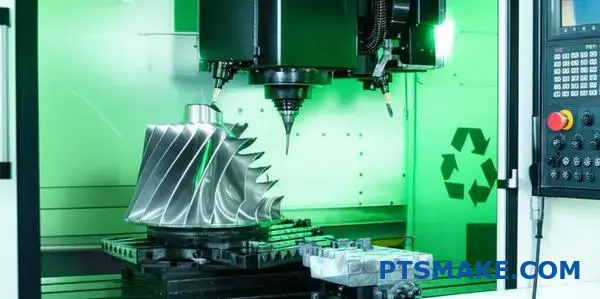
Deeper Dive into Sustainable Practices
Implementing sustainable CNC machining requires a strategic approach. It’s more than just recycling metal shavings. We focus on optimizing the entire process, from material selection to final delivery.
Energy Efficiency in Operations
Modern CNC machines are more energy-efficient. But efficiency also comes from how we use them. Optimized toolpaths, for example, reduce machine run-time. This directly lowers electricity consumption for each part produced.
Based on our internal studies, smart toolpath strategies can cut energy use by up to 15% per cycle. This is a significant saving when applied to large production runs for the energy industry.
Waste and Material Management
Reducing waste is fundamental. This starts with using near-net-shape raw materials. It minimizes the amount of material that needs to be machined away.
We also use advanced biodegradable coolants. They are less harmful to the environment. Proper management of these fluids is key. A comprehensive life-cycle assessment13 helps us understand the full impact of our material choices.
Here’s how we approach material efficiency in usinagem de precisão cnc de energia.
| Prática | Benefício primário | Benefício secundário |
|---|---|---|
| Material Scrap Recycling | Reduces landfill waste | Generates revenue from scrap |
| Biodegradable Coolants | Lowers environmental toxicity | Improves workshop air quality |
| Near-Net-Shape Materials | Cuts machining time | Reduces material cost |
Sustainable CNC machining is a core part of our philosophy at PTSMAKE. It ensures we meet client needs while respecting our environmental responsibilities.
Sustainable CNC machining reduces waste and saves energy. These eco-friendly practices align with energy sector goals, offering clear environmental and economic benefits. It is a practical and necessary step for modern eco-friendly energy manufacturing.
Parcerias Globais: Alavancando Expertise para Projetos de Energia Locais
Local energy projects are complex. They require specialized components and deep expertise. This is where a global CNC partner for energy projects becomes invaluable.
International suppliers are more than just vendors. They bring a wealth of experience. This experience helps navigate challenges in design and production.
The Advantage of Global Expertise
A partner like PTSMAKE provides access to advanced manufacturing technologies. This helps local teams innovate faster. They also benefit from established logistical networks, ensuring timely delivery.
| Partnership Aspect | Local Team Focus | Global Partner Contribution |
|---|---|---|
| Especialização | Project Management & Installation | Conceção para a capacidade de fabrico (DFM) |
| Tecnologia | Integração de sistemas | Usinagem CNC Avançada |
| Logística | Site Coordination | Global Supply Chain Management |
This collaboration speeds up timelines. It also improves the final project quality.
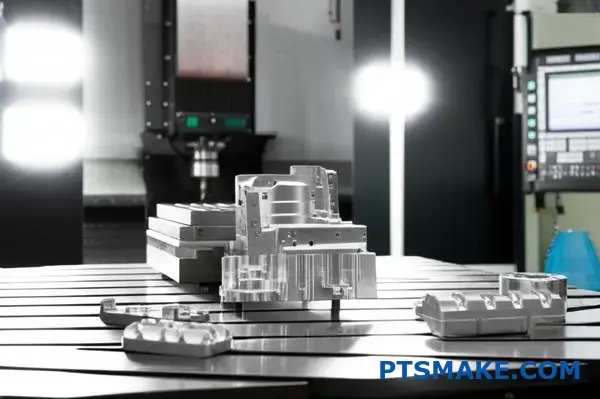
Relying solely on local suppliers can sometimes limit access to specific technologies or materials. International energy manufacturing partners overcome these limitations. They provide a bridge to a global supply chain.
Streamlining Complex Operations
A key role for a global partner is managing production logistics. This frees up the local project team. They can focus on installation and commissioning. This division of labor is efficient.
We’ve found that this model reduces project bottlenecks significantly. For instance, when a complex component for an energy project requires specific alloys, an international partner can source them more effectively through their global network.
This approach transforms the supply chain. It becomes a strategic asset rather than a logistical hurdle. The concept of Distributed Manufacturing14 is central here. It leverages global capacities for local needs, creating a more resilient and efficient system.
Key Support Areas
- Fornecimento de materiais: Accessing specialized materials globally.
- Maquinação de precisão: Providing high-tolerance energy cnc precision machining.
- Garantia de qualidade: Implementing rigorous, globally recognized quality standards.
- Global Shipping: Managing customs and international freight seamlessly.
| Responsibility | Local Project Team | International Manufacturing Partner |
|---|---|---|
| Conceção | Core System Design | Component-Level DFM Analysis |
| Produção | Montagem final | Precision Part Manufacturing |
| Logística | On-site Material Handling | International Shipping & Customs |
| QA | Final System Testing | Component-Level Quality Control |
This partnership structure ensures every part of the process is handled by experts.
Global partnerships provide crucial expertise and logistical support. This collaboration allows local energy initiatives to access advanced manufacturing and streamlined supply chains, which are essential for project success and innovation in the energy sector.
Dê o Próximo Passo com PTSMAKE para Suas Necessidades de CNC de Energia
Ready to elevate your energy projects with unmatched CNC precision machining? Contact PTSMAKE today for a fast, personalized quote. Our expertise ensures top-notch quality, efficiency, and on-time delivery—trusted by leading innovators worldwide. Let us deliver the precision your energy components require. Send your inquiry now!

Learn how this core process differs from additive methods and why it’s crucial for high-strength parts. ↩
Click to understand how this material property impacts machining and part longevity. ↩
Understand how uniform material characteristics are crucial for parts under extreme operational stress. ↩
Explore the science of measurement and its critical role in guaranteeing manufacturing accuracy. ↩
Learn how this symbolic language improves design clarity and reduces costly errors. ↩
Learn how building a resilient supply chain can safeguard your projects against unexpected disruptions and ensure long-term stability. ↩
Learn more about how this key material characteristic affects structural integrity and manufacturing strategy. ↩
Learn how precision measurement science ensures your parts meet exact energy industry specifications. ↩
Learn how material properties influence precision machining outcomes and component reliability. ↩
Understand how radiation affects material integrity and why it is critical for nuclear component design and longevity. ↩
Learn how DFM principles can optimize your designs for cost-effective, large-scale production. ↩
Learn how this data-driven method improves manufacturing consistency and part quality. ↩
Discover how this framework evaluates a product’s total environmental impact, from creation to disposal. ↩
Discover how this manufacturing model can de-risk your supply chain and improve project efficiency. ↩