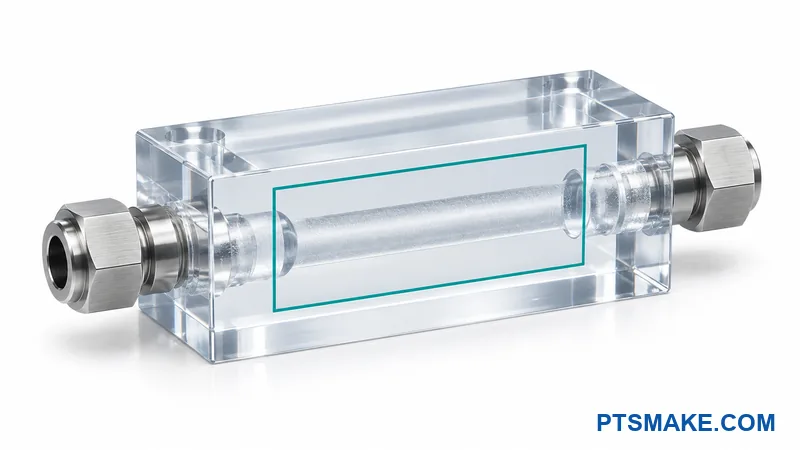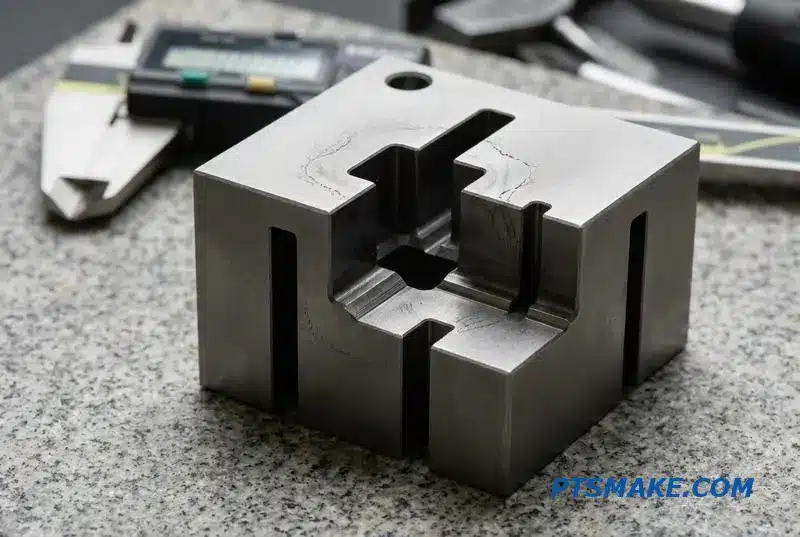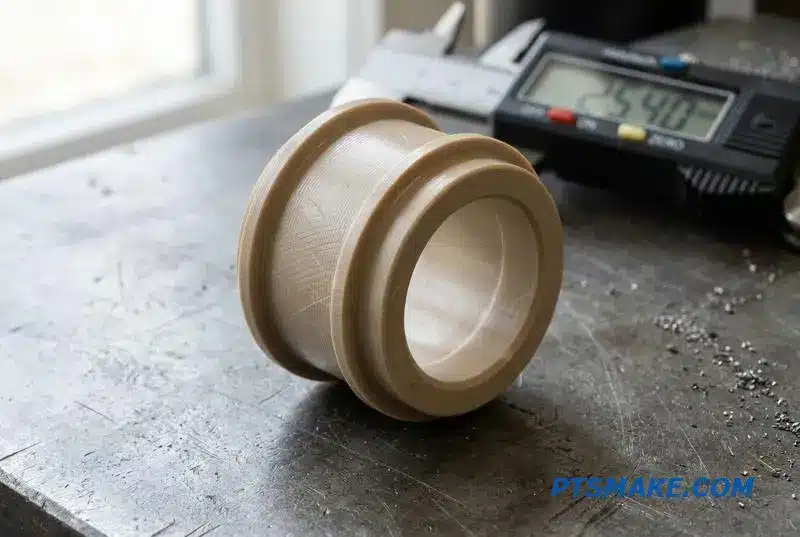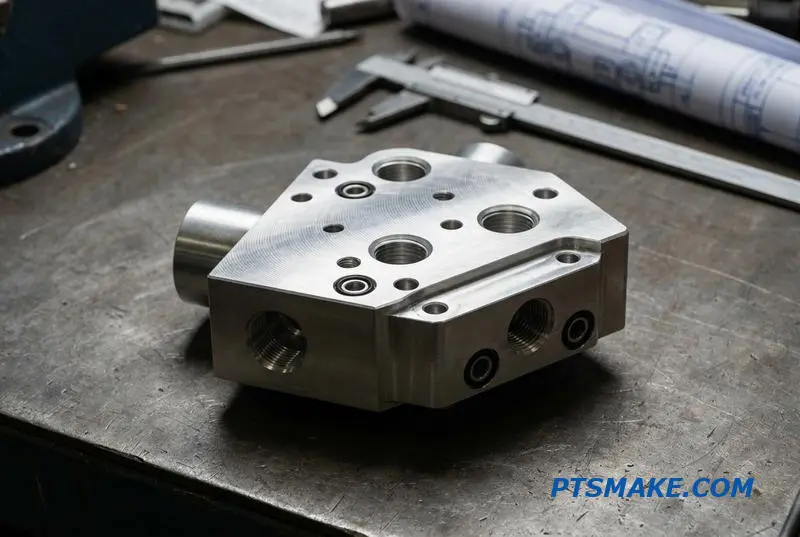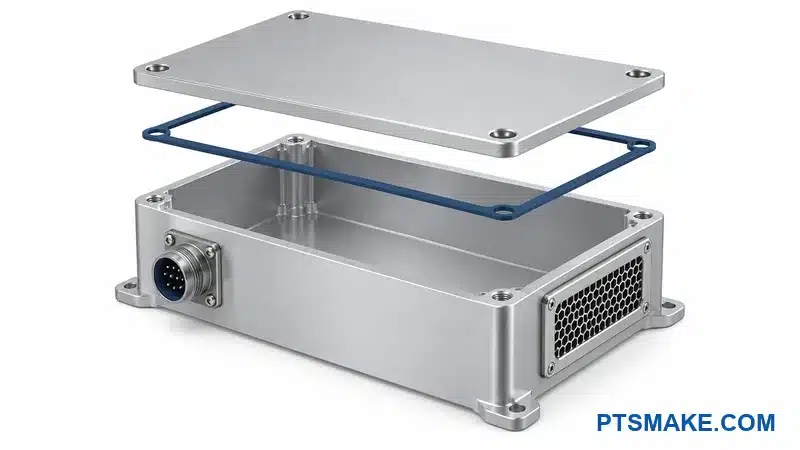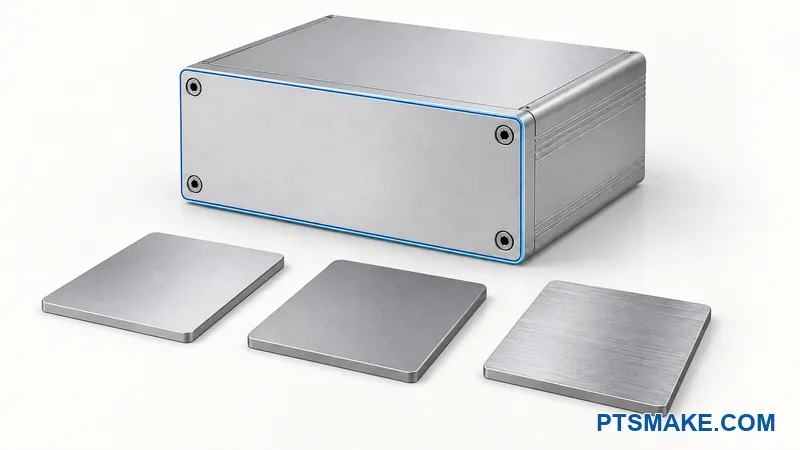

Obter peças usinadas em CNC de grande porte parece navegar em um campo minado de falhas potenciais. Uma escolha errada de fornecedor e toda a sua linha de produção pode enfrentar atrasos dispendiosos, problemas de precisão ou peças que simplesmente não se encaixam em suas montagens críticas.
A usinagem CNC de peças grandes requer equipamentos especializados, sistemas avançados de fixação e experiência comprovada para manter tolerâncias rigorosas em componentes superdimensionados, garantindo qualidade consistente e entrega pontual para aplicações de missão crítica.
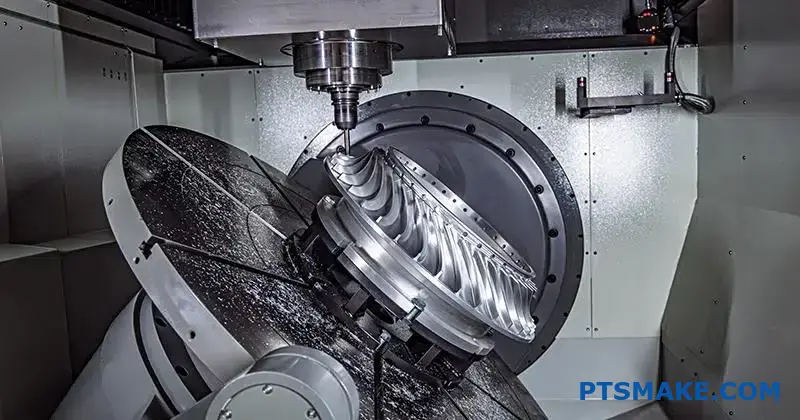
Trabalhei com equipes de compras que aprenderam essas lições da maneira mais difícil. Este guia abrangente o guiará por cada ponto de decisão que importa ao obter peças usinadas em CNC de grande porte, desde a verificação de fornecedores até a evitação de armadilhas comuns que descarrilam projetos.
O Guia Completo Para Obtenção de Peças Usinadas em CNC de Grande Porte
A aquisição de grandes peças usinadas em CNC apresenta desafios únicos. Não é como encomendar componentes padrão. Você deve considerar a capacidade da máquina e a logística.
A complexidade de maquinagem CNC de peças grandes cresce com o tamanho. Cada detalhe, desde a escolha do material até a inspeção final, requer atenção especial.
Principais Considerações de Aquisição
Encontrar o parceiro certo é fundamental. Seu fornecedor precisa do equipamento e da experiência certos para aquisição de grandes peças usinadas.
Aqui estão os principais fatores a serem avaliados:
| Considerações | Impacto na Aquisição |
|---|---|
| Tamanho e peso da peça | Requer máquinas CNC de grande porte e guindastes de alta capacidade. |
| Tolerâncias apertadas | Mais difícil de manter em grandes superfícies. |
| Tipo de material | Afeta ferramentas, tempo de usinagem e custo. |
| Logística | O envio de peças grandes e pesadas é complexo e caro. |
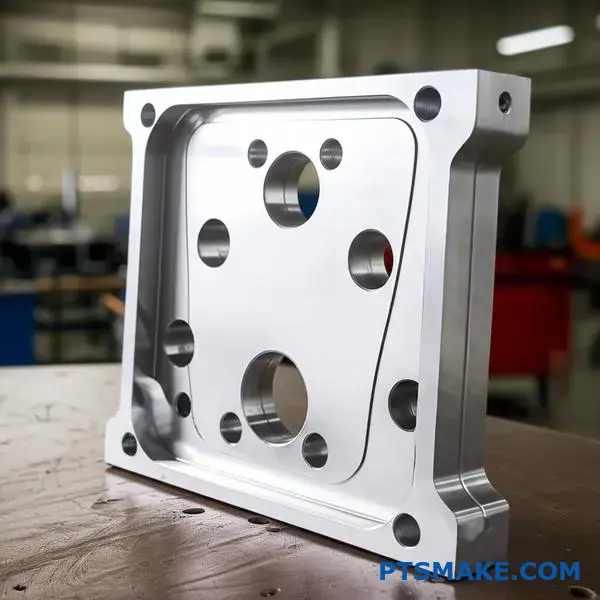
Ao lidar com o processo de aquisição de CNC para peças grandes, os detalhes são tudo. A escala pura amplia cada problema potencial, desde a estabilidade do material até a medição final.
Mergulho Mais Profundo nas Complexidades
Pense na expansão térmica. Uma pequena mudança de temperatura pode tirar uma peça grande da tolerância. Este é um problema comum que muitos negligenciam durante a fase inicial de projeto.
Além disso, considere as tensões internas dentro da matéria-prima. Para tarugos ou forjados grandes, o manuseio ou usinagem inadequados podem fazer com que a peça se deforme. Um bom fornecedor sabe como gerenciar isso.
Aprendemos que um processo de usinagem em várias etapas é frequentemente necessário. Ele envolve desbaste, tratamentos térmicos de alívio de tensão e, em seguida, acabamento final para garantir estabilidade e precisão. A verificação dessas peças grandes requer metrologia1 equipamentos especializados.
Obstáculos de Material e Logística
Escolher o material certo é apenas o começo. Garantir e manusear grandes blocos de alumínio ou aço é um desafio em si.
| Fator | Desafio para Peças Grandes | Solução |
|---|---|---|
| Manuseamento de materiais | Risco de danos ou deformação durante o movimento. | Guindastes e gabaritos especializados. |
| Configuração de Usinagem | Requer tempos de configuração mais longos e gabaritos personalizados. | Maquinistas e engenheiros experientes. |
| Envio e Embalagem | As peças precisam de caixas personalizadas e robustas para transporte. | Faça parceria com empresas de logística experientes. |
| Inspeção | As CMMs padrão podem ser muito pequenas. | Use rastreadores a laser ou braços CMM portáteis. |
Este processo exige um fornecedor que não seja apenas um maquinista, mas um parceiro de projeto. Na PTSMAKE, focamos em gerenciar essas complexidades do início ao fim.
O fornecimento de peças CNC grandes envolve desafios únicos além da usinagem padrão. O sucesso depende da avaliação das capacidades do fornecedor, manuseio de materiais e métodos de inspeção avançados para gerenciar as complexidades de tamanho e precisão. Um planejamento cuidadoso é essencial para um processo de aquisição tranquilo.
Por Que as Tolerâncias de Peças Grandes Podem Criar ou Quebrar Montagens de Missão Crítica
Em montagens de missão crítica, o tamanho amplia todas as falhas. Um pequeno erro em uma peça pequena pode ser insignificante. Mas em um componente grande, o mesmo pequeno erro pode causar falha total do sistema. Este é o desafio central.
Estamos falando de indústrias onde não há margem para erro. Aeroespacial, automotiva e robótica exigem perfeição. Para peças grandes de tolerância apertada, mesmo um desvio em nível de mícron pode levar a resultados catastróficos. Quanto maior a peça, maior o impacto de qualquer imperfeição.
| Setor da indústria | Impacto Potencial de Erro de Tolerância Pequena |
|---|---|
| Aeroespacial | Desalinhamento da junção asa-fuselagem |
| Automóvel | Bloqueio e falha do bloco do motor |
| Robótica | Posicionamento incorreto do braço e mau funcionamento |
Estes não são apenas riscos teóricos. São consequências do mundo real que nós, na PTSMAKE, trabalhamos para prevenir todos os dias.
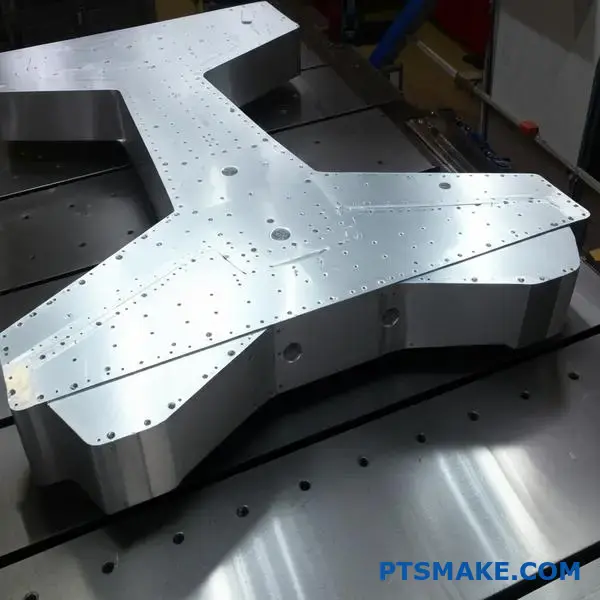
O Efeito de Amplificação dos Erros
Por que pequenos erros em peças grandes causam problemas tão grandes? É uma questão de alavancagem e acumulação. Um pequeno desvio angular em uma extremidade de uma longa viga estrutural resulta em um grande erro de posicionamento na outra.
Este problema é especialmente crítico para componentes de missão crítica. Pense em um longarina de asa de aeronave. Uma pequena incompatibilidade onde ela se une à fuselagem pode comprometer a integridade estrutural de toda a asa ao longo de milhares de horas de voo.
Caso em Ponto: Blocos de Motor Automotivos
Na fabricação automotiva, um bloco de motor grande deve ser perfeitamente plano. Um pequeno desvio pode causar uma vedação inadequada com o cabeçote do cilindro. Isso leva à falha da junta, perda de compressão e, finalmente, à travagem do motor. Vimos como usinagem CNC de precisão é a única maneira de alcançar este nível de planicidade exigido.
A questão muitas vezes se resume a como os erros individuais se somam. Este é um conceito conhecido como empilhamento de tolerância2. Em uma montagem complexa, a variação aceitável de cada peça pode se combinar, criando um desvio total que excede os limites de projeto.
| Tipo de componente | Desafio Comum de Tolerância | Consequência da Falha |
|---|---|---|
| Segmento do Braço Robótico | Precisão posicional sobre o comprimento | Incapacidade de realizar tarefas precisas |
| Quadro de Satélite | Descasamento de expansão térmica | Tensão e falha do componente |
| Chassi Automotivo | Alinhamento dos pontos de montagem | Manuseio inadequado e desgaste de componentes |
Quanto maior a peça, mais crítica se torna a gestão térmica precisa e a estabilidade do material durante o maquinagem CNC de peças grandes processo.
Pequenas desvios em peças grandes são ampliados, levando a desalinhamento, tensões e falha eventual em montagens críticas. A fabricação precisa não é um luxo; é uma necessidade absoluta para garantir segurança e funcionalidade em aplicações de alto risco.
Os Custos Ocultos Por Trás de Cotações de Usinagem CNC de Grande Porte de Baixo Custo
Ao obter um orçamento para usinagem CNC de peças grandes, o menor preço nem sempre é o melhor negócio. Já vi muitos projetos ultrapassarem o orçamento devido a fatores não listados no orçamento inicial. Esses custos ocultos podem rapidamente transformar uma barganha em uma despesa significativa.
O preço baixo atraente muitas vezes esconde problemas potenciais. É crucial olhar mais fundo. O custo real de usinagem inclui mais do que apenas a taxa horária. Ele abrange todo o processo, do início ao fim.
Desempacotando o Orçamento
Vamos detalhar o que muitas vezes está faltando.
| Fator Oculto | Implicação de Cotação de Baixo Custo | Impacto Realista |
|---|---|---|
| Tempo de configuração | Frequentemente subestimado ou omitido. | Configurações complexas para peças grandes adicionam horas. |
| Desgaste da ferramenta | Não considerado no preço inicial. | Desgaste rápido em trabalhos grandes aumenta os custos. |
| Taxa de sucata | Assume uma execução perfeita, sem defeitos. | Uma peça grande descartada apaga as economias. |
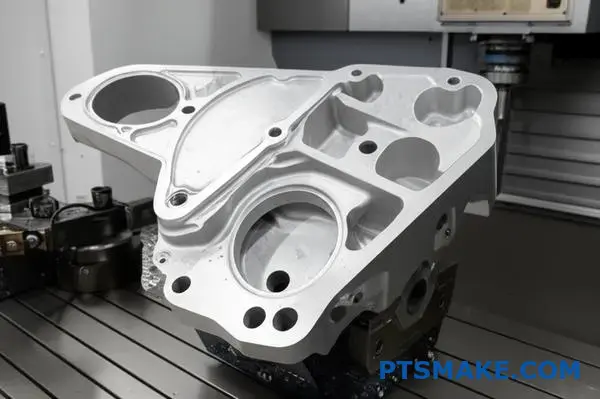
Ao avaliar um fornecedor, especialmente para trabalhos complexos, você precisa dissecar sua cotação. O número inicial é apenas um ponto de partida. Riscos de usinagem de baixo custo geralmente surgem em áreas que exigem expertise e investimento, o que oficinas de baixo custo podem não ter.
Tempos de Configuração e Fixação
Para usinagem de componentes grandes em CNC, a configuração não é trivial. Requer fixações especializadas e alinhamento cuidadoso. Uma cotação baixa pode significar que o fornecedor planeja usar uma configuração menos que ideal, aumentando o risco de erros e tempos de ciclo mais longos.
Tempo de Inatividade e Confiabilidade da Máquina
Que tipo de máquinas serão usadas? Equipamentos mais antigos são mais baratos de operar por hora, mas são mais propensos a tempo de inatividade inesperado. Este é um risco significativo. Um atraso de apenas um dia pode ter um efeito cascata em todo o seu cronograma de produção. A verificação da peça final requer precisão metrologia3 para garantir que cada dimensão esteja correta.
Taxas de Descarte e Desperdício de Material
Com blocos de matéria-prima grandes e caros, uma única peça descartada é um grande golpe financeiro. Um fornecedor com uma cotação baixa pode não ter os robustos processos de controle de qualidade que implementamos em PTSMAKE. Isso leva a taxas de descarte mais altas. Após nossos testes internos, descobrimos que um processo disciplinado pode reduzir o desperdício de material em uma margem notável.
| Fator de custo | Por que isso importa para peças grandes | Aumento Potencial de Custo |
|---|---|---|
| Tempo de paragem da máquina | Atrasos em todo o cronograma do projeto. | Pode adicionar 10-20% em taxas/penalidades de urgência. |
| Alta Taxa de Sucata | Desperdiça matéria-prima cara. | Custo do material + tempo de retrabalho. |
| Desgaste Excessivo de Ferramentas | Trocas frequentes de ferramentas adicionam tempo/custo. | Aumenta significativamente o orçamento de ferramentas. |
Avaliar um orçamento requer olhar além do preço superficial. O verdadeiro custo de usinagem é uma combinação do preço orçado mais os riscos de tempo de inatividade, sucata e outros fatores ocultos. Uma avaliação completa protege o orçamento e o cronograma do seu projeto.
As 10 Principais Perguntas a Fazer Antes de Escolher um Fornecedor de Usinagem CNC de Peças Grandes
Encontrar um fornecedor é fácil. Encontrar o certo para peças grandes é difícil. Você precisa olhar além da apresentação de vendas. Investigue suas capacidades técnicas.
Uma incompatibilidade aqui leva a atrasos e erros caros. Eu já vi acontecer. É por isso que um processo de verificação sólido é essencial.
Capacidades Técnicas Essenciais
Seu parceiro potencial deve ter as ferramentas certas. Para usinagem CNC de peças grandes, isso é inegociável. Pergunte sobre o envelope de trabalho de suas máquinas. Certifique-se de que ele possa lidar com as dimensões da sua peça.
Além disso, pergunte sobre suas capacidades de eixo. Geometrias complexas geralmente exigem máquinas de 5 eixos.
Software e Sistemas de Qualidade
A fabricação moderna funciona com dados. Quão bem eles se integram aos seus arquivos CAD/CAM? A integração perfeita evita erros de tradução.
Finalmente, revise o controle de qualidade deles. Como é o processo de inspeção deles? Esta é uma parte crítica de qualquer lista de verificação de fornecedor de CNC para peças grandes.
| Área de Verificação | Pergunta-chave | Porque é que é importante |
|---|---|---|
| Tamanho da máquina | Qual é o curso da sua maior máquina (X, Y, Z)? | Garante que eles podem produzir fisicamente sua peça. |
| Capacidade do eixo | Vocês têm máquinas de 3, 4 e 5 eixos? | Determina a capacidade deles de lidar com geometrias complexas. |
| CAD/CAM | Com quais versões de software vocês são compatíveis? | Evita perda de dados e garante a precisão do projeto. |
| Inspeção | Qual é o volume de medição da sua CMM? | Confirma que eles podem inspecionar e verificar sua peça grande. |
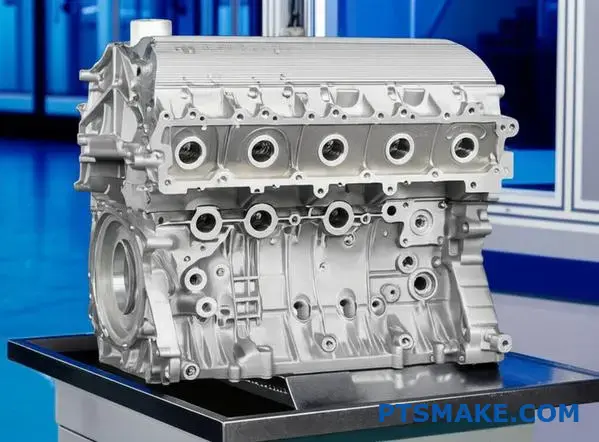
Ao avaliar um fornecedor, foco muito na infraestrutura de controle de qualidade deles. Não se trata apenas de ter as máquinas. Trata-se de ter os processos comprovados para verificar o trabalho. Isso é especialmente verdadeiro para componentes grandes e de alto valor, onde o retrabalho é incrivelmente caro.
Uma das etapas mais críticas é o Inspeção do primeiro artigo (FAI)4. Não pergunte apenas se eles fazem isso. Peça para eles explicarem o relatório FAI deles de um projeto semelhante. Isso mostra o quão completos eles são. Um bom processo FAI detecta problemas antes que eles se tornem problemas de produção.
Capacidade de Inspeção e Relatórios
Para usinagem CNC de peças grandes, você deve verificar a capacidade de inspeção deles. Eles possuem uma Máquina de Medição por Coordenadas (CMM) grande o suficiente para sua peça? Como ela é calibrada?
Aprendemos em PTSMAKE que relatórios transparentes constroem confiança. Solicite relatórios de inspeção de amostra. Esses documentos mostram o compromisso deles com a qualidade e fornecem um registro claro de conformidade com suas especificações.
| Método de inspeção | Melhor caso de utilização | Limitação |
|---|---|---|
| CMM | Geometrias complexas de alta precisão | Limitado pelo tamanho físico da máquina. |
| Digitalização a laser | Grandes superfícies, engenharia reversa | Menor precisão que CMM para tolerâncias apertadas. |
| Calibradores Manuais | Dimensões simples, verificações rápidas | Propenso a erro humano, não para peças complexas. |
A verificação completa das capacidades técnicas de um fornecedor é crucial. Avalie seus maquinários, integração de software e processos de controle de qualidade. Essa diligência evita problemas de produção dispendiosos e garante que suas peças grandes sejam fabricadas de acordo com as especificações desde o início.
Segredos Para Escalar de Protótipo para Produção em Usinagem de Peças Grandes
A transição do protótipo para a produção é um passo crítico. Isso é especialmente verdadeiro na usinagem CNC de peças grandes. Seu sucesso depende muito da parceria com seu fornecedor.
Escolher o parceiro certo faz toda a diferença.
Eles o ajudarão a focar na escalabilidade desde o início. Essa abordagem colaborativa, começando com Design para Fabricação (DFM), evita erros dispendiosos ao passar do protótipo CNC para a produção em massa.
De Peça Única a Produção em Larga Escala
Seu foco deve mudar à medida que você escala. O protótipo inicial é sobre funcionalidade. A produção completa é sobre eficiência e consistência.
| Estágio | Foco principal |
|---|---|
| Prototipagem | Prova de conceito, funcionalidade |
| Produção | Repetibilidade, eficiência de custos, velocidade |
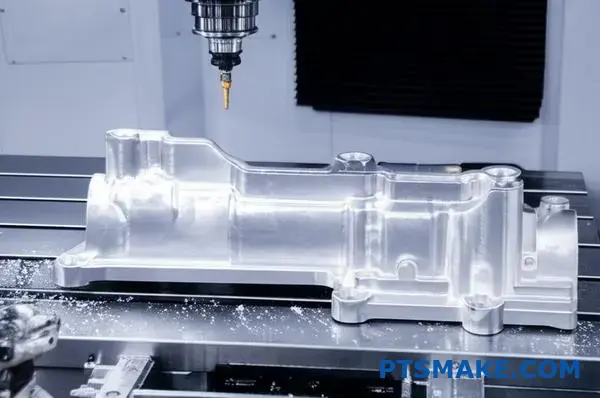
Competências Essenciais de um Fornecedor Escalável
Nem toda oficina mecânica está pronta para escalar a produção de CNC. Ao avaliar parceiros para usinagem de peças grandes, procure por três competências essenciais. Estas são cruciais para uma transição suave de uma única unidade para milhares.
Aplicação de DFM para Grandes Peças de Precisão
Um verdadeiro parceiro fornece feedback acionável de DFM antecipadamente. Para componentes grandes, essa análise é vital. Ela influencia tudo, desde a seleção de materiais até a eficiência do toolpath.
Na PTSMAKE, nosso processo de DFM para peças de precisão grandes identifica problemas potenciais antes que qualquer metal seja cortado. Essa etapa proativa economiza tempo e custo imensos posteriormente. Ela garante que o projeto seja otimizado para fabricação em escala.
Utilização de Ferramentas Adaptativas e Fixação
Peças grandes apresentam desafios únicos de fixação de trabalho. Um fornecedor escalável investe em ferramentas adaptativas e fixação modular. Isso reduz os tempos de configuração entre trabalhos e garante consistência em grandes lotes de produção.
Essa capacidade não se trata apenas de segurar uma peça. Trata-se de criar um processo estável e repetível que minimiza a variação e maximiza a produção.
Implementação de Processos de CQ Repetíveis
A qualidade deve ser idêntica da primeira peça à décima milésima. Isso requer sistemas de controle de qualidade robustos, documentados e repetíveis.
Isso vai além da inspeção final. Envolve verificações em processo e relatórios de CMM. A ciência de Metrologia5 sustenta toda a nossa estrutura de garantia de qualidade, garantindo que cada peça grande atenda às especificações precisas.
| Método de CQ | Melhor para | Benefício |
|---|---|---|
| Inspeção CMM | Verificação final | Alta precisão, relatórios detalhados |
| Medição em Processo | Durante a usinagem | Detecção precoce de erros |
| Controlo Estatístico do Processo | Execuções de alto volume | Monitora a estabilidade do processo |
Um scale-up bem-sucedido depende das capacidades técnicas de um fornecedor. Priorize parceiros que ofereçam DFM proativo, soluções de ferramental inteligentes e CQ rigoroso e repetível. Essa base é essencial para dimensionar usinagem CNC de peças grandes sem comprometer a qualidade ou os prazos.
Evitando Distorção de Material em Peças Usinadas em CNC Superdimensionadas
O controle da distorção do material em peças superdimensionadas é crucial. É um desafio que exige uma abordagem multifacetada. Não dependemos apenas de um truque.
O sucesso depende de quatro áreas-chave. Estas são a escolha do material, alívio de tensões, fixação inteligente e uma estratégia de usinagem deliberada.
Acertar esses pontos garante a estabilidade do material de peças grandes. Isso evita retrabalho e sucata caros. Trata-se de controle proativo, não de correções reativas.
A Base: Material e Tensão
A seleção adequada do seu material base é o primeiro passo. Algumas ligas são inerentemente mais estáveis do que outras após o processamento.
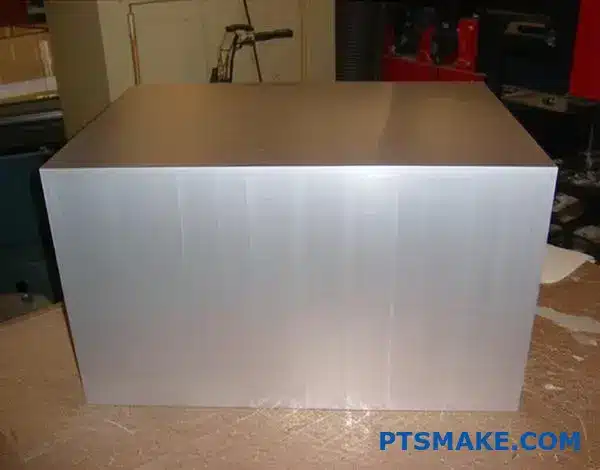
Também priorizamos o alívio de tensões. Isso é especialmente verdadeiro para materiais com alta tensão interna proveniente da fabricação, como chapas de alumínio laminadas. Tratamento térmico ou vibração podem neutralizar essas forças antes do primeiro corte.
| Tratamento | Melhor para | Benefício chave |
|---|---|---|
| Recozimento Térmico | A maioria dos Metais (Alumínio, Aço) | Maximiza a redução de tensões internas |
| Criogénico | Aços de Alto Desempenho, Aços Ferramenta | Melhora a estabilidade dimensional |
| Vibratório | Grandes Estruturas Soldadas, Fundidos | Alívio de tensões rápido, na máquina |
Estratégias de Controle Avançadas
Prevenir a distorção na usinagem CNC vai além da preparação inicial. Sua estratégia no chão de fábrica é igualmente importante. Problemas com material de peça superdimensionado geralmente surgem de fixação incorreta ou corte agressivo.
Filosofia de Fixação
A forma como você segura a peça importa. Evitamos pressão excessiva de fixação, que pode induzir tensões. Em vez disso, usamos múltiplos pontos de fixação de baixa pressão. Isso distribui a força uniformemente sem deformar a peça. Uma fixação personalizada é frequentemente o melhor investimento para uma peça grande e complexa.
Caminhos de Usinagem Inteligentes
A própria usinagem libera a tensão do material. Planejamos nossos caminhos de ferramenta para gerenciar essa liberação gradualmente. Isso geralmente significa desbastar material de ambos os lados em estágios. Isso impede que a peça se curve à medida que as tensões internas são removidas de um lado. Vimos que o balanceamento da remoção de material é fundamental. Este processo cuidadoso é central para a usinagem CNC de peças grandes. O objetivo é manter o equilíbrio dentro da estrutura da peça durante todo o processo. Uma grande quantidade de Tensão residual6 pode arruinar uma peça se não for gerenciada com cuidado. Também usamos ferramentas afiadas e avanços otimizados para minimizar as forças de corte e a entrada de calor.
Gerenciar esses fatores é fundamental para alcançar a precisão. Um processo bem planejado, desde a seleção do material até o passe final, garante que a peça permaneça fiel ao projeto.
Estratégias eficazes para prevenir a distorção do material exigem uma visão holística. Envolve seleção cuidadosa do material, alívio de tensões adequado, fixação inteligente e uma abordagem de usinagem balanceada. Esses elementos trabalham juntos para garantir estabilidade e precisão em peças grandes.
Como Minimizar Prazos de Entrega para Peças CNC Grandes Personalizadas
Para obter entrega rápida de peças CNC grandes, devemos olhar além da máquina. O planejamento inteligente e proativo é a estratégia mais eficaz para reduzir os prazos de entrega. Ele transforma o processo de fabricação.
Gerenciamento Proativo de Pedidos
Agendamento Estratégico
O planejamento de pedidos em lotes permite uma configuração eficiente da máquina. O agendamento antecipado do tempo de máquina também suaviza todo o fluxo de produção, prevenindo gargalos.
Estoque de Materiais
Usar materiais comuns e em estoque evita longas esperas por pedidos personalizados. Esta escolha simples encurta significativamente os prazos de entrega para projetos de usinagem CNC.
| Estratégia de Material | Tempo Típico de Aquisição | Impacto no tempo de execução |
|---|---|---|
| Usar Material em Estoque | 1-2 dias | Atraso mínimo |
| Pedir Material Personalizado | 2-4 semanas | Atraso Significativo |
Essa abordagem é crucial para qualquer usinagem personalizada de giro rápido.
O Poder da Ferramenta Preditiva
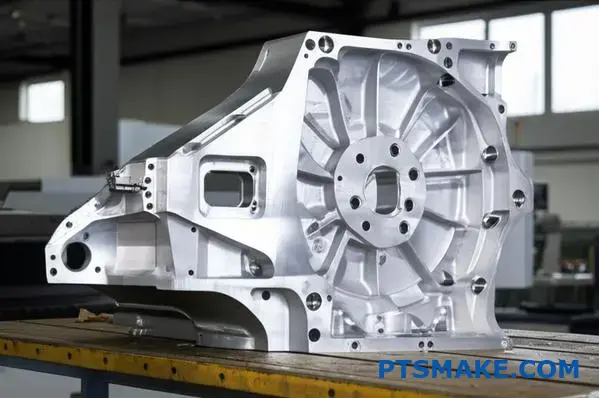
A ferramenta preditiva vai além de simplesmente substituir ferramentas antes que elas quebrem. Envolve a análise de dados de desempenho de trabalhos anteriores. Isso nos ajuda a prever o desgaste da ferramenta para operações específicas de usinagem CNC de peças grandes, evitando tempo de inatividade inesperado e caro durante uma execução de produção crítica.
Essa abordagem orientada por dados significa que substituímos as ferramentas no momento ideal. Garante a disponibilidade da máquina e mantém a consistência da peça sem interromper o fluxo de trabalho. É uma pequena mudança com um grande impacto.
Integrando Sua Programação com a Nossa
A verdadeira parceria é fundamental para a velocidade. Quando os clientes compartilham suas previsões de produção, podemos alinhar nossos recursos de forma muito mais eficaz. Isso nos permite pré-encomendar materiais e reservar capacidade de máquina.
Esse planejamento colaborativo espelha os princípios de agendamento Just-in-Time (JIT)7, minimizando desperdício e espera. Com base em nossos testes com clientes, alinhar cronogramas dessa forma pode reduzir os tempos de espera em uma margem considerável.
| Método de Planejamento | Disponibilidade do material | Atribuição de máquinas | Impacto dos prazos de entrega |
|---|---|---|---|
| Pedido Reativo | Atrasado | Competitivo | Alta Variabilidade |
| Compartilhamento de Previsão | Pré-encomendado | Reservado | Reduzido e Previsível |
Este simples ato de comunicação fornece um caminho claro para um processamento rápido de usinagem personalizada.
O planejamento estratégico, o uso de materiais em estoque, o gerenciamento preditivo de ferramentas e o planejamento colaborativo são cruciais. A implementação dessas etapas proativas pode reduzir drasticamente os atrasos na produção e encurtar os prazos de entrega para suas peças CNC grandes personalizadas, garantindo que seu projeto permaneça no caminho certo.
O Manual do Engenheiro Para Projetar Componentes Grandes Prontos para CNC
Capítulo 8: Escolhas de Design Inteligentes para Usinagem Mais Fácil
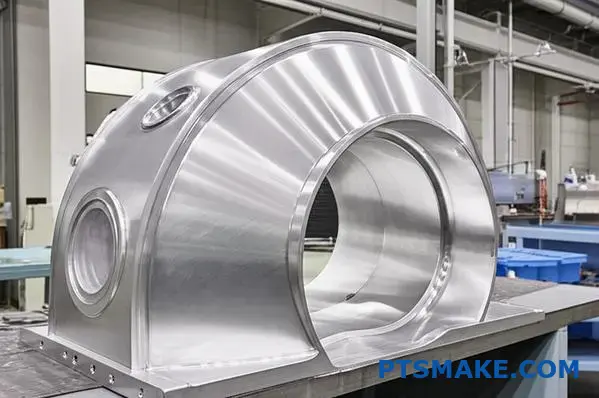
Projetar para a fabricação é crucial para peças grandes. Mudanças simples podem reduzir drasticamente o tempo e os custos de usinagem. Esta é uma parte fundamental da criação de um design pronto para CNC.
Frequentemente vemos designs complexos que são difíceis de usinar. Alguns ajustes inteligentes fazem toda a diferença para o sucesso da usinagem CNC de peças grandes.
Estratégias Chave de Simplificação
| Abordagem Complexa | Alternativa Simplificada |
|---|---|
| Curvas orgânicas e de forma livre | Linhas retas e arcos simples |
| Múltiplos recursos pequenos | Recursos maiores e consolidados |
| Tamanhos de furo personalizados | Tamanhos de broca padrão |
Focar nessas dicas de design para peças grandes agilizará seu projeto. Torna a engenharia para fabricação CNC uma realidade prática.
Pensando Além da Geometria
Otimizar um componente grande vai além de sua forma. A escolha do material e as tolerâncias são igualmente importantes para a usinagem CNC de peças grandes.
Seleção e Estabilidade de Materiais
Escolher o material certo é o primeiro passo. Alguns materiais são mais estáveis e fáceis de usinar em grandes seções. Por exemplo, a placa de ferramenta de alumínio fundido (como MIC-6) é uma ótima escolha. Ela tem baixo estresse interno.
Liberando o interno tensão residual8 durante a usinagem pode fazer com que peças grandes empenem. Este é um problema comum que resolvemos na PTSMAKE. Selecionamos cuidadosamente os materiais e planejamos as etapas de usinagem para gerenciá-lo. Isso garante a precisão final da peça.
Toleranciamento com Intenção
Tolerâncias apertadas aumentam os custos, especialmente em superfícies grandes. Especifique tolerâncias apertadas apenas onde elas são funcionalmente necessárias. Este é um princípio fundamental da engenharia para fabricação CNC.
Considere a seguinte abordagem para toleranciamento:
| Tipo de caraterística | Tolerância recomendada |
|---|---|
| Superfícies não críticas | +/- 0,5 mm ou mais folgado |
| Interfaces de acoplamento | +/- 0,05 mm |
| Furos de rolamento | +/- 0,01 mm |
Essa abordagem ponderada para projetar peças grandes reduz o tempo de usinagem e diminui o risco de sucata. É uma situação ganha-ganha para o engenheiro e a oficina mecânica.
Em resumo, otimizar componentes grandes para usinagem CNC envolve simplificar a geometria, escolher materiais estáveis para gerenciar tensões internas e aplicar tolerâncias estrategicamente. Esses princípios de design prontos para CNC reduzem a complexidade, o custo e o tempo de entrega, garantindo um processo de produção mais tranquilo.
Principais Táticas de Usinagem Para Garantir Qualidade Consistente em Peças Grandes
Garantir a consistência em peças grandes é um grande desafio. Não se trata apenas de atingir tolerâncias em uma única peça. Trata-se de repetir esse sucesso todas as vezes.
O sucesso depende de um processo disciplinado. Isso inclui estratégias inteligentes de trajetória de ferramenta para gerenciar tensões. Também significa inspeção constante em processo.
A estabilidade da fixação é inegociável para o sucesso. Finalmente, a documentação completa de CQ fornece a prova e a rastreabilidade que nossos clientes nos setores aeroespacial e automotivo exigem. Isso é fundamental para um controle de qualidade de usinagem eficaz.
| Tática | Foco principal |
|---|---|
| Caminho da ferramenta | Gerenciamento de Tensão e Calor |
| Inspeção | Detecção Precoce de Erros |
| Fixação | Controle de Vibração e Movimento |
| Documentação | Rastreabilidade e Repetibilidade |
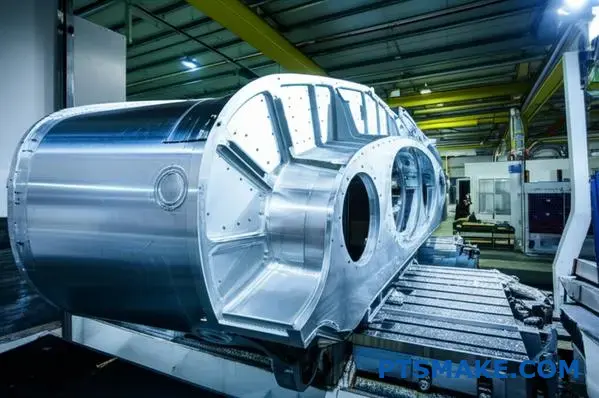
Alcançar a consistência em peças grandes requer um foco profundo nos detalhes. Vai muito além de simplesmente programar uma máquina e apertar ‘iniciar’. Operações CNC de alta precisão exigem uma abordagem mais integrada.
Estratégia Avançada de Trajetória de Ferramenta
A trajetória de ferramenta correta faz mais do que remover material. Para peças grandes, usamos estratégias como fresamento trocoidal. Isso evita curvas acentuadas e mantém o engajamento consistente da ferramenta. Isso minimiza o desgaste da ferramenta e reduz o acúmulo de calor, uma das principais causas de empenamento em componentes grandes. Usamos software avançado para simular essas trajetórias. Isso garante o desempenho ideal antes que o primeiro cavaco seja cortado. O uso desses dados ajuda a ajustar fatores como compensação volumétrica9 para a própria máquina.
Verificação em processo
Não esperamos até o final para inspecionar. Usamos sondagem na máquina durante todo o processo. Após uma passada de desbaste, uma sonda pode verificar os datum críticos. Isso nos permite ajustar quaisquer pequenos deslocamentos ou desgaste da ferramenta antes das passadas de acabamento. Esta é uma parte central do nosso controle de qualidade de usinagem.
| Fase de inspeção | Objetivo |
|---|---|
| Pré-maquinação | Verificar a localização do material e da fixação |
| Durante o Processo | Verificar características críticas pós-desbaste |
| Pós-Acabamento | Verificação final antes da remoção |
Fixação e Documentação
Uma fixação estável é a base. Para usinagem CNC de peças grandes, frequentemente construímos fixações personalizadas. Garantimos que elas suportem a peça de trabalho sem causar distorção.
Finalmente, cada etapa é documentada. Certificados de material, listas de ferramentas, relatórios de inspeção — tudo é rastreado. Isso cria um histórico completo para cada peça.
Dominar a usinagem CNC de peças grandes requer a integração de trajetórias de ferramentas inteligentes, verificações contínuas em processo, fixação sólida e documentação meticulosa. Essas táticas trabalham juntas para garantir que cada componente atenda aos mais altos padrões de qualidade e consistência para nossos clientes em PTSMAKE.
Quando Escolher Usinagem CNC em Vez de Fundição Para Componentes Grandes
A escolha entre CNC e fundição para peças grandes é uma decisão crítica. Ela impacta o custo, o tempo de entrega e a qualidade final. O debate de ‘CNC vs fundição de peças grandes’ não é simples.
Cada processo tem vantagens distintas. Frequentemente guio os clientes nessa escolha. Analisamos fatores-chave para encontrar a melhor opção para o projeto deles.
Eis uma comparação rápida:
| Caraterística | Maquinação CNC | Fundição |
|---|---|---|
| Precisão | Muito elevado | Moderado |
| Complexidade | Elevado | Muito Alta (Interna) |
| Prazo de execução | Mais Curto (Sem Ferramental) | Mais Longo (Ferramental) |
| Acabamento da superfície | Excelente | De Bruto para Bom |
Esta tabela ajuda a enquadrar a discussão para componentes usinados vs. fundidos, especialmente ao considerar a escala do trabalho.
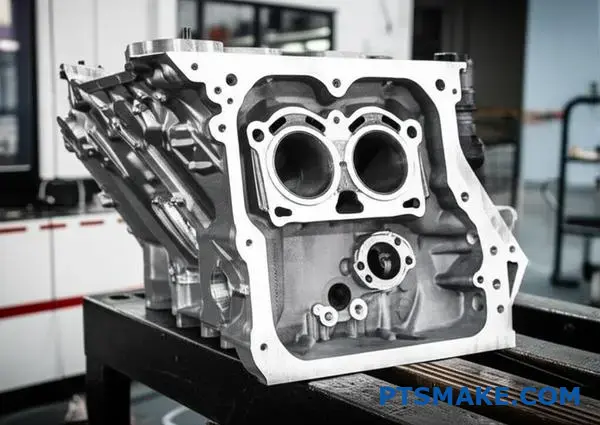
Análise de Custo e Prazo de Entrega
Para componentes grandes, os custos iniciais diferem muito. A fundição requer ferramentas caras — o molde. Isso a torna adequada para produção de alto volume, onde o custo da ferramenta pode ser distribuído por milhares de unidades.
Usinagem CNC, uma forma de fabrico subtrativo10, não tem custo de ferramenta. Isso a torna ideal para protótipos e tiragens de baixo volume. O custo por peça permanece relativamente constante. Para usinagem CNC de peças grandes, a configuração inicial é muito mais rápida.
O prazo de entrega segue um padrão semelhante. A fundição envolve projeto, criação e teste de moldes. Este processo pode levar semanas ou até meses antes que a primeira peça seja produzida. A usinagem CNC pode começar quase imediatamente após a finalização e programação do arquivo CAD.
Geometria, Tolerâncias e Acabamento
Quando a precisão é inegociável, o CNC é o vencedor claro. É uma das melhores alternativas de alta precisão para fundição. Podemos manter tolerâncias extremamente apertadas, o que é crucial para peças grandes e complexas que precisam se encaixar perfeitamente em uma montagem.
| Fator | Maquinação CNC | Fundição |
|---|---|---|
| Tolerância | ±0,025 mm ou melhor | ±0,5 mm típico |
| Acabamento da superfície (Ra) | Tão baixo quanto 0,4 μm | 3,2 – 12,5 μm típico |
| Complexidade geométrica | Excelente para recursos externos | Melhor para vazios internos complexos |
A fundição muitas vezes tem dificuldades em alcançar cantos vivos e paredes finas consistentes. O acabamento superficial da fundição também é inerentemente mais áspero e geralmente requer operações de usinagem secundárias. Isso adiciona custo e tempo extras, tornando a usinagem CNC um caminho mais direto para uma peça acabada.
Em resumo, a escolha depende das suas prioridades. Para alta precisão, acabamento superior e um ciclo de produção mais rápido em peças grandes de baixo volume, a usinagem CNC é a opção lógica. A fundição se destaca na produção de alto volume, onde os custos iniciais de ferramental podem ser justificados.
Como Reduzir o Desperdício de Usinagem em Blocos Brutos Grandes
A usinagem de grandes blocos brutos muitas vezes gera muito sucata caro. Esse desperdício impacta diretamente seus lucros.
Mas não precisa ser assim. Estratégias inteligentes podem reduzir significativamente a perda de material.
Isso envolve escolher o material de partida correto e usar melhores práticas de usinagem.
A otimização eficaz de matéria-prima é fundamental. Vamos ver como melhorar a utilização de material em CNC.
| Estratégia | Impacto no Desperdício |
|---|---|
| Seleção de Material Bruto | Elevado |
| Conformação Quase Líquida (Near-Net Shaping) | Muito elevado |
| Fixação Inteligente | Médio |
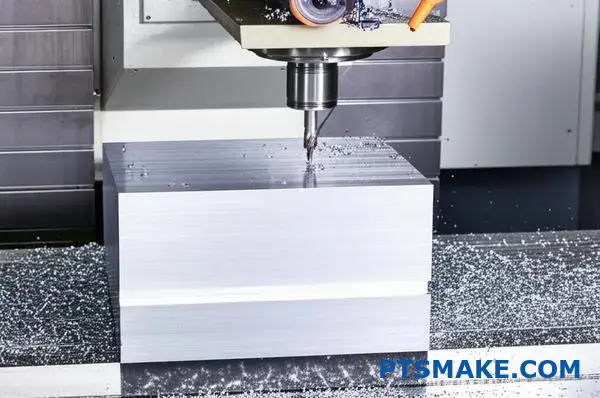
O Poder da Conformação Quase Líquida (Near-Net Shaping)
Conformação quase líquida significa começar com uma peça de trabalho que já está próxima da forma final. Isso muda o jogo para a redução de desperdício em peças grandes.
Em vez de um bloco sólido, considere usar peças fundidas, forjadas ou extrudadas.
Essa única escolha pode, às vezes, reduzir o desperdício de material em mais de 50%. Com base em nossos projetos de clientes, também reduz drasticamente o tempo de usinagem.
Seleção Inteligente de Material Bruto
Escolher o material bruto correto é crucial. Não peça apenas um tamanho de bloco padrão.
Trabalhe com seu fornecedor. Veja se eles podem fornecer um tamanho cortado sob medida que deixe um excesso mínimo de estoque. Este passo simples auxilia na otimização de matérias-primas.
Além disso, considere as propriedades do material. Alguns metais possuem Anisotrópico11 qualidades que afetam como eles são usinados. Entender isso ajuda a prevenir desperdícios inesperados durante a produção.
Fixação para Melhor Utilização de Material
A forma como você segura a peça é importante. Uma fixação inadequada pode levar a vibrações ou movimento da peça.
Isso muitas vezes força os operadores a usar trajetórias de ferramenta mais conservadoras. Isso deixa material em excesso para etapas posteriores, menos eficientes.
Uma fixação rígida permite um desbaste mais agressivo e eficiente. Isso melhora diretamente a utilização de material em CNC, especialmente para projetos de usinagem CNC de peças grandes.
Começar com formas quase líquidas, selecionar estoque bruto de tamanho apropriado e usar fixação rígida são fundamentais. Essas estratégias são essenciais para reduzir o desperdício de material e controlar os custos em projetos de usinagem em larga escala. Elas impulsionam diretamente a eficiência e a lucratividade.
O ROI Real de Pagar Mais Por Uma Peça Grande Usinada em CNC de 5 Eixos
A cotação inicial para um trabalho de 5 eixos pode parecer alta. Mas o retorno real do investimento em usinagem não está no preço de etiqueta. Ele é encontrado na eficiência e precisão.
Menos Configurações, Retorno Mais Rápido
Com máquinas de 5 eixos, acessamos recursos complexos de vários ângulos. Isso acontece em uma única fixação. Essa abordagem reduz drasticamente o tempo de configuração e os custos de mão de obra.
Para usinagem CNC de peças grandes, isso é um divisor de águas. Significa entrega mais rápida e custos gerais de projeto mais baixos.
| Caraterística | Maquinação de 3 eixos | Maquinação de 5 eixos |
|---|---|---|
| Configurações para peças complexas | 4-6 | 1-2 |
| Risco de erro | Mais alto | Inferior |
Menos configurações significam menos chances de erro humano ou de máquina.
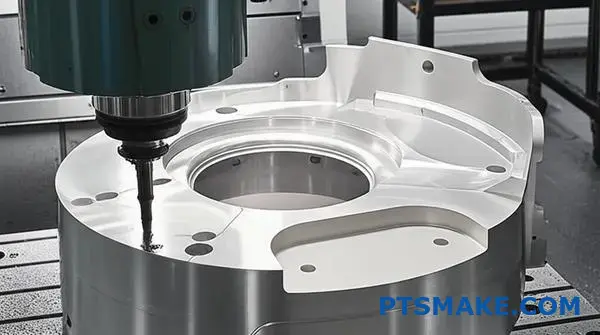
O retorno se torna claro quando analisamos a dinâmica de custo vs complexidade CNC. Uma peça com cavidades profundas e furos angulados é um exemplo clássico de onde essa tecnologia se destaca.
Acesso a Geometrias Complexas
Em uma máquina de 3 eixos, cada ângulo exclusivo geralmente requer um novo dispositivo personalizado. Isso adiciona custo e tempo significativos ao projeto.
Uma máquina de 5 eixos simplesmente gira a peça ou a cabeça da ferramenta. Essa capacidade torna os designs intrincados para peças grandes de CNC de 5 eixos viáveis e mais acessíveis para produzir.
O custo oculto do retrabalho
Toda vez que uma peça grande é reajustada, há um risco de desalinhamento. Isso pode levar a peças descartadas e retrabalho caro, especialmente com tolerâncias apertadas.
A usinagem de 5 eixos minimiza esse risco. Ao completar a maioria das operações em uma configuração, a máquina inerente precisão volumétrica12 é mantida durante todo o processo. Nossos testes mostram que isso reduz erros em uma margem significativa. Isso garante que a primeira peça seja tão boa quanto a última.
| Fator | Impacto de Menos Configurações |
|---|---|
| Custo do trabalho | Reduzido significativamente |
| Prazo de execução | Encurtado |
| Precisão da Peça | Aumento |
| Taxa de sucata | Diminuído |
Essa consistência é onde o verdadeiro valor reside para componentes grandes e de alto valor.
Investir em usinagem de 5 eixos para peças grandes compensa, reduzindo configurações, mão de obra e risco de retrabalho. Essa abordagem oferece maior precisão e um melhor retorno geral, tornando-a uma estratégia de longo prazo mais inteligente para geometrias complexas.
Escolhendo o Acabamento de Superfície Certo para Grandes Peças de Alta Função
Selecionar o acabamento de superfície correto para peças grandes não é apenas uma questão de aparência. É uma decisão de engenharia crítica. O acabamento afeta diretamente o desempenho, a durabilidade e o custo.
Tratamentos de superfície CNC adequados são essenciais. Eles garantem que seu componente atenda às especificações de sua superfície funcional. Isso é especialmente verdadeiro para usinagem CNC de peças grandes.
Acabamentos Funcionais Chave
Acabamentos diferentes servem a propósitos específicos. Por exemplo, um baixo valor de Ra reduz o atrito. A anodização protege contra a corrosão. O jateamento de contas cria um visual fosco uniforme. Vamos analisar suas funções.
| Tipo de acabamento | Função principal | Aplicação ideal |
|---|---|---|
| RA Alvo | Controle de Atrito e Desgaste | Superfícies de acoplamento, vedações |
| Anodização | Resistência à corrosão e ao desgaste | Peças em ambientes agressivos |
| Jateamento de esferas | Textura mate uniforme | Redução de reflexo, estética |
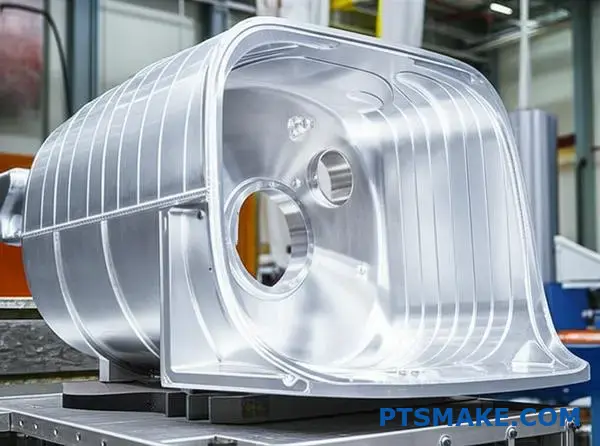
Ao especificar um acabamento de superfície, você está definindo a interação da peça com seu ambiente. Isso é mais do que apenas uma escolha cosmética; é um aspecto central do projeto para qualquer componente grande e funcional. Acertar é crucial.
Mergulho Profundo: Acabamento de Superfície e Desempenho
Entender como os tratamentos de superfície CNC funcionam ajuda você a fazer melhores escolhas. Vamos detalhar as três opções comuns para peças grandes.
RA Alvo (Rugosidade da Superfície)
O valor RA, ou rugosidade média, mede a textura da superfície. Um RA mais baixo significa uma superfície mais lisa. Para peças grandes com superfícies de acoplamento ou vedações dinâmicas, atingir um alvo de RA específico é inegociável. Minimiza o atrito e evita vazamentos. O estudo de tribologia13 nos mostra o quão crítico isso é.
Anodização
Este processo eletroquímico cria uma camada de óxido durável e resistente à corrosão em peças de alumínio. Para peças grandes expostas à umidade ou produtos químicos, a anodização é uma salvação. Ela também melhora a resistência ao desgaste e fornece isolamento elétrico. Frequentemente a recomendamos para grandes chassis e componentes estruturais.
Jateamento de esferas
A jateamento com esferas impulsiona finas esferas de vidro em alta pressão contra uma superfície. Este processo cria um acabamento uniforme, não direcional e fosco. É ótimo para reduzir o reflexo em grandes painéis. Também pode ajudar a aliviar o estresse superficial do processo de usinagem, melhorando a vida útil à fadiga.
| Caraterística | RA Alvo | Anodização | Jateamento de esferas |
|---|---|---|---|
| Melhora o Desgaste? | Sim | Sim | Minimamente |
| Melhora a Corrosão? | Não | Sim (Alumínio) | Ligeiramente |
| Controle Estético? | Não | Sim (Cor) | Sim (Textura) |
| Objetivo principal | Desempenho | Proteção | Uniformidade |
Escolher o acabamento de superfície correto para peças grandes envolve o equilíbrio entre função, material e ambiente. Esta decisão impacta diretamente a vida útil e a confiabilidade do componente, tornando-a uma etapa crítica no processo de fabricação de peças de alta funcionalidade.
Como Alinhar Grandes Peças CNC Dentro de ±0,001” de Tolerância em Metros
Alcançar usinagem de grande porte com tolerâncias apertadas é um desafio significativo. Requer muito mais do que apenas uma máquina CNC capaz.
O sucesso depende de uma abordagem sistemática. Isso inclui configuração, fixação e medição em processo.
Aqui, compartilharei técnicas práticas que usamos. Esses métodos garantem o alinhamento de precisão em vários metros.
Configuração Inicial e Fixação
Uma configuração adequada é a base de qualquer trabalho de precisão. Sempre começamos com uma base de máquina estável e verificada.
| Etapa | Ação | Objetivo |
|---|---|---|
| 1 | Nivelamento da Máquina | Garante a precisão geométrica da própria máquina. |
| 2 | Conceção de aparelhos | Minimiza a distorção da peça e fornece suporte rígido. |
| 3 | Alinhamento Inicial | Usa lasers para posicionamento grosseiro antes da usinagem. |
Estes passos iniciais evitam que erros se acumulem mais tarde. Eles são cruciais para técnicas de CNC de alta precisão.
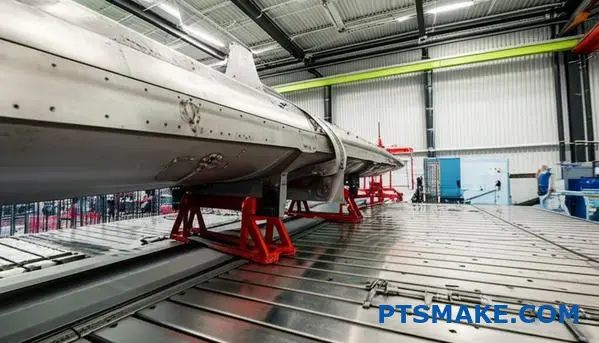
Fixação Avançada e Metrologia em Processo
Para usinagem CNC de peças grandes, a fixação padrão raramente é suficiente. O próprio peso da peça e a pressão da ferramenta podem causar distorção.
Devemos neutralizar ativamente essas forças para manter a precisão.
Estratégias de Fixação para Estabilidade
Frequentemente usamos fixação modular com múltiplos pontos de apoio. Estes são cuidadosamente posicionados para evitar qualquer afundamento ou vibração.
Também insistimos no uso de materiais aliviados de tensões para as fixações. Isso garante que as próprias fixações permaneçam estáveis durante todo o ciclo de usinagem.
Um conceito chave é alcançar uma localização determinística para a peça de trabalho. É aqui que Acoplamento cinemático14 os princípios se tornam incrivelmente úteis para posicionamento repetível e de alta precisão. Ele restringe a peça perfeitamente.
O Papel da Metrologia em Processo
Esperar até que a usinagem esteja completa para medir uma peça grande é um risco enorme. Um único erro encontrado no final pode significar o descarte da peça inteira.
A metrologia em processo é a nossa resposta a este problema. Integramos sondas de medição diretamente no programa CNC.
| Ferramenta de medição | Aplicação | Benefício |
|---|---|---|
| Sondas na Máquina | Verifique as localizações das funcionalidades no meio do processo. | Corrija os deslocamentos da ferramenta dinamicamente. |
| Rastreadores a laser | Meça geometrias grandes em tempo real. | Fornece feedback ao vivo sobre a posição da peça. |
| Sensores Térmicos | Monitore variações de temperatura. | Permite a compensação de expansão térmica. |
Esta técnica de CNC de alta precisão nos permite fazer pequenos ajustes à medida que avançamos. É assim que mantemos o alinhamento de precisão em grandes distâncias, garantindo que a peça final atenda às especificações sem retrabalho.
Dominar tolerâncias apertadas em peças grandes requer uma abordagem holística. O sucesso depende de uma configuração estável, fixação inteligente que controla a distorção e metrologia em processo para ajustes em tempo real. Esses elementos trabalham juntos para garantir a precisão final.
Segredos de Seleção de Materiais CNC para Componentes Superdimensionados Fortes e Estáveis
Escolher o material certo para componentes CNC grandes é fundamental. A escolha errada leva à instabilidade, falha ou custos excessivos. É um equilíbrio de propriedades.
Vamos comparar os três principais: aço, alumínio e plásticos. Cada um tem vantagens distintas para peças superdimensionadas. Sua decisão final depende inteiramente das demandas da aplicação.
Principais propriedades do material
A escolha do material para componentes CNC grandes dita o desempenho. Focamos em três áreas principais.
Resistência e Estabilidade
O aço oferece rigidez incomparável. É ideal para estruturas que necessitam de deflexão mínima. O alumínio fornece uma ótima relação resistência-peso. Plásticos de alto desempenho podem absorver bem o impacto.
Maquinabilidade
Isso afeta o tempo e o custo de produção. Alguns materiais são mais fáceis de cortar do que outros. A usinagem eficiente é fundamental para a usinagem CNC de peças grandes.
| Material | Densidade relativa | Maquinabilidade |
|---|---|---|
| Aço | Elevado | Moderado |
| Alumínio | Baixa | Excelente |
| Plásticos | Muito baixo | Varia |
Peso
Para aplicações aeroespaciais ou automotivas, o peso é crucial. Alumínio e plásticos oferecem economias de peso significativas em relação ao aço. Este é um fator importante na seleção de materiais.
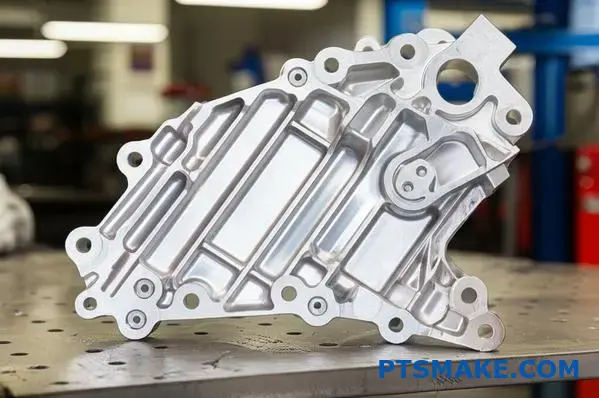
Quando passamos para ligas e polímeros de peças superdimensionadas, os detalhes importam ainda mais. Não se trata apenas de aço versus alumínio; trata-se de qual liga ou grau específico.
Uma Comparação de Materiais Mais Profunda
Na PTSMAKE, orientamos os clientes nessas escolhas complexas diariamente. O melhor material nem sempre é o mais forte ou o mais leve. É aquele que melhor se adapta aos requisitos funcionais e ao orçamento.
Ligas de aço
Para máxima estabilidade em grandes fixações ou bases de máquinas, o aço é frequentemente a escolha principal. Ligas como 4140 oferecem alta resistência à tração. No entanto, seu peso aumenta os custos de envio e manuseio. A usinagem de aço também é mais lenta e causa mais desgaste de ferramentas. Isso aumenta o custo da usinagem CNC de peças grandes.
Ligas de alumínio
Ligas como 6061 ou 7075 são escolhas populares. São excelentes materiais usináveis. Sua condutividade térmica ajuda a dissipar o calor rapidamente durante a usinagem. Isso reduz o risco de empenamento em peças grandes e finas. Uma consideração chave para o alumínio é seu maior coeficiente de expansão térmica em comparação com o aço.
Plásticos de engenharia
Plásticos como PEEK ou Delrin oferecem benefícios únicos. Eles fornecem excelente resistência química e são leves. Para peças grandes, no entanto, deve-se observar as tensões internas e potenciais fluência15 sob carga sustentada. Nossos estudos internos mostram que o recozimento adequado do estoque é fundamental para a estabilidade.
| Caraterística | Aço (4140) | Alumínio (6061) | Plástico (PEEK) |
|---|---|---|---|
| Resistência ao peso | Bom | Excelente | Bom |
| Rigidez | Excelente | Bom | Justo |
| Custo | Moderado | Moderado | Elevado |
| Resistência à corrosão | Pobres | Bom | Excelente |
A seleção de materiais para componentes CNC grandes é um compromisso. Você deve equilibrar as necessidades estruturais, as restrições de peso e os custos de fabricação. O aço oferece estabilidade, o alumínio oferece usinabilidade e baixo peso, enquanto os plásticos fornecem propriedades especializadas para ambientes específicos. A escolha ideal é sempre orientada pela aplicação.
A Comparação Definitiva: Terceirização Offshore vs. Doméstica para Grandes Peças Usinadas em CNC
Escolher um fornecedor para peças usinadas CNC grandes é uma grande decisão. Entendo a hesitação em relação à usinagem CNC offshore. Muitos compradores se preocupam com os riscos.
Vamos detalhar as principais diferenças. Compararemos a usinagem doméstica versus a usinagem no exterior. Isso o ajudará a fazer uma escolha informada.
Principais Fatores de Fornecimento
| Fator | Fornecimento Doméstico | Offshore Sourcing |
|---|---|---|
| Custo inicial | Mais alto | Inferior |
| Comunicação | Mais simples | Pode ser complexo |
| Logística | Simples | Requer gerenciamento |
Esta comparação abordará diretamente suas principais preocupações.
Ao considerar o fornecimento global de peças grandes, a cotação inicial não é toda a história. Parceiros offshore, como nós na PTSMAKE, geralmente fornecem economias significativas no custo da própria peça. No entanto, você deve considerar o frete, tarifas e viagens potenciais para verificações de qualidade.
Custo e Prazo de Entrega
Fornecedores domésticos oferecem prazos de entrega mais rápidos. Não há frete marítimo ou desembaraço aduaneiro. Esta é uma vantagem clara para projetos urgentes. Para produção planejada, o prazo de entrega mais longo da usinagem offshore é geralmente gerenciável e gera benefícios de custo.
Proteção de PI e Logística
A propriedade intelectual (PI) é uma grande preocupação. Trabalhar com um parceiro offshore confiável e com longa história é crucial. Temos sistemas robustos para proteger os projetos dos clientes. A logística para peças grandes é complexa. O frete internacional adiciona papelada alfandegária, mas fornecedores experientes lidam com isso sem problemas. Muitos compradores focam apenas no preço unitário, mas é importante entender o Custo total de propriedade (TCO)16 para tomar a melhor decisão.
Aqui está uma análise das compensações:
| Aspeto | Vantagem Doméstica | Vantagem Offshore |
|---|---|---|
| Velocidade | Entrega mais rápida | - |
| Preço Unitário | - | Tipicamente mais baixo |
| Segurança de PI | Reforço do quadro jurídico | Requer verificação do parceiro |
| Logística | Processo mais simples | Gerenciado por parceiros experientes |
A escolha entre fornecimento doméstico e offshore para grandes peças CNC envolve trocas claras. É um equilíbrio entre custo inicial, tempo de entrega, segurança de PI e logística. Uma avaliação cuidadosa de todos os fatores, não apenas do preço, é essencial para um projeto bem-sucedido.
Descubra Soluções de Usinagem CNC de Grandes Peças com PTSMAKE
Potencialize sua aquisição e garanta o sucesso de missões críticas — entre em contato com a PTSMAKE hoje mesmo para um orçamento competitivo em seu projeto de usinagem CNC de peças grandes. Experimente precisão de próxima geração, serviço responsivo e qualidade confiável do protótipo à produção. Envie sua RFQ agora e faça da excelência o seu padrão!

Saiba como a ciência avançada de medição garante que suas peças grandes atendam às especificações exatas e evitem erros caros. ↩
Entenda como as tolerâncias de peças individuais podem se acumular para causar grandes falhas de montagem. ↩
Explore as ferramentas e técnicas usadas na medição industrial para garantir a qualidade de sua peça. ↩
Saiba como um processo robusto de FAI protege seu projeto contra erros de produção caros. ↩
Saiba como a ciência da medição garante que suas peças atendam às especificações exatas todas as vezes. ↩
Saiba mais sobre como as tensões internas afetam o comportamento do material durante a usinagem. ↩
Saiba como os princípios Just-in-Time podem otimizar sua cadeia de suprimentos e reduzir os prazos gerais do projeto. ↩
Saiba como as tensões internas do material podem afetar suas peças grandes e como mitigá-las em seu projeto. ↩
Entenda como isso mapeia todo o envelope de trabalho de uma máquina para corrigir erros de posicionamento para precisão superior. ↩
Saiba como este processo cria peças removendo material com precisão de um bloco sólido. ↩
Saiba como as propriedades direcionais do material podem impactar seus resultados de usinagem e a qualidade final da peça. ↩
Entenda como essa métrica crucial garante a precisão de suas peças usinadas grandes e complexas. ↩
Aprenda como os princípios de atrito, desgaste e lubrificação podem otimizar o desempenho de suas grandes peças usinadas. ↩
Aprenda como este princípio de fixação garante a colocação perfeita e repetível da peça todas as vezes. ↩
Entenda como este comportamento do material pode impactar a precisão a longo prazo de seus componentes. ↩
Aprenda a calcular todos os custos diretos e indiretos associados à sua decisão de fornecimento. ↩