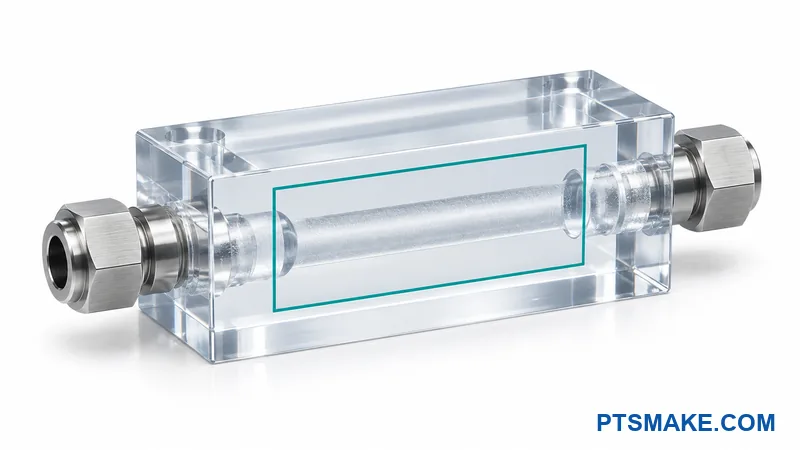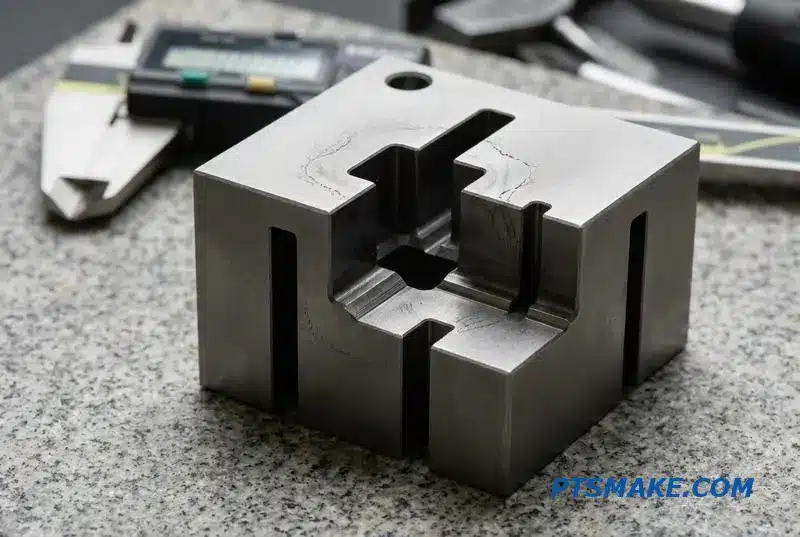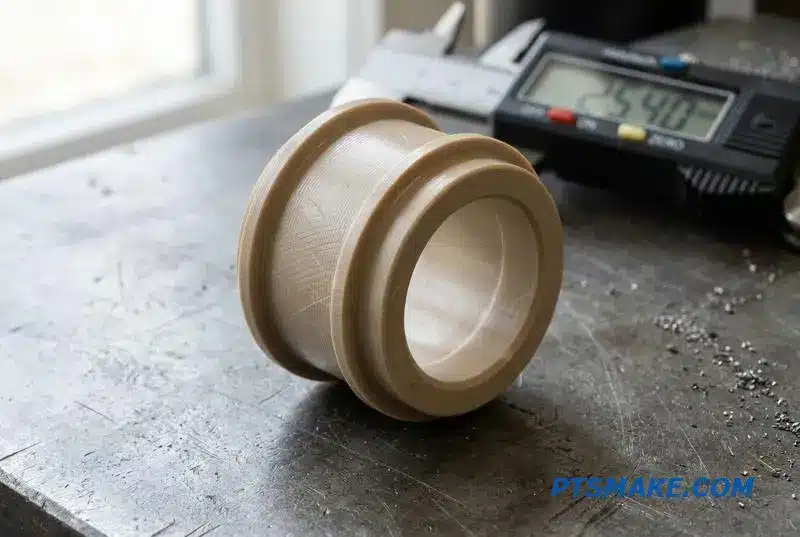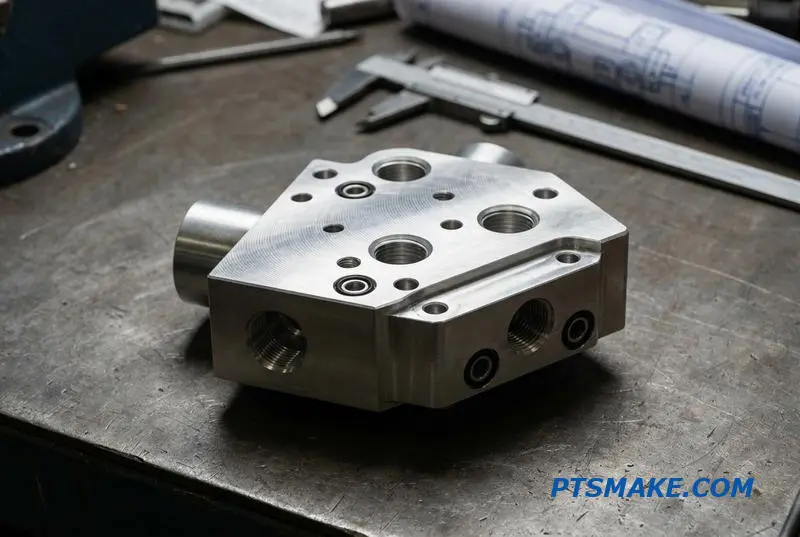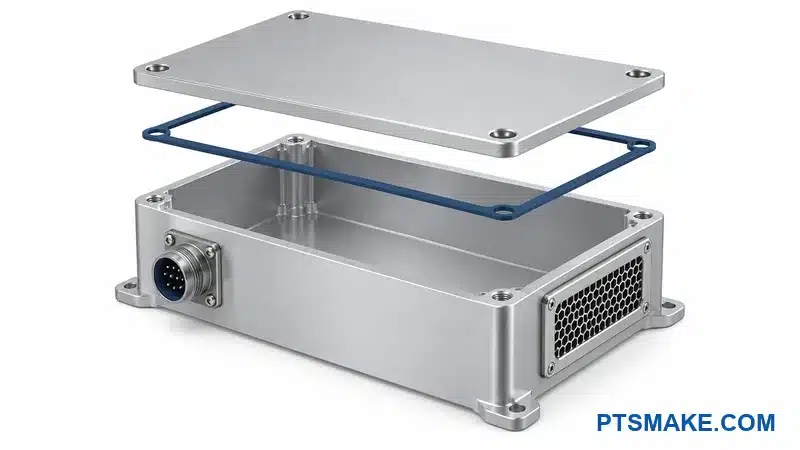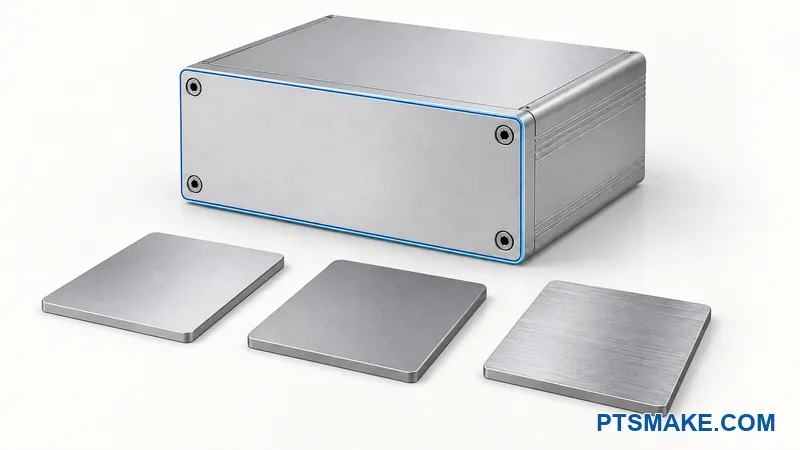

Вы разрабатываете критически важный пластиковый компонент для вашего последнего проекта. Металл кажется слишком тяжелым и дорогим, но вы не уверены, сможет ли ЧПУ-обработка пластика обеспечить необходимую вам точность. Каждый инженер сталкивается с этой дилеммой, когда жесткие допуски встречаются с бюджетными ограничениями.
Услуги ЧПУ-обработки пластика предлагают инженерам точные и экономически эффективные решения для сложных деталей с использованием передовых полимеров, таких как POM, PEEK и нейлон. Этот процесс обеспечивает жесткие допуски, превосходную чистоту поверхности и более короткие сроки выполнения по сравнению с металлообработкой для многих применений.
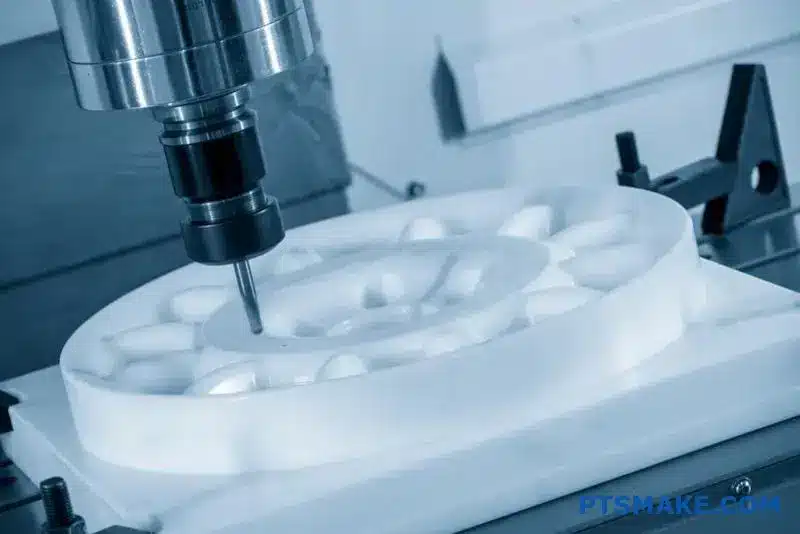
Я работал с сотнями инженеров, которые перешли с металлообработки на обработку пластика и никогда не оглядывались назад. Ключ к успеху — понимание того, какие материалы работают лучше всего, как избежать распространенных ошибок, таких как деформация, и какие вопросы следует задать поставщику заранее.
Полное сравнение ЧПУ-обработки пластика и металлообработки
Выбор между механической обработкой пластика и металла на станках с ЧПУ является критически важным решением для инженеров. Правильный выбор влияет на все, от производительности до бюджета.
Хотя оба процесса используют субтрактивное производство, на этом сходства заканчиваются. Фундаментальные различия в материалах определяют различные подходы к оснастке, скорости и стоимости. Понимание этих нюансов является ключом.
Быстрое сравнение подчеркивает основные различия в этих материалах для механической обработки на станках с ЧПУ.
| Характеристика | Обработка пластмасс с ЧПУ | Механическая обработка металлов на станках с ЧПУ |
|---|---|---|
| Твердость материала | Нижний | Выше |
| Инструментальная оснастка | Более острая, специализированная геометрия | Прочнее, термостойкий |
| Скорость обработки | Как правило, быстрее | Медленнее |
| Выработка тепла | Ниже, но легко плавится | Выше |
Этот первоначальный обзор подготавливает почву для более глубокого анализа.
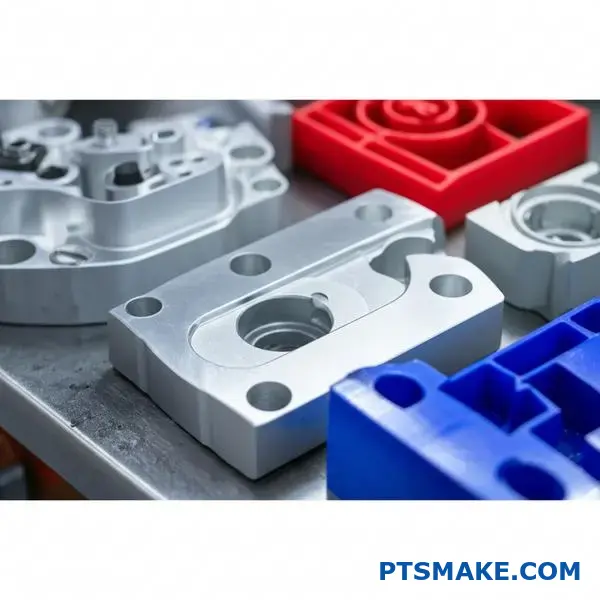
Ключевые технические различия
Когда мы переходим от теории к практике, различия становятся еще более выраженными. Выбор — это не только свойства конечной детали. Это весь производственный процесс.
Свойства материала и стратегия оснастки
Металлы прочные и твердые. Они требуют прочной оснастки и выделяют значительное тепло. Охлаждающая жидкость необходима для управления температурой и предотвращения износа инструмента.
Пластмассы, однако, мягче и имеют низкую температуру плавления. Управление теплом имеет решающее значение, чтобы избежать плавления, деформации или налипания на инструмент. Это распространенная точка отказа, которую мы видели в менее опытных мастерских. Высокая коэффициент теплового расширения1 во многих пластиках также требует осторожного обращения для поддержания жестких допусков.
Эффективная обработка пластика на станках с ЧПУ требует специальных инструментов. Эти инструменты часто имеют более острые режущие кромки и более широкие канавки для эффективного отвода стружки.
Скорость, подачи и влияние на стоимость
Более мягкая природа пластиков позволяет значительно увеличить скорость обработки и подачи по сравнению с металлами. Это напрямую приводит к сокращению времени цикла.
Наши тесты подтверждают, что это может значительно снизить стоимость одной детали.
| Параметр | Пластик (например, АБС) | Металл (например, алюминий) |
|---|---|---|
| Скорость шпинделя (об/мин) | 5 000 – 15 000 | 4 000 – 10 000 |
| Скорость подачи (IPM) | 100 – 300 | 50 - 150 |
| Износ инструмента | Низкий | От умеренного до высокого |
Эта эффективность является основным преимуществом обработки пластика по сравнению с металлом. Однако она требует глубокого понимания уникальных свойств каждого полимера. Именно здесь профессиональные услуги по обработке пластика на станках с ЧПУ приносят реальную пользу.
Выбор между пластиком и металлом предполагает компромисс. Пластики предлагают скорость и более низкие затраты на обработку. Металлы обеспечивают превосходную прочность и термическую стабильность. Окончательное решение полностью зависит от конкретного применения и требований к производительности вашей детали.
Основные вопросы, которые инженеры должны задать перед выбором поставщика услуг ЧПУ-обработки пластика
При выборе поставщика услуг по обработке пластика на станках с ЧПУ важен структурированный подход. Простой контрольный список поможет вам эффективно сравнивать потенциальных поставщиков. Это позволяет избежать упущения критически важных деталей.
Эта структура охватывает основные области. Она поможет вам принять обоснованное решение для успеха вашего проекта.
Ваш контрольный список поставщика услуг по обработке пластика
Начните с оценки их основных возможностей. Сосредоточьтесь на технических навыках, знании материалов и производственных мощностях. Хороший партнер преуспевает во всех трех областях.
Вот краткая справочная таблица.
| Категория | Ключевые вопросы |
|---|---|
| Допуски | Какова ваша стандартная точность? Можете ли вы выдерживать ±0,001 дюйма? |
| Материалы | На каких пластиках вы специализируетесь? Как вы их получаете? |
| Время выполнения | Каково ваше типичное время выполнения для прототипов по сравнению с производством? |
| Производственная мощность | Каковы ваши минимальное и максимальное количество заказов (MOQ/Max)? |
Этот первоначальный отбор поможет вам составить краткий список квалифицированных поставщиков.
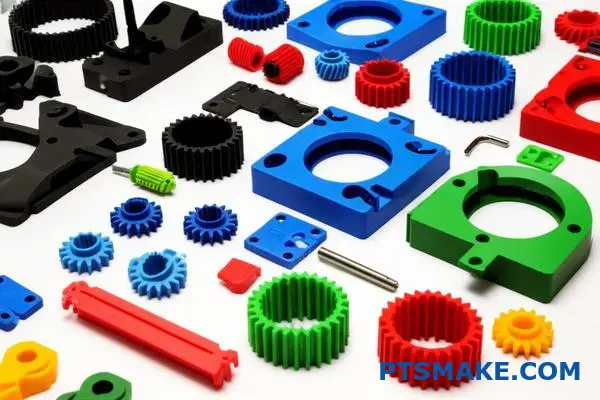
Выход за рамки основного контрольного списка — это то, где вы находите настоящего партнера. Дело не только в том, что поставщик утверждает, что может сделать. Дело в том, как как они это делают. Это критически важный шаг в выборе правильного поставщика для ваших услуг по механической обработке пластика на станках с ЧПУ.
Углубленная оценка: проверка реальных возможностей
Не просто спрашивайте, могут ли они выдержать допуск. Запросите их отчеты о контроле качества. Спросите об их процессе контроля с помощью КИМ. Это покажет их приверженность точности. Надежный поставщик будет иметь надежные системы для проверки каждой детали.
Что касается материалов, спросите, как они обрабатывают и хранят чувствительные пластики, такие как PEEK или Ultem. Неправильное хранение может повлиять на стабильность материала. Некоторые наполненные пластики могут даже стать анизотропный2 если их обрабатывать неправильно. Это может вызвать неожиданные проблемы во время механической обработки и в конечном применении.
Задавая более умные вопросы
Вместо того чтобы задавать простые вопросы, требующие ответа «да» или «нет», формулируйте их так, чтобы они раскрывали процессы и опыт. Такой подход дает гораздо более глубокое представление о работе потенциального поставщика.
| Вместо этого спросите… | Вместо этого спросите… |
|---|---|
| "Можете ли вы обрабатывать PEEK?" | "Каковы ваши конкретные процедуры обработки PEEK для предотвращения внутреннего напряжения?" |
| "Каковы ваши сроки?" | "Каков ваш процент своевременной доставки за последний год? Можете ли вы предоставить данные?" |
| "Предлагаете ли вы обратную связь по дизайну?" | "Можете ли вы предоставить отчет DFM по нашему дизайну, чтобы выявить возможности для экономии?" |
Эти вопросы проверяют опыт поставщика и его готовность быть партнером, а не просто поставщиком деталей. В PTSMAKE мы приветствуем эти обсуждения, поскольку они закладывают основу для успешных, долгосрочных отношений.
Этот структурированный контрольный список обеспечивает прочную основу. Он помогает вам выйти за рамки поверхностных заявлений и оценить истинные технические и логистические возможности поставщика, гарантируя, что вы найдете надежного партнера для ваших услуг по механической обработке пластика на станках с ЧПУ.
Секреты от инсайдеров, как избежать деформации в деталях из пластика, обработанных на ЧПУ
Деформация пластиковых деталей — распространенная головная боль. Она снижает точность и вызывает дорогостоящие задержки. Но этого можно избежать.
Успех приходит от освоения трех ключевых областей. Это оснастка, выбор материала и ваша стратегия обработки. Если вы сделаете это правильно, коробление перестанет быть проблемой.
Оснастка: ваша первая линия обороны
Неправильное зажимное приспособление является основной причиной напряжения. Чрезмерное затягивание тисков деформирует деталь еще до того, как к ней прикоснется инструмент. Используйте минимальное, равномерное давление.
Выбор материала имеет решающее значение
Каждый пластик по-разному реагирует на тепло. Понимание этого является ключом к избежанию проблем.
| Материал | Термическая стабильность | Тенденция к деформации |
|---|---|---|
| PEEK | Превосходно | Низкий |
| Ацеталь (дельрин) | Хорошо | Низкий-умеренный |
| ABS | Ярмарка | Умеренно-высокий |
Выбор правильного материала с самого начала упрощает все.
Деформация почти всегда является проблемой управления теплом. При резке пластика возникает трение. Это трение создает тепло, которое вызывает расширение материала. После охлаждения он неравномерно сжимается, что приводит к деформации.
Это критически важный вопрос для ‘допусков при обработке пластика’. Деформированная деталь — это бракованная деталь.
Передовые методы контроля температуры
Эффективное управление теплом является центральным элементом нашего процесса. Мы сосредоточены на двух основных областях: охлаждении и параметрах резки. Именно так мы избегаем проблем с деформацией деталей при обработке на станках с ЧПУ для наших клиентов.
Стратегическое охлаждение и смазка
Надлежащее охлаждение является обязательным. Мы используем потоковые смазочно-охлаждающие жидкости для быстрого отвода тепла из зоны резания. Это предотвращает накопление тепла в детали. Воздушные обдувы также могут работать для некоторых материалов.
Инструменты и скорости
Острые инструменты необходимы. Тупой инструмент скорее продирает материал, чем срезает его, что приводит к чрезмерному выделению тепла. Мы также оптимизируем скорости подачи и вращения шпинделя. Это сокращает время контакта инструмента и минимизирует тепловое воздействие. Такой подход является основополагающим для наших услуг по обработке пластика на станках с ЧПУ.
Материал Коэффициент теплового расширения3 определяет, насколько он расширяется при нагревании. Материалы с высоким КТР более склонны к деформации.
| Стратегия | Влияние на тепло | Результат |
|---|---|---|
| Острые инструменты | Уменьшает трение | Меньше деформации |
| Заливная охлаждающая жидкость | Рассеивает тепло | Стабильная деталь |
| Оптимизированная скорость подачи | Минимизирует контакт | Меньше накопления тепла |
Контролируя эти факторы, мы обеспечиваем размерную стабильность.
Чтобы предотвратить деформацию пластиковых деталей при ЧПУ-обработке, сосредоточьтесь на надежном креплении, разумном выборе материала и активном управлении тепловыделением. Эти стратегии гарантируют, что ваши детали будут соответствовать жестким допускам и избегать деформации, экономя ваше время и ресурсы.
Полное руководство по ЧПУ-пластикам: какой материал лучше всего подходит для вашего применения?
Выбор правильного материала — критически важный первый шаг. Выбор напрямую влияет на производительность, долговечность и конечную стоимость вашей детали. Доступно множество полимеров, обрабатываемых на ЧПУ.
Каждый из них имеет уникальный профиль. Понимание этих различий — ключ к успеху.
Краткое сравнение
Вот краткий обзор. Мы сравним некоторые из наиболее популярных конструкционных пластиков, с которыми мы работаем в PTSMAKE. Это поможет вам найти лучший пластик для ЧПУ-обработки.
| Материал | Ключевая особенность | Лучшее для... |
|---|---|---|
| POM | Высокая жесткость | Шестерни, подшипники, втулки |
| ABS | Экономически эффективный | Прототипы, Корпуса |
| ПК | Устойчивость к ударам | Линзы, Защитные кожухи, Корпуса |
| Нейлон | Износостойкость | Износостойкие накладки, Ролики, Винты |
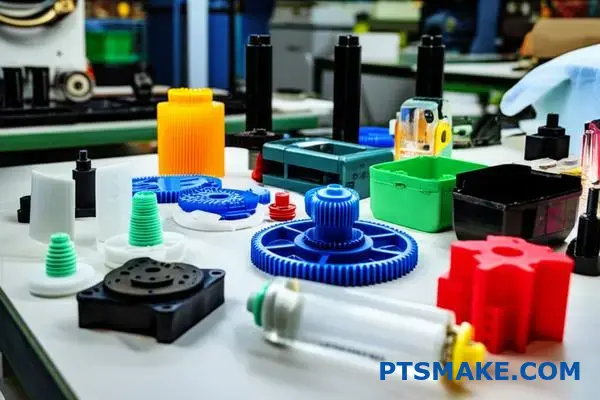
Выбор идеального полимера требует более глубокого изучения свойств материала. Рабочая среда вашей детали, механические нагрузки и желаемая отделка — все это играет роль. Нет единого "лучшего" материала для каждой задачи.
В PTSMAKE наши услуги по ЧПУ-обработке пластика адаптированы к этим конкретным потребностям. Мы ежедневно помогаем клиентам ориентироваться в этих вопросах.
Подробные свойства материала
На основе наших внутренних испытаний следующая таблица предоставляет более подробное сравнение. Она охватывает прочность, температурные пределы и типичное качество поверхности, которого мы достигаем.
| Материал | Прочность на разрыв (МПа) | Макс. рабочая температура (°C) | Качество поверхности |
|---|---|---|---|
| POM | 60 – 75 | 90 – 110 | Превосходно |
| ABS | 40 – 50 | 80 – 95 | Хорошо |
| PTFE | 20 – 35 | 260 | Ярмарка |
| ПК | 55 – 65 | 120 – 135 | Очень хорошо |
| Нейлон (PA66) | 70 - 85 | 80 – 120 | Хорошо |
| PEI | 100 – 115 | 170 | Превосходно |
| ПВХ | 40 – 50 | 60 | Хорошо |
Нейлон — отличный материал для износостойкости. Однако важно отметить, что он может быть Гигроскопичность4, что означает, что он поглощает влагу из воздуха. Это может повлиять на его стабильность размеров, если не учитывать должным образом на этапе проектирования.
Для высокотемпературных применений PEI (Ultem) является превосходным выбором. Он сохраняет свою прочность и жесткость при повышенных температурах, но стоит дороже. Для деталей общего назначения, где важна прочность, я часто рекомендую PC.
Каждый материал представляет уникальные проблемы и преимущества при механической обработке.
Каждый пластик имеет свои уникальные преимущества. ПОМ обеспечивает жесткость, ПК — ударную прочность, а ПТФЭ — химическую стойкость. Конкретные требования вашего применения — от механической нагрузки до теплового воздействия — определят оптимальный выбор из этих универсальных полимеров, пригодных для ЧПУ-обработки.
Почему жесткие допуски в пластиковых деталях, обработанных на ЧПУ, не так просты, как кажутся
В отличие от металлов, пластики — это динамичные материалы. Их размеры не фиксированы. Они реагируют на окружающую среду таким образом, что может бросить вызов даже самому опытному механику. Достижение точной обработки пластиков на станках с ЧПУ требует глубокого понимания их поведения. Это не просто резка; это предсказание и контроль изменений.
Влияние механического напряжения при обработке
Сам процесс резки вносит напряжение в пластиковую деталь. Это может вызвать деформацию или искажение после завершения обработки.
Экологические факторы
Тепло и влажность играют важную роль. Пластики расширяются при нагревании и могут поглощать влагу из воздуха, вызывая их набухание.
Типичные реакции пластиков
| Материал | Чувствительность к теплу | Поглощение влаги |
|---|---|---|
| Нейлон | Умеренный | Высокий |
| Ацеталь (дельрин) | Низкий | Низкий |
| PEEK | Очень низкий | Очень низкий |
| Поликарбонат | Умеренный | Низкий |
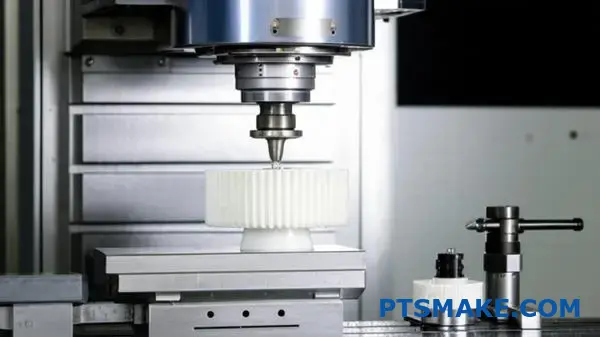
Достижение точности размеров при обработке пластиков — это постоянная борьба с природой материала. Каждый пластик имеет свою уникальную особенность, когда речь идет о поддержании жестких допусков.
Понимание тепловых эффектов
Тепло, выделяющееся при обработке, является основной проблемой. Агрессивная резка может нагревать деталь, вызывая ее расширение. Если измерить ее, пока она теплая, размеры будут неверными после остывания. Это напрямую связано с Коэффициент теплового расширения5 материала. Такие материалы, как PEEK, имеют низкий КТР, что делает их очень стабильными.
Проблема влажности
Поглощение влаги — еще один критический фактор. Такие материалы, как нейлон, могут значительно набухать во влажной среде. Однажды у нас был проект, где детали соответствовали спецификации в нашем климатически контролируемом цехе, но выходили за пределы допуска во влажном помещении клиента. Это научило нас важности учета среды конечного использования.
В PTSMAKE наши услуги по обработке пластиков на станках с ЧПУ всегда учитывают эти переменные. Мы тщательно выбираем стратегии резки и контролируем среду для обеспечения стабильности.
Типичные достижимые допуски
После обширных испытаний с нашими клиентами мы обнаружили, что эти общие рекомендации являются надежными.
| Материал пластик | Стандартный допуск | Наиболее достижимый жесткий допуск |
|---|---|---|
| PEEK | ±0.002" (±0.05 мм) | ±0.0005" (±0.013 мм) |
| Ацеталь (Delrin®) | ±0.002" (±0.05 мм) | ±0,001" (±0,025 мм) |
| Поликарбонат | ±0.003" (±0.075 мм) | ±0.002" (±0.05 мм) |
| ABS | ±0.004" (±0.10 мм) | ±0.002" (±0.05 мм) |
| Нейлон (6/6) | ±0.005" (±0.125 мм) | ±0.003" (±0.075 мм) |
Внутренняя нестабильность пластика из-за тепла, влаги и механических напряжений затрудняет достижение жестких допусков. Успешные результаты сильно зависят от выбора материала и контроля переменных окружающей среды и процесса. Истинная точность требует глубоких знаний поведения пластика.
Как избежать ловушек стоимости при заказе небольших партий деталей из пластика, обработанных на ЧПУ
Производители оригинального оборудования (OEM) часто нуждаются в малообъемных пластиковых деталях, изготовленных на станках с ЧПУ. Эти детали жизненно важны для прототипов и опытных партий. Но стоимость за единицу может показаться высокой.
Это в основном связано с первоначальными затратами на настройку. Сюда входят CAM-программирование и создание правильных приспособлений для удержания заготовки.
Препятствие стоимости настройки
Для каждой новой конструкции детали требуется уникальная настройка. Эта фиксированная стоимость остается одинаковой для одной детали или 100 деталей.
Экономика малых партий
Для экономичной механической обработки пластика небольшими партиями эта плата за настройку распределяется на меньшее количество изделий. Именно это повышает цену за единицу. Стратегическое планирование имеет важное значение.
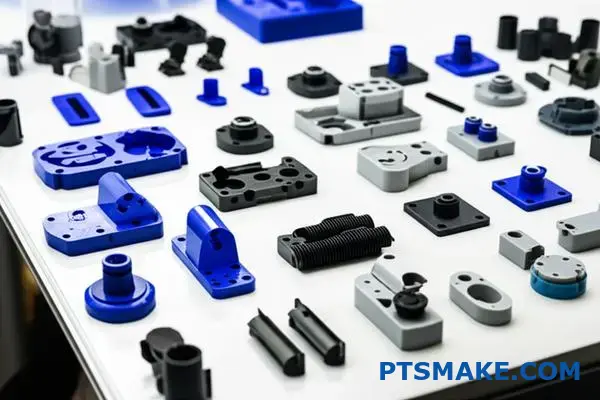
Баланс стоимости и количества
В PTSMAKE мы помогаем клиентам пройти через этот процесс. Грамотное планирование эффективнее, чем просто попытка сэкономить на качестве. Это ключевая часть наших услуг по обработке пластика на станках с ЧПУ.
Использование затрат на настройку партии
Настройка — это единовременная плата за производственный цикл. По мере увеличения количества деталей влияние этой стоимости настройки на одну деталь уменьшается. Это известно как Амортизация6.
Переход от 10 деталей к 25 не означает увеличение стоимости в 2,5 раза. Увеличение цены гораздо меньше, поскольку настройка уже учтена.
Ценность многоразовой оснастки
Если вы планируете размещать повторные заказы, сообщите своему производственному партнеру. Мы можем создать и сохранить долговечные приспособления специально для вашего проекта.
Эта подготовка значительно сокращает время и затраты на настройку при будущих циклах. Она превращает единовременные затраты на проект в многоразовый актив.
Поиск оптимального объема
Всегда существует оптимальная точка, когда цена за деталь снижается. Определение этого количества имеет решающее значение для планирования бюджета. Мы часто рассчитываем стоимость при различных объемах, чтобы показать клиентам это преимущество.
| Заказ Количество | Цена за деталь (индекс) | Общая стоимость (индекс) |
|---|---|---|
| 10 единиц | 100% | 100% |
| 25 единиц | 70% | 175% |
| 50 единиц | 55% | 275% |
| 100 единиц | 45% | 450% |
Приведенная выше таблица иллюстрирует экономию. Заказ немного большего количества изначально может привести к значительной долгосрочной экономии на ваших малосерийных пластиковых деталях, изготовленных на станках с ЧПУ.
Управление платой за настройку, планирование повторного использования оснастки и поиск оптимального количества заказа являются ключевыми моментами. Эти стратегии делают малосерийное прототипирование и опытные партии экономически эффективными, защищая ваш бюджет и гарантируя получение высококачественных деталей, которые вам нужны.
Советы по проектированию для безупречных деталей из пластика, обработанных на ЧПУ
Применение принципов технологичности проектирования (DFM) имеет решающее значение для пластмасс. Это отличается от работы с металлами. Пластмассы могут деформироваться, плавиться или трескаться, если при проектировании игнорируются их уникальные свойства.
Соблюдение нескольких ключевых правил имеет огромное значение. Эти правила охватывают внутренние радиусы, толщину стенок и резьбу. Правильное проектирование гарантирует, что ваши детали будут прочными и точными. Это также облегчает их механическую обработку, экономя время и затраты.
Вот некоторые основные принципы DFM для ЧПУ-обработки пластмасс.
| Характеристика | Неправильный выбор дизайна | Рекомендуемый выбор дизайна |
|---|---|---|
| Внутренние углы | Острые углы 90° | Скругленные с радиусом |
| Толщина стенок | Значительно варьируется | Однородный и последовательный |
| Нитки | Вырезается непосредственно в мягкий пластик | Используйте металлические резьбовые вставки |
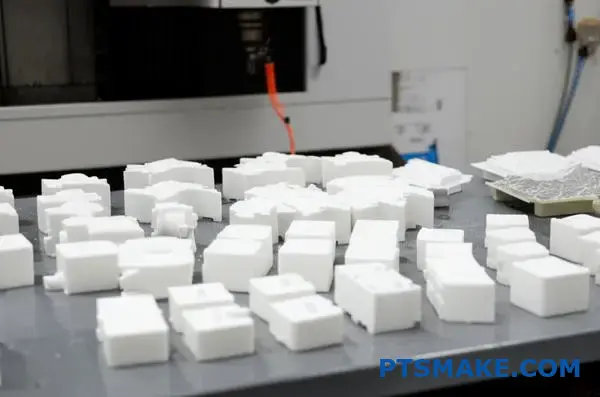
Освоение нескольких конкретных областей DFM для ЧПУ-обработки пластмасс имеет важное значение. Эти советы жизненно важны для всех, кому требуются надежные услуги по механической обработке пластмасс на ЧПУ. Они помогают избежать распространенных отказов и дорогостоящих переделок.
Внутренние радиусы и геометрия галтелей
Острые внутренние углы являются основной причиной отказа деталей. Они создают точки напряжения, которые могут привести к растрескиванию под нагрузкой. Кроме того, инструменты ЧПУ имеют круглую форму, поэтому они не могут создать идеально острый внутренний угол.
Лучшие практики для радиусов
Всегда проектируйте внутренние углы с радиусом. Хорошее эмпирическое правило — делать радиус не менее 1/3 толщины стенки. Большие радиусы еще лучше для распределения нагрузки и более плавной обработки. Это фундаментальный совет по улучшению обрабатываемости пластиковых деталей.
Постоянная толщина стенки
Поддержание равномерной толщины стенки, пожалуй, самое важное правило. Резкие изменения толщины могут вызвать коробление. Это связано с неравномерным охлаждением и внутренними остаточное напряжение7. Это особенно важно для таких материалов, как Delrin или PEEK.
| Толщина стенок | Влияние на качество деталей |
|---|---|
| Униформа | Высокая стабильность, низкое коробление |
| Неравномерный | Высокий риск коробления, утяжин |
Проектирование резьбы в пластике
Резьба, нарезанная непосредственно в пластике, слаба. Она может легко сорваться, особенно при повторном использовании. Для долговечных соединений резьбовые вставки являются гораздо лучшим решением. Они обеспечивают прочную, надежную металлическую резьбу внутри пластиковой детали. В PTSMAKE мы почти всегда рекомендуем вставки для функциональных прототипов и конечных деталей.
Правильное проектирование для производства (DFM) пластиков предотвращает распространенные проблемы при обработке, такие как коробление и растрескивание под напряжением. Сосредоточение внимания на радиусах, равномерных стенках и правильной резьбе гарантирует получение функциональных, надежных деталей с первого раза, оптимизируя как стоимость, так и производительность вашего проекта.
Как оценить варианты чистоты поверхности для пластиков, обработанных на ЧПУ
Достижение правильной чистоты поверхности пластиковых деталей с ЧПУ имеет решающее значение. Это влияет как на внешний вид, так и на функциональность. Ваш выбор полностью зависит от конечного применения детали.
У вас есть несколько вариантов. Матовые покрытия уменьшают блики. Полированные покрытия придают гладкий, отражающий вид. Текстурированные покрытия могут скрывать отпечатки пальцев или улучшать сцепление.
Основные категории отделки
Давайте разберем наиболее распространенные варианты. Каждый имеет уникальные преимущества и достигается различными методами. Качество отделки пластиковых деталей с ЧПУ — это не просто второстепенный вопрос.
| Тип отделки | Первичная характеристика | Общее приложение |
|---|---|---|
| Матовый | Неотражающий, равномерный | Корпуса, функциональные детали |
| Полированный | Гладкая, глянцевая, прозрачная | Линзы, эстетические компоненты |
| Текстурированный | Узорчатая или шероховатая | Рукоятки, износостойкие поверхности |
Понимание этих основ помогает начать разговор.
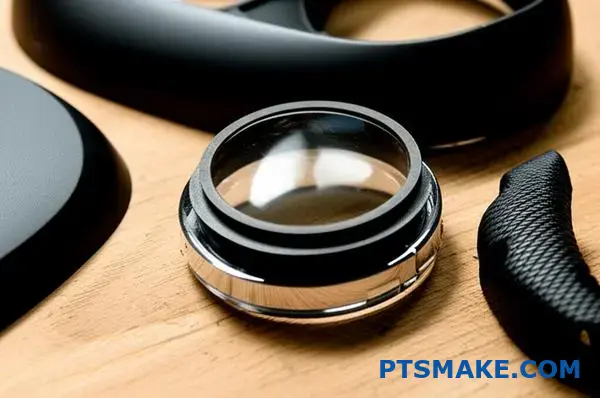
Обработка поверхности, которую вы получаете непосредственно от станка, является "обработкой в состоянии поставки". Этот результат не случаен. Это прямой продукт наших инструментов и настроек. В PTSMAKE мы точно контролируем эти переменные.
Как обработка создает отделку
Режущий инструмент оставляет микроскопические следы при движении. Скорость и траектория этого инструмента создают окончательную поверхность. Более низкая скорость подачи и острый инструмент, как правило, дают более гладкую поверхность.
Эти присущие следы инструмента создают поверхность, которая анизотропный8. Это означает, что ее свойства различаются в зависимости от направления их измерения. Это ключевой фактор производительности.
Когда обработка в состоянии поставки недостаточна, мы используем постобработку. Это включает такие методы, как паровая полировка или пескоструйная обработка. Эти шаги увеличивают стоимость, но могут быть необходимы для конкретных потребностей. Наши услуги по механической обработке пластмасс на ЧПУ адаптированы для удовлетворения этих точных требований.
Параметры обработки по сравнению с шероховатостью поверхности
На основе наших внутренних испытаний мы увидели четкую связь между настройками и результатами.
| Параметры обработки | Влияние на качество поверхности | Рекомендация |
|---|---|---|
| Острота инструмента | Острый инструмент режет чисто | Используйте новые или свежезаточенные инструменты |
| Скорость вращения шпинделя | Более высокие скорости могут уменьшить заусенцы | Оптимизируйте под материал |
| Скорость подачи | Более медленные режимы создают более гладкие поверхности | Согласуйте потребности в качестве поверхности со временем цикла |
| Глубина резания | Более легкие проходы улучшают качество поверхности | Используйте финальный проход для чистовой обработки |
Эти факторы являются основополагающими для достижения желаемого качества поверхности для деталей из ЧПУ-пластика без вторичных операций.
Финальная чистота поверхности для ЧПУ-пластиков определяется параметрами обработки и выбором пост-обработки. Обработанная поверхность часто достаточна, но полировка или текстурирование могут быть применены, когда для детали требуются определенные функциональные или эстетические качества.
Решение головной боли с коммуникацией с поставщиком при ЧПУ-обработке пластика
Ничто не останавливает проект быстрее, чем неответственный поставщик. Вы отправляете критически важное письмо и получаете молчание. Этот коммуникационный вакуум создает риск и убивает импульс.
Установление четких ожиданий
По-настоящему надежный поставщик услуг ЧПУ-обработки устанавливает протоколы связи заранее. Это включает ожидаемое время ответа и ключевых контактных лиц.
Правильные каналы связи
Мы выяснили, что выделенный канал — лучший вариант. Он централизует историю проекта и предотвращает потерю важных деталей.
| Метод | Про | Кон |
|---|---|---|
| Электронная почта | Документированный след | Может быть медленным |
| Телефонный звонок | Немедленная обратная связь | Нет письменной записи |
| Портал проекта | Централизованная информация | Требует доступа к системе |
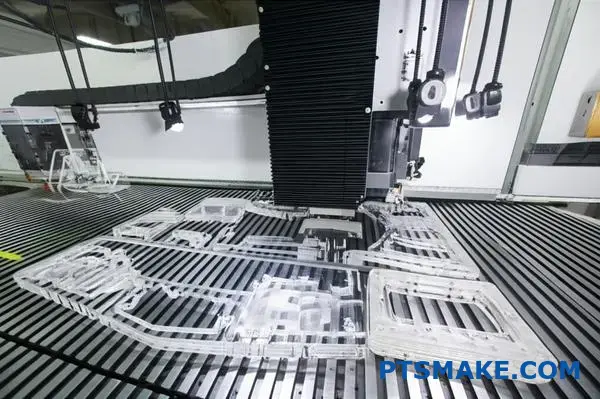
Чтобы по-настоящему устранить пробелы в общении, вам нужна система, а не просто добрые намерения. Речь идет о создании основы для прозрачности с самого начала.
Сила единого контакта
Одной из наиболее эффективных стратегий является назначение выделенного менеджера проекта. Этот человек выступает в качестве вашей единой точки контакта (SPOC). Он несет ответственность за все обновления по вашему услуги по механической обработке пластмасс на ЧПУ заказу.
От реактивного к проактивному отслеживанию
Не соглашайтесь на поставщика, которого вам постоянно приходится преследовать. Отличный партнер предоставляет постоянные обновления. Это обеспечивает превосходную поддержку заказов на пластиковые детали. Например, простой еженедельный отчет о статусе с фотографиями может укрепить огромное доверие.
Структура для решения проблем
Когда проблемы все же возникают, необходим четкий процесс. Вместо быстрых исправлений лучше найти первопричину. Глубокое изучение Анализ корневых причин9 обеспечивает постоянное решение, а не просто временное исправление.
Вот краткое сравнение стилей общения, которые мы наблюдали:
| Аспект | Реактивный поставщик | Проактивный поставщик |
|---|---|---|
| Обновления | Только по запросу | Запланированные и регулярные |
| Проблемы | Отчеты после того, как они произошли | Заранее сигнализирует о потенциальных рисках |
| Решения | Быстрые, временные исправления | Долговечные, долгосрочные решения |
| Тон | Часто оборонительный | Всегда совместный |
Эффективная коммуникация — это не "желательное дополнение". Это основное требование. Требуя четких протоколов, проактивного отслеживания и структурированного решения проблем, вы можете обеспечить настоящего производственного партнера, который гарантирует успех вашего проекта.
ЧПУ-обработка пластика для аэрокосмической и медицинской промышленности: что вы должны знать
Аэрокосмическая и медицинская отрасли требуют абсолютной точности. В этих областях нет места ошибкам. Каждый компонент должен соответствовать строгим стандартам.
Это требует глубоких знаний в области материалов и процессов. Это также требует приверженности качеству, выходящей за рамки стандартного производства.
Критическое соответствие требованиям и документация
Документация не является необязательной. Полная прослеживаемость от сырья до конечной детали имеет важное значение. Это обеспечивает безопасность и подотчетность.
Выбор высокопроизводительного материала
Выбор правильного материала имеет решающее значение. Производительность в экстремальных условиях является ключевым фактором для обработки пластмасс в аэрокосмической промышленности.
| Материал | Ключевое свойство | Общее приложение |
|---|---|---|
| PEEK | Высокая прочность, химическая стойкость | Медицинские имплантаты, авиационные детали |
| Ultem | Высокая термостойкость, прочность | Хирургические инструменты, электрические разъемы |
| Дельрин | Высокая жесткость, низкое трение | Подшипники, шестерни, изоляторы |
Наш сайт услуги по механической обработке пластмасс на ЧПУ специализируемся на этих передовых полимерах.
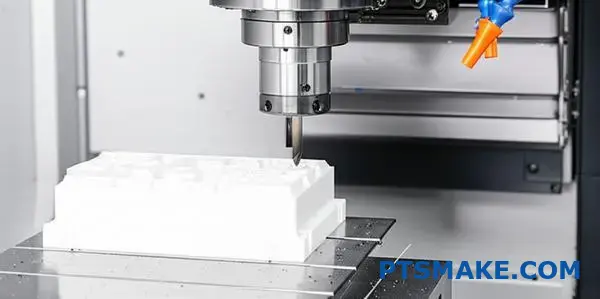
Роль современного обеспечения качества (QA)
В этих секторах стандартного процесса контроля качества недостаточно. Мы должны внедрить сложные протоколы, чтобы гарантировать идеальность каждой детали. Это включает в себя гораздо больше, чем финальную проверку.
Качество закладывается на каждом этапе нашего услуги по механической обработке пластмасс на ЧПУ рабочего процесса. От первоначального рассмотрения дизайна до финальной инспекции мы осуществляем строгий надзор. Это предотвращает ошибки до их возникновения.
Прослеживаемость и валидация
Каждая деталь требует подробной истории. Это включает сертификаты материалов и отчеты об инспекции. Эта документация имеет решающее значение для получения разрешения регулирующих органов. Валидация подтверждает, что процесс стабильно производит детали в соответствии со спецификацией.
Фокус на материалах для критически важных применений
Для ЧПУ обработки пластика медицинского назначения материалы должны быть биосовместимый10. Это означает, что они не вызовут нежелательных реакций в организме человека. Наша команда в PTSMAKE помогает клиентам выбирать правильные сертифицированные материалы.
Эта таблица показывает упрощенный рабочий процесс контроля качества для критически важного компонента.
| Этап контроля качества | Требуется действие | Документация |
|---|---|---|
| Приемка материалов | Проверка сертификатов материалов | Сертификат соответствия (CoC) |
| Первая статья | Полный контроль размеров | Отчет о проверке первого изделия (FAIR) |
| В процессе работы | Мониторинг ключевых размеров | Диаграммы статистического контроля процессов (SPC) |
| Окончательная проверка | 100% визуальная и размерная проверка | Заключительный отчет о проверке |
Такой структурированный подход гарантирует, что детали соответствуют строгим стандартам аэрокосмической и медицинской промышленности.
Для аэрокосмических и медицинских деталей успех зависит от трех столпов. Это строгое соблюдение нормативных требований, правильный выбор высокопроизводительных материалов и исчерпывающая система обеспечения качества. Эти элементы являются обязательными для обеспечения безопасности, надежности и производительности компонентов в критически важных применениях.
Как сбалансировать цену и точность при ЧПУ-обработке пластика
Поиск золотой середины между стоимостью и точностью — постоянная задача. Речь идет о принятии разумных, обоснованных решений на ранних этапах проектирования. Вам не всегда нужны самые жесткие допуски везде.
Инженеры и закупщики часто сталкиваются с этой дилеммой. Ключ в том, чтобы знать, где можно пойти на компромисс, не жертвуя производительностью. Этот баланс является основой доступной обработки пластика.
Стратегические корректировки дизайна
Небольшие изменения в вашем дизайне могут привести к значительной экономии. Рассмотрите возможность упрощения сложных кривых или уменьшения количества глубоких карманов. Каждая сложная особенность увеличивает время обработки.
Здесь часто заканчиваются споры о точности против цены для деталей с ЧПУ.
| Тип характеристики | Влияние на стоимость | Рекомендация |
|---|---|---|
| Острые внутренние углы | Высокий | Используйте скругления со стандартным радиусом инструмента |
| Нестандартные допуски | Высокий | Указывайте жесткие допуски только там, где это необходимо |
| Тонкие стены | Средний | Увеличьте толщину стенки для стабильности |
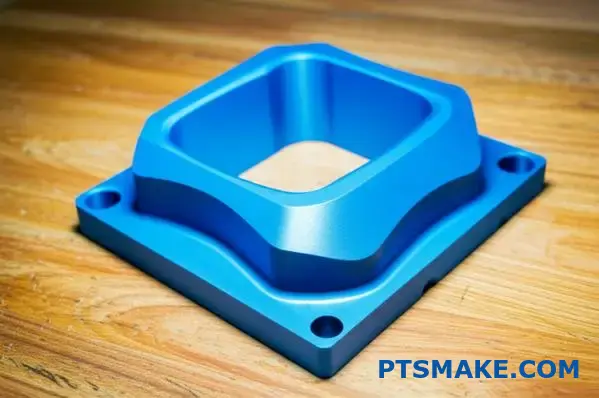
Распространенная ошибка — сосредоточиться только на свойствах материала из его технического паспорта. Хотя это важно, обрабатываемость материала играет огромную роль в конечной стоимости детали. Она определяет скорость резания, износ инструмента и общее время цикла.
Например, PEEK предлагает невероятную производительность. Однако он абразивен и труден в обработке. Это увеличивает стоимость наших услуг по обработке пластика на ЧПУ. Альтернатива, такая как PEI (Ultem), может соответствовать 95% ваших требований, но обрабатываться на 30% быстрее, согласно нашим внутренним тестам.
Выбор материала против времени обработки
Выбор немного менее прочного, но более обрабатываемого пластика может быть блестящим решением. Это снижает как затраты на рабочую силу, так и на инструменты без функциональных компромиссов. Речь идет о понимании всего производственного контекста. Материал стабильность размеров11 критически важен, но так же важна и стоимость его достижения.
В PTSMAKE мы помогаем клиентам разобраться в этих компромиссах. Мы анализируем применение, чтобы найти наиболее экономичный материал, соответствующий всем критическим спецификациям.
| Материал | Относительная стоимость | Обрабатываемость | Ключевое преимущество |
|---|---|---|---|
| Delrin® (POM) | Низкий | Превосходно | Отлично подходит для общих механических деталей |
| PEEK | Высокий | Трудности | Превосходная термостойкость/химическая стойкость |
| Ultem® (PEI) | Средний и высокий | Хорошо | Отличный баланс свойств |
Балансирование доступности и точности — это не срезание углов. Это стратегический выбор геометрии конструкции и материалов. Упрощение элементов и выбор более обрабатываемых пластиков, где это уместно, могут значительно снизить затраты без ущерба для основной функции детали.
Реальные примеры: компоненты из пластика, обработанные на ЧПУ, которые спасли проекты
Теория — это одно, а сроки проекта — другое. Правильный материал может иметь решающее значение. Иногда высокопроизводительный пластик — это не просто альтернатива. Это единственное решение, которое работает.
Это особенно верно в быстроразвивающихся отраслях. Давайте рассмотрим реальные истории успеха в области деталей для станков с ЧПУ. Эти случаи показывают, как прецизионно обработанные пластики решали срочные проблемы.
Ключевые отрасли и решения
| Промышленность | Распространенная проблема | Пластиковое решение |
|---|---|---|
| Медицина | Стерилизация, совместимость с МРТ | PEEK, Ultem |
| Робототехника | Вес, электроизоляция | Delrin (POM), Nylon |
| Электроника | Помехи сигнала, нагрев | PTFE, ABS |
Эти примеры подчеркивают, почему глубокое понимание материалов имеет решающее значение.
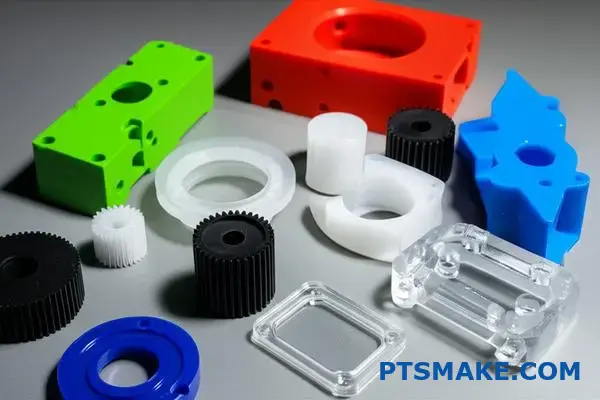
Я вспоминаю проект с компанией, производящей медицинское оборудование. Им требовался сложный корпус для системы хирургической навигации. Их первоначальный металлический прототип вызывал артефакты при МРТ-сканировании. Это делало его непригодным для использования. Проект был приостановлен.
Им требовался материал, который был бы прочным, стерилизуемым и радиопрозрачным.
Прорыв в области медицинского оборудования
Мы предложили изготовить деталь из PEEK. Его прочность сравнима с некоторыми металлами. Он также выдерживает многократные циклы автоклавной стерилизации. Самое главное, он прозрачен для рентгеновских лучей и МРТ.
После того, как мы предоставили прототипы из PEEK, их тесты визуализации показали четкие результаты. Требуемые характеристики компонента биосовместимость12 также сыграли ключевую роль в его успехе. Наша точность услуги по механической обработке пластмасс на ЧПУ обеспечила соблюдение жестких допусков.
Задача по обеспечению маневренности роботов
Другой случай касался стартапа в области робототехники. Они создавали высокоскоростной манипулятор для захвата и перемещения. Оригинальный алюминиевый захват был слишком тяжелым. Это ограничивало ускорение манипулятора и вызывало нагрузку на двигатель.
| Метрика | Алюминиевый захват | Захват из Delrin (POM) |
|---|---|---|
| Вес | 150g | 45г |
| Время цикла | 1.2с | 0.8с |
| Нагрузка на двигатель | Высокий | Низкий |
Мы изготовили новый захват из Делрина (ПОМ). Снижение веса было значительным. По отзывам нашего клиента, скорость роботизированной руки увеличилась более чем на 30%. Это изменение одного компонента позволило достичь их целевых показателей производительности. примеры использования пластика в ЧПУ демонстрируют силу выбора материала.
Эти реальные примеры показывают, что пластики, обработанные на ЧПУ, — это не просто заменители. Часто это превосходные инженерные решения. Они решают критические проблемы, связанные с весом, электрическими свойствами и совместимостью, которые металлы не могут решить.
Выберите PTSMAKE для вашего следующего проекта по механической обработке пластика на станках с ЧПУ
Готовы достичь идеальной точности, быстрого выполнения заказов и полной надежности для ваших нужд в обработке пластика на ЧПУ? Отправьте свой запрос сегодня и позвольте нашей команде экспертов предоставить вам необходимые инженерные решения — от прототипа до производства. Сделайте первый шаг и запросите расчет стоимости прямо сейчас!

Поймите, как это свойство влияет на стабильность размеров и выбор дизайна. ↩
Поймите, как это свойство материала может повлиять на прочность и стабильность вашей детали. ↩
Поймите, как это свойство влияет на выбор материала и предотвращает деформацию в ваших конструкциях. ↩
Узнайте, как поглощение влаги может повлиять на стабильность материала и точность размеров в ваших деталях, обработанных на ЧПУ. ↩
Узнайте, как это критическое свойство влияет на выбор материала для прецизионных применений. ↩
Узнайте, как распределение первоначальных затрат на единицы продукции может значительно снизить вашу цену за деталь в производстве. ↩
Узнайте, как эта внутренняя сила влияет на точность детали, ее стабильность и долгосрочную производительность. ↩
Узнайте больше о том, как анизотропные поверхности могут влиять на трение и износ детали. ↩
Узнайте, как этот систематический метод предотвращает повторяющиеся проблемы в ваших производственных проектах. ↩
Узнайте о свойствах материалов, необходимых для медицинских устройств, и обеспечении безопасности пациентов. ↩
Узнайте, как способность материала сопротивляться изменению размеров влияет на долгосрочную производительность детали. ↩
Поймите это важнейшее свойство материала для безопасности и соответствия медицинских изделий. ↩