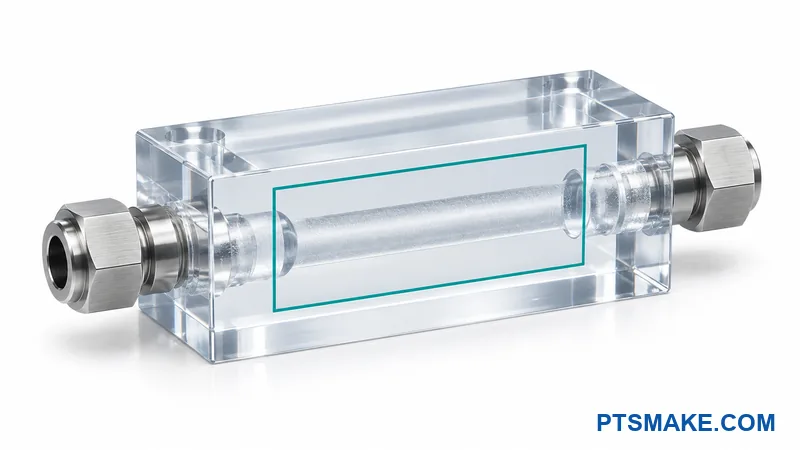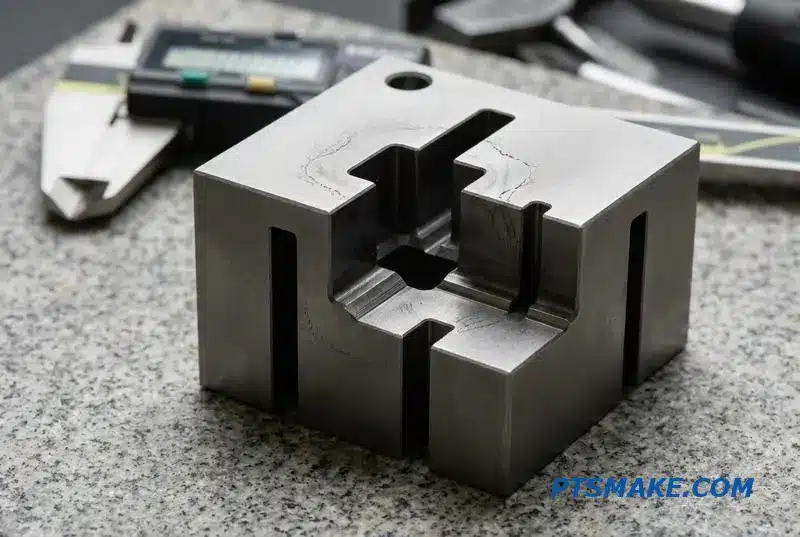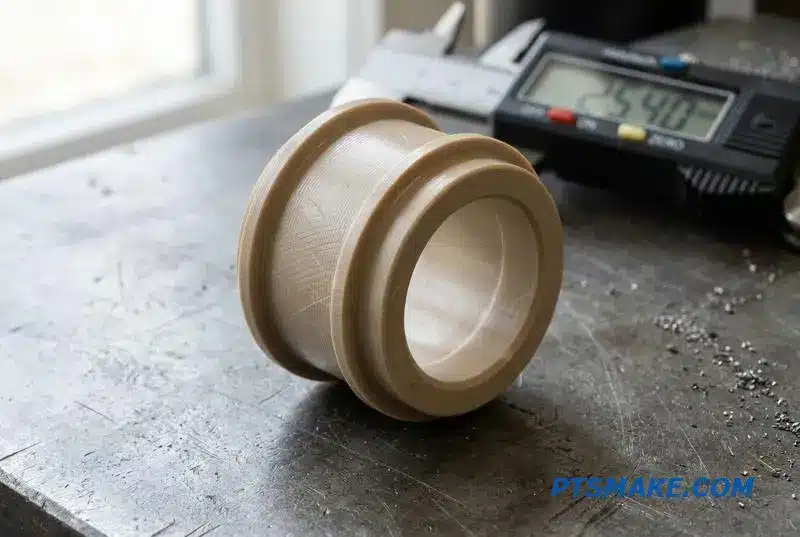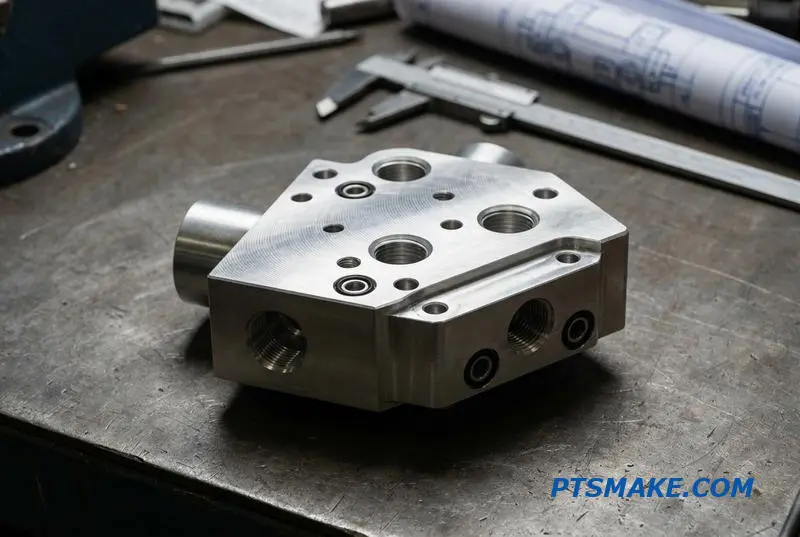

あなたは最新プロジェクトの重要なプラスチック部品を設計しています。金属は重すぎたり高価すぎたりするように思えますが、CNCプラスチック加工で必要な精度が得られるかどうかわかりません。厳しい公差と予算の制約が組み合わさると、すべてのエンジニアがこのジレンマに直面します。.
CNCプラスチック加工サービスは、POM、PEEK、ナイロンなどの高度なポリマーを使用して、複雑な部品に対してエンジニアに正確で費用対効果の高いソリューションを提供します。このプロセスは、多くの用途で金属加工と比較して、厳しい公差、優れた表面仕上げ、およびより迅速なターンアラウンドタイムを実現します。.
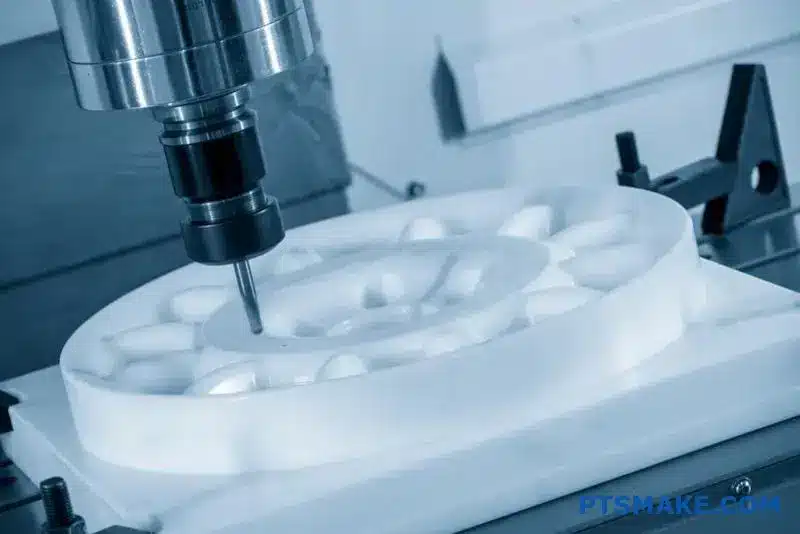
金属加工からプラスチック加工に切り替えて、二度と元に戻らなかったエンジニアを何百人も見てきました。重要なのは、どの材料が最適に機能するか、反りなどの一般的な落とし穴を回避する方法、そしてサプライヤーに事前に尋ねるべき質問を理解することです。.
CNCプラスチック加工と金属加工の完全な内訳
CNCプラスチック加工と金属加工のどちらを選択するかは、エンジニアにとって重要な決定です。適切な選択は、パフォーマンスから予算まで、すべてに影響します。.
両方のプロセスは除去加工を使用しますが、類似点はそこに尽きます。材料の根本的な違いは、工具、速度、コストへのアプローチを異なります。これらのニュアンスを理解することが鍵となります。.
簡単な比較は、これらのCNC加工材料の主な違いを浮き彫りにします。.
| 特徴 | CNCプラスチック加工 | CNC金属加工 |
|---|---|---|
| 素材硬度 | より低い | より高い |
| 工具 | よりシャープで特殊なジオメトリ | より強く、耐熱性がある |
| 加工速度 | 一般的に速い | 遅い |
| 発熱 | 低いが、溶けやすい | より高い |
この最初の概要は、より深い分析の準備を整えます。.
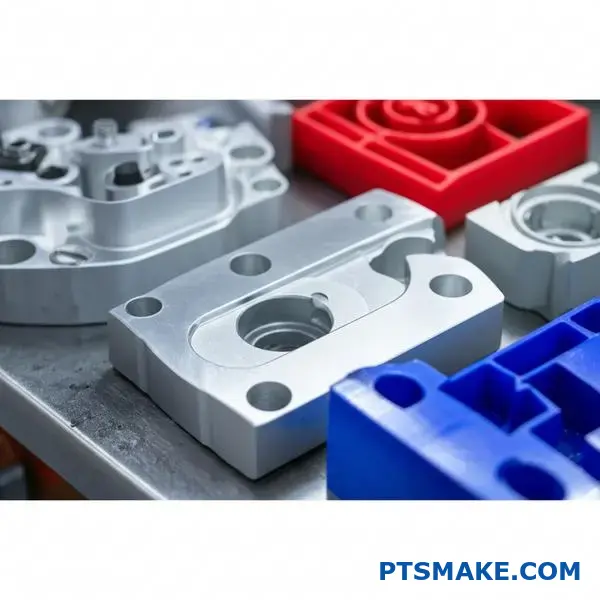
主要な技術的違い
理論から実践に移ると、その違いはさらに顕著になります。選択は最終部品の特性だけではありません。それは製造プロセス全体に関わることです。.
材料特性と工具戦略
金属は強く硬いです。頑丈な工具が必要で、かなりの熱を発生させます。温度を管理し、工具の摩耗を防ぐためにクーラントは不可欠です。.
しかし、プラスチックは柔らかく、融点が低いです。溶融、反り、または工具の目詰まりを防ぐために、熱管理は非常に重要です。これは、経験の浅いショップでよく見られる失敗点です。多くのプラスチックに見られる高い 熱膨張係数1 は、厳しい公差を維持するために慎重な取り扱いも必要とします。.
効果的なCNCプラスチック加工には、特定の工具が必要です。これらの工具は、多くの場合、より鋭い刃先と広いフルートを備えており、効率的な切りくず排出を実現します。.
スピード、送り速度、コストへの影響
プラスチックは金属に比べて柔らかいため、はるかに速い加工速度と高い送り速度が可能です。これは、サイクルタイムの短縮に直接つながります。.
当社のテストでは、これにより部品あたりのコストを大幅に削減できることが確認されています。.
| パラメータ | プラスチック(例:ABS) | 金属(例:アルミニウム) |
|---|---|---|
| 主軸回転数(RPM) | 5,000 – 15,000 | 4,000 – 10,000 |
| 送り速度(IPM) | 100 – 300 | 50 - 150 |
| 工具摩耗 | 低い | 中~高 |
この効率性は、プラスチック対金属加工の大きな利点です。しかし、各ポリマー固有の特性を深く理解する必要があります。ここで、プロフェッショナルなCNCプラスチック加工サービスが真の価値を発揮します。.
プラスチックと金属のどちらを選択するかは、トレードオフが伴います。プラスチックはスピードと低い加工コストを提供します。金属は優れた強度と熱安定性を提供します。最終的な決定は、部品の特定の用途と性能要件に完全に依存します。.
CNCプラスチック加工ベンダーを選択する前にエンジニアが尋ねるべきトップの質問
CNCプラスチック加工サプライヤーを選択する際には、構造化されたアプローチが不可欠です。簡単なチェックリストを使用すると、潜在的なベンダーを効果的に比較できます。これにより、重要な詳細を見落とすことを避けることができます。.
このフレームワークは、不可欠な領域をカバーしています。プロジェクトの成功のために、情報に基づいた意思決定を行うためのガイドとなります。.
プラスチック加工ベンダーチェックリスト
まず、彼らのコア能力を評価することから始めます。技術スキル、材料知識、生産能力に焦点を当てます。優れたパートナーは、これら3つの分野すべてに長けています。.
こちらはクイックリファレンステーブルです。.
| カテゴリー | 主要な質問 |
|---|---|
| 公差 | 標準的な公差はどのくらいですか? ±0.001インチに対応できますか? |
| 材料 | どのようなプラスチックを専門としていますか?どのように調達していますか? |
| リードタイム | プロトタイプと量産品の典型的なリードタイムはどのくらいですか? |
| 生産能力 | 最低および最高の注文数量(MOQ/最大)はどのくらいですか? |
この初期スクリーニングは、資格のあるサプライヤーのショートリストを作成するのに役立ちます。.
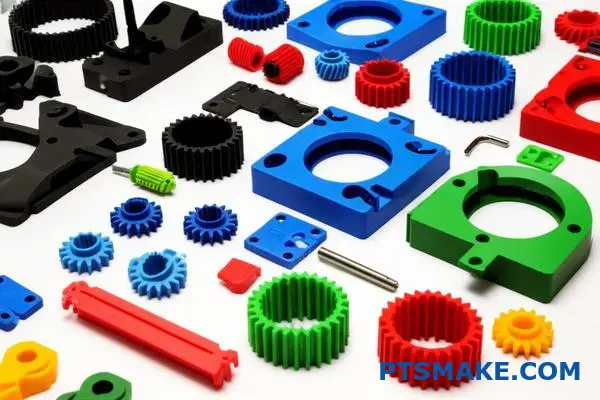
基本的なチェックリストを超えていくことで、真のパートナーを見つけることができます。それは、ベンダーが何ができると主張しているかだけではありません。それは、 どのように 彼らがどのように行うかです。これは、CNCプラスチック加工サービスに最適なプロバイダーを選択する上で重要なステップです。.
詳細な評価:真の能力を探る
公差を満たせるかどうかを尋ねるだけでなく、品質管理レポートを要求してください。CMM検査プロセスについて尋ねてください。これにより、精度へのコミットメントが明らかになります。信頼できるベンダーは、すべての部品を検証するための堅牢なシステムを備えています。.
材料については、PEEKやUltemのような敏感なプラスチックをどのように取り扱い、保管しているか尋ねてください。不適切な保管は、材料の安定性に影響を与える可能性があります。一部の充填プラスチックは、 異方2 正しく加工されないと、さらに悪化する可能性があります。これにより、加工中および最終的な用途で予期しない問題が発生する可能性があります。.
より賢い質問をする
単純なはい/いいえの質問をする代わりに、プロセスと専門知識を明らかにするように質問を構成します。このアプローチは、潜在的なサプライヤーの運用に関するはるかに深い洞察を提供します。.
| これを聞く代わりに… | 代わりにこれを聞く… |
|---|---|
| "「PEEKの加工はできますか?」" | "「内部応力を防ぐためにPEEKを加工するための具体的な手順はどのようなものですか?」" |
| "「リードタイムはどのくらいですか?」" | "「過去1年間のオンタイムデリバリー率はどのくらいですか?データを共有していただけますか?」" |
| "「設計フィードバックを提供していますか?」" | "「コスト削減の機会を特定するために、当社の設計に関するDFMレポートを提供していただけますか?」" |
これらの質問は、サプライヤーの経験と、単なる部品提供者以上のパートナーになる意欲をテストします。PTSMAKEでは、これらの議論を歓迎します。なぜなら、それらが成功する長期的な関係の基盤を築くからです。.
この構造化されたチェックリストは、確固たる基盤を提供します。表面的な主張を超えて、サプライヤーの真の技術的およびロジスティック能力を評価するのに役立ち、CNCプラスチック加工サービスのための信頼できるパートナーを見つけることを保証します。.
CNC加工プラスチック部品の反りを回避するためのインサイダーの秘密
プラスチック部品の変形は一般的な頭痛の種です。精度を損ない、コストのかかる遅延を引き起こします。しかし、それを避けることができます。.
成功は、3つの主要な分野をマスターすることから生まれます。これらは、治具、材料選択、および加工戦略です。これらを正しく行えば、反りは問題ではなくなります。.
治具:最初の防御線
不適切なクランプは応力の主な原因です。バイスを締めすぎると、工具が触れる前に部品が変形します。最小限の均一な圧力をかけます。.
材料選択は重要です
すべてのプラスチックは熱への反応が異なります。これを理解することが問題回避の鍵となります。.
| 素材 | 熱安定性 | ワープ傾向 |
|---|---|---|
| 覗き見 | 素晴らしい | 低い |
| アセタール(デルリン) | グッド | 低・中程度 |
| ABS | フェア | 中・高 |
最初から適切な素材を選択することで、すべてがシンプルになります。.
反りは、ほぼ常に熱管理の問題です。プラスチックを切削すると、摩擦が発生します。この摩擦が熱を発生させ、材料が膨張します。冷却後、不均一に収縮し、反りを引き起こします。.
これは「プラスチック加工公差」にとって重要な問題です。反った部品は不良品です。.
高度な熱制御技術
効果的な熱管理は、私たちのプロセスの中心です。私たちは主に2つの分野に焦点を当てています:冷却と切削パラメータです。これにより、お客様の部品変形CNC問題を回避しています。.
戦略的な冷却と潤滑
適切な冷却は必須です。切削ゾーンから熱を迅速に放散するために、フラッドクーラントを使用します。これにより、部品の熱蓄積を防ぎます。一部の材料ではエアブラストも有効です。.
工具と速度
シャープな工具は不可欠です。鈍い工具は材料をせん断するのではなく、耕すように進むため、過度の熱を発生させます。また、送り速度と主軸速度も最適化します。これにより、工具の接触時間を短縮し、熱入力を最小限に抑えます。このアプローチは、当社のCNCプラスチック加工サービスにとって基本的です。.
材料の 熱膨張係数3 は、熱によってどれだけ膨張するかを決定します。CTEが高い材料は、反りを起こしやすいです。.
| 戦略 | 熱への影響 | 結果 |
|---|---|---|
| シャープツール | 摩擦を軽減します | 反りを軽減します |
| フラッドクーラント | 熱を放散する | 安定した部品 |
| 最適化された送り速度 | 接触を最小限に抑える | 熱の蓄積を少なくする |
これらの要因を制御することで、寸法安定性を確保します。.
CNCプラスチック部品の反りを防ぐには、確実な固定、賢明な材料選択、および積極的な熱管理に重点を置いてください。これらの戦略により、部品が厳しい公差を満たし、変形を回避し、時間とリソースを節約できます。.
CNCプラスチックの究極ガイド:あなたの用途に最適な素材は?
正しい材料を選択することは、重要な最初のステップです。選択は、部品の性能、耐久性、および最終コストに直接影響します。CNC加工可能なポリマーは多数利用可能です。.
それぞれに独自のプロファイルがあります。これらの違いを理解することが成功の鍵となります。.
簡単な比較
ここに簡単な概要を示します。PTSMAKEで取り扱っている最も一般的なエンジニアリングプラスチックのいくつかを比較します。これにより、CNC加工に最適なプラスチックを見つけることができます。.
| 素材 | 主な特徴 | ベスト・フォー... |
|---|---|---|
| POM | 高い剛性 | ギア、ベアリング、ブッシュ |
| ABS | 費用対効果 | プロトタイプ、エンクロージャー |
| PC | 耐衝撃性 | レンズ、ガード、ハウジング |
| ナイロン | 耐摩耗性 | ウェアパッド、ローラー、ネジ |
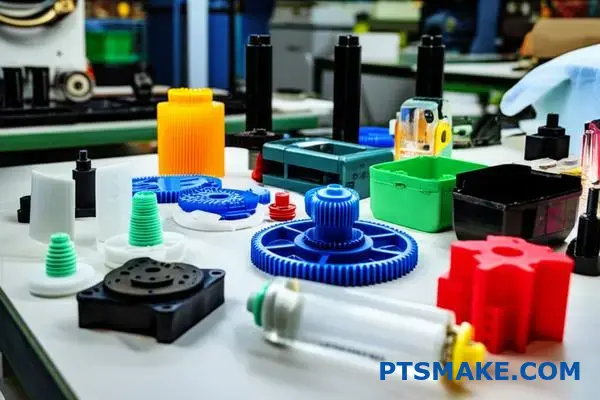
理想的なポリマーを選択するには、材料特性をより深く調べる必要があります。部品の動作環境、機械的応力、および希望する仕上げはすべて役割を果たします。すべての仕事に単一の「最良」の材料はありません。.
PTSMAKEでは、当社のCNCプラスチック加工サービスはこれらの特定のニーズに合わせて調整されています。私たちはクライアントがこれらの選択を毎日ナビゲートするのを支援します。.
詳細な材料特性
当社の社内テストに基づき、以下の表に詳細な比較を示します。強度、温度限界、および当社が達成する典型的な表面品質を網羅しています。.
| 素材 | 引張強さ (MPa) | 最高使用温度(℃) | 表面品質 |
|---|---|---|---|
| POM | 60 – 75 | 90 – 110 | 素晴らしい |
| ABS | 40 – 50 | 80 – 95 | グッド |
| PTFE | 20 – 35 | 260 | フェア |
| PC | 55 – 65 | 120 – 135 | 非常に良い |
| ナイロン(PA66) | 70 - 85 | 80 – 120 | グッド |
| PEI | 100 – 115 | 170 | 素晴らしい |
| PVC | 40 – 50 | 60 | グッド |
ナイロンは耐摩耗性に優れた素材です。しかし、注意すべき点は、 吸湿性4, 、つまり空気中の湿気を吸収するということです。これは、設計段階で適切に考慮されない場合、寸法安定性に影響を与える可能性があります。.
高温用途には、PEI(Ultem)が優れた選択肢です。高温でも強度と剛性を維持しますが、コストが高くなります。靭性が重要な汎用部品には、PCを推奨することがよくあります。.
各材料には、独自の加工上の課題と利点があります。.
各プラスチックには独自の利点があります。POMは剛性を提供し、PCは耐衝撃性を提供し、PTFEは耐薬品性を提供します。機械的負荷から熱暴露まで、お客様の用途の特定の要求により、これらの汎用性の高いCNC加工可能なポリマーの中から最適な選択が決まります。.
プラスチックCNC部品の厳しい公差がそれほど単純ではない理由
金属とは異なり、プラスチックは動的な材料です。その寸法は固定されていません。それらは環境に反応し、最も熟練した機械工でさえも困難にする方法で反応します。プラスチックのタイトな公差のCNC加工を実現するには、それらの挙動を深く理解する必要があります。それは単に切削するだけでなく、変化を予測し制御することです。.
加工応力のインパクト
切削プロセス自体がプラスチック部品に応力を発生させます。これにより、加工完了後に反りや歪みが発生する可能性があります。.
環境要因
熱と湿度は主要な要因です。プラスチックは熱で膨張し、空気中の水分を吸収して膨張する可能性があります。.
一般的なプラスチックの反応
| 素材 | 熱に弱い | 水分吸収 |
|---|---|---|
| ナイロン | 中程度 | 高い |
| アセタール(デルリン) | 低い | 低い |
| 覗き見 | 非常に低い | 非常に低い |
| ポリカーボネート | 中程度 | 低い |
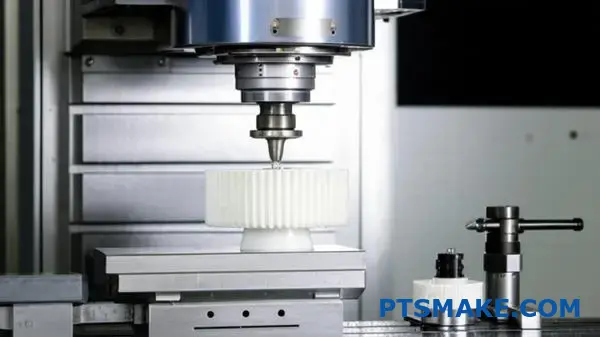
プラスチック加工の寸法精度を達成することは、材料の性質との絶え間ない戦いです。すべてのプラスチックは、タイトな公差を維持するという点で独自の個性を持っています。.
熱効果の理解
加工中に発生する熱は主な懸念事項です。アグレッシブな切削は部品を加熱し、膨張を引き起こす可能性があります。温かい状態で測定すると、冷えたときの寸法は間違っています。これは直接、 熱膨張係数5 材料の。PEEKのような材料はCTEが低いため、非常に安定しています。.
湿度の課題
吸湿も重要な要素です。ナイロンのような材料は、湿度の高い環境で大きく膨張する可能性があります。かつて、私たちの管理されたショップでは仕様を満たしていましたが、クライアントの湿度の高い施設では公差を超えていたプロジェクトがありました。これにより、最終用途環境を考慮することの重要性がわかりました。.
PTSMAKEでは、当社のCNCプラスチック加工サービスは常にこれらの変数を考慮しています。安定性を確保するために、切削戦略を慎重に選択し、環境を制御します。.
典型的な達成可能公差
クライアントとの広範なテストの後、これらの一般的なガイドラインが信頼できることがわかりました。.
| プラスチック素材 | 標準公差 | 達成可能な最もタイトな公差 |
|---|---|---|
| 覗き見 | ±0.002インチ (±0.05 mm) | ±0.0005インチ (±0.013 mm) |
| アセタール (デルリン®) | ±0.002インチ (±0.05 mm) | ±0.001インチ(±0.025mm) |
| ポリカーボネート | ±0.003インチ (±0.075 mm) | ±0.002インチ (±0.05 mm) |
| ABS | ±0.004インチ (±0.10 mm) | ±0.002インチ (±0.05 mm) |
| ナイロン (6/6) | ±0.005インチ (±0.125 mm) | ±0.003インチ (±0.075 mm) |
熱、湿気、加工応力によるプラスチック固有の不安定性は、厳しい公差目標を複雑にします。成功は、材料選択と環境およびプロセス変数の制御に大きく依存します。真の精度には、プラスチックの挙動に関する深い専門知識が必要です。.
低量CNCプラスチック加工注文におけるコストトラップの回避
OEMは、少量生産のCNCプラスチック部品を必要とすることがよくあります。これらの部品は、プロトタイプやパイロットランに不可欠です。しかし、単価が高く見えることがあります。.
これは主に初期セットアップコストによるものです。これには、CAMプログラミングと適切なワークホルダー治具の作成が含まれます。.
セットアップコストのハードル
新しい部品設計ごとにユニークなセットアップが必要です。この固定コストは、1個でも100個でも同じです。.
小ロット経済
コスト効率の高いプラスチック加工の小ロットでは、このセットアップ料金がより少ないアイテムに分散されます。これが単価を押し上げる要因です。戦略的な計画が不可欠です。.
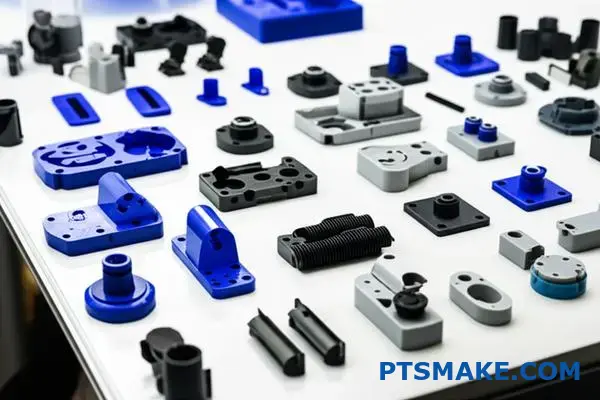
コストと数量のバランス
PTSMAKEでは、このプロセスを通じてお客様をサポートします。スマートな計画は、単に品質を切り詰めるよりも効果的です。これは当社のCNCプラスチック加工サービスの核となる部分です。.
バッチセットアップコストの活用
セットアップは、生産ロットに対する一度限りの料金です。部品数が増えるにつれて、このセットアップコストが部品あたりに与える影響は減少します。これは次のように知られています 償却6.
10個から25個に増やしても、コストが2.5倍になるわけではありません。セットアップはすでにカバーされているため、価格の上昇ははるかに小さくなります。.
再利用可能なツーリングの価値
リピート注文を予定している場合は、製造パートナーに伝えてください。お客様のプロジェクト専用の耐久性のある治具を作成して保存できます。.
この準備により、将来の生産におけるセットアップ時間とコストが劇的に削減されます。これは、一度限りのプロジェクトコストを再利用可能な資産に変えます。.
最適な数量を見つける
部品あたりの価格が下がるスイートスポットは常にあります。この数量を特定することは、予算計画にとって非常に重要です。私たちはしばしば、このメリットをお客様に示すために、さまざまな数量で見積もりを行います。.
| 注文数量 | 部品あたりの価格(インデックス) | 総コスト(インデックス) |
|---|---|---|
| 10個 | 100% | 100% |
| 25個 | 70% | 175% |
| 50ユニット | 55% | 275% |
| 100個 | 45% | 450% |
上記の表は、節約効果を示しています。最初にわずかに多く注文することで、低数量のCNCプラスチック部品で長期的に大幅な節約につながる可能性があります。.
セットアップ料金の管理、ツーリング再利用の計画、最適な注文数量の特定が鍵となります。これらの戦略により、低数量のプロトタイピングとパイロットランがコスト効率が高くなり、必要な高品質の部品を確実にしながら予算を保護します。.
完璧なCNC加工プラスチック部品のための設計エンジニアリングのヒント
プラスチックにおいては、製造容易性(DFM)を考慮した設計を適用することが極めて重要です。金属を扱う場合とは異なります。プラスチックは、そのユニークな特性を無視した設計では、反り、溶融、または亀裂が発生する可能性があります。.
いくつかの重要なルールに従うことで、大きな違いが生まれます。これらのルールは、内部半径、肉厚、およびねじに適用されます。適切な設計により、部品は強度と精度が高くなります。また、加工が容易になり、時間とコストを節約できます。.
ここでは、CNCプラスチック向けのDFMの基本的な原則をいくつか紹介します。.
| 特徴 | 不適切な設計選択 | 推奨される設計選択 |
|---|---|---|
| 内部コーナー | シャープな90°の角度 | 半径で丸める |
| 壁厚 | 大きく異なる | 一様で一貫性のある |
| スレッド | 軟らかいプラスチックに直接切り込む | 金属製ねじ込みインサートを使用する |
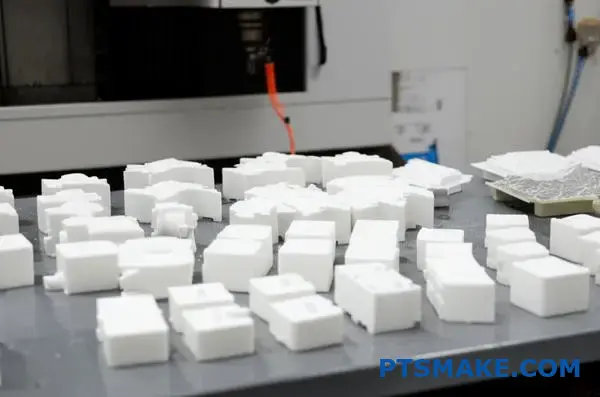
CNCプラスチック向けのDFMのいくつかの特定の領域を習得することは不可欠です。これらのヒントは、信頼性の高い CNCプラスチック加工サービス. を必要とするすべての人にとって非常に重要です。これらは、一般的な故障やコストのかかる再設計を回避するのに役立ちます。.
内部半径とフィレットジオメトリ
シャープな内部コーナーは、部品故障の主な原因です。それらは応力集中点を作り出し、負荷がかかったときに亀裂につながる可能性があります。また、CNCツールは丸いため、完全にシャープな内部コーナーを作成することはできません。.
ラジウスのベストプラクティス
必ず内角にはラジウスを設けてください。目安として、ラジウスは壁厚の1/3以上にすることをお勧めします。より大きなラジウスは、応力を分散させ、加工をよりスムーズにするのに役立ちます。これは、プラスチック部品の加工性を向上させるための基本的なヒントです。.
一定の壁厚
一様な壁厚を維持することは、おそらく最も重要なルールです。厚みの急激な変化は、反りを引き起こす可能性があります。これは、不均一な冷却と内部応力によるものです。 残留応力7. これは、デルリンやPEEKなどの材料では特に重要です。.
| 壁厚 | 部品品質への影響 |
|---|---|
| ユニフォーム | 高い安定性、低い反り |
| 不均一 | 反り、シンクマークのリスクが高い |
プラスチックにおけるねじの設計
プラスチックに直接切削されたねじは弱いです。特に繰り返し使用すると、簡単に剥がれてしまいます。耐久性のある接続には、ねじ込みインサートがはるかに優れたソリューションです。プラスチック部品内に、強力で信頼性の高い金属ねじを提供します。PTSMAKEでは、機能的なプロトタイプや最終製品には、ほぼ常にインサートを推奨しています。.
プラスチックの適切なDFMは、反りや応力亀裂などの一般的な加工問題を回避します。ラジウス、均一な壁厚、適切なねじ設計に焦点を当てることで、最初から機能的で信頼性の高い部品を入手でき、プロジェクトのコストとパフォーマンスの両方を最適化できます。.
CNC加工プラスチックの表面仕上げオプションを評価する方法
適切なプラスチックCNC表面仕上げを実現することは非常に重要です。外観と機能の両方に影響します。選択は、部品の最終的な用途に完全に依存します。.
いくつかのオプションがあります。マット仕上げは、まぶしさを軽減します。研磨仕上げは、滑らかで反射的な外観を提供します。テクスチャ仕上げは、指紋を隠したり、グリップを向上させたりすることができます。.
主要な仕上げカテゴリ
最も一般的な選択肢を分解してみましょう。それぞれに独自の利点があり、さまざまな方法で実現されます。CNCプラスチック部品の仕上げ品質は、単なる後付けではありません。.
| 仕上げタイプ | 主な特徴 | 共通アプリケーション |
|---|---|---|
| マット | 非反射性、均一 | ハウジング、機能部品 |
| ポリッシュ | 滑らか、光沢、透明 | レンズ、美的部品 |
| テクスチャー | パターン付きまたは粗い | グリップ、高摩耗面 |
これらの基本を理解することで、会話を始めることができます。.
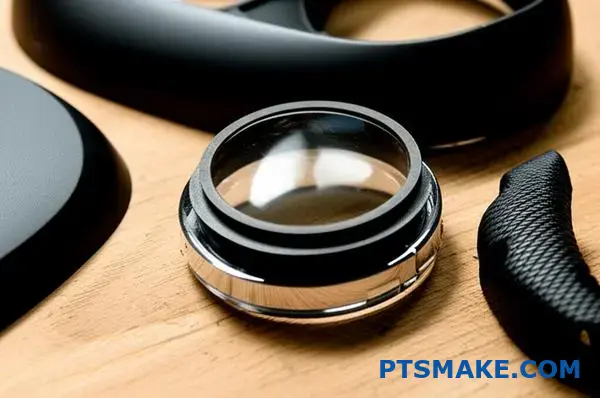
機械から直接得られる表面仕上げは、「加工済み」仕上げです。この結果は偶然ではありません。これは、当社の工具と設定の直接的な産物です。PTSMAKE では、これらの変数を正確に制御しています。.
加工が仕上げをどのように作成するか
切削工具は、移動中に微細な痕跡を残します。その工具の速度と経路が最終的な表面を作成します。より遅い送り速度と鋭利な工具は、一般的に滑らかな仕上げを生み出します。.
これらの固有の工具痕跡は、表面を作成します。 異方8. 。これは、測定される方向によって特性が異なることを意味します。これはパフォーマンスの重要な要素です。.
加工済み仕上げでは不十分な場合は、後処理を使用します。これには、蒸気研磨やビーズブラストなどの技術が含まれます。これらの手順はコストを追加しますが、特定のニーズに不可欠な場合があります。当社の CNCプラスチック加工サービス は、これらの正確な要件を満たすように調整されています。.
加工パラメータ対表面粗さ
社内テストに基づき、設定と結果の間には明確な関係があることがわかりました。.
| 加工パラメーター | 仕上げ品質への影響 | 推薦 |
|---|---|---|
| 工具の切れ味 | シャープな工具はきれいに切削します | 新品または新しく研磨した工具を使用してください |
| 主軸回転数 | 高速回転はバリを減らすことができます | 材料ごとに最適化する |
| フィード・レート | 低速回転はより滑らかな表面を作成します | 仕上げのニーズとサイクルタイムのバランスを取る |
| 切削深さ | 浅いパスは仕上げを改善します | 最終仕上げパスを使用する |
これらの要因は、二次加工なしでCNCプラスチック部品の望ましい仕上げ品質を達成するための基本です。.
CNCプラスチックの最終的な表面仕上げは、加工パラメータと後処理の選択によって決まります。加工後の仕上げで十分な場合が多いですが、部品に特定の機能的または美的品質が必要な場合は、研磨またはテクスチャリングを適用できます。.
CNCプラスチック加工における#1の頭痛の種を解決する:ベンダーコミュニケーション
返信のないサプライヤーほどプロジェクトを遅らせるものはありません。重要なメールを送っても返信がない。このコミュニケーションの空白はリスクを生み、勢いを殺します。.
明確な期待値を設定する
真に 信頼できるCNC加工サプライヤー 事前にコミュニケーションプロトコルを確立します。これには、期待される応答時間と主要な連絡先が含まれます。.
適切なコミュニケーションチャネル
専用チャネルが最善であることを学びました。これにより、プロジェクトの履歴が一元化され、重要な詳細が見失われるのを防ぐことができます。.
| 方法 | プロ | コン |
|---|---|---|
| 電子メール | 文書化された記録 | 遅くなる可能性がある |
| 電話 | 即時フィードバック | 書面による記録なし |
| プロジェクトポータル | 一元化された情報 | システムアクセスが必要 |
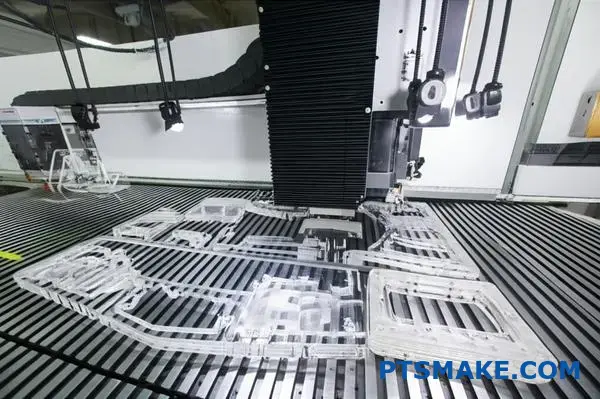
コミュニケーションのギャップを真に解決するには、良い意図だけでなく、システムが必要です。それは、最初から透明性のためのフレームワークを構築することです。.
単一の連絡先の力
最も効果的な戦略の1つは、専任のプロジェクトマネージャーを割り当てることです。この人物は、単一の連絡窓口(SPOC)として機能します。彼らはあなたのすべての更新を担当します CNCプラスチック加工サービス 注文。.
受動的追跡から能動的追跡へ
常に追いかけなければならないサプライヤーに甘んじないでください。優れたパートナーは一貫したアップデートを提供します。これは優れた プラスチック部品注文サポート. を提供します。例えば、写真付きの簡単な週次ステータスレポートは、絶大な信頼を築くことができます。.
問題解決のためのフレームワーク
問題が発生した場合、明確なプロセスが不可欠です。応急処置ではなく、根本原因を見つける方が良いでしょう。深く掘り下げることで、 根本原因分析9 は一時的なパッチではなく、恒久的な解決策を提供します。.
ここに、私たちが観察したコミュニケーションスタイルの簡単な比較を示します。
| アスペクト | 反応サプライヤー | プロアクティブなサプライヤー |
|---|---|---|
| 更新情報 | 尋ねられたときのみ | 定期的かつ定期的に |
| 問題 | 発生後に報告 | リスクの可能性を早期に警告 |
| ソリューション | 迅速な一時的解決策 | 持続可能な長期解決策 |
| トーン | しばしば防御的 | 常に協力的 |
効果的なコミュニケーションは「あれば嬉しい」ものではありません。それは中核的な要件です。明確なプロトコル、プロアクティブな追跡、構造化された問題解決を要求することで、プロジェクトの成功を保証する真の製造パートナーを確保できます。.
航空宇宙および医療分野向けのCNCプラスチック加工:知っておくべきこと
航空宇宙および医療産業は絶対的な精度を要求します。これらの分野に誤りの余地はありません。すべてのコンポーネントは厳格な基準を満たす必要があります。.
これには、材料とプロセスに関する深い専門知識が必要です。また、標準的な製造を超えた品質へのコミットメントも要求されます。.
クリティカルなコンプライアンスとドキュメンテーション
ドキュメンテーションはオプションではありません。原材料から最終部品までの完全なトレーサビリティが不可欠です。これにより、安全性と説明責任が保証されます。.
高性能素材の選択
適切な材料を選択することは非常に重要です。極限状態での性能は、航空宇宙用プラスチック加工の重要な要素です。.
| 素材 | キー・プロパティ | 共通アプリケーション |
|---|---|---|
| 覗き見 | 高強度、耐薬品性 | 医療用インプラント、航空機部品 |
| ウルテム | 高耐熱性、強度 | 外科用ツール、電気コネクタ |
| デルリン | 高剛性、低摩擦 | ベアリング、ギア、インシュレーター |
私たちの CNCプラスチック加工サービス これらの先進ポリマーを専門としています。.
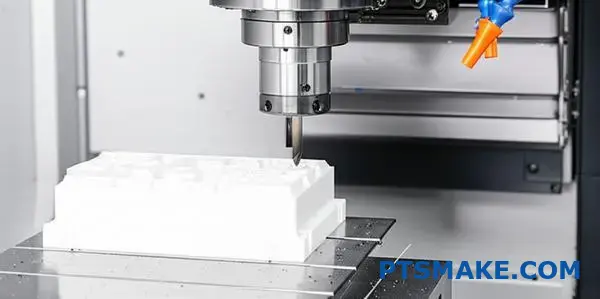
洗練された品質保証(QA)の役割
これらの分野では、標準的なQAプロセスだけでは不十分です。すべての部品が完璧であることを保証するために、洗練されたプロトコルを実装する必要があります。これには、最終チェック以上のことが含まれます。.
品質は、私たちの CNCプラスチック加工サービス ワークフローのすべてのステップに組み込まれています。初期設計レビューから最終検査まで、厳格な監督を維持しています。これにより、エラーが発生する前に防止します。.
トレーサビリティとバリデーション
すべての部品には詳細な履歴が必要です。これには、材料証明書と検査レポートが含まれます。この文書は、規制当局の承認に不可欠です。バリデーションは、プロセスが一貫して仕様どおりの部品を製造していることを確認します。.
クリティカルアプリケーション向けの材料フォーカス
医療グレードのプラスチックCNCの場合、材料は 生体適合性10. である必要があります。これは、人体に悪影響を与えないことを意味します。PTSMAKEのチームは、クライアントが適切な認定材料を選択するのを支援します。.
この表は、クリティカルコンポーネントの簡略化されたQAワークフローを示しています。.
| QAステージ | 必要な措置 | ドキュメンテーション |
|---|---|---|
| 材料受入 | 材料証明書を確認する | 適合証明書(CoC) |
| 最初の記事 | 寸法検査 | 第一条検査報告書(FAIR) |
| インプロセス | 主要寸法監視 | 統計的プロセス管理(SPC)チャート |
| 最終検査 | 100%の視覚的および寸法検査 | 最終検査報告書 |
この構造化されたアプローチにより、部品が航空宇宙および医療用途の厳格な基準を満たすことが保証されます。.
航空宇宙および医療部品の場合、成功は3つの柱にかかっています。これらは、厳格な規制遵守、適切な高性能材料の選択、および徹底的な品質保証システムです。これらの要素は、クリティカルアプリケーションにおけるコンポーネントの安全性、信頼性、およびパフォーマンスを確保するために交渉の余地がありません。.
CNCプラスチック加工における価格と精度のバランスの取り方
コストと精度の間で最適なバランスを見つけることは、常に課題です。設計プロセスの早い段階で、賢明で情報に基づいた意思決定を行うことが重要です。常にすべての箇所で最も厳しい公差が必要なわけではありません。.
エンジニアや購買担当者は、しばしばこのジレンマに直面します。重要なのは、性能を犠牲にすることなく妥協できる場所を知ることです。このバランスは、手頃な価格のプラスチック加工の中心となります。.
戦略的な設計調整
設計における小さな変更が、大幅な節約につながる可能性があります。複雑な曲線を単純化したり、深いポケットの数を減らしたりすることを検討してください。複雑な機能はすべて、加工時間を増加させます。.
CNC部品の精度対価格の議論は、しばしばここで終わります。.
| フィーチャー・タイプ | コストへの影響 | 推薦 |
|---|---|---|
| シャープな内角 | 高い | 標準的な工具半径のフィレットを使用する |
| 非標準公差 | 高い | 必要な場合にのみ厳しい公差を指定する |
| 薄い壁 | ミディアム | 安定性のために肉厚を増やす |
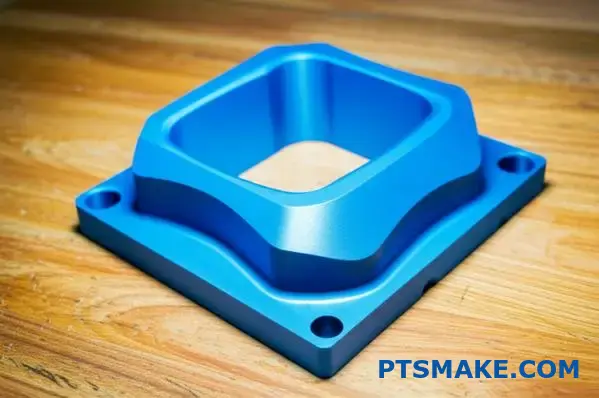
一般的な見落としは、材料のデータシートの特性のみに焦点を当てることです。これらは重要ですが、材料の加工性は最終的な部品コストに大きな影響を与えます。切削速度、工具摩耗、および全体のサイクル時間を決定します。.
例えば、PEEKは信じられないほどの性能を提供します。しかし、それは研磨性が高く、加工が困難です。これにより、当社のCNCプラスチック加工サービスのコストが上昇します。PEI(Ultem)のような代替品は、当社の内部テストに基づくと、要件の95%を満たしながら、30%速く加工できる可能性があります。.
材料選択対加工時間
わずかに堅牢性が低いが、より加工しやすいプラスチックを選択することは、素晴らしい選択肢となり得ます。これにより、機能的なトレードオフなしに、人件費と工具費の両方を削減できます。これは、製造全体の文脈を理解することです。材料の 寸法安定性11 は重要ですが、それを達成するためのコストも同様に重要です。.
当社では、これらのトレードオフについてお客様をサポートします。お客様の用途を分析し、すべての重要な仕様を満たす最も費用対効果の高い材料を見つけます。.
| 素材 | 相対コスト | 加工性 | 主なメリット |
|---|---|---|---|
| デルリン®(POM) | 低い | 素晴らしい | 一般的な機械部品に最適 |
| 覗き見 | 高い | 難しい | 優れた耐熱性・耐薬品性 |
| ウルテム®(PEI) | ミディアム-ハイ | グッド | 優れた特性バランス |
手頃な価格と精度を両立させることは、手抜きをすることではありません。設計形状と材料選択における戦略的な選択をすることです。適切な場合は、機能を簡素化し、より加工しやすいプラスチックを選択することで、部品の不可欠な機能を損なうことなくコストを大幅に削減できます。.
実例ケーススタディ:プロジェクトを救ったCNC加工プラスチック部品
理論は一つですが、プロジェクトの締め切りはもう一つです。適切な材料がすべてを変える可能性があります。時には、高性能プラスチックは単なる代替品ではありません。それが機能する唯一の解決策です。.
これは、急速に変化する業界では特に当てはまります。実際のCNC部品の成功事例を見てみましょう。これらの事例は、精密機械加工されたプラスチックが緊急の問題をどのように解決したかを示しています。.
主要産業とソリューション
| 産業 | よくある問題 | プラスチックソリューション |
|---|---|---|
| メディカル | 滅菌、MRI適合性 | PEEK、Ultem |
| ロボット工学 | 重量、電気絶縁 | Delrin (POM)、ナイロン |
| エレクトロニクス | 信号干渉、熱 | PTFE、ABS |
これらの例は、材料に関する深い理解がなぜ重要であるかを強調しています。.
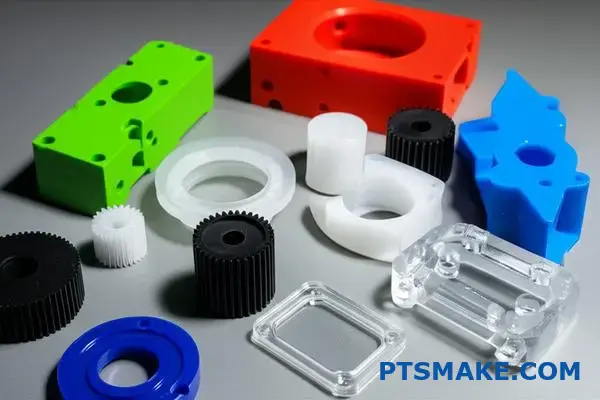
医療機器メーカーとのプロジェクトを思い出しました。彼らは手術支援システムの複雑なハウジングを必要としていました。当初の金属プロトタイプはMRIスキャンにアーチファクトを引き起こしていました。これにより使用できなくなりました。プロジェクトは保留されていました。.
彼らは、強度があり、滅菌可能で、放射線透過性のある材料を必要としていました。.
医療機器のブレークスルー
PEEKからの部品加工を提案しました。その強度は一部の金属に匹敵します。また、繰り返しオートクレーブ滅菌サイクルにも耐えられます。最も重要なのは、X線やMRIに対して透明であることです。.
PEEKプロトタイプを提供した後、彼らの画像検査はクリアでした。コンポーネントの要求 生体適合性12 も成功の鍵でした。私たちの精度 CNCプラスチック加工サービス は、厳しい公差が満たされていることを保証しました。.
ロボットの俊敏性チャレンジ
別のケースでは、ロボットスタートアップが関わっていました。彼らは高速ピッキング・プレースメントアームを構築していました。オリジナルのアルミニウム製グリッパーは重すぎました。これによりアームの加速度が制限され、モーターに負担がかかりました。.
| メートル | アルミニウム製グリッパー | デルリン(POM)製グリッパー |
|---|---|---|
| 重量 | 150g | 45g |
| サイクルタイム | 1.2秒 | 0.8秒 |
| モーターへの負担 | 高い | 低い |
Delrin (POM) から新しいグリッパーを機械加工しました。重量は大幅に削減されました。クライアントからのフィードバックに基づき、ロボットアームの速度は30%以上向上しました。この単一のコンポーネント変更により、パフォーマンス目標を達成しました。これらは プラスチックCNCのケーススタディ 材料選択の力を示しています。.
これらの実例は、CNC加工されたプラスチックが単なる代替品ではないことを示しています。多くの場合、それらは優れたエンジニアリングソリューションです。金属では対応できない、重量、電気的特性、互換性に関連する重要な問題を解決します。.
次のCNCプラスチック加工プロジェクトにPTSMAKEを選択する
CNCプラスチック加工のニーズに対して、完璧な精度、迅速な納期、そして完全な信頼性を達成する準備はできていますか?今すぐPTSMAKEにお問い合わせいただき、当社の専門チームがプロトタイプから量産まで、お客様が必要とするエンジニアリングソリューションを提供いたします。最初の一歩を踏み出し、今すぐお見積もりをご依頼ください!

この特性が寸法安定性と設計の選択にどのように影響するかを理解する。. ↩
この材料特性が部品の強度と安定性にどのように影響するかを理解する。. ↩
この特性が材料選択にどのように影響し、設計における反りを防ぐかを理解する。. ↩
吸湿がCNC加工部品の材料安定性と寸法精度にどのように影響するかを学ぶ。. ↩
この重要な特性が精密用途の材料選択にどのように影響するかを学ぶ。. ↩
初期費用をユニットに分散させることで、製造における部品あたりの価格を大幅に下げることができる方法を学ぶ。. ↩
この内部応力が部品の精度、安定性、および長期的なパフォーマンスにどのように影響するかを学ぶ。. ↩
異方性表面が部品の摩擦と摩耗にどのように影響するかを学ぶ。. ↩
この体系的な方法が製造プロジェクトにおける繰り返し発生する問題をどのように防ぐかを学ぶ。. ↩
医療機器に必要な材料特性と患者の安全確保について学ぶ。. ↩
材料のサイズ変化への耐性が、部品の長期的なパフォーマンスにどのように影響するかを学ぶ。. ↩
医療機器の安全性とコンプライアンスにとって、この重要な材料特性を理解してください。. ↩