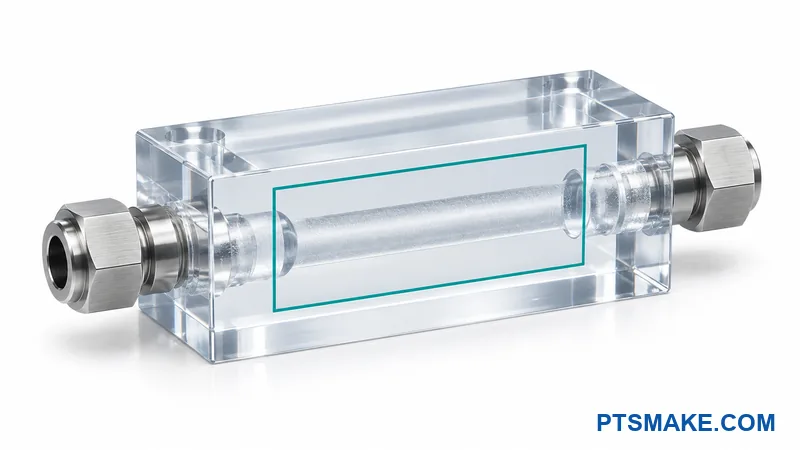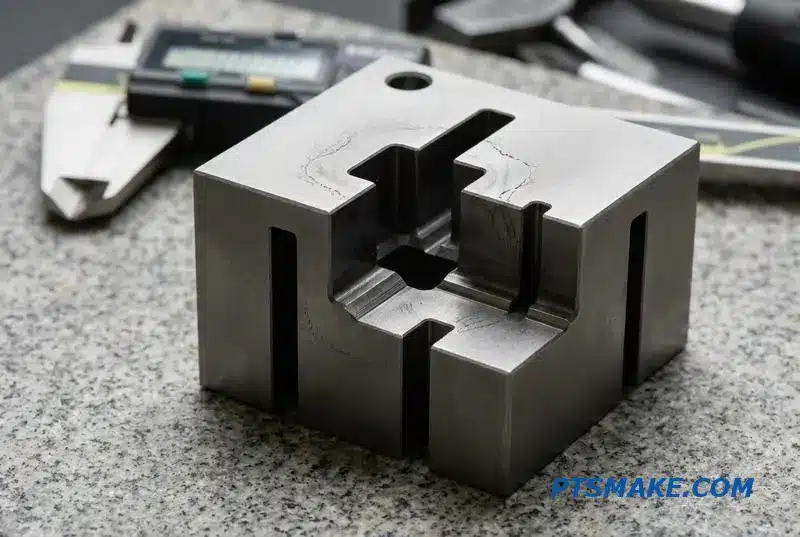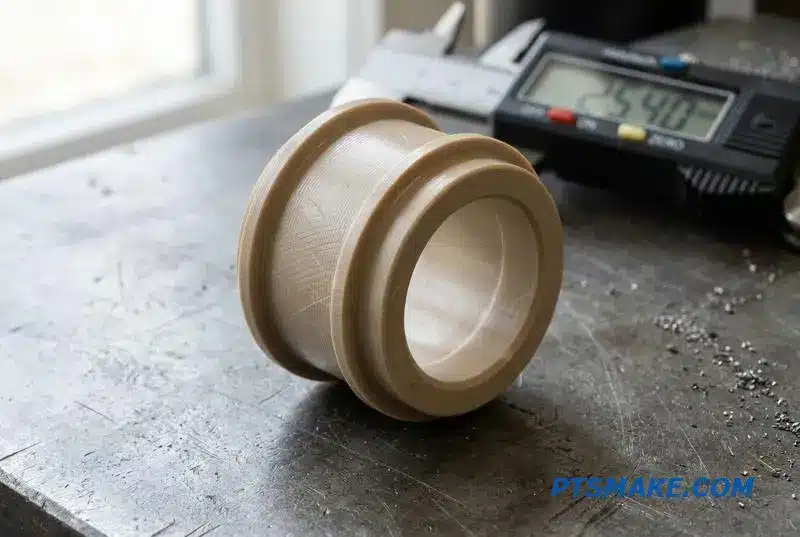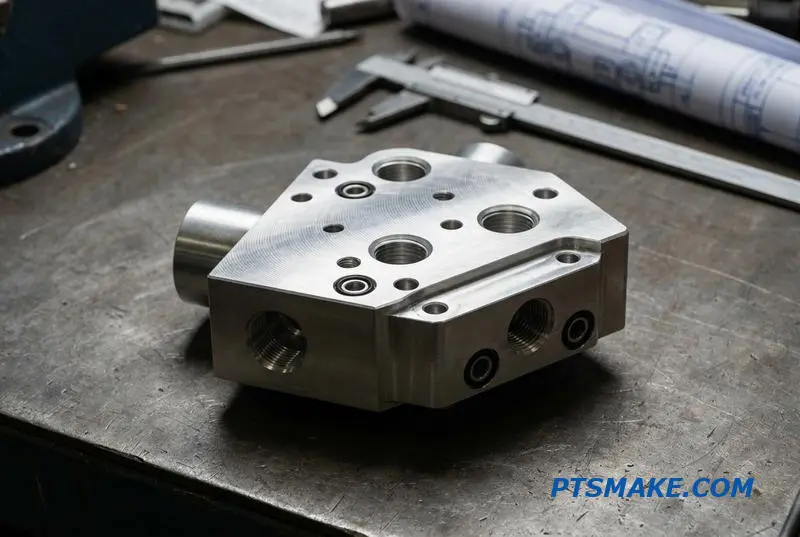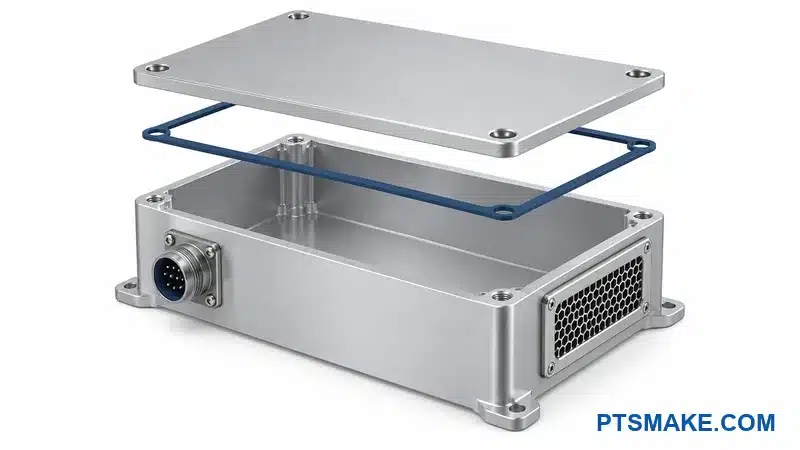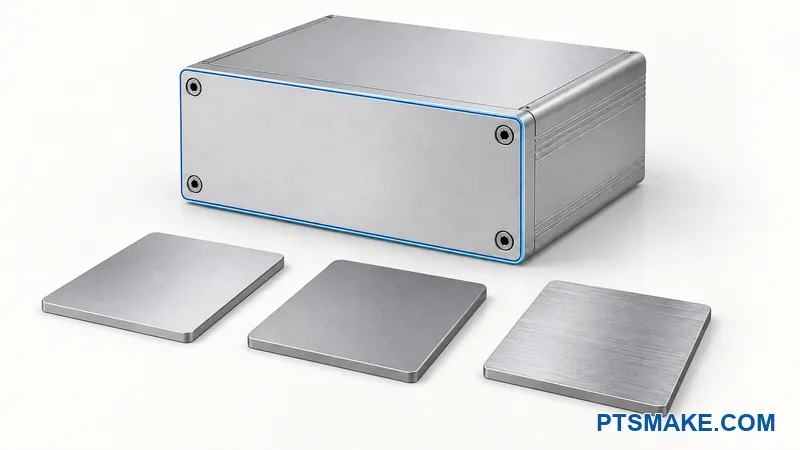

You’re designing a critical plastic component for your latest project. Metal seems too heavy and expensive, but you’re not sure if CNC plastic machining can deliver the precision you need. Every engineer faces this dilemma when tight tolerances meet budget constraints.
CNC plastic machining services offer engineers precise, cost-effective solutions for complex parts using advanced polymers like POM, PEEK, and Nylon. This process delivers tight tolerances, superior surface finishes, and faster turnaround times compared to metal machining for many applications.
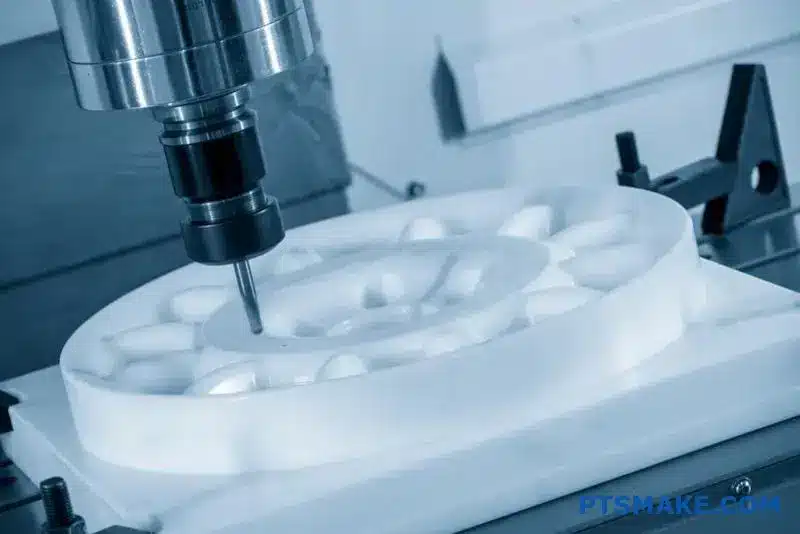
I’ve worked with hundreds of engineers who switched from metal to plastic machining and never looked back. The key is understanding which materials work best, how to avoid common pitfalls like warping, and what questions to ask your supplier upfront.
The Complete Breakdown Of CNC Plastic Machining Vs. Metal Machining
Choisir entre l'usinage de plastique CNC et l'usinage de métal est une décision critique pour les ingénieurs. Le bon choix a un impact sur tout, de la performance au budget.
Bien que les deux processus utilisent la fabrication soustractive, les similitudes s'arrêtent là. Les différences fondamentales dans les matériaux entraînent des approches distinctes en matière d'outillage, de vitesse et de coût. Comprendre ces nuances est essentiel.
Une comparaison rapide met en évidence les principales différences dans ces matériaux d'usinage CNC.
| Fonctionnalité | Usinage CNC des matières plastiques | Usinage de métal CNC |
|---|---|---|
| Matériau Dureté | Plus bas | Plus élevé |
| Outillage | Géométrie plus tranchante et spécialisée | Plus résistant, résistant à la chaleur |
| Vitesse d'usinage | Généralement plus rapide | Plus lent |
| Production de chaleur | Plus bas, mais fond facilement | Plus élevé |
Cet aperçu initial prépare le terrain pour une analyse plus approfondie.
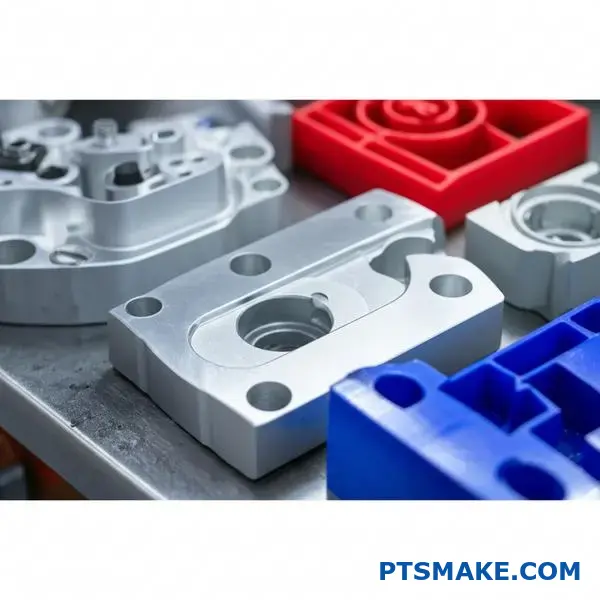
Différences techniques clés
Lorsque nous passons de la théorie à la pratique, les distinctions deviennent encore plus prononcées. Le choix ne concerne pas seulement les propriétés de la pièce finale. Il s'agit de l'ensemble du processus de fabrication.
Propriétés des matériaux et stratégie d'outillage
Les métaux sont solides et durs. Ils nécessitent un outillage robuste et génèrent une chaleur importante. Le liquide de refroidissement est essentiel pour gérer la température et prévenir l'usure de l'outil.
Les plastiques, cependant, sont plus tendres et ont un point de fusion bas. La gestion de la chaleur est cruciale pour éviter la fusion, la déformation ou le bourrage de l'outil. C'est un point de défaillance courant que nous avons constaté dans les ateliers moins expérimentés. Le haut coefficient de dilatation thermique1 dans de nombreux plastiques exige également une manipulation prudente pour maintenir des tolérances serrées.
Effective CNC plastic machining requires specific tools. These tools often have sharper cutting edges and wider flutes for efficient chip evacuation.
Speed, Feed Rates, and Cost Impact
The softer nature of plastics allows for much faster machining speeds and higher feed rates compared to metals. This directly translates to shorter cycle times.
Our tests confirm this can significantly reduce per-part costs.
| Paramètres | Plastic (e.g., ABS) | Metal (e.g., Aluminum) |
|---|---|---|
| Spindle Speed (RPM) | 5,000 – 15,000 | 4,000 – 10,000 |
| Vitesse d'alimentation (IPM) | 100 – 300 | 50 - 150 |
| Usure des outils | Faible | Modéré à élevé |
This efficiency is a major advantage of plastic vs metal machining. However, it requires a deep understanding of each polymer’s unique properties. This is where professional cnc plastic machining services add real value.
Choosing between plastic and metal involves a trade-off. Plastics offer speed and lower machining costs. Metals provide superior strength and thermal stability. The final decision depends entirely on your part’s specific application and performance requirements.
Top Questions Engineers Should Ask Before Choosing A CNC Plastic Machining Vendor
When selecting a CNC plastic machining supplier, a structured approach is crucial. A simple checklist can help you compare potential vendors effectively. This avoids overlooking critical details.
This framework covers the essential areas. It guides you in making an informed decision for your project’s success.
Your Plastic Machining Vendor Checklist
Start by evaluating their core capabilities. Focus on technical skill, material knowledge, and production capacity. A good partner excels in all three areas.
Here is a quick reference table.
| Catégorie | Key Questions |
|---|---|
| Tolérances | What is your standard tolerance? Can you hold ±0.001"? |
| Matériaux | What plastics do you specialize in? How do you source them? |
| Délai d'exécution | What is your typical lead time for prototypes vs. production? |
| Volume Capacity | What are your minimum and maximum order quantities (MOQ/Max)? |
This initial screening helps you create a shortlist of qualified suppliers.
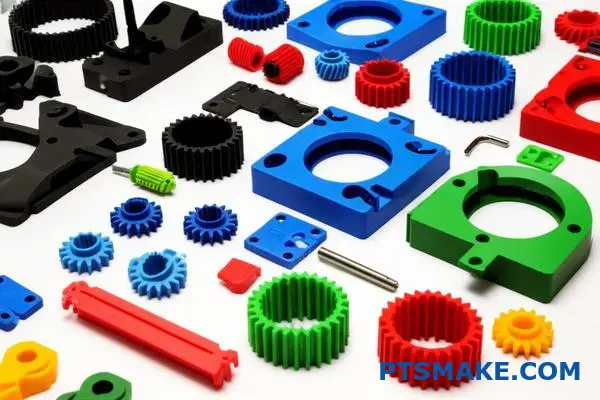
Going beyond the basic checklist is where you find a true partner. It’s not just about what a vendor claims they can do. It’s about comment they do it. This is a critical step in selecting the right provider for your cnc plastic machining services.
Deeper Evaluation: Probing for True Capability
Don’t just ask if they can meet a tolerance. Ask for their quality control reports. Ask about their CMM inspection process. This reveals their commitment to precision. A reliable vendor will have robust systems in place to verify every part.
For materials, ask how they handle and store sensitive plastics like PEEK or Ultem. Improper storage can affect material stability. Some filled plastics can even become anisotrope2 if not processed correctly. This can cause unexpected issues during machining and in the final application.
Asking Smarter Questions
Au lieu de poser des questions simples par oui/non, formulez-les de manière à révéler les processus et l'expertise. Cette approche offre un aperçu beaucoup plus approfondi des opérations d'un fournisseur potentiel.
| Au lieu de demander ceci… | Demandez ceci à la place… |
|---|---|
| " Pouvez-vous usiner du PEEK ? " | " Quelles sont vos procédures spécifiques pour usiner le PEEK afin d'éviter les contraintes internes ? " |
| " Quel est votre délai de livraison ? " | " Quel est votre taux de livraison à temps au cours de la dernière année ? Pouvez-vous partager des données ? " |
| " Offrez-vous des retours sur la conception ? " | " Pouvez-vous fournir un rapport DFM sur notre conception pour identifier les opportunités d'économies ? " |
Ces questions testent l'expérience d'un fournisseur et sa volonté d'être un partenaire, pas seulement un fournisseur de pièces. Chez PTSMAKE, nous accueillons ces discussions car elles jettent les bases d'une relation réussie et à long terme.
Cette liste de contrôle structurée fournit une base solide. Elle vous aide à dépasser les affirmations superficielles et à évaluer les véritables capacités techniques et logistiques d'un fournisseur, vous assurant de trouver un partenaire fiable pour vos services d'usinage de plastique CNC.
Insider Secrets To Avoid Warping In CNC Machined Plastic Parts
La déformation des pièces en plastique est un problème courant. Elle compromet la précision et entraîne des retards coûteux. Mais vous pouvez l'éviter.
Le succès vient de la maîtrise de trois domaines clés. Il s'agit de la fixation, du choix du matériau et de votre stratégie d'usinage. Si vous maîtrisez ces points, le gauchissement devient un problème mineur.
Fixation : Votre première ligne de défense
Un serrage inapproprié est une cause majeure de contrainte. Serrer excessivement un étau déformera une pièce avant même qu'un outil ne la touche. Utilisez une pression minimale et uniforme.
Le choix du matériau est crucial
Every plastic responds to heat differently. Understanding this is key to avoiding issues.
| Matériau | Stabilité thermique | Tendance à la déformation |
|---|---|---|
| PEEK | Excellent | Faible |
| Acétal (Delrin) | Bon | Faible-modéré |
| ABS | Juste | Modérée-élevée |
Choosing the right material from the start simplifies everything.
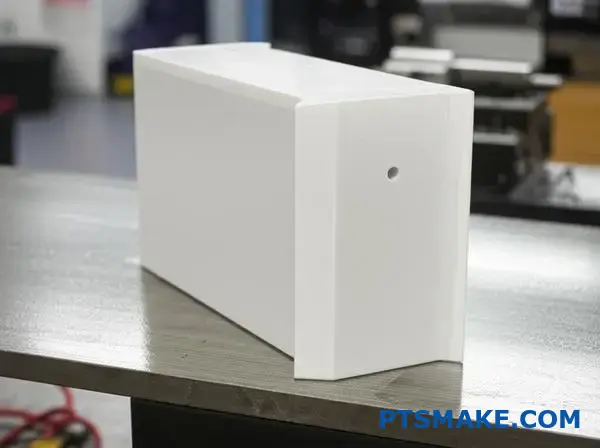
Warping is almost always a heat management problem. When you cut plastic, you generate friction. This friction creates heat, which causes the material to expand. After cooling, it contracts unevenly, resulting in warping.
This is a critical issue for ‘plastic machining tolerances’. A warped part is a failed part.
Advanced Heat Control Techniques
Effective heat management is central to our process. We focus on two main areas: cooling and cutting parameters. This is how we avoid part deformation CNC problems for our clients.
Strategic Cooling and Lubrication
Proper cooling is non-negotiable. We use flood coolants to dissipate heat quickly from the cutting zone. This prevents thermal buildup in the part. Air blasts can also work for some materials.
Tooling and Speeds
Sharp tools are essential. A dull tool plows through material instead of shearing it, which generates excessive heat. We also optimize feed rates and spindle speeds. This reduces tool contact time and minimizes thermal input. This approach is fundamental to our cnc plastic machining services.
A material’s Coefficient de dilatation thermique3 dictates how much it expands with heat. High CTE materials are more prone to warping.
| Stratégie | Impact on Heat | Résultat |
|---|---|---|
| Outils tranchants | Reduces Friction | Less Warping |
| Liquide de refroidissement | Dissipates Heat | Stable Part |
| Optimized Feed Rate | Minimizes Contact | Less Heat Buildup |
By controlling these factors, we ensure dimensional stability.
To prevent CNC plastic part warping, focus on secure fixturing, smart material selection, and active heat management. These strategies ensure your parts meet tight tolerances and avoid deformation, saving you time and resources.
The Ultimate Guide To CNC Plastics: What Material Is Best For Your Application?
Selecting the right material is a critical first step. The choice directly affects your part’s performance, durability, and final cost. Many CNC machinable polymers are available.
Each one has a unique profile. Understanding these differences is key to success.
Une comparaison rapide
Here is a brief overview. We will compare some of the most popular engineering plastics we work with at PTSMAKE. This helps you find the best plastic for CNC machining.
| Matériau | Caractéristiques principales | Meilleur pour... |
|---|---|---|
| POM | Grande rigidité | Engrenages, roulements, bagues |
| ABS | Rentabilité | Prototypes, Enclosures |
| PC | Résistance aux chocs | Lenses, Guards, Housings |
| Nylon | Résistance à l'usure | Wear Pads, Rollers, Screws |
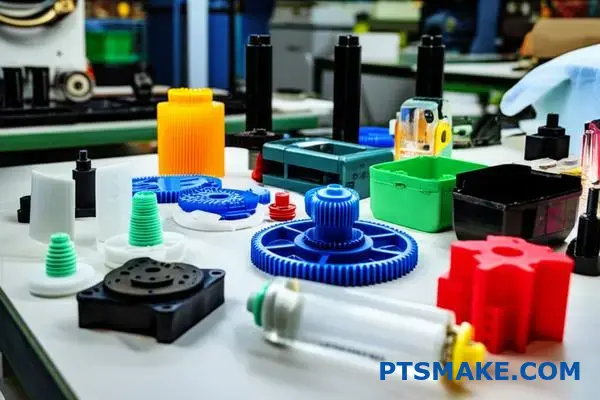
Choosing the ideal polymer requires a deeper look into material properties. Your part’s operating environment, mechanical stresses, and desired finish all play a role. There is no single "best" material for every job.
At PTSMAKE, our cnc plastic machining services are tailored to these specific needs. We help clients navigate these choices daily.
Detailed Material Properties
Based on our internal testing, the following table provides a more detailed comparison. It covers strength, temperature limits, and the typical surface quality we achieve.
| Matériau | Résistance à la traction (MPa) | Max Service Temp (°C) | Qualité de la surface |
|---|---|---|---|
| POM | 60 – 75 | 90 – 110 | Excellent |
| ABS | 40 – 50 | 80 – 95 | Bon |
| PTFE | 20 – 35 | 260 | Juste |
| PC | 55 – 65 | 120 – 135 | Très bon |
| Nylon (PA66) | 70 - 85 | 80 – 120 | Bon |
| PEI | 100 – 115 | 170 | Excellent |
| PVC | 40 – 50 | 60 | Bon |
Nylon is an excellent material for wear resistance. However, it is important to note that it can be Hygroscopique4, meaning it absorbs moisture from the air. This can affect its dimensional stability if not properly considered during the design phase.
For high-temperature applications, PEI (Ultem) is a superior choice. It maintains its strength and stiffness at elevated temperatures but comes at a higher cost. For general-purpose parts where toughness is key, PC is often my recommendation.
Each material presents unique machining challenges and benefits.
Each plastic has distinct advantages. POM offers stiffness, PC provides impact strength, and PTFE delivers chemical resistance. Your application’s specific demands—from mechanical load to thermal exposure—will determine the optimal choice from these versatile CNC machinable polymers.
Why Tight Tolerances In Plastic CNC Parts Are Not As Simple As They Seem
Unlike metals, plastics are dynamic materials. Their dimensions are not fixed. They react to their environment in ways that can challenge even the most skilled machinist. Achieving tight tolerance CNC machining on plastics requires a deep understanding of their behavior. It’s not just about cutting; it’s about predicting and controlling change.
The Impact of Machining Stress
The cutting process itself introduces stress into a plastic part. This can cause warping or distortion after machining is complete.
Facteurs environnementaux
Heat and humidity are major players. Plastics expand with heat and can absorb moisture from the air, causing them to swell.
Common Plastic Responses
| Matériau | Sensibilité à la chaleur | Absorption de l'humidité |
|---|---|---|
| Nylon | Modéré | Haut |
| Acétal (Delrin) | Faible | Faible |
| PEEK | Très faible | Très faible |
| Polycarbonate | Modéré | Faible |
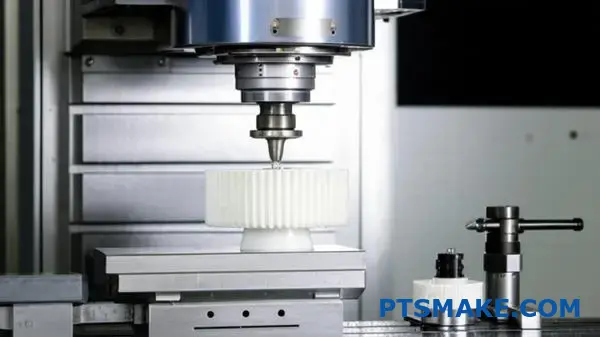
Achieving plastic machining dimensional accuracy is a constant battle against the material’s nature. Every plastic has a unique personality when it comes to holding a tight tolerance.
Understanding Thermal Effects
Heat generated during machining is a primary concern. Aggressive cutting can heat a part, causing it to expand. If you measure it while it’s warm, the dimensions will be wrong once it cools. This is directly related to the Coefficient de dilatation thermique5 of the material. Materials like PEEK have a low CTE, making them very stable.
The Challenge of Humidity
Moisture absorption is another critical factor. Materials like Nylon can swell significantly in a humid environment. We once had a project where parts met spec in our climate-controlled shop but were out of tolerance at the client’s humid facility. This taught us the importance of accounting for the end-use environment.
At PTSMAKE, our cnc plastic machining services always consider these variables. We carefully select cutting strategies and control the environment to ensure stability.
Tolérances typiques réalisables
After extensive testing with our clients, we’ve found these general guidelines to be reliable.
| Matière plastique | Tolérance standard | Tightest Achievable Tolerance |
|---|---|---|
| PEEK | ±0.002" (±0.05 mm) | ±0.0005" (±0.013 mm) |
| Acetal (Delrin®) | ±0.002" (±0.05 mm) | ±0,001" (±0,025 mm) |
| Polycarbonate | ±0.003" (±0.075 mm) | ±0.002" (±0.05 mm) |
| ABS | ±0.004" (±0.10 mm) | ±0.002" (±0.05 mm) |
| Nylon (6/6) | ±0.005" (±0.125 mm) | ±0.003" (±0.075 mm) |
Plastic’s inherent instability from heat, moisture, and machining stress complicates tight tolerance goals. Successful outcomes depend heavily on material choice and controlling environmental and process variables. True precision requires deep expertise in plastic behavior.
Avoiding Cost Traps In Low-Volume CNC Plastic Machining Orders
OEMs often need low-volume CNC plastic parts. These parts are vital for prototypes and pilot runs. But the cost per piece can seem high.
This is mostly due to initial setup costs. It includes CAM programming and creating the right workholding fixtures.
The Setup Cost Hurdle
A unique setup is required for each new part design. This fixed cost remains the same for one part or 100 parts.
Small Batch Economics
For cost-effective plastic machining small runs, this setup fee is spread over fewer items. This is what drives the unit price up. Strategic planning is essential.
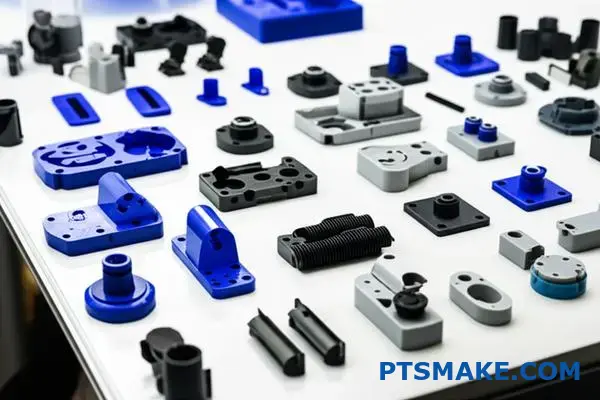
Balancing Cost and Quantity
At PTSMAKE, we guide clients through this process. Smart planning is more effective than simply trying to cut corners on quality. It’s a core part of our cnc plastic machining services.
Tirer parti des coûts de configuration par lots
La configuration est une charge unique pour une série de production. À mesure que vous augmentez le nombre de pièces, l'impact de ce coût de configuration par pièce diminue. C'est ce qu'on appelle Amortissement6.
Passer de 10 pièces à 25 ne signifie pas 2,5 fois le coût. L'augmentation du prix est beaucoup plus faible puisque la configuration est déjà couverte.
La valeur de l'outillage réutilisable
Si vous prévoyez de passer des commandes répétées, informez votre partenaire de fabrication. Nous pouvons créer et conserver des fixations durables spécifiquement pour votre projet.
Cette préparation réduit considérablement le temps et les coûts de configuration lors des futures séries. Elle transforme un coût de projet unique en un actif réutilisable.
Trouver votre volume optimal
Il y a toujours un point idéal où le prix par pièce diminue. Identifier cette quantité est crucial pour la planification budgétaire. Nous effectuons souvent des devis à différents volumes pour montrer ce bénéfice aux clients.
| Quantité commandée | Prix par pièce (Indice) | Coût total (Indice) |
|---|---|---|
| 10 unités | 100% | 100% |
| 25 unités | 70% | 175% |
| 50 unités | 55% | 275% |
| 100 unités | 45% | 450% |
Le tableau ci-dessus illustre les économies. Commander un peu plus initialement peut entraîner des économies significatives à long terme sur vos pièces en plastique CNC à faible volume.
La gestion des frais de configuration, la planification de la réutilisation de l'outillage et la recherche de la quantité de commande optimale sont essentielles. Ces stratégies rendent le prototypage et les séries pilotes à faible volume rentables, protégeant votre budget tout en garantissant que vous obtenez les pièces de haute qualité dont vous avez besoin.
Design Engineering Tips For Flawless CNC Machined Plastic Parts
L'application de la conception pour la fabrication (DFM) est cruciale pour les plastiques. C'est différent de travailler avec des métaux. Les plastiques peuvent se déformer, fondre ou se fissurer si les conceptions ignorent leurs propriétés uniques.
Suivre quelques règles clés fait une énorme différence. Ces règles couvrent les rayons internes, l'épaisseur des parois et les filetages. Une conception appropriée garantit que vos pièces sont solides et précises. Cela les rend également plus faciles à usiner, ce qui permet d'économiser du temps et de l'argent.
Voici quelques principes fondamentaux de la conception pour la fabrication (DFM) pour les plastiques usinés CNC.
| Fonctionnalité | Mauvais choix de conception | Choix de conception recommandé |
|---|---|---|
| Coins internes | Angles vifs à 90° | Arrondi avec un rayon |
| Épaisseur de la paroi | Variable de manière significative | Uniforme et cohérent |
| Fils | Coupé directement dans le plastique souple | Utiliser des inserts filetés métalliques |
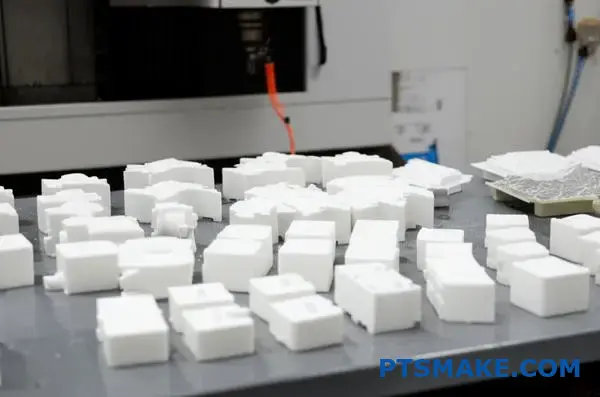
Maîtriser quelques domaines spécifiques de la DFM pour les plastiques CNC est essentiel. Ces conseils sont vitaux pour quiconque a besoin de services fiables de fraisage de plastique CNC. Ils aident à éviter les défaillances courantes et les refontes coûteuses.
Rayons internes et géométries de congé
Les coins internes vifs sont une source majeure de défaillance des pièces. Ils créent des points de contrainte qui peuvent entraîner des fissures sous charge. De plus, les outils CNC sont ronds, ils ne peuvent donc pas créer un coin interne parfaitement net.
Bonnes pratiques pour les rayons
Always design internal corners with a radius. A good rule of thumb is to make the radius at least 1/3 of the wall thickness. Larger radii are even better for distributing stress and making machining smoother. This is a fundamental tip for improving the machinability of plastic parts.
Consistent Wall Thickness
Maintaining a uniform wall thickness is perhaps the most critical rule. Drastic changes in thickness can cause warping. This is due to uneven cooling and internal contrainte résiduelle7. This is especially important for materials like Delrin or PEEK.
| Épaisseur de la paroi | Impact sur la qualité des pièces |
|---|---|
| Uniforme | High stability, low warpage |
| Non-uniform | High risk of warping, sink marks |
Designing Threads in Plastic
Threads cut directly into plastic are weak. They can strip easily, especially with repeated use. For durable connections, threaded inserts are a far better solution. They provide strong, reliable metal threads within the plastic part. At PTSMAKE, we almost always recommend inserts for functional prototypes and end-use parts.
Proper DFM for plastics prevents common machining issues like warping and stress cracking. Focusing on radii, uniform walls, and proper threading ensures you get functional, reliable parts the first time, optimizing both cost and performance for your project.
How To Evaluate Surface Finish Options For CNC Machined Plastics
Achieving the right plastic CNC surface finish is crucial. It impacts both appearance and function. Your choice depends entirely on the part’s final application.
You have several options. Matte finishes reduce glare. Polished finishes offer a smooth, reflective look. Textured finishes can hide fingerprints or improve grip.
Primary Finish Categories
Let’s break down the most common choices. Each has unique benefits and is achieved through different methods. The finish quality of CNC plastic parts is not just an afterthought.
| Type de finition | Caractéristique principale | Candidature commune |
|---|---|---|
| Mat | Non-reflective, uniform | Housings, functional parts |
| Poli | Smooth, glossy, clear | Lenses, aesthetic components |
| Texturé | Patterned or rough | Grips, high-wear surfaces |
Understanding these basics helps start the conversation.
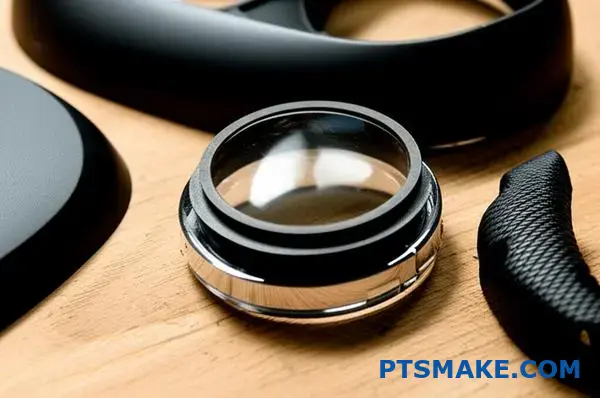
The surface finish you get directly from the machine is the "as-machined" finish. This result is not random. It is a direct product of our tooling and settings. At PTSMAKE, we control these variables precisely.
How Machining Creates the Finish
The cutting tool leaves microscopic marks as it moves. The speed and path of that tool create the final surface. A slower feed rate and sharp tool generally produce a smoother finish.
These inherent tool marks create a surface that is anisotrope8. This means its properties differ depending on the direction they are measured. This is a key factor in performance.
When the as-machined finish isn’t enough, we use post-processing. This includes techniques like vapor polishing or bead blasting. These steps add cost but can be essential for specific needs. Our de fraisage de plastique CNC are tailored to meet these exact requirements.
Machining Parameters vs. Surface Roughness
Based on our internal testing, we’ve seen a clear relationship between settings and outcomes.
| Paramètres d'usinage | Impact on Finish Quality | Recommandation |
|---|---|---|
| Affûtage de l'outil | A sharp tool cuts cleanly | Use new or freshly sharpened tools |
| Vitesse de la broche | Higher speeds can reduce burrs | Optimize per material |
| Vitesse d'alimentation | Slower rates create smoother surfaces | Balance finish needs with cycle time |
| Cut Depth | Lighter passes improve finish | Use a final finishing pass |
These factors are fundamental to achieving the desired finish quality for CNC plastic parts without secondary operations.
The final surface finish for CNC plastics is determined by machining parameters and post-processing choices. The as-machined finish is often sufficient, but polishing or texturing can be applied when specific functional or aesthetic qualities are required for the part.
Solving The #1 Headache In CNC Plastic Machining: Vendor Communication
Nothing stalls a project faster than a non-responsive supplier. You send a critical email and get silence. This communication void introduces risk and kills momentum.
Setting Clear Expectations
A truly reliable CNC machining supplier establishes communication protocols upfront. This includes expected response times and key contacts.
Les bons canaux de communication
Nous avons appris qu'un canal dédié est le meilleur. Il centralise l'historique du projet et évite que des détails vitaux ne soient perdus.
| Méthode | Pro | Con |
|---|---|---|
| Courriel | Piste documentée | Peut être lent |
| Appel téléphonique | Rétroaction immédiate | Pas de trace écrite |
| Portail de projet | Informations centralisées | Nécessite un accès système |
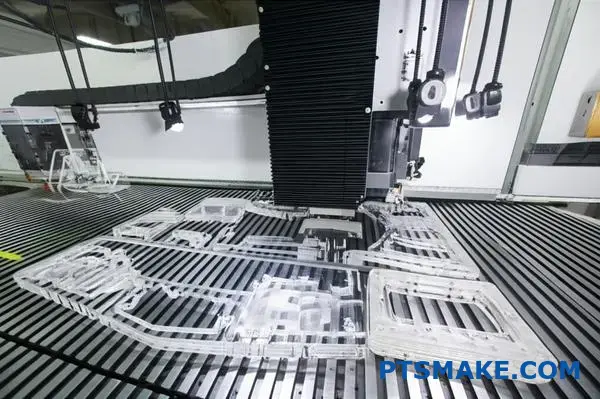
Pour vraiment résoudre les lacunes de communication, vous avez besoin d'un système, pas seulement de bonnes intentions. Il s'agit de construire un cadre de transparence dès le départ.
Le pouvoir d'un contact unique
L'une des stratégies les plus efficaces consiste à attribuer un chef de projet dédié. Cette personne sert de point de contact unique (SPOC). Elle est responsable de toutes les mises à jour de votre de fraisage de plastique CNC commande.
Du suivi réactif au suivi proactif
Don’t settle for a supplier you constantly have to chase. A great partner provides consistent updates. This offers excellent plastic part order support. For instance, a simple weekly status report with photos can build immense trust.
A Framework for Resolving Issues
When problems do occur, a clear process is essential. Instead of quick fixes, it’s better to find the fundamental cause. A deep dive into the Analyse des causes profondes9 provides a permanent solution, not just a temporary patch.
Here’s a quick comparison of communication styles we’ve observed:
| Aspect | Fournisseur réactif | Proactive Supplier |
|---|---|---|
| Mises à jour | Only when asked | Scheduled and regular |
| Problems | Reports after they happen | Flags potential risks early |
| Solutions | Quick, temporary fixes | Durable, long-term solutions |
| Tone | Often defensive | Always collaborative |
Effective communication is not a "nice-to-have." It is a core requirement. By demanding clear protocols, proactive tracking, and structured issue resolution, you can secure a true manufacturing partner who ensures your project’s success.
CNC Plastic Machining For Aerospace & Medical: What You Must Know
Aerospace and medical industries demand absolute precision. There is no room for error in these fields. Every component must meet stringent standards.
This requires deep expertise in materials and processes. It also demands a commitment to quality that goes beyond standard manufacturing.
Critical Compliance and Documentation
Documentation is not optional. Full traceability from raw material to the final part is essential. This ensures safety and accountability.
Sélection de matériaux haute performance
Choosing the right material is critical. Performance under extreme conditions is a key factor for aerospace plastic machining.
| Matériau | Propriété principale | Candidature commune |
|---|---|---|
| PEEK | High strength, chemical resistance | Medical implants, aircraft parts |
| Ultem | High heat resistance, strength | Surgical tools, electrical connectors |
| Delrin | High stiffness, low friction | Roulements, engrenages, isolateurs |
Notre de fraisage de plastique CNC specialize in these advanced polymers.
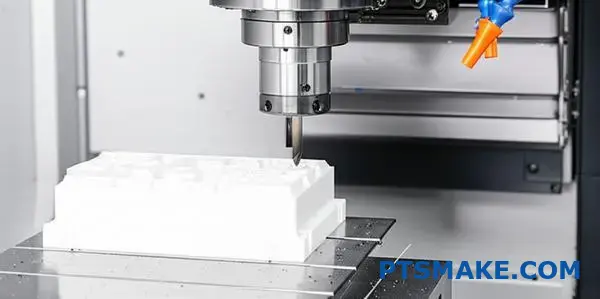
The Role of Sophisticated Quality Assurance (QA)
In these sectors, a standard QA process is not enough. We must implement sophisticated protocols to ensure every part is perfect. This involves much more than a final check.
Quality is built into every step of our de fraisage de plastique CNC workflow. From initial design review to final inspection, we maintain rigorous oversight. This prevents errors before they happen.
Traceability and Validation
Every part requires a detailed history. This includes material certifications and inspection reports. This documentation is crucial for regulatory approval. Validation confirms the process consistently produces parts to spec.
Material Focus for Critical Applications
For medical grade plastic CNC, materials must be biocompatible10. This means they won’t cause adverse reactions in the human body. Our team at PTSMAKE helps clients select the right certified materials.
This table shows a simplified QA workflow for a critical component.
| QA Stage | Action requise | Documentation |
|---|---|---|
| Réception des matériaux | Verify material certs | Certificat de conformité (CoC) |
| Premier article | Inspection dimensionnelle complète | Rapport d'inspection du premier article (FAIR) |
| En cours | Key dimension monitoring | Statistical Process Control (SPC) charts |
| Inspection finale | 100% visual and dimensional check | Rapport d'inspection final |
This structured approach guarantees that parts meet the exacting standards of aerospace and medical applications.
For aerospace and medical parts, success depends on three pillars. These are strict regulatory compliance, correct high-performance material selection, and an exhaustive quality assurance system. These elements are non-negotiable for ensuring component safety, reliability, and performance in critical applications.
How To Balance Price And Precision In CNC Plastic Machining
Finding the sweet spot between cost and precision is a constant challenge. It’s about making smart, informed decisions early in the design process. You don’t always need the tightest tolerances everywhere.
Engineers and purchasers often face this dilemma. The key is knowing where you can compromise without sacrificing performance. This balance is central to affordable plastic machining.
Strategic Design Adjustments
Small changes in your design can lead to significant savings. Consider simplifying complex curves or reducing the number of deep pockets. Every complex feature adds machine time.
The debate over precision vs. price for CNC parts often ends here.
| Type de caractéristique | Impact sur les coûts | Recommandation |
|---|---|---|
| Coins internes tranchants | Haut | Use fillets with a standard tool radius |
| Non-Standard Tolerances | Haut | Specify tight tolerances only where necessary |
| Murs minces | Moyen | Increase wall thickness for stability |
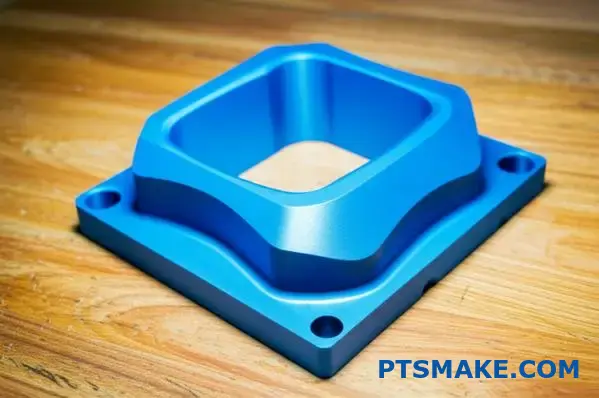
A common oversight is focusing only on a material’s datasheet properties. While important, a material’s machinability plays a massive role in the final part cost. It dictates cutting speeds, tool wear, and overall cycle time.
For instance, PEEK offers incredible performance. However, it is abrasive and tough to machine. This drives up the cost of our cnc plastic machining services. An alternative like PEI (Ultem) might meet 95% of your requirements but machine 30% faster, based on our internal tests.
Material Choice vs. Machining Time
Choosing a slightly less robust but more machinable plastic can be a brilliant move. This reduces both labor and tooling costs without a functional trade-off. It’s about understanding the entire manufacturing context. A material’s stabilité dimensionnelle11 is critical, but so is the cost to achieve it.
At PTSMAKE, we guide clients through these trade-offs. We analyze the application to find the most cost-effective material that meets all critical specifications.
| Matériau | Coût relatif | Usinabilité | Principaux avantages |
|---|---|---|---|
| Delrin® (POM) | Faible | Excellent | Great for general mechanical parts |
| PEEK | Haut | Difficile | Résistance thermique/chimique supérieure |
| Ultem® (PEI) | Moyenne-élevée | Bon | Excellent équilibre des propriétés |
Équilibrer l'abordabilité et la précision ne consiste pas à rogner sur les coûts. Il s'agit de faire des choix stratégiques dans la géométrie de conception et la sélection des matériaux. Simplifier les caractéristiques et opter pour des plastiques plus usinables, le cas échéant, peut réduire considérablement les coûts sans compromettre la fonction essentielle de la pièce.
Real-World Case Studies: CNC Plastic Machined Components That Saved Projects
La théorie est une chose ; les délais de projet en sont une autre. Le bon matériau peut faire toute la différence. Parfois, un plastique haute performance n'est pas seulement une alternative. C'est la seule solution qui fonctionne.
C'est particulièrement vrai dans les industries en évolution rapide. Examinons quelques exemples concrets de succès de pièces CNC. Ces cas montrent comment les plastiques usinés avec précision ont résolu des problèmes urgents.
Industries clés et solutions
| L'industrie | Problème courant | Solution plastique |
|---|---|---|
| Médical | Stérilisation, compatibilité IRM | PEEK, Ultem |
| Robotique | Poids, isolation électrique | Delrin (POM), Nylon |
| Électronique | Interférences de signal, chaleur | PTFE, ABS |
Ces exemples soulignent pourquoi une compréhension approfondie des matériaux est cruciale.
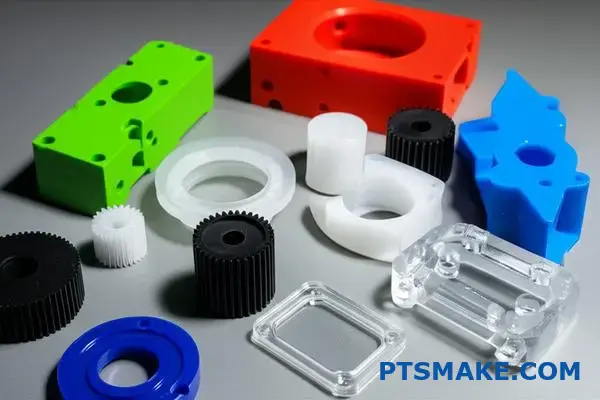
I recall a project with a medical device company. They needed a complex housing for a surgical guidance system. Their initial metal prototype was causing artifacts in MRI scans. This made it unusable. The project was on hold.
They needed a material that was strong, sterilizable, and radiolucent.
The Medical Device Breakthrough
We proposed machining the part from PEEK. Its strength is comparable to some metals. It can also withstand repeated autoclave sterilization cycles. Most importantly, it’s transparent to X-rays and MRI.
After we provided the PEEK prototypes, their imaging tests were clear. The component’s required biocompatibilité12 was also a key factor in its success. Our precision de fraisage de plastique CNC ensured the tight tolerances were met.
A Robotics Agility Challenge
Another case involved a robotics startup. They were building a high-speed pick-and-place arm. The original aluminum gripper was too heavy. This limited the arm’s acceleration and caused motor strain.
| Métrique | Aluminum Gripper | Delrin (POM) Gripper |
|---|---|---|
| Poids | 150g | 45g |
| Durée du cycle | 1.2s | 0.8s |
| Motor Strain | Haut | Faible |
We machined a new gripper from Delrin (POM). The weight reduction was significant. Based on our client’s feedback, the robotic arm’s speed increased by over 30%. This single component change saved their performance targets. These études de cas de boîtiers CNC en plastique montrent la puissance de la sélection des matériaux.
Ces exemples concrets montrent que les plastiques usinés CNC ne sont pas de simples substituts. Ce sont souvent des solutions d'ingénierie supérieures. Ils résolvent des problèmes critiques liés au poids, aux propriétés électriques et à la compatibilité que les métaux ne peuvent pas résoudre.
Choisissez PTSMAKE pour votre prochain projet d'usinage de plastique CNC
Prêt à obtenir une précision parfaite, une livraison rapide et une fiabilité totale pour vos besoins d'usinage de plastique CNC ? Soumettez votre demande à PTSMAKE dès aujourd'hui et laissez notre équipe d'experts vous fournir les solutions d'ingénierie dont vous avez besoin, du prototype à la production. Faites le premier pas et demandez votre devis dès maintenant !

Comprenez comment cette propriété affecte la stabilité dimensionnelle et les choix de conception. ↩
Comprenez comment cette propriété du matériau peut affecter la résistance et la stabilité de votre pièce. ↩
Comprenez comment cette propriété affecte le choix du matériau et empêche la déformation dans vos conceptions. ↩
Apprenez comment l'absorption d'humidité peut affecter la stabilité du matériau et la précision dimensionnelle de vos pièces usinées CNC. ↩
Apprenez comment cette propriété critique affecte la sélection des matériaux pour les applications de précision. ↩
Apprenez comment l'étalement des coûts initiaux sur les unités peut réduire considérablement votre prix par pièce en fabrication. ↩
Apprenez comment cette force interne affecte la précision, la stabilité et les performances à long terme de la pièce. ↩
Apprenez-en davantage sur la façon dont les surfaces anisotropes peuvent affecter le frottement et l'usure des pièces. ↩
Apprenez comment cette méthode systématique évite les problèmes récurrents dans vos projets de fabrication. ↩
Apprenez les propriétés des matériaux requises pour les dispositifs médicaux et la garantie de la sécurité des patients. ↩
Apprenez comment la capacité d'un matériau à résister aux changements de taille affecte les performances à long terme de la pièce. ↩
Comprenez cette propriété matérielle cruciale pour la sécurité et la conformité des dispositifs médicaux. ↩