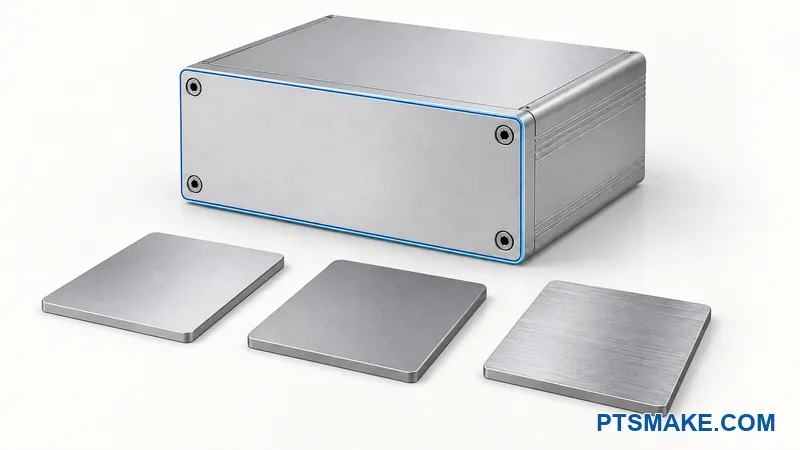

تواجه مشاريع السكك الحديدية والمناور في هيوستن تحديًا حاسمًا: العثور على شركاء في التصنيع باستخدام الحاسب الآلي يفهمون حقًا المواصفات المتطلبة التي تتطلبها هذه الصناعات. يكتشف العديد من مديري المشتريات في وقت متأخر جدًا أن المورد الذي اختاروه يفتقر إلى قدرات الدقة، أو الخبرة في المواد، أو المعرفة بالامتثال اللازمة للمكونات ذات الأهمية القصوى.
يتطلب التصنيع باستخدام الحاسب الآلي للسكك الحديدية والمناور في هيوستن خبرة متخصصة في التصنيع عالي الدقة، والمواد الخاصة بالصناعة، ومعايير الامتثال الصارمة التي لا يمكن لشركاء التصنيع الدقيق ذوي الخبرة تقديمها بشكل موثوق.
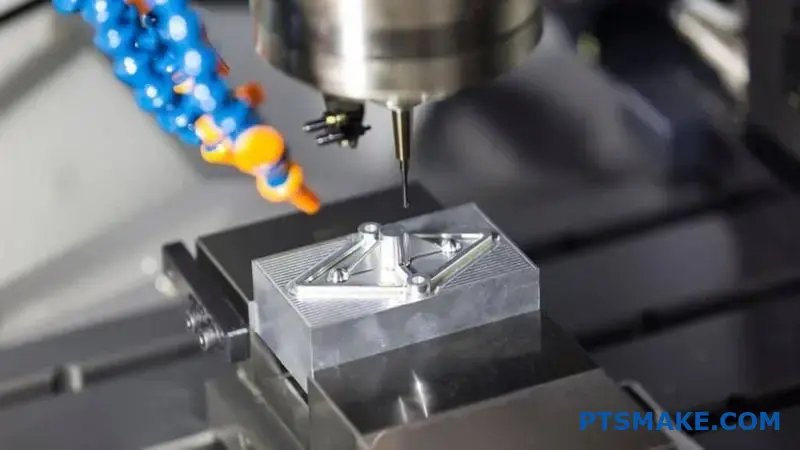
يستند هذا الدليل إلى مشاريع حقيقية في هيوستن حيث كان الاختيار الصحيح لشريك التصنيع باستخدام الحاسب الآلي هو الفارق بين نجاح المشروع والتأخيرات المكلفة. ستكتشف المتطلبات التقنية المحددة، واعتبارات المواد، ومعايير الجودة التي تفصل بين ورش التصنيع القادرة وتلك التي تدعي ببساطة خبرة في السكك الحديدية والمناور.
لماذا هيوستن مركز استراتيجي لمشاريع التصنيع باستخدام الحاسب الآلي للسكك الحديدية والمناور
هيوستن أكثر من مجرد عاصمة للطاقة. موقعها الفريد يجعلها مثالية للتصنيع المتخصص. وهذا يشمل مشاريع للسكك الحديدية والمناورات.
قوة لوجستية
البنية التحتية للمدينة ميزة رئيسية. توفر وصولاً لا مثيل له إلى الأسواق العالمية والمحلية. وهذا يقلل من أوقات وتكاليف الشحن للمواد والأجزاء النهائية.
روابط نقل رئيسية
| وسيلة النقل | الميزة |
|---|---|
| ميناء هيوستن | أكثر الموانئ ازدحامًا في الولايات المتحدة للحمولة الأجنبية |
| خطوط السكك الحديدية | شبكة واسعة تربط الأمة |
| المطارات | مطاران دوليان للشحن الجوي |
هذه الشبكة ضرورية لسلاسل التوريد الفعالة في تصنيع CNC في هيوستن.
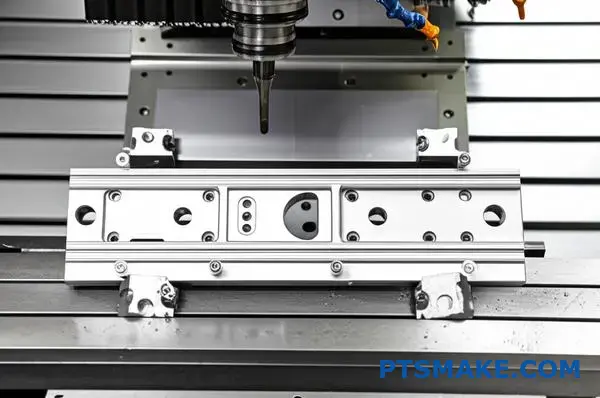
قوة هيوستن ليست عاملاً واحدًا فقط. إنها مزيج قوي من عدة عناصر رئيسية. تخلق هذه التآزر بيئة داعمة للتصنيع عالي الدقة. تجد العديد من الشركات هذا النظام البيئي مفيدًا.
مركز للآلات الماهرة
Access to talent is critical. Houston has a deep pool of experienced CNC machinists. These professionals understand the tight tolerances required. This is especially true for railroad parts manufacturing Houston. They have experience with complex projects.
This skilled labor force is supported by excellent technical colleges. These institutions ensure a steady flow of new talent into the industry. This is a significant advantage for any company providing custom skylight CNC services Houston. The result is a self-sustaining cycle of innovation and expertise. This is a clear example of agglomeration economies1.
The Industrial Ecosystem Effect
Different industries in Houston support one another. The energy sector’s demand for durable parts drives innovation in metallurgy and machining. This knowledge directly benefits other sectors.
| الصناعة | Contribution to CNC Machining |
|---|---|
| الطاقة | Advanced materials and high-pressure component expertise |
| الفضاء الجوي | Precision engineering and quality control standards |
| الطب الباطني | Experience with exotic alloys and tight tolerances |
This cross-pollination of skills makes Houston’s manufacturing base incredibly versatile and robust. It’s a key reason why we at PTSMAKE see it as a strategic location for complex projects.
Houston’s superior logistics, robust industrial base, and skilled workforce create a prime environment. It’s an ideal hub for specialized CNC machining, particularly for demanding railroad and skylight components that require absolute precision.
أسرار القضاء على وقت التوقف عن العمل في أنظمة السكك الحديدية باستخدام التصنيع الدقيق باستخدام الحاسب الآلي
Precision is the bedrock of reliability. In railroad systems, even the smallest component deviation can lead to significant wear over time. This accelerates maintenance cycles.
High-precision CNC parts for railroads ensure perfect fits. This reduces friction and stress on the entire system.
The True Cost of "Good Enough"
Standard parts might seem cost-effective initially. However, their imprecise fit creates vibrations and accelerates wear. This leads to more frequent, costly maintenance.
| الميزة | Standard Components | Precision CNC Components |
|---|---|---|
| تحمل الملائمة | فضفاض | دقيق |
| دورة الصيانة | 6-12 شهرًا | 24-36 شهرًا |
| مخاطر الفشل | معتدل | منخفضة جداً |
| إجهاد النظام | عالية | الحد الأدنى |
إن اختيار الدقة من البداية هو استثمار في الكفاءة التشغيلية والسلامة على المدى الطويل. إنه يقلل وقت التوقف عن العمل بشكل مباشر.
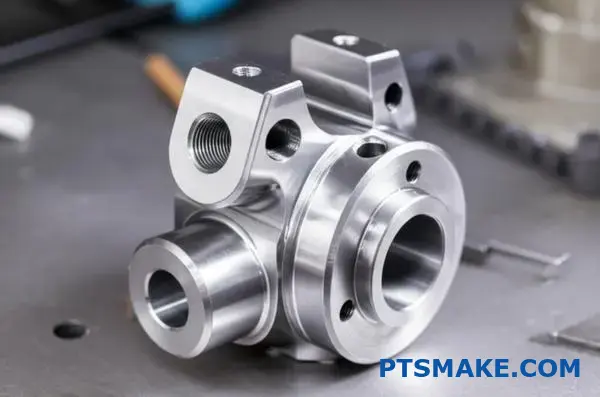
يمكن أن يؤثر تأثير مكون واحد دون المستوى الأمثل على مجموعة كاملة. في عملي، رأيت كيف أن محمل محور واحد سيئ التصنيع يخلق إجهادًا ينتقل، مما يتسبب في النهاية في فشل جزء مختلف تمامًا من النظام. هذا مفهوم حاسم في صناعة السكك الحديدية الدقيقة.
ما وراء المكون: سلامة النظام
التصنيع الدقيق لا يتعلق بجزء واحد فقط. يتعلق الأمر بكيفية عمل مئات الأجزاء معًا بسلاسة. تعني التفاوتات الضيقة اهتزازًا أقل، ودرجات حرارة تشغيل أقل، وتقليل إجهاد المواد2. يساهم كل مكون، من مكابس المحرك إلى مثبتات السكة، في الكل.
هذا النهج الشامل للجودة ضروري. لهذا السبب نتعاون مع خبراء عبر سلسلة التوريد، بما في ذلك موردي مكونات السكك الحديدية المتخصصين في هيوستن، لضمان عمل كل قطعة بشكل مثالي ضمن النظام الأكبر. تغطي الحاجة إلى الدقة جميع البنى التحتية، من مفاتيح السكك الحديدية إلى أسطح المحطات الزجاجية، حيث تمنع التركيبات المثالية التدهور طويل الأمد. في PTSMAKE، نضمن أن تعزز أجزائنا الموثوقية على مستوى النظام، وليس فقط الأداء الفردي. تؤكد أبحاثنا مع العملاء أن هذا النهج المتكامل يمكن أن يطيل العمر التشغيلي للمكونات المجاورة بنسبة تصل إلى 40%.
تغير أجزاء CNC عالية الدقة بشكل جذري صيانة السكك الحديدية. من خلال ضمان التركيبات المثالية وتقليل التآكل، تقلل هذه المكونات من معدلات الفشل وتطيل فترات الخدمة. هذا التحول يجعل النظام بأكمله أكثر موثوقية وفعالية من حيث التكلفة على مدى عمره.
التكاليف المخفية لمكونات المناور المصنعة باستخدام الحاسب الآلي منخفضة الجودة (وكيفية تجنبها)
السعر الأولي لأجزاء الأسطح الزجاجية ذات الجودة المنخفضة خادع. إنه يخفي سلسلة من النفقات المستقبلية التي يمكن أن تمحو بسرعة أي مدخرات أولية.
هذه التكاليف المخفية ليست مجرد أموال. إنها تشمل الوقت والسمعة والسلامة.
معادلة التكلفة الحقيقية
المكونات المصنوعة بشكل سيء تفشل في وقت أقرب. هذا يعني استبدالات أكثر تكرارًا، وتكاليف عمالة أعلى، وأضرار محتملة للهيكل المحيط. إنها حالة كلاسيكية للدفع أقل الآن، فقط للدفع أكثر بكثير لاحقًا.
| عامل التكلفة | Low-Quality Part | High-Precision Part |
|---|---|---|
| Initial Purchase | منخفضة | أعلى |
| الصيانة | متكرر | الحد الأدنى |
| Replacement Cycle | قصير | طويل |
| مخاطر الفشل | عالية | منخفضة |
A small saving today can lead to significant financial strain down the road.
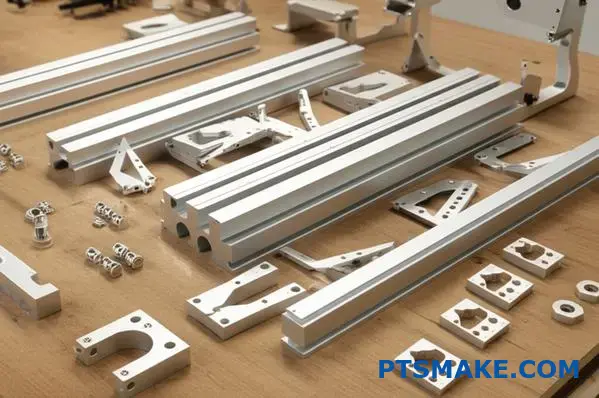
Opting for cheaper components introduces risks that go beyond simple part failure. It’s a decision that can impact the entire integrity of a structure over its lifespan. At PTSMAKE, we focus on preventing these issues from the start.
Breaking Down the Long-Term Financial Drain
When machining skylight frames, poor precision leads to improper fits. These gaps can cause leaks, leading to costly water damage and mold remediation. This is a common issue we’ve seen in projects that initially cut corners.
Low-grade materials also degrade faster. This is especially true for outdoor applications, where parts are exposed to harsh weather. Inferior aluminum can suffer from تآكل النقطي3 much earlier than expected.
Precision CNC skylight fabrication ensures every part meets exact specifications. This is critical for demanding applications, such as railroads skylights cnc machining houston projects.
| Hidden Cost Category | مثال على ذلك | Potential Financial Impact |
|---|---|---|
| Repair & Labor | Replacing leaking seals | 2-3 أضعاف تكلفة الجزء الأولي |
| أضرار هيكلية | أضرار المياه للجدران الجافة/الهياكل | يمكن أن تتجاوز 10 أضعاف تكلفة الجزء |
| عدم كفاءة الطاقة | اختام سيئة تؤدي إلى فقدان الحرارة | فواتير مرافق مستمرة ومتزايدة |
| ضرر للسمعة | فشل المنتجات وسحبها | لا يمكن حسابه |
الاستثمار في قطع الألمنيوم عالية التحمل في هيوستن من البداية هو الطريقة الأكثر موثوقية لتأمين القيمة والأداء طويل الأجل للمشروع.
غالبًا ما يتم إلغاء المدخرات الأولية من الأجزاء منخفضة الجودة بسبب التكاليف المرتفعة طويلة الأجل. وتشمل هذه الإصلاحات المتكررة وزيادة الصيانة والأضرار الهيكلية المحتملة. الاستثمار في التصنيع الدقيق من البداية هو النهج الأكثر جدوى من الناحية المالية لأي مشروع.
أفضل مواد التصنيع باستخدام الحاسب الآلي لتطبيقات السكك الحديدية التي تتحمل الأحمال
اختيار المادة المناسبة هو الخطوة الأولى الحاسمة. بالنسبة لأجزاء السكك الحديدية التي تتحمل الأحمال، فإن القوة ليست اختيارية. إنها أساس السلامة والأداء. نحن ننظر بشكل أساسي إلى عدد قليل من الخيارات الرئيسية.
وتشمل هذه الفولاذ الكربوني والفولاذ المقاوم للصدأ القوي. كما يتم النظر في سبائك الألومنيوم عالية القوة. كل مادة تقدم مجموعة فريدة من الخصائص. يعتمد الاختيار النهائي على متطلبات التطبيق المحدد. يجب علينا الموازنة بين المتانة وعوامل أخرى.
| المواد | الميزة الرئيسية | تطبيق مشترك |
|---|---|---|
| الفولاذ الكربوني | قوة عالية وفعالة من حيث التكلفة | المكونات الهيكلية، العجلات |
| الفولاذ المقاوم للصدأ | مقاومة التآكل | Fasteners, Exposed Parts |
| سبائك الألومنيوم | نسبة القوة إلى الوزن | Housings, Non-critical Structures |
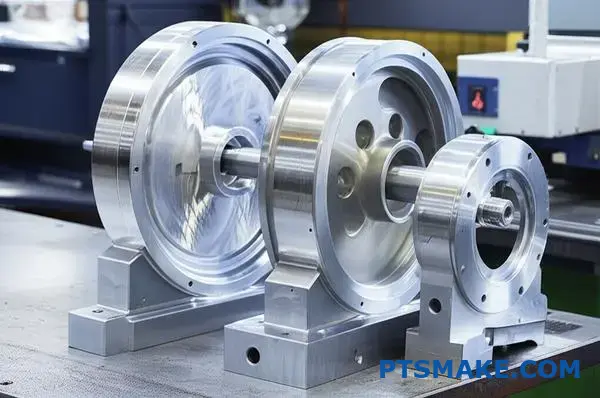
A Deeper Look at Railroad-Grade CNC Materials
عندما نتحدث عن railroad-grade CNC materials, we mean metals that can withstand extreme conditions. Carbon steels, like 1045 or 4140, are workhorses. They provide immense tensile strength needed for axles and couplings. Their toughness ensures reliability under heavy loads.
Stainless steel, particularly grades like 304 or 316, is chosen for its longevity. It resists rust and environmental decay. This is crucial for parts exposed to weather, extending their service life significantly.
Machining strong alloys presents unique challenges. These materials are tough, which causes rapid tool wear and generates significant heat. Based on tests we’ve conducted with clients, controlling speeds and using specialized cooling are key. Properties like تصلب العمل4 mean the material gets harder as you machine it, requiring a precise strategy.
This is vital for creating impact resistance CNC parts. Aluminum alloys, like 7075, offer a lighter alternative for certain components where weight is a concern but strength cannot be compromised. The principles of material selection are universal in high-stakes industries, including our التصنيع الآلي باستخدام الحاسب الآلي work for railroads clients.
نظرة عامة على خصائص المواد
| درجة المادة | قوة الشد (تقريبًا. ميجا باسكال) | الميزة الرئيسية |
|---|---|---|
| فولاذ الكربون 4140 | 655 | صلابة فائقة |
| الفولاذ المقاوم للصدأ 316 | 515 | مقاومة ممتازة للتآكل |
| ألومنيوم 7075-T6 | 572 | نسبة قوة إلى وزن عالية |
اختيار المادة المناسبة أمر غير قابل للتفاوض. توفر الفولاذ قوة لا مثيل لها للمكونات الأساسية، بينما توفر سبائك الألومنيوم المحددة متانة خفيفة الوزن. يؤثر هذا الاختيار بشكل مباشر على سلامة وطول عمر وأداء أجزاء السكك الحديدية الحيوية، مما يضمن قدرتها على تحمل ضغوط التشغيل الهائلة.
كيف يمكن للمهندسين تقليل مشاكل التفاوت في الأجزاء الميكانيكية المخصصة للسكك الحديدية
تبدأ تحسينات التفاوتات على الشاشة. نموذج CAD الخاص بك هو المخطط. تمنع التصميمات الواضحة والمحددة جيدًا إعادة العمل المكلفة لاحقًا. هذا هو المكان الذي تحدث فيه الممارسات الذكية فرقًا.
أفضل ممارسات CAD للتفاوتات
النماذج النظيفة هي المفتاح. تجنب الميزات غير الضرورية أو الأسطح المعقدة. هذا يحسن قابلية التصنيع. نحن دائمًا نفضل ملفات CAD الأصلية على التنسيقات المحايدة مثل STEP.
GD&T: لغة الدقة
يعتبر التحديد والتفاوت الهندسي (GD&T) أمرًا بالغ الأهمية. يوضح وظيفة الجزء. هذا حيوي لتصنيع السكك الحديدية باستخدام آلات CNC عالية التفاوت.
| الرمز | الاسم | الغرض |
|---|---|---|
| ⌖ | المنصب | يحدد موقع الميزات. |
| ⏥ | التسطيح | يحدد أن السطح مستوٍ. |
| ○ | الاستدارة | يتحكم في استدارة الميزة. |
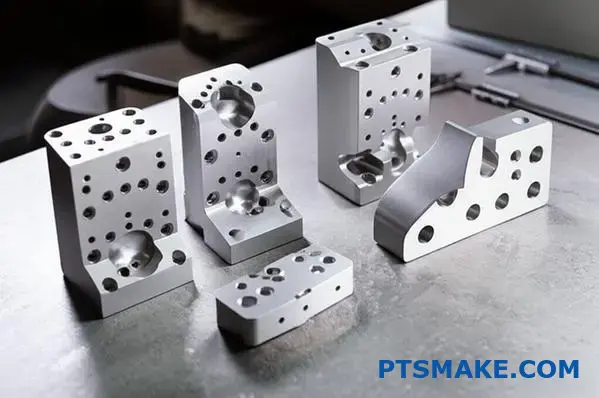
بالتعمق أكثر، GD&T هو أكثر من مجرد رموز. يتعلق الأمر بتوصيل النية الوظيفية بوضوح. يؤثر هذا بشكل مباشر على نجاح التصنيع، خاصة بالنسبة لمكونات السكك الحديدية المعقدة.
إتقان GD&T لقابلية التصنيع
اختيار الأسطح المرجعية الصحيحة هو الأساس. يجب أن تعكس الأسطح المرجعية كيفية تثبيت الجزء أثناء التصنيع. هذه واحدة من أكثر نصائح التصميم فعالية لقابلية التصنيع التي يمكنني تقديمها. الأسطح المرجعية غير الصحيحة تؤدي إلى أخطاء في التفسير.
دور إطارات التحكم في الميزات
إطار التحكم في الميزة هو المكان الذي يجتمع فيه كل شيء. يربط التفاوت، والميزة، والأسطح المرجعية. هذه الكتلة المدمجة من المعلومات تزيل التخمين للمشغل. إنشاء مستقر إطار مرجعي للمرجع5 هي الخطوة الأولى الحاسمة. يوفر أصلًا مشتركًا لجميع القياسات.
| الخطأ الشائع | الحل |
|---|---|
| التفاوت المفرط | حدد التفاوتات بناءً على الوظيفة، وليس الافتراض. |
| الأسطح المرجعية المفقودة | حدد بوضوح الأسطح المرجعية الأولية والثانوية والثالثية. |
| استدعاءات غامضة | استخدم معدلات محددة مثل MMC أو LMC عند الحاجة. |
يتضمن نهجنا في PTSMAKE، غالبًا بالتنسيق مع شركاء في هندسة الدقة في هيوستن، مراجعة هذه الاستدعاءات مبكرًا. تضمن هذه الخطوة التعاونية أن يكون التصميم وظيفيًا وقابلًا للإنتاج دون تكلفة غير ضرورية. بالنسبة لمشاريع تصنيع CNC للنوافذ العلوية للسكك الحديدية في هيوستن، فإن هذه الدقة غير قابلة للتفاوض.
يبدأ التفاوت الفعال في مرحلة التصميم. من خلال تطبيق أفضل ممارسات CAD والاستفادة من دقة GD&T، يمكن للمهندسين القضاء على الغموض. هذا يضمن أن قطع غيار السكك الحديدية المخصصة تلبي المتطلبات الوظيفية الصارمة ويتم تصنيعها بشكل صحيح في المرة الأولى.
نماذج أولية سريعة لابتكارات المناور باستخدام التصنيع باستخدام الحاسب الآلي
في الإنشاءات التجارية، السرعة هي كل شيء. يجب أن تكون دورات النمذجة الأولية لتصميمات النوافذ العلوية الجديدة قصيرة وفعالة. هذا هو المكان الذي تتألق فيه آلات CNC حقًا.
يسمح لنا بإنشاء نماذج أولية دقيقة للنوافذ العلوية باستخدام CNC بسرعة.
هذه السرعة تسهل التعاون بشكل أفضل. كما أنها تمكن من إنشاء نماذج مادية واقعية. غالبًا ما ننتج إطارات ألومنيوم مخصصة لاختبار المفاهيم. هذا هو المفتاح لمشاريع النمذجة الأولية السريعة في هيوستن، حيث تكون الجداول الزمنية ضيقة.
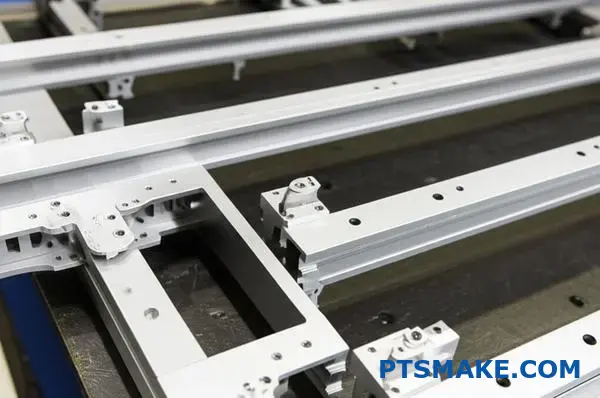
تقصير دورة النمذجة الأولية
قد تستغرق طرق النمذجة الأولية التقليدية أسابيع. هذا أبطأ الابتكار وأخر الجداول الزمنية للمشروع. الآلات باستخدام الحاسب الآلي تغير هذه المعادلة بالكامل.
يمكننا تحويل ملف CAD إلى جزء مادي في أيام. هذه الحلقة السريعة للتغذية الراجعة لا تقدر بثمن لتطوير أنظمة أسقف زجاجية معقدة. إنها تسمح بتكرارات تصميم متعددة في فترة قصيرة.
| مرحلة النماذج الأولية | الطريقة التقليدية | طريقة الآلات باستخدام الحاسب الآلي |
|---|---|---|
| النموذج الأولي الأولي | 2-4 أسابيع | 3-5 أيام |
| تكرار التصميم 1 | 2-3 أسابيع | 3-5 أيام |
| ما قبل الإنتاج النهائي | من أسبوع إلى أسبوعين | 2-4 أيام |
قوة التعاون في تصميم التصنيع
التعاون المبكر هو حجر الزاوية للنجاح. نستخدم عملية تسمى التصميم من أجل قابلية التصنيع (DFM)6. هذا يعني أن فريق الهندسة لدينا يراجع تصميمك قبل قطع أي معدن.
تحدد هذه المراجعة مشكلات التصنيع المحتملة. قد نقترح تعديلات صغيرة على هندسة الإطار لتحسين القوة أو تقليل وقت الآلات. هذا يوفر تكاليف كبيرة لاحقًا. يضمن أن المنتج النهائي يلبي كلاً من نية التصميم والميزانية.
إنشاء نماذج مادية واقعية
الرسومات والتصييرات مفيدة. لكن لا شيء يضاهي النموذج المادي. لتطوير الأسقف الزجاجية، هذا أمر بالغ الأهمية. نستخدم الآلات باستخدام الحاسب الآلي لإنشاء إطارات ألومنيوم مخصصة من مواد إنتاجية مثل الألومنيوم 6061-T6.
تسمح هذه النماذج الأولية للأسقف الزجاجية المصنوعة بالآلات باستخدام الحاسب الآلي للمهندسين المعماريين والمهندسين باختبار التجميع. يمكنهم التحقق من التفاوتات وتقييم التشطيب الجمالي بشكل مباشر. هذا يضمن أن التركيب النهائي لا تشوبه شائبة. الطلب على هذه الدقة مرتفع، خاصة في أسواق مثل هيوستن.
باختصار، تقلل الآلات باستخدام الحاسب الآلي بشكل كبير من وقت النمذجة الأولية للأسقف الزجاجية. التعاون الفعال في تصميم التصنيع والنماذج المادية الدقيقة، مثل إطارات الألومنيوم المخصصة، أمر حيوي. إنها تساعد في تحسين التصاميم وضمان قابلية التصنيع قبل الالتزام بالإنتاج على نطاق واسع.
قصص حقيقية: كيف حل التصنيع باستخدام الحاسب الآلي حالات فشل غير متوقعة في البنية التحتية للسكك الحديدية
النظرية مفيدة، لكن النتائج الواقعية هي المهمة. الأعطال غير المتوقعة في البنية التحتية للسكك الحديدية تتطلب حلولاً سريعة ودقيقة.
توفر آلات التحكم الرقمي بالحاسوب (CNC) هذه الحلول. الأمر لا يتعلق فقط بصنع جزء بديل. بل يتعلق بصنع جزء أفضل.
من الفشل إلى الأداء
نرى هذا كثيرًا. يفشل جزء قياسي. الاستبدال البسيط لا يكفي. نحتاج إلى إعادة تصميم دقيقة لمكون السكك الحديدية لمنع المشكلات المستقبلية. هذا هو المكان الذي تتألق فيه آلات CNC.
| التحدي | حل CNC |
|---|---|
| فشل الأجزاء المتكرر | إعادة التصميم الدقيق |
| نقطة ضعف جوهرية | تصنيع سبائك محسنة |
| حاجة ملحة | النمذجة الأولية والإنتاج السريع |
هذه ليست افتراضات. هذه قصص نجاح حقيقية في هيوستن.
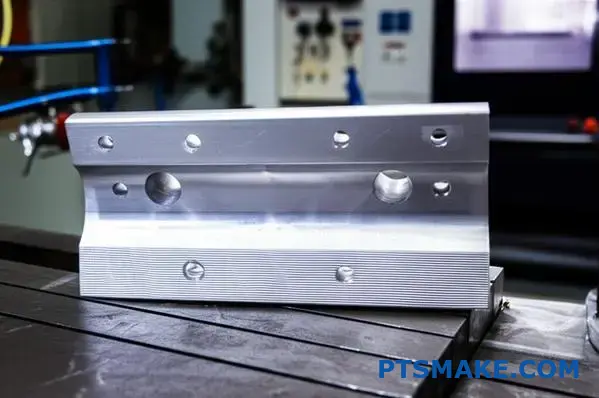
دعنا نلقي نظرة على أمثلة محددة لآلات CNC للبنية التحتية للسكك الحديدية. توضح هذه الحالات كيف نحل المشكلات المعقدة بالتصنيع الدقيق.
دراسة حالة: إعادة تصميم مكون السكك الحديدية الدقيق
واجه عميل في هيوستن أعطالًا متكررة في آلية تحويل حرجة. لم يتمكن الجزء الأصلي المصنوع من الحديد الزهر من تحمل الضغط. أصبح وقت التوقف عن العمل صداعًا تشغيليًا كبيرًا.
قام فريقنا بتحليل المكون المعطل. وجدنا أن الزوايا الداخلية الحادة خلقت نقاط تركيز للضغط. النسخ المباشر سيفشل مرة أخرى.
باستخدام برامج متقدمة، أجرينا عمليات محاكاة لتحسين الهندسة. ساعدتنا هذه العملية في تحديد نقاط الضعف قبل بدء التصنيع. استخدمنا تحليل العناصر المحدودة7 لنمذجة الأحمال على الجزء.
كان الحل إعادة تصميم كاملة ودقيقة. قمنا بتصنيع الجزء الجديد من قطعة صلبة من فولاذ 4140. هذا التغيير حسن القوة ومقاومة الإجهاد بشكل كبير.
مقارنة ترقية المواد
يوضح هذا الجدول الميزة الواضحة للمادة الجديدة، بناءً على تحليلنا للمواد مع العميل.
| الممتلكات | حديد الزهر الأصلي | فولاذ 4140 مصقول |
|---|---|---|
| قوة الشد | ~200 ميجا باسكال | ~655 ميجا باسكال |
| مقاومة التعب والإرهاق | منخفضة | عالية |
| عملية التصنيع | الصب | التصنيع الآلي باستخدام الحاسب الآلي |
كانت النتيجة حلاً دائمًا. هذا مثال رائع على قوة حل المشكلات لخدمات التصنيع باستخدام الحاسب الآلي لأسقف القطارات في هيوستن.
تُظهر دراسات الحالة هذه كيف تقدم الآلات باستخدام الحاسب الآلي أكثر من مجرد أجزاء. إنها تقدم حلولاً هندسية قوية للبنية التحتية للسكك الحديدية. من خلال إعادة تصميم المكونات وترقية المواد، نحول الأعطال الحرجة إلى نجاحات طويلة الأجل، مما يضمن السلامة والموثوقية التشغيلية.
8. تطبيق إجراءات FAI و PPAP وقابلية التكرار
يتطلب الانتقال من النماذج الأولية إلى الإنتاج الضخم أنظمة جديدة. تحتاج إلى يقين مطلق بأن الجزء العاشر آلاف مطابق للأول. هذا هو المكان الذي تأتي فيه عمليات الجودة الرسمية.
فحص القطعة الأولى (FAI) وعملية الموافقة على قطع الإنتاج (PPAP) أمران حاسمان. إنهما ليسا مجرد تمارين ورقية. إنهما طرق منظمة لضمان قطع غيار متسقة من خلال الآلات باستخدام الحاسب الآلي لأسقف المناور. تضمن هذه الأنظمة أن كل مكون يلبي المواصفات، في كل مرة. يوفر هذا ثقة كاملة قبل الالتزام بدورة إنتاج كاملة.
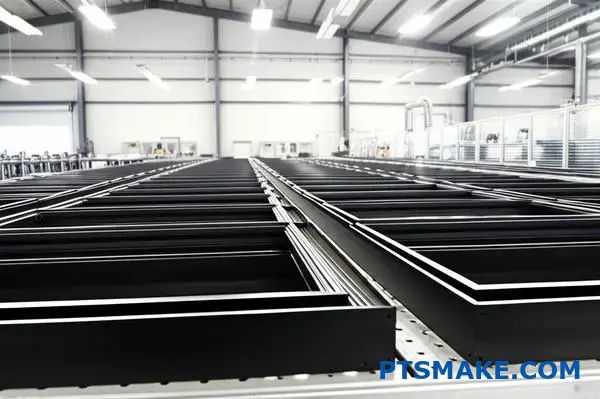
بالنسبة للمشاريع المعمارية واسعة النطاق، فإن هذه العمليات غير قابلة للتفاوض. إنها تبني أساسًا من الثقة بين العميل والمصنع.
فحص المادة الأولى (FAI)
فحص القطعة الأولى (FAI) هو تحقق مفصل من القطعة الأولى المنتجة من عملية جديدة أو معدلة. نقوم بفحص كل بُعد وميزة وملاحظة على الرسم بدقة. هذا يؤكد أن أدواتنا وإعداداتنا صحيحة قبل المتابعة. إنه البوابة الأولى في مراقبة الجودة لدينا.
التحكم في التكرار من خلال العمليات الرسمية
بينما تركز FAI على جزء واحد، فإن عملية الموافقة على أجزاء الإنتاج8 تتحقق من نظام التصنيع بأكمله. إنها حزمة شاملة من المستندات. تثبت أن عمليتنا يمكنها إنتاج أجزاء تلبي متطلباتك بشكل موثوق على المدى الطويل. هذا أمر أساسي للإنتاج الضخم الناجح.
للعملاء الذين يبحثون عن تشغيل آلي لضمان الجودة هيوستن, ، هذه الأطر ضرورية. إنها توفر دليلاً واضحًا على القدرة والتحكم، وهو أمر بالغ الأهمية لمشاريع مثل مراكز النقل أو تركيبات الأسطح الزجاجية التجارية الكبيرة. هذه هي الطريقة التي نضمن بها التحكم في التكرار الصارم.
إليك مقارنة بسيطة:
| الميزة | فحص المادة الأولى (FAI) | عملية الموافقة على أجزاء الإنتاج (PPAP) |
|---|---|---|
| النطاق | تتحقق من جزء أولي واحد. | تتحقق من عملية الإنتاج بأكملها. |
| الغرض | تؤكد القدرة التصنيعية. | تضمن الجودة المتسقة بمرور الوقت. |
| المخرجات | تقرير فحص مفصل. | حزمة وثائق كاملة. |
في PTSMAKE، نستخدم هذه الأدوات لتقليل مخاطر الإنتاج لعملائنا.
FAI و PPAP هما أفضل وثائق تأمين لك للإنتاج الضخم. إنهما يضفيان الطابع الرسمي على عملية التحقق، مما يضمن أن كل جزء من أجزاء السقف الزجاجي CNC خالٍ من العيوب ويبني سلسلة توريد موثوقة. هذه هي الطريقة الحقيقية التحكم في التكرار الصارم يتم تحقيقه.
داخل سير العمل النهائي للتصنيع باستخدام الحاسب الآلي لإطارات المناور المعمارية
الرحلة من ملف رقمي إلى جزء نهائي هي رقصة دقيقة بين التكنولوجيا والمهارة. إنها عملية قمنا بصقلها على مر السنين.
سير العمل هذا هو العمود الفقري لإنتاج مكونات عالية الجودة. يضمن أن كل قطعة مثالية.
من CAD إلى المكون
تبدأ العملية بأكملها بنموذج CAD الخاص بالعميل. نقوم بتحليله بدقة للتأكد من قابليته للتصنيع. هذه الخطوة الأولى الحاسمة تمنع الأخطاء المكلفة لاحقًا. إنها الأساس لآلة إطارات الألومنيوم للنوافذ العلوية بنجاح.
مراحل سير العمل الرئيسية
تضمن عمليتنا الاتساق والجودة من البداية إلى النهاية. كل خطوة تبني على الخطوة السابقة، مما يخلق تدفقًا سلسًا.
| المرحلة | الوصف | النتيجة الرئيسية |
|---|---|---|
| 1. مراجعة CAD | تحليل النموذج ثلاثي الأبعاد للتأكد من جدواه. | تصميم محسّن |
| 2. برمجة CAM | إنشاء مسارات أدوات آلة CNC. | تعليمات الآلة |
| 3. التصنيع الآلي | قص مخزون الألومنيوم حسب المواصفات. | جزء مادي |
| 4. مراقبة الجودة | Inspect dimensions and finish. | Verified Component |
| 5. Shipping | Package and deliver the finished parts. | Project Completion |
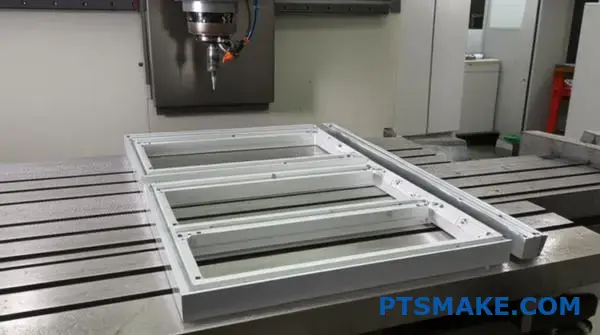
A well-defined process is essential for architectural metal fabrication. It turns a complex task into a series of manageable, quality-controlled steps. Every skylight frame depends on this structured approach for its integrity and final appearance.
The Machining Journey in Detail
Our workflow for CNC in Houston is built on precision. It starts the moment we receive the design files. We use advanced software to prepare the model for the machine.
CAD to CAM Translation
The first step is translating the CAD file into instructions our CNC machines can understand. This is done using specialized Computer-Aided Manufacturing (CAM)9 software. This software generates the precise toolpaths, speeds, and feed rates. It dictates every movement the machine will make.
The Physical Machining Process
Once programmed, the aluminum stock is secured in the machine. The CNC process begins, removing material layer by layer to create the final shape. We often handle components designed for demanding environments, like those near railroads that require enhanced durability.
| Machining Phase | الإجراء | الغرض |
|---|---|---|
| تحضير المواد | قص مخزون الألمنيوم حسب الحجم. | الكفاءة |
| إعداد الماكينة | تحميل الأدوات وتثبيت قطعة العمل. | الدقة |
| تمريرة التجليخ الخشن | إزالة المواد بكميات كبيرة بسرعة. | السرعة |
| تمريرة التشطيب | تحقيق الأبعاد النهائية والتشطيب السطحي. | الدقة |
| إزالة الأزيز | إزالة الحواف الحادة. | السلامة والتشطيب |
الفحوصات النهائية والشحن
بعد التصنيع الآلي، تخضع كل قطعة لضمان جودة صارم. نستخدم أدوات دقيقة للتحقق من كل بُعد مقابل ملف CAD الأصلي. بمجرد الموافقة، يتم تعبئة المكونات بعناية وإعدادها للشحن إلى موقع العميل.
سير عمل منهجي، من ترجمة التصميم الرقمي إلى الفحص النهائي، أمر غير قابل للتفاوض للمكونات المعمارية عالية الجودة. تضمن هذه العملية أن كل إطار سقف زجاجي يلبي المواصفات الدقيقة والمتطلبات الوظيفية قبل الشحن.
لماذا لا يمكن لجميع ورش التصنيع باستخدام الحاسب الآلي التعامل مع الامتثال بدرجة السكك الحديدية
التصنيع لصناعة السكك الحديدية لا يتعلق فقط بتلبية التفاوتات الضيقة. يتعلق الأمر بالتزام عميق وقابل للتحقق بالسلامة والموثوقية.
يمكن للعديد من ورش عمل CNC صنع قطعة حسب المواصفات. ولكن قلة قليلة يمكنها توفير التوثيق الصارم والتحكم في العمليات الذي يتطلبه هذا القطاع. هذا هو المكان الذي يبرز فيه الشريك الحقيقي لآلات CNC ‘المتوافقة مع السكك الحديدية’. إنه مستوى مختلف تمامًا من الانضباط التشغيلي.
| المتطلبات | التصنيع الآلي القياسي | تصنيع بدرجة السكك الحديدية |
|---|---|---|
| التصديق | اختياري / ISO 9001 | إلزامي / خاص بالصناعة |
| التتبع | التتبع الأساسي | سجل المواد والعمليات الكامل |
| الاختبار | فحوصات مراقبة الجودة القياسية | اختبارات غير مدمرة، قياس إحداثيات، شهادات مواد |
| التوثيق | محدودة | واسع النطاق ومطلوب |
يضمن هذا النظام أن كل مكون، من كتل المحركات إلى هياكل نوافذ السكك الحديدية، يمكن المساءلة عنه بالكامل.
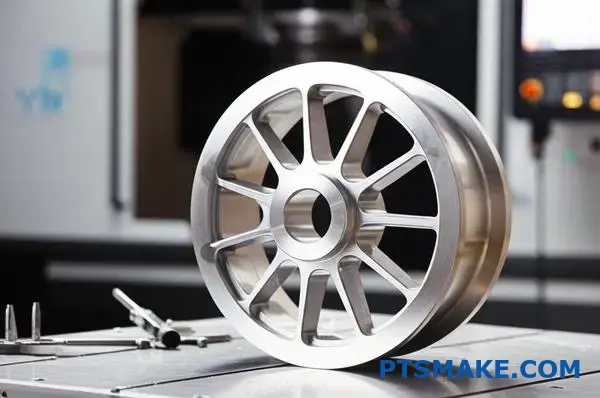
تحقيق الامتثال للسكك الحديدية يتجاوز بكثير الآلة نفسها. إنه نظام بيئي شامل لمراقبة الجودة والتوثيق والتحقق. بدون هذا الإطار، لا يمكن لورشة العمل ببساطة إنتاج أجزاء تلبي معايير السلامة التي لا تقبل المساومة في الصناعة.
الأساس: شهادات خاصة
أولاً، الشهادات هي تذكرة الدخول. في حين أن ISO 9001 بداية رائعة، إلا أنها غالبًا ما تكون مجرد خط الأساس. تتطلب معايير صناعة السكك الحديدية، التي تحكمها أحيانًا هيئات مثل جمعية السكك الحديدية الأمريكية (AAR)، أنظمة إدارة جودة محددة. بالنسبة للعملاء الذين يبحثون عن ‘تصنيع معتمد من ISO في هيوستن’، فإن هذا المستوى التالي من الشهادات هو عامل تمييز رئيسي. إنه يثبت أن ورشة العمل لديها العمليات الراسخة للتعامل مع المشاريع عالية المخاطر.
الخيط الذهبي: إمكانية التتبع المطلقة
إمكانية التتبع غير قابلة للتفاوض. لأي ‘CNC لأجزاء سلامة السكك الحديدية’ حرج، يجب أن نكون قادرين على تتبع دورة حياته بالكامل. يبدأ هذا بشهادة المواد الخام من المطحنة ويتبع الجزء عبر كل عملية تصنيع ومعالجة وفحص فردية. حقيقي إمكانية تتبع دفعات المواد10 يعني أنه إذا نشأت مشكلة بعد سنوات، يمكننا تحديد مصدرها الدقيق.
بروتوكولات الاختبار والتحقق
أخيرًا، الاختبار ليس مجرد فحص نهائي؛ إنه جزء متكامل من العملية.
| طريقة الاختبار | الغرض | التطبيق |
|---|---|---|
| تقارير CMM | Verify dimensional accuracy to the nanometer. | Complex geometries, safety-critical interfaces. |
| الاختبارات غير المدمرة (NDT) | Detect internal flaws without damaging the part. | Welds, castings, high-stress components. |
| تحليل المواد | Confirm chemical composition and properties. | Ensure material meets design specifications. |
Our CNC machining process for Houston-based clients and beyond incorporates these steps not as options, but as standard procedure for railroad projects.
Railroad compliance requires a systematic approach. It combines industry-specific certifications, complete material and process traceability, and rigorous, documented testing. This framework is essential for producing safe, reliable parts that meet the sector’s stringent demands.
ما يحتاج كل مهندس إلى معرفته حول قابلية تشغيل مقاطع المناور
Design is more than just aesthetics. It directly impacts production costs and timelines. This is especially true for skylight profiles.
Your design choices dictate the ease of manufacturing. Optimizing for machinability early saves time and money.
Features That Improve Machinability
Simple, accessible features are always best. Consider generous corner radii to allow for larger, more stable tools. This improves surface finish and reduces cycle times. Standardized hole sizes also streamline the process.
Features That Hinder Machinability
Complex geometries can be challenging. Thin walls risk vibration and warping, while deep, narrow pockets require specialized tooling. These features increase the machinability of skylight parts complexity.
| نوع الميزة | Good for Machinability | Bad for Machinability |
|---|---|---|
| الجدران | Thick, uniform walls | Very thin walls (<1.5mm) |
| الزوايا | أنصاف أقطار داخلية واسعة | Sharp, square corners |
| الجيوب | جيوب ضحلة وواسعة | جيوب عميقة وضيقة |
| التفاوتات المسموح بها | التفاوتات القياسية | Unnecessarily tight tolerances |
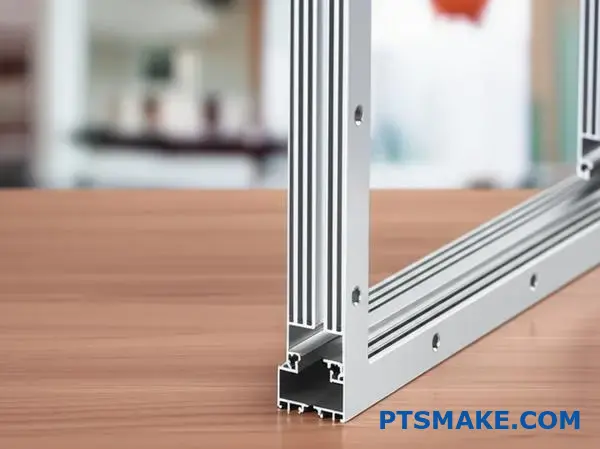
Beyond basic geometry, material choice is key. The specific alloy of CNC aluminum extrusions greatly affects tool life and cutting speeds. For example, 6061 aluminum is a fantastic all-rounder. It offers good machinability and corrosion resistance.
However, a higher-strength alloy like 7075 can be tougher on tools. It requires slower speeds, which increases machine time. This decision has a direct impact on the final part cost.
Advanced Engineer Tips on CNC Profiles
When designing for CNC machining, consider the material’s grain direction. Extruded profiles exhibit تباين الخواص11, meaning properties differ along different axes. Machining across the grain can be more challenging than machining with it. I always advise clients to note this on their drawings. This simple step provides critical information for the machinist.
For projects like large railroads skylights, managing thermal expansion during machining is also vital. A well-designed part with uniform thickness helps dissipate heat evenly. This prevents warping and ensures dimensional accuracy. At PTSMAKE, we provide design feedback to mitigate these risks.
Machining Operation Considerations
Here are some specific engineer tips on CNC profiles to consider.
| العملية | Design Tip to Improve Machinability | التأثير على الإنتاج |
|---|---|---|
| الطحن | Use open pockets instead of closed ones. | Faster material removal, less tool wear. |
| الحفر | Align holes perpendicular to the surface. | Reduces setup complexity and tool breakage. |
| النقر | Design for standard thread sizes. | Lowers tooling costs and improves speed. |
| التشطيب | Specify surface finishes only where needed. | Reduces secondary processing time. |
Thoughtful design is the foundation of efficient manufacturing. By considering features like wall thickness, corner radii, and material choice, engineers can significantly improve the machinability of skylight parts. This leads to lower costs and higher quality.
تأمين تصاميم السكك الحديدية والمناور للمستقبل باستخدام التصنيع باستخدام الحاسب الآلي القابل للتطوير
The only constant in engineering is change. Designs must evolve. This is where scalable CNC machining becomes a critical asset for future-proofing.
It allows for rapid adaptation. Whether it’s a material upgrade or a design tweak, the process can adjust. This ensures long-term viability.
Adapting to Tomorrow’s Demands
Scalable CNC machining isn’t just about today’s parts. It’s about preparing for tomorrow’s challenges. It provides the flexibility to upgrade components without a complete overhaul. This is key for infrastructure like railroads.
| الميزة | التصنيع التقليدي | Scalable CNC Machining |
|---|---|---|
| Upgrade Path | Costly re-tooling | Simple software update |
| Material Changes | صعب | Highly adaptable |
| المهلة الزمنية | طويل | قصير |
This adaptability ensures that designs remain relevant and functional for years.
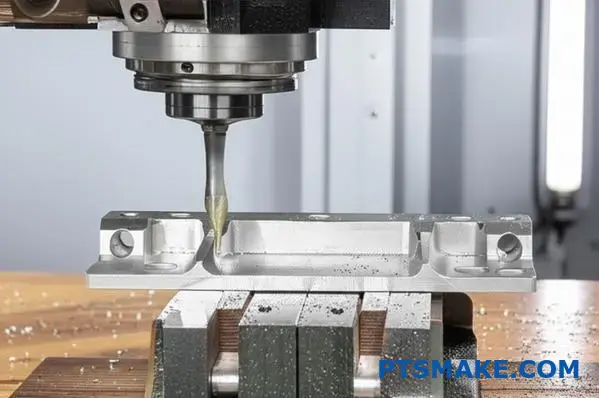
Future upgrades are inevitable. New materials emerge, and performance standards increase. Scalable CNC machining is designed to handle this evolution. It allows us to modify digital files and quickly produce updated components.
Embracing New Materials
Consider next-gen railroad parts. As stronger, lighter composites become available, CNC programs can be adjusted. We can machine these new materials with the same precision. No need for entirely new tooling or machinery. This capability is vital for industries focused on longevity and safety. Our work with clients on projects shows this trend.
Integrating Smart Technologies
The next frontier is IoT integration. Adaptive skylight systems, for instance, can incorporate sensors. These systems adjust to weather in real-time. CNC machining makes it possible to create custom housings and mounts for this new electronic hardware.
| التكنولوجيا | CNC Machining Role | مثال على التطبيق |
|---|---|---|
| السبائك المتقدمة | Precise machining of tough materials | High-strength railroad fasteners |
| المركبات | Custom shaping and finishing | Lightweight skylight frames |
| مستشعرات إنترنت الأشياء | Integrated, precise housings | Smart, adaptive skylight systems |
This process allows for seamless integration of smart tech. It bridges the gap between mechanical design and digital functionality. A التوأم الرقمي12 can simulate performance before a single part is made. This saves immense time and resources, particularly for complex systems like railroads and skylights.
Scalable CNC machining provides the agility to adapt designs for future upgrades, new materials, and smart technology integration. It ensures that components for railroads and skylights remain functional and relevant, accommodating advancements without costly overhauls.
عزز نجاح السكك الحديدية والمناورات مع دقة PTSMAKE
Ready to minimize downtime and maximize quality for your railroad or skylight CNC machining projects in Houston? Contact PTSMAKE now for a fast, reliable quote. Experience unmatched precision, repeatable quality, and B2B support from prototype to production—engineered for your industry challenges!

Learn how locating in industrial clusters can reduce costs and boost innovation for your manufacturing projects. ↩
Learn how repeated stress causes microscopic cracks that lead to component failure. ↩
Learn how localized corrosion can create small holes in the metal, compromising skylight integrity. ↩
Learn how this metallurgical process can impact both the final part’s strength and the machining strategy. ↩
Click to understand this foundational concept for precise part inspection and manufacturing alignment. ↩
Explore our detailed guide on DFM to optimize your designs and reduce manufacturing costs. ↩
Learn how this powerful simulation tool predicts how a part reacts to real-world forces. ↩
تعرف على العناصر الـ 18 المطلوبة لتقديم PPAP ولماذا يهم كل منها لمشروعك. ↩
اكتشف كيف يعد برنامج CAM ضروريًا لترجمة التصميمات الرقمية إلى مكونات مادية دقيقة. ↩
تعرف على كيف توفر إمكانية التتبع الشامل شبكة أمان للمكونات الهامة. ↩
تعرف على كيف يؤثر اتجاه خصائص المواد على دقة التشغيل والسلامة الهيكلية. ↩
تعرف على كيف تحدث التوائم الرقمية ثورة في التصنيع من التصميم إلى الصيانة. ↩