
You spend weeks perfecting your component design, only to discover your material choice can’t handle the flex cycles your application demands. Your procurement timeline gets derailed when the "premium" stainless steel parts arrive with stress fractures after just a few hundred cycles.
301 stainless steel is an austenitic chromium-nickel alloy that offers superior work hardening characteristics and spring properties compared to 304 stainless, making it ideal for applications requiring high strength, flexibility, and excellent fatigue resistance in components like springs, clips, and EMI shields.
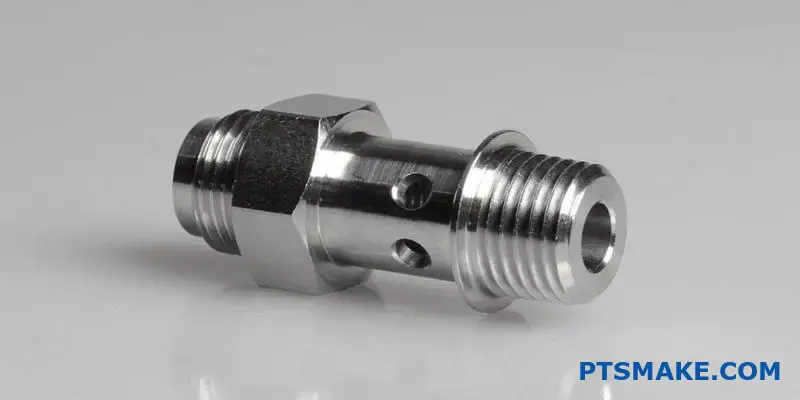
This guide walks you through real-world applications where 301 stainless excels, from robotics to medical devices. You’ll learn the specific machining considerations, design limitations, and performance comparisons that help you make confident material decisions for your next project.
Top CNC Machining Challenges With 301 Stainless—And How To Avoid Them
301 stainless steel is valued for its high strength and corrosion resistance. However, these properties make it challenging to machine.
The primary CNC machining 301 issues include rapid work hardening, excessive tool wear, and poor thermal conductivity. These factors can quickly derail a project if not managed correctly.
Knowing how to machine 301 stainless properly is key. It requires a specific strategy, unlike more common alloys. Let’s break down the main obstacles you’ll face.
Key Machining Hurdles
| Challenge | Primary Effect | Solution Focus |
|---|---|---|
| Work Hardening | Material surface becomes harder during cutting | Consistent, aggressive feed rates |
| High Tool Wear | Abrasive nature of 301 wears tools quickly | Tough, coated carbide tooling |
| Heat Buildup | Poor thermal dissipation damages tool & part | High-pressure coolant & optimized speeds |
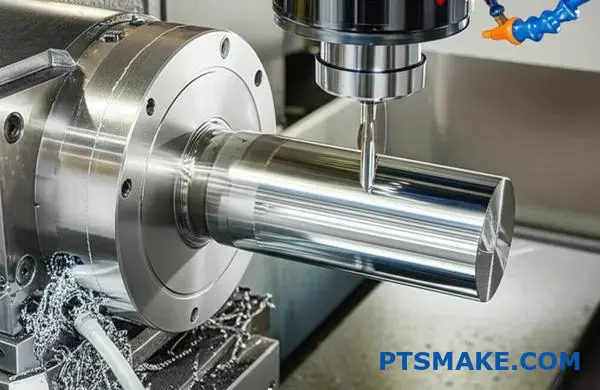
Successfully machining 301 stainless steel hinges on controlling a few key variables. This material is notorious for its rapid work hardening1, which means the surface becomes significantly harder as you cut it. You cannot hesitate or allow the tool to dwell.
Effective Machining Strategies
The solution is to maintain a constant, aggressive feed rate. This ensures the cutting edge is always engaging with un-hardened material beneath the surface layer. Slowing down might seem safer, but it actually worsens the problem.
Tooling and Parameters
Selecting the right tooling for hard stainless steels is non-negotiable. I recommend using sharp, positive rake carbide inserts, preferably with a tough coating like TiAlN. This helps reduce friction and resist the high temperatures generated.
Based on our tests with clients, managing heat is paramount. 301 stainless steel traps heat at the cutting zone, leading to tool failure and dimensional inaccuracies.
Use high-pressure coolant to flood the cutting area. This not only cools the tool and workpiece but also helps with chip evacuation. Proper chip control prevents recutting, which can cause further work hardening.
Here are some starting parameters we often use at PTSMAKE:
| Parameter | Recommendation | Rationale |
|---|---|---|
| Cutting Speed | Low to moderate (e.g., 100-250 SFM) | Reduces heat generation and built-up edge. |
| Feed Rate | High and constant | Stays ahead of the work-hardened layer. |
| Depth of Cut | Sufficient to get under the hardened zone | Avoids rubbing on the hardened surface. |
| Tooling | Coated carbide, positive rake | Resists heat, reduces cutting forces. |
Machining 301 stainless steel is challenging due to work hardening and heat buildup. Success requires the right strategy: using robust tooling, maintaining aggressive feeds, and employing effective cooling to manage temperatures and ensure precision.
301 Stainless Steel In Robotics: The Secret To Reliable Flexibility
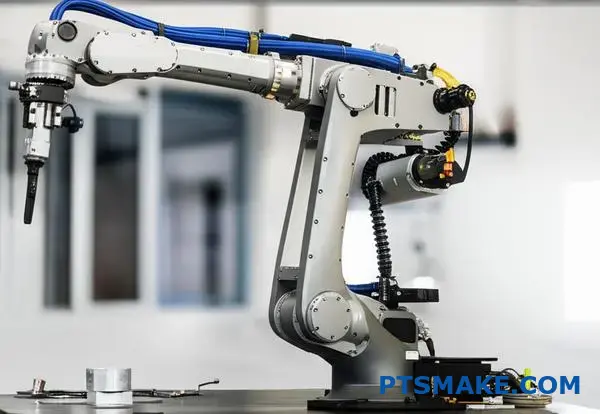
When we talk about 301 stainless in robotics, we’re discussing its core advantage: controlled flexibility. It’s not just about strength. It’s about a material that can bend and return to its shape, time and time again.
This unique spring-like quality makes it an ideal choice for critical moving parts.
Real-World Applications
We often see it in components that endure constant stress. Think about parts that need to flex, absorb impact, or act as springs. Its reliability is key.
Here are some common applications we’ve handled at PTSMAKE.
| Robotic Component | Key 301 SS Property Utilized |
|---|---|
| Flexure Joints | High Elasticity & Fatigue Life |
| Gripper Springs | Excellent Spring-Back |
| Protective Housings | High Strength-to-Weight Ratio |
| Electrical Contacts | Formability & Durability |
This material is a go-to for parts that make robots move reliably.
Why 301 SS Excels in Dynamic Components
So, what makes 301 stainless steel a superior flex part material? The secret is in its austenitic microstructure. This structure allows it to be strong yet highly formable. It can be cold-worked to achieve different levels of hardness and tensile strength.
This is a significant advantage over many other materials. For example, some high-carbon steels might offer similar spring properties but lack the inherent corrosion resistance of 301. This means parts last longer without needing protective coatings, simplifying design and reducing long-term maintenance.
This process is aided by its capacity for work hardening2. As the material is shaped and formed, it actually gains strength in the areas of highest stress. This makes the final component incredibly resilient. For a robotic arm stainless steel part that must flex thousands of times, this property is not just a benefit; it’s a necessity.
Here’s a quick comparison based on our test results:
| Feature | 301 Stainless Steel (1/2 Hard) | 1075 Spring Steel |
|---|---|---|
| Corrosion Resistance | Excellent | Poor (Requires Coating) |
| Fatigue Resistance | High | Good |
| Manufacturing Cost | Moderate | Low |
| Design Versatility | High | Moderate |
For applications where failure is not an option, the balance of properties offered by 301 is often the winning choice.
In essence, 301 stainless steel’s spring-like nature provides the durability and flexibility essential for dynamic robotic parts. It ensures components like joints, grippers, and flexures perform reliably over millions of cycles, which is critical for automation.
The Ultimate Durability Guide For 301 Stainless In Harsh Environments
When selecting a material, you need to know its limits. The 301 stainless steel grade is known for its strength and formability. But its performance in harsh conditions is what truly matters.
Let’s break down its real-world durability. We will examine its resistance to corrosion, heat, and repeated stress. Understanding these points is crucial for successful part design.
Below is a quick overview of its performance.
| Environment | 301 Stainless Steel Performance |
|---|---|
| General Atmosphere | Excellent |
| Mild Chemicals | Good |
| Marine/Chloride | Moderate (Prone to pitting) |
| High Temperature | Good up to 840°C (intermittent) |
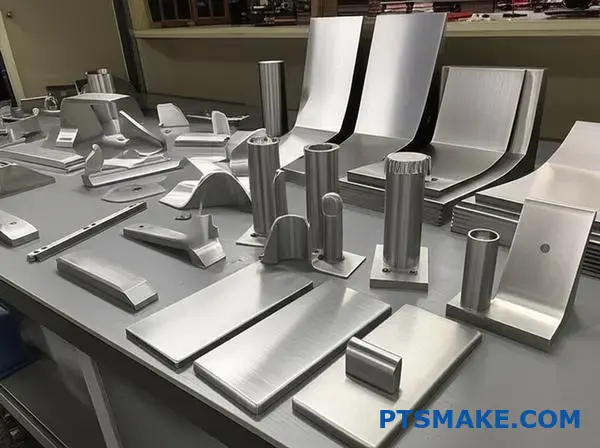
When we look at 301 stainless steel, we must consider its specific strengths and weaknesses. It’s not a one-size-fits-all solution, especially in demanding applications. My team at PTSMAKE often advises clients on these trade-offs.
Fatigue Life and Performance Under Stress
One of 301’s standout features is its excellent fatigue life. Due to its ability to be significantly strengthened through cold working, it can withstand high-stress, cyclical loads very well. This makes it a great choice for components like springs, fasteners, and structural parts. The inherent toughness of 301 ensures reliability over many cycles.
Corrosion Resistance Profile
The general 301 stainless corrosion resistance is good in a wide range of atmospheric and mildly corrosive environments. It holds up well against everyday exposure.
However, it struggles in environments rich with chlorides, like coastal or marine settings. It lacks the molybdenum content found in marine-grade alloys like 316. This makes it susceptible to localized issues such as pitting corrosion3.
Heat Resistance and Temperature Limits
The heat resistance of 301 steel is also quite robust. In our tests, it shows good oxidation resistance in intermittent service up to 840°C (1544°F) and in continuous service up to 900°C (1652°F).
| Feature Comparison | Type 301 Stainless Steel | Type 316 (Marine Grade) |
|---|---|---|
| Primary Advantage | High Strength & Formability | Superior Corrosion Resistance |
| Chloride Resistance | Moderate | Excellent |
| Typical Use Cases | Structural parts, springs, clips | Marine hardware, chemical processing |
301 stainless steel provides excellent strength and good heat resistance. However, for applications in chloride-heavy environments, such as marine settings, choosing an alloy like 316 is necessary to avoid specific types of corrosive failure.
What Design Engineers Must Know Before Specifying 301 Stainless
When working with 301 stainless steel, design specifications are critical. This material isn’t like standard carbon steel. Its high strength and work-hardening rate demand careful thought.
Engineers must account for these properties early on. This avoids costly manufacturing issues later. Key areas include tolerances, bending, and welding. Proper planning is essential for success.
Key Design Tips for Stainless
| Consideration | Recommendation |
|---|---|
| Tolerances | Allow for more variation due to springback. |
| Bending | Use a larger bend radius than for mild steel. |
| Hardening | Factor in strength increases after forming. |
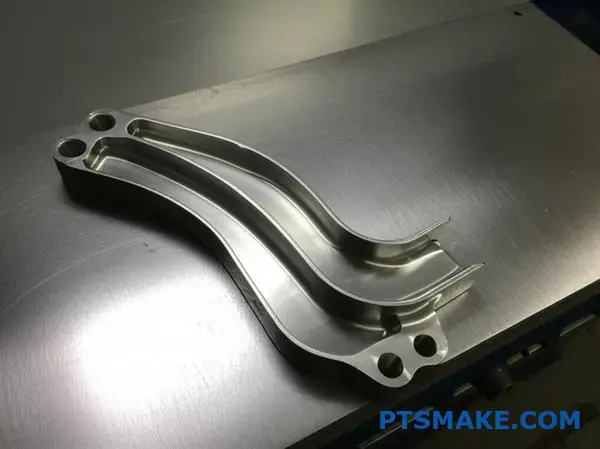
Successfully designing with 301 stainless steel requires a deep understanding of its behavior during fabrication. The unique properties of this alloy present both opportunities and challenges.
Bending and Forming 301 Stainless Steel
Minimum Bend Radius
One of the most common issues I see is an overly aggressive bend radius. Bending 301 steel requires more generosity than milder materials. Its high strength and rapid work hardening can lead to cracking if the radius is too tight. A good starting point is a radius of at least twice the material thickness, but this can vary with the temper.
| Temper | Recommended Minimum Bend Radius (90° Bend) |
|---|---|
| Annealed | 1 x Thickness |
| 1/4 Hard | 1.5 x Thickness |
| 1/2 Hard | 2.5 x Thickness |
| Full Hard | 5 x Thickness |
Hardening Effects
Every bend or draw increases the material’s hardness. This is due to the strain-induced Martensitic transformation4 within its microstructure. This is a key benefit for strength but complicates multi-stage forming operations. At PTSMAKE, we model this effect to predict the final part properties accurately.
Weldability Considerations
301 stainless is weldable by most standard methods. However, the heat-affected zone can be susceptible to carbide precipitation. This may reduce its corrosion resistance. For applications requiring maximum corrosion protection at the weld, consider using 301L or a post-weld annealing treatment.
Designing with 301 stainless steel demands attention to its unique characteristics. Proper consideration of bend radii, work hardening, and welding procedures is crucial. These factors directly impact manufacturability and the final performance of the part.
301 Stainless Vs 304: The Ultimate Performance Comparison
Choosing the right material is critical. Let’s break down the key differences in this direct 301 vs 304 comparison. These two grades look similar but perform very differently under stress.
Understanding these specs helps you avoid costly mistakes. This guide simplifies the technical data. We will compare their core properties side-by-side.
Hardness and Strength
301 stainless steel is known for its high strength. It hardens rapidly during cold working. This makes it ideal for springs and structural parts. 304 is softer and less strong.
Corrosion Resistance
Grade 304 has more chromium and nickel. This gives it superior corrosion resistance. It’s a better choice for environments with corrosive elements, like chemical processing or marine applications.
Flexibility and Formability
304 is more ductile and formable. Its lower work hardening rate makes it easier to draw, bend, and shape without cracking. 301 is less forgiving in deep drawing processes.
Cost Considerations
Generally, 301 stainless steel is slightly less expensive. The lower nickel content contributes to its lower price point. However, market fluctuations can affect this difference.
Here is a quick overview table:
| Property | 301 Stainless Steel | 304 Stainless Steel |
|---|---|---|
| Hardness | Higher | Lower |
| Corrosion Resistance | Good | Excellent |
| Flexibility | Moderate | High |
| Cost | Lower | Higher |
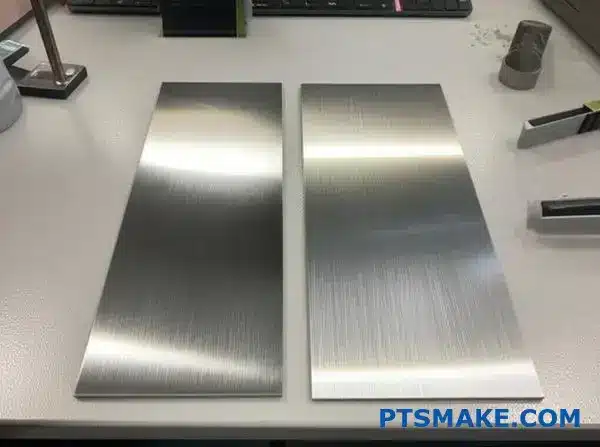
Let’s dig deeper into the numbers. The real difference between 301 and 304 stainless comes from their chemical composition, which dictates mechanical behavior. 301 has higher carbon and lower nickel content.
This composition is why 301 work-hardens so effectively. When we machine it at PTSMAKE, we have to account for increased tool wear compared to 304. This is a crucial factor for production costs. The 304 vs 301 strength debate is settled by looking at tensile strength.
Our internal tests show 301 can achieve much higher tensile strengths after cold rolling. This makes it a great, cost-effective choice for high-strength applications where corrosion is not the primary concern.
Conversely, 304’s composition provides a more stable austenitic structure5. This stability is key to its excellent formability and resistance to corrosion, especially in welded conditions. It is the go-to for food processing equipment and architectural trim.
Here’s a more detailed mechanical properties comparison based on our findings with clients.
| Mechanical Property | 301 Stainless Steel (Annealed) | 304 Stainless Steel (Annealed) |
|---|---|---|
| Tensile Strength | ~760 MPa (110 ksi) | ~620 MPa (90 ksi) |
| Yield Strength | ~310 MPa (45 ksi) | ~240 MPa (35 ksi) |
| Elongation at Break | ~55% | ~60% |
| Hardness (Rockwell) | ~B85 | ~B78 |
This side-by-side comparison clearly shows that 301 stainless steel offers superior strength and hardness, often at a lower initial cost. In contrast, 304 provides better corrosion resistance and formability, making it more versatile for specific, demanding environments.
What Certifications To Demand When Buying 301 Stainless Components
When you source 301 stainless steel components, certifications are not optional. They are your proof of quality. They ensure that what you ordered is exactly what you get.
Without them, you risk component failure and compliance issues. At PTSMAKE, we treat documentation as seriously as manufacturing. It’s part of the product.
Core Quality and Material Certs
You need to verify both the management system and the material itself. This dual approach ensures comprehensive quality control. It builds a foundation of trust.
This table shows the essential documents I always check for certified stainless materials.
| Certification Type | Purpose | Why It’s Critical |
|---|---|---|
| ISO 9001 | Quality Management System | Confirms a reliable process |
| CoC | Certificate of Conformance | Supplier’s guarantee of spec |
| Material Certs | Chemical/Physical Properties | Verifies the alloy is 301 |
Ensuring 301 stainless compliance starts with these basics.
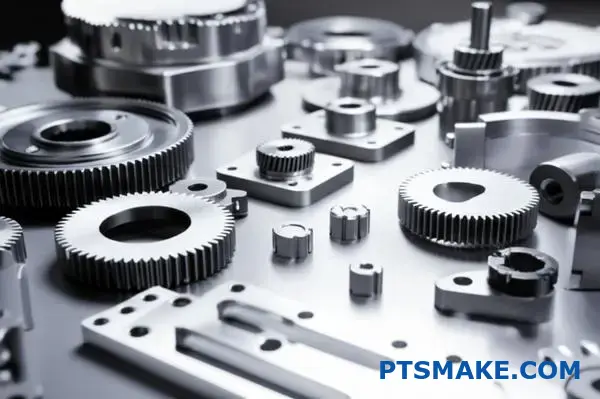
Navigating the world of certifications can feel complex. But each document serves a specific, crucial purpose. It’s about creating a paper trail that guarantees quality from raw material to the final part on your assembly line. Let’s break down the most important ones.
Quality System Certifications
An ISO 9001 certificate is the baseline. It shows the supplier has a documented and audited quality management system. This reduces your risk significantly. For medical or food-grade applications, you might also need FDA compliance documentation.
Material and Process Documentation
This is where we get into the specifics of your 301 stainless steel parts.
Key Compliance Documents
A Certificate of Conformance (CoC) is a formal declaration from us that the parts meet your specifications. For material integrity, RoHS and REACH compliance are vital, especially for products sold in Europe. They restrict hazardous substances.
For industries like automotive, we often provide a PPAP (Production Part Approval Process)6 package. This is a comprehensive set of documents proving that our production process can consistently produce parts meeting your requirements.
| Document | Industry Focus | Key Information Provided |
|---|---|---|
| PPAP | Automotive, Aerospace | Process capability, FMEA, control plans |
| RoHS/REACH | Electronics, Consumer Goods | Absence of hazardous materials |
| FDA | Medical, Food & Beverage | Material safety for human contact |
Full traceability is the ultimate goal. We ensure complete traceability 301 steel records, from the original mill certificate for the raw material to the final inspection report for your finished component. This protects your supply chain.
Requesting these certifications isn’t being difficult; it’s being diligent. Proper documentation for certified stainless materials like 301 stainless steel verifies quality, ensures compliance, and provides complete traceability, protecting your project from costly risks.
The Ultimate Guide To Surface Finishing For 301 Stainless Parts
Choosing the right finish for 301 stainless steel parts is crucial. It impacts more than just looks. It affects corrosion resistance, hygiene, and overall performance.
We need to consider the final application of the part carefully. A decorative piece has different needs than a medical instrument.
Common Finishing Options
The most common surface treatments for 301 stainless steel offer distinct benefits. Each method alters the surface in a unique way.
Comparing Key Finishes
Here’s a quick comparison of popular 301 stainless steel finishes. This helps in making an initial selection based on primary requirements.
| Finishing Method | Primary Benefit | Best For |
|---|---|---|
| Bead Blasting | Uniform Matte Finish | Aesthetics, Non-reflective surfaces |
| Passivation | Corrosion Resistance | Industrial, Marine environments |
| Electropolishing | Ultra-smooth, Hygienic | Medical, Food-grade parts |
| Coatings (e.g., PVD) | Wear Resistance, Color | High-wear parts, Branding |
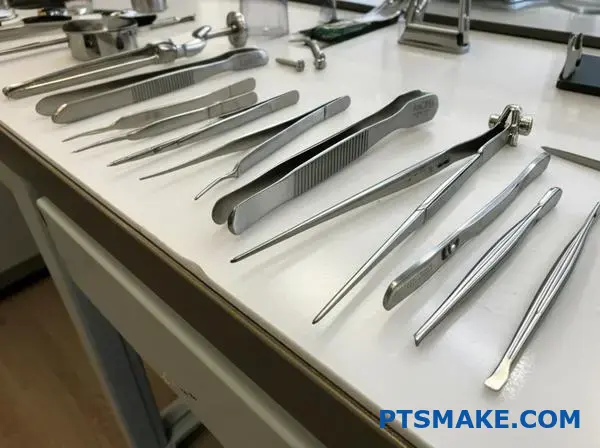
Selecting a surface treatment involves balancing cost, performance, and aesthetics. While bead blasting offers a cost-effective, uniform matte look, it can slightly compromise corrosion resistance by embedding media into the surface. This is why we often recommend a subsequent passivation step.
Deeper Dive into Treatments
Passivating 301 steel is a chemical process. It removes free iron from the surface and helps form a passive chromium oxide layer. This significantly boosts the material’s natural corrosion resistance without changing its appearance. It’s a standard process for many industrial applications we handle at PTSMAKE.
Electropolishing vs. Passivation
Electropolishing goes a step further. It removes a microscopic layer of material, resulting in a remarkably smooth, clean, and bright surface. This process enhances the chromium-to-iron ratio7 even more effectively than standard passivation. It is the top choice for parts requiring maximum hygiene and cleanability.
Coatings for Enhanced Properties
Coatings like PVD (Physical Vapor Deposition) or powder coating add a functional or decorative layer. They can improve hardness, reduce friction, or provide color. However, coatings can chip or wear, so they aren’t ideal for every application.
| Treatment | Relative Cost | Corrosion Resistance | Aesthetic Impact |
|---|---|---|---|
| Bead Blasting | Low | Good | Matte, Uniform |
| Passivation | Low-Medium | Excellent | No Change |
| Electropolishing | Medium-High | Superior | Bright, Smooth |
| PVD Coating | High | Varies | Color, High-tech look |
Selecting the right finish for 301 stainless steel requires balancing aesthetics, performance, and budget. From bead blasting for looks to electropolishing for ultimate hygiene and corrosion resistance, the choice depends entirely on the part’s end-use and environment.
Why 301 Stainless Is Often The Best Choice For EMI Shield Components
When selecting a material for EMI shielding, performance is everything. The material must do more than just block interference. It needs specific electrical and mechanical properties.
301 stainless steel excels in three key areas. These make it a superior choice for many demanding applications.
Electrical Conductivity
301 stainless offers good electrical conductivity. This allows it to effectively ground and dissipate electromagnetic energy. It ensures reliable performance for sensitive electronics.
Magnetic Shielding
Its magnetic properties are crucial. They provide effective shielding against low-frequency magnetic fields. This is an area where many other materials fall short.
Fold Fatigue Resistance
The mechanical strength of 301 is outstanding. Its resistance to metal fatigue means components maintain their integrity even after repeated stress or bending.
| Property | 301 Stainless Steel | Aluminum | Copper |
|---|---|---|---|
| Conductivity | Good | Excellent | Superior |
| Magnetic Shielding | Very Good | Poor | Poor |
| Fatigue Resistance | Excellent | Fair | Poor |
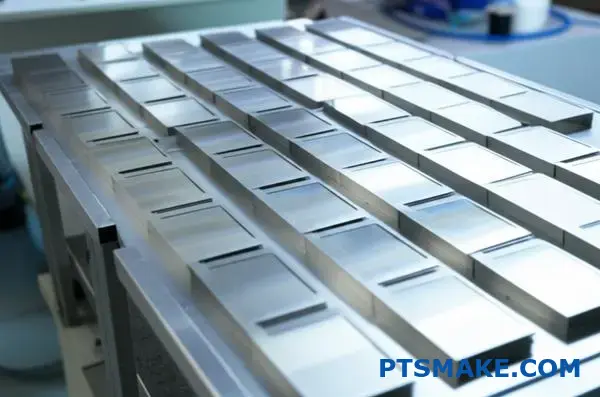
Let’s explore why these three characteristics make 301 stainless steel so effective for EMI shielding components. While materials like copper offer higher conductivity, they lack the specific combination of properties that makes 301 so versatile.
Understanding the Properties in Depth
Electrical Performance
The primary function of an EMI shield is to create a Faraday cage. 301 stainless steel’s conductivity is more than sufficient for this. It effectively reflects and absorbs electromagnetic radiation, protecting the device within. Its resistance also helps dissipate some energy as heat.
The Role of Magnetic Properties
For low-frequency interference, magnetic shielding is critical. 301 stainless steel, especially after cold working, exhibits increased magnetic permeability8. This allows it to absorb and redirect magnetic field lines away from sensitive circuits. This dual-action capability makes ‘EMI shielding stainless steel’ highly effective across a broad frequency range.
Unmatched Mechanical Durability
Components like gaskets or spring contacts undergo constant compression and release. This is where ‘301 spring steel for EMI’ truly shines. Its high tensile strength and excellent fatigue resistance ensure the ‘metal EMI components’ maintain a reliable electrical connection and shielding seal over thousands of cycles without failure.
| Temper | Tensile Strength (MPa) | Hardness (Rockwell) | Formability |
|---|---|---|---|
| 1/4 Hard | 860 | C25 | Excellent |
| 1/2 Hard | 1035 | C32 | Good |
| Full Hard | 1275 | C41 | Limited |
301 stainless steel provides a balanced profile of electrical conductivity, magnetic shielding, and exceptional mechanical strength. This combination ensures reliable, long-lasting EMI protection, making it a preferred material for high-performance shielding components in demanding environments.
When You Should Avoid 301 Stainless—And What To Use Instead
301 stainless steel is a fantastic material for its strength and formability. But it’s not a universal solution. Knowing its limits is crucial to avoid costly failures. It’s about choosing the right tool for the job.
There are specific situations where I strongly advise against using 301 steel. Making the wrong choice here can compromise your entire project.
High-Corrosion Environments
The primary limitation of 301 stainless steel is its corrosion resistance. It struggles in marine or chemical settings. Saltwater, chlorides, and harsh acids will quickly cause rust and degradation.
Heavy Structural Loads
While strong, 301’s work-hardening properties might not be ideal for certain heavy-duty structural parts. Thicker sections may not achieve uniform strength. This is a key reason when not to use 301 steel.
| Application Condition | 301 Suitability | Reason |
|---|---|---|
| Saltwater Exposure | Low | Low chromium and no molybdenum |
| Chemical Processing | Low | Susceptible to acid attack |
| Heavy Beams | Medium | Strength varies with cold work |
| Architectural Trim | High | Good atmospheric corrosion resistance |
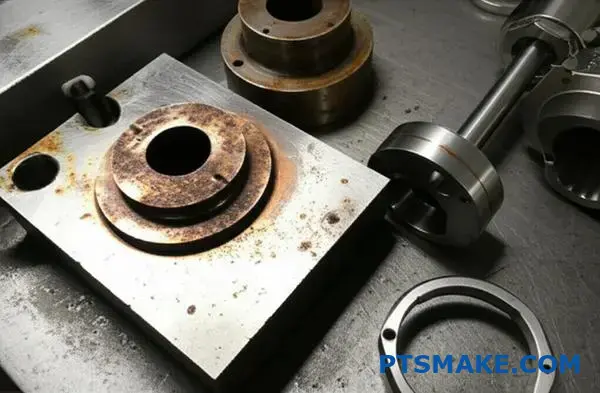
So, when 301 stainless steel isn’t the right fit, what should you use? The answer depends entirely on the specific application’s demands. It’s a discussion we have frequently with clients at PTSMAKE to ensure longevity and performance.
Smarter Alternatives: 316 and Duplex Steel
For superior corrosion resistance, my go-to recommendation is often 316 stainless steel.
301 vs 316 Corrosion Resistance
The key difference is molybdenum. 316 contains this element, which significantly enhances its ability to resist chlorides. This makes it ideal for marine hardware, medical devices, and chemical processing equipment. It protects against pitting corrosion9, a common failure mode in 301.
For applications requiring both high strength and excellent corrosion resistance, Duplex stainless steels are a superior choice. They offer about twice the strength of standard austenitic grades like 301 or 316.
Our internal tests show Duplex grades perform exceptionally well in high-stress, corrosive environments like offshore platforms or desalination plants. While the material cost is higher, it often saves money long-term by preventing replacements.
| Grade | Corrosion Resistance | Strength | Best For |
|---|---|---|---|
| 301 | Fair | High (when work-hardened) | Springs, fasteners, automotive trim |
| 316 | Excellent | Good | Marine, medical, chemical apps |
| Duplex | Superior | Very High | High-stress, corrosive environments |
While 301 stainless steel is useful for high-strength, formed parts, it has clear limitations. For high-corrosion or heavy-load scenarios, grades like 316 or Duplex steel are essential for ensuring product reliability and avoiding premature failure. Material selection is key.
How 301 Stainless Performs Under Dynamic Load Conditions
When we talk about stainless under motion stress, 301 stainless steel is a top performer. Its high work-hardening rate gives it excellent properties for dynamic applications.
This isn’t just about raw strength. It’s about how the material behaves cycle after cycle. We will explore its key dynamic characteristics. This includes spring-back, energy absorption, and fatigue life.
Dynamic Loading Characteristics
Dynamic loading 301 steel reveals its true value. Its ability to flex and return to shape is exceptional.
| Property | Annealed | Full Hard |
|---|---|---|
| Yield Strength | ~40 ksi | ~140 ksi |
| Elasticity | High | Moderate |
| Formability | Excellent | Limited |
This makes it ideal for parts like springs and diaphragms.
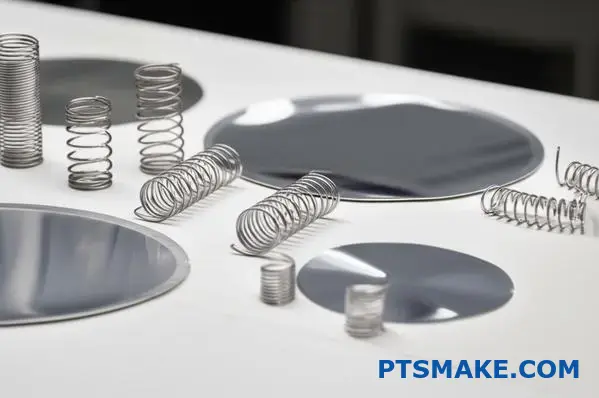
When a component must endure repeated stress, its material properties are critical. For dynamic loading 301 steel, its performance is defined by more than just its tensile strength. We need to look at its behavior over thousands, or even millions, of cycles.
Fatigue Strength and Cycling
The fatigue strength of 301 stainless is impressive. After cold working, its endurance limit increases significantly. This means it can withstand more stress cycles before failure. We’ve seen this firsthand when selecting materials for high-frequency components for our clients.
During raw tensile cycling, 301 stainless demonstrates remarkable energy absorption. The material’s ability to dissipate energy helps prevent catastrophic failure under sudden impacts. This is due to its austenitic structure, which hardens under strain.
Spring-Back and Material Memory
A key factor is spring-back. After being formed, 301 has a strong tendency to return to its original shape. While challenging for manufacturing, this property is exactly what’s needed for spring applications. We have to precisely calculate this effect at PTSMAKE to achieve tight tolerances.
The material’s performance under motion stress is a balance between strength and ductility. Higher tempers offer better fatigue resistance but reduced formability. The choice depends entirely on the part’s function and expected service life. Understanding the endurance limit10 is non-negotiable for reliable design.
301 stainless steel is a superior choice for dynamic load conditions. Its high fatigue strength, energy absorption, and predictable spring-back make it reliable for components under constant motion stress. Proper temper selection is key to unlocking its full potential.
Why Engineers Choose 301 Stainless For High Cyclic Applications
When designing parts for high-cycle use, material choice is critical. These components must endure repeated stress without failure. I’ve found that 301 stainless steel consistently meets this challenge. It is a top performer for parts that move, flex, or compress thousands of times.
Springs and Flexures: Built to Bend
Springs and flexures need elasticity and strength. Grade 301 stainless steel provides both. Its ability to return to its original shape after stress makes it ideal for these demanding roles.
Seals Demanding Durability
Metal seals must maintain integrity over countless cycles. The durability of 301 ensures a reliable seal, preventing leaks in critical systems. This is a key reason for its widespread 301 stainless cyclic use.
| Feature | 301 Stainless Steel | 1075 Spring Steel |
|---|---|---|
| Corrosion Resistance | Excellent | Poor (Requires Coating) |
| Strength after Forming | Very High | High |
| Fatigue Life | Excellent | Good |
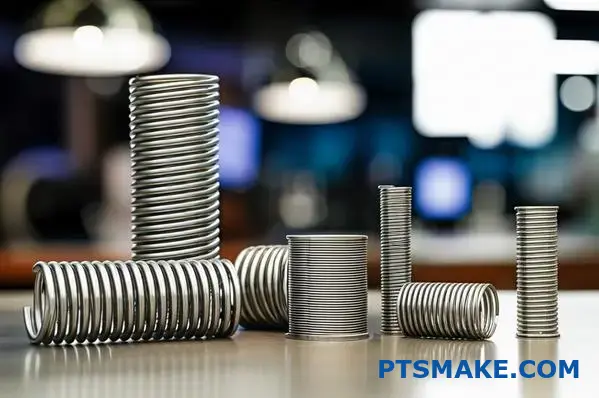
The Secret to 301’s Endurance
The impressive performance of 301 stainless steel comes from its unique properties. It is an austenitic steel that rapidly gains strength through cold working. This process fundamentally changes its microstructure.
This change is known as strain hardening11. It significantly increases the material’s tensile strength and hardness. This gives it the resilience needed to withstand high cyclic loading without cracking. The result is exceptional fatigue resistance.
Importance of Material Verification
Predicting performance is not enough. Fatigue testing 301 steel is a crucial step in our process at PTSMAKE. We verify that the material meets the exact specifications for high cycle metal parts. This ensures the final component performs flawlessly in the field.
After working with our clients, we’ve found this verification step eliminates potential field failures. It builds confidence in the final product’s long-term reliability.
| Application | Key Benefit of Using 301 Stainless Steel |
|---|---|
| Coil Springs | High tensile strength for strong, compact designs. |
| Flat Flexures | Excellent elasticity and resistance to stress cracking. |
| Metal Bellows | Durability for millions of compression/expansion cycles. |
| Diaphragm Seals | Maintains sealing force without permanent deformation. |
301 stainless steel is a premier choice for high-cycle applications. Its work-hardening properties provide unmatched fatigue resistance for springs, flexures, and seals. This ensures reliability for components that must perform consistently over thousands of cycles without failure.
How 301 Stainless Behaves In Cryogenic Or Extreme Cold Environments
When designing components for extreme cold, material choice is critical. Many metals become brittle and fail.
But 301 stainless steel is different. Its behavior changes significantly at cryogenic temperatures, often for the better.
Understanding these changes is key. It ensures reliability for any application, from aerospace to scientific equipment. We’ll explore how its properties shift.
Mechanical Property Changes
At PTSMAKE, our tests show a dramatic increase in strength. The material becomes much harder in the cold.
| Property | Room Temperature (Approx.) | Cryogenic Temperature (-196°C) (Approx.) |
|---|---|---|
| Tensile Strength | 760 MPa | 1380 MPa |
| Yield Strength | 310 MPa | 550 MPa |
| Elongation | 55% | 30% |
This increased strength makes cryogenic 301 stainless a strong candidate for demanding low temperature steel parts.
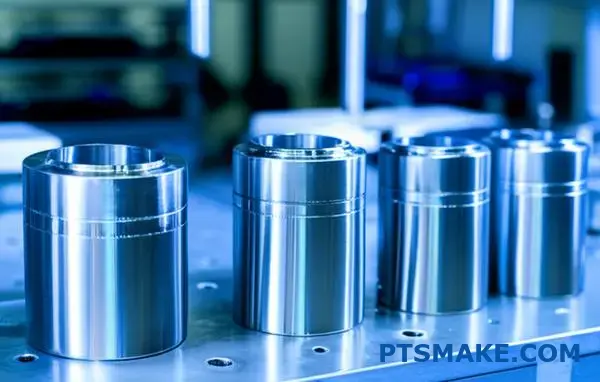
The Transformation Under Cold
The secret to the cold resistance 301 possesses lies in its microstructure. At room temperature, 301 is primarily austenitic. This structure provides good ductility and formability.
As the temperature drops, a fascinating change occurs. A portion of the austenite transforms into martensite. This is known as the Austenitic-to-Martensitic Transformation12. This new structure is much harder and stronger.
Material Cracking and Toughness
However, this strength gain comes at a cost. The material loses some of its ductility. This means it becomes more brittle and less forgiving. The risk of cracking under stress increases.
Shock resistance, or toughness, also decreases. While 301 stainless steel remains tougher than many carbon steels at low temperatures, it’s a critical design factor. Sudden impacts can cause fractures where they wouldn’t at room temperature.
We always advise clients to consider stress concentrators. Sharp corners or notches are potential failure points for parts operating in these conditions. Careful design and manufacturing are essential to mitigate these risks. Our team at PTSMAKE focuses on creating smooth geometries for such applications.
301 stainless steel gets significantly stronger but less ductile in cryogenic environments. This transformation requires careful engineering to prevent material cracking and manage reduced shock resistance, making it suitable for specialized low-temperature applications when designed correctly.
How Aerospace Engineers Utilize The Flex Strength Of 301 Stainless
In aerospace, materials must perform under extreme stress. The flex strength of 301 stainless steel makes it a top choice. It can bend and return to its original shape.
This resilience is crucial. We see it used for parts that need a spring-like quality. These components must endure vibration and repeated loads without failing.
The Role of High Yield Strength
301 stainless steel offers an excellent combination of strength and ductility. Its properties are enhanced through cold working. This makes it ideal for forming complex shapes that remain strong.
Property Comparison: 301 vs. 304 Stainless
| Property | 301 Stainless (Annealed) | 304 Stainless (Annealed) |
|---|---|---|
| Tensile Strength | ~760 MPa | ~586 MPa |
| Yield Strength | ~275 MPa | ~241 MPa |
| Elongation | ~60% | ~60% |
| Hardness | ~HRB 85 | ~HRB 82 |
This data shows why 301 is preferred for spring applications.
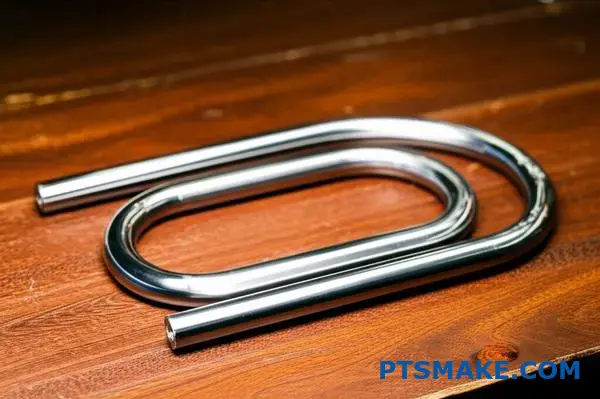
Critical Aerospace Applications
The unique properties of 301 stainless steel are not just theoretical. They directly translate into reliable performance in critical components. Its ability to be formed and then hardened is key.
At PTSMAKE, we often machine 301 stainless aerospace parts in their annealed state. Then, the parts are heat-treated or cold-worked to achieve the required temper. This process gives them their final strength and springiness.
Aerospace Fasteners and Spring Clips
Think about the thousands of clips and fasteners in an aircraft. Many are spring clips stainless steel made from 301. They must maintain constant pressure to hold panels and wiring harnesses securely in place, even with constant vibration. The material’s high yield strength prevents them from loosening over time.
EMI/RFI Shielding
Sensitive electronics need protection from electromagnetic interference. 301 stainless is often used for shielding enclosures. It can be formed into thin, complex shapes that are both durable and effective at blocking unwanted signals. The material’s ability to resist deformation from work hardening13 is a significant advantage here.
Meeting Strict Aerospace Standards
You can’t just use any 301 stainless steel. It must meet specific certifications. The 301 AMS properties are clearly defined to ensure flight safety and reliability.
| Certification | Description |
|---|---|
| AMS 5517 | Sheet, Strip (Annealed) |
| AMS 5518 | Sheet, Strip (1/2 Hard Temper) |
| AMS 5519 | Sheet, Strip (Full Hard Temper) |
Each temper offers different levels of strength and formability. Engineers choose the specific one based on the part’s function.
The flex strength and resilience of 301 stainless steel make it essential for aerospace. It’s used in fasteners, clips, and shielding where reliability is non-negotiable. Strict AMS certifications guarantee that every part meets the highest standards of performance and safety.
Boost Your 301 Stainless Projects with PTSMAKE Expertise
Unlock the full potential of 301 stainless steel applications with PTSMAKE! Ready for a quote or custom solution? Our team delivers precision, reliability, and fast turnaround for CNC machining, injection molding, and more. Contact us now to get your project moving—let’s exceed your toughest specs together!

Learn the science behind work hardening and how it affects different machining applications. ↩
Discover how this metallurgical process creates stronger, more reliable components for your demanding robotic applications. ↩
Learn how this localized corrosion impacts material selection in chloride-rich environments. ↩
Learn how this microstructural change gives 301 stainless its unique high-strength properties after forming. ↩
Discover how this crystal structure defines key properties like magnetism and ductility in stainless steel alloys. ↩
Learn how this process ensures part quality and consistency for your projects. ↩
Learn why this ratio is critical for stainless steel’s protective layer. ↩
Discover how magnetic permeability is a key factor in shielding effectiveness for different materials. ↩
Understand how this localized form of corrosion can lead to sudden component failure. ↩
Discover how this critical fatigue property is measured and applied in real-world engineering and part design. ↩
Learn about the metallurgical process giving 301 its superior strength and endurance. ↩
Learn about the microstructural change that gives 301 its cryogenic strength. ↩
Learn how this process gives 301 stainless its unique spring-like properties and strength. ↩