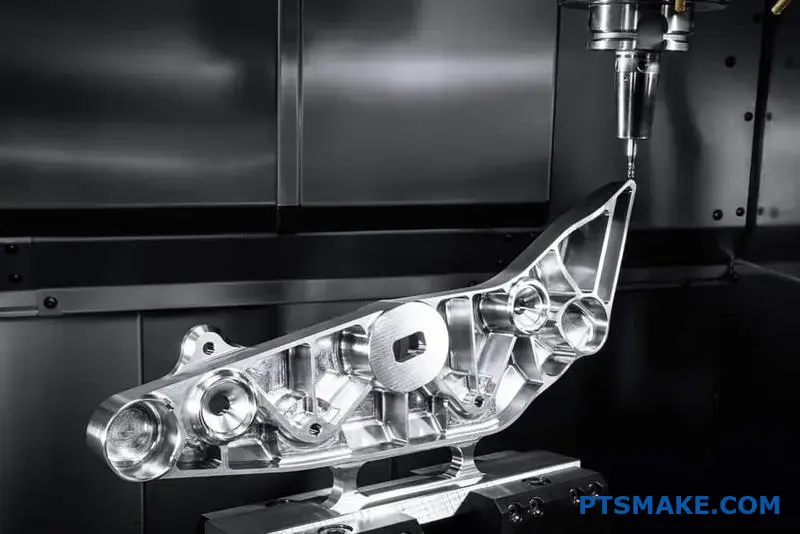

Your engineering team just spent months perfecting a design, only to receive CNC prototypes that don’t fit together properly. The tolerances are off, the surface finish looks rough, and your project timeline just got pushed back another two weeks.
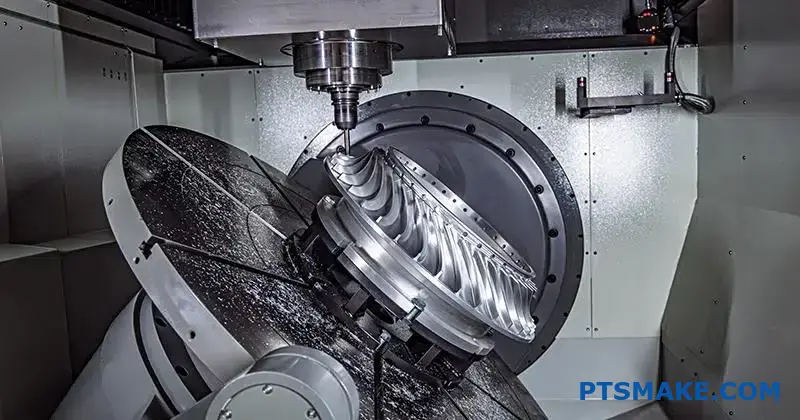
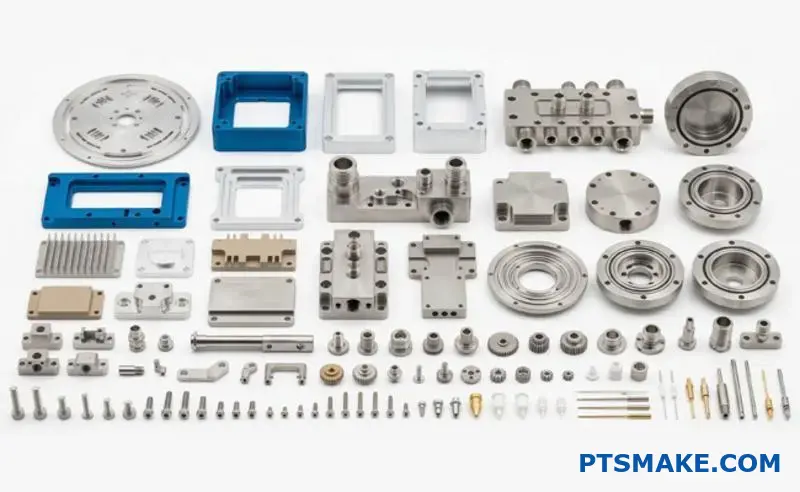
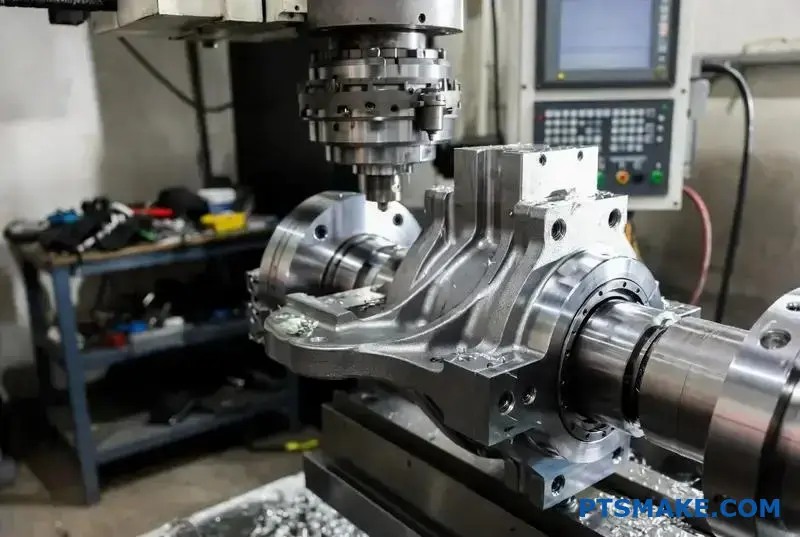
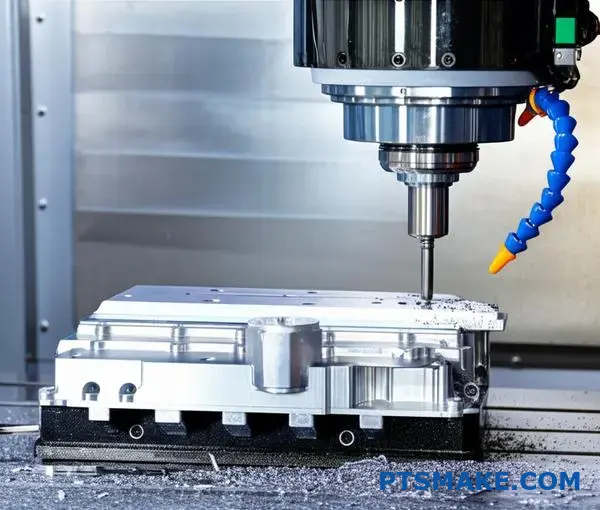
CNC machining prototype is a precision manufacturing process that creates functional prototypes by removing material from solid blocks using computer-controlled cutting tools, delivering tight tolerances and production-grade surface finishes for testing and validation.
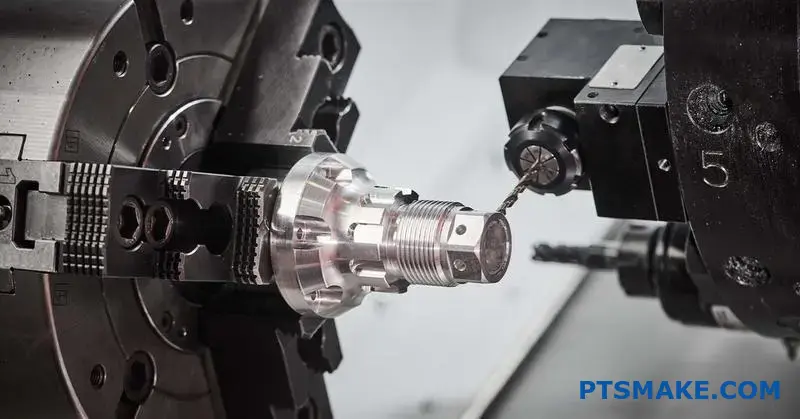
I’ve worked with teams who thought all CNC prototyping services were the same. They learned the hard way that material selection, tolerancing capabilities, and supplier expertise make the difference between prototypes that validate your design and ones that waste your budget.
Why CNC Machining Is the Gold Standard for Prototyping
When you need a prototype that truly performs, CNC machining is the superior choice. It offers unmatched accuracy for functional testing.
This process ensures your design’s form, fit, and function are validated with real-world materials. A CNC machining prototype is not just a model; it’s a testable part.
Key Prototyping Method Comparison
The debate of CNC vs 3D printing is common. However, for precision prototypes, the choice becomes clear. CNC delivers parts that closely mirror final production quality.
| Funktion | CNC-bearbetning | 3D-utskrift |
|---|---|---|
| Noggrannhet | Extremt hög | Varies by tech |
| Materialets mångsidighet | Production-grade metals & plastics | Mostly polymers |
| Delstyrka | Excellent, solid material | Weaker due to layers |
Among rapid prototyping methods, CNC provides the best cost-to-quality benefit for functional validation.
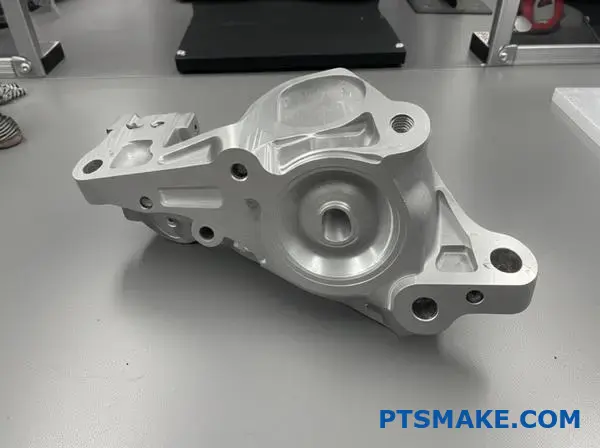
The Critical Role of Material in Prototyping
A prototype’s primary job is to validate a design. Using the final production material is essential for accurate testing. This is where CNC machining truly excels.
At PTSMAKE, we machine prototypes from the exact block of material intended for production. This could be anything from aerospace-grade aluminum to medical-grade PEEK. This approach provides data you can trust.
A 3D printed part may look the same, but it won’t behave the same under stress or heat. CNC machined parts retain the material’s original isotropiska egenskaper1. This means strength is uniform in all directions, unlike the layered structure of 3D prints.
True Cost vs. Upfront Price
Thinking only about the initial price is a common mistake. A failed functional test due to a weak prototype costs far more in delays and redesigns than the initial saving. Investing in a quality CNC machining prototype mitigates this risk.
| Evaluation Metric | CNC Machining Prototype | 3D Printed Prototype |
|---|---|---|
| Functional Reliability | Hög | Låg till medelhög |
| Material Authenticity | 100% | Low (Approximation) |
| Risk of Redesign | Minimerad | Hög |
| Total Project Cost | More Predictable | Can Escalate |
This data-driven approach ensures a smoother transition from prototype to production.
CNC machining delivers unmatched accuracy and material fidelity for functional prototypes. This makes it the most reliable choice for validating designs before committing to mass production, ensuring a higher return on investment despite a potentially higher initial cost.
The Core of Precision: Tolerances and Surface Finishes
Achieving consistency in a CNC machining prototype starts with understanding the machine’s capabilities. It’s not just about hitting a number. It’s about controlling every detail.
This control determines how your parts fit and function.
CNC Milling vs. Turning Tolerances
CNC milling and turning offer distinct precision levels. Milling is versatile for complex shapes. Turning excels at cylindrical parts with high accuracy. Both are key for tight tolerance machining.
| Process | Standard Tolerans | Snäva toleranser |
|---|---|---|
| CNC-fräsning | ±0,1 mm (±0,004") | Down to ±0.01 mm (±0.0004") |
| CNC-svarvning | ±0.05 mm (±0.002") | Down to ±0.005 mm (±0.0002") |
These values depend heavily on material and geometry.
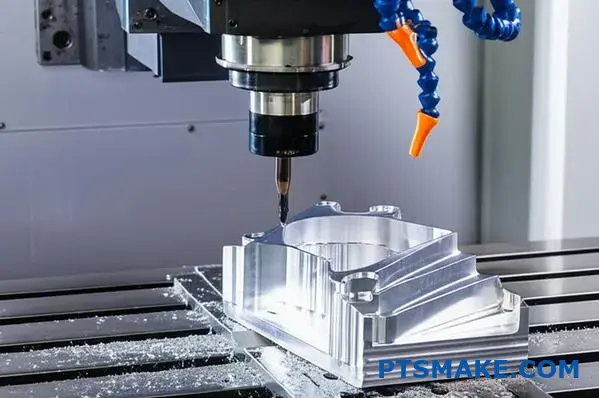
True precision goes beyond dimensional accuracy. It involves controlling the texture of the machined surface. This is where high-precision prototypes either succeed or fail during assembly.
A part can be dimensionally perfect. But if its surface is too rough or too smooth for its application, it won’t work correctly.
The Critical Role of Surface Finish (Ra)
Surface finish, measured in Ra (Roughness Average), dictates how a component interacts with others. It affects friction, wear, sealing, and even appearance. Proper control ensures reliable assembly and performance.
Our work with clients has shown that overlooking finish callouts is a common source of prototype failure.
This is why a complete technical drawing, using a system like Geometrisk dimensionering och tolerans (GD&T)2, is essential. It provides a universal language for defining not just size, but also form, orientation, and location of features, ensuring a high degree of CNC machining accuracy.
| Ra-värde (μm) | Bearbetningsprocess | Gemensam ansökan |
|---|---|---|
| 3.2 - 6.3 | Standard Milling/Turning | General-purpose parts, non-critical surfaces |
| 1.6 - 3.2 | Fine Machining | Mating surfaces, tight fit components |
| 0.8 - 1.6 | Grinding/Lapping | Bearing surfaces, high-wear components |
| < 0.8 | Polishing/Honing | Sealing surfaces, optical components |
Understanding the relationship between tolerance, surface finish, and assembly is fundamental. It transforms a simple CNC machining prototype from a concept into a functional, reliable part that meets all engineering requirements and avoids costly revisions down the line.
The Ultimate Comparison: CNC Prototyping vs Injection Molding for Early Stage Builds
When making low-volume prototyping decisions, early-stage hardware teams face a critical choice. Do you opt for CNC machining or injection molding? Each has distinct advantages.
Your decision impacts speed, cost, and the quality of testing feedback you receive. Making the right call is essential for staying on schedule and within budget.
Här är en snabb uppdelning.
| Funktion | CNC Machining Prototype | Injection Molding Prototype |
|---|---|---|
| Hastighet | Snabb (timmar till dagar) | Slower (Weeks) |
| Kostnad i förskott | Låg (ingen verktygsutrustning) | Hög (mögelkostnad) |
| Kostnad per enhet | Hög | Låg (vid volym) |
| Val av material | Wide, production-grade | Very wide, production-grade |
| Designförändringar | Easy & cheap | Difficult & costly |
This comparison helps frame the core trade-offs you’ll need to consider.
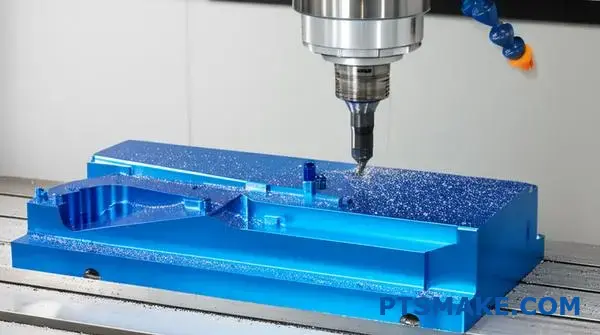
Deciding between a CNC prototype vs injection molding depends entirely on your project’s immediate goals.
A CNC machining prototype is unmatched for speed. We can turn a CAD file into a physical part within days at PTSMAKE. This allows for rapid design iteration. You can test a concept, find a flaw, and have a revised part quickly. The material is carved from a solid block, offering excellent strength for functional testing.
Injection molding operates on a different timeline and cost structure. The main hurdle is the upfront cost and time to create the steel mold. This process can take several weeks.
However, once the mold is ready, producing parts is fast and incredibly cost-effective per unit. This is where Tooling amortization3 becomes a key financial factor. The high initial investment is spread across hundreds or thousands of parts.
This makes molding ideal for later-stage prototypes when the design is stable. It is also perfect for pilot runs where you need parts that are identical to the final production version. These parts are invaluable for final validation and market testing.
Your choice boils down to a simple trade-off. CNC machining offers speed and flexibility for early-stage validation. Injection molding provides cost-effective, production-intent parts once your design is more mature, but it requires a significant initial investment in tooling.
How to Select the Right Material for CNC Machined Prototypes
Selecting the right material is a critical first step. Your choice impacts performance, cost, and manufacturing time. It’s a key part of any CNC machining prototype project.
Let’s look at the most common materials I work with. Each has unique properties making it suitable for specific industries. Proper material selection prevents costly redesigns later.
Metals: Strength and Durability
Aluminum and stainless steel are top choices for robust prototypes. They offer excellent mechanical properties. However, their costs and applications differ significantly.
Here’s a quick comparison based on our internal testing:
| Funktion | Aluminium (t.ex. 6061) | Rostfritt stål (t.ex. 304) |
|---|---|---|
| Styrka | Bra | Utmärkt |
| Kostnad | Lägre | Högre |
| Vikt | Lättvikt | Tung |
| Bearbetbarhet | Utmärkt | Rättvist |
| Motståndskraft mot korrosion | Bra | Utmärkt |
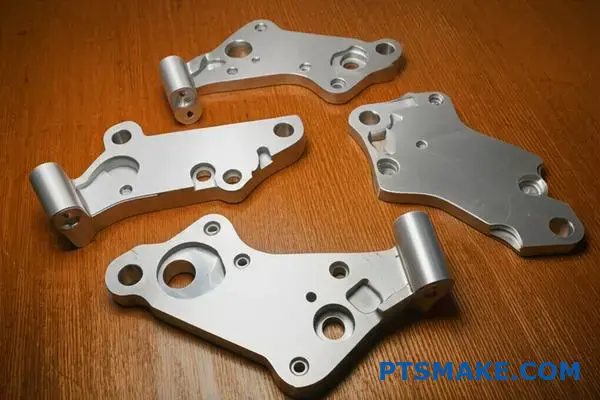
Aluminum prototyping is popular for its balance of properties. It’s perfect for automotive and aerospace parts where weight is a factor.
Plastics: Versatility and Cost-Effectiveness
For many applications, plastics offer an ideal solution. They are lightweight, often cheaper, and can have specialized properties. ABS and POM are two of the most versatile options we machine at PTSMAKE.
ABS is a go-to for enclosures and consumer products. It provides good impact resistance and is easy to finish. It’s an excellent choice for form and fit testing.
POM (also known as Delrin) is different. It’s prized for its low friction and high stiffness. This makes it perfect for moving parts like gears and bearings. Its natural lubricity reduces wear in mechanical assemblies. Understanding the material’s draghållfasthet4 is crucial when designing such components.
Choosing between them depends entirely on the prototype’s function.
| Funktion | ABS | POM (Delrin) |
|---|---|---|
| Primär användning | Enclosures, general models | Kugghjul, lager, bussningar |
| Nyckelegenskap | Hög slagtålighet | Låg friktion, hög styvhet |
| Kostnad | Lägre | Måttlig |
| Bearbetbarhet | Bra | Utmärkt |
Ultimately, the best materials for machined prototypes depend on your specific needs. We always guide our clients to balance their performance requirements with their budget.
Your material choice defines your prototype’s success. Metals like aluminum and steel provide strength, while plastics like ABS and POM offer versatility and cost savings. This balance is key to effective CNC prototype material selection.
Inside the Cost Breakdown of CNC Machined Prototypes
Understanding your CNC prototype cost is crucial. It is more than just a number on a quote. It represents a combination of specific, quantifiable factors.
For procurement, justifying this expense requires transparency. This breakdown offers that clarity. It empowers you to discuss pricing with confidence.
The Core Pricing Pillars
The final price of a cnc machining prototype isn’t random. It’s built on four key pillars. These are machine time, setup costs, material, and design complexity.
Let’s look at how each pillar contributes.
| Kostnadsdrivare | Beskrivning | Typical Impact |
|---|---|---|
| Maskintid | The hours the machine is actively cutting the part. | Hög |
| Setup Labor | Preparing the machine, tools, and workpiece. | Medium |
| Materialkostnad | The price of the raw stock material being used. | Variabel |
| Komplexitet | Intricate geometries and tight tolerances. | Hög |
Each factor influences the final CNC pricing breakdown.
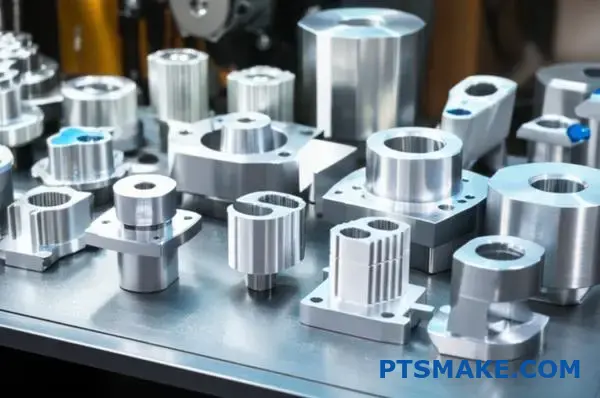
Let’s dig deeper into the CNC pricing breakdown. A clear quote helps everyone. It builds trust and ensures there are no surprises. How much does CNC prototyping cost? It depends on these details.
Deconstructing the Primary Costs
Machine time is often the largest variable cost. A part with many features or deep pockets simply takes longer to cut. This directly translates to higher operational costs for us.
Setup, on the other hand, is a fixed cost per job. It involves programming, fixturing the material, and calibrating tools. For a single prototype, this cost can seem high. But it gets distributed across more units in a larger run.
Material and Complexity Influence
Material selection is a straightforward cost driver. Standard Aluminum 6061 is cost-effective. But switching to a high-temperature polymer or Titanium will significantly raise the base price of your cnc machining prototype.
Design complexity is the final major factor. Features like thin walls, deep pockets, and tight tolerances demand slower cutting speeds, specialized tools, and more careful programming. Efficient optimering av verktygsbanor5 is essential to manage this without sacrificing quality.
Actionable Tips to Control Costs
Small changes in your design can lead to big savings. Here are a few things to consider.
| Cost-Saving Tactic | Potentiell påverkan | Simple Example |
|---|---|---|
| Loosen Non-Critical Tolerances | Hög | Use ±0.125mm instead of ±0.025mm where it doesn’t affect function. |
| Förenkla geometri | Hög | Replace sharp internal corners with a radius. |
| Select Standard Materials | Medium | Choose a common grade of aluminum or steel. |
At PTSMAKE, we guide our partners through these choices. It ensures you get a functional prototype that meets your budget.
In summary, the CNC prototype cost is a direct result of machine time, setup, material choice, and design complexity. Understanding these factors allows you to make informed decisions and manage your budget effectively from the very beginning of a project.
Speed or Precision? How to Balance Both in CNC Prototyping
Every CNC machining prototype project faces a key question. Do you need it fast, or do you need it perfect? There’s no single right answer.
Defining Your Prototype’s Goal
The choice depends on your current development stage. Are you testing a basic concept? Or are you validating a final design for manufacturing? Your goal dictates the priority.
The Speed vs. Precision Trade-Off
Fast CNC services are great for early-stage validation. Precision becomes critical for later-stage, functional prototypes.
| Prototypstadiet | Primärt mål | Prioritet |
|---|---|---|
| Rough / Concept | Validering av form och passform | Hastighet |
| Production-Realistic | Funktionell testning | Precision |
This balance directly impacts your CNC prototype lead times.
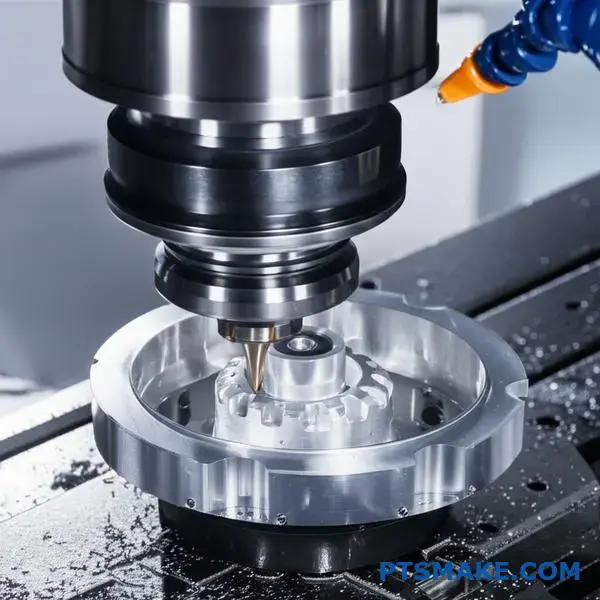
Making the right trade-off is a strategic decision. It saves time and resources. Rushing a high-precision part when you only need a form check is wasteful. Similarly, a low-precision part can’t validate a critical mechanism.
Prioritizing for Early-Stage Prototypes
For early concepts, speed is king. The goal is to get a physical part in hand quickly. Use standard materials and relaxed tolerances. This approach dramatically shortens CNC prototype lead times. It allows for rapid iteration and feedback.
When Precision is Non-Negotiable
As you near production, the focus must shift. A production-realistic cnc machining prototype requires tight tolerances. It needs specific materials and surface finishes. This is where detailed drawings with proper Geometrisk dimensionering och toleransberäkning6 are essential. At PTSMAKE, we guide our clients through this shift to ensure the final prototype truly represents the production part.
Here’s a simple guide for engineers:
| Faktor | Rough Prototype | Production-Realistic Prototype |
|---|---|---|
| Material | Standard, low-cost (e.g., ABS) | Final production material |
| Tolerans | Loose (+/- 0.1mm or more) | Tight (as per final specs) |
| Ytfinish | As-machined | Specified (e.g., polished, anodized) |
| Kostnad | Lägre | Högre |
This structured approach prevents costly errors down the line. It ensures your resources are spent wisely at each development stage.
Choosing between speed and precision depends on your project’s stage. Prioritize speed for early concept validation to shorten lead times. For production-realistic models, precision is non-negotiable to ensure accurate functional testing and avoid costly redesigns later.
Avoid Supplier Roulette: How to Vet CNC Prototype Partners That Stick With You
Finding a CNC prototype partner is easy. Finding one that sticks with you is different. From a procurement view, the lowest quote isn’t the best deal.
True value lies in a long-term partnership. A reliable CNC prototyping supplier focuses on more than just the current job. They invest in your success.
This means quality communication and technical support. It’s about finding a partner, not just a vendor.
Beyond the Price Tag: Evaluating a Partner’s True Value
Price is just one data point. When vetting vendors for CNC work, I look at the bigger picture. A cheap prototype is useless if it causes production delays later.
Look for a partner who communicates clearly. Quick, detailed responses are a great sign. It shows they are organized and value your business. A slow response now means a bigger headache later.
A key factor is Design for Manufacturability (DFM) support. A good supplier will analyze your design. They will suggest improvements to save costs and boost quality. This proactive help is priceless.
| Funktion | Transaktionell leverantör | Strategisk partner |
|---|---|---|
| Fokus | Lowest Price Per Part | Lowest Total Cost |
| Kommunikation | Reactive, Slow | Proactive, Responsive |
| DFM Support | None or Extra Cost | Standard, Collaborative |
| Problemlösning | Blames Design | Offers Solutions |
| Förhållande | Short-Term Order | Long-Term Success |
This proactive approach is central to effective Supplier Relationship Management (SRM)7. It shifts the focus from simple transactions to a collaborative journey. Finding the best CNC prototyping partner means finding an extension of your own team. They should be invested in making your project a success from the start. At PTSMAKE, this is our core philosophy. We build trust through transparency and technical expertise.
The Unseen Costs of a Poor Partnership
Many procurement managers focus only on the initial quote. This is a common mistake. The real costs often appear after you’ve placed the order. These hidden costs can ruin your budget and timeline.
Delays are a major issue. A supplier who overpromises and underdelivers can halt your entire project. Rework is another expensive problem. Poor quality parts mean more time and money spent on fixes.
Think about communication failures. Vague answers or slow replies waste your team’s valuable time. Every email you have to chase is a hidden cost. A partner who offers clear, proactive updates is worth more than a low price.
This table highlights common hidden costs:
| Dold kostnad | Transaktionell leverantör | Strategisk partner |
|---|---|---|
| Project Delays | Frequent, with poor excuses | Rare, with proactive solutions |
| Omarbetningsgrad | High, requires your supervision | Low, with internal quality control |
| Communication Overhead | High, requires constant follow-up | Low, provides regular updates |
| Tekniska frågor | Your problem to solve | Collaborative problem-solving |
A reliable partner understands these risks. They build processes to prevent them. For example, our team provides detailed DFM reports on every CNC machining prototype. This step catches potential issues before they become expensive problems. It’s about minimizing the total cost, not just the upfront price.
Choosing the right CNC supplier is a strategic decision that protects your project from these unseen expenses. It ensures a smoother path from prototype to production.
When vetting a CNC prototyping supplier, look beyond the quote. Prioritize clear communication, valuable DFM feedback, and a commitment to a long-term partnership. These factors are the true indicators of a partner who will contribute to your project’s success.
When to Move From CNC Machined Prototype to Injection Mold Tooling
Making the jump from a CNC machining prototype to injection molding is a critical step. This decision signals a shift from testing to scaling.
It’s not just about changing manufacturing methods. It’s a strategic move that hinges on key business factors. I’ve seen this decision define a product’s success.
Key Decision Criteria
Produktionsvolym
The most significant factor is quantity. CNC is ideal for low volumes. Injection molding becomes cost-effective as your numbers grow into the thousands.
Projektets budget
Upfront tooling costs for molding are high. However, the per-part cost drops dramatically at scale. CNC has no tooling cost but a higher per-part price.
Timeline to Market
CNC offers speed for prototypes and small batches. Injection molding has a longer lead time due to tool creation. But it delivers high volumes quickly once the mold is ready.
| Faktor | CNC-bearbetning | Formsprutning |
|---|---|---|
| Bästa volym | 1 – 1,000+ | 1,000 – 1,000,000+ |
| Kostnad i förskott | Låg (ingen verktygsutrustning) | Hög (verktyg) |
| Kostnad per del | Hög | Låg |
| Ledtid | Snabb | Slower (Tooling First) |
The transition from a CNC machining prototype to molding is more than a technical switch. It involves careful financial and strategic planning. Your decision must balance upfront investment with long-term production goals.
Scaling From Prototype to Production
A common challenge is the gap between low-volume prototypes and high-volume production. This is where a "bridge tooling decision" becomes important. Bridge tools are often made from softer metals like aluminum.
They offer a middle ground. They cost less than steel production molds and have shorter lead times. This allows you to produce mid-range quantities (e.g., 500 to 10,000 parts) efficiently. It’s a perfect step to test the market before committing to expensive steel tooling. The concept of cost avskrivningar8 is key here. The tooling investment is spread across each part produced.
The Advantage of a Single Partner
Handling this transition can be complex. You have design data, material specs, and quality standards to maintain.
This is where working with a partner like PTSMAKE is a major advantage. We manage both your CNC machining prototype and your injection mold tooling in-house. This ensures a seamless transfer of knowledge.
We use the data from the final prototype to inform the mold design. This minimizes errors and accelerates the process. Your transition from CNC to injection mold becomes a smooth, integrated step.
The decision to scale from CNC to injection molding rests on volume, budget, and timeline. Using bridge tooling can de-risk this transition, and a single-source partner like PTSMAKE streamlines the entire process from prototype to full production.
Get Precise CNC Prototypes—Partner With PTSMAKE Today
Ready for flawless CNC machining prototypes with exceptional accuracy and reliability? Partner with PTSMAKE for fast, high-quality, and precision-driven solutions from prototype to production. Send your inquiry now to experience why top teams trust PTSMAKE for advanced manufacturing needs!

Understand how material properties impact your prototype’s performance and test reliability. ↩
Learn how this system provides a universal engineering language for defining and communicating tolerances. ↩
Understand how mold costs influence your per-part price and project break-even point. ↩
Understand how this key metric impacts your prototype’s real-world durability and performance. ↩
Learn how programming paths can reduce machine time and improve the surface finish of your cnc machining prototype. ↩
Understand this symbolic language to ensure your design intent is perfectly communicated for manufacturing. ↩
Learn how managing supplier relationships strategically can reduce risks and improve your bottom line. ↩
Understand how tooling costs affect your per-part price over the production run. ↩