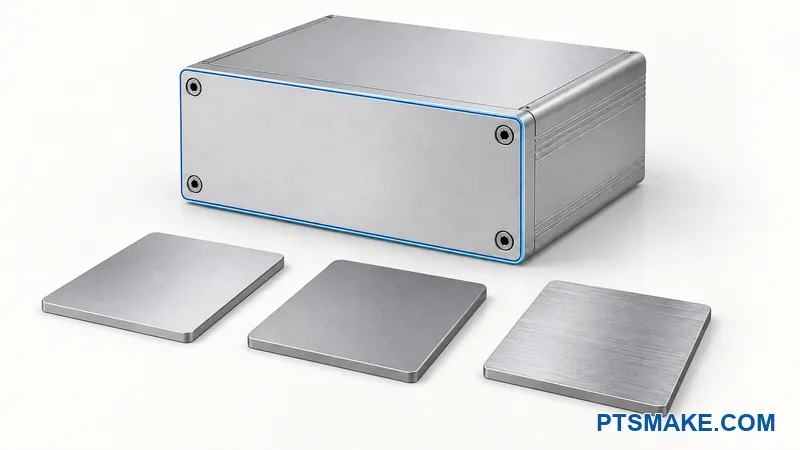

Trovare una lavorazione di precisione affidabile per progetti energetici sembra di navigare in un campo minato. Una scelta sbagliata del fornitore può far deragliare l'intera pianificazione, far esplodere il budget e compromettere gli standard di sicurezza che semplicemente non possono fallire.
La lavorazione di precisione CNC per il settore energetico combina la produzione avanzata controllata da computer con competenze specialistiche per produrre componenti critici per la generazione di energia, i sistemi di energia rinnovabile e i progetti infrastrutturali. Questa tecnologia offre le tolleranze ristrette, la qualità costante e i programmi di consegna affidabili che i decisori del settore energetico richiedono per applicazioni mission-critical.
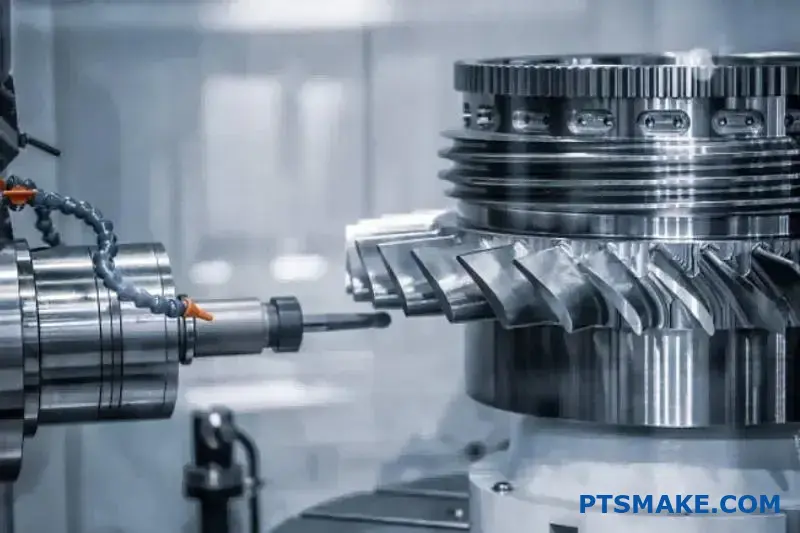
Ho lavorato con clienti del settore energetico che hanno imparato queste lezioni a proprie spese. Questa guida copre tutto, dalla selezione del partner di lavorazione giusto per garantire che i vostri componenti soddisfino gli standard rigorosi richiesti dai vostri progetti. Scoprirete strategie pratiche che possono far risparmiare tempo e denaro, mantenendo la qualità da cui dipende la vostra reputazione.
La Guida Definitiva alla Lavorazione di Precisione CNC per il Settore Energetico
Il settore energetico richiede estrema precisione. I componenti devono resistere ad ambienti difficili. Il fallimento non è un'opzione per queste applicazioni critiche.
Perché la precisione è importante
È qui che entra in gioco la lavorazione di precisione CNC per il settore energetico. Offre l'accuratezza necessaria per parti mission-critical. Garantisce affidabilità, dalle piattaforme petrolifere sottomarine alle imponenti turbine eoliche.
Efficienza nella produzione
I moderni progetti energetici richiedono velocità e coerenza. La lavorazione CNC offre entrambi. Aiuta a ridurre gli sprechi di materiale e riduce significativamente i tempi di consegna della produzione.
| Caratteristica | Lavorazione tradizionale | Lavorazione CNC |
|---|---|---|
| Tolleranza | Più basso | Più alto |
| Coerenza | Variabile | Alto |
| Complessità | Limitato | Alto |
Questa guida esplora il ruolo vitale della lavorazione di precisione.
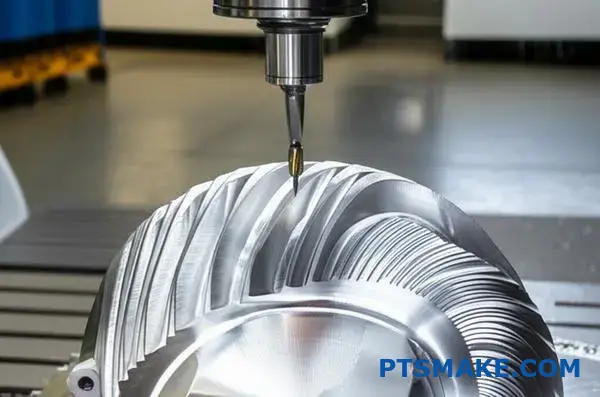
Nel settore energetico, i componenti operano spesso sotto estrema pressione e temperatura. Semplicemente non c'è spazio per errori. La lavorazione di precisione per l'industria energetica non è solo una preferenza; è un requisito rigoroso per la sicurezza e le prestazioni.
Oltre i metodi tradizionali
La produzione tradizionale fatica a soddisfare queste esigenze. Geometrie complesse per pale di turbine o valvole specializzate richiedono tecniche avanzate. La CNC garantisce che ogni parte soddisfi le specifiche esatte, ogni singola volta. È un processo fondamentale della moderna produzione sottrattiva1.
Abilitare un futuro sostenibile
Il passaggio globale alle energie rinnovabili evidenzia l'importanza della CNC. Le turbine eoliche e i supporti per pannelli solari necessitano di componenti con tolleranze incredibilmente strette. Queste parti devono durare per decenni in condizioni esterne difficili. La lavorazione CNC rende possibile questo livello di qualità duratura.
Applicazioni chiave nel settore energetico
| Settore energetico | Componenti lavorati a CNC |
|---|---|
| Petrolio e gas | Valvole, flange, punte da trapano |
| Wind Power | Turbine hubs, gearbox parts |
| Solar Power | Mounting brackets, frames |
| Nucleare | Reactor components, control rods |
This technology is foundational for building and maintaining our global energy infrastructure.
CNC precision machining is non-negotiable for the modern energy industry. It delivers the required accuracy for demanding applications, supports innovation in renewables, and ensures the reliability of critical infrastructure. It’s the cornerstone of advanced energy manufacturing.
Come la Lavorazione di Precisione Risolve le Sfide Critiche del Settore Energetico
The energy sector operates under extreme pressure. Components must withstand intense heat, corrosion, and high stress. Failure is not an option.
Common Manufacturing Headaches
Engineers face two major issues. They need incredibly tight tolerances. They also work with exotic, hard-to-machine materials.
Here’s a quick look at the core problems and how we address them.
| Problema | Soluzione CNC |
|---|---|
| Inconsistent Quality | Repeatable Precision |
| Difficult Materials | Specialized Tooling & Processes |
| Tolleranze strette | High-Accuracy Machining |
Qui è dove energy cnc precision machining becomes essential for safety and reliability.
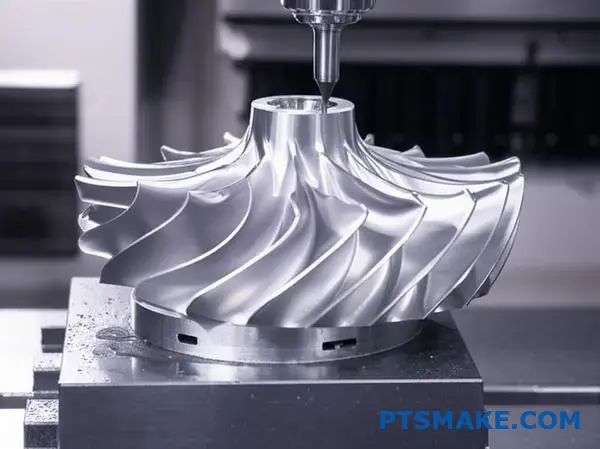
In the energy sector, it’s not just about making a part fit. The manufacturing process itself can compromise the material’s strength. This is a critical point many overlook.
Problem: Material Integrity Under Stress
Traditional machining can introduce stress into components. This is especially true with superalloys like Inconel or Titanium. These materials are prone to indurimento del lavoro2. Improper techniques can create weak points that fail under pressure. This directly impacts operational safety.
Solution: Strategic CNC Machining
Moderno energy sector CNC machining offers precise control over every variable. We use optimized toolpaths and constant coolant flow. This minimizes heat and mechanical stress on the part. At PTSMAKE, we combine 5-axis capabilities with advanced software simulations. This ensures the final component maintains its designed structural integrity.
Our focus is on delivering parts that are not only dimensionally accurate but also metallurgically sound. This approach provides the reliability the industry demands.
| Caratteristica | Lavorazione tradizionale | Moderna lavorazione CNC |
|---|---|---|
| Gestione del calore | Often inconsistent | Actively controlled |
| Sollecitazione del materiale | High risk | Ridotto al minimo |
| Parte Complessa | Limitato | Highly capable |
| Ripetibilità | Basso | Estremamente alto |
We’ve found this level of process control is non-negotiable for critical applications.
L'industria energetica richiede estrema precisione e resilienza dei materiali. La produzione comune lotta con tolleranze ristrette e leghe difficili che rischiano il guasto dei componenti. La tecnologia CNC affronta direttamente questi problemi, garantendo l'affidabilità e la qualità essenziali per applicazioni critiche.
Le 5 Principali Applicazioni della Lavorazione CNC nelle Energie Rinnovabili
La lavorazione CNC è fondamentale per le energie rinnovabili. L'industria richiede parti di precisione che durino per decenni. Questi componenti devono funzionare in condizioni difficili.
Esploriamo le specifiche lavorazioni CNC per applicazioni di energie rinnovabili.
Componenti per l'energia eolica
Le parti delle turbine richiedono estrema precisione. Le macchine CNC creano mozzi, componenti del cambio e radici delle pale. L'equilibrio perfetto è non negoziabile per efficienza e sicurezza.
Strutture per l'energia solare
I telai e i tracker dei pannelli solari richiedono precisione. La lavorazione CNC produce supporti che garantiscono un allineamento ottimale. Ciò aumenta direttamente la generazione di energia.
Sistemi idroelettrici
L'energia idroelettrica si basa su parti durevoli. La CNC crea giranti e paratoie per turbine da leghe resistenti. Queste parti devono resistere a un'immensa pressione dell'acqua.
Uno sguardo alle principali applicazioni di componenti energetici:
| Settore energetico | Esempio di componente | Principale vantaggio della CNC |
|---|---|---|
| Eolico | Cambio della turbina | Ingranaggi ad alta tolleranza |
| Solare | Staffa di montaggio | Angoli precisi e vestibilità |
| Idroelettrico | Distributore idraulico | Geometrie complesse |
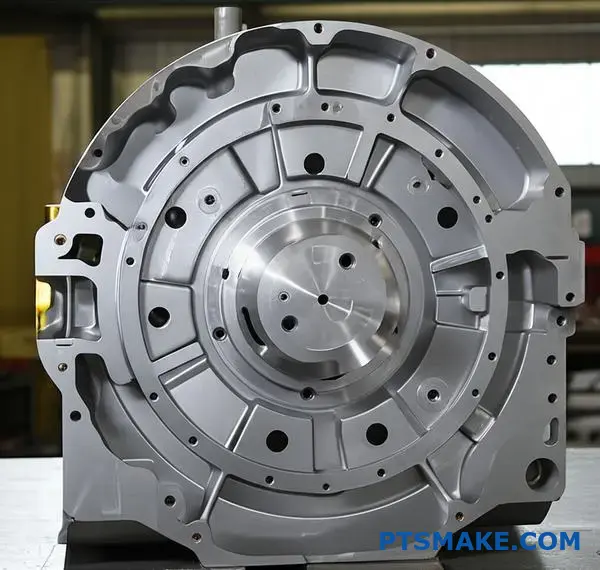
Approfondiamo queste applicazioni. Il legame tra innovazione di progettazione e fattibilità produttiva è dove la lavorazione di precisione diventa un punto di svolta. Non si tratta solo di realizzare un pezzo; si tratta di abilitare un futuro energetico più efficiente.
Il ruolo della precisione nelle prestazioni
Per una turbina eolica, anche un piccolo squilibrio può causare un guasto catastrofico. La fresatura CNC a 5 assi crea le complesse superfici aerodinamiche su pale e mozzi. Ciò garantisce la massima cattura di energia e la sicurezza operativa. Noi di PTSMAKE ci concentriamo su questo livello di dettaglio.
Integrità dei materiali e strutturale
I sistemi di tracciamento solare devono muoversi fluidamente per anni. La lavorazione CNC produce telai in alluminio leggeri ma resistenti. Questi pezzi resistono alla corrosione e all'usura. Ciò prolunga significativamente la vita operativa del sistema.
Le turbine idroelettriche utilizzano materiali come l'acciaio inossidabile. Queste leghe sono resistenti e difficili da lavorare. La CNC di precisione garantisce che il pezzo finale abbia una resistenza uniforme e coerente Proprietà isotrope del materiale3. Questo è fondamentale per i pezzi sottoposti a stress costante.
Sulla base del nostro lavoro con i clienti, la scelta della strategia di lavorazione influisce direttamente sulla longevità del pezzo.
| Settore | Focus sui materiali | Vantaggio della lavorazione CNC |
|---|---|---|
| Eolico | Compositi e acciaio | Contornatura complessa della superficie |
| Solare | Leghe di alluminio | Produzione ripetibile ad alta velocità |
| Idroelettrico | Acciaio inox | Handling hard, durable materials |
CNC machining is the backbone of manufacturing for wind, solar, and hydropower. It delivers the precision and reliability needed for high-performance renewable energy components, directly impacting efficiency and system longevity.
Garantire un'Accuratezza Ineguagliabile per Componenti Energetici Critici per la Sicurezza
In sectors like nuclear and oil & gas, component failure is not an option. Parts operate under extreme pressure and temperature. The stakes are incredibly high.
This demands a level of precision that goes far beyond standard manufacturing. Here, accuracy is directly linked to safety and environmental protection.
The Demands of Extreme Environments
For these industries, safety-critical CNC machining is essential. Even a microscopic deviation in a part can lead to catastrophic system failure. We focus on achieving impeccable tolerances.
| Industria | Sfida primaria | Conseguenza del fallimento |
|---|---|---|
| Nucleare | Radiation Resistance, Sealing | Radioactive Leak |
| Petrolio e gas | High Pressure, Corrosion | Explosion, Oil Spill |
This is why energy cnc precision machining requires a specialized approach from the start.
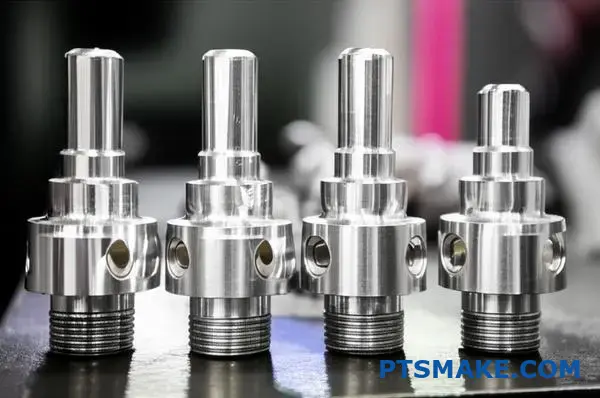
Adherence to Unyielding Standards
Rispettare le specifiche in questi campi significa una rigorosa conformità agli standard stabiliti. Non si tratta solo di realizzare un pezzo; si tratta di dimostrare che è perfetto ogni volta. Lo vediamo con gli standard API nel settore petrolifero e del gas o con i codici ASME per le applicazioni nucleari.
Questi standard dettano tutto, dalla tracciabilità dei materiali ai protocolli di ispezione finale. Sono il regolamento per garantire la sicurezza.
Caso di studio: Componenti per valvole sottomarine
Considera un corpo valvola per una conduttura sottomarina. Deve resistere a un'immensa pressione esterna controllando con precisione il flusso interno. Le superfici di tenuta richiedono tolleranze misurate in micron per prevenire perdite.
Il nostro processo di controllo qualità convalida ogni caratteristica critica. Ciò comporta avanzate Metrologia4 per garantire che ogni singolo pezzo sia perfettamente conforme. Senza questo, il componente semplicemente non può essere utilizzato.
Punti di controllo qualità
| Palcoscenico | Metodo di ispezione | Scopo |
|---|---|---|
| Materia prima | Test PMI | Verificare la composizione della lega |
| In corso | Ispezione CMM | Confermare l'accuratezza geometrica |
| Finale | Test di pressione | Validare le prestazioni sotto carico |
Presso PTSMAKE, il nostro processo per componenti energetici di precisione si basa su questa rigorosa validazione.
Nei settori energetici critici per la sicurezza, la precisione è un imperativo, non una preferenza. La rigorosa aderenza agli standard di settore e il controllo qualità avanzato sono non negoziabili per la produzione di componenti che garantiscono la sicurezza operativa e la conformità.
Strategie Efficaci in Termini di Costi per la Produzione di Progetti Energetici
Ottenere risparmi sui costi nella produzione di progetti energetici è fondamentale. Non significa tagliare gli angoli. Strategie intelligenti possono ridurre le spese mantenendo alta la qualità. È qui che l'efficienza fa la differenza.
Presso PTSMAKE, ci concentriamo su passi pratici e attuabili. Questi passi aiutano i nostri clienti a ottimizzare i loro processi di produzione.
Progettazione per la producibilità (DFM)
Ottimizzare il tuo design è il primo passo. Piccoli cambiamenti possono portare a significativi risparmi in termini di tempo di lavorazione e spreco di materiale. Questo è fondamentale per una lavorazione CNC economicamente vantaggiosa.
| Scelta del design | Impatto sui costi |
|---|---|
| Tolleranze complesse e strette | Maggiore tempo di lavorazione, aumento dei costi |
| Funzionalità standardizzate | Setup più rapido, costi di attrezzaggio inferiori |
Selezione strategica dei materiali
Scegliere il materiale giusto è un compromesso. Hai bisogno di prestazioni senza spendere troppo. Spesso aiutiamo i clienti a valutare alternative che soddisfano le specifiche del progetto a un costo inferiore.
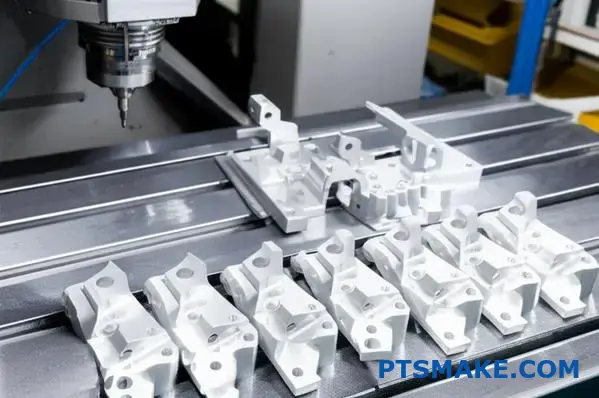
I veri risparmi sui costi dei progetti energetici derivano da una visione olistica. Non si tratta solo di una parte. Si tratta dell'intero processo di produzione, dalla progettazione all'assemblaggio finale. L'efficienza è il principio fondamentale.
Il potere della produzione in lotti
Produrre parti in lotti è una strategia classica. Riduce il tempo di setup della macchina per parte. Ciò riduce significativamente il costo unitario. Per qualsiasi progetto di lavorazione di precisione CNC per l'energia, questo metodo offre un grande valore. È particolarmente utile per ordini ricorrenti.
Spesso consigliamo ai clienti di pianificare le loro esigenze di inventario. Ciò consente cicli di produzione più ampi ed economici.
Consolidamento delle parti
Una parte lavorata può sostituire due o tre componenti assemblati? Il consolidamento delle parti semplifica l'assemblaggio. Riduce anche i potenziali punti di guasto. Questo approccio migliora l'affidabilità e riduce i costi di manodopera e di inventario. Una progettazione attenta è essenziale qui. Una profonda comprensione di Dimensionamento e tolleranza geometrica5 è necessaria per garantire che la parte consolidata funzioni correttamente.
| Strategia di produzione | Vantaggi principali | Applicazione ideale |
|---|---|---|
| Produzione in lotti | Costo unitario inferiore | Progetti con domanda stabile e ripetuta |
| Consolidamento delle parti | Ridotto tempo di assemblaggio, maggiore affidabilità | Assemblaggi complessi in un unico componente |
L'efficace risparmio sui costi combina un design intelligente, conoscenza dei materiali e metodi di produzione efficienti. Ottimizzando il design, selezionando materiali appropriati e sfruttando la produzione in serie, è possibile ridurre significativamente i costi di produzione senza mai compromettere la qualità o l'integrità dei componenti del vostro progetto energetico.
Nel settore energetico, i ritardi non sono solo scomodi. Possono bloccare interi progetti. Ciò influisce in modo significativo sui budget e sulle tempistiche.
Il successo dipende dalla padronanza di tre aree fondamentali. Queste sono la pianificazione meticolosa, la logistica ottimizzata e l'affidabilità robusta dei fornitori.
Le fondamenta del successo
Una pianificazione completa è la vostra prima linea di difesa. Stabilisce aspettative e tempistiche chiare per ogni componente. Ciò è particolarmente vero per i componenti di precisione CNC per l'energia.
Scegliere saggiamente i propri partner
La logistica e la scelta dei fornitori sono ugualmente critiche. Un partner affidabile comprende l'urgenza e la precisione che il vostro settore richiede. Vi aiutano a mantenere l'efficienza della catena di approvvigionamento.
| Approccio | Focus sulla pianificazione | Risultato |
|---|---|---|
| Proattivo | Mitigazione del rischio, scorte di sicurezza | Puntuale, nel budget |
| Reattivo | Risoluzione dei problemi, accelerazione | Ritardi, superamento dei costi |
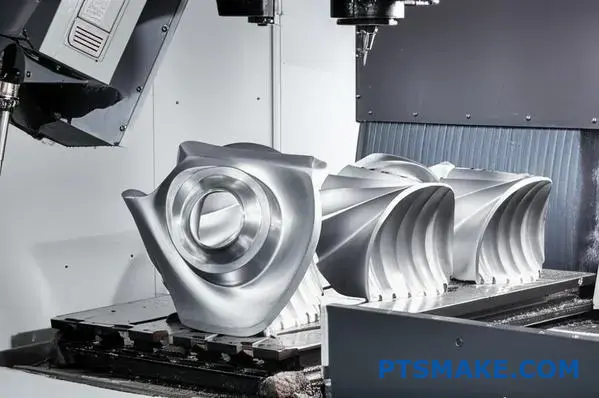
La vera consegna puntuale nei progetti energetici deriva da solide partnership. Si tratta di andare oltre le semplici transazioni con i vostri fornitori. Diventa uno sforzo collaborativo. Noi di PTSMAKE diamo priorità alla comunicazione trasparente. Ciò mantiene i nostri clienti informati in ogni fase.
Questo approccio crea fiducia. Permette inoltre aggiustamenti rapidi quando sorgono sfide. Una solida relazione con il fornitore significa che comprende le esigenze specifiche del tuo progetto. Possono anticipare potenziali problemi prima che causino ritardi. Questo è fondamentale per le parti che richiedono lavorazioni meccaniche di precisione CNC per l'energia.
Migliorare l'affidabilità dei fornitori
Rivediamo regolarmente le metriche di performance. Ciò garantisce che il nostro processo sia allineato agli obiettivi del progetto. L'uso della tecnologia per il monitoraggio in tempo reale fornisce un ulteriore livello di sicurezza. Ci aiuta a costruire una catena di approvvigionamento più prevedibile ed efficiente. Questo focus su resilienza della catena di approvvigionamento6 è ciò che protegge i progetti da interruzioni impreviste.
| Criteri di valutazione | Importanza | Esempio di metrica |
|---|---|---|
| Comunicazione | Alto | < 12 ore di tempo di risposta |
| Controllo qualità | Alto | < 11% tasso di difetti |
| Tempi di consegna | Medio | Consegna costante entro la finestra indicata |
| Abilità tecnica | Alto | Certificazioni (ad es. ISO 9001) |
Padroneggiare la consegna puntuale non è una questione di fortuna. È una strategia deliberata. Pianificazione proattiva, logistica intelligente e una forte collaborazione con i fornitori sono le chiavi per garantire che i tuoi progetti energetici rimangano in linea con i tempi e il budget.
Selezione di Materiali Avanzati per Componenti Energetici ad Alte Prestazioni
La selezione del materiale giusto è un passo fondamentale. Per le parti energetiche ad alte prestazioni, i metalli standard spesso non sono sufficienti. I materiali avanzati offrono capacità superiori.
Dobbiamo considerare opzioni come il titanio e i compositi. Questi materiali aumentano significativamente la durata e le prestazioni complessive. Tuttavia, richiedono competenze specializzate di lavorazione meccanica.
Titanio nelle applicazioni energetiche
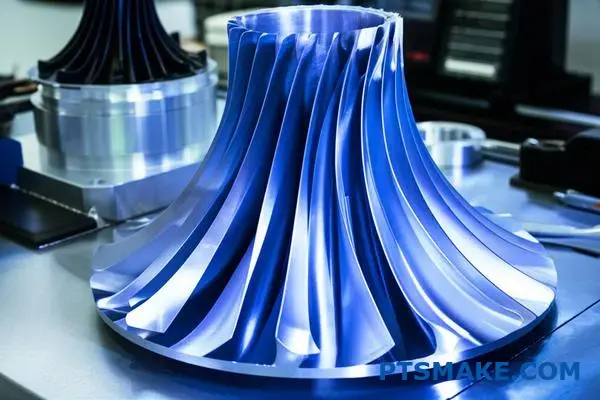
Il titanio offre un eccezionale rapporto resistenza-peso. Fornisce inoltre una superiore resistenza alla corrosione. Questo lo rende perfetto per ambienti energetici impegnativi.
Compositi per le esigenze moderne
I compositi sono leggeri e incredibilmente resistenti. Le loro proprietà possono essere personalizzate per esigenze specifiche, il che rappresenta un grande vantaggio per le lavorazioni meccaniche di precisione CNC innovative per l'energia.
| Materiale | Beneficio primario | Tipica Applicazione Energetica |
|---|---|---|
| Leghe di titanio | Resistenza alla Corrosione e Resistenza | Componenti sottomarini, parti di turbine |
| Materiali compositi | Elevato rapporto resistenza/peso | Pale eoliche, recipienti a pressione |
Considerazioni sulla lavorazione per materiali avanzati
La scelta di questi materiali avanzati per la lavorazione CNC per applicazioni energetiche è solo l'inizio. La vera sfida risiede spesso nella produzione.
Il titanio ha una conducibilità termica molto bassa. Il calore si accumula rapidamente sul tagliente. Ciò causa un rapido usura dell'utensile. Per contrastare questo, utilizziamo refrigeranti specifici e regoliamo attentamente i parametri di lavorazione.
I compositi sono una storia diversa. La loro struttura a strati può portare a delaminazione durante la lavorazione. Il proprietà anisotrope7 di questi materiali significa che la resistenza varia in base alla direzione. Ciò influisce direttamente sulla nostra strategia di taglio.
In PTSMAKE, la nostra esperienza con parti energetiche ad alte prestazioni è vasta. Abbiamo perfezionato i nostri processi per gestire queste complessità. Ciò garantisce che l'integrità del componente non venga mai compromessa. Il successo dipende dalla comprensione di come ogni materiale si comporta sotto stress.
Un rapido confronto
Ecco come questi materiali si confrontano da una prospettiva di lavorazione.
| Fattore | Titanio | Compositi in fibra di carbonio |
|---|---|---|
| Sfida principale | Gestione del calore | Prevenzione della Delaminazione |
| Usura degli utensili | Alto | Alto (Natura abrasiva) |
| Strumenti richiesti | Carburo con rivestimenti specifici | Utensili con rivestimento diamantato o PCD |
| Uso del refrigerante | Essenziale, alta pressione | Spesso lavorato a secco |
| Post-elaborazione | Spesso comporta distensione | Potrebbero essere necessari bordi di tenuta |
Materiali avanzati come titanio e compositi offrono vantaggi significativi per componenti energetici ad alte prestazioni. Tuttavia, i loro benefici si realizzano solo attraverso una lavorazione CNC esperta che affronta le loro proprietà e sfide uniche, garantendo affidabilità e prestazioni nel prodotto finale.
Una Checklist Completa per la Scelta di un Partner CNC per il Settore Energetico
La scelta del partner giusto per la lavorazione di precisione CNC per il settore energetico è fondamentale. Il successo del tuo progetto dipende da questa decisione. Una scelta sbagliata può portare a ritardi e problemi di qualità.
Questa guida fornisce una chiara checklist. Ti aiuta a valutare i potenziali fornitori in modo sistematico. Costruiamo una partnership affidabile fin dall'inizio.
Domande di Screening Iniziale
Prima di approfondire, poni queste domande preliminari. Filtrano rapidamente i fornitori inadatti.
| Domanda | Perché è importante |
|---|---|
| Esperienza nel Settore? | Comprendono le esigenze del settore energetico? |
| Certificazioni Chiave? | Certificazioni come ISO 9001 dimostrano un impegno per la qualità. |
| Parco Macchine? | Dispongono delle attrezzature giuste per i tuoi componenti? |
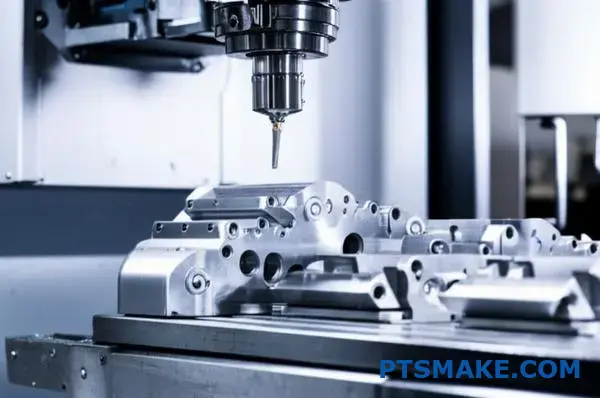
Un approccio sistematico è essenziale. Questa checklist per fornitori nel settore energetico è la tua guida. Ti aiuta ad andare oltre la presentazione di vendita di un fornitore e ad analizzare le sue reali capacità.
Approfondimento tecnico
Una volta che hai una rosa di candidati, è il momento di un'analisi più approfondita. Valuta la loro abilità tecnica e i sistemi di gestione della qualità. È qui che separi i buoni dai grandi.
Per componenti energetici complessi, la tracciabilità dei materiali è un requisito non negoziabile. Devi essere in grado di tracciare i materiali dalla fonte al pezzo finito. Chiedi il loro processo di documentazione.
Avanzato metrologia8 Le attrezzature sono anche cruciali. Senza di esse, è impossibile verificare le tolleranze ristrette richieste nel settore energetico. Noi di PTSMAKE investiamo molto in questi sistemi per garantire la conformità.
Comunicazione e assistenza
Le competenze tecniche sono solo una parte della storia. Il modo in cui un partner comunica può fare o distruggere un progetto.
| Aspetto della comunicazione | Partner ideale | Bandiera rossa |
|---|---|---|
| Reattività | Risposte rapide e chiare | Tempi di attesa di 24 ore o più |
| Proattività | Segnala potenziali problemi | Aspetta che i problemi si presentino |
| Segnalazione | Aggiornamenti regolari sui progressi compiuti | Aggiornamenti vaghi o assenti |
Quando scegli un partner CNC per progetti energetici, hai bisogno di un team che agisca come un'estensione del tuo. Una comunicazione aperta e trasparente è il fondamento di quella relazione.
Un processo di valutazione strutturato è il tuo miglior strumento. Questa checklist ti aiuta a valutare le capacità tecniche di un fornitore, i sistemi di qualità e i protocolli di comunicazione, assicurandoti di scegliere un partner CNC per progetti energetici in grado di fornire risultati.
Studio di Caso: Produzione di Componenti per Turbine Eoliche di Successo
La teoria è una cosa, ma i risultati sono ciò che conta. Diamo un'occhiata a uno studio di caso reale di una turbina eolica CNC. Un cliente necessitava di un componente critico per il cambio.
La parte richiedeva estrema precisione. Era realizzata in una lega resistente e difficile da lavorare. Questa è una sfida comune nella produzione di componenti energetici.
Queste erano le sfide iniziali del progetto:
| Sfida | Specifiche | Impatto sulle prestazioni |
|---|---|---|
| Durezza del materiale | Inconel 718 | Elevata usura degli utensili, velocità ridotte |
| Tolleranza | ±0,005 mm | Adattamento e durata dei cuscinetti |
| Geometria | Canali interni complessi | Dinamica dei fluidi di raffreddamento |
Il nostro compito era fornire una soluzione precisa e ripetibile per la produzione. Questa è una tipica storia di successo nella lavorazione energetica a cui puntiamo.
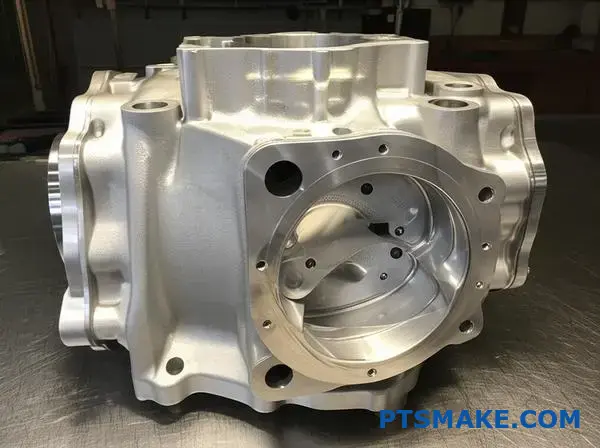
Questo progetto ha messo alla prova le nostre capacità di lavorazione di precisione CNC per l'energia. L'ostacolo principale era il materiale stesso. L'Inconel è notoriamente difficile da lavorare. Causa un rapido usura degli utensili e richiede parametri di lavorazione molto specifici per evitare l'incrudimento.
Il nostro approccio iniziale con utensili standard in carburo era inefficiente. Ha comportato costi elevati e tempi di consegna lunghi. Sapevamo che era necessaria una strategia diversa per questo componente di turbina eolica.
Siamo passati all'uso di inserti da taglio in ceramica. Abbiamo anche ottimizzato i percorsi di taglio con software CAM avanzato. Questo cambiamento da solo ha ridotto significativamente il tempo di lavorazione. Il comportamento del materiale sotto stress è stato un fattore chiave; la sua uniforme Proprietà isotropiche del materiale9 ha permesso forze di taglio prevedibili una volta trovati i parametri giusti.
Dopo aver collaborato con il team di ingegneri del cliente, abbiamo implementato un processo a più fasi. Questo ha comportato sgrossatura, semi-finitura, trattamento termico e poi finitura finale su una macchina CNC a 5 assi.
I risultati della nostra ottimizzazione del processo erano chiari.
| Metrico | Metodo precedente | Soluzione PTSMAKE | Miglioramento |
|---|---|---|---|
| Tempo di ciclo | 42 ore/pezzo | 31 hours/part | 26% Reduction |
| Vita dell'utensile | 2 parts/tool | 7 parts/tool | 250% Increase |
| Tasso di rifiuto | 8% | <1% | 87,5% Riduzione |
This successful wind turbine CNC case study shows how tackling material and process challenges head-on leads to better outcomes. We provided a reliable production method, not just a single part.
This case study demonstrates how specialized tooling and process optimization solved a complex machining challenge. Our solution for the wind turbine component reduced cycle time and costs while improving quality, building trust through proven results.
Il Ruolo della Precisione nella Fabbricazione di Componenti per l'Energia Nucleare
In nuclear energy, safety isn’t just a goal; it’s the absolute foundation. There is no room for error. This is where the importance of precision manufacturing becomes clear.
Specifically, nuclear energy CNC machining is not merely a production method. It is a critical safety requirement.
The Unforgiving Environment
Components in a nuclear reactor face extreme conditions. They endure high temperatures, intense pressure, and constant radiation. Any microscopic flaw can lead to catastrophic failure. Precision is the only safeguard.
| Caratteristica | Lavorazione tradizionale | Lavorazione CNC |
|---|---|---|
| Tolleranza | +/- 0.1 mm | Up to +/- 0.005 mm |
| Coerenza | Variabile | Altamente ripetibile |
| Complessità | Limitato | Alto |
| Sicurezza | Operator Dependent | System Controlled |
This level of precision ensures parts fit perfectly. It also guarantees they perform reliably under stress for decades.
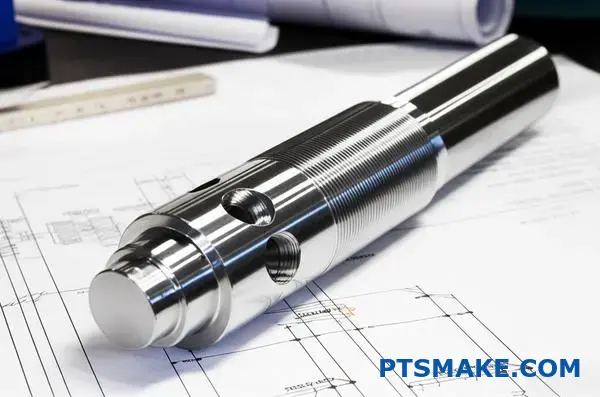
The nuclear industry is governed by some of the world’s strictest standards. Regulations like ASME NQA-1 and 10 CFR Part 50 dictate every step. This includes material sourcing, fabrication, and documentation.
Navigating Regulatory Hurdles with Precision
CNC machining is vital for meeting these complex rules. It provides the traceability and repeatability that regulators demand. Every cut is programmed, executed, and documented. This removes the human error variable.
At PTSMAKE, our quality management system is built for this. It ensures full compliance with every client specification and regulatory body. We understand that a component’s history is as important as its physical dimensions. For instance, material selection must account for factors like potential neutron embrittlement10.
This is a critical consideration for long-term operational safety. Precision machining allows us to work with specialized, radiation-resistant alloys.
| CNC Machining Benefit | Impact on Nuclear Compliance |
|---|---|
| High Accuracy | Meets tight design tolerances for safety. |
| Ripetibilità | Ensures all parts are identical, simplifying certification. |
| Full Traceability | Provides detailed data logs for audits. |
| Movimentazione dei materiali | Capable of machining exotic, tough alloys. |
Ultimately, energy cnc precision machining delivers the confidence needed to operate nuclear facilities safely and effectively for their entire lifespan.
La precisione impareggiabile della lavorazione CNC non è solo una caratteristica, ma una necessità. È fondamentale per soddisfare i rigorosi standard di sicurezza e le richieste normative del settore dell'energia nucleare, garantendo l'integrità dei componenti e l'affidabilità operativa.
Soluzioni Scalabili: Dal Prototipo alla Produzione di Massa
Nel settore energetico, il percorso da un singolo concetto a migliaia di unità è fondamentale. La lavorazione CNC scalabile è la chiave di questa transizione. Supporta sia la prototipazione iniziale che la produzione di massa senza soluzione di continuità.
Questa flessibilità consente una rapida validazione del progetto. Quindi, si scala senza modifiche sostanziali del processo. Ciò garantisce coerenza e controlla i costi.
Prototipazione vs. Produzione
| Caratteristica | Fase di prototipazione | Fase di produzione di massa |
|---|---|---|
| Obiettivo | Convalidare il design e la funzione | Produzione costante ad alto volume |
| Velocità | La rapida evasione è fondamentale | Ottimizzato per il tempo ciclo |
| Costo | Costo unitario più elevato | Costo unitario inferiore |
| Flessibilità | Facili modifiche al progetto | Processo standardizzato |
Questa doppia capacità rende la lavorazione CNC una soluzione ideale per l'esigente industria energetica. Colma efficacemente il divario.
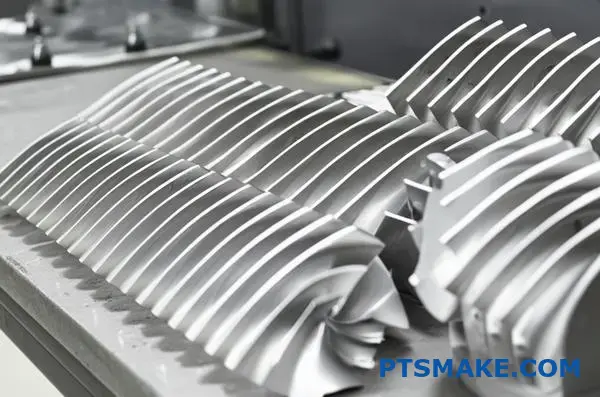
Scalare dal prototipo alla produzione utilizzando la lavorazione CNC è un processo strutturato. Garantisce che le parti finali soddisfino le rigorose esigenze dell'industria energetica, dalle turbine eoliche ai componenti dei pannelli solari.
La fase di prototipazione
Inizialmente, ci concentriamo su velocità e precisione. L'obiettivo è creare un prototipo funzionale per il test. Questa parte potrebbe essere lavorata da un blocco solido per testare rapidamente forma, adattamento e funzione. Le modifiche al progetto sono comuni e facilmente implementabili in questa fase.
La transizione alla produzione
Una volta approvato il design, l'attenzione si sposta. Analizziamo il processo per l'efficienza. È qui che i principi di Progettazione per la producibilità (DFM)11 sono cruciali. Affiniamo i percorsi utensile, progettiamo maschere personalizzate e selezioniamo materiali che bilanciano prestazioni e costi per grandi volumi. Questo passaggio è vitale per una scalabilità di successo.
Produzione su Larga Scala
Per la produzione di massa, l'automazione è fondamentale. Utilizziamo centri CNC multi-asse e sistemi di carico automatizzati per eseguire le operazioni in modo continuo. Ciò aumenta la produzione e garantisce che ogni pezzo mantenga tolleranze ristrette. Il controllo qualità costante è integrato in tutto il processo.
| Palcoscenico | Attività chiave | Ruolo della Lavorazione CNC |
|---|---|---|
| 1. Prototipo | Validazione del design, iterazione rapida | Lavorazione rapida e flessibile di 1-10 unità |
| 2. Pre-produzione | Ottimizzazione del processo, progettazione di maschere | Affinamento dei programmi per l'efficienza |
| 3. Produzione di massa | Produzione automatizzata ad alto volume | Operatività continua con minima supervisione |
Questo approccio a fasi, attraverso il quale guidiamo i nostri clienti su PTSMAKE, garantisce un percorso fluido e prevedibile per qualsiasi progetto di lavorazione di precisione CNC per l'energia.
La lavorazione CNC offre un percorso unicamente scalabile da un singolo prototipo alla produzione completa. Questo approccio integrato garantisce il mantenimento dell'intento progettuale, fornisce controllo dei costi e offre la flessibilità necessaria per l'innovazione nel settore energetico.
Migliori Pratiche di Garanzia della Qualità per Componenti dell'Industria Energetica
In the energy sector, part failure is not an option. A robust Quality Assurance (QA) protocol is the bedrock of reliability. It prevents catastrophic failures. This involves more than a final check.
It’s a comprehensive process. It begins before machining and ends long after delivery.
Key Inspection Stages
Effective QA integrates multiple inspection points. Each stage serves a specific purpose, ensuring standards are met throughout the manufacturing cycle for energy parts.
| Tipo di ispezione | Scopo | Strumenti utilizzati |
|---|---|---|
| Ispezione del primo articolo | Verifies the setup | CMM, Calipers |
| Ispezione in corso d'opera | Monitoraggio della coerenza | Gauges, SPC Software |
| Ispezione finale | Confirms all specs are met | All relevant tools |
This structured approach is vital for any energy cnc precision machining project. It ensures every part is perfect.
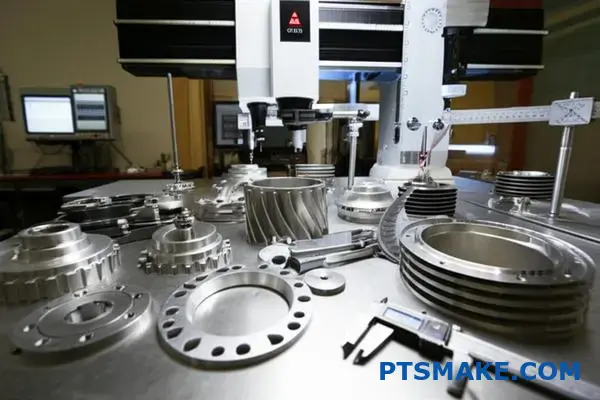
A comprehensive QA strategy goes beyond simple measurements. It involves a documented, repeatable system that ensures consistency and adherence to strict industry standards. This is the core of effective CNC machining quality control.
Implementing QA Standards
The first step is adopting a recognized standard. ISO 9001 provides a strong framework. From there, we build specific protocols for the energy industry’s unique demands. This includes full material traceability and stringent testing procedures.
In PTSMAKE, integriamo questi passaggi direttamente nel nostro flusso di lavoro. Questo garantisce che garanzia di qualità delle parti energetiche non sia solo un passaggio finale, ma un processo continuo. Utilizziamo metodi come Controllo statistico dei processi12 per monitorare i nostri processi in tempo reale. Ciò ci consente di identificare e correggere potenziali deviazioni prima che comportino una parte non conforme.
Un approccio di implementazione graduale
L'implementazione di un nuovo protocollo di QA dovrebbe essere sistematica. Seguiamo un approccio chiaro e graduale per garantire il successo e ridurre al minimo le interruzioni.
| Fase | Azioni chiave | Obiettivo |
|---|---|---|
| 1. Pianificazione | Definire metriche di qualità, selezionare strumenti. | Stabilire una chiara linea di base di qualità. |
| 2. Formazione | Educare il team sui nuovi standard. | Garantire un'esecuzione coerente. |
| 3. Esecuzione | Implementare protocolli di ispezione. | Integrare la QA nella produzione. |
| 4. Revisione | Analizzare i dati, raccogliere feedback. | Migliorare continuamente il processo. |
Questa implementazione strutturata garantisce che ogni componente che produciamo soddisfi i requisiti critici del settore energetico.
Protocolli di controllo qualità rigorosi sono non negoziabili per i componenti del settore energetico. Un approccio a più fasi, dalla verifica dei materiali ai controlli in-process e ai test finali, è essenziale. Questo processo sistematico garantisce l'affidabilità dei componenti e previene guasti costosi e pericolosi sul campo.
Sostenibilità ambientale nella produzione energetica
Nel settore energetico, la sostenibilità non è solo un obiettivo; è una necessità. Questo si applica direttamente ai partner di produzione. La lavorazione CNC svolge un ruolo fondamentale.
Le pratiche ecocompatibili nella lavorazione CNC sono cruciali. Comportano la riduzione degli sprechi e il miglioramento dell'efficienza energetica. Questo approccio avvantaggia tutti i soggetti coinvolti.
La lavorazione sostenibile supporta direttamente la missione del settore energetico. Aiuta a creare una catena di approvvigionamento più pulita e responsabile.
Cambiamenti chiave nelle pratiche di lavorazione
Vediamo un chiaro spostamento verso metodi più ecologici. Non si tratta solo di immagine pubblica. Si tratta di eccellenza operativa.
| Metodo tradizionale | Alternativa sostenibile |
|---|---|
| Uso di grandi volumi di refrigerante | Lubrificazione a quantità minima (MQL) |
| Smaltimento di rottami metallici | Riciclaggio completo dei materiali |
| Percorsi utensile standard | Percorsi utensile ottimizzati e a risparmio energetico |
Questi cambiamenti rendono la produzione energetica ecocompatibile a reality. They reduce environmental impact and often cut costs.
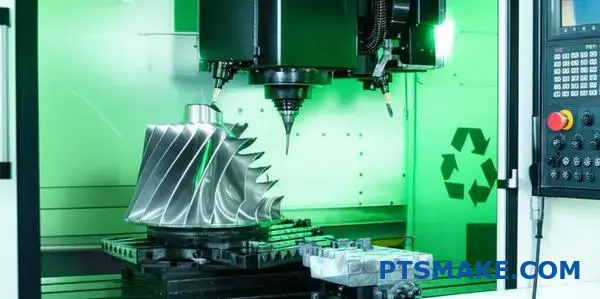
Deeper Dive into Sustainable Practices
Implementing sustainable CNC machining requires a strategic approach. It’s more than just recycling metal shavings. We focus on optimizing the entire process, from material selection to final delivery.
Energy Efficiency in Operations
Modern CNC machines are more energy-efficient. But efficiency also comes from how we use them. Optimized toolpaths, for example, reduce machine run-time. This directly lowers electricity consumption for each part produced.
Based on our internal studies, smart toolpath strategies can cut energy use by up to 15% per cycle. This is a significant saving when applied to large production runs for the energy industry.
Waste and Material Management
Reducing waste is fundamental. This starts with using near-net-shape raw materials. It minimizes the amount of material that needs to be machined away.
We also use advanced biodegradable coolants. They are less harmful to the environment. Proper management of these fluids is key. A comprehensive life-cycle assessment13 helps us understand the full impact of our material choices.
Here’s how we approach material efficiency in energy cnc precision machining.
| Pratica | Beneficio primario | Beneficio secondario |
|---|---|---|
| Material Scrap Recycling | Reduces landfill waste | Generates revenue from scrap |
| Biodegradable Coolants | Lowers environmental toxicity | Improves workshop air quality |
| Near-Net-Shape Materials | Cuts machining time | Reduces material cost |
Sustainable CNC machining is a core part of our philosophy at PTSMAKE. It ensures we meet client needs while respecting our environmental responsibilities.
Sustainable CNC machining reduces waste and saves energy. These eco-friendly practices align with energy sector goals, offering clear environmental and economic benefits. It is a practical and necessary step for modern la produzione energetica ecocompatibile.
Partnership globali: sfruttare l'esperienza per progetti energetici locali
Local energy projects are complex. They require specialized components and deep expertise. This is where a global CNC partner for energy projects becomes invaluable.
International suppliers are more than just vendors. They bring a wealth of experience. This experience helps navigate challenges in design and production.
The Advantage of Global Expertise
A partner like PTSMAKE provides access to advanced manufacturing technologies. This helps local teams innovate faster. They also benefit from established logistical networks, ensuring timely delivery.
| Partnership Aspect | Local Team Focus | Global Partner Contribution |
|---|---|---|
| Competenza | Project Management & Installation | Progettazione per la producibilità (DFM) |
| Tecnologia | Integrazione del sistema | Lavorazioni CNC avanzate |
| Logistica | Coordinamento del sito | Gestione della catena di approvvigionamento globale |
Questa collaborazione accelera le tempistiche. Migliora anche la qualità finale del progetto.
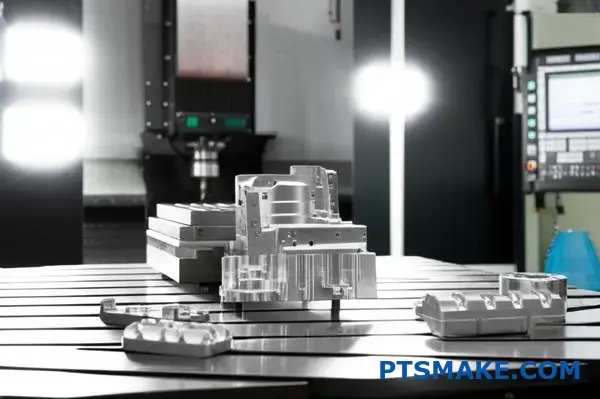
Affidarsi esclusivamente a fornitori locali può talvolta limitare l'accesso a tecnologie o materiali specifici. I partner internazionali per la produzione energetica superano queste limitazioni. Forniscono un ponte verso una catena di approvvigionamento globale.
Ottimizzazione di operazioni complesse
Un ruolo chiave per un partner globale è la gestione della logistica di produzione. Questo libera il team di progetto locale. Possono concentrarsi sull'installazione e sulla messa in servizio. Questa divisione del lavoro è efficiente.
Abbiamo scoperto che questo modello riduce significativamente i colli di bottiglia del progetto. Ad esempio, quando un componente complesso per un progetto energetico richiede leghe specifiche, un partner internazionale può reperirle in modo più efficace attraverso la propria rete globale.
Questo approccio trasforma la catena di approvvigionamento. Diventa un asset strategico piuttosto che un ostacolo logistico. Il concetto di Produzione distribuita14 è centrale qui. Sfrutta le capacità globali per le esigenze locali, creando un sistema più resiliente ed efficiente.
Aree di supporto chiave
- Approvvigionamento di materiali: Accesso a materiali specializzati a livello globale.
- Lavorazione di precisione: Fornitura di lavorazioni di precisione CNC per energia ad alta tolleranza.
- Garanzia di qualità: Implementazione di standard di qualità rigorosi e riconosciuti a livello globale.
- Global Shipping: Managing customs and international freight seamlessly.
| Responsibility | Local Project Team | International Manufacturing Partner |
|---|---|---|
| Design | Core System Design | Component-Level DFM Analysis |
| Produzione | Montaggio finale | Precision Part Manufacturing |
| Logistica | On-site Material Handling | International Shipping & Customs |
| QA | Final System Testing | Component-Level Quality Control |
This partnership structure ensures every part of the process is handled by experts.
Global partnerships provide crucial expertise and logistical support. This collaboration allows local energy initiatives to access advanced manufacturing and streamlined supply chains, which are essential for project success and innovation in the energy sector.
Fai il passo successivo con PTSMAKE per le tue esigenze CNC nel settore energetico
Ready to elevate your energy projects with unmatched CNC precision machining? Contact PTSMAKE today for a fast, personalized quote. Our expertise ensures top-notch quality, efficiency, and on-time delivery—trusted by leading innovators worldwide. Let us deliver the precision your energy components require. Send your inquiry now!

Scopri in che modo questo processo fondamentale differisce dai metodi additivi e perché è fondamentale per parti ad alta resistenza. ↩
Clicca per capire come questa proprietà del materiale influisce sulla lavorazione e sulla durata del pezzo. ↩
Comprendi come caratteristiche uniformi del materiale siano cruciali per parti sottoposte a stress operativi estremi. ↩
Esplora la scienza della misurazione e il suo ruolo critico nel garantire l'accuratezza della produzione. ↩
Scopri come questo linguaggio simbolico migliora la chiarezza del design e riduce costosi errori. ↩
Scopri come la costruzione di una catena di approvvigionamento resiliente può proteggere i tuoi progetti da interruzioni impreviste e garantire stabilità a lungo termine. ↩
Scopri di più su come questa caratteristica chiave del materiale influisce sull'integrità strutturale e sulla strategia di produzione. ↩
Scopri come la scienza della misurazione di precisione garantisce che i tuoi pezzi soddisfino le esatte specifiche del settore energetico. ↩
Scopri come le proprietà dei materiali influenzano i risultati della lavorazione di precisione e l'affidabilità dei componenti. ↩
Comprendi come le radiazioni influenzano l'integrità dei materiali e perché è fondamentale per la progettazione e la durata dei componenti nucleari. ↩
Scopri come i principi DFM possono ottimizzare i tuoi progetti per una produzione su larga scala economicamente vantaggiosa. ↩
Scopri come questo metodo basato sui dati migliora la coerenza della produzione e la qualità dei pezzi. ↩
Scopri come questo framework valuta l'impatto ambientale totale di un prodotto, dalla creazione allo smaltimento. ↩
Scopri come questo modello di produzione può ridurre il rischio della tua catena di approvvigionamento e migliorare l'efficienza del progetto. ↩