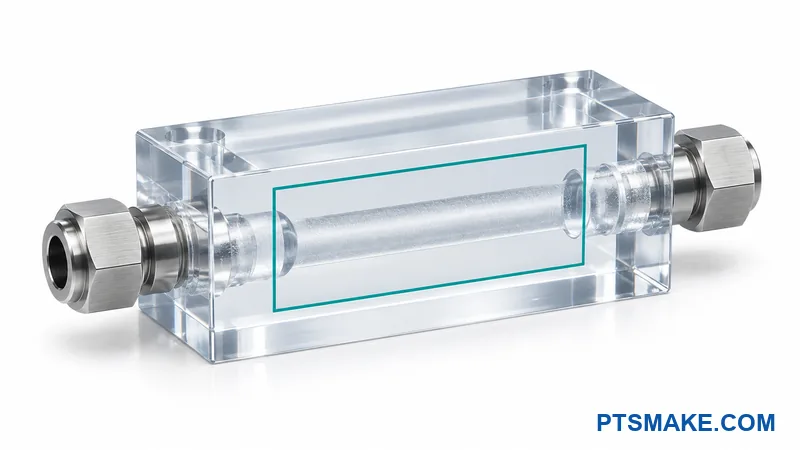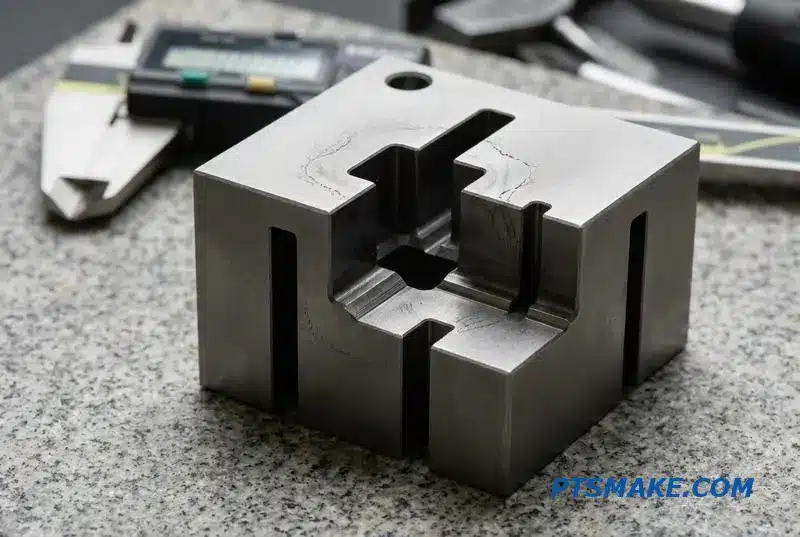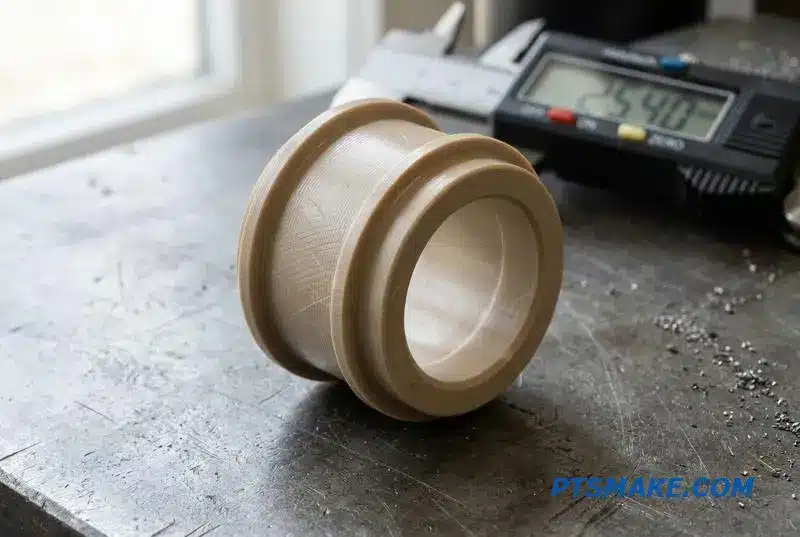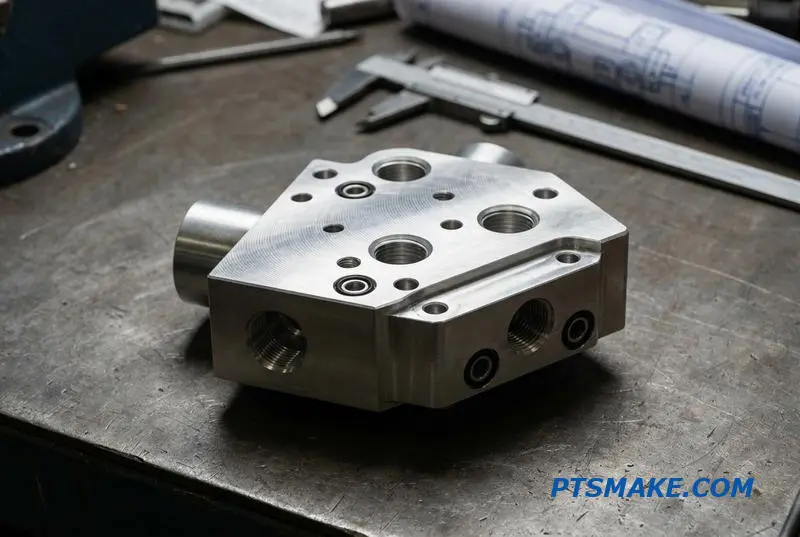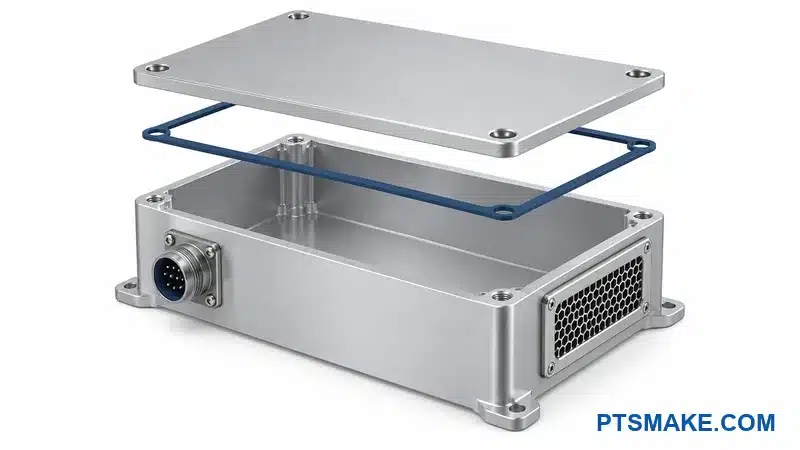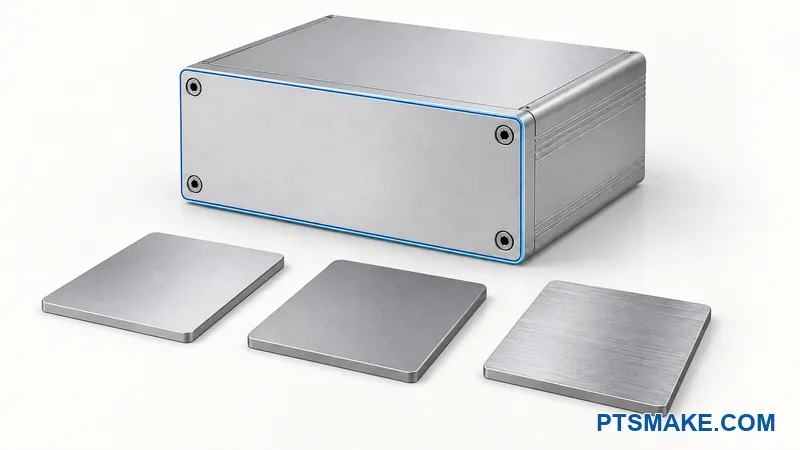

Ihr Ingenieurteam hat gerade Monate damit verbracht, ein Design zu perfektionieren, nur um CNC-Prototypen zu erhalten, die nicht richtig zusammenpassen. Die Toleranzen sind daneben, die Oberflächenbeschaffenheit sieht rau aus und Ihr Projektzeitplan hat sich gerade um weitere zwei Wochen verschoben.
CNC-Bearbeitungs-Prototypen sind ein Präzisionsfertigungsprozess, der funktionale Prototypen erstellt, indem Material von massiven Blöcken mit computergesteuerten Schneidwerkzeugen entfernt wird, was enge Toleranzen und oberflächenbeschaffenheiten in Produktionsqualität für Tests und Validierung liefert.
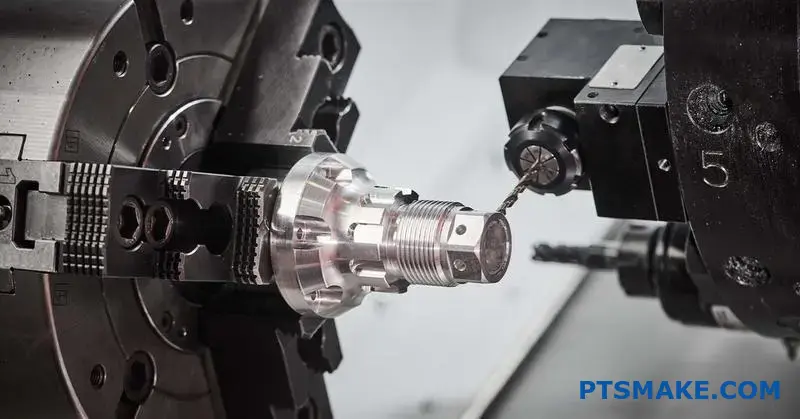
Ich habe mit Teams zusammengearbeitet, die dachten, alle CNC-Prototyping-Dienste seien gleich. Sie haben auf die harte Tour gelernt, dass Materialauswahl, Toleranzfähigkeiten und Lieferantenexpertise den Unterschied zwischen Prototypen ausmachen, die Ihr Design validieren, und solchen, die Ihr Budget verschwenden.
Warum CNC-Bearbeitung der Goldstandard für Prototyping ist
Wenn Sie einen Prototyp benötigen, der wirklich Leistung bringt, ist die CNC-Bearbeitung die überlegene Wahl. Sie bietet unübertroffene Genauigkeit für funktionale Tests.
Dieser Prozess stellt sicher, dass Form, Passform und Funktion Ihres Designs mit realen Materialien validiert werden. A CNC-Bearbeitungs-Prototyp ist nicht nur ein Modell; es ist ein testbarer Teil.
Wichtiger Vergleich von Prototyping-Methoden
Die Debatte über CNC vs. 3D-Druck ist üblich. Für Präzisionsprototypen, wird die Wahl jedoch klar. CNC liefert Teile, die der endgültigen Produktionsqualität sehr nahe kommen.
| Merkmal | CNC-Bearbeitung | 3D-Druck |
|---|---|---|
| Genauigkeit | Extrem hoch | Variiert je nach Technologie |
| Material Vielseitigkeit | Produktionsreife Metalle & Kunststoffe | Hauptsächlich Polymere |
| Teil Stärke | Ausgezeichnetes, solides Material | Schwächer aufgrund von Schichten |
Unter den Rapid-Prototyping-Methoden, bietet CNC den besten Kosten-Nutzen-Vorteil für die funktionale Validierung.
Die entscheidende Rolle des Materials beim Prototyping
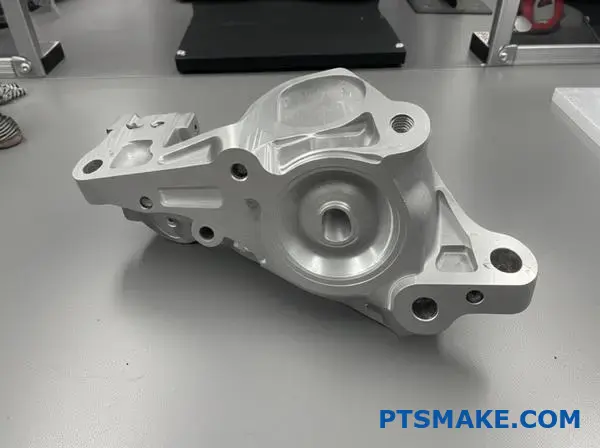
Die Hauptaufgabe eines Prototyps ist die Validierung eines Designs. Die Verwendung des endgültigen Produktionsmaterials ist für genaue Tests unerlässlich. Hier glänzt die CNC-Bearbeitung wirklich.
Bei PTSMAKE bearbeiten wir Prototypen aus dem exakten Materialblock, der für die Produktion vorgesehen ist. Dies kann alles sein, von Aluminium in Luft- und Raumfahrtqualität bis hin zu PEEK in medizinischer Qualität. Dieser Ansatz liefert Daten, denen Sie vertrauen können.
Ein 3D-gedrucktes Teil mag gleich aussehen, aber es verhält sich unter Belastung oder Hitze nicht gleich. CNC-gefräste Teile behalten das ursprüngliche Material isotrope Eigenschaften1. Das bedeutet, dass die Festigkeit in alle Richtungen gleichmäßig ist, im Gegensatz zur geschichteten Struktur von 3D-Drucken.
Echte Kosten vs. Anschaffungspreis
Nur über den Anfangspreis nachzudenken, ist ein häufiger Fehler. Ein fehlgeschlagener Funktionstest aufgrund eines schwachen Prototyps kostet durch Verzögerungen und Neugestaltungen weitaus mehr als die anfängliche Einsparung. Die Investition in eine Qualität CNC-Bearbeitungs-Prototyp mindert dieses Risiko.
| Bewertungsmetrik | CNC-bearbeiteter Prototyp | 3D-gedruckter Prototyp |
|---|---|---|
| Funktionale Zuverlässigkeit | Hoch | Niedrig bis mittel |
| Materialechtheit | 100% | Niedrig (Annäherung) |
| Risiko der Neugestaltung | Minimiert | Hoch |
| Gesamtkosten des Projekts | Vorhersehbarer | Kann eskalieren |
Dieser datengesteuerte Ansatz sorgt für einen reibungsloseren Übergang vom Prototyp zur Produktion.
Die CNC-Bearbeitung liefert unübertroffene Genauigkeit und Materialtreue für funktionale Prototypen. Dies macht sie zur zuverlässigsten Wahl für die Validierung von Designs, bevor man sich zur Massenproduktion verpflichtet, und gewährleistet eine höhere Kapitalrendite trotz potenziell höherer Anfangskosten.
Der Kern der Präzision: Toleranzen und Oberflächenbeschaffenheiten
Die Erzielung von Konsistenz bei einem CNC-bearbeiteten Prototyp beginnt mit dem Verständnis der Fähigkeiten der Maschine. Es geht nicht nur darum, eine Zahl zu erreichen. Es geht darum, jedes Detail zu kontrollieren.
Diese Kontrolle bestimmt, wie Ihre Teile passen und funktionieren.
CNC-Fräsen vs. Drehen Toleranzen
CNC-Fräsen und Drehen bieten unterschiedliche Präzisionsstufen. Fräsen ist vielseitig für komplexe Formen. Drehen eignet sich hervorragend für zylindrische Teile mit hoher Genauigkeit. Beide sind entscheidend für die Bearbeitung mit engen Toleranzen.
| Prozess | Standard-Toleranz | Enge Toleranz |
|---|---|---|
| CNC-Fräsen | ±0,1 mm (±0,004") | Bis zu ±0,01 mm (±0,0004") |
| CNC-Drehen | ±0,05 mm (±0,002") | Bis zu ±0,005 mm (±0,0002") |
Diese Werte hängen stark von Material und Geometrie ab.
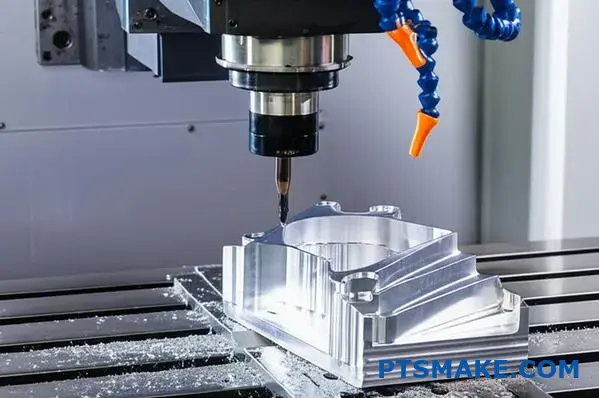
Echte Präzision geht über die Maßgenauigkeit hinaus. Sie beinhaltet die Kontrolle der Textur der bearbeiteten Oberfläche. Hier scheitern oder glänzen hochpräzise Prototypen während der Montage.
Ein Teil kann maßlich perfekt sein. Aber wenn seine Oberfläche für seine Anwendung zu rau oder zu glatt ist, funktioniert es nicht richtig.
Die entscheidende Rolle der Oberflächengüte (Ra)
Die Oberflächengüte, gemessen in Ra (mittlere Rauheit), bestimmt, wie eine Komponente mit anderen interagiert. Sie beeinflusst Reibung, Verschleiß, Abdichtung und sogar das Aussehen. Eine ordnungsgemäße Kontrolle gewährleistet eine zuverlässige Montage und Leistung.
Unsere Arbeit mit Kunden hat gezeigt, dass die Übersehung von Oberflächenangaben eine häufige Ursache für Prototypenversagen ist.
Deshalb ist eine vollständige technische Zeichnung, die ein System wie Geometrische Dimensionierung und Tolerierung (GD&T)2, unerlässlich. Sie bietet eine universelle Sprache zur Definition nicht nur von Größe, sondern auch von Form, Ausrichtung und Lage von Merkmalen und gewährleistet so eine hohe Genauigkeit bei der CNC-Bearbeitung.
| Ra Wert (μm) | Bearbeitungsverfahren | Gemeinsame Bewerbung |
|---|---|---|
| 3.2 - 6.3 | Standard-Fräsen/Drehen | Allzweckteile, nicht kritische Oberflächen |
| 1.6 - 3.2 | Feinbearbeitung | Passflächen, eng anliegende Komponenten |
| 0.8 - 1.6 | Schleifen/Läppen | Lagerflächen, verschleißfeste Komponenten |
| < 0.8 | Polieren/Honen | Dichtflächen, optische Komponenten |
Das Verständnis der Beziehung zwischen Toleranz, Oberflächengüte und Montage ist grundlegend. Es verwandelt einen einfachen CNC-Bearbeitungs-Prototyp von einem Konzept in ein funktionsfähiges, zuverlässiges Teil, das alle technischen Anforderungen erfüllt und kostspielige Überarbeitungen vermeidet.
Der ultimative Vergleich: CNC-Prototyping vs. Spritzguss für frühe Bauphasen
Bei Entscheidungen über die Prototypenfertigung in geringen Stückzahlen stehen Hardware-Teams in der Anfangsphase vor einer kritischen Wahl. Entscheiden Sie sich für CNC-Bearbeitung oder Spritzguss? Jede hat deutliche Vorteile.
Ihre Entscheidung beeinflusst Geschwindigkeit, Kosten und die Qualität des Testfeedbacks, das Sie erhalten. Die richtige Entscheidung ist unerlässlich, um im Zeitplan und Budget zu bleiben.
Hier ist eine kurze Aufschlüsselung.
| Merkmal | CNC-bearbeiteter Prototyp | Spritzguss-Prototyp |
|---|---|---|
| Geschwindigkeit | Schnell (Stunden bis Tage) | Langsamer (Wochen) |
| Vorabkosten | Niedrig (keine Werkzeuge) | Hoch (Schimmelkosten) |
| Pro-Einheit-Kosten | Hoch | Niedrig (bei Lautstärke) |
| Wahl des Materials | Breite, produktionsreife | Sehr breit, produktionsreif |
| Designänderungen | Einfach & günstig | Schwierig & kostspielig |
Dieser Vergleich hilft, die Kernkompromisse zu verstehen, die Sie berücksichtigen müssen.
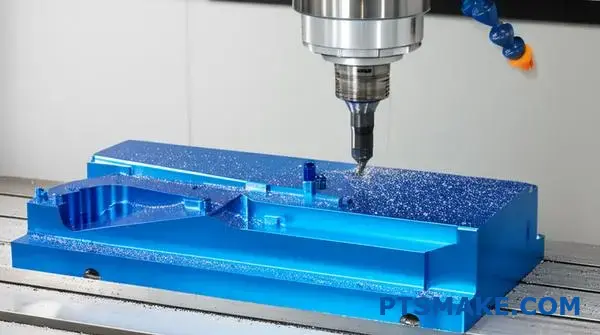
Die Entscheidung zwischen einem CNC-Prototyp und Spritzguss hängt vollständig von den unmittelbaren Zielen Ihres Projekts ab.
Ein CNC-Bearbeitungs-Prototyp ist unübertroffen in Bezug auf Geschwindigkeit. Wir können eine CAD-Datei innerhalb von Tagen bei PTSMAKE in ein physisches Teil umwandeln. Dies ermöglicht eine schnelle Designiteration. Sie können ein Konzept testen, einen Fehler finden und schnell ein überarbeitetes Teil erhalten. Das Material wird aus einem massiven Block geschnitzt und bietet hervorragende Festigkeit für Funktionstests.
Spritzguss arbeitet mit einer anderen Zeit- und Kostenstruktur. Die Haupthürde sind die anfänglichen Kosten und die Zeit für die Erstellung der Stahlform. Dieser Prozess kann mehrere Wochen dauern.
Sobald die Form jedoch fertig ist, ist die Produktion von Teilen schnell und pro Einheit unglaublich kostengünstig. Hier ist Werkzeugkostenamortisation3 ein wichtiger finanzieller Faktor. Die hohen Anfangsinvestitionen verteilen sich auf Hunderte oder Tausende von Teilen.
Dies macht den Spritzguss ideal für Prototypen in späteren Phasen, wenn das Design stabil ist. Er ist auch perfekt für Vorserien, bei denen Sie Teile benötigen, die mit der endgültigen Produktionsversion identisch sind. Diese Teile sind für die endgültige Validierung und Markttests von unschätzbarem Wert.
Ihre Wahl läuft auf einen einfachen Kompromiss hinaus. CNC-Bearbeitung bietet Geschwindigkeit und Flexibilität für die Validierung in frühen Phasen. Spritzguss liefert kostengünstige, produktionsnahe Teile, sobald Ihr Design ausgereifter ist, erfordert jedoch eine erhebliche Anfangsinvestition in Werkzeuge.
So wählen Sie das richtige Material für CNC-bearbeitete Prototypen aus
Die Auswahl des richtigen Materials ist ein entscheidender erster Schritt. Ihre Wahl beeinflusst Leistung, Kosten und Herstellungszeit. Es ist ein wichtiger Teil jedes CNC-Bearbeitungs-Prototyp-Projekts.
Betrachten wir die gängigsten Materialien, mit denen ich arbeite. Jedes hat einzigartige Eigenschaften, die es für bestimmte Branchen geeignet machen. Die richtige Materialauswahl verhindert kostspielige Neugestaltungen später.
Metalle: Festigkeit und Haltbarkeit
Aluminium und Edelstahl sind Top-Optionen für robuste Prototypen. Sie bieten ausgezeichnete mechanische Eigenschaften. Ihre Kosten und Anwendungen unterscheiden sich jedoch erheblich.
Hier ist ein schneller Vergleich basierend auf unseren internen Tests:
| Merkmal | Aluminium (z. B. 6061) | Rostfreier Stahl (z. B. 304) |
|---|---|---|
| Stärke | Gut | Ausgezeichnet |
| Kosten | Unter | Höher |
| Gewicht | Leichtgewicht | Schwer |
| Bearbeitbarkeit | Ausgezeichnet | Messe |
| Korrosionsbeständigkeit | Gut | Ausgezeichnet |
Aluminium-Prototyping ist wegen seines Eigenschaftengleichgewichts beliebt. Es ist perfekt für Automobil- und Luft- und Raumfahrtteile, bei denen das Gewicht eine Rolle spielt.
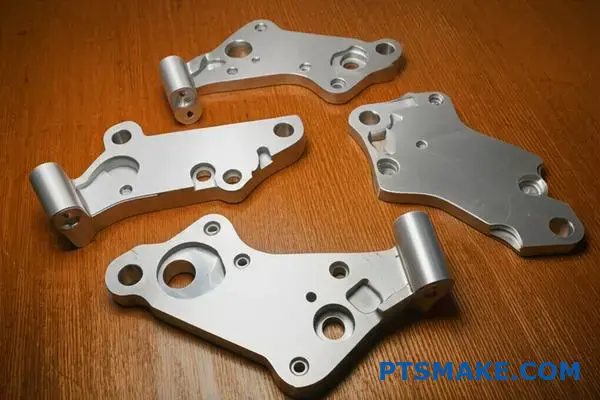
Kunststoffe: Vielseitigkeit und Kosteneffizienz
Für viele Anwendungen bieten Kunststoffe eine ideale Lösung. Sie sind leicht, oft günstiger und können spezielle Eigenschaften haben. ABS und POM sind zwei der vielseitigsten Optionen, die wir bei PTSMAKE bearbeiten.
ABS ist die erste Wahl für Gehäuse und Konsumgüter. Es bietet eine gute Schlagfestigkeit und lässt sich leicht bearbeiten. Es ist eine ausgezeichnete Wahl für Form- und Passungstests.
POM (auch bekannt als Delrin) ist anders. Es wird für seine geringe Reibung und hohe Steifigkeit geschätzt. Das macht es perfekt für bewegliche Teile wie Zahnräder und Lager. Seine natürliche Gleitfähigkeit reduziert den Verschleiß in mechanischen Baugruppen. Das Verständnis des Materials Zugfestigkeit4 ist entscheidend bei der Konstruktion solcher Komponenten.
Die Wahl zwischen ihnen hängt vollständig von der Funktion des Prototyps ab.
| Merkmal | ABS | POM (Delrin) |
|---|---|---|
| Primäre Verwendung | Gehäuse, allgemeine Modelle | Zahnräder, Lager, Buchsen |
| Wichtigste Eigenschaft | Hohe Schlagfestigkeit | Geringe Reibung, hohe Steifigkeit |
| Kosten | Unter | Mäßig |
| Bearbeitbarkeit | Gut | Ausgezeichnet |
Letztendlich hängen die besten Materialien für bearbeitete Prototypen von Ihren spezifischen Bedürfnissen ab. Wir leiten unsere Kunden immer an, ihre Leistungsanforderungen mit ihrem Budget in Einklang zu bringen.
Ihre Materialwahl bestimmt den Erfolg Ihres Prototyps. Metalle wie Aluminium und Stahl bieten Festigkeit, während Kunststoffe wie ABS und POM Vielseitigkeit und Kosteneinsparungen bieten. Dieses Gleichgewicht ist der Schlüssel zur effektiven Auswahl von CNC-Prototypenmaterialien.
Einblick in die Kostenaufschlüsselung von CNC-bearbeiteten Prototypen
Das Verständnis der Kosten Ihres CNC-Prototyps ist entscheidend. Es ist mehr als nur eine Zahl auf einem Angebot. Es repräsentiert eine Kombination spezifischer, quantifizierbarer Faktoren.
Für die Beschaffung erfordert die Rechtfertigung dieser Ausgaben Transparenz. Diese Aufschlüsselung bietet diese Klarheit. Sie ermöglicht es Ihnen, Preise mit Zuversicht zu besprechen.
Die Kernpreisgestaltungssäulen
Der Endpreis eines CNC-bearbeiteten Prototyps ist nicht zufällig. Er basiert auf vier Hauptsäulen. Dies sind Maschinenzeit, Einrichtungskosten, Material und Designkomplexität.
Schauen wir uns an, wie jede Säule dazu beiträgt.
| Kostentreiber | Beschreibung | Typische Auswirkung |
|---|---|---|
| Maschinenzeit | Die Stunden, in denen die Maschine das Teil aktiv schneidet. | Hoch |
| Rüstzeit | Vorbereitung der Maschine, Werkzeuge und des Werkstücks. | Mittel |
| Materialkosten | Der Preis des verwendeten Rohmaterials. | Variabel |
| Komplexität | Komplexe Geometrien und enge Toleranzen. | Hoch |
Jeder Faktor beeinflusst die endgültige CNC-Preisaufschlüsselung.
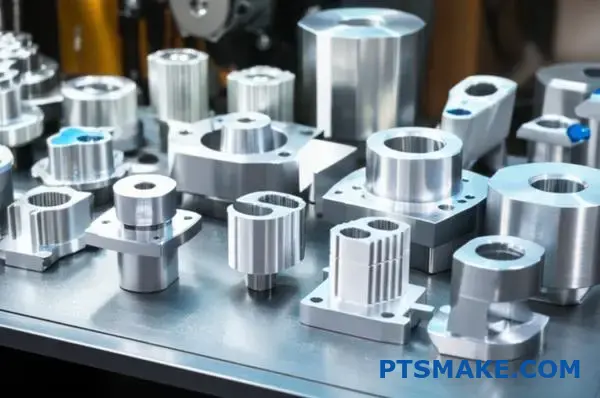
Lassen Sie uns tiefer in die CNC-Preisaufschlüsselung eintauchen. Ein klares Angebot hilft jedem. Es schafft Vertrauen und stellt sicher, dass es keine Überraschungen gibt. Wie viel kostet CNC-Prototyping? Das hängt von diesen Details ab.
Dekonstruktion der Hauptkosten
Maschinenzeit ist oft die größte variable Kostenkomponente. Ein Teil mit vielen Merkmalen oder tiefen Kavitäten dauert einfach länger zu schneiden. Dies führt direkt zu höheren Betriebskosten für uns.
Rüstzeit hingegen ist eine feste Kostenkomponente pro Auftrag. Sie beinhaltet Programmierung, Fixierung des Materials und Kalibrierung von Werkzeugen. Für einen einzelnen Prototyp können diese Kosten hoch erscheinen. Aber sie verteilen sich auf mehr Einheiten bei einer größeren Auflage.
Material- und Komplexitätseinfluss
Die Materialauswahl ist ein direkter Kostentreiber. Standard-Aluminium 6061 ist kostengünstig. Aber der Wechsel zu einem Hochtemperatur-Polymer oder Titan wird den Grundpreis Ihres CNC-Bearbeitungs-Prototyps erheblich erhöhen.
Die Designkomplexität ist der letzte Hauptfaktor. Merkmale wie dünne Wände, tiefe Kavitäten und enge Toleranzen erfordern langsamere Schnittgeschwindigkeiten, Spezialwerkzeuge und sorgfältigere Programmierung. Effizient Werkzeugwegoptimierung5 ist es unerlässlich, dies zu managen, ohne die Qualität zu opfern.
Umsetzbare Tipps zur Kostenkontrolle
Kleine Änderungen an Ihrem Design können zu großen Einsparungen führen. Hier sind einige Dinge, die Sie beachten sollten.
| Kostensparende Taktik | Potenzielle Auswirkungen | Einfaches Beispiel |
|---|---|---|
| Lockern Sie nicht kritische Toleranzen | Hoch | Verwenden Sie ±0,125 mm anstelle von ±0,025 mm, wo dies die Funktion nicht beeinträchtigt. |
| Geometrie vereinfachen | Hoch | Ersetzen Sie scharfe Innenecken durch einen Radius. |
| Wählen Sie Standardmaterialien | Mittel | Wählen Sie eine gängige Aluminium- oder Stahlsorte. |
Bei PTSMAKE begleiten wir unsere Partner durch diese Entscheidungen. So stellen wir sicher, dass Sie einen funktionsfähigen Prototyp erhalten, der Ihrem Budget entspricht.
Zusammenfassend lässt sich sagen, dass die Kosten für CNC-Prototypen ein direktes Ergebnis von Maschinenzeit, Einrichtung, Materialwahl und Designkomplexität sind. Das Verständnis dieser Faktoren ermöglicht es Ihnen, fundierte Entscheidungen zu treffen und Ihr Budget von Anfang an effektiv zu verwalten.
Geschwindigkeit oder Präzision? So balancieren Sie beides im CNC-Prototyping aus
Jedes CNC-Bearbeitungsprototyp-Projekt steht vor einer Schlüsselentscheidung. Brauchen Sie es schnell oder brauchen Sie es perfekt? Es gibt keine einzige richtige Antwort.
Definieren Sie das Ziel Ihres Prototyps
Die Wahl hängt von Ihrer aktuellen Entwicklungsphase ab. Testen Sie ein grundlegendes Konzept? Oder validieren Sie ein endgültiges Design für die Fertigung? Ihr Ziel bestimmt die Priorität.
Der Kompromiss zwischen Geschwindigkeit und Präzision
Schnelle CNC-Dienstleistungen eignen sich hervorragend für die Validierung in frühen Phasen. Präzision wird für funktionale Prototypen in späteren Phasen entscheidend.
| Prototyp-Stadium | Primäre Zielsetzung | Priorität |
|---|---|---|
| Grob / Konzept | Validierung von Form und Passform | Geschwindigkeit |
| Produktionsrealistisch | Funktionelle Prüfung | Präzision |
Dieses Gleichgewicht wirkt sich direkt auf Ihre CNC-Prototypen-Lieferzeiten aus.
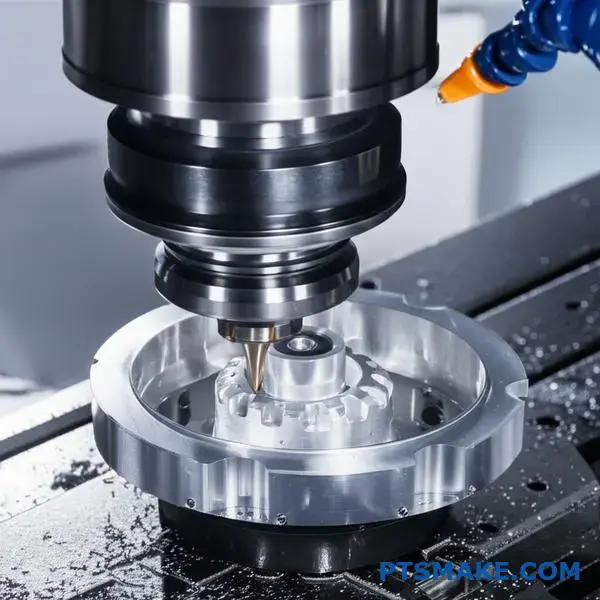
Die richtige Abwägung ist eine strategische Entscheidung. Sie spart Zeit und Ressourcen. Ein Präzisionsteil zu überstürzen, wenn Sie nur eine Formprüfung benötigen, ist verschwenderisch. Ebenso kann ein Teil mit geringer Präzision keinen kritischen Mechanismus validieren.
Priorisierung für Prototypen in frühen Phasen
Für frühe Konzepte ist Geschwindigkeit entscheidend. Das Ziel ist es, schnell ein physisches Teil in den Händen zu halten. Verwenden Sie Standardmaterialien und lockere Toleranzen. Dieser Ansatz verkürzt die Lieferzeiten für CNC-Prototypen drastisch. Er ermöglicht schnelle Iterationen und Feedback.
Wenn Präzision nicht verhandelbar ist
Wenn Sie sich der Produktion nähern, muss sich der Fokus verschieben. Ein produktionsrealistischer CNC-Bearbeitungsprototyp erfordert enge Toleranzen. Er benötigt spezifische Materialien und Oberflächengüten. Hier sind detaillierte Zeichnungen mit den richtigen Geometrische Bemaßung und Tolerierung6 unerlässlich. Bei PTSMAKE begleiten wir unsere Kunden durch diesen Wandel, um sicherzustellen, dass der endgültige Prototyp das Produktionsstück wirklich repräsentiert.
Hier ist eine einfache Anleitung für Ingenieure:
| Faktor | Grober Prototyp | Produktionsrealistischer Prototyp |
|---|---|---|
| Material | Standard, kostengünstig (z. B. ABS) | Endgültiges Produktionsmaterial |
| Toleranz | Locker (+/- 0,1 mm oder mehr) | Eng (gemäß Endspezifikationen) |
| Oberflächenbehandlung | Wie bearbeitet | Spezifiziert (z. B. poliert, eloxiert) |
| Kosten | Unter | Höher |
Dieser strukturierte Ansatz verhindert kostspielige Fehler im weiteren Verlauf. Er stellt sicher, dass Ihre Ressourcen in jeder Entwicklungsphase klug eingesetzt werden.
Die Wahl zwischen Geschwindigkeit und Präzision hängt von der Phase Ihres Projekts ab. Priorisieren Sie Geschwindigkeit für die frühe Konzeptvalidierung, um die Vorlaufzeiten zu verkürzen. Für produktionsrealistische Modelle ist Präzision nicht verhandelbar, um genaue Funktionstests zu gewährleisten und kostspielige Neukonstruktionen später zu vermeiden.
Vermeiden Sie Lieferanten-Roulette: So prüfen Sie CNC-Prototypen-Partner, die Ihnen treu bleiben
Einen CNC-Prototypenpartner zu finden, ist einfach. Einen zu finden, der Ihnen treu bleibt, ist etwas anderes. Aus Beschaffungssicht ist das niedrigste Angebot nicht das beste Geschäft.
Wahrer Wert liegt in einer langfristigen Partnerschaft. Ein zuverlässiger CNC-Prototypenlieferant konzentriert sich auf mehr als nur den aktuellen Auftrag. Sie investieren in Ihren Erfolg.
Das bedeutet qualitativ hochwertige Kommunikation und technischen Support. Es geht darum, einen Partner zu finden, nicht nur einen Lieferanten.
Jenseits des Preisschilds: Den wahren Wert eines Partners bewerten
Der Preis ist nur ein Datenpunkt. Bei der Überprüfung von Lieferanten für CNC-Arbeiten betrachte ich das Gesamtbild. Ein billiger Prototyp ist nutzlos, wenn er später Produktionsverzögerungen verursacht.
Suchen Sie nach einem Partner, der klar kommuniziert. Schnelle, detaillierte Antworten sind ein gutes Zeichen. Es zeigt, dass sie organisiert sind und Ihr Geschäft schätzen. Eine langsame Antwort jetzt bedeutet später größere Kopfschmerzen.
Ein Schlüsselfaktor ist die Unterstützung bei der Design for Manufacturability (DFM). Ein guter Lieferant analysiert Ihr Design. Sie werden Verbesserungen vorschlagen, um Kosten zu sparen und die Qualität zu steigern. Diese proaktive Hilfe ist unbezahlbar.
| Merkmal | Transactional Supplier | Strategischer Partner |
|---|---|---|
| Schwerpunkt | Niedrigster Preis pro Teil | Niedrigste Gesamtkosten |
| Kommunikation | Reaktiv, langsam | Proaktiv, Reaktionsschnell |
| DFM-Unterstützung | Keine oder zusätzliche Kosten | Standard, Kollaborativ |
| Problemlösung | Beschuldigt das Design | Bietet Lösungen |
| Beziehung | Kurzfristige Bestellung | Langfristiger Erfolg |
Dieser proaktive Ansatz ist zentral für effektives Lieferantenbeziehungsmanagement (SRM)7. Er verlagert den Fokus von einfachen Transaktionen zu einer kollaborativen Reise. Den besten CNC-Prototypenpartner zu finden, bedeutet, eine Erweiterung Ihres eigenen Teams zu finden. Sie sollten von Anfang an in den Erfolg Ihres Projekts investiert sein. Bei PTSMAKE ist dies unsere Kernphilosophie. Wir bauen Vertrauen durch Transparenz und technische Expertise auf.
Die unsichtbaren Kosten einer schlechten Partnerschaft
Viele Einkaufsmanager konzentrieren sich nur auf das anfängliche Angebot. Dies ist ein häufiger Fehler. Die tatsächlichen Kosten erscheinen oft, nachdem Sie die Bestellung aufgegeben haben. Diese versteckten Kosten können Ihr Budget und Ihren Zeitplan ruinieren.
Verzögerungen sind ein großes Problem. Ein Lieferant, der zu viel verspricht und zu wenig liefert, kann Ihr gesamtes Projekt zum Stillstand bringen. Nacharbeit ist ein weiteres teures Problem. Teile von schlechter Qualität bedeuten mehr Zeit und Geld, die für Reparaturen ausgegeben werden.
Denken Sie an Kommunikationsfehler. Vage Antworten oder langsame Reaktionen verschwenden wertvolle Zeit Ihres Teams. Jede E-Mail, der Sie nachjagen müssen, sind versteckte Kosten. Ein Partner, der klare, proaktive Updates anbietet, ist mehr wert als ein niedriger Preis.
Diese Tabelle hebt häufige versteckte Kosten hervor:
| Versteckte Kosten | Transactional Supplier | Strategischer Partner |
|---|---|---|
| Projektverzögerungen | Häufig, mit schlechten Ausreden | Selten, mit proaktiven Lösungen |
| Nacharbeitsquote | Hoch, erfordert Ihre Aufsicht | Niedrig, mit interner Qualitätskontrolle |
| Kommunikationsaufwand | Hoch, erfordert ständige Nachverfolgung | Niedrig, liefert regelmäßige Updates |
| Technische Fragen | Ihr Problem, das Sie lösen müssen | Kollaborative Problemlösung |
Ein zuverlässiger Partner versteht diese Risiken. Er baut Prozesse auf, um sie zu verhindern. Zum Beispiel liefert unser Team detaillierte DFM-Berichte für jeden CNC-Bearbeitungsprototypen. Dieser Schritt deckt potenzielle Probleme auf, bevor sie zu kostspieligen Problemen werden. Es geht darum, die Gesamtkosten zu minimieren, nicht nur den Anschaffungspreis.
Die Wahl des richtigen CNC-Lieferanten ist eine strategische Entscheidung, die Ihr Projekt vor diesen unsichtbaren Ausgaben schützt. Sie sorgt für einen reibungsloseren Weg vom Prototyp zur Produktion.
Achten Sie bei der Überprüfung eines CNC-Prototypenlieferanten über das Angebot hinaus. Priorisieren Sie klare Kommunikation, wertvolles DFM-Feedback und das Engagement für eine langfristige Partnerschaft. Diese Faktoren sind die wahren Indikatoren für einen Partner, der zum Erfolg Ihres Projekts beitragen wird.
Wann Sie von CNC-bearbeiteten Prototypen zu Spritzgusswerkzeugen wechseln sollten
Der Sprung von einem CNC-Bearbeitungsprototypen zur Spritzgussfertigung ist ein entscheidender Schritt. Diese Entscheidung signalisiert einen Übergang vom Testen zur Skalierung.
Es geht nicht nur darum, die Fertigungsmethoden zu ändern. Es ist ein strategischer Schritt, der von wichtigen geschäftlichen Faktoren abhängt. Ich habe gesehen, wie diese Entscheidung den Erfolg eines Produkts bestimmt hat.
Wichtige Entscheidungskriterien
Produktionsvolumen
Der wichtigste Faktor ist die Menge. CNC ist ideal für geringe Stückzahlen. Spritzguss wird kostengünstig, wenn Ihre Stückzahlen in die Tausende gehen.
Projektbudget
Die anfänglichen Werkzeugkosten für den Spritzguss sind hoch. Die Stückkosten sinken jedoch bei größeren Mengen dramatisch. CNC hat keine Werkzeugkosten, aber höhere Stückpreise.
Zeit bis zur Markteinführung
CNC bietet Geschwindigkeit für Prototypen und Kleinserien. Spritzguss hat aufgrund der Werkzeugherstellung eine längere Vorlaufzeit. Aber sobald die Form fertig ist, liefert sie schnell hohe Stückzahlen.
| Faktor | CNC-Bearbeitung | Spritzgießen |
|---|---|---|
| Beste Lautstärke | 1 – 1.000+ | 1.000 – 1.000.000+ |
| Vorabkosten | Niedrig (keine Werkzeuge) | Hoch (Werkzeugbau) |
| Kosten pro Teil | Hoch | Niedrig |
| Vorlaufzeit | Schnell | Langsamer (Zuerst Werkzeugbau) |
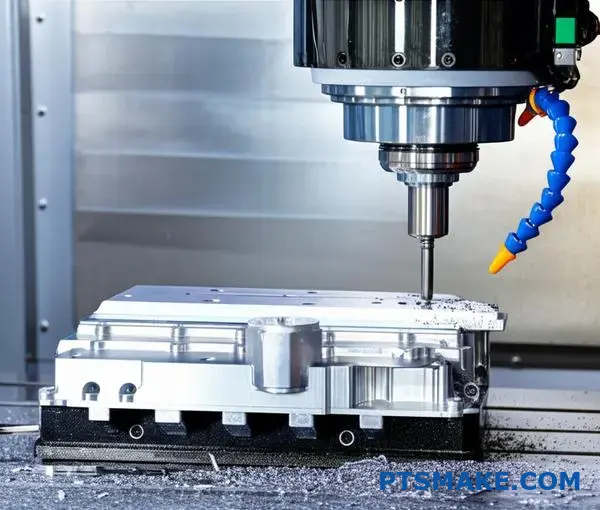
Der Übergang von einem CNC-bearbeiteten Prototyp zum Spritzguss ist mehr als ein technischer Wechsel. Er erfordert sorgfältige finanzielle und strategische Planung. Ihre Entscheidung muss die Anfangsinvestition mit den langfristigen Produktionszielen abwägen.
Skalierung vom Prototyp zur Produktion
Eine häufige Herausforderung ist die Lücke zwischen Prototypen mit geringen Stückzahlen und der Produktion mit hohen Stückzahlen. Hier wird eine "Bridge Tooling"-Entscheidung wichtig. Bridge-Werkzeuge werden oft aus weicheren Metallen wie Aluminium hergestellt.
Sie bieten einen Mittelweg. Sie kosten weniger als Produktionsformen aus Stahl und haben kürzere Vorlaufzeiten. Dies ermöglicht es Ihnen, mittlere Mengen (z. B. 500 bis 10.000 Teile) effizient zu produzieren. Es ist ein perfekter Schritt, um den Markt zu testen, bevor Sie sich für teure Stahlwerkzeuge entscheiden. Das Konzept der Kosten Abschreibung8 ist hier entscheidend. Die Werkzeuginvestition verteilt sich auf jedes produzierte Teil.
Der Vorteil eines einzigen Partners
Die Bewältigung dieses Übergangs kann komplex sein. Sie müssen Designdaten, Materialspezifikationen und Qualitätsstandards aufrechterhalten.
Hier ist die Zusammenarbeit mit einem Partner wie PTSMAKE ein großer Vorteil. Wir verwalten sowohl Ihren CNC-bearbeiteten Prototyp als auch Ihre Spritzgusswerkzeuge im eigenen Haus. Dies gewährleistet einen nahtlosen Wissenstransfer.
Wir nutzen die Daten des finalen Prototyps zur Gestaltung des Werkzeugs. Dies minimiert Fehler und beschleunigt den Prozess. Ihr Übergang von CNC zu Spritzguss wird zu einem reibungslosen, integrierten Schritt.
Die Entscheidung zur Skalierung von CNC auf Spritzguss hängt von Volumen, Budget und Zeitplan ab. Die Verwendung von Brückenwerkzeugen kann diesen Übergang risikofrei gestalten, und ein einziger Partner wie PTSMAKE optimiert den gesamten Prozess vom Prototyp bis zur vollen Produktion.
Holen Sie sich präzise CNC-Prototypen – Arbeiten Sie noch heute mit PTSMAKE zusammen
Bereit für makellose CNC-Bearbeitungsprototypen mit außergewöhnlicher Genauigkeit und Zuverlässigkeit? Arbeiten Sie mit PTSMAKE für schnelle, qualitativ hochwertige und präzisionsgesteuerte Lösungen vom Prototyp bis zur Produktion. Senden Sie jetzt Ihre Anfrage, um zu erfahren, warum Top-Teams PTSMAKE für fortschrittliche Fertigungsanforderungen vertrauen!

Verstehen Sie, wie sich Materialeigenschaften auf die Leistung und Testzuverlässigkeit Ihres Prototyps auswirken. ↩
Erfahren Sie, wie dieses System eine universelle Ingenieursprache zur Definition und Kommunikation von Toleranzen bereitstellt. ↩
Verstehen Sie, wie Werkzeugkosten Ihren Stückpreis und den Break-even-Punkt Ihres Projekts beeinflussen. ↩
Verstehen Sie, wie diese Schlüsselmetrik die reale Haltbarkeit und Leistung Ihres Prototyps beeinflusst. ↩
Erfahren Sie, wie Programmierpfade die Maschinenzeit reduzieren und die Oberflächengüte Ihres CNC-Bearbeitungsprototyps verbessern können. ↩
Verstehen Sie diese symbolische Sprache, um sicherzustellen, dass Ihre Designabsicht für die Fertigung perfekt kommuniziert wird. ↩
Erfahren Sie, wie strategisches Lieferantenmanagement Risiken reduzieren und Ihr Endergebnis verbessern kann. ↩
Verstehen Sie, wie Werkzeugkosten Ihren Stückpreis über die Produktionslaufzeit beeinflussen. ↩