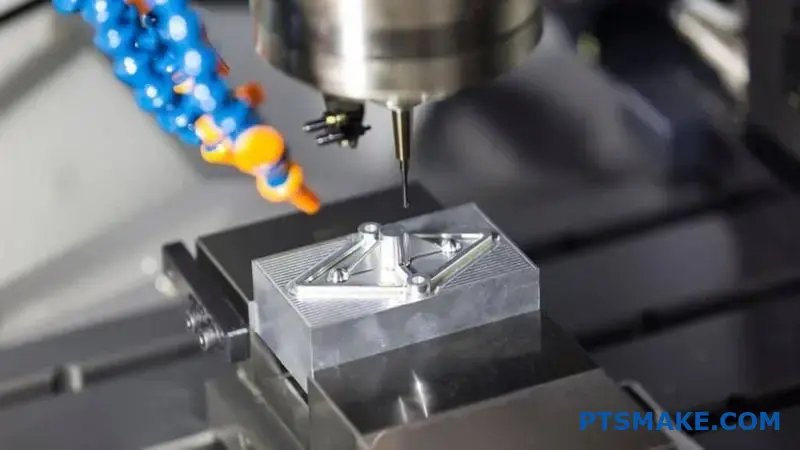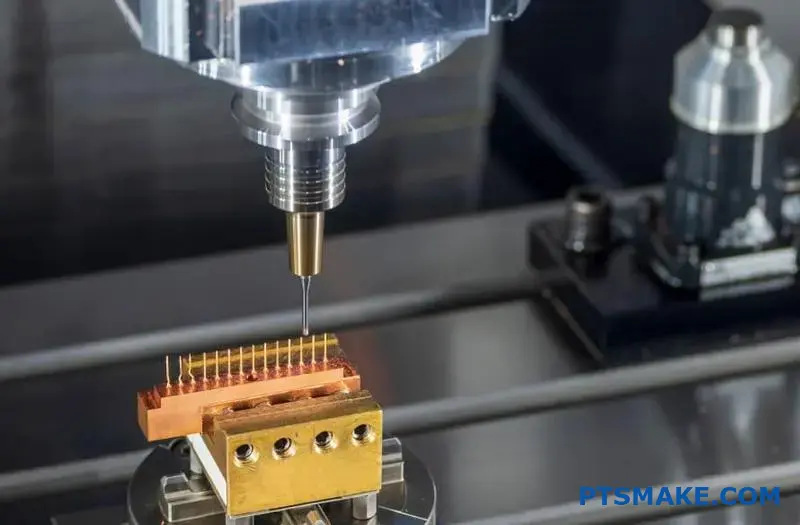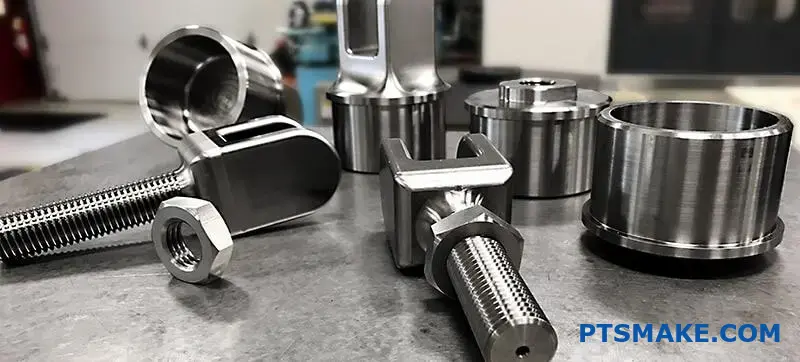

Getting consistent, premium-looking finishes on CNC machined brass parts can feel impossible. Your parts come back with uneven textures, color variations, or finishes that don’t match your design intent.
Brushed brass finish creates a uniform, sophisticated surface texture on CNC machined parts through controlled abrasive processes, delivering consistent grain patterns and enhanced durability compared to raw brass.
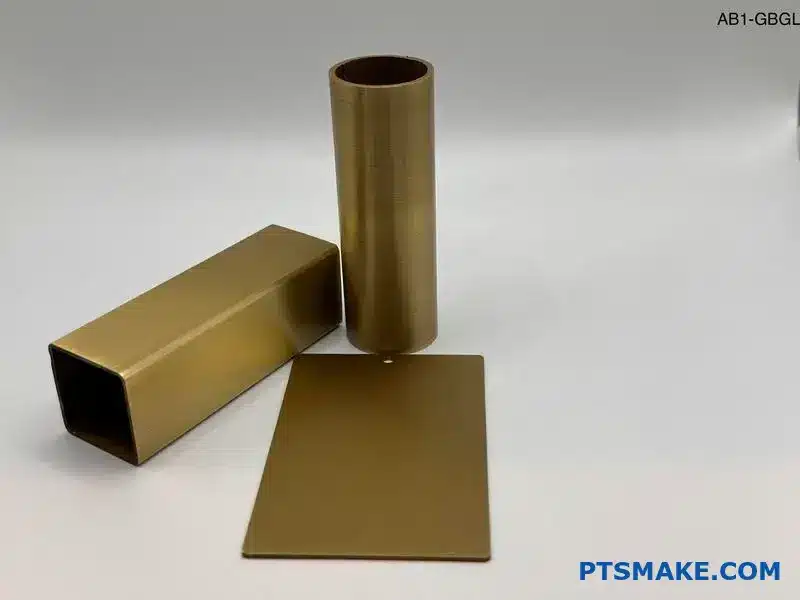
I’ve worked with many product teams who struggled with brass finishes that looked cheap or inconsistent. The right brushed finish approach can transform basic brass components into premium-looking parts that enhance your product’s perceived value and market positioning.
Complete Comparison: Brushed Brass Finish Vs. Satin Brass & Polished Brass
Choosing the right brass finish is crucial. It impacts aesthetics, durability, and even perceived value. Many clients struggle with this decision.
Let’s break down the key differences. We will compare brushed, satin, and polished brass. This guide will help you select the best option.
Quick Finish Overview
This table offers a fast comparison. It highlights the main trade-offs for each finish.
| Feature | Polished Brass | Satin Brass | Brushed Brass |
|---|---|---|---|
| Look | Mirrored, shiny | Smooth, low-sheen | Textured, matte |
| Feel | Very smooth | Silky | Has fine lines |
| Hides Prints | No | Better | Best |
This comparison clarifies the initial choice. A brushed brass finish often offers a practical balance.
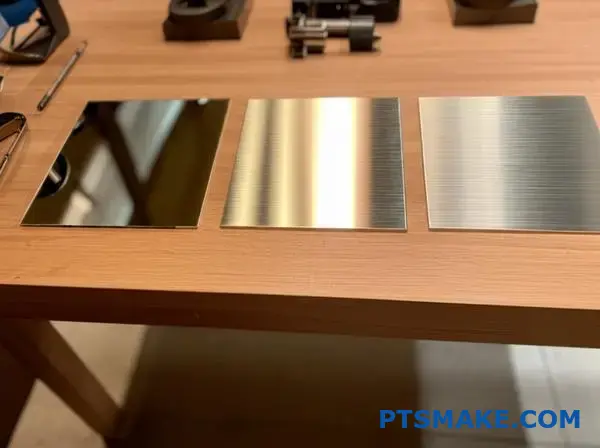
The choice between these finishes goes beyond just looks. The manufacturing process for each directly affects its performance and long-term maintenance needs. Understanding these nuances is key for any project.
Aesthetic and Durability Deep Dive
Polished brass is buffed to a high shine. This creates a classic, reflective look. However, it easily shows fingerprints and scratches. It requires frequent cleaning to maintain its appearance. This finish is best for decorative parts with low user contact.
Satin brass offers a softer, muted sheen. It’s less reflective than polished brass. Its surface is smoother than brushed brass, providing a modern and elegant feel. It offers a good middle ground for hiding smudges.
The brushed brass finish is created with a wire brush. This process leaves fine, parallel lines on the surface. These lines are excellent at hiding fingerprints, minor scratches, and daily wear. For high-touch applications, I often recommend a brushed brass finish. Its durability is a major advantage. Many finishes also receive a clear lacquer coating1 for added protection against tarnishing.
Maintenance Comparison
| Finish Type | Fingerprint Resistance | Scratch Visibility | Cleaning Needs |
|---|---|---|---|
| Polished | Low | High | Frequent |
| Satin | Medium | Medium | Occasional |
| Brushed | High | Low | Infrequent |
Choosing the right finish depends on your project’s specific needs. Consider the environment and expected use. This ensures the part looks great for years.
Each finish has distinct benefits. Polished brass offers a classic, mirror-like shine. Satin provides a modern, low-sheen look. A brushed brass finish excels in hiding wear and fingerprints, making it a highly practical choice for many applications.
How Brushed Brass Finish Turns Basic Designs Into Premium-Looking Products
The brushed brass finish provides an immediate visual upgrade. It transforms a standard component into something that looks and feels expensive.
This is not just about color. The fine, uniform lines of the brushing process create a soft, satin-like appearance. This mutes reflections and gives the part a sophisticated, warm glow.
The Power of Subtlety
Unlike a polished finish, brushed brass doesn’t shout. It suggests quality quietly. This subtle elegance is key to its appeal in high-end consumer products. It feels more intentional and refined.
Aesthetic Advantages at a Glance
A premium finish for brass goes beyond looks; it affects how a product is perceived.
| Feature | Polished Brass | Brushed Brass |
|---|---|---|
| Glare | High, reflective | Low, diffused |
| Fingerprints | Shows easily | Hides smudges |
| Feel | Cold, smooth | Warm, textured |
| Look | Traditional, loud | Modern, elegant |
This elegant brass design adds value without changing the part’s core function.
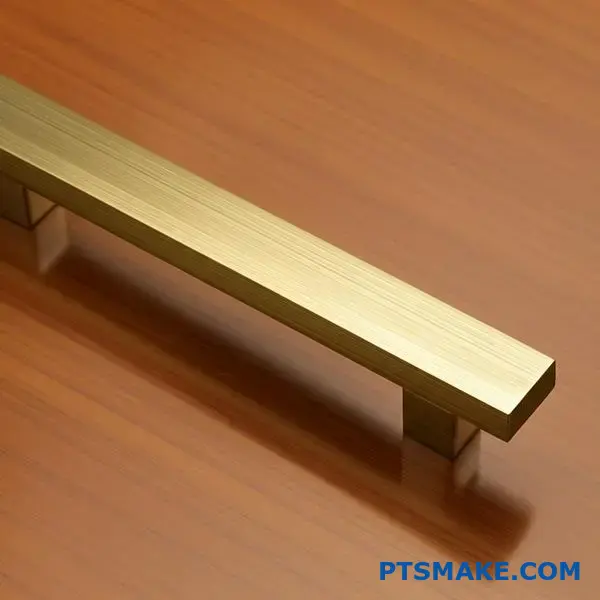
The High-End Look of Brushed Brass
A product’s perceived value is directly tied to its sensory details. A brushed brass finish engages both sight and touch, creating a powerful impression of quality before the user even turns the product on. This is crucial for consumer-facing parts.
The texture invites touch, which builds a subconscious connection. This tactile experience is a hallmark of luxury goods. When a customer feels that satisfying, subtle texture, they associate the product with durability and superior craftsmanship.
From Basic to Premium
This transformation is more than cosmetic. The finish communicates a brand’s commitment to detail. It shows that every component, no matter how small, has been carefully considered. This attention to detail elevates the entire product.
The warm, golden Lustre2 of brushed brass is also highly versatile. It complements a wide range of materials like wood, stone, and modern composites.
| Aspect | Impact on Perceived Value |
|---|---|
| Visual Warmth | Creates an inviting, premium feel. |
| Low Reflectivity | Suggests sophistication and subtlety. |
| Textured Surface | Encourages touch, implying quality. |
At PTSMAKE, we often recommend this finish for clients aiming for a high-end market position. The investment in a premium finish for brass often yields a significant return in customer perception and willingness to pay a higher price.
The aesthetic and tactile qualities of a brushed brass finish significantly boost a product’s perceived value. This finish gives a high-end look and feel, directly influencing consumer trust and justifying a premium price point for an otherwise basic design.
When To Use Brushed Brass Over Anodizing Or Electroplating
Choosing the right finish is crucial. It goes beyond just looks. A brushed brass finish offers a unique warmth that other processes can’t replicate.
It’s about the feel and the way it ages. This makes it ideal for specific applications.
Aesthetic and Tactile Advantages
Unlike a sterile coating, brushed brass is part of the material itself. This provides a tactile experience. It’s perfect for components people interact with directly.
Think of high-end handles, knobs, or decorative panels.
Visual Comparison
| Finish Type | Visual Characteristic | Best For |
|---|---|---|
| Brushed Brass | Warm, subtle, directional grain | Luxury consumer goods, interiors |
| Anodizing | Matte, uniform, colored | Aluminum parts, electronics |
| Electroplating | Bright, reflective, metallic | Automotive trim, hardware |
This inherent quality gives parts a premium, timeless feel. The choice is clear for luxury products.
Deciding between a brushed brass finish, plating, or anodizing often comes down to the part’s final environment and function. Each has distinct advantages that I’ve seen play out in various projects.
Durability in Specific Environments
A key advantage of brushed brass is its repairability. Minor scratches can often be blended back into the finish. Electroplated surfaces, however, will show the underlying material if scratched deeply. This makes brushed brass a practical choice for high-touch surfaces. It gracefully hides fingerprints and minor wear.
Anodizing is a great alternative for aluminum parts needing corrosion resistance. But it’s not an option for brass itself. When choosing finishes for brass, the debate is often between its natural look and a plated coating.
Cost and Process Complexity
At PTSMAKE, we guide clients through these choices. Brushed brass is a mechanical process. It’s often simpler and more cost-effective than multi-step plating. The chemical baths and electrical currents in plating add complexity and cost.
This is especially true for prototypes or small production runs. The integrity of plating depends heavily on factors like substrate adhesion3, which requires stringent process control.
| Factor | Brushed Brass | Electroplating | Anodizing (on Aluminum) |
|---|---|---|---|
| Repairability | High | Low | Very Low |
| Substrate | Brass | Various Metals | Aluminum |
| Process | Mechanical | Electrochemical | Electrochemical |
| Feel | Warm, natural | Cool, smooth | Hard, technical |
Brushed brass offers a distinct aesthetic and tactile advantage for high-touch applications. It provides a warm, repairable surface, contrasting with the hard, uniform coatings from anodizing or the reflective finish of electroplating. The choice depends heavily on the product’s intended use and environment.
How To Balance Budget And Finish Quality In Brushed Brass Projects
Achieving the perfect brushed brass finish often feels like a tug-of-war. You have aesthetic goals on one side and budget constraints on the other. It’s a common challenge.
Striking the right balance is key. True finish cost control isn’t just about picking the cheapest option. It’s about understanding the trade-offs.
This helps you achieve a high-end look without overspending. The goal is to maximize the brushed brass price-performance for your specific project needs.
Key Cost Drivers
| Factor | Impact on Cost | Description |
|---|---|---|
| Base Material | High | Solid brass is pricier than plated steel. |
| Labor Intensity | Medium-High | Hand-finishing costs more than automated processes. |
| Coating Quality | Medium | A durable lacquer adds to the final price. |
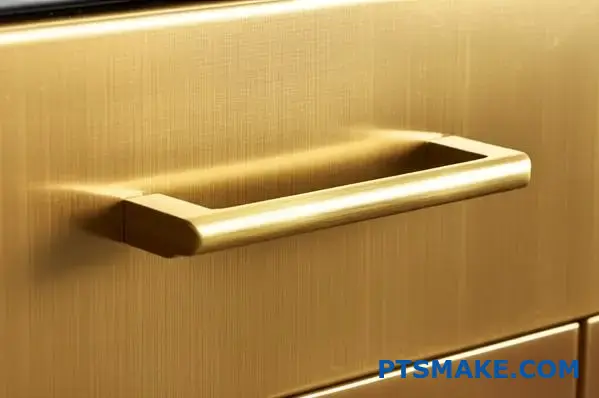
To effectively manage a budget brass finish, you must look beyond the surface. The choices you make early on have the biggest impact. The base material is a primary cost driver. Solid brass offers authenticity, but brass-plated steel or zinc can deliver a similar look for a fraction of the cost, a trade-off we often discuss with clients at PTSMAKE.
Then, consider the finishing process itself. A manually brushed finish provides a unique, artisanal appearance but requires significant labor. Automated brushing is more consistent and cost-effective for larger volumes. This is a classic price-performance decision.
Finally, the protective topcoat is crucial. A simple acrylic lacquer is economical but less durable. For high-touch applications, investing in more advanced coatings like Physical Vapor Deposition4 can increase upfront costs but save on warranty claims and replacements later. This long-term view is essential for finish cost control.
Finish Method Comparison
| Method | Relative Cost | Durability | Aesthetic |
|---|---|---|---|
| Electroplating | Low-Medium | Good | Consistent, uniform |
| Manual Brushing | High | Varies | Artisanal, unique |
| PVD Coating | Very High | Excellent | Premium, consistent |
Balancing budget and quality for a brushed brass finish requires smart trade-offs. Understanding cost drivers like base material, labor, and protective coatings allows you to make informed decisions that align with both your aesthetic vision and financial constraints.
Using Brushed Brass Parts For Brand Differentiation In Hardware Lines
A product’s finish is a key part of its brand story. The right choice can instantly communicate quality and luxury.
Branding with Brushed Brass
Brushed brass isn’t just a color. It’s a statement. It suggests warmth, sophistication, and durability. This finish helps position a product in a premium market segment.
Market Positioning
Using a brushed brass finish helps you target customers who value design. It elevates your entire hardware line, creating clear market separation.
| Finish Type | Typical Brand Perception |
|---|---|
| Polished Chrome | Modern, Clean, Common |
| Matte Black | Contemporary, Bold, Trendy |
| Brushed Brass | Luxury, Warm, Timeless |
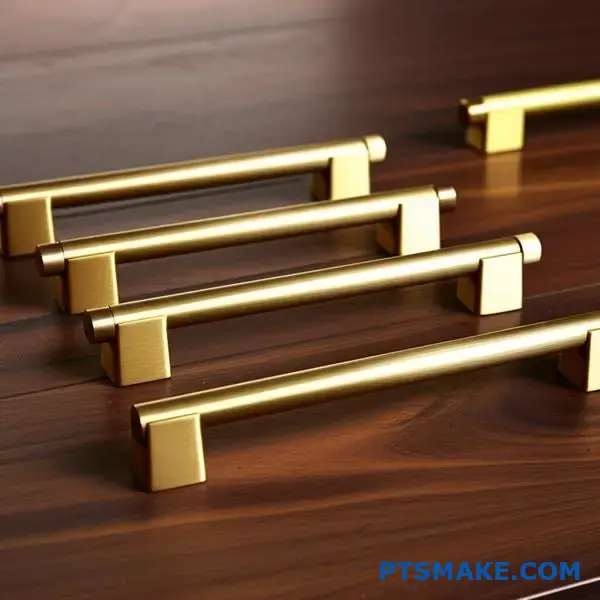
The Psychology of Luxury Finishes
A premium finish goes beyond visuals. It affects how a customer feels about a product. Branding with brushed brass creates an emotional connection. This tactile quality is often overlooked in product design brass.
When someone holds hardware with a quality brushed brass finish, they feel its weight and texture. This sensory input reinforces the perception of value. It makes the product feel substantial and well-made. This is central to luxury industrial design.
Consistency Across a Product Line
To build a strong brand, consistency is crucial. Using the same brushed brass finish across different products creates a cohesive identity. It tells customers they can expect the same quality from any item in your line. At PTSMAKE, we help clients achieve precise color and texture matching. This consistency turns parts into a recognizable brand. The haptic perception5 of a product directly influences its perceived quality and brand loyalty.
Here’s how to integrate this into your branding:
| Step | Action | Objective |
|---|---|---|
| 1. Define | Identify your target market’s aesthetic. | Align finish with brand identity. |
| 2. Standardize | Create a master sample for the finish. | Ensure consistency in production. |
| 3. Test | Get user feedback on prototypes. | Validate the choice with customers. |
| 4. Market | Highlight the finish in marketing. | Communicate the premium quality. |
A luxury finish like brushed brass is a powerful branding tool. It shapes market position, influences customer perception through touch, and builds a cohesive brand identity when applied consistently across your hardware line.
The Complete Lifecycle Cost Of Brushed Brass Hardware Parts
When scaling to full production, the financial analysis shifts. We must look beyond per-unit costs. It’s about Capital and Operational Expenditures (CAPEX & OPEX).
The brushed brass finish often requires specific tooling. This increases the initial CAPEX compared to simpler finishes.
However, its durability can lower long-term OPEX. This balance is key to understanding the total cost of brass finish.
Initial vs. Ongoing Costs
| Cost Type | Description | Impact on Brushed Brass |
|---|---|---|
| CAPEX | Initial investment in equipment/tooling | Potentially higher |
| OPEX | Ongoing costs for labor and maintenance | Often lower due to durability |
This initial investment is crucial for consistent quality.
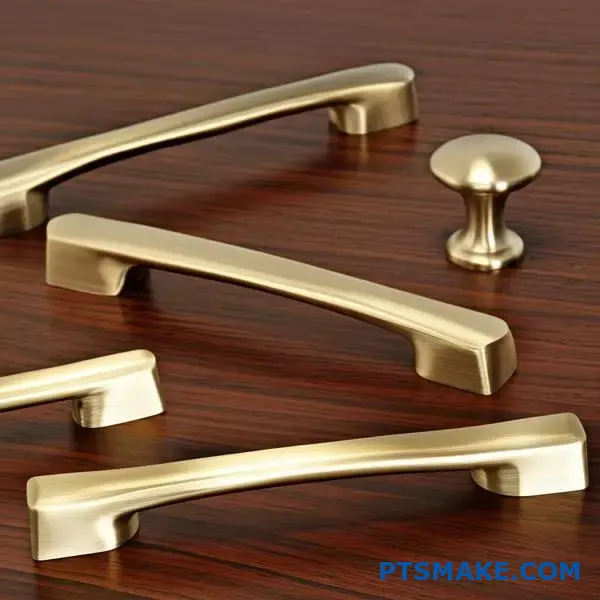
Ultimately, the decision comes down to Return on Investment (ROI). A higher initial outlay is justified if it delivers greater value over the product’s lifespan. I’ve seen this play out with clients who prioritize long-term brand reputation over short-term savings.
The brushed brass ROI is not just about cost. It’s about market positioning. Products with this finish often command a higher price point. They also see fewer warranty claims related to finish degradation, based on data we’ve reviewed with partners.
This reduces replacement costs and boosts customer satisfaction. The true brass lifecycle cost must account for this value. The process involves spreading the initial investment over the production volume. Amortization6 of tooling costs is a standard practice here at PTSMAKE to give clients a clear picture.
Key Factors Influencing Brushed Brass ROI
| Factor | Impact | Explanation |
|---|---|---|
| Product Value | Positive | Perceived as a premium finish, allowing for higher pricing. |
| Durability | Positive | Lowers warranty claims and replacement costs over time. |
| Maintenance | Neutral/Positive | Simple cleaning reduces long-term operational effort for the end-user. |
| Initial CAPEX | Negative | Higher setup cost requires careful financial planning. |
Considering these factors provides a complete view of the investment. It helps in making a financially sound decision for your product line.
Evaluating the brushed brass finish requires a full financial picture. Balancing higher initial CAPEX against lower long-term OPEX and strong market appeal is essential for calculating the true ROI and making a smart investment for your production line.
Using Brushed Brass For Medical Device Enclosures: Key Considerations
Choosing a brushed brass finish for medical devices goes beyond appearance. Functionality and safety are paramount.
The material must meet strict industry regulations.
Hygiene and Durability Needs
Medical enclosures demand easy and effective cleaning. They must withstand frequent sterilization cycles without degrading. This ensures patient safety.
We must consider how different cleaning agents affect the surface.
| Sterilization Method | Effect on Treated Brass | Recommendation |
|---|---|---|
| Autoclave (Steam) | Can cause discoloration | Use protective coating |
| Chemical Wipes | Generally safe | Verify chemical compatibility |
| Ethylene Oxide (EtO) | Minimal impact | Suitable option |
A proper finish is not just for looks; it is a critical performance feature.
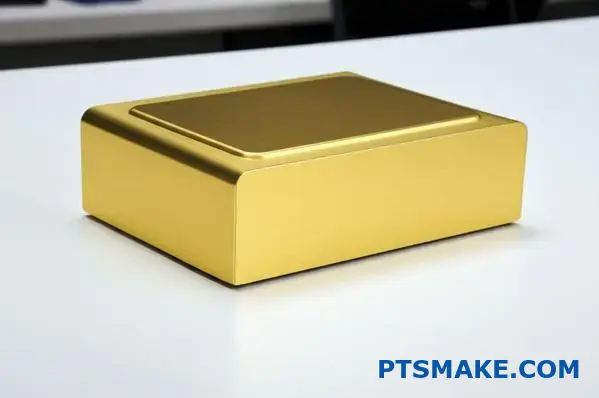
When we talk about medical brushed brass, we must address three core pillars: regulatory adherence, hygiene, and long-term durability. Each is non-negotiable.
Biocompatibility: The Top Priority
Patient safety is the absolute priority. Any material that might come into contact with a patient requires proven biocompatibility7. Standard brass alloys often contain lead, so achieving a biocompatible finish typically involves specific coatings or plating.
Maintaining Integrity in Harsh Environments
Medical device enclosures face constant exposure to aggressive cleaning agents. A standard brushed brass finish would quickly corrode or tarnish. This compromises both aesthetics and hygiene, as rough surfaces can harbor microbes.
To create durable and easy-to-clean brass parts, a protective layer is essential.
| Disinfectant Type | Compatibility with Coated Brass | Notes |
|---|---|---|
| Isopropyl Alcohol (70%) | High | Commonly used, very effective. |
| Quaternary Ammonium | Medium | Potential for residue build-up. |
| Accelerated Hydrogen Peroxide | High | Effective, with low surface damage. |
| Bleach (Diluted) | Low | Can cause corrosion over time. |
At PTSMAKE, we guide clients in selecting finishes that provide the necessary chemical resistance while maintaining the desired appearance. This ensures the device remains safe and functional throughout its lifespan.
Selecting a brushed brass finish for medical devices requires careful evaluation. You must prioritize regulatory compliance, hygiene protocols, and material durability. A suitable biocompatible finish is crucial to ensure patient safety and the product’s long-term performance in demanding clinical settings.
Accelerate Product Launches With Pre-Finished Brushed Brass Components
Time is the most critical resource in product development. Getting to market faster than competitors is a significant advantage. Using pre-finished brushed brass components is a direct path to achieving this goal.
Streamlining Your Assembly Line
Prefinished brass parts arrive ready for immediate integration. This eliminates entire steps from your workflow. You no longer need to manage in-house finishing or coordinate with third-party vendors. This means a faster, more efficient assembly process from day one.
The Impact on Time-to-Market
Reducing assembly steps directly shortens your product’s time to market. This strategy simplifies your production logistics significantly.
| Process Step | Traditional Finishing | Pre-Finished Components |
|---|---|---|
| Machining | Required | Required |
| Post-Machining Finishing | Required (Bottleneck) | Eliminated |
| Quality Control (Finish) | Required | Eliminated |
| Final Assembly | Delayed | Immediate |
This simplified workflow helps launch products on schedule.
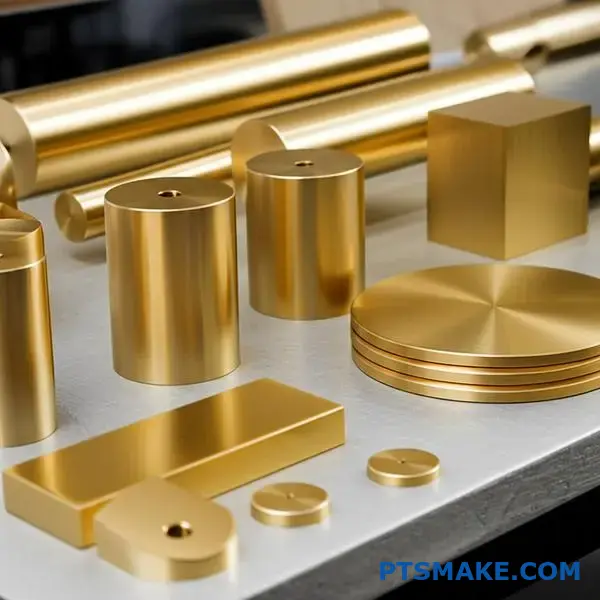
From Production Floor to Market Shelf
The core benefit of prefinished brass parts is the reduction in lead time. Post-machining processes like brushing, polishing, and coating are often major bottlenecks. They introduce variability and potential for delays. By removing these steps, you gain more predictable production schedules.
Removing Production Bottlenecks
At PTSMAKE, we’ve observed that outsourcing finishing can add weeks to a project timeline. Integrating this step into the component manufacturing process collapses that schedule. The brushed brass finish is applied before the final part is even shipped to you.
This approach enhances overall Supply Chain Velocity8. Every day saved in production is a day you can be on the market. This swiftness allows for quicker responses to market demands and faster revenue generation.
A Simplified Project Timeline
Let’s look at how this impacts a typical timeline. Based on data from several client projects, the difference is clear.
| Timeline Phase | Standard Process (Days) | With Pre-Finished Parts (Days) |
|---|---|---|
| Component Machining | 10 | 10 |
| External Finishing | 7-14 | 0 |
| Shipping & Logistics | 5 | 5 |
| Assembly & QC | 5 | 3 |
| Total Lead Time | 27-34 | 18 |
This fast assembly approach directly translates into a competitive edge.
Using pre-finished brushed brass components streamlines production by removing secondary finishing steps. This simple change significantly reduces assembly time and accelerates your product’s overall time to market, providing a clear competitive advantage.
Get an Instant Brushed Brass Finish Quote with PTSMAKE
Ready to elevate your hardware with a premium brushed brass finish? Submit your RFQ to PTSMAKE today for fast, reliable, and precision B2B manufacturing. Experience industry-leading expertise, exceptional quality, and on-time delivery—let’s create standout products that exceed expectations!

Discover how protective coatings affect the long-term durability and appearance of brass finishes. ↩
Learn how different surface light reflections affect perceived quality and material value. ↩
Understand how coating bonds to a material to predict its long-term performance and durability. ↩
Explore how this advanced coating technology improves durability and finish consistency for premium parts. ↩
Learn how the sense of touch can influence consumer judgment and the perceived value of your products. ↩
Learn how this accounting method impacts your project’s total cost analysis. ↩
Learn how materials are tested to ensure they are safe for medical applications and patient contact. ↩
Understand how streamlining logistics can boost your production speed and overall business agility. ↩