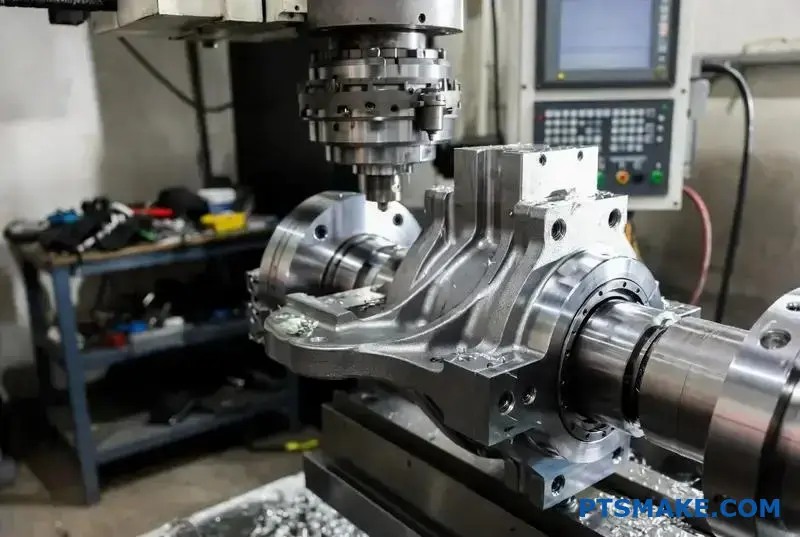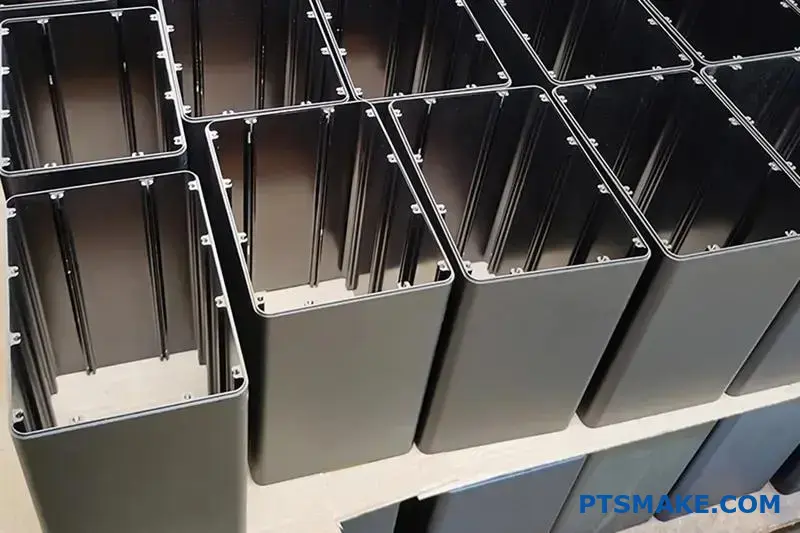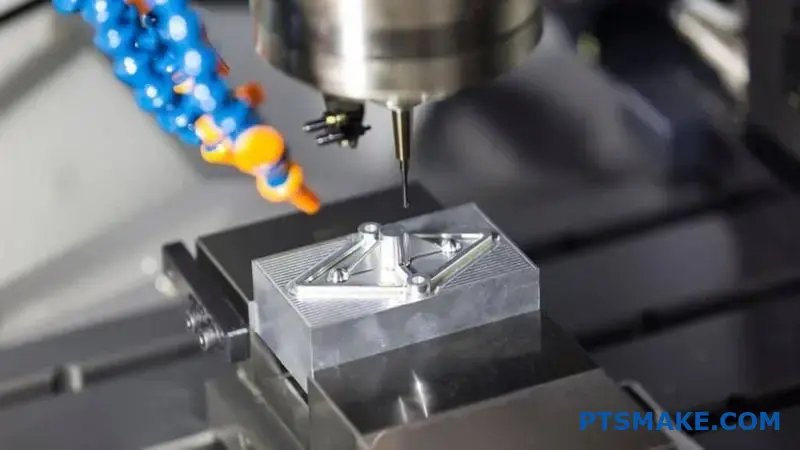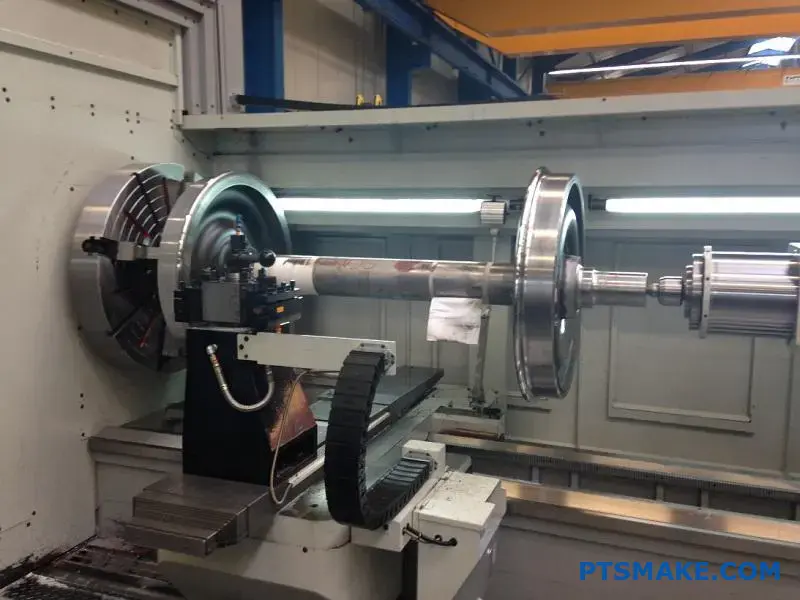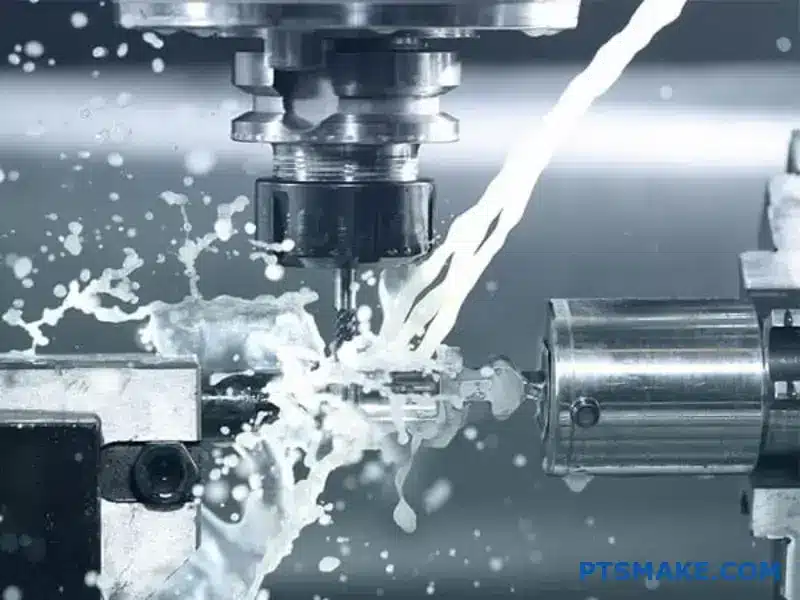

Defense CNC machining demands precision that can mean the difference between mission success and catastrophic failure. One tolerance error in a critical component can compromise entire defense systems, putting lives at risk and jeopardizing national security operations.
Defense CNC machining solutions require specialized expertise in tight tolerance manufacturing, military-grade materials, and ITAR compliance to deliver mission-critical components that meet stringent defense specifications and security requirements.
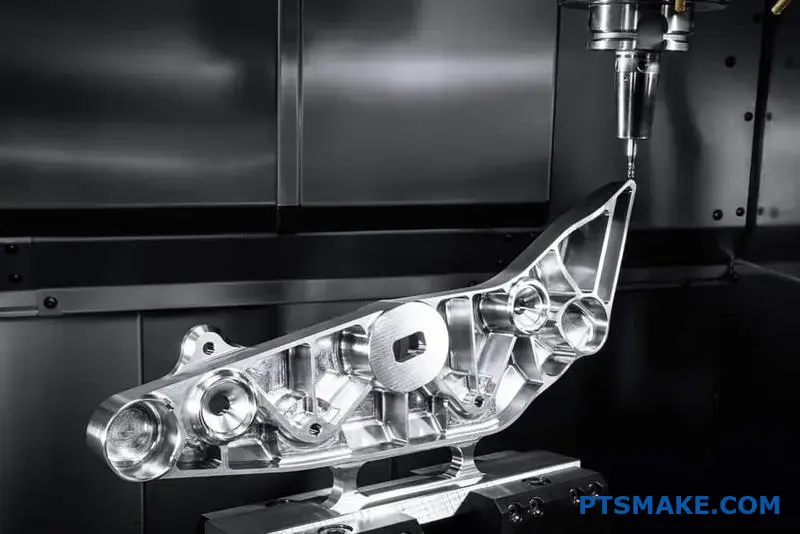
I’ve worked with defense contractors who learned these lessons the hard way. The strategies I’ll share in this guide come from real projects where precision, compliance, and reliability made all the difference in delivering successful defense manufacturing solutions.
Why CNC Precision Matters In Defense Applications
In the defense sector, there is no room for error. The stakes are incredibly high. A single component failure can lead to catastrophic outcomes.
This is why precision engineering is not just important; it’s fundamental.
The Standard of Absolute Perfection
Defense CNC machining operates on a different level. We’re not just making parts. We are ensuring mission-critical reliability. Tight tolerances directly impact safety and performance.
From Blueprint to Battlefield
Even the smallest deviation can compromise an entire system. Precision components for military use demand perfection from the start.
| Typ tolerancie | Commercial Standard | Defense Standard |
|---|---|---|
| Všeobecné obrábanie | ±0,1 mm | ±0,01 mm |
| Critical Interface | ±0,05 mm | ±0,005 mm |
| Bearing Fits | ±0.025 mm | ±0.002 mm |
This level of detail is what separates success from failure.
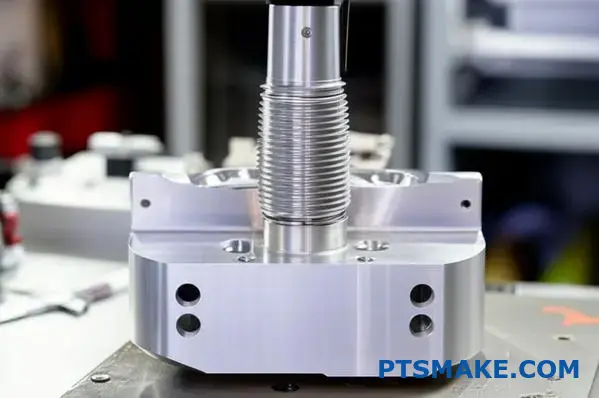
In my experience, the conversation around defense manufacturing always comes back to one word: certainty. Can a part perform its function perfectly, every single time, under extreme stress? The answer must be yes. This is where tight tolerance machining truly proves its worth.
Impact on System Integrity
Precision affects every aspect of a defense system. A minor flaw in a missile fin’s curvature can alter its trajectory. A slight imprecision in a vehicle’s gear assembly can lead to mechanical failure at a critical moment. Every component must integrate seamlessly with others.
This requires a deep understanding of how parts interact. It is not just about meeting a number on a print. It is about understanding the function and ensuring the part contributes to the system’s overall reliability. We often work with clients to refine designs, ensuring the principles of Geometrické dimenzovanie a tolerovanie1 are applied effectively for manufacturability and performance.
Key Areas Demanding Precision
| Component Category | Critical Precision Requirement | Vplyv zlyhania |
|---|---|---|
| Guidance Systems | Sensor alignment, housing integrity | Mission failure, inaccurate targeting |
| Aerospace Frames | Fastener hole locations, mating surfaces | Structural weakness, aerodynamic instability |
| Weapon Systems | Firing mechanism components | Misfire, jamming, reduced accuracy |
At PTSMAKE, we recognize that producing precision components for military use is a significant responsibility. It goes beyond simple manufacturing; it’s about safeguarding lives and ensuring mission success.
In defense applications, precision isn’t a feature; it’s the foundation. Tight tolerance machining is essential for ensuring the safety, performance, and unwavering reliability of systems where failure is not an acceptable outcome. Every component must perform flawlessly.
Top Material Choices For Military-Grade CNC Parts
Selecting the right material for defense applications is crucial. The choice impacts performance, durability, and mission success. It’s a balance of strength, weight, and environmental resistance. We see this daily with military-grade metal parts.
Spoločné rodiny materiálov
Aluminum alloys offer an excellent strength-to-weight ratio. Stainless steels provide superior corrosion resistance. Titanium leads when extreme strength and light weight are required. These are core materials for defense cnc machining.
| Materiál | Primárna výhoda | Typický prípad použitia |
|---|---|---|
| Hliník 7075 | High Strength, Lightweight | Aircraft structures, frames |
| Nerezová oceľ 316 | Odolnosť proti korózii | Marine hardware, fasteners |
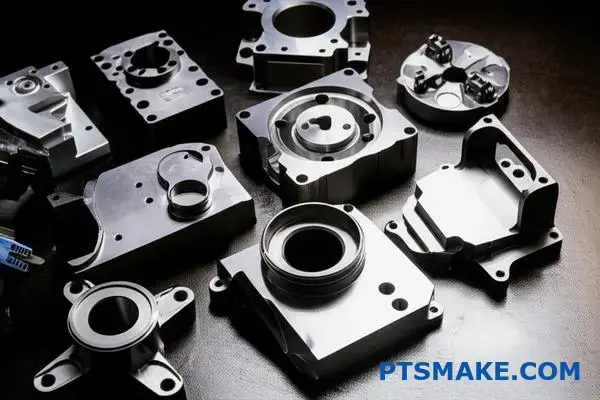
A Deeper Look at High-Performance Alloys
Beyond the basics, specialized alloys are essential. They are used where standard metals would fail. Titanium and high-strength steels are common in aerospace and tactical equipment. But their advantages come with challenges.
Titanium: The Aerospace Standard
Titanium alloys like Ti-6Al-4V are prized. They offer incredible strength with less weight. They also handle extreme temperatures and corrosive environments. The main drawbacks are high material cost and difficulty in machining. This is a key focus when machining aerospace alloys.
Machining Difficult Materials
Handling these advanced materials is an art. They require specific tooling, cutting speeds, and cooling strategies. Poor technique can cause issues like spevňovanie práce2, which compromises the part. At PTSMAKE, we develop precise protocols for each alloy to ensure integrity. This ensures every component meets stringent defense standards.
| Typ zliatiny | Kľúčový prínos | Výzva na obrábanie |
|---|---|---|
| Titán (Ti-6Al-4V) | Unmatched strength-to-weight ratio | Low thermal conductivity, high tool wear |
| Inconel | Extreme heat and pressure resistance | High cutting forces required |
Material choice dictates the manufacturing approach. From versatile aluminum to tough titanium, each demands specific expertise. Success in defense CNC machining relies on understanding these trade-offs to produce reliable parts that perform flawlessly under pressure.
The Truth About CNC Endurance Testing For Defense Use
When it comes to defense cnc machining, ‘good enough’ is never an option. We are talking about parts where failure is not just a defect, it’s a critical risk. That’s why defense-grade quality assurance is so rigorous.
Rozmerová analýza
This is the first gate. We use CMMs (Coordinate Measuring Machines) to verify every dimension against the original CAD model. It ensures perfect fit and function. Tolerances here are incredibly tight.
Nedeštruktívne testovanie (NDT)
NDT allows us to find flaws without damaging the part. These are crucial military CNC testing procedures. We look for hidden cracks or material inconsistencies.
| Testovacia metóda | Účel | Príklad aplikácie |
|---|---|---|
| Rozmerová analýza | Verifies geometric accuracy. | Checking hole diameters on a chassis. |
| NDT | Detects internal defects. | Ultrasonic testing on a mounting bracket. |
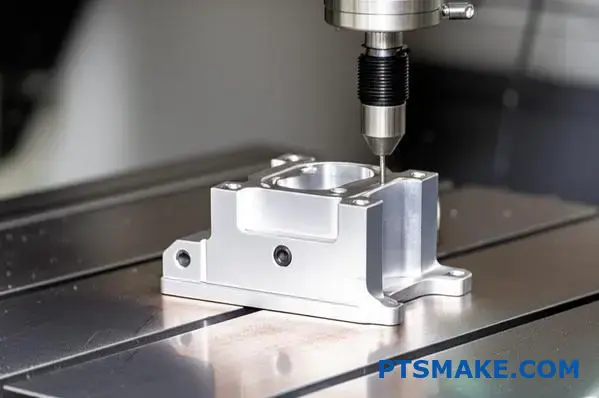
Beyond checking dimensions and internal flaws, we must simulate real-world stress. This is where CNC durability tests become essential for defense applications. It’s not just about if the part is made correctly, but if it will last under extreme conditions.
Fatigue Testing: The Ultimate Stress Test
Fatigue testing pushes a component to its limits. We subject parts to repeated cycles of stress and strain. This simulates years of operational use in just a short period. This process helps us predict the component’s service life.
We identify the point of failure. This data is critical for design improvements and material selection. For defense projects, this isn’t just a test; it’s a guarantee of reliability in the field. At PTSMAKE, we verify material composition using methods like spektrometria3 before these tests begin.
| Fatigue Test Stage | Popis | Výsledok |
|---|---|---|
| Načítanie | Applying cyclical stress. | Simulates operational conditions. |
| Monitorovanie | Tracking micro-fractures. | Identifies initial points of weakness. |
| Failure Analysis | Studying the fracture surface. | Provides data for material enhancement. |
This level of detailed analysis is fundamental to defense cnc machining. It ensures that every part we deliver meets the highest standards for performance and safety.
Defense-grade quality assurance relies on more than basic inspection. Rigorous military CNC testing procedures like dimensional analysis, NDT, and especially fatigue testing are essential to verify durability and predict the service life of critical components under extreme operational stress.
Supply Chain Security: What Defense Buyers Must Know
For defense projects, your supply chain is a critical vulnerability. One weak link can compromise national security. This is why a secure CNC supply chain is not just a preference; it is a strict requirement.
We build security on four core pillars. These pillars protect every stage of the manufacturing process.
Key Security Pillars
| Security Pillar | Oblasť zamerania |
|---|---|
| Preverovanie dodávateľov | Verifying partner credibility and capabilities. |
| Vysledovateľnosť | Tracking materials and processes from start to finish. |
| Export Controls | Complying with regulations like ITAR. |
| Cybersecurity | Protecting sensitive digital information. |
This framework is essential for defense supplier risk management.
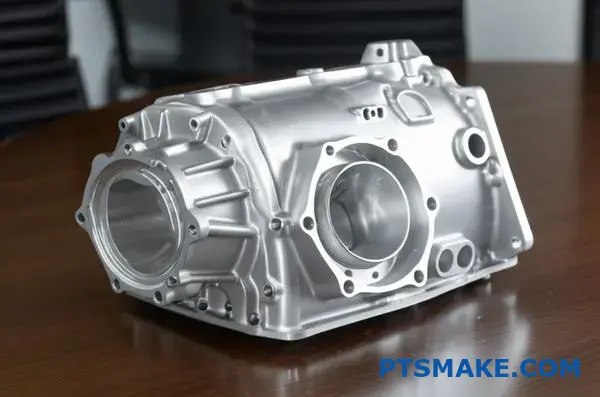
A Deeper Look at Supplier Security
Securing the supply chain requires more than just a checklist. It demands active and ongoing effort in several key areas. We take this responsibility very seriously.
Rigorous Supplier Vetting
We don’t just look at a supplier’s website. Our process involves deep background checks and financial stability assessments. We review past performance on similar defense CNC machining projects. This ensures they can handle the high stakes involved.
End-to-End Traceability
Every piece of material must be accounted for. We demand full material certifications and maintain detailed production logs. This creates a clear, unbroken chain of custody from raw material sourcing to the final delivered component.
Navigating Export Controls
For US defense projects, compliance is mandatory. Being an ITAR compliant CNC partner means following strict rules for handling sensitive data and hardware. These regulations, the International Traffic in Arms Regulations (ITAR)4, govern the export of defense-related articles.
Robust Cybersecurity Protocols
Protecting digital assets is as important as physical security. We use end-to-end encryption for all technical data. Access to sensitive CAD files and project documents is tightly controlled and monitored within our secure network.
| Security Measure | Compliant Practice | Non-Compliant Risk |
|---|---|---|
| Prenos údajov | Encrypted Channels | Unsecured Email or FTP |
| Supplier Access | Audited & Vetted | Unverified Partners |
| Material Source | Certified & Documented | Unknown Origin |
| Export | ITAR Registered | Uncontrolled Shipments |
A secure CNC supply chain requires a multi-layered approach. It combines rigorous supplier vetting, full material traceability, strict adherence to export controls, and robust cybersecurity protocols. This protects sensitive data and ensures component integrity for critical defense applications.
Avoiding Common CNC Machining Pitfalls In Military Projects
Military projects demand absolute precision. The smallest error can lead to mission-critical failures. Success hinges on identifying and navigating potential traps early.
Many issues arise from simple oversights. These are not always obvious.
Key Risk Areas
Technické výzvy
Incorrect GD&T interpretation is a frequent problem. Thermal distortion during machining also poses a huge risk to tight tolerances.
Komunikačné medzery
Miscommunication between the buyer and supplier can derail a project. Assumptions often lead to costly mistakes. These are major military manufacturing pitfalls.
| Pitfall | Dôsledky | Závažnosť |
|---|---|---|
| GD&T Error | Component Mismatch | Vysoká |
| Thermal Distortion | Tolerance Failure | Vysoká |
| Poor Communication | Rework & Delays | Stredné |
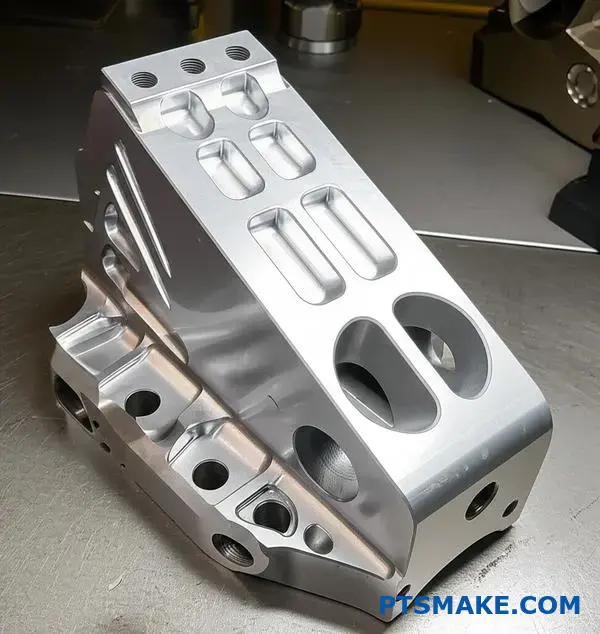
Navigating defense CNC challenges requires a deep understanding of common risks. Many CNC project risks stem from three core areas. These are technical interpretation, physical material properties, and human communication. Each can independently compromise an entire project.
The Devil in the Details: GD&T
Geometric Dimensioning and Tolerancing (GD&T) is more than just numbers on a drawing. It is a language that describes function. I have seen parts fail inspection because the supplier chased dimensions but missed the functional intent of the datums. This is a frequent issue in complex defense cnc machining.
Managing Thermal Effects
Heat is an unavoidable byproduct of machining. It causes materials to expand and contract. This can subtly throw off critical dimensions, especially with large parts or tough alloys. Understanding a material’s koeficient tepelnej rozťažnosti5 is not just academic; it’s fundamental.
The Communication Lifeline
Clear communication is the backbone of any successful partnership. Vague requirements or unverified assumptions create significant military manufacturing pitfalls. At PTSMAKE, we establish a clear communication protocol from the start. We confirm every detail to prevent misunderstandings.
| Výzva | Hlavná príčina | Recommended Mitigation Strategy |
|---|---|---|
| GD&T Misinterpretation | Lack of expertise | Joint drawing review before production |
| Thermal Distortion | Ignoring material physics | Climate-controlled environment, proper coolants |
| Communication Breakdown | Unstated assumptions | Regular check-ins and documented approvals |
Technical precision and clear communication are paramount in military projects. Overlooking details in GD&T, thermal management, or supplier dialogue introduces unacceptable risks and potential for failure in defense cnc machining.
Benefits Of Partnering With ITAR-Compliant CNC Manufacturers
For U.S. Department of Defense (DoD) projects, ITAR compliance is not optional. It is a strict legal mandate. Working with certified suppliers is essential.
This protects national security. It also avoids severe legal and financial penalties for your company.
The Legal Framework
ITAR governs all defense-related exports. This includes parts, technical data, and services. Choosing the right partner is critical. Non-compliance can halt projects and lead to massive fines.
Core Legal Implications
| Violation | Dôsledky |
|---|---|
| Unauthorized Export | Civil fines up to $1 million per violation |
| Willful Violation | Criminal penalties, including prison time |
| Debarment | Banned from future government contracts |
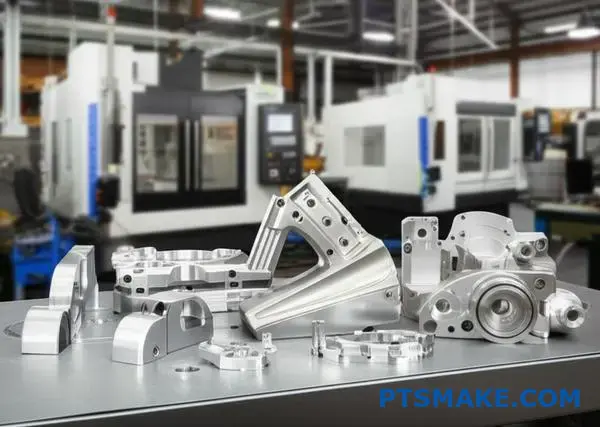
Navigating the complexities of ITAR requirements for defense manufacturing is a serious task. It goes beyond simply making a part to spec. It involves a complete, secure ecosystem for handling sensitive information from start to finish. This is where specialized ITAR CNC suppliers become invaluable.
Protecting Controlled Information
Every step, from receiving a CAD file to shipping a finished component, must be secure. This includes data storage, employee access, and communication channels. At PTSMAKE, we implement strict access controls. Only authorized U.S. persons can handle ITAR-related projects. This protects the Technical Data6 associated with the project.
Ensuring Compliance in CNC Exports
When the final part is ready, the export process itself is a critical control point. An ITAR-compliant manufacturer manages all necessary licenses and documentation. This ensures that the components reach their destination legally. This is a crucial step in maintaining supply chain integrity for any defense cnc machining program. It prevents delays and legal issues at the border.
| Supplier Action | V súlade s | Non-Compliant |
|---|---|---|
| Ukladanie údajov | Secure, US-based servers | Unsecured, global servers |
| Employee Access | Restricted to US persons | Unrestricted access |
| Export Licensing | Manages all paperwork | Ignores documentation |
| Komunikácia | Encrypted channels | Standard email |
For DoD projects, ITAR compliance is a foundational requirement. Partnering with certified ITAR CNC suppliers is the only way to mitigate significant legal risks, protect sensitive data, and ensure your defense manufacturing supply chain remains secure and uninterrupted.
The Ultimate Timeline For Planned Defense CNC Projects
A planned defense CNC project isn’t a sprint; it’s a marathon with clear checkpoints. Understanding these milestones is key to successful lead time management.
Each phase has a distinct purpose. It moves from initial ideas to mass production in a structured way. This ensures every requirement is met.
Key Project Stages
The defense cnc production timeline is precise. It has to be. Let’s break down the typical lifecycle we follow at PTSMAKE for defense projects.
Phase 1: Request for Quote (RFQ)
This is more than a price request. It’s a deep dive into technical specs, material needs, and compliance documents. Clarity here prevents future delays.
Phase 2: Prototyping & Validation
We create functional prototypes. This stage is for testing fit, form, and function. It’s where we confirm the design before committing to tooling.
A Typical Project Lifecycle
| Etapa | Kľúčový cieľ | Odhadované trvanie |
|---|---|---|
| RFQ | Define Scope & Cost | 1-2 týždne |
| Vytváranie prototypov | Validate Design | 2-4 týždne |
| Pilot Run | Verify Process | 1-3 týždne |
| Výroba | Scale Manufacturing | Rôzne |
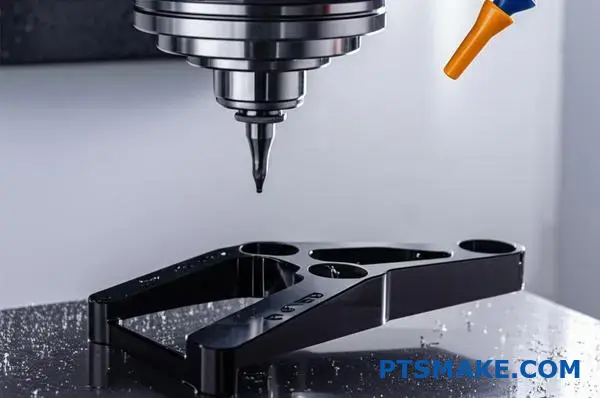
Navigating the defense cnc production timeline requires a meticulous, phase-by-phase approach. Each step builds on the last, ensuring that quality and compliance are embedded from the start. This structured process is fundamental to successful defense cnc machining.
From Blueprint to Battlefield-Ready
The journey from a digital file to a finished part involves critical CNC project milestones. Each one serves as a quality gate, preventing issues from moving downstream.
The RFQ Deep Dive
In the defense sector, an RFQ includes more than just a CAD file. We often review detailed GD&T drawings, material certifications (like DFARS), and specific finishing requirements. Getting this right is non-negotiable.
Prototyping: The First Physical Test
Prototyping isn’t just about making one part. It’s about proving manufacturability. We analyze toolpaths and machining strategies to optimize for the full production run. This minimizes surprises later on.
Pilot Run: Validating the Process
After prototype approval, a pilot run begins. This involves a small batch of parts made using the final production process. This is where we conduct a Kontrola prvého článku7 to verify that every dimension and feature meets the print.
The table below outlines the core focus of each production stage.
| Etapa | Primárne zameranie | Kľúčový výstup |
|---|---|---|
| Vytváranie prototypov | Design & Manufacturability | Approved Sample Part |
| Pilot Run | Process & Quality Control | FAI Report |
| Kompletná výroba | Consistency & Scale | Consistent, Compliant Parts |
Effective lead time management depends on mastering these transitions. A delay in one phase directly impacts the next.
A structured timeline is crucial for defense CNC projects. Each stage, from RFQ to production, builds a foundation of quality and compliance. This methodical approach ensures every part meets stringent specifications and timelines.
Best Practices For Managing CNC Procurement Across Programs
Streamlining Multi-Program Sourcing
Managing CNC procurement across different programs can be complex. A unified defense part procurement strategy je nevyhnutný.
It moves you from reactive buying to strategic sourcing. Consolidating your needs gives you more leverage.
The Power of Consolidation
Instead of placing small, separate orders, group them. This approach simplifies management. It also improves your negotiating position with suppliers.
A cohesive strategy for multi-program CNC sourcing je kľúčový.
| Funkcia | Single-Program Buying | Multi-Program Buying |
|---|---|---|
| Buying Power | Nižšie | Vyššie |
| Admin Costs | Vyššie | Nižšie |
| Supplier Relations | Fragmented | Strategic |
This shift leads to significant cost and time savings.
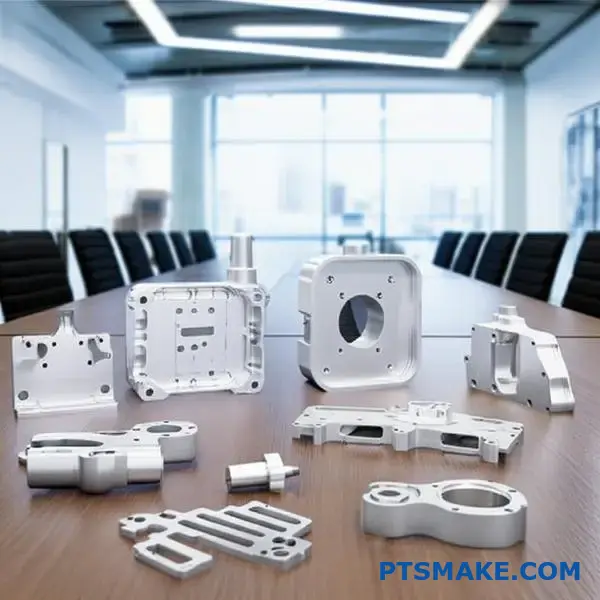
Building Strategic Supplier Partnerships
A smart defense part procurement strategy goes beyond just bundling orders. It’s about building long-term, strategic partnerships. This is vital for mission-critical components.
Consolidating your supplier base is the first step. Working with fewer, more capable partners simplifies communication and ensures quality. This process of supply chain rationalization8 is critical for complex industries.
At PTSMAKE, we focus on becoming a reliable extension of your team. This is crucial for contract CNC manufacturing defense projects where trust and consistency are non-negotiable.
Leveraging Framework Agreements
Framework agreements are a powerful tool. They establish terms, conditions, and pricing for a set period. This eliminates repetitive negotiations for each new order.
This is especially effective for defense cnc machining parts with recurring needs. You secure capacity and lock in quality standards. This ensures your programs run without interruption.
| Benefit | Popis |
|---|---|
| Rýchlosť | Reduces lead time for new orders. |
| Konzistentnosť | Ensures quality standards are met every time. |
| Kontrola nákladov | Locks in pricing, protecting against market volatility. |
| Security | Strengthens the supply chain for critical components. |
By setting up these agreements, you create a more predictable and resilient supply chain.
Effectively managing multi-program procurement involves consolidating suppliers to boost leverage and using framework agreements to streamline processes. This strategic approach enhances efficiency, reduces costs, and secures the supply chain, which is crucial for defense manufacturing.
Cost Vs. Value: Making Smart Investments In Defense CNC Parts
Focusing only on the initial price is a common mistake. In defense applications, this can be a critical error. The real cost of CNC defense components appears over their entire lifecycle.
A cheaper part might save money upfront. But what happens if it fails during a mission? The consequences are severe.
The True Cost of a Component
True cost includes much more than the invoice price. It involves reliability and performance under stress. The goal is mission success, not just procurement savings.
Evaluating Total Value
| Faktor | Low-Bid Part | High-Value Part |
|---|---|---|
| Počiatočná cena | Nižšie | Vyššie |
| Materiálové certifikáty | Minimal / Missing | Komplexné |
| Kontrola | Basic Spot-Check | 100% Dimensional |
| Field Life | Nepredvídateľné | Meets/Exceeds Spec |
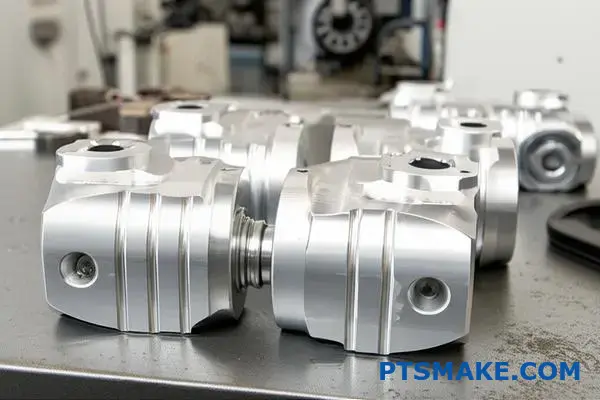
When you make a value-based supplier decision, you look beyond the sticker price. You must calculate the total cost of ownership CNC parts. This includes acquisition, installation, maintenance, and crucially, the cost of failure.
In defense, a failed component is never just a piece of metal. It’s a risk to personnel and mission objectives. A comprehensive lifecycle cost analysis9 reveals that a slightly more expensive, well-made part is often far cheaper in the long run.
A Real-World Failure Scenario
Imagine a mounting bracket for a critical sensor fails. The part was chosen because it was 20% cheaper. The failure, however, leads to mission-critical data loss.
The replacement and repair mission costs are immense. They easily dwarf the initial savings. This is why material traceability, robust quality control, and proven manufacturing processes are non-negotiable in defense cnc machining.
Failure Cost Breakdown
| Typ nákladov | Popis |
|---|---|
| Repair Logistics | Deploying a team and equipment for field repair. |
| Equipment Downtime | The asset is out of service, reducing operational readiness. |
| Mission Impact | Compromised intelligence or communication capabilities. |
| Replacement Part | Cost of a new, reliable part plus expedited shipping. |
This highlights how a small upfront cost can lead to massive downstream expenses.
A smart investment in defense cnc machining prioritizes total lifecycle value. The initial price is just one small piece of the total cost of ownership CNC. The true measure is reliability and performance when it matters most.
How To Streamline Prototype-To-Production For Defense Parts
In defense manufacturing, speed saves more than just money. Accelerating the transition from prototype to full production is a strategic advantage. It requires a focused approach on key areas.
Boosting Iteration Speed
Účinné rapid prototyping defense relies on quick design changes. Slow iterations create significant bottlenecks. We focus on getting feedback implemented immediately.
Optimizing Feedback and Tooling
The goal is a seamless CNC transition to production. This means optimizing communication and CNC tool paths from the very first part. A small adjustment here can save days later.
| Faktor | Tradičný prístup | Streamlined Approach |
|---|---|---|
| Iterácia návrhu | Sequential, slow | Parallel, rapid |
| Feedback Loop | Delayed, formal | Immediate, integrated |
| Cesta nástroja | Prototype-specific | Production-ready from start |
This integrated strategy drastically reduces lead times for critical defense components.
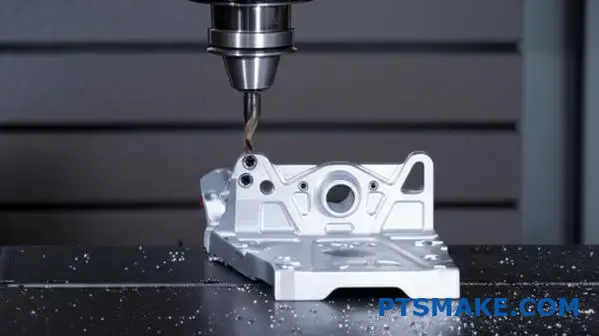
Moving a defense part from a single prototype to thousands of units demands more than just scaling up. It requires a fundamental shift in how design and manufacturing interact. The key is establishing tight, rapid feedback loops between engineers and machinists.
The Integrated Feedback Loop
At PTSMAKE, we bridge this gap from day one. Our engineers work alongside our CNC programmers during the prototyping phase. This practice of Súbežné inžinierstvo10 ensures that any potential manufacturing issue is identified and solved early. This prevents costly redesigns down the line.
Controlling Design Iterations
For effective defense part iteration control, every change must be deliberate. We use a clear process to evaluate feedback and implement updates. This avoids endless tweaking that delays production. Optimizing tool paths for the prototype as if it were a production part also cuts significant time during the transition. This is central to our defense cnc machining philosophy.
| Etapa | Kľúčová akcia | Benefit |
|---|---|---|
| Prototype Design | DFM analysis with machinists | Eliminates production roadblocks |
| Vytváranie prototypov | Use production-intent tool paths | Reduces programming time later |
| Spätná väzba | Real-time communication | Faster design finalization |
| Prechod | Minor tool path adjustments | Quick ramp-up to production |
By treating the prototype as the first production article, we collapse the timeline. This ensures reliability and speed for defense applications.
Streamlining the path from prototype to production hinges on integrating design, feedback, and manufacturing. This approach accelerates iteration speed and optimizes tool paths from the start, ensuring a rapid and reliable transition for critical defense components.
Case Study: How Leading OEMs Use CNC Machining In Defense Platforms
Leading defense OEMs don’t build everything in-house. They rely on a network of expert suppliers. These suppliers master CNC machining for critical systems.
This OEM CNC defense solution is vital. It creates the backbone for many platforms.
From Air to Ground
Consider Unmanned Aerial Vehicles (UAVs). CNC machines produce their lightweight airframes. They also craft mounts for sensitive optics.
For ground systems, weapon mounts and vehicle armor components are key. Precision is non-negotiable.
| Defense Platform | Key CNC Machined Component | Príklad materiálu |
|---|---|---|
| UAV / Drone | Airframe Struts & Ribs | Hliník 7075 |
| Avionics System | Protective Housing | AL 6061-T6 |
| Weapon System | Trigger Mechanism | Stainless Steel 17-4 PH |
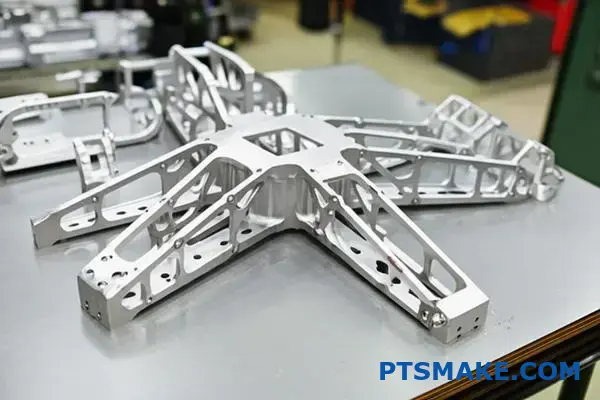
Let’s look at a typical defense CNC case study. A supplier for a major OEM like Lockheed Martin must produce avionics housings. These aren’t simple boxes. They require complex internal geometries for cooling.
The supplier uses 5-axis CNC machining. This allows them to create intricate cooling channels from a single block of aluminum. This process is essential for heat dissipation. It protects sensitive electronics from failure during missions.
Precision in Unmanned Systems
For machined parts in UAVs, weight is a critical factor. Every gram matters. We often see suppliers using CNC to create skeletonized frames. These parts maintain structural integrity but remove all non-essential material.
This technique, combined with advanced composites, extends flight time and payload capacity.
Weapon System Reliability
In vehicle weapon systems, CNC machining ensures absolute reliability. Components like trigger assemblies and firing pins have tolerances measured in microns.
Failure is not an option. CNC machining delivers the consistency needed for these parts. It ensures they function flawlessly every time, even with components made from advanced isotopic materials11 for enhanced durability under extreme stress. This level of precision is fundamental to a modern OEM CNC defense solution.
This case study shows how suppliers for major OEMs use CNC machining. It’s crucial for creating precise, reliable parts for UAVs, avionics, and weapon systems, forming the core of modern defense manufacturing.
Get Reliable Defense CNC Machining From PTSMAKE Today
Tackle your next defense CNC machining project with confidence—partner with PTSMAKE for proven precision, compliance, and unmatched reliability. Submit your RFQ now for military or aerospace-grade parts and let our expert team deliver the high-tolerance solutions your operations demand.

Learn the symbolic language engineers use to define and communicate engineering tolerances and relationships. ↩
Learn how machining can alter material properties and why controlling it is critical for part performance. ↩
Explore the technical principles behind material composition analysis. ↩
Learn the specific legal requirements of ITAR and how they impact your defense manufacturing projects. ↩
Learn how this property impacts material choice and machining strategy in high-precision applications. ↩
Learn how ITAR defines Technical Data and why its proper handling is critical for compliance. ↩
Learn how this quality process validates your production setup and ensures part conformity. ↩
Learn how to optimize your supplier base for maximum efficiency and cost savings in manufacturing. ↩
Understand this crucial method for calculating a component’s true cost from acquisition to disposal. ↩
Learn how this collaborative design and development methodology can significantly shorten your product lifecycle. ↩
Discover how advanced materials are selected for critical performance characteristics in defense components. ↩