
Awarie sprzętu wojskowego kosztują życie i zagrażają bezpieczeństwu narodowemu. Kiedy precyzyjna obróbka CNC nie spełnia standardów klasy wojskowej, konsekwencje wykraczają daleko poza przekroczenie budżetu – mogą decydować o sukcesie lub porażce misji w krytycznych sytuacjach.
Wojskowa obróbka CNC wymaga specjalistycznej wiedzy, aby produkować części klasy wojskowej, które spełniają rygorystyczne normy MIL-SPEC, bezpiecznie obsługiwać projekty tajne i zapewniać krytyczną precyzję od prototypu po pełne wdrożenie.
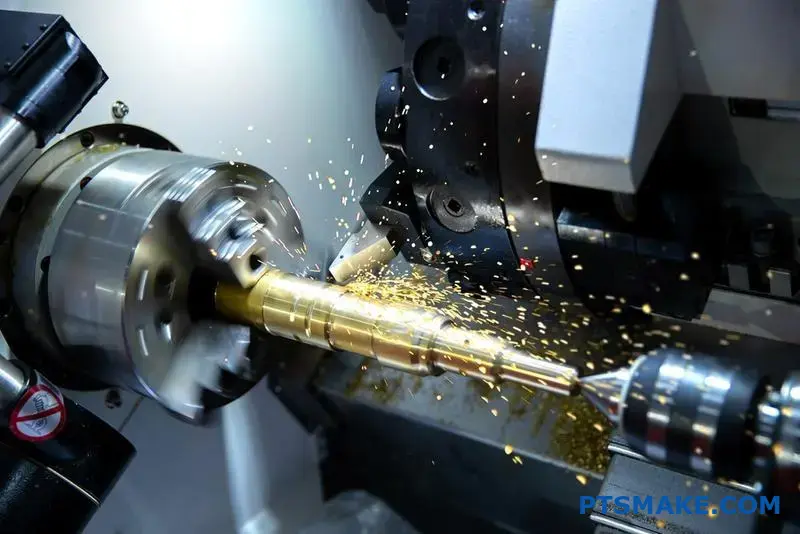
Pracowałem z wykonawcami obronnymi, którzy potrzebowali szybkiego prototypowania tajnych systemów, oraz z producentami wymagającymi serii produkcyjnych zgodnych z ITAR. Ten przewodnik zawiera niezbędną wiedzę, której potrzebujesz, aby skutecznie poruszać się w wojskowej obróbce CNC.
Dlaczego precyzja ma znaczenie w wojskowych zastosowaniach CNC
W wojskowej obróbce CNC precyzja nie jest tylko celem. Jest absolutnym wymogiem. Drobny błąd może doprowadzić do katastrofalnej awarii na polu bitwy.
Standard zerowej tolerancji
Części CNC klasy wojskowej muszą działać bez zarzutu. Pracują pod ekstremalnym obciążeniem i w trudnych warunkach. Po prostu nie ma miejsca na błąd.
Konsekwencje niedokładności
Nawet odchylenie na poziomie mikrona może wpłynąć na wydajność. Może to oznaczać, że pocisk zboczy z kursu lub krytyczny system zawiedzie w kluczowym momencie.
| Komponent | Ryzyko niedokładności |
|---|---|
| Spust broni palnej | Niewypał lub opóźniona reakcja |
| Statecznik kierunkowy pocisku | Niedokładna trajektoria |
| Oś pojazdu opancerzonego | Awaria strukturalna pod obciążeniem |
Ta rygorystyczna potrzeba dokładności definiuje precyzyjną obróbkę CNC w zastosowaniach wojskowych. Chodzi o niezawodność i bezpieczeństwo.
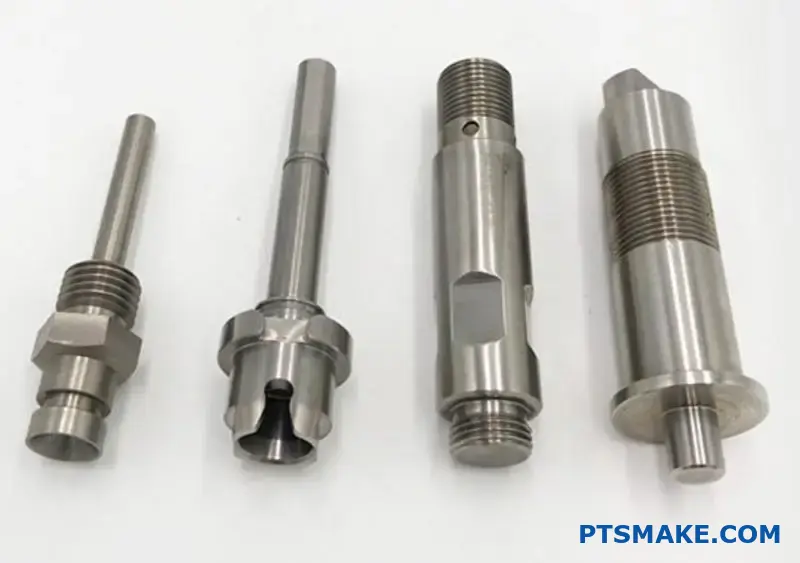
Poza projektem: Niewidoczne wyzwania
Osiągnięcie wymaganej precyzji w wojskowej obróbce CNC wykracza daleko poza proste podążanie za plikiem CAD. Musimy uwzględnić czynniki, które mogą subtelnie wpłynąć na integralność i wydajność komponentu podczas i po produkcji. Tutaj doświadczenie naprawdę ma znaczenie.
Integralność materiału i naprężenia
Materiały używane w obronności często mają unikalne cechy. Na przykład, niektóre stopy wykazują różne zachowania strukturalne w zależności od kierunku siły. Jest to krytyczny czynnik podczas obróbki skrawaniem. Musimy zrozumieć właściwości anizotropowe1 każdego materiału, aby zapobiec nieoczekiwanym słabościom.
Innym kluczowym czynnikiem są naprężenia własne wprowadzane podczas procesu obróbki skrawaniem. Niewłaściwe techniki mogą tworzyć wewnętrzne naprężenia, które prowadzą do deformacji części lub przedwczesnego uszkodzenia w terenie. Jest to ciche zagrożenie, które aktywnie łagodzimy.
Wpływ środowiska na wydajność
Sprzęt obronny musi działać niezawodnie wszędzie. Oznacza to od mroźnej Arktyki po palące pustynie. Rozszerzalność i kurczliwość termiczna są głównymi wyzwaniami. Część obrobiona z idealną tolerancją w temperaturze 20°C może być poza specyfikacją w temperaturze -40°C.
Musimy dobierać materiały i procesy obróbki skrawaniem, które zapewniają stabilność w szerokim zakresie temperatur operacyjnych.
| Czynnik | Obróbka skrawaniem |
|---|---|
| Twardość materiału | Dobór narzędzi i optymalizacja prędkości skrawania |
| Rozszerzalność cieplna | Korekty tolerancji dla środowiska operacyjnego |
| Tłumienie wibracji | Mocowanie i sztywność maszyny w celu zapewnienia jakości powierzchni |
W PTSMAKE nie tylko obrabiamy części. Projektujemy rozwiązania, które uwzględniają te złożone, wzajemnie powiązane zmienne. Zapewnia to, że każda część CNC klasy wojskowej jest gotowa do misji.
Precyzja w wojskowej obróbce skrawaniem CNC jest niepodlegająca negocjacjom ze względu na poważne ryzyko awarii. Prawdziwa dokładność wymaga wiedzy wykraczającej poza schemat, uwzględniającej naukę o materiałach i czynniki środowiskowe, aby zapewnić, że każdy komponent jest gotowy do misji i całkowicie niezawodny w ekstremalnych warunkach.
Czym są standardy MIL-SPEC i jak obróbka CNC je spełnia?
Czym są standardy MIL-SPEC? Pomyśl o nich jako o ostatecznej księdze zasad dla produkcji obronnej. Istnieją z jednego powodu: aby zapewnić całkowitą niezawodność.
Te zasady gwarantują, że każdy komponent jest wytrzymały, kompatybilny i działa bez awarii w ekstremalnych warunkach.
Tutaj precyzyjna obróbka skrawaniem MIL-SPEC staje się niezbędna. Obróbka skrawaniem CNC nie tylko spełnia te wojskowe standardy obróbki skrawaniem CNC; konsekwentnie je przewyższa. Zapewnia wymaganą kontrolę i dokumentację.
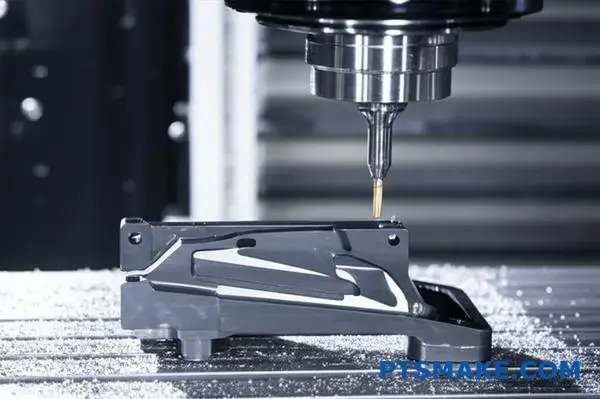
Obróbka skrawaniem CNC oferuje weryfikowalny dowód wymagany przez te rygorystyczne standardy. Nie chodzi tylko o poprawne wykonanie części. Chodzi o udowodnienie, za pomocą danych, że każdy krok został wykonany poprawnie.
Krytyczna rola ścieżek audytu
Nowoczesne systemy CNC generują kompletny zapis cyfrowy. Ten dziennik obejmuje wszystko, od początkowego programu po końcowe kontrole jakości. Tworzy to nieprzerwaną ścieżkę audytu. W przypadku każdego projektu obróbki CNC dla wojska, ten poziom identyfikowalności jest fundamentalny. Nie pozostawia niczego przypadkowi.
Utrzymanie węższych tolerancji
Standardy wojskowe obróbki CNC wymagają ekstremalnej precyzji. Konsekwentnie obrabiamy części z tolerancjami węższymi niż wymagają tego specyfikacje. Ten wbudowany bufor gwarantuje idealne dopasowanie i funkcjonalność. Nauka o metrologia2 jest kluczem do walidacji tych wyników.
Na podstawie projektów, które obsługiwaliśmy, różnica jest jasna.
| Wymóg | Standard przemysłowy | Standard MIL-SPEC |
|---|---|---|
| Typowa tolerancja | ±0,127 mm (0,005") | ±0,025 mm (0,001") |
| Pochodzenie materiału | Często nieokreślone | Ściśle udokumentowane |
| Identyfikowalność procesu | Podstawowy | Kompleksowa i obowiązkowa |
Znaczenie certyfikatów
Certyfikaty są niepodlegające negocjacjom. W PTSMAKE nasze procesy są zgodne z systemami jakości, takimi jak ISO 9001. Zapewniamy również pełne certyfikaty materiałowe. Potwierdza to, że surowce spełniają ścisłe przepisy obronne, zapewniając zgodność od początku do końca.
W istocie obróbka CNC doskonale nadaje się do prac zgodnych z MIL-SPEC. Jej wrodzona precyzja, szczegółowe cyfrowe ślady audytu i przestrzeganie certyfikowanych procesów sprawiają, że jest idealna do zastosowań obronnych, gdzie porażka nie wchodzi w grę.
Od prototypu do wdrożenia: Rola CNC w innowacjach wojskowych
Obróbka CNC jest kluczowa dla badań i rozwoju wojska. Skraca drogę od koncepcji do rzeczywistości. Ten proces polega na szybkości i precyzji.
Rola szybkiego prototypowania
Wojskowe usługi prototypowania CNC szybko tworzą fizyczne modele. Inżynierowie mogą trzymać i testować część. Potwierdza to jej kształt, dopasowanie i funkcję na wczesnym etapie.
Iteracja i udoskonalenie
Zmiany są nieuniknione w rozwoju sprzętu obronnego. CNC pozwala na szybkie dostosowania. Nowa wersja komponentu może zostać wykonana w ciągu kilku godzin. Ta pętla iteracyjna jest niezbędna.
| Etap | Wkład CNC | Wpływ |
|---|---|---|
| Koncepcja | Tworzenie modeli fizycznych | Waliduje teorię projektową |
| Testowanie | Szybka modyfikacja części | Skraca czas przeprojektowania |
| Przedprodukcja | Małe serie produkcyjne | Weryfikuje możliwość produkcji |
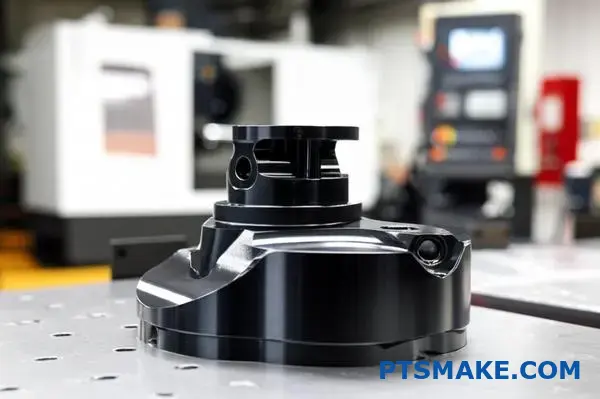
CNC to więcej niż narzędzie do prototypowania. Stanowi kluczowy pomost od początkowego projektu do ostatecznego wdrożenia. To płynne przejście jest dużą zaletą. Zapewnia, że testowana część jest identyczna z tą używaną w terenie.
Zapewnienie integralności materiału
Sprzęt wojskowy wykorzystuje zaawansowane materiały. Obejmuje to stopy o wysokiej wytrzymałości i specjalistyczne kompozyty. Obróbka CNC jest jedną z niewielu metod, które pozwalają na kształtowanie tych materiałów z ekstremalną precyzją. Umożliwia tworzenie części spełniających rygorystyczne standardy wydajności.
Proces ten ustanawia również ścisłe identyfikowalność materiałów3, co jest niepodlegające negocjacjom w obronności. Potwierdza pochodzenie i jakość każdego użytego elementu.
Napędzanie prawdziwych innowacji
Szybkość CNC w innowacjach wojskowych zmienia zasady gry. Złożone projekty, które kiedyś były tylko teoretyczne, są teraz możliwe. Prowadzi to do lżejszego, mocniejszego i bardziej wydajnego sprzętu.
| Faza B+R | Główna rola obróbki CNC | Kluczowy wynik |
|---|---|---|
| Badania | Tworzenie modeli koncepcyjnych. | Analiza wykonalności. |
| Rozwój | Produkcja funkcjonalnych prototypów do testowania. | Walidacja wydajności. |
| Wdrożenie | Produkcja małoseryjnych, precyzyjnych części końcowych. | Gotowość do misji. |
W PTSMAKE pomagamy naszym klientom optymalizować te złożone projekty. Zapewniamy, że ich innowacje są nie tylko genialne, ale także możliwe do wyprodukowania. To praktyczne podejście oszczędza czas i zasoby.
Obróbka CNC znacząco skraca cykl badań i rozwoju w wojsku. Wspiera każdy etap, od prototypowania CNC na potrzeby wojska po wdrożenie w terenie. Ten proces gwarantuje precyzję, waliduje wydajność materiałów i ostatecznie zapewnia niezawodny sprzęt do krytycznych misji, łącząc innowacyjne projekty z rzeczywistym zastosowaniem.
Kluczowe materiały używane w wojskowej obróbce CNC
Wybór odpowiedniego materiału jest pierwszym kluczowym krokiem. W wojskowej obróbce CNC wydajność pod ekstremalnym obciążeniem jest bezwzględnym wymogiem. Wybór materiału bezpośrednio wpływa na trwałość, wagę i niezawodność komponentu.
Kluczowe kategorie materiałów
Często pracujemy z określonym zestawem wysokowydajnych metali. Każdy z nich ma unikalne właściwości, odpowiednie do różnych zastosowań w obronności. Prawidłowy dobór materiałów wojskowych do obróbki CNC jest kluczowy.
Stopy tytanu
Tytan jest ceniony za wysoki stosunek wytrzymałości do masy i odporność na korozję. Jest niezbędny do produkcji ram lotniczych i komponentów morskich.
Stopy aluminium
Wysokowytrzymałe aluminium jest lekkie i łatwe w obróbce. Jest stosowane w pojazdach opancerzonych i częściach konstrukcyjnych samolotów.
| Materiał | Kluczowe właściwości | Typowe zastosowania wojskowe |
|---|---|---|
| Tytan (Ti-6Al-4V) | Wysoka wytrzymałość w stosunku do masy | Ramy samolotów, części silników |
| Aluminium (7075) | Lekkie, wytrzymałe | Pancerze pojazdów, obudowy pocisków |
| Stal nierdzewna | Odporność na korozję | Sprzęt morski, komponenty broni |
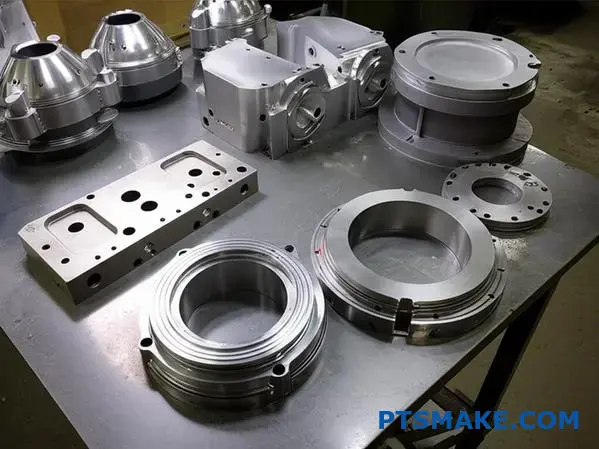
Głębokie spojrzenie na stopy wojskowe
Chociaż materiały bazowe są powszechne, zastosowania wojskowe wymagają specjalistycznych stopów. Są one projektowane z myślą o specyficznych, trudnych warunkach. Tutaj kluczowe staje się doświadczenie w obsłudze maszyn CNC do stopów wojskowych.
Tytan w zastosowaniach obronnych
Komponenty CNC z tytanu, szczególnie te wykonane z Ti-6Al-4V, są standardem w nowoczesnych samolotach wojskowych. Oferują one wyjątkową wydajność w wysokich temperaturach. Jednak obróbka tego stopu jest trudna ze względu na jego niską przewodność cieplną. Może to prowadzić do szybkiego zużycia narzędzi. Zarządzanie ciepłem jest kluczowe.
Zaawansowana stal i aluminium
W przypadku części pancernych i konstrukcyjnych, stopy takie jak stal AR500 oferują odporność balistyczną. Natomiast aluminium 7075 zapewnia wytrzymałość porównywalną ze stalą przy ułamku wagi. Każdy stop stawia unikalne wyzwania obróbcze. Na przykład, twardość AR500 wymaga specjalnych narzędzi tnących i niższych prędkości obróbki. Podczas obróbki tych materiałów często obserwujemy, że ich właściwości anizotropowe4 mogą wpłynąć na integralność końcowego komponentu, jeśli nie są odpowiednio zarządzane.
| Typ stopu | Podstawowa zaleta | Wyzwanie obróbki skrawaniem |
|---|---|---|
| Ti-6Al-4V | Ekstremalna wytrzymałość i odporność na ciepło | Słaba przewodność cieplna |
| Aluminium 7075 | Wysoka wytrzymałość, niska waga | Mogą być podatne na pękanie naprężeniowe |
| Stal AR500 | Doskonała odporność balistyczna | Wysoka twardość, ścierna |
| Inconel | Doskonała wytrzymałość w wysokich temperaturach | Umocnienie przez zgniot, zużycie narzędzi |
Właściwy dobór materiałów CNC do zastosowań wojskowych jest kluczowy w zastosowaniach obronnych. Materiały takie jak tytan, aluminium i specjalistyczne stopy stali oferują unikalne korzyści, ale stawiają również odrębne wyzwania obróbcze, które wymagają fachowej obsługi i specyficznych strategii produkcyjnych.
Protokoły inspekcji, które ratują projekty wojskowe przed porażką
Kontrole wizualne i suwmiarki nie wystarczą w projektach wojskowych. Musimy stosować zaawansowane metody inspekcji. Te narzędzia patrzą poza powierzchnię.
Zapewniają, że każda część spełnia ekstremalne specyfikacje. Jest to kluczowe dla niezawodności sprzętu wojskowego.
Rola zaawansowanej inspekcji
Właściwy Inspekcja części CNC wykorzystuje zaawansowaną technologię. Wykrywa wady niewidoczne gołym okiem. Ten krok jest niepodlegający negocjacjom w zastosowaniach obronnych.
Kluczowe zaawansowane metody
| Metoda | Użycie podstawowe | Kluczowe dla |
|---|---|---|
| CMM | Dokładność wymiarowa 3D | Złożone geometrie |
| Rentgen | Wykrywanie wad wewnętrznych | Integralność strukturalna |
| Analiza powierzchni | Weryfikacja wykończenia i powłoki | Trwałość, tarcie |
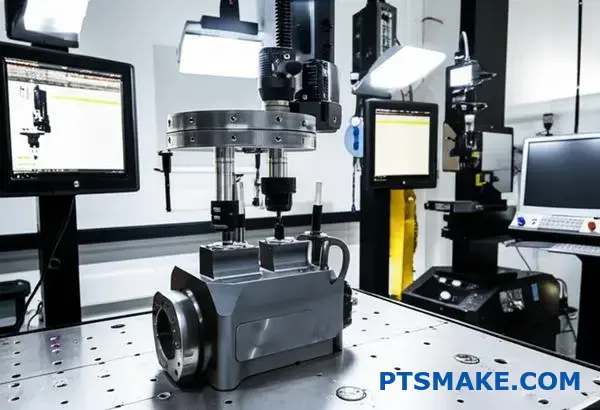
Zaawansowana inspekcja dostarcza obiektywnych danych. Eliminuje to zgadywanie z kontroli jakości. W projektach wojskowych ta pewność jest niezbędna. Mówimy o komponentach, w których awaria nie wchodzi w grę.
Dogłębne spojrzenie na technologię inspekcji
Współrzędnościowe maszyny pomiarowe (CMM)
CMM dla części obronnych jest złotym standardem weryfikacji wymiarowej. CMM wykorzystuje sondę do dotykania punktów na części. Tworzy precyzyjną mapę 3D komponentu.
W PTSMAKE używamy CMM do potwierdzenia, że złożone części z naszej obróbka CNC dla wojska linie idealnie pasują do modelu CAD. Tolerancje są często niezwykle wąskie.
Badanie rentgenowskie
Rentgen daje nam wgląd w gotową część. Jest to kluczowa część wojskowej kontroli jakości CNC. Metoda ta ujawnia wewnętrzne puste przestrzenie, pęknięcia lub niejednorodności gęstości materiału bez uszkadzania elementu. Jest to forma badań nieniszczących5.
Analiza powierzchni
Obejmuje to profilometry i mikroskopy. Narzędzia te mierzą chropowatość powierzchni, teksturę i grubość powłoki. W przypadku części narażonych na ekstremalne tarcie lub korozję, idealne wykończenie powierzchni jest kluczowe dla wydajności i żywotności.
| Technologia | Co mierzy | Przykład zastosowania wojskowego |
|---|---|---|
| CMM | Wymiary geometryczne, tolerancje | Weryfikacja konturów łopatek turbiny |
| Rentgen | Wady wewnętrzne, gęstość materiału | Sprawdzanie pustych przestrzeni w odlewanych obudowach |
| Analiza powierzchni | Chropowatość, grubość powłoki | Zapewnienie powłok o niskim współczynniku tarcia na tłokach |
Zaawansowane metody, takie jak CMM, rentgen i analiza powierzchni, są kluczowe. Dostarczają one głębokich, obiektywnych danych potrzebnych do walidacji części do zastosowań wojskowych o wysokiej stawce, zapewniając zarówno dokładność wymiarową, jak i integralność wewnętrzną każdego pojedynczego komponentu.
Jak ocenić partnerów CNC do projektów tajnych lub wrażliwych
Gdy Twój projekt jest sklasyfikowany, bezpieczeństwo nie jest opcjonalne. Jest to absolutna podstawa Twojej współpracy. Zdolność Twojego dostawcy do ochrony poufnych informacji jest kluczowa.
Skupimy się na trzech kluczowych filarach bezpieczeństwa. Są to zgodność z ITAR, obsługa danych i bezpieczeństwo fizyczne obiektów. Wybór prawdziwie bezpiecznego producenta CNC wymaga dogłębnego zbadania tych obszarów. Zapewnia to integralność Twojego projektu.
Zrozumienie ITAR i protokołów bezpieczeństwa
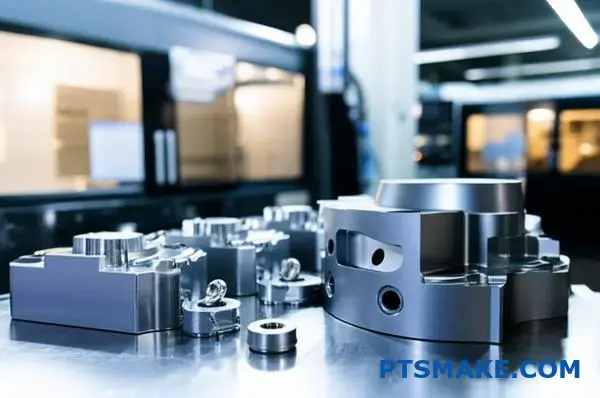
W przypadku projektów wrażliwych, zwłaszcza w sektorze obronnym, powierzchowne kontrole nie wystarczą. Musisz zweryfikować infrastrukturę bezpieczeństwa potencjalnego partnera od góry do dołu. Wykracza to daleko poza zwykłą umowę o poufności.
Zgodność z ITAR: Pierwszy punkt kontrolny
Każdy partner zaangażowany w obróbka CNC dla wojska musi być zarejestrowany w ITAR. Jest to niepodlegające negocjacjom. Międzynarodowe przepisy dotyczące ruchu broni (International Traffic in Arms Regulations) określają sposób postępowania z artykułami i usługami związanymi z obronnością. Poproś o ich kod rejestracyjny DDTC. Zweryfikuj go. Partner nieznający ITAR jest natychmiastowym sygnałem ostrzegawczym dla dostawców projektów sklasyfikowanych.
Poufność i obsługa danych
W jaki sposób Twój partner będzie odbierał i przechowywał Twoje pliki CAD? Musi on korzystać z bezpiecznych, szyfrowanych metod transferu. Dostęp do poufnych plików powinien być rejestrowany i ograniczony. Obejmuje to ochronę [Informacji niejawnych nieklasyfikowanych](https://www.dodcui.mil/)[^6] które wymagają szczególnych zabezpieczeń. Stwierdziliśmy, że jasne protokoły obsługi danych drastycznie zmniejszają ryzyko bezpieczeństwa.
Bezpieczeństwo obiektu
Bezpieczny obiekt to fizyczna forteca. Wymaga kontrolowanych punktów dostępu, całodobowego nadzoru i wyznaczonych stref bezpieczeństwa. Surowce i gotowe komponenty do wrażliwych projektów muszą być przechowywane w zamkniętych, monitorowanych obszarach.
| Warstwa bezpieczeństwa | Metoda weryfikacji | Poziom ważności |
|---|---|---|
| Regulacyjne | Sprawdź rejestrację ITAR | Obowiązkowe |
| Cyfrowy | Audyt szyfrowania danych i dzienników dostępu | Krytyczny |
| Fizyczny | Inspekcja obiektu na miejscu | Krytyczny |
Weryfikacja zgodności partnera z ITAR, obsługi danych i bezpieczeństwa fizycznego jest niezbędna. Te kroki to nie tylko najlepsze praktyki; są to niezbędne zabezpieczenia chroniące poufność projektu i zapewniające zgodność z prawem od pierwszego dnia.
Wybór między obróbką 3-osiową, 5-osiową lub szwajcarską dla potrzeb obronnych
Dokonanie właściwego wyboru między precyzyjnymi typami obrabiarek CNC jest kluczowe. Każda technologia służy odrębnemu celowi w zastosowaniach wojskowych. Twoja decyzja bezpośrednio wpływa na koszty, precyzję i czas realizacji.
Musimy dopasować maszynę do specyficznych potrzeb komponentu. Niewłaściwe dopasowanie może prowadzić do niepotrzebnych wydatków lub wadliwych części.
Porównanie kluczowych mocnych stron
Rozłóżmy główne zastosowania każdego typu obróbki w sektorze obronnym.
| Typ obróbki | Podstawowe zastosowanie w obronności | Kluczowa zaleta |
|---|---|---|
| 3-osiowe CNC | Wsporniki, obudowy, płyty | Opłacalne dla prostych części |
| 5-osiowe CNC | Łopatki turbin, złożone podwozia | Jedna konfiguracja dla złożonych geometrii |
| Szwajcarska obróbka skrawaniem | Bolec, łączniki | Wysokiej prędkości do małych, skomplikowanych części |
Ta tabela upraszcza początkowy proces wyboru.
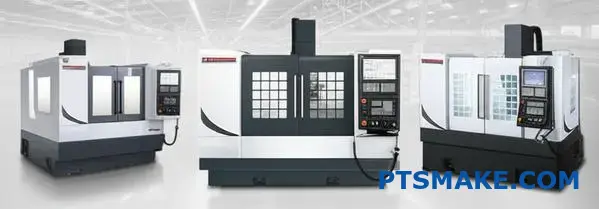
Dokonanie właściwego wyboru dla części obronnych
Wybór najlepszego procesu obróbki CNC dla wojska obejmuje kilka kluczowych czynników. Złożoność części jest najbardziej oczywistym punktem wyjścia.
Ocena geometrii części
W przypadku części z cechami na wielu powierzchniach, idealne są zastosowania CNC 5-osiowe w przemyśle obronnym. To podejście obrabia skomplikowane kształty w jednym ustawieniu. Minimalizuje błędy wynikające z ponownego mocowania części. Prostsze, pryzmatyczne części dobrze nadają się do maszyn 3-osiowych.
Tokarki typu Swiss doskonale sprawdzają się w przypadku małych, smukłych elementów. Pomyśl o częściach o wysokim stosunku długości do średnicy. Są one powszechne w amunicji i elektronice. Nasze doświadczenie pokazuje, że wojskowe usługi toczenia typu Swiss zapewniają niezrównaną precyzję dla tych konkretnych części.
Wielkość produkcji i tolerancje
Wymagana wielkość produkcji jest kolejnym krytycznym czynnikiem.
| Czynnik | 3-osiowy | 5-osiowy | Swiss Turning |
|---|---|---|---|
| Najlepszy wolumen | Niski do średniego | Niski do średniego | Wysoki |
| Złożoność | Niski | Wysoki | Wysoki (Cylindryczny) |
| Tolerancja | Standard | Bardzo ciasno | Niezwykle szczelny |
W PTSMAKE analizujemy te czynniki z naszymi klientami. Zapewniamy, że wybrana metoda jest zgodna z budżetem i wymaganiami dotyczącymi wydajności. Rodzaj uchwyt roboczy6 odgrywa również znaczącą rolę w osiąganiu ścisłych tolerancji, zwłaszcza w operacjach 5-osiowych. Często opracowujemy niestandardowe uchwyty dla wymagających projektów obronnych.
Wybór odpowiedniego typu obróbki – 3-osiowej, 5-osiowej lub typu Swiss – jest fundamentalny dla produkcji obronnej. Twój wybór zależy od złożoności części, wielkości produkcji i wymaganej precyzji. Ta decyzja bezpośrednio wpływa zarówno na wydajność komponentów, jak i na ogólną opłacalność projektu.
Szybkie prototypowanie pilnych projektów wojskowych
W pilnych projektach wojskowych czas jest zasobem, którego nie można odzyskać. Niezbędne jest szybkie prototypowanie i produkcja małoseryjna. Pozwalają one na szybką walidację projektów.
Ta szybkość zapewnia, że krytyczne komponenty są dostępne bez opóźnień.
Rola Rapid CNC
Rapid CNC w zastosowaniach wojskowych zmienia zasady gry. Wypełnia lukę między projektem a funkcjonalnymi częściami. Ta zdolność jest kluczowa dla szybkiej produkcji części obronnych.
Dotrzymywanie napiętych terminów
Osiągamy to poprzez optymalizację każdego etapu naszego procesu.
| Etap | Działanie | Korzyści |
|---|---|---|
| Cytowanie | Zautomatyzowana analiza | Natychmiastowa informacja zwrotna |
| Programowanie | Zaawansowane oprogramowanie CAM | Skrócony czas konfiguracji |
| Obróbka skrawaniem | Szybki sprzęt | Krótsze czasy cyklu |
Takie ustrukturyzowane podejście zapewnia, że dotrzymujemy najbardziej wymagających harmonogramów.
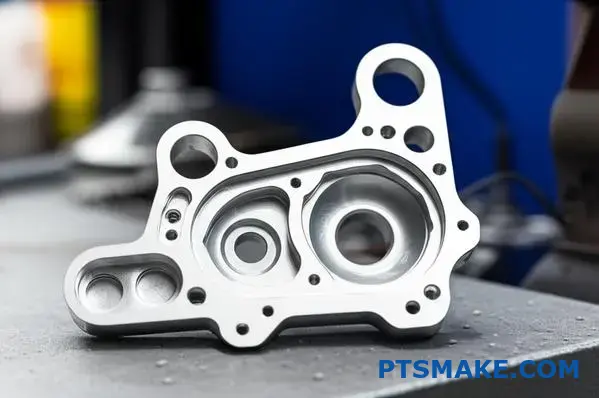
W przypadku pilnych zleceń CNC o niskim nakładzie, głównym wyzwaniem jest utrzymanie ścisłych standardów wojskowych pod presją. Nie ma tolerancji dla odchyleń, niezależnie od harmonogramu. Każda część musi być idealna.
W tym miejscu solidny proces udowadnia swoją wartość.
Usprawnienie dla sukcesu
W PTSMAKE nasza strategia obróbki CNC dla wojska koncentruje się na wstępnym przygotowaniu. Wykorzystujemy szczegółowe symulacje, aby zweryfikować każdy aspekt cyklu produkcyjnego, zanim zostanie przecięty pierwszy kawałek metalu.
Takie proaktywne podejście minimalizuje błędy. Zapobiega również kosztownym opóźnieniom w fazie obróbki. Zarządzanie ścieżka narzędzia7 generacją z precyzją jest kluczem do tego. Zapewnia osiągnięcie zarówno szybkości, jak i dokładności.
Od prototypu do części gotowej do użycia w terenie
Dobrze zdefiniowany przepływ procesów jest kluczowy dla szybkiego przekształcenia prototypu w komponent gotowy do misji. Nasze doświadczenie pokazuje, że metodyczny plan jest szybszy niż pośpieszna próba.
| Etap procesu | Kluczowe aspekty | Wynik |
|---|---|---|
| Przegląd projektu | Kontrola możliwości produkcyjnych | Eliminacja przeszkód produkcyjnych |
| Pozyskiwanie materiałów | Certyfikowana sieć dostawców | Gwarantowana integralność materiału |
| Kontrola końcowa | Kontrole CMM i manualne | Zgodność ze specyfikacją 100% |
Ta zdyscyplinowana metodologia zapewnia, że nawet najbardziej pilne projekty skutkują niezawodnymi, wysokiej jakości częściami.
Szybkie prototypowanie i produkcja CNC w małych seriach są kluczowe dla zaspokojenia pilnych potrzeb wojskowych. Usprawniony proces, który równoważy szybkość z bezkompromisową jakością, jest kluczem do pomyślnego i terminowego dostarczania krytycznych komponentów obronnych.
Osiągnięcie wymienności komponentów w różnych systemach
Zamienność komponentów nie jest przypadkiem. Jest bezpośrednim wynikiem skrupitycznego projektowania i produkcji.
Jest to szczególnie prawdziwe w przypadku zamiennych części obronnych. Tutaj porażka nie wchodzi w grę.
Fundament dopasowania
Ścisłe tolerancje są planem idealnego dopasowania. Określają dopuszczalne odchylenie dla konkretnego wymiaru. Bez nich osiągnięcie niezawodnego Precyzyjne dopasowanie CNC jest niemożliwe.
Dlaczego to ma znaczenie
Dzięki tej precyzji, element wykonany dzisiaj może idealnie zastąpić element wykonany lata temu, w dowolnym miejscu na świecie, w przypadku modułowych wojskowych komponentów CNC.
| Typ tolerancji | Typowe zastosowanie | Wpływ na wymienność |
|---|---|---|
| Standard | Towary konsumpcyjne | Niski do umiarkowanego |
| Ciasno | Lotnictwo i kosmonautyka, obronność | Wysoki, Krytyczny |
Ta precyzja zapewnia, że każdy komponent działa bezbłędnie w ramach większego systemu.
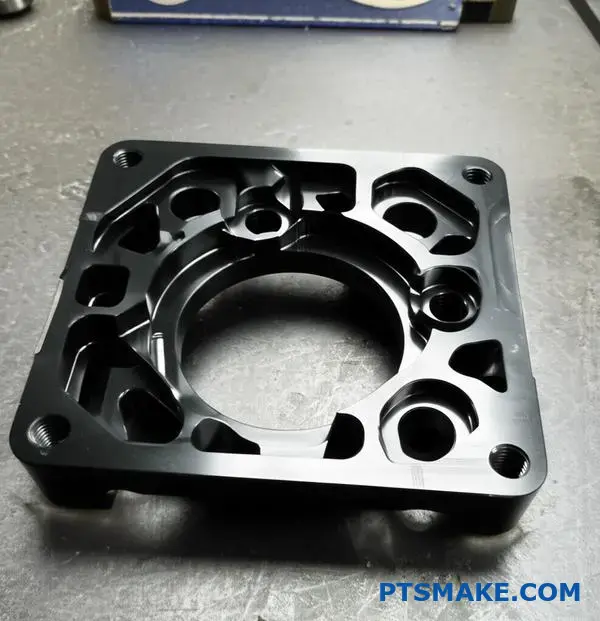
Prawdziwa wymienność wykracza poza wąskie tolerancje. Wymaga głęboko kontrolowanych procesów produkcyjnych od początku do końca. Rysunek z wąskimi specyfikacjami to tylko plan; wykonanie jest wszystkim.
Kontrolowane procesy: niewidzialny filar
W PTSMAKE skupiamy się na stabilności procesów. Oznacza to kontrolowanie każdej zmiennej, od weryfikacji surowców po końcową inspekcję. Zapewnia to, że pierwszy element jest identyczny z tysięcznym.
Spójne procesy są kluczowe w wojskowej obróbce CNC, gdzie niezawodność jest najważniejsza. Ta dyscyplina zapobiega dryfowaniu i zmienności podczas długich serii produkcyjnych.
Poza schematem
Monitorujemy kalibrację maszyn, zużycie narzędzi, a nawet temperaturę otoczenia. Czynniki te mogą subtelnie wpływać na wymiary. Prawdziwa precyzja wymaga tego poziomu kontroli. W ten sposób zapewniamy, że części spełniają złożone specyfikacje, takie jak Wymiarowanie geometryczne i tolerowanie8 konsekwentnie.
To systematyczne podejście przekształca dobry projekt w niezawodnie wymienne komponenty. Jest to rdzeń nowoczesnej precyzyjnej produkcji.
| Etap procesu | Punkt kontrolny | Cel |
|---|---|---|
| Wejście materiału | Analiza certyfikatu | Weryfikacja stopu i hartowania |
| Artykuł pierwszy | Kontrola CMM | Potwierdź dokładność konfiguracji |
| W toku | Monitorowanie SPC | Wykrywaj i koryguj dryf |
| Końcowa kontrola jakości | Pełna kontrola wymiarowa | Zapewnij zgodność ze specyfikacją |
Ten ustrukturyzowany proces gwarantuje, że każda dostarczana przez nas część spełnia dokładne wymagania dotyczące idealnego dopasowania.
Osiągnięcie wymiennych komponentów opiera się na dwóch filarach: precyzyjnym inżynieringu z wąskimi tolerancjami i rygorystycznych, kontrolowanych procesach produkcyjnych. To połączenie jest niezbędne do produkcji niezawodnych, modułowych wojskowych komponentów CNC, które idealnie pasują i funkcjonują w każdym systemie lub platformie.
Zaawansowane powłoki i wykończenia przedłużające żywotność
Wybór odpowiedniego wykończenia to nie tylko kwestia estetyki. To kwestia przetrwania. Zaawansowane powłoki znacznie wydłużają żywotność obrabianych CNC części. Zapewniają kluczową ochronę przed zużyciem, korozją i naprężeniami środowiskowymi.
Jest to szczególnie prawdziwe w przypadku wymagających zastosowań. Pomyśl o częściach używanych w obronności lub lotnictwie. Wykończenie jest kluczowym elementem wydajności.
Anodowanie aluminium
Anodowanie to proces elektrochemiczny. Wzmacnia naturalną warstwę tlenku na częściach aluminiowych. Zapewnia to doskonałą odporność na korozję i trwałość.
Malowanie proszkowe
Malowanie proszkowe oferuje trwałe, dekoracyjne wykończenie. Jest twardsze niż tradycyjna farba. Jest nakładane jako suchy proszek, a następnie utwardzane pod wpływem ciepła.
Obróbki klasy wojskowej
Są to specjalistyczne wykończenia. Spełniają ścisłe specyfikacje wojskowe (MIL-SPEC). Zapewniają doskonałą ochronę w najtrudniejszych warunkach. Tutaj wojskowe powłoki CNC są niezbędne.
| Rodzaj leczenia | Materiał podstawowy | Kluczowe korzyści |
|---|---|---|
| Anodowanie (typ II/III) | Aluminium | Odporność na korozję/zużycie |
| Malowanie proszkowe | Większość metali | Trwałość, Estetyka |
| Powłoki MIL-SPEC | Różne | Ochrona w ekstremalnych warunkach |
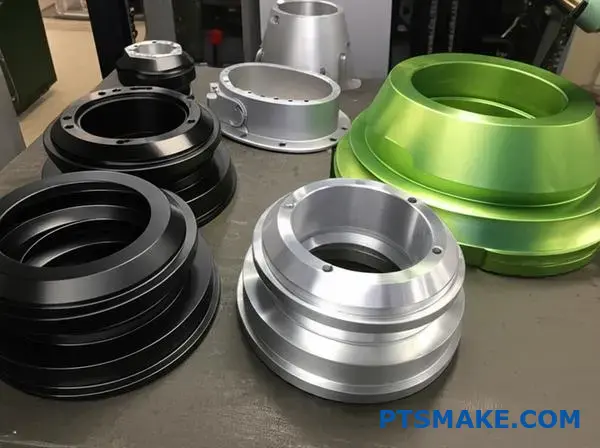
W przypadku komponentów w sektorze obronnym standardowe wykończenia często nie wystarczają. W tym miejscu specjalistyczne obróbka powierzchni CNC obronność protokoły stają się kluczowe. Nie są to tylko powłoki; są to zintegrowane systemy zaprojektowane z myślą o ekstremalnej wydajności i niezawodności.
Zrozumienie powłok MIL-SPEC
Specyfikacje wojskowe dyktują wszystko. Obejmuje to grubość, twardość i odporność chemiczną powłoki. Powłoki te zapewniają niezawodne działanie części w warunkach bojowych. Typowe przykłady obejmują powłoki odporne na środki chemiczne (CARC) i suche smary. Nasze testy pokazują, że mogą one wydłużyć żywotność komponentów o ponad 200% w środowiskach korozyjnych.
Wybór odpowiedniego wykończenia
Proces wyboru jest szczegółowy. Musimy wziąć pod uwagę materiał bazowy, środowisko operacyjne i oczekiwany okres eksploatacji. Twarde anodowanie może być idealne dla części aluminiowych odpornych na ścieranie. Jednak element stalowy narażony na działanie słonej wody wymaga zupełnie innego rozwiązania, takiego jak specjalistyczne cynkowanie z powłoką konwersyjną chromianową. właściwości trybologiczne9 powierzchni są głównym czynnikiem w tych decyzjach. W PTSMAKE współpracujemy z klientami, aby dopasować odpowiednie wojskowe powłoki CNC do konkretnego zastosowania.
| Przykład MIL-SPEC | Opis | Wspólna aplikacja |
|---|---|---|
| MIL-A-8625 | Powłoki anodowe dla aluminium | Części aluminiowe dla przemysłu lotniczego i obronnego |
| MIL-DTL-5541 | Powłoki konwersji chemicznej | Ochrona przed korozją, podkład malarski |
| MIL-PRF-24712 | Powłoki proszkowe do zastosowań morskich | Wyposażenie okrętowe, okucia morskie |
Zaawansowane powłoki są kluczowe dla przedłużenia żywotności, zwłaszcza w branżach o wysokiej stawce. Od anodowania po solidne obróbki klasy wojskowej, właściwy wybór zapewnia, że części wytrzymają zużycie, korozję i ekstremalne warunki, gwarantując niezawodność i wydajność, gdy ma to największe znaczenie.
Studium przypadków z życia wzięte: Rozwiązania CNC w krytycznych systemach obronnych
Teoria to jedno. Zastosowanie w świecie rzeczywistym to drugie. Przyjrzyjmy się kilku rzeczywistym zastosowaniom wojskowym CNC, w których precyzja jest nie tylko celem, ale koniecznością.
Bezzałogowe statki powietrzne (BSP)
BSP wymagają komponentów, które są zarówno lekkie, jak i niezwykle wytrzymałe.
Obróbka CNC tworzy złożone części do płatowców i obudów czujników. Te niestandardowo obrobione części obronne zapewniają niezawodność podczas lotu.
Mocowania broni
Stabilność jest wszystkim dla dokładności. Mocowania broni polegają na częściach CNC, aby pochłaniać ogromne siły odrzutu i utrzymywać celność.
| Grupa komponentów | Wspólny materiał | Kluczowe wymaganie CNC |
|---|---|---|
| Płatowiec BSP | Aluminium 7075 | Zaawans obróbki 5-osiowej, redukcja masy |
| Obudowy czujników | Tytan (Ti-6Al-4V) | Ścisłe tolerancje, uszczelnienie środowiskowe |
| Mocowania broni | Stal nierdzewna | Wysoka sztywność, tłumienie drgań |
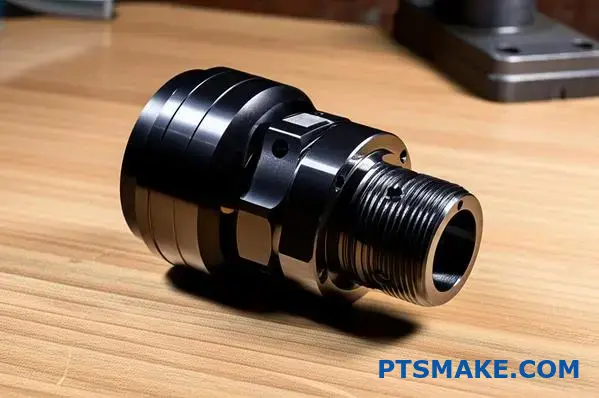
Zagłębmy się w jeden z najbardziej wymagających obszarów: systemy kierowania ogniem. To idealne studium przypadku obronności CNC. Systemy te są mózgami odpowiedzialnymi za dokładność, obliczając trajektorie w ułamkach sekund.
Mały błąd w przekładni lub obudowie może skutkować przestrzeleniem o kilka metrów na dystansie. W tym miejscu wojskowa obróbka CNC naprawdę udowadnia swoją wartość.
Rola tolerancji
W systemach kierowania ogniem komponenty takie jak mocowania soczewek optycznych, obudowy żyroskopów i koła zębate siłowników wymagają ekstremalnej precyzji.
Często pracujemy z tolerancjami mierzonymi w mikronach. Po obszernych testach z naszymi klientami stwierdziliśmy, że ten poziom dokładności jest niepodlegający negocjacjom w celu zapewnienia niezawodności systemu.
Integracja materiału i wykończenia
Wybór materiału to dopiero początek. Wykończenie powierzchni odgrywa ogromną rolę w wydajności i trwałości.
W przypadku części aluminiowych zabiegi takie jak twarda powłoka Anodowanie10 są standardem. Proces ten tworzy ceramiczną powierzchnię, która jest odporna na zużycie i korozję, co jest kluczowe w trudnych warunkach operacyjnych. Jest to szczegół, którym ściśle zarządzamy w PTSMAKE.
| Komponent krytyczny | Użyty materiał | Typowa tolerancja (±) | Podstawowa funkcja |
|---|---|---|---|
| Obudowa żyroskopu | Tytan | 0,005 mm | Chroni wrażliwe czujniki stabilizacji |
| Mocowanie obiektywu | Aluminium 6061-T6 | 0,010 mm | Zapewnia idealne wyrównanie optyczne |
| Koło zębate napędowe | Stal hartowana | 0,002 mm | Zapewnia płynny, precyzyjny ruch |
Te studia przypadków pokazują, jak wojskowa obróbka CNC tworzy precyzyjne części niezbędne dla nowoczesnych systemów obronnych. Od dronów po systemy kierowania ogniem, nacisk kładziony jest na niezawodność, dokładność i wydajność w ekstremalnych warunkach.
Odblokuj krytyczną precyzję dzięki wojskowym rozwiązaniom CNC PTSMAKE
Gotowy, aby podnieść swoje projekty produkcji obronnej na wyższy poziom dzięki światowej klasy precyzji i bezpieczeństwu? Poproś o wycenę od PTSMAKE już dziś i odkryj, jak nasza zaawansowana wojskowa obróbka CNC może zapewnić niezawodność, zgodność i szybki czas realizacji – niezależnie od tego, jak złożone lub wrażliwe są Twoje wymagania. Działaj teraz!

Dowiedz się, jak właściwości materiałów mogą się różnić w zależności od kierunku i wpływać na wytrzymałość komponentu. ↩
Odkryj, jak nauka o pomiarach zapewnia, że Twoje części spełniają najbardziej wymagające specyfikacje. ↩
Dowiedz się, dlaczego dokumentowanie pełnej historii materiału jest kluczowe w zastosowaniach wojskowych i lotniczych. ↩
Odkryj, jak kierunkowe właściwości materiału wpływają na wyniki obróbki. ↩
Dowiedz się, jak te metody zapewniają integralność części bez powodowania uszkodzeń komponentu. ↩
Odkryj, jak zaawansowane strategie mocowania elementów obrabianych są niezbędne do osiągnięcia precyzji na poziomie mikronów. ↩
Zrozum, jak strategie ścieżki narzędzia bezpośrednio wpływają na wydajność obróbki i ostateczną jakość precyzyjnych części. ↩
Dowiedz się, jak ten język symboliczny definiuje i komunikuje tolerancje inżynieryjne dla precyzyjnych wyników produkcyjnych. ↩
Dowiedz się, jak interakcje powierzchni wpływają na tarcie, zużycie i smarowanie w układach mechanicznych. ↩
Dowiedz się więcej o tym kluczowym procesie elektrochemicznym służącym do zwiększenia trwałości części i odporności na korozję. ↩