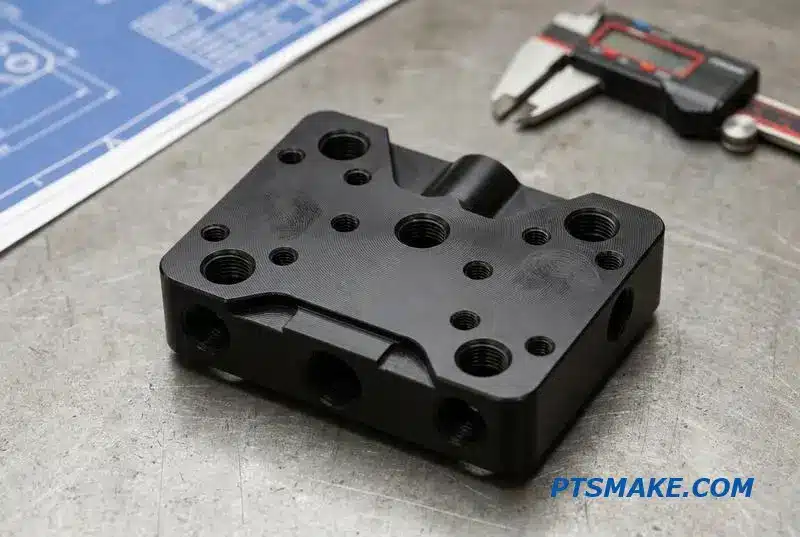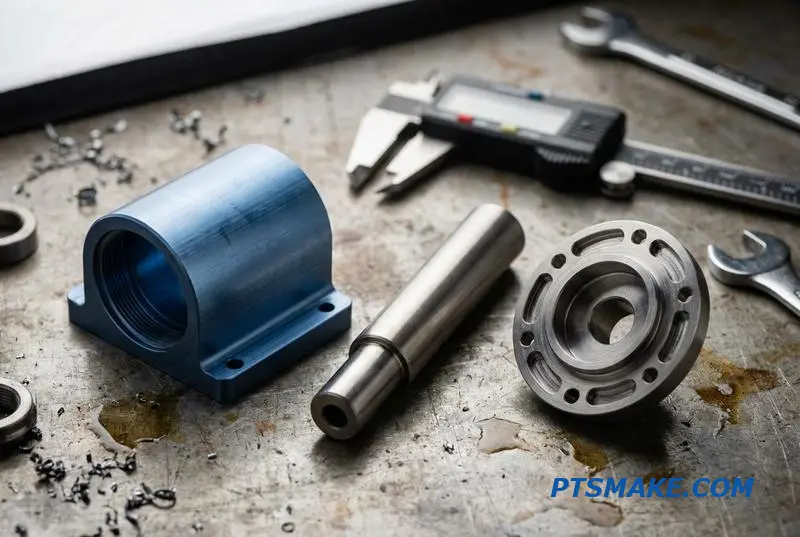

Olie- og gasoperationer kræver dele, der kan modstå ekstreme tryk, ætsende miljøer og kritiske sikkerhedskrav. En enkelt komponentfejl i boring eller raffinering kan resultere i dyre nedetider, miljøkatastrofer og sikkerhedsrisici, der bringer liv i fare.
Højpræcisions CNC-bearbejdning leverer de nøjagtige tolerancer, materialets integritet og pålidelighed, som olie- og gasapplikationer kræver, og producerer specialfremstillede komponenter af korrosionsbestandige legeringer, der opfylder strenge industristandarder og sikkerhedscertificeringer.
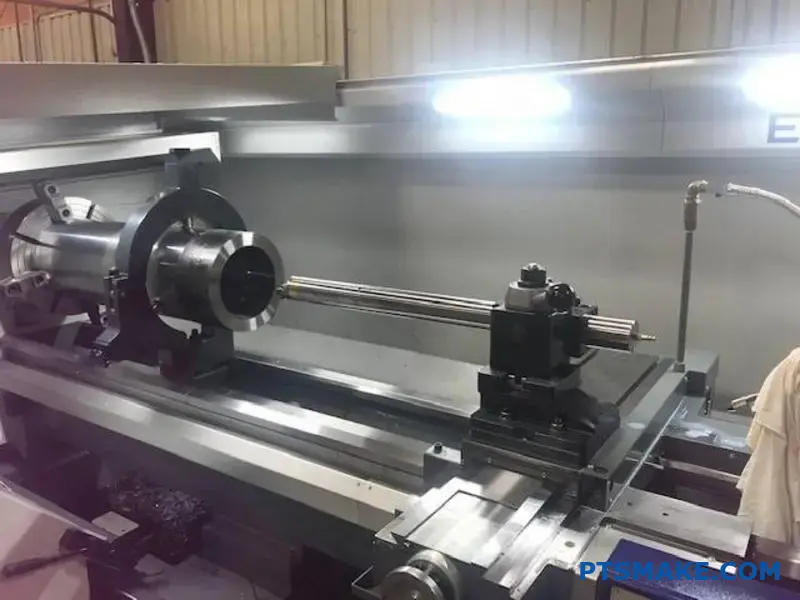
Uanset om du indkøber ventilhuse til offshoreplatforme eller pumpehuse til raffinaderier, dækker denne guide alt, hvad du behøver at vide om CNC-bearbejdede komponenter i energisektoren. Jeg vil dele praktiske indsigter om materialevalg, kvalitetsvalidering og leverandørevaluering baseret på reelle oliefeltprojekter.
Den ultimative guide til CNC-bearbejdede komponenter i olie- og gasindustrien
Olie- og gasindustrien opererer under ekstreme forhold. Højt tryk, intens varme og ætsende materialer er daglige udfordringer. Præcision er ikke bare et mål; det er essentielt for sikkerhed og effektivitet.
Her bliver CNC-bearbejdning til olie og gas afgørende. Den leverer de snævre tolerancer og robuste komponenter, der er nødvendige. Disse dele skal fungere fejlfrit kilometer under jorden eller på fjerntliggende platforme.
Nøgleanvendelsestrin
Fra efterforskning til raffinering er pålidelige CNC-komponenter til oliefelter uundværlige. Hvert trin har unikke krav til præcision og materialestyrke.
| Industristadie | Nøgle CNC-komponenter |
|---|---|
| Efterforskning | Sensorhuse, dele til seismisk udstyr |
| Boring | Bor, MWD/LWD-værktøjer, kraver |
| Produktion | Ventiler, flanger, pumpedele |
| Raffinering | Fittings, varmevekslerdele |
Præcisionsbearbejdning i energisektoren udgør rygraden i disse operationer.
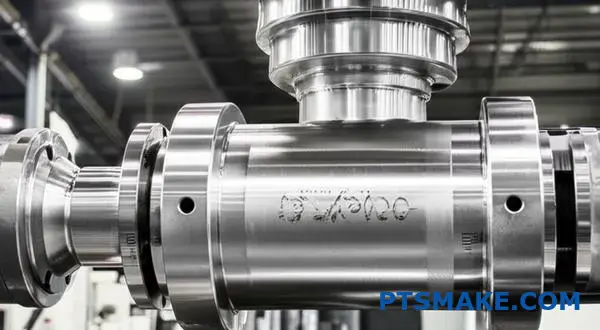
CNC-bearbejdningens rolle strækker sig over hele olie- og gasværdikæden. Det handler ikke kun om at lave dele; det handler om at udvikle løsninger til nogle af verdens hårdeste miljøer. Hver komponent, vi producerer hos PTSMAKE, er designet til en specifik, højrisikofunktion.
Fra havbund til raffinaderi
Ved efterforskning kræver seismiske værktøjer indviklede huse. Disse beskytter følsom elektronik mod enormt tryk. Præcision er afgørende for at sikre nøjagtig dataindsamling. Ved boring udsættes komponenter for ekstrem slid og belastning.
Borhalser og Measurement While Drilling (MWD)-værktøjer kræver materialer som ikke-magnetiske stål-legeringer. Bearbejdningen skal være perfekt for at forhindre katastrofal fejl dybt inde i en borehul. Her beviser CNC-bearbejdning til olie og gas virkelig sit værd.
Materiale og ydeevneudfordringer
Under produktion og raffinering håndterer dele ætsende væsker og høje temperaturer. Komponenter som ventiler og flanger er ofte lavet af materialer som austenitisk rustfrit stål1. Valget af materiale og kvaliteten af bearbejdningen påvirker direkte driftens levetid og sikkerhed.
| Materialeegenskab | Betydning inden for olie & gas |
|---|---|
| Modstandsdygtighed over for korrosion | Forhindrer svigt på grund af kemisk eksponering |
| Høj styrke | Modstår ekstreme tryk og temperaturer |
| Modstandsdygtighed over for slid | Forlænger komponenternes levetid under abrasive forhold |
| Snævre tolerancer | Sikrer perfekt pasform og tætning i samlinger |
Hos PTSMAKE fokuserer vi stærkt på materialekompetence. Vi arbejder sammen med kunderne om at vælge og bearbejde det optimale materiale til hver specifik anvendelse, hvilket garanterer ydeevne.
CNC-bearbejdning er fundamental for olie- og gassektoren. Den sikrer præcisionen, pålideligheden og holdbarheden af kritiske komponenter, der bruges i efterforskning, boring, produktion og raffinering. Denne teknologi muliggør sikrere og mere effektive operationer i krævende miljøer.
Top CNC-bearbejdede dele, der er kritiske for oliefeltoperationer
I olie- og gasindustrien er visse komponenter absolut uundværlige. Deres svigt kan føre til alvorlige sikkerhedsproblemer og dyre driftsstop. Det er her, præcision er altafgørende.
CNC-bearbejdning er nøgleteknologien, der leverer denne nødvendige præcision. Den producerer de kritiske olie- og gas-komponenter, der skal fungere under ekstreme forhold. Lad os se på nogle vigtige CNC-bearbejdede oliekomponenter.
| Komponent | Primær funktion |
|---|---|
| Ventilhuse | Kontroller væskestrøm og tryk |
| Borehoveder | Skær gennem sten og jord |
| Pumpehuse | Indkapsler og beskytter pumpens indre dele |
| Husdele | Understøtter og beklæder borehullet |
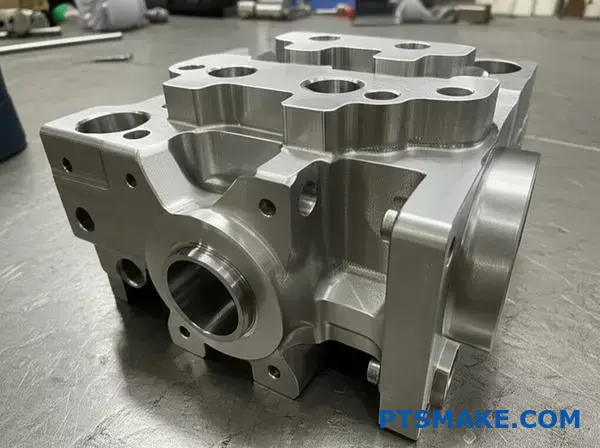
Kravene til disse dele er enorme. Overvej et ventilhus. Det skal modstå enormt tryk og ætsende væsker uden at fejle. Vi bruger ofte robuste materialer som rustfrit stål eller Inconel til dem. De indre passager kræver fejlfri overfladefinish for at sikre en perfekt tætning.
Borehoveder er et andet godt eksempel. De står over for utrolig abrasion og slagkræfter dybt under jorden. Kompleksiteten af deres skærende overflader og væskekanaler kan kun opnås gennem avanceret 5-akset olie- og gas-CNC-bearbejdning. Præcision her oversættes direkte til boreeffektivitet og hastighed.
Til disse specialfremstillede metaldele til energisektoren, komplet Sporbarhed af materialer2 er ikke bare en præference. Det er et obligatorisk krav til sikkerhed og overholdelse, der forbinder en del tilbage til dens råmaterialebatch.
Nedenfor er en hurtig sammenligning af fremstillingsprioriteter for disse komponenter.
| Del | Nøglefokus for bearbejdning | Almindeligt materiale |
|---|---|---|
| Ventilhus | Indvendige tætningsflader, trykintegritet | Rustfrit stål 316, Inconel |
| Borehoved | Komplekse geometrier, hårdhed, slidstyrke | Wolframcarbid, hærdet stål |
| Pumpehus | Stramme tolerancer for indvendige pasninger, holdbarhed | Støbejern, Duplex rustfrit stål |
Disse kritiske komponenter udgør rygraden i enhver olie- og gasoperation. Den præcision, der opnås gennem CNC-bearbejdning, er ikke blot en kvalitetsfunktion; det er et grundlæggende krav til sikkerhed, pålidelighed og ydeevne i en af verdens mest krævende industrier.
Køberens tjekliste for CNC-bearbejdede olie- og gasdele
Valget af den rette partner til olie- og gasdele er afgørende. En fejl kan føre til dyre nedetider. En struktureret tjekliste forenkler leverandørkvalificering.
Dette værktøj hjælper dig med objektivt at vurdere potentielle leverandører. Det sikrer, at de opfylder dine krævende krav til præcision og pålidelighed.
Vigtige vurderingsområder
- Teknisk kapacitet: Har de det rette udstyr?
- Kvalitetssystemer: Hvordan sikrer de præcision?
- Certificeringer: Opfylder de industristandarder?
Denne tjekliste for CNC-bearbejdning hjælper dig med at finde en pålidelig leverandør af præcisionsdele til olie og gas. Den forhindrer overraskelser senere hen.
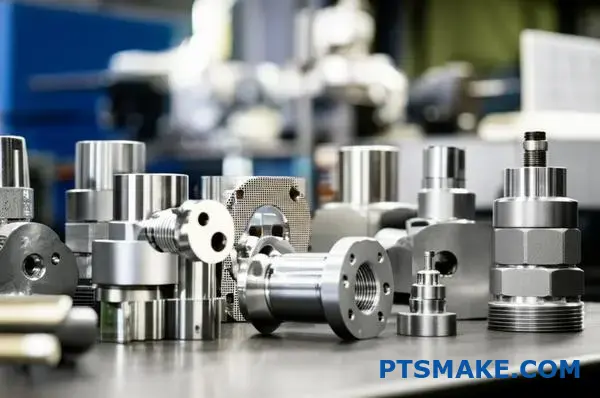
Tjekliste for leverandørkvalificering CNC
At finde den rette partner til CNC-bearbejdning inden for olie- og gasindustrien kræver en dybdegående undersøgelse. Denne tjekliste hjælper dig med at stille de rigtige spørgsmål under leverandørkvalificering. Den går ud over simple omkostningssammenligninger for at vurdere reel kapacitet og langsigtet pålidelighed.
Teknisk vurdering og kapacitet
En leverandør skal have de rette værktøjer og kapacitet. Spørg om deres 5-aksel CNC-kapacitet. Dette er afgørende for komplekse geometrier, der findes i olie- og gas-komponenter. Spørg også om deres produktionsplanlægning og nuværende arbejdsbyrde for at undgå flaskehalse.
| Punkt på tjeklisten | Spørgsmål at stille | Hvorfor det er vigtigt |
|---|---|---|
| Maskinens kapacitet | Hvad er jeres udvalg af CNC-maskiner (3, 4, 5-aksel)? | Afgør den geometriske kompleksitet, de kan håndtere. |
| Produktionskapacitet | Hvad er jeres typiske leveringstid for vores delvolumen? | Sikrer, at de kan overholde jeres produktionsplan. |
| Materialehåndtering | Hvilke korrosionsbestandige legeringer kan I bearbejde? | Bekræfter ekspertise med materialer som Inconel eller Duplex. |
Kvalitets- og tolerancestyring
Præcision er uundgåelig. Diskuter deres kvalitetskontrolproces i detaljer. Bed om dokumentation for deres inspektionsudstyr, som f.eks. CMM'er. Forståelse af deres tilgang til Geometrisk dimensionering og tolerance (GD&T)3 er essentiel for dele med komplekse funktionelle relationer. En god leverandør leverer detaljerede inspektionsrapporter med hver forsendelse. Denne proaktive tilgang viser en forpligtelse til kvalitet.
Denne systematiske tilgang sikrer, at jeres valgte leverandør har den tekniske ekspertise, kapacitet og kvalitetssystemer, der kræves til olie- og gasapplikationer. Den transformerer leverandørvalg fra et gæt til en strategisk beslutning, der sikrer jeres forsyningskæde for kritiske komponenter.
Materialer betyder noget: Valg af de rigtige legeringer til oliefeltkomponenter
Valg af den rette legering er en kritisk beslutning. Det er en balance mellem ydeevne i felten og fremstillingsmuligheder. Dette gælder især for krævende materialer til olie- og gasmiljøer.
De vigtigste materialekonkurrenter
Vi arbejder ofte med flere højtydende legeringer. Hver har unikke egenskaber. Disse er nogle af de bedste korrosionsbestandige materialer tilgængelige i dag.
Hurtig sammenligning
Her er et kort overblik over deres primære fordele.
| Materiale | Vigtig fordel | Almindelig brug |
|---|---|---|
| Rustfrit stål | Omkostningseffektiv korrosionsbestandighed | Ventiler, fittings |
| Duplex-stål | Høj styrke & kloridbestandighed | Rørledninger, varmevekslere |
| Titanium | Fremragende styrke-til-vægt-forhold | Risers, stress joints |
| Inconel | Overlegen højtemperaturydelse | Downhole udstyr |
Dette valg påvirker direkte komponentens endelige pris og leveringstid.
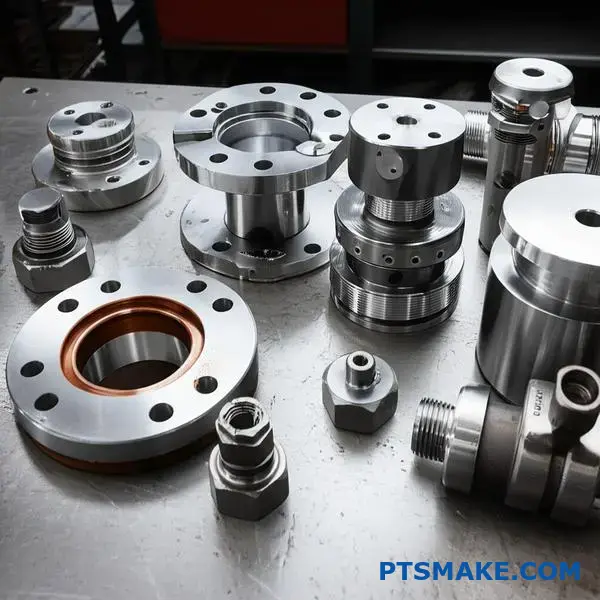
Bearbejdelighedsfaktoren
Ydeevne i felten er kun den ene side af sagen. Vi skal også overveje, hvordan disse materialer opfører sig under fremstillingen. Dette er en væsentlig omkostningsdriver i olie og gas cnc bearbejdning.
Rustfrit & Duplex Stål
Rustfrit stål er relativt ligetil at bearbejde. Duplex stål, med deres dual-fase struktur, er sejere. De kræver langsommere hastigheder og specialværktøj til at håndtere varme og forhindre overdreven værktøjsslid.
Titan og Inconel: Den Virkelige Udfordring
Titan har lav termisk ledningsevne. Dette fanger varme ved værktøjsspidsen, hvilket kræver præcis kølemiddelhåndtering for at undgå værktøjssvigt.
Inconel er notorisk vanskeligt. Dets tendens til arbejdshærdning4 betyder, at materialet bliver hårdere, efterhånden som du skærer i det. Dette kræver stive maskinopsætninger og en dyb forståelse af processen. Effektiv CNC-bearbejdning af Inconel er en specialiseret færdighed.
Hos PTSMAKE har vi optimeret vores processer for disse udfordrende legeringer. Vi sikrer præcision i emnerne uden at ofre effektivitet.
Her er en forenklet sammenligning af bearbejdelighed baseret på vores interne test.
| Materiale | Vurdering af bearbejdelighed (i forhold til 1212 stål) | Den vigtigste udfordring |
|---|---|---|
| 316 Rustfrit stål | ~45% | Sejt, værktøjsslid |
| Duplex 2205 | ~20% | Høj styrke, slibende |
| Titanium (Ti-6Al-4V) | ~22% | Dårlig termisk ledningsevne |
| Inconel 718 | ~12% | Ekstrem arbejdsforkøling |
Disse data viser, hvorfor ekspertise er så afgørende for forudsigelige resultater.
Valget af den bedste legering kræver en afvejning af ydeevne i felten med produktionsrealiteter. Højtydende materialer som Inconel tilbyder overlegne egenskaber, men udgør betydelige bearbejdningsudfordringer, der påvirker projektets tidsplaner og omkostninger. Ekspertise i håndtering af disse materialer er uundværlig for pålidelige resultater.
Hemmeligheder til at opnå snævre tolerancer i store CNC-dele
At opnå snævre tolerancer på store emner handler ikke kun om maskinen. Det starter med den rette strategi. Valg af værktøj og opsætningsdesign er absolut grundlæggende.
Smarte valg af værktøj og opsætning
Til storskala opgaver, især inden for store maskineringsopgaver inden for olie og gas applikationer, er værktøjets stivhed afgørende. Det påvirker direkte overfladefinish og nøjagtighed. En stabil, veldesignet opsætning forhindrer mikrovibrationer, der ødelægger præcisionen.
Værdien af designfeedback
At yde præcisionsteknisk support tidligt er afgørende. En simpel designgennemgang kan identificere funktioner, der er svære eller umulige at bearbejde nøjagtigt. Denne kollaborative feedback sparer tid og penge.
| Aspekt | Standardtilgang | Højpræcisionsmetode |
|---|---|---|
| Værktøj | Generelle fræsere | Applikationsspecifikke, høj-stive værktøjer |
| Opsætning | Grundlæggende klemmer | Brugerdefineret fixturering, vibrationsdæmpning |
| Feedback | Efter produktionsproblemer | Proaktiv DFM-analyse |
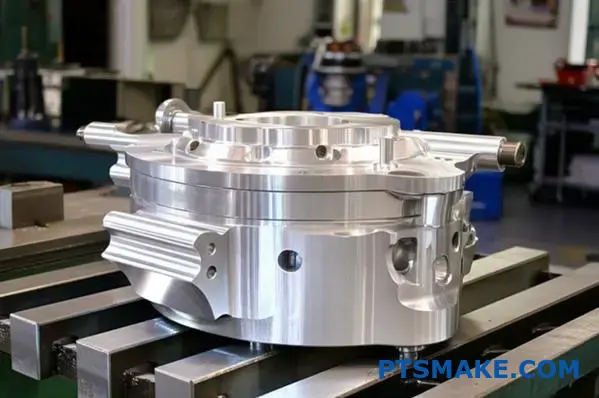
Beherskelse af stram tolerance CNC-bearbejdning på store dele kræver et dybere kig på opsætning og designproces. Det går ud over blot at fastspænde et emne og trykke på ‘start’. Hos PTSMAKE fokuserer vi på en holistisk tilgang.
Avanceret fixturering og ingeniørarbejde
Fixturering er mere end blot at holde delen. Det handler om at skabe et stabilt, gentageligt og tilgængeligt fundament for bearbejdning. Dette er kritisk for komplekse geometrier, der ofte findes i olie og gas cnc bearbejdning.
Brugerdefineret fixturdesign
For dele med flere operationer er brugerdefinerede fixturer essentielle. De sikrer, at hver funktion bearbejdes i perfekt forhold til de andre. For ultimativ gentagelighed bruger vi ofte principperne for Kinematisk kobling5 i vores fixturdesigns. Dette eliminerer positioneringsfejl mellem opsætninger.
Den iterative feedback-loop
Vores præcisionsteknisk support involverer en konstant dialog. Vi påpeger ikke kun problemer. Vi foreslår alternative løsninger, der bevarer designintentionen, samtidig med at de forbedrer fremstillingsmulighederne. Dette partnerskab er nøglen til succes.
| Feedback-område | Potentielt problem | Anbefalet løsning |
|---|---|---|
| Indvendige radier | Begrænsninger for værktøjsadgang | Øg radius eller tilføj hjørneafrundinger |
| Væggens tykkelse | Tilbøjelig til vibration/afbøjning | Gør væggene tykkere eller tilføj midlertidige støtter |
| Datumstrategi | Inkonsekvent lokalisering | Definer klare, tilgængelige datums |
Korrekt værktøj, robuste opsætninger og en kollaborativ designfeedback-løkke er afgørende for præcision på store dele. Denne integrerede strategi forhindrer fejl og sikrer, at de endelige komponenter opfylder strenge specifikationer for CNC-projekter med snævre tolerancer.
Sådan valideres CNC-kvalitet for sikkerhedskritiske energikomponenter
Verificering af komponentkvalitet er ikke til forhandling. Især for sikkerhedskritiske dele i energisektoren. Vi stoler på en struktureret proces. Dette sikrer, at hver del opfylder nøjagtige specifikationer.
Rollen af CMM-inspektion
Koordinatmålemaskiner (CMM'er) er centrale. De bruger prober til at måle geometrien af fysiske objekter. Denne metode giver yderst nøjagtige data. Den bekræfter, at komplekse funktioner er inden for tolerance.
Første artikelinspektion (FAI)
FAI er et kritisk kontrolpunkt. Det er en formel proces. Vi verificerer, at den første del fra produktionskørslen opfylder alle ingeniørkrav. Dette trin fanger problemer før masseproduktion.
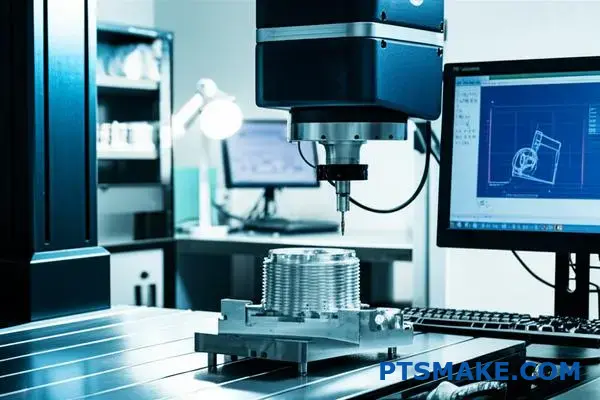
Streng inspektion er mere end en afsluttende kontrol. Det er en filosofi, der er indlejret i hele fremstillingsprocessen. Hos PTSMAKE ser vi det som grundlaget for tillid, især for krævende sektorer. Kvalitetssystemerne, vi overholder, er ikke bare certifikater på en væg; de er aktive rammer.
Grundlaget for tillid: ISO- og AS-standarder
Standarder giver en klar køreplan for kvalitet. For olie og gas cnc bearbejdning, er specifikke certificeringer afgørende. De demonstrerer en forpligtelse til proceskontrol og risikostyring. Dette er, hvor validering af olie- og gasdele bliver en dokumenteret, gentagelig praksis. Videnskaben om Metrologi6 er fundamental for disse standarder. Den sikrer, at målinger er konsistente og pålidelige på tværs af alle operationer.
Overholdelse af disse standarder er ikke en engangsforeteelse. Det involverer løbende revisioner og forbedringer. Denne dedikation er det, der adskiller en pålidelig leverandør fra resten.
Vigtige kvalitetsstandarder inden for CNC-bearbejdning
| Standard | Primært fokus | Relevans for energisektoren |
|---|---|---|
| ISO 9001 | Kvalitetsstyringssystemer | Etablerer et grundlag for processtyring, konsistens og kundetilfredshed. |
| AS9100 | Luftfartskvalitetsstandard | Tilføjer strenge krav til risikostyring, afgørende for dele med høj konsekvens. |
Denne strukturerede tilgang, der kombinerer avanceret inspektion af CNC-bearbejdede dele med certificeret AS9100, ISO 9001 CNC systemer, sikrer, at hver komponent, vi leverer, er klar til sin kritiske mission.
Streng validering er afhængig af CMM og FAI for præcis fysisk verifikation. Understøttende dette er en forpligtelse til kvalitetsstandarder som ISO 9001 og AS9100, der giver en ramme for konsekvent, pålidelig produktion, især for kritiske energikomponenter.
Hvorfor globale OEM'er stoler på asiatiske CNC-værksteder til olie- og gasprojekter
Valget af den rigtige produktionspartner er afgørende. Mange globale OEM'er ser mod Asien for deres CNC-bearbejdningsbehov inden for olie og gas. Dette er ikke bare en trend.
Det er en strategisk beslutning baseret på håndgribelige fordele. Erfarne leverandører tilbyder en kraftfuld kombination af fordele.
Skalerbarhed for dynamisk efterspørgsel
Olie- og gasindustrien har svingende krav. En pålidelig partner skal hurtigt kunne skalere produktionen op eller ned. Asiatiske producenter udmærker sig her.
Omkostningseffektivitet og kvalitet
Outsourcing af CNC til Asien tilbyder konkurrencedygtige priser. Dette opnås gennem effektivitet, ikke ved at ofre kvalitet. Virksomheder som PTSMAKE opretholder internationale standarder.
| Fordel | Sourcing i Asien | Lokal Sourcing |
|---|---|---|
| Skalerbarhed | Høj | Moderat |
| Omkostninger | Konkurrencedygtig | Højere |
| Kvalitet | Opfylder Globale Standarder | Opfylder Globale Standarder |
Vi tilbyder en balance, der er svær at finde andre steder.
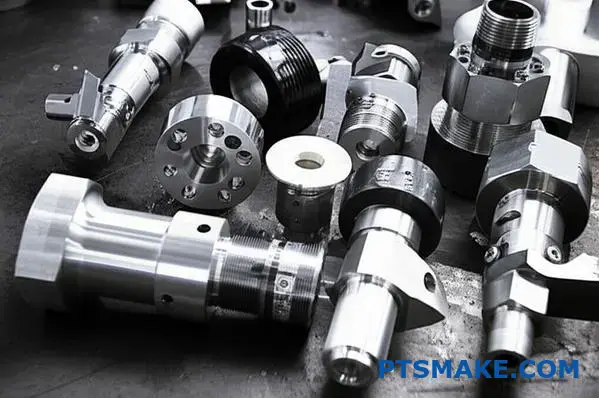
Trefoldigheden: Skalerbarhed, Omkostninger og Kvalitet
Globale OEM'er i olie- og gassektoren kræver mere end blot dele. De har brug for en pålidelig partner i forsyningskæden. Når man overvejer globale CNC-leverandører til olie og gas, skiller Asien, især Kina, sig ud af flere vigtige årsager.
Uovertruffen Produktionsskalerbarhed
Fremstillingsinfrastrukturen i Asien er enorm. Hos PTSMAKE har vi adgang til et stort netværk af ressourcer. Dette giver os mulighed for at håndtere både lavvolumenprototyper og storskalaproduktion uden at gå på kompromis med leveringstiderne. Denne fleksibilitet er afgørende. Den sikrer, at dine projektplaner overholdes, selv når efterspørgslen pludselig stiger. Denne kapacitet bidrager direkte til dit projekts Forsyningskædens modstandsdygtighed7.
Strategisk Omkostningsstruktur
Omkostningsfordelene ved outsourcing af CNC til Asien går ud over arbejdskraft. Det handler om driftseffektivitet, avanceret automatisering og strømlinede processer. Disse faktorer reducerer overhead og produktionsomkostninger. Besparelserne videregives til dig.
| Omkostningsfaktor | Indvirkning af Asiatisk Sourcing |
|---|---|
| Arbejde | Effektiv og dygtig arbejdsstyrke |
| Materialer | Nærhed til råvareleverandører |
| Overhead | Lavere driftsomkostninger |
| Teknologi | Investering i højeffektive maskiner |
Commitment to International Quality
A common misconception is that lower cost means lower quality. This is not true for established suppliers. At PTSMAKE CNC China, we are ISO 9001 certified. We use advanced metrology and CMM inspections. This ensures every part meets the stringent tolerances required for oil and gas cnc machining.
Partnering with an experienced Asian supplier like PTSMAKE offers a strategic advantage. It combines scalability, cost-effectiveness, and internationally certified quality, ensuring your demanding oil and gas projects are supported by a robust and efficient manufacturing backbone.
Virkelige casestudier om CNC-ekspertise i olie-sektoren
Theory is one thing, but results are what matter. I want to share some real-world examples. These success stories show how custom CNC manufacturing solves specific oilfield challenges.
We’ll look at projects across the entire sector. From upstream exploration to downstream refining. Each stage has unique demands.
Upstream: Downhole Tool Components
A client needed a critical component for a downhole sensor. The environment involved extreme pressure and corrosion. Our solution delivered on all fronts.
| Udfordring | CNC-bearbejdningsløsning |
|---|---|
| High Pressure & Temp | Machining from Inconel 718 |
| Kompleks geometri | 5-axis CNC milling |
| Snævre tolerancer | +/- 0.005 mm precision |
This oil and gas case study CNC is a great example. It shows how precision directly impacts operational safety and data accuracy deep underground.
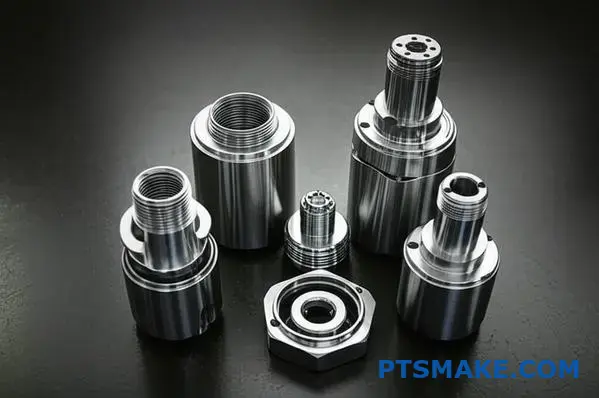
Seeing these projects succeed is what drives my work. The oil and gas industry leaves no room for error. Every component must perform flawlessly. This is where the true value of precision machining becomes clear.
Midstream: Pipeline Inspection Gauge (PIG) Parts
In midstream operations, pipeline integrity is everything. We once provided custom CNC manufacturing for components of a smart PIG. These devices travel through pipelines to detect flaws.
Dele krævede en perfekt overfladefinish. Dette var for at undgå at beskadige rørledningens indre. Efter samarbejde med vores kunde optimerede vi værktøjsbanerne. Dette opnåede den nødvendige finish uden ekstra poleringstrin. Vi brugte forskellige kvalitetskontroller, herunder Ikke-destruktiv testning8, til at validere hver del.
| Projektparameter | Specifikation opfyldt |
|---|---|
| Materiale | Rustfrit stål 316L |
| Overfladefinish | Ra 0,4 μm |
| Leveringstid | 25% hurtigere end tidligere leverandør |
Downstream: Specialfremstillede ventilhuse
Til et downstream-raffinaderi producerede vi specialfremstillede ventilhuse. Disse var til et system, der håndterer ætsende kemikalier ved høje temperaturer. Designet var komplekst. Det havde interne kanaler, der var svære at bearbejde.
Ved hjælp af avanceret CAM-software og 5-akset bearbejdning leverede vi dele, der overgik ydelsesspecifikationerne. Disse succeshistorier inden for bearbejdning viser, at udfordringer kan overvindes med den rette teknologi og ekspertise.
Disse casestudier viser, hvordan specialfremstillede CNC-løsninger direkte adresserer kritiske udfordringer i olie- og gassektoren. Fra upstream-holdbarhed til downstream-kemisk resistens leverer præcisionsbearbejdning pålidelig ydeevne, hvor det er mest nødvendigt, hvilket sikrer sikkerhed og driftseffektivitet over hele linjen.
Den komplette kvalitetskontrolproces bag CNC-oliefeltkomponenter
I olie- og gasindustrien er der ingen plads til fejl. En enkelt defekt komponent kan føre til katastrofal fejl. Derfor er en komplet CNC QC-proces ikke bare et mål; det er et krav.
Hos PTSMAKE er vores proces bygget på verifikation på hvert trin. Den begynder, før der skæres en eneste spån, og slutter længe efter, at delen er færdig. Dette sikrer, at hver komponent opfylder krævende specifikationer.
Her er et forenklet overblik over de centrale trin.
| QC-fase | Primært fokus | Vigtige resultater |
|---|---|---|
| Råmateriale | Verifikation af materiale | Certificeret & Korrekt Kvalitet |
| I proces | Dimensionel nøjagtighed | Overensstemmelse med CAD-model |
| Før afsendelse | Endelig verifikation & dokumenter | Fuld sporbarhed |
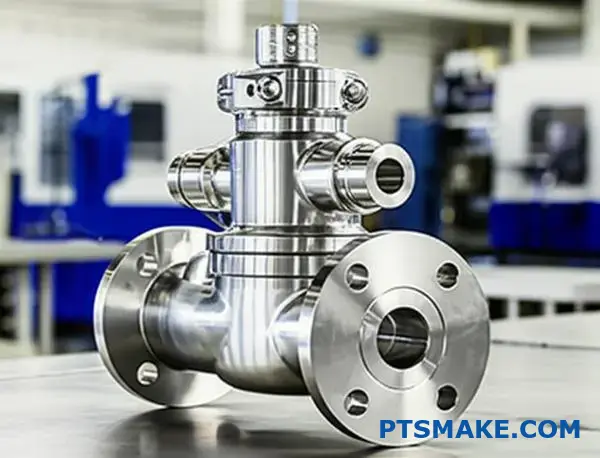
Et omfattende kvalitetssystem for oliefeltsdele er uundværligt. Vores tilgang følger strenge ISO CNC-bearbejdningsstandarder. Vi opdeler det i distinkte, strenge faser for at sikre total kontrol.
Fase 1: Inspektion af råmateriale
Det hele starter med materialet. Vi kræver et Materialetestcertifikat (MTC) med hver eneste batch. Dette dokument verificerer materialets kemiske sammensætning og mekaniske egenskaber. Vi tager det ikke bare for pålydende; vi udfører vores egne kontroller.
Fase 2: Kvalitetskontrol undervejs (IPQC)
Under produktionen er konstant overvågning afgørende. Vi udfører en First Article Inspection (FAI) for at bekræfte, at maskinopsætningen er perfekt. Derefter udfører vores operatører regelmæssige kontroller af kritiske dimensioner under hele bearbejdningsforløbet. Dette forhindrer afvigelser, før de bliver store problemer.
Denne proaktive tilgang er afgørende for komplekse CNC-bearbejdningsprojekter inden for olie og gas. Vi bruger også forskellige målere og avancerede Ikke-destruktiv testning9 metoder til at kontrollere for skjulte fejl uden at beskadige selve delen.
Fase 3: Endelig kvalitetskontrol (FQC) & rapportering
Før noget sendes, foretages en endelig omfattende inspektion. Vi bruger koordinatmålemaskiner (CMM) til højpræcisionsverifikation mod 3D CAD-modellen. En fuld rapport, inklusive materialecertifikater og inspektionsdata, udarbejdes. Dette skaber en komplet kvalitetsregistrering for hver eneste del.
Vores flerleddede kvalitetskontrolproces sikrer, at hver CNC-komponent til oliefeltet overholder strenge industristandarder, fra verifikation af råmaterialer til endelige inspektionsrapporter. Denne systematiske tilgang garanterer pålidelighed og ydeevne i kritiske anvendelser.
Sådan kommunikerer du ingeniørspecifikationer effektivt med CNC-leverandører
Klare tekniske specifikationer er grundlaget for succesfuld CNC-bearbejdning. Din ingeniørtegning er det vigtigste dokument, du leverer.
Den skal være omfattende og utvetydig.
Blåtrykket: Din ingeniørtegning
En veludført ingeniørtegning CNC fil giver ingen plads til fortolkning. Det er vores primære vejledning til programmering og inspektion.
Tænk på det som vores kontrakt for præcision.
Nøglespecifikationer, der skal defineres
Kritiske detaljer som tolerancer og overfladefinish skal tydeligt noteres. Dette gælder især for krævende applikationer som olie og gas cnc bearbejdning.
Disse specifikationer påvirker direkte deleydelse og omkostninger.
| Specifikation | Betydning for CNC |
|---|---|
| Tolerancer | Definerer acceptabel dimensionel afvigelse |
| Overfladefinish | Påvirker friktion, tætning og slid |
| Materialekvalitet | Bestemmer værktøjsvalg og hastigheder |
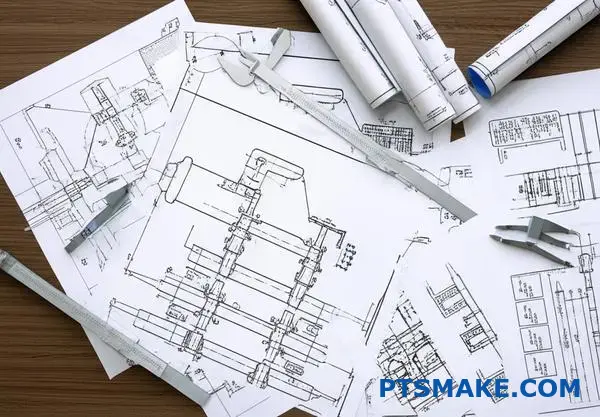
Ud over det grundlæggende: Beherskelse af teknisk kommunikation
En komplet teknisk RFQ CNC-bearbejdning pakke går ud over en 3D-model. Den inkluderer en 2D-tegning med alle nødvendige fremstillingsoplysninger.
Uklarhed er præcisionens fjende. Enhver uklar instruktion kan føre til forsinkelser eller dele, der ikke overholder specifikationerne. Det tvinger os til at stoppe op og stille spørgsmål, hvilket bryder produktionsflowet.
Tolerancemeddelelse
Effektiv tolerancemeddelelse er afgørende. Angiv, om tolerancer er bilaterale eller unilaterale. Forstå, at strammere tolerancer kræver mere maskintid og specialiseret inspektion, hvilket øger omkostningerne. Vi kan ofte hjælpe med at finde en balance mellem funktion og fremstillingsmulighed.
Præcisionens sprog
For komplekse dele er simple plus/minus-tolerancer ikke nok. Det er her Geometrisk dimensionering og tolerance (GD&T)10 bliver essentielt. Det er et symbolsk sprog, der mere præcist definerer formen, orienteringen og placeringen af funktioner.
Overvejelser om overfladefinish
Angivelse af overfladefinish er afgørende. En lav Ra-værdi (en glattere finish) kan være nødvendig for tætningsflader eller lejer. Denne detalje påvirker fremstillingsprocessen direkte og kræver ofte sekundære operationer som slibning eller polering. Dette er et almindeligt krav i olie og gas cnc bearbejdning.
| GD&T-symbol | Repræsenterer |
|---|---|
| ⌖ | Position |
| ⏥ | Fladhed |
| ○ | Cirkularitet |
| profil | Profil af en overflade |
Din ingeniørtegning, komplet med klare tolerancer, angivelser af overfladefinish og korrekt GD&T, er dit bedste værktøj. Den sikrer, at du får de præcise dele, du har designet, hvilket forhindrer dyrt omarbejde og forsinkelser i din projektplan.
Hvornår man ikke skal 3D-printe: Hvorfor bearbejdning stadig vinder for oliefeltdele
3D-print er imponerende til prototyper. Men det er ikke klar til kritiske olie- og gasopgaver. Hvorfor? Det koger ned til tre ufravigelige krav: styrke, nøjagtighed og varmebestandighed.
For disse faktorer er CNC-bearbejdning stadig den klare vinder. Dette er afgørende for dele, hvor fejl ikke er en mulighed.
Styrke under pres
Olie- og gas-komponenter udsættes for ekstreme kræfter. CNC-dele bearbejdes fra solide metalblokke. Denne proces sikrer maksimal materialintegritet. Additiv fremstilling bygger dele i lag, hvilket kan skabe svage punkter.
Præcisionsmandatet
Nøjagtighed er alt i downhole-værktøjer. CNC-bearbejdning opnår konsekvent strammere tolerancer. Vores kunder kræver dette præcisionsniveau for sikkerhed og ydeevne.
Håndtering af ekstrem varme
Varmebestandighed er en anden vigtig faktor. Mange 3D-printmaterialer kan ikke modstå de høje temperaturer i olieindustriens operationer.
| Funktion | CNC-bearbejdning | 3D-udskrivning |
|---|---|---|
| Materialets styrke | Overlegen (Solid blok) | Variabel (Lagdelt) |
| Dimensionel nøjagtighed | Høj (±0,001") | Moderat |
| Varmebestandighed | Fremragende (Metaller) | Begrænset (Polymerer) |
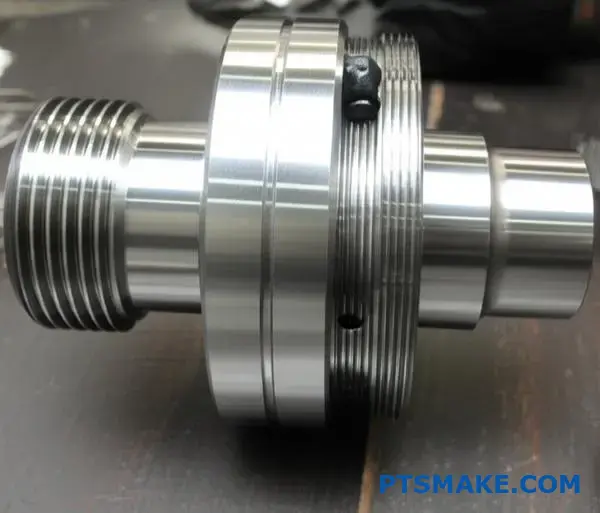
Mens additiv fremstilling har sin plads, er dens begrænsninger i olieindustrien klare. Diskussionen om CNC vs. 3D-print i olie og gas overser ofte den grundlæggende materialevidenskab bag hver proces.
Styrken af solidt metal
CNC-bearbejdning udskærer dele fra en solid blok af metal eller højtydende plast. Denne subtraktive metode bevarer materialets iboende styrke og strukturelle integritet. Der er ingen lag, der kan delaminere eller adskille sig under ekstremt tryk eller vibrationer. Dette er afgørende for bearbejdning til kritiske applikationer.
I modsætning hertil bygges 3D-printede dele lag for lag. Denne proces kan resultere i anisotropiske egenskaber11, hvilket betyder, at delen er svagere i én retning end en anden. Vores tests viser, at dette kan være en betydelig risiko i miljøer med højt stress. Bindingen mellem lagene er ofte fejlens punkt.
Uovertruffen præcision og overfladefinish
Olie- og gasindustrien kræver dele med ekstremt snævre tolerancer. CNC-maskiner kan pålideligt producere funktioner med en nøjagtighed, som mange 3D-printere ikke kan matche.
En glat overfladefinish er også afgørende for tætningsflader og reduktion af friktion. CNC-bearbejdning udmærker sig her og kræver ofte minimal efterbehandling. Additiv fremstilling kræver hyppigt omfattende finish for at opnå lignende resultater.
| Fremstillingsmetode | Typiske materialer | Nøglefordel i olie & gas |
|---|---|---|
| CNC-bearbejdning | Rustfrit stål, Inconel, Titanium | Isotrope styrke, varmebestandighed |
| 3D-print (additiv) | PEEK, Ultem, visse metalpulvere | Komplekse interne geometrier, hurtig prototyping |
Denne sammenligning fremhæver additive begrænsninger oliefelt teams skal overveje. Pålideligheden af olie og gas cnc bearbejdning fra massivt materiale er simpelthen uovertruffen for kritiske komponenter.
For oliefeltdele, hvor styrke, præcision og varmebestandighed er altafgørende, er CNC-bearbejdning det beviste og pålidelige valg. Den leverer den ydeevne og sikkerhed, der kræves til industriens mest krævende og kritiske applikationer.
Lås op for præcision i olie og gas – Partner med PTSMAKE i dag
Klar til at løfte dit CNC-bearbejdningsprojekt inden for olie og gas? Kontakt PTSMAKE for ekspertløsninger, hurtige tilbud og pålidelig kvalitet. Send din RFQ nu og opdag, hvorfor førende energiselskaber stoler på os til missionskritiske komponenter – præcision og pålidelighed fra prototype til produktion.
Lær mere om valg af de rigtige højtydende materialer til korrosive olie- og gasapplikationer. ↩
Lær hvorfor et materiales dokumenterede historie er afgørende for at sikre dele-sikkerhed og overholde regler. ↩
Lær hvordan GD&T sikrer, at dine dele opfylder præcise designspecifikationer til kritiske applikationer. ↩
Lær hvordan arbejdshærdning påvirker værktøjsvalg og bearbejdningsstrategier for højstyrkelegeringer. ↩
Lær hvordan dette princip sikrer perfekt delepositionering hver gang. ↩
Lær mere om måleteknologi og dens rolle i præcisionsfremstilling. ↩
Forstå, hvordan en modstandsdygtig forsyningskæde forhindrer forstyrrelser og sikrer levering til tiden af dine kritiske komponenter. ↩
Lær om metoder, der bruges til at inspicere dele for fejl uden at forårsage skade. ↩
Opdag de forskellige NDT-metoder, der bruges til at sikre den interne integritet af missionskritiske komponenter. ↩
Udforsk vores guide til at forstå de grundlæggende symboler og principper for GD&T for bedre deldesign. ↩
Opdag, hvordan et materiales interne struktur påvirker dets styrke og pålidelighed i forskellige retninger. ↩