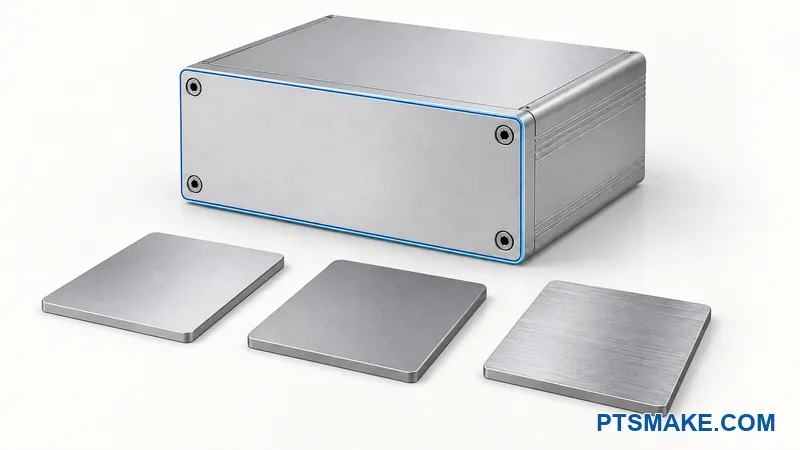

Вы пытаетесь выбрать подходящий материал для своего проекта корпуса колонки? Многие инженеры сталкиваются с разочаровывающими акустическими характеристиками, непредвиденными расходами и производственными проблемами, когда выбирают для изготовления корпусов колонок некачественные материалы, такие как пластик или сталь.
Алюминиевые корпуса акустических систем обеспечивают превосходные акустические характеристики, отличный теплоотвод и первоклассную эстетику, а также более высокую долговечность и экономичность по сравнению с пластиковыми или стальными альтернативами.
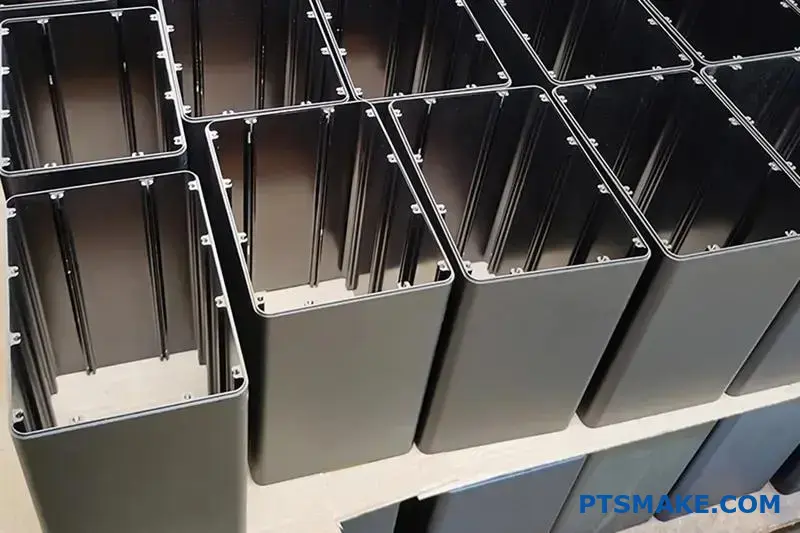
В этом руководстве рассматривается все: от выбора материала и оптимизации акустики до рабочих процессов создания прототипов и вариантов отделки поверхности. Вы узнаете о проверенных стратегиях проектирования, анализе затрат и выгод и реальных решениях, которые помогут вам избежать распространенных ошибок при разработке корпусов акустических систем.
Почему алюминиевые корпуса для акустических систем превосходят пластиковые или стальные
Выбор материала корпуса напрямую влияет на качество звука. Многие дизайнеры прибегают к таким вариантам, как пластик, сталь и алюминий. У каждого из них есть свое место.
Однако алюминиевый корпус колонки часто обеспечивает наилучший баланс. Он сочетает в себе прочность, легкость и тепловые свойства, с которыми не могут сравниться другие.
Быстрый разбор материалов
Давайте посмотрим на простое сравнение. Различия становятся очевидными, когда вы видите данные рядом друг с другом. Это помогает понять основные преимущества алюминиевых корпусов для акустических систем.
| Характеристика | Алюминий | Пластик (ABS) | Сталь |
|---|---|---|---|
| Вес | Легкий | Очень легкий | Heavy |
| Прочность | Высокий | Низкий | Очень высокий |
| Рассеивание тепла | Превосходно | Бедный | Ярмарка |
Эта таблица показывает, почему обсуждение алюминиевого и пластикового корпуса колонок так важно для производительности.
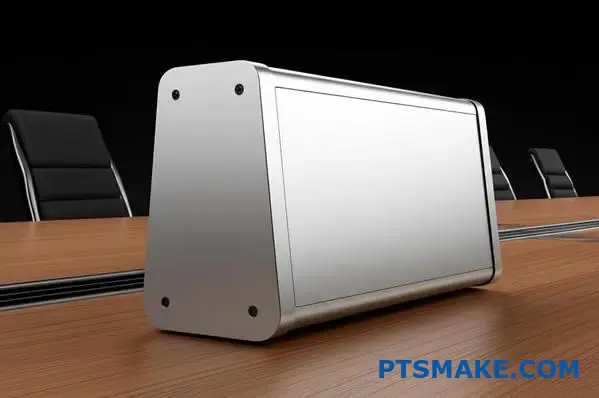
Более глубокое погружение в характеристики материалов
Выбор правильного материала выходит за рамки основных технических характеристик. Он влияет на конечное звучание, срок службы изделия и даже на впечатления пользователя. Материал определяет характер динамика.
В компании PTSMAKE мы помогаем клиентам определиться с выбором. Речь идет о том, чтобы подобрать материал в соответствии с конкретным применением и эксплуатационными характеристиками. Неправильно подобранный материал может испортить отличный дизайн.
Акустические характеристики
Корпус должен быть жестким. Он не должен вибрировать вместе с динамиком. Именно здесь выбор материала имеет решающее значение.
Жесткость алюминия отлично подходит для предотвращения нежелательных резонансов. Пластиковые корпуса могут деформироваться и окрашивать звук. Сталь прочна, но может звенеть на определенных частотах, если не обеспечить должного демпфирования. Именно в этом случае эффективные акустическое демпфирование1 становится фактором. По результатам наших внутренних тестов, алюминий обеспечивает более чистое и точное воспроизведение звука.
Терморегулирование и эстетика
Современные колонки оснащены мощной электроникой. Эти компоненты выделяют тепло, что может ухудшить производительность и сократить срок службы.
Алюминий действует как естественный теплоотвод. Он отводит тепло от чувствительной электроники гораздо эффективнее, чем пластик.
Эстетика также имеет значение. Алюминий можно обрабатывать на станках с ЧПУ с точными допусками. Это позволяет создавать сложные и красивые конструкции. Такие виды отделки, как анодирование, обеспечивают первоклассный внешний вид и ощущение, которые не может повторить пластик.
| Преимущество | Алюминий | Пластик | Сталь |
|---|---|---|---|
| Акустический нейтралитет | Высокий | Низкий | Средний |
| Премиум-класс | Да | Нет | Варьируется |
| Гибкость конструкции | Высокий | Высокий | Низкий |
Алюминиевый корпус колонок просто обеспечивает более полный, высококлассный комплект.
Алюминиевые корпуса акустических систем обеспечивают превосходное сочетание легкой прочности, терморегуляции и акустической чистоты. Превосходная эстетика и гибкость дизайна делают их идеальным выбором для высокоточных аудиоустройств, превосходя пластик и сталь по основным характеристикам.
Полный анализ затрат и выгод алюминиевых корпусов для колонок
При оценке цены на алюминиевые шкафы, Многие сосредотачиваются только на первоначальном предложении. Это ограниченный взгляд.
Настоящий анализ затрат требует более широкой перспективы. Вы должны учитывать весь жизненный цикл продукта. Это позволит вам получить реальную корпус динамика ROI.
Первоначальные затраты против долгосрочной стоимости
Мы должны смотреть не только на цену за единицу продукции. Инструментарий, долговечность и даже восприятие бренда играют огромную роль в общей стоимости владения.
| Фактор стоимости | Первоначальный фокус (например, пластик) | Долгосрочный фокус (алюминий) |
|---|---|---|
| Инструментальная оснастка | Ниже для простых форм | Более высокая для литья с ЧПУ/изготовления штампов |
| За единицу | Более низкая стоимость материалов | Более высокая стоимость материалов |
| Долговечность | Подвержен трещинам/износу | Высокая устойчивость к ударам |
| Ценность бренда | Стандартное восприятие | Премиальное восприятие |
Такое целостное восприятие очень важно. Он помогает найти наиболее экономичный материал для коробов акустических систем для достижения целей вашего бренда.
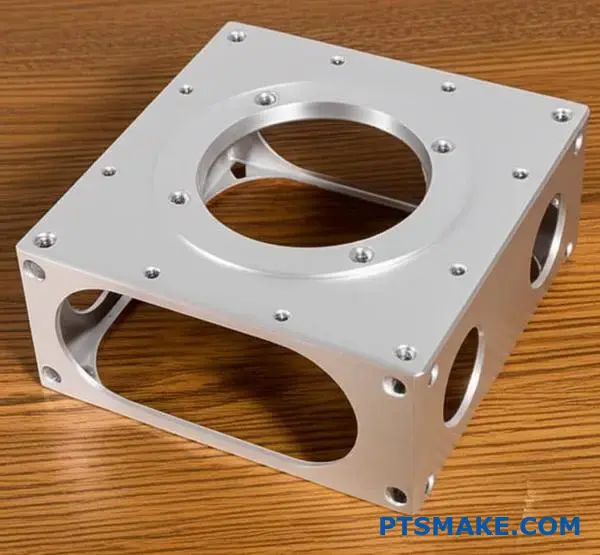
Чтобы по-настоящему оценить окупаемость инвестиций в алюминиевый корпус динамика, Давайте разделим затраты на весь срок службы продукта. Речь идет не только о сырье.
Затраты на оснастку и производство
Первоначальные инвестиции в алюминий могут быть разными. Обработка с ЧПУ обеспечивает гибкость и не требует жесткой оснастки, что очень удобно для прототипов. При больших объемах литьевые формы требуют дополнительных затрат.
Однако эти инвестиции распределяются на весь цикл производства. Этот процесс, известный как Амортизация2, Это делает влияние на каждую единицу гораздо меньшим с течением времени. Это ключевая часть финансового планирования.
Влияние долговечности на стоимость жизненного цикла
Прочность алюминия является значительным финансовым преимуществом. Она приводит к меньшему количеству повреждений при транспортировке и обработке. Это напрямую снижает расходы, связанные с возвратом товара и гарантийными обязательствами.
Проанализировав количество отказов у наших клиентов, мы увидели четкую закономерность.
| Материал | Типичный уровень повреждений | Долгосрочное воздействие на стоимость |
|---|---|---|
| Стандартный пластик | 3-5% (доставка/использование) | Более высокие затраты на гарантию/замену |
| Алюминий | <1% (доставка/использование) | Снижение затрат на обслуживание, повышение удовлетворенности |
Такая надежность укрепляет доверие клиентов и защищает вашу прибыль.
Повышение ценности бренда
Наконец, выбор материала влияет на положение вашего бренда на рынке. Сайт алюминиевый корпус динамика сигнализирует о качестве и долговечности. Такая премиальность часто позволяет устанавливать более высокую розничную цену, что повышает рентабельность и общую корпус динамика ROI.
Полный анализ затрат и выгод показывает, что первоначальная цена - это лишь одна часть головоломки. Учет амортизации инструмента, экономии на долговечности и повышении ценности бренда показывает, почему алюминий часто является лучшим долгосрочным вложением для высококачественных корпусов акустических систем.
Инженерные секреты для достижения максимальной акустической эффективности алюминиевых корпусов
Физический дизайн алюминиевого корпуса колонки - это не просто эстетика. Он напрямую контролирует акустическую мощность. Каждый изгиб, каждый миллиметр толщины имеет значение.
Правильная геометрия и толщина стенок - это первая линия обороны. Они работают вместе, чтобы справиться с нежелательными вибрациями. Обработка поверхности добавляет последний слой акустической настройки.
Роль геометрии
Форма корпуса диктует поведение звуковых волн внутри. Мы стремимся свести к минимуму плоские, параллельные поверхности, чтобы предотвратить появление стоячих волн.
Толщина и жесткость стенок
Равномерная толщина может создавать предсказуемые резонансные точки. Мы часто рекомендуем стратегические вариации толщины стенок для эффективного разрушения этих вибрационных паттернов.
| Коэффициент проектирования | Влияние на резонанс | Рекомендуемый подход |
|---|---|---|
| Форма корпуса | Изогнутые поверхности рассеивают звуковые волны | Используйте непараллельные стены и пологие изгибы |
| Внутреннее крепление | Увеличивает жесткость, смещает резонанс | Добавьте внутренние ребра жесткости в критических точках |
| Толщина стенок | Более толстые стены противостоят низким частотам | Изменяйте толщину для гашения вибраций |
Этот тщательный баланс является основополагающим для контроля резонанса. Благодаря этому корпус остается инертным, позволяя динамику работать без окраски.
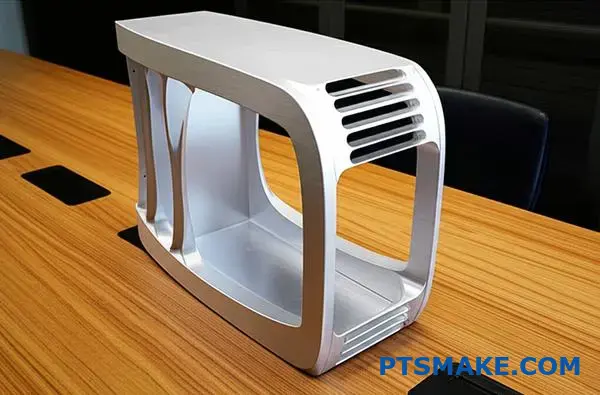
Мастерство проектирования алюминиевых акустических корпусов требует глубокого понимания взаимодействия физических свойств. Это тонкий баланс между жесткостью, массой и демпфированием. В компании PTSMAKE мы помогаем нашим клиентам принимать эти критически важные инженерные решения.
Оптимизация геометрии корпуса
Внутреннее усиление - ключевая стратегия. Добавление ребер или поперечных распорок значительно увеличивает жесткость корпуса. Это поднимает резонансные частоты выше, перемещая их за пределы слышимого диапазона, где они с меньшей вероятностью будут мешать звучанию. Это гораздо эффективнее, чем просто сделать стенки толще.
Нюансы толщины стенок
Простое увеличение толщины стенок увеличивает массу, что может снизить резонансную частоту, но также увеличивает стоимость и вес. Мы обнаружили, что неравномерная толщина, когда определенные участки усилены, обеспечивает лучший контроль резонанса. Такой подход нарушает равномерные колебательные режимы, которые могут быть у стандартного корпуса.
Обработка поверхности как акустический инструмент
Обработка поверхности также играет важную роль. Хотя в первую очередь они служат для защиты и эстетики, они оказывают тонкое акустическое воздействие. Выбор может повлиять на конечную звуковую сигнатуру. Например, толстое порошковое покрытие добавляет небольшой эффект демпфирования. Это отличается от анодирования, которое создает очень твердый, тонкий слой. Это очень важно для частотной характеристики корпуса колонки, особенно когда речь идет о Резонанс Гельмгольца3.
| Лечение | Акустический эффект | Лучший пример использования |
|---|---|---|
| Анодирование | Упрочняет поверхность, минимальное демпфирование | Когда требуется резкий и точный высокочастотный отклик |
| Порошковое покрытие | Добавляет мягкий слой, обеспечивает амортизацию | Для смягчения высоких частот и поглощения микровибраций |
| Матовая отделка | Незначительное акустическое воздействие | В основном для эстетических целей |
Рассматривая эти три элемента - геометрию, толщину и поверхность - как единую систему, мы можем создать алюминиевый корпус для колонок, который действительно оптимизирован для работы.
Для превосходного управления резонансом не обойтись без взаимодействия между геометрией, толщиной стенок и обработкой поверхности. Эти элементы определяют конечные акустические характеристики любого алюминиевого корпуса высокого класса, обеспечивая чистое и точное воспроизведение звука.
Проектирование алюминиевых корпусов для акустических систем на заказ
Успех изготовленного на заказ алюминиевого корпуса для колонок зависит от его механической конструкции. Правильная проработка этих деталей с самого начала имеет решающее значение. Это позволит избежать дорогостоящих переделок в дальнейшем.
Ключевые параметры напрямую влияют как на производительность, так и на технологичность. Мы должны тщательно продумать каждый аспект.
Механические параметры сердечника
Внимание к линиям разделения, углам наклона и монтажным конструкциям является обязательным. Эти элементы определяют, как будет изготовлен корпус. Они также определяют его окончательный вид и функциональность.
Хорошо расположенная линия пробора почти незаметна. Неудачное расположение создает очевидный шов.
Советы DFM по проектированию корпусов
Проектирование для обеспечения технологичности (DFM) экономит время и деньги. Простые корректировки могут значительно повысить эффективность производства. Вот несколько основных советов.
| Параметр | Рассмотрение DFM | Воздействие |
|---|---|---|
| Линии расставания | Укладывайте на некосметичные поверхности или вдоль существующих кромок. | Улучшает эстетику, упрощает формовку/инструментальную обработку. |
| Углы наклона | Добавьте 1-3 градуса осадки для литых или формованных деталей. | Облегчает выталкивание деталей, предотвращает появление дефектов поверхности. |
| Монтаж | Встраивайте бобышки и стойки в основной корпус. | Сокращает количество деталей, упрощает сборку. |
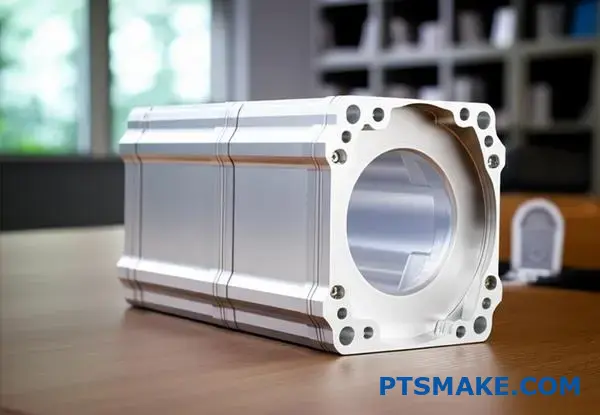
Помимо основных принципов, мы должны найти баланс между конкурирующими требованиями. Ограничения по объему и тепловой поток - две критические области в механической конструкции корпуса колонки.
Управление внутренним объемом
Внутренний объем имеет первостепенное значение для акустических характеристик. Он напрямую влияет на качество звука, особенно на воспроизведение низких частот. Однако часто мы сталкиваемся с жесткими ограничениями по внешнему размеру.
Цель - максимизировать внутренний объем. Этого можно достичь, оптимизировав толщину стенок. Также необходимо тщательно разместить внутренние компоненты. Дизайн любых портов басового фазоинвертора также влияет на это, воздействуя на Акустическая инертность4 системы.
Стратегия рассеивания тепла
Высокопроизводительные колонки выделяют тепло. Алюминиевый корпус сам по себе является отличным теплоотводом. Мы можем усилить это свойство с помощью дизайна.
Добавление ребер или увеличение площади поверхности помогает рассеивать тепло. Правильная вентиляция также играет ключевую роль. В компании PTSMAKE мы часто используем тепловое моделирование для оптимизации теплового потока. Это обеспечивает безопасную работу электроники. Хорошая конструкция алюминиевого бокса DFM всегда учитывает тепловое управление с самого начала.
| Управление теплом | Метод | Преимущество |
|---|---|---|
| Пассивное охлаждение | Встроенные ребра радиатора. | Отсутствие движущихся частей, бесшумная работа. |
| Конвекция | Вентиляционные отверстия сверху и снизу. | Простота, эффективность, низкая стоимость. |
| Проведение | Термопрокладки для передачи тепла. | Эффективно отводит тепло к корпусу. |
Очень важно знать такие параметры, как линии раздела, углы наклона, внутренний объем и тепловой поток. Эти детали обеспечивают высокую производительность, технологичность и экономичность конструкции алюминиевых корпусов акустических систем. Их правильное соблюдение - основа успешного продукта.
Конечный рабочий процесс прототипирования для проектов алюминиевых колонок
Выбор правильного пути создания прототипа очень важен. Вам нужно найти баланс между скоростью, стоимостью и точностью, чтобы получить значимые результаты для алюминиевых корпусов акустических систем. Цель - создать рабочий процесс, который эффективно подтвердит правильность выбора конструкции.
Основные этапы создания прототипа
При создании прототипа алюминиевого динамика я всегда рекомендую использовать многоступенчатый подход. Каждый этап служит определенной цели, от базовой проверки формы до полного функционального тестирования. Это позволяет избежать дорогостоящих ошибок в дальнейшем.
Этап 1: 3D-печать для проверки
Начните с 3D-печати. Это быстро и недорого. Используйте ее для создания быстрого прототипа корпуса колонки. Это позволит вам проверить размеры, подгонку компонентов и общую эргономику, прежде чем приступать к изготовлению корпуса из металла.
Этап 2: Обработка с ЧПУ для придания функциональности
После того как форма зафиксирована, переходите к обработке на станках с ЧПУ. В результате из готового материала создается прототип корпуса колонки с ЧПУ с высокой точностью воспроизведения. Он необходим для акустических испытаний и оценки окончательного внешнего вида и ощущения.
| Метод прототипирования | Основная цель | Материал |
|---|---|---|
| 3D-печать | Проверка формы и посадки | Пластик (PLA, ABS) |
| Обработка с ЧПУ | Функциональные и акустические испытания | Алюминий |
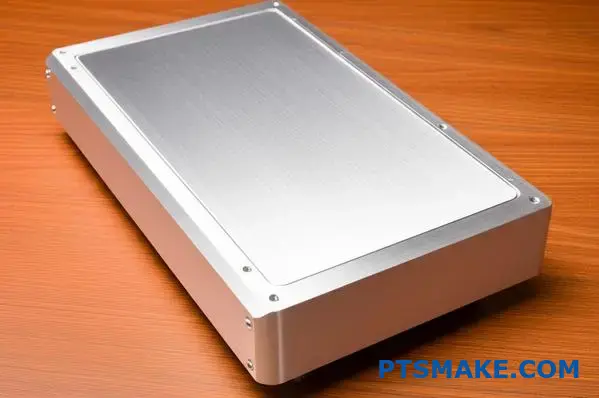
Успешный рабочий процесс сочетает в себе все эти методы. Полагаться только на 3D-печать - ошибка. Пластиковая модель не может воспроизвести акустический резонанс, тепловые свойства или ощущение премиальности готового алюминиевого корпуса колонки. Она покажет, подходят ли детали, но не то, как колонка будет звучать или ощущаться.
Гибридный итеративный рабочий процесс
Я провожу клиентов PTSMAKE через гибридный процесс. Он гарантирует, что каждый аспект дизайна будет протестирован должным образом. Процесс цикличен, что позволяет дорабатывать его на каждом этапе.
Пошаговый подход
Сначала мы создаем 3D-печатную модель. Этот корпус колонки, изготовленный по быстрому прототипу, используется для первоначальных тестов при сборке. Мы проверяем зазоры между динамиками, портами и электроникой. Это быстрый и недорогой способ проверки.
Затем, после всех корректировок, мы изготавливаем прототип корпуса динамика с ЧПУ. Вот тут-то и начинается настоящее тестирование. Мы анализируем его акустические характеристики, жесткость конструкции и качество обработки поверхности. Иногда мы используем такие инструменты моделирования, как Анализ методом конечных элементов5 для прогнозирования режимов вибрации до начала резки металла. Такой целенаправленный подход позволяет экономить время и материалы.
| Шаг рабочего процесса | Действие | Результат |
|---|---|---|
| 1. Дизайн и 3D-печать | Проверка формы и посадки деталей | Размерно точная физическая модель |
| 2. Уточнить дизайн | Корректировка на основе отзывов 3D-печати | Оптимизированная модель CAD для механической обработки |
| 3. Прототип с ЧПУ | Машина из алюминия для испытаний | Функциональный прототип для акустической оценки |
| 4. Заключительный обзор | Тестовая акустика и сборка | Окончательное утверждение перед изготовлением производственной оснастки |
Этот итерационный цикл - печать, тестирование, доработка, обработка - самый надежный способ снизить риск проекта и гарантировать, что конечный продукт будет соответствовать всем спецификациям.
Гибридная стратегия создания прототипов имеет решающее значение. Она позволяет использовать скорость 3D-печати для первоначальной проверки и точность обработки на станках с ЧПУ для функционального тестирования, что приводит к получению превосходного конечного алюминиевого корпуса колонки с меньшим количеством дорогостоящих сюрпризов.
Основные проблемы, с которыми сталкиваются инженеры при выборе алюминиевых корпусов
Инженеры сталкиваются с глубокими техническими проблемами. Это не просто проблемы поверхностного уровня. Они влияют на производительность и стоимость любого алюминиевого корпуса акустической системы.
Проблемы контроля размеров
Достичь жестких допусков на размеры алюминиевых корпусов непросто. Особенно это касается сложных геометрических форм. Прототипирование акустических корпусов часто позволяет выявить эти проблемы на ранней стадии.
Однородность поверхности
Анодирование добавляет еще один уровень сложности. Цвет и толщина могут отличаться в разных партиях. Это создает эстетические и функциональные проблемы, что является распространенной проблемой при проектировании корпусов колонок.
| Вызов | Первичное воздействие | Лучшая практика |
|---|---|---|
| Толерантность | Сборка и установка | Детализация GD&T |
| Анодирование | Эстетика и коррозия | Строгий контроль процесса |
| Материал | Акустические характеристики | Анализ сплавов |
Эти детали инженерного уровня очень важны для успешного проекта. Они требуют тщательного управления с самого начала.
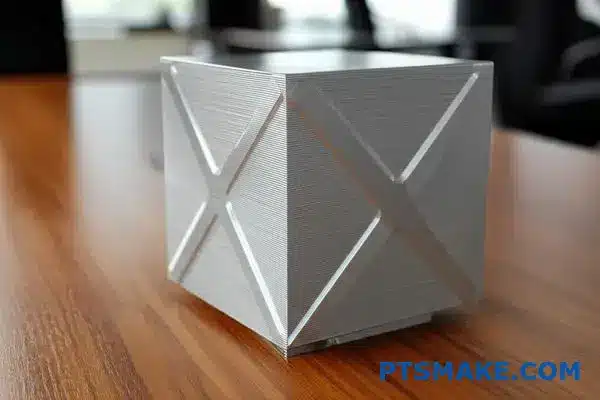
Давайте углубимся в эти инженерные проблемы. Они часто скрываются на виду до начала производства. Именно здесь опыт работы в PTSMAKE становится бесценным.
Нюансы толерантности
Управление размерами - это не просто цифры на чертеже. Речь идет о понимании того, как взаимодействуют детали. Для алюминиевого корпуса колонки небольшое искривление может нарушить акустическую герметичность и общую целостность.
Именно поэтому мы используем передовые измерительные инструменты. Мы также в значительной степени полагаемся на четкую систему. Такая система, как Определение геометрических размеров и допусков (GD&T)6 необходимо для определения функциональных требований, а не только простых размеров.
Скрытые переменные анодирования
Анодирование кажется простым, но это тонкий химический процесс. Такие факторы, как состав сплава, температура ванны и время погружения, влияют на конечный результат. Эти переменные могут быть сложными.
| Переменная | Потенциальный дефект | Стратегия смягчения последствий |
|---|---|---|
| Сплав (например, 6061 против 7075) | Несоответствие цветов | Укажите точный сплав и температуру |
| Химия для ванн | Неравномерное покрытие | Регулярный химический анализ |
| Текущая плотность | Выжигание / Мягкое пальто | Калиброванные источники питания |
Эти переменные должны жестко контролироваться. Это особенно актуально при создании прототипов акустических корпусов, где постоянство является ключевым фактором для проведения достоверных испытаний.
Выбор материала и частота использования
Выбор правильного алюминиевого сплава - это не только прочность. Для акустических применений важны демпфирование и жесткость материала. Некоторые сплавы резонируют на нежелательных частотах, вызывая искажения. Мы тщательно анализируем эти свойства. Это позволяет избежать распространенных проблем при проектировании корпусов акустических систем.
Создание алюминиевого корпуса акустической системы требует глубоких инженерных знаний. Каждая деталь имеет значение: от точного контроля допусков и последовательного анодирования до продуманного выбора материала для акустических характеристик. Эти факторы отличают отличный продукт от среднего.
Полное руководство по вариантам отделки поверхности алюминиевых корпусов для колонок
Выбор правильной отделки - ключевой момент. Речь идет не только о внешнем виде, но и о долговечности и ощущениях. Отделка защищает алюминиевый корпус колонки от износа.
Мы рассмотрим четыре популярных варианта. Каждый из них предлагает уникальные преимущества для разных случаев использования и целей дизайна.
Основные варианты отделки поверхности
Вот краткий обзор основных способов обработки поверхности корпуса колонок, которые мы часто рекомендуем в PTSMAKE.
| Тип отделки | Основная выгода |
|---|---|
| Анодирование | Чрезвычайная долговечность |
| Порошковое покрытие | Универсальность цвета |
| Обработка бисером | Матовая текстура |
| Матовый металл | Гладкая, линейная текстура |
Этот выбор определяет характер конечного продукта.
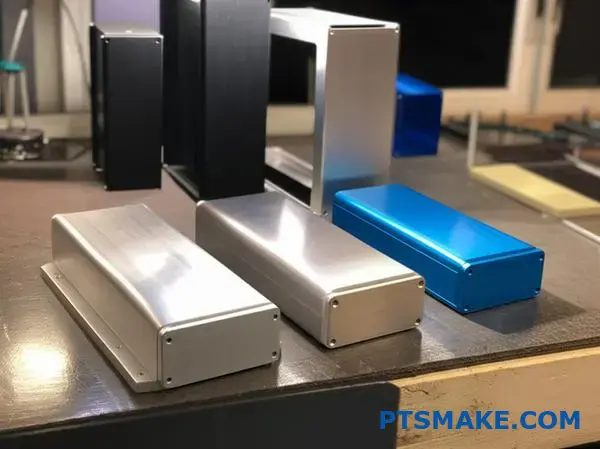
Правильный выбор покрытия зависит от назначения вашего изделия. Анодирование - это не просто покрытие, это электрохимический процесс. Этот процесс создает твердый защитный слой. Анодированная отделка алюминиевых динамиков идеально подходит для изделий премиум-класса, подверженных высоким нагрузкам.
Порошковая окраска обеспечивает прочное, похожее на краску покрытие. Оно обеспечивает отличную ударопрочность. Кроме того, оно имеет практически неограниченную гамму цветов и текстур. Это делает его идеальным для создания ярких, эстетичных алюминиевых корпусов.
Текстурная отделка для эстетики
Для получения неотражающей, однородной матовой поверхности воспользуйтесь дробеструйной обработкой. Она хорошо скрывает отпечатки пальцев и мелкие дефекты поверхности. Она создает тонкий, современный вид.
Матовая отделка придает отчетливую линейную текстуру. Такой вид часто ассоциируется с электроникой и бытовой техникой высокого класса. Этот процесс создает матовый блеск, который выглядит очень профессионально. Наши тесты показали, что он придает ощущение премиальности без значительного увеличения стоимости. Выбор между этими вариантами зависит от целевого рынка и желаемого тактильность7.
Сравнение отделочных материалов по назначению
Эта таблица помогает подобрать отделку в соответствии с потребностями изделия.
| Характеристика | Анодирование | Порошковое покрытие | Обработка бисером | Матовый металл |
|---|---|---|---|---|
| Долговечность | Превосходно | Очень хорошо | Хорошо | Хорошо |
| Эстетика | Металлический блеск | Непрозрачный цвет | Матовая текстура | Линейное зерно |
| Лучшее для | Аудио высокого класса | Пользовательские цвета | Минималистский дизайн | Премиальный вид |
| Коррозия | Превосходно | Хорошо | Хорошо | Ярмарка |
В компании PTSMAKE мы помогаем клиентам в обработке поверхностей корпусов колонок. Мы помогаем им найти баланс между эстетикой, функциональностью и бюджетом для их конкретных проектов алюминиевых корпусов колонок.
Выбор правильной обработки поверхности очень важен для алюминиевого корпуса колонки. Анодирование обеспечивает долговечность, порошковое покрытие - цвет, а дробеструйная обработка и браширование - уникальную текстуру. Каждый вариант обеспечивает различную комбинацию защиты, ощущения и эстетической привлекательности конечного продукта.
Как OEM-производители используют алюминиевые корпуса для конкурентоспособного звукового брендинга
Теория - это одно, но реальные примеры показывают истинное влияние. Правильный выбор материала напрямую влияет на стоимость бренда алюминиевой колонки. Потребители сразу же чувствуют это послание.
Алюминиевый корпус колонок сообщает о качестве еще до того, как прозвучит хоть одна нота. Это рассказ о бренде с помощью инженерных решений.
Прикосновение к премиум-классу
Подумайте о брендах аудиотехники высокого класса. Их продукция кажется основательной и прохладной на ощупь. Эти тактильные ощущения являются основной частью дизайна премиальных корпусов колонок. Это создает сильное первое впечатление.
От внешнего вида к ощущениям
Визуальная привлекательность матового или анодированного алюминия неоспорима. Он ловит свет так, как не может пластик. Эта тонкая деталь возвышает весь продукт.
| Характеристика | Пластиковый корпус | Алюминиевый корпус |
|---|---|---|
| Воспринимаемая ценность | Стандарт | Премиум, высший класс |
| Тактильные ощущения | Теплый, легкий | Прохладный, значительный |
| Акустический признак | Склонны к вибрации | Жесткий, инертный |
| Дизайнерская отделка | Формованные текстуры | Анодирование, браширование |
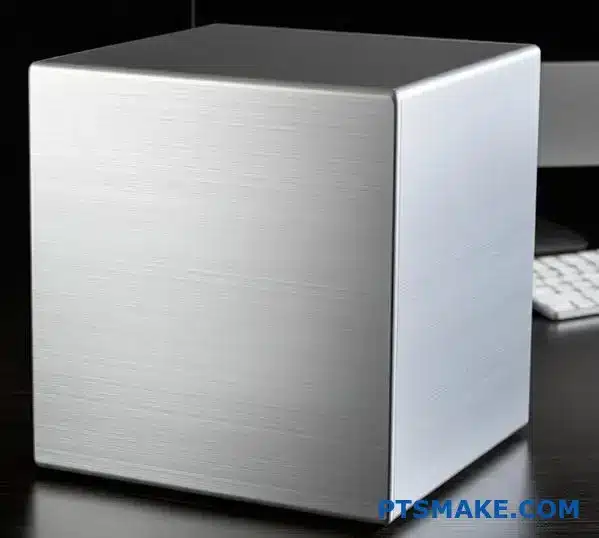
Давайте рассмотрим, как это работает на практике. Многие ведущие аудиобренды полагаются на алюминий не только из-за его внешнего вида, но и из-за его акустических свойств. Алюминиевый корпус колонки обеспечивает жесткость, необходимую для минимизации нежелательных вибраций и резонансов. Это гарантирует чистоту и незапятнанность воспроизводимого звука.
Повышение чистоты звука
Жесткий корпус позволяет динамику колонки работать оптимально. Энергия создает звуковые волны, а не дребезжание корпуса. Это техническое преимущество является ключевым моментом для аудиофилов. Оно демонстрирует приверженность к точности звучания, которую покупатели ценят и готовы за нее платить.
Роль точности изготовления
Для достижения этой цели требуется огромная точность. В PTSMAKE мы обрабатываем алюминиевые звуковые короба OEM с точными допусками. Это обеспечивает идеальную подгонку и отделку. Бесшовная конструкция не только выглядит лучше, но и улучшает акустические характеристики. Изучение того, как это влияет на восприятие слушателя, очень увлекательно. Оно затрагивает область психоакустика8, В них материал и дизайн влияют на то, что мы слышим.
| Процесс отделки | Влияние брендинга | Восприятие клиентов |
|---|---|---|
| Обработка бисером | Создает мягкое матовое покрытие | Современная, сдержанная роскошь |
| Анодирование (цвет) | Предлагает персонализацию бренда | Смелый, уверенный, уникальный |
| Алмазная резка | Добавляет высококонтрастные фаски | Точность, внимание к деталям |
| Щетка | Обеспечивает линейный, текстурированный вид | Классика, профессионализм, долговечность |
Такой уровень детализации дизайна премиальных корпусов колонок превращает функциональный предмет в произведение искусства. Это ощутимое выражение приверженности бренда к качеству.
Использование алюминия в аудиосистемах премиум-класса - это стратегический выбор. Он повышает воспринимаемую стоимость, передает качество через осязание и ощущение, а также обеспечивает превосходную акустическую основу. Это повышает узнаваемость бренда на конкурентном рынке.
Скрытое влияние превышения допусков на акустическую целостность
Даже крошечные перекосы оказывают большое влияние. Мы часто фокусируемся на основных компонентах. Но небольшие погрешности в допуске - это то, что ставит под угрозу качество звука. Они напрямую влияют на целостность уплотнения и вибрацию.
Это превращает первоклассный продукт в некачественный. Давайте посмотрим, как это происходит.
Проблема микрозазоров
Небольшие зазоры в алюминиевый корпус динамика может привести к утечке воздуха. Это ухудшает воспроизведение низких частот. Кроме того, это приводит к появлению нежелательных шумов. Правильная герметизация имеет решающее значение для акустических характеристик.
Вибрация и искажения
Неправильная подгонка создает точки вибрации. Эти вибрации вносят искажения в звук. Они являются прямым следствием нарушения допусков.
| Проблема толерантности | Последствия | Влияние на аудио |
|---|---|---|
| Зазор в уплотнении | Утечка воздуха | Слабый бас, свист |
| Несоосность деталей | Нежелательная вибрация | Дребезжание, искажение |
| Неровная поверхность | Плохое демпфирование | Гармонический гул |
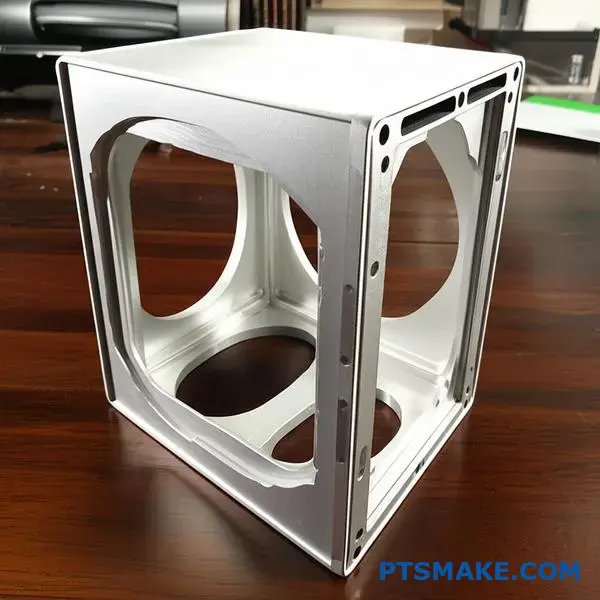
Нам нужно глубже погрузиться в техническую сторону. Понимание того, как складываются допуски, имеет ключевое значение. На сайте алюминиевые корпуса для акустических систем, Допуск каждого компонента увеличивает допуск другого. Небольшая ошибка в одной детали может усилиться.
Анализ целостности уплотнений
Идеальная акустическая герметичность не является обязательным условием. Допуски на укладку часто создают микроскопические зазоры. Поработав с клиентами, мы обнаружили, что даже зазор в 0,1 мм может привести к снижению низкочастотной мощности. Это распространенная проблема в проблемы с подгонкой акустики. Это делает звук тонким и лишает его глубины.
Эффект домино от вибрации
Когда детали не идеально подогнаны, они вибрируют друг о друга. Это создает шум, которого не было в оригинальном звуке. Это особенно верно, когда сборка вибрирует при естественной резонансная частота9. Проблема усугубляется при определенной громкости или высоте тона. Эффективный анализ допустимых отклонений в корпусе динамика позволяет предсказать эти проблемы до начала производства.
| Область анализа | Ключевой параметр | Желаемый результат |
|---|---|---|
| Уплотнение поверхностей | Плоскостность поверхности (планарность) | Герметичная акустическая камера |
| Крепление водителя | Положение отверстия (истинное положение) | Отсутствие нагрузок на водителя |
| Половинки корпуса | Профиль поверхности | Без зазоров и перекосов |
В компании PTSMAKE мы тщательно управляем этими переменными. Мы гарантируем, что конечный продукт будет работать именно так, как было задумано. Мы контролируем каждую деталь.
Допуски - важнейший фактор в акустическом проектировании. Кажущиеся незначительными ошибки в алюминиевый корпус динамика может серьезно нарушить целостность уплотнения и вызвать вибрации, что непосредственно ухудшает качество звука. Тщательный анализ и точность очень важны.
Экологические преимущества перерабатываемых алюминиевых коробок для динамиков
Когда корпоративные покупатели оценивают компоненты, экологичность больше не является чем-то второстепенным. Это основное требование. Алюминиевые корпуса акустических систем имеют явное преимущество перед пластиковыми. Их пригодность к вторичной переработке является ключевым фактором.
Переработка алюминия
В отличие от многих пластиков, алюминий можно перерабатывать бесконечно. Он не теряет своей структурной целостности. Это создает замкнутую систему, уменьшая количество отходов и потребность в новом сырье.
Снижение углеродного следа
При переработке алюминия используется около 5% энергии, необходимой для производства первичного металла. Это значительно сокращает углеродный след каждого устройства.
| Характеристика | Алюминиевый корпус | Пластиковый корпус |
|---|---|---|
| Возможность вторичной переработки | Бесконечно перерабатываемый | Часто перерабатываются или выбрасываются на свалку |
| Экономия энергии | ~95% при переработке | Варьируется, чаще всего ниже |
| Стоимость в конце срока службы | Высокая стоимость лома | От низкого до отрицательного значения |
Это делает алюминиевые корпуса для колонок разумным выбором для любой стратегии экологичного производства.

Выбор экологичного корпуса для колонок - это не просто маркетинг. Он влияет на экологические показатели всей цепочки поставок. Корпоративные покупатели все чаще проверяют свои показатели экологичности.
Преимущество экологичного производства
Использование таких перерабатываемых материалов, как алюминий, упрощает управление продукцией, вышедшей из эксплуатации. Это важный момент для компаний, ставящих перед собой корпоративные цели устойчивого развития. Это напрямую поддерживает модель циркулярной экономики.
В компании PTSMAKE мы часто консультируем клиентов по вопросам выбора материала. Мы видим, как устойчивые алюминиевые аудиодетали способствуют укреплению имиджа бренда. Такой выбор привлекает как экологически сознательных конечных пользователей, так и инвесторов. Полный Оценка жизненного цикла10 постоянно демонстрирует преимущества алюминия в производстве товаров длительного пользования.
Сравнение энергопотребления
Разница в потреблении энергии разительна. Наши исследования с поставщиками материалов подтверждают эти цифры. Это очень важные данные для любого инженера или менеджера по закупкам, нацеленного на экологичное производство корпусов.
| Материальный процесс | Относительная стоимость энергии |
|---|---|
| Производство виргинского алюминия | 100% (базовый уровень) |
| Переработанный алюминий | ~5% |
| Производство виргинского пластика | Разное (например, 60-80%) |
| Переработанный пластик | Варьируется (например, 10-30%) |
Эти данные показывают, почему переработанный алюминий является лучшим выбором. Он обеспечивает как высокие эксплуатационные характеристики, так и значительно меньшее воздействие на окружающую среду. Это ощутимое преимущество для любой компании, стремящейся уменьшить свой углеродный след.
Перерабатываемые алюминиевые короба для акустических систем отличаются превосходной экологичностью. Они уменьшают углеродный след и поддерживают цели циркулярной экономики. Это делает их идеальным выбором для предприятий, ориентированных на экологичное позиционирование продукции и ответственное производство.
Приобретите алюминиевый корпус для динамиков с PTSMAKE уже сегодня!
Готовы ли вы максимизировать акустические характеристики, повысить стоимость своей продукции и оптимизировать рабочий процесс создания прототипов? Свяжитесь с PTSMAKE прямо сейчас, чтобы получить быстрое и надежное предложение по изготовлению высокоточных алюминиевых корпусов для акустических систем - от прототипов до полномасштабного производства - с учетом всех ваших требований. Сделайте следующий шаг - отправьте запрос сегодня!

Узнайте, как это свойство минимизирует нежелательные вибрации для более четкого и точного воспроизведения звука. ↩
Узнайте, как распределение расходов на оснастку на весь цикл производства может улучшить финансовые перспективы вашего проекта. ↩
Поймите, как этот принцип воздушного резонанса может существенно повлиять на конструкцию корпуса колонки и качество звучания. ↩
Поймите, как этот акустический принцип влияет на конструкцию порта басового фазоинвертора и низкочастотные характеристики. ↩
Узнайте, как это моделирование предсказывает реальные характеристики, сокращая количество дорогостоящих итераций при проектировании. ↩
Узнайте, как эта система проясняет конструкторский замысел и сокращает количество производственных ошибок. ↩
Поймите, как текстура поверхности влияет на восприятие пользователем качества и стоимости продукта. ↩
Узнайте, как человеческий мозг воспринимает звук и как выбор материала влияет на это восприятие. ↩
Узнайте, как это физическое свойство может усиливать вибрации и искажать качество звука в корпусах колонок. ↩
Узнайте больше о том, как этот анализ позволяет оценить полное воздействие продукта на окружающую среду. ↩