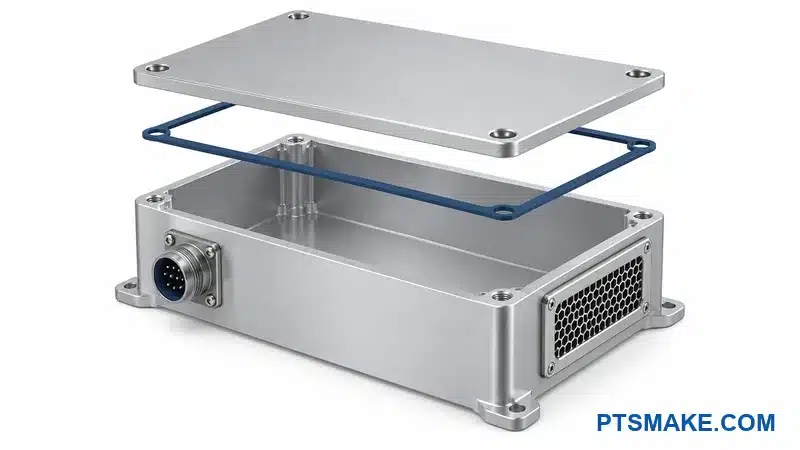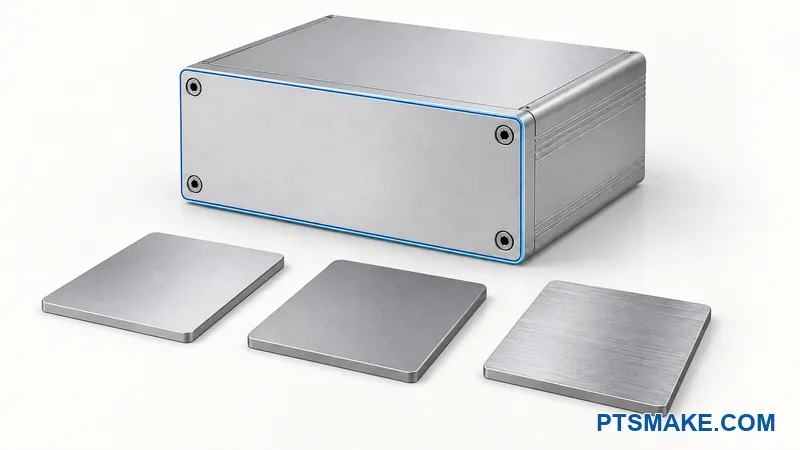

Encontrar el fabricante de mecanizado CNC adecuado para componentes ferroviarios parece imposible cuando la seguridad y la precisión no pueden verse comprometidas. La mayoría de los gerentes de adquisiciones luchan con proveedores que prometen tolerancias estrictas pero entregan piezas que fallan en inspecciones críticas, lo que genera costosos retrasos y riesgos de seguridad.
Las asociaciones exitosas de mecanizado CNC ferroviario requieren la evaluación de proveedores en función de las certificaciones ISO, la experiencia en materiales de aleaciones de grado ferroviario, las capacidades de tolerancia, la escalabilidad de la producción y los procesos de comunicación transparentes que garantizan una calidad constante desde el prototipo hasta la producción completa.
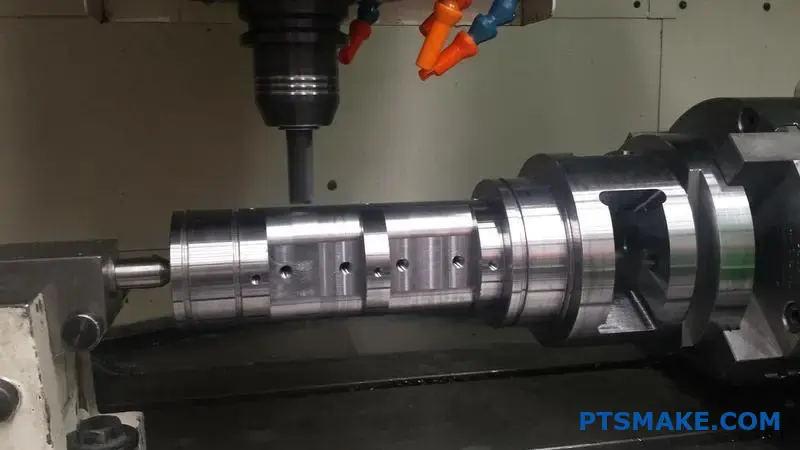
He trabajado con equipos de adquisiciones de la industria ferroviaria que transformaron su abastecimiento de componentes aplicando estrategias de evaluación probadas. Estos métodos le ayudan a identificar fabricantes que comprenden las demandas únicas de las aplicaciones ferroviarias y pueden ofrecer la precisión que sus proyectos requieren.
La lista de verificación definitiva para evaluar socios CNC en el transporte ferroviario
Elegir un socio CNC en la industria ferroviaria es un asunto serio. La seguridad y fiabilidad de sus operaciones dependen de cada componente.
No se trata solo de encontrar un proveedor. Se trata de asegurar un socio que comprenda la inmensa responsabilidad.
Pilares clave de evaluación
Cuando evalúo a un posible proveedor de mecanizado CNC para ferrocarriles, me centro en algunas áreas clave. Estos pilares garantizan el éxito a largo plazo y la seguridad de los componentes críticos del ferrocarril.
| Criterios | Importancia | Pregunta clave |
|---|---|---|
| Tolerancias | Crítica | ¿Pueden cumplir sus especificaciones exactas? |
| Materiales | Crítica | ¿Tienen experiencia de grado ferroviario? |
| Certificaciones | Alta | ¿Están certificados ISO? |
Estos puntos son innegociables para garantizar la integridad del componente.
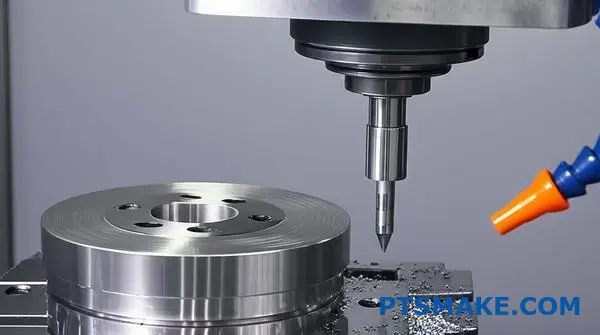
Al seleccionar un socio para el mecanizado CNC de precisión para trenes, las especificaciones técnicas son solo el punto de partida. Un socio verdaderamente fiable demuestra excelencia en varias áreas, a menudo pasadas por alto. Estos son los factores que separan a un proveedor promedio de un activo estratégico a largo plazo.
Profundizando: Lo que realmente importa
La compatibilidad de materiales es crucial. Un proveedor debe comprender las demandas únicas del entorno ferroviario, desde la vibración constante hasta el clima extremo. Necesitan experiencia probada con materiales como aleaciones de acero de alta resistencia y compuestos especializados. Esta experiencia previene fallos prematuros de las piezas.
Otro factor clave es la comunicación. Un socio transparente lo mantiene informado sobre el progreso y los posibles problemas. Esto evita sorpresas y mantiene sus cronogramas de mantenimiento en marcha. Encontrar un fabricante certificado de CNC para ferrocarriles que actúe como un verdadero socio es esencial. Su capacidad para gestionar los plazos de entrega impacta directamente en su preparación operativa. La comprensión de un socio sobre conceptos como Dimensionamiento geométrico y tolerancias1 garantiza que las piezas no solo se fabriquen según las especificaciones, sino que funcionen perfectamente dentro de ensamblajes complejos.
| Rasgo del Socio | Bandera Roja | Bandera Verde |
|---|---|---|
| Comunicación | Actualizaciones vagas | Informes proactivos y detallados |
| Plazos de entrega | Retrasos frecuentes | Entregas puntuales |
| Resolución de problemas | Culpa a otros | Ofrece soluciones |
Un fabricante de mecanizado CNC de primer nivel para ferrocarriles siempre mostrará más banderas verdes que rojas.
Elegir el socio CNC adecuado para el transporte ferroviario requiere una mirada profunda más allá de las hojas técnicas. Evaluar las certificaciones, la experiencia en materiales y la transparencia en la comunicación es fundamental para garantizar la seguridad, la fiabilidad y una asociación exitosa a largo plazo en esta exigente industria.
Secretos para lograr tolerancias estrictas en componentes ferroviarios
En la industria ferroviaria, la precisión no es opcional. Estamos hablando de tolerancias a nivel de micras. Para piezas críticas, incluso la más mínima desviación puede tener consecuencias significativas.
La criticidad de la precisión a nivel de micras
Componentes como las carcasas de frenos y las piezas de suspensión exigen esta precisión. Piezas de CNC para ferrocarriles con tolerancias ajustadas son esenciales para la seguridad y la integridad operativa. Garantizan que cada pieza funcione perfectamente en conjunto.
Por qué es importante
Un ajuste y funcionamiento adecuados previenen fallos catastróficos. Este nivel de precisión de mecanizado para la industria ferroviaria se traduce directamente en seguridad para los pasajeros y longevidad del equipo.
| Componente | Función | Impacto de Tolerancias Estrictas |
|---|---|---|
| Carcasas de Freno | Asegura un frenado fiable | Garantiza un rendimiento constante |
| Piezas de suspensión | Absorbe las imperfecciones de la vía | Reduce el desgaste de los componentes |
| Sistemas de Acoplamiento | Conecta los vagones de forma segura | Previene desacoplamientos peligrosos |
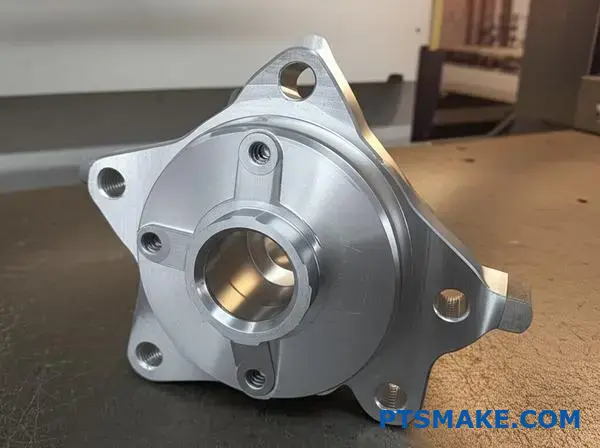
Al fabricar componentes ferroviarios, lograr y mantener la precisión es un proceso complejo. Separa a los proveedores experimentados del resto. Como fabricante especializado de mecanizado cnc para ferrocarriles, hemos perfeccionado nuestros métodos a lo largo de muchos años.
Cómo los fabricantes experimentados mantienen la precisión
Comienza con el equipo adecuado. Las máquinas CNC multieje nos permiten mecanizar geometrías complejas en una sola configuración. Esto minimiza el potencial de error que surge al mover una pieza entre máquinas.
Torneado de precisión CNC para componentes ferroviarios, por ejemplo, requiere máquinas con rigidez y precisión excepcionales. Pero la máquina es solo una parte de la ecuación. El entorno juega un papel crucial.
Nuestros pisos de mecanizado tienen control climático. Los cambios de temperatura pueden hacer que el metal se expanda o contraiga, destruyendo tolerancias ajustadas. Mantener un entorno constante es clave para lograr estabilidad térmica2, asegurando que el material y la máquina se comporten de manera predecible durante todo el proceso.
| Técnica | Propósito | Ventaja para componentes ferroviarios |
|---|---|---|
| Mecanizado en 5 ejes | Reduce el manejo de piezas | Minimiza los errores de apilamiento de tolerancias |
| Climatización | Estabiliza la temperatura | Previene la expansión/contracción del material |
| Sondas en proceso | Verifica las dimensiones a mitad de ciclo | Permite correcciones en tiempo real |
Lograr una precisión a nivel de micras para los componentes ferroviarios es innegociable para la seguridad. Se basa en un sistema de maquinaria avanzada, estrictos controles ambientales y verificación continua de calidad. Este compromiso define a un socio de fabricación verdaderamente confiable en la industria ferroviaria.
Por qué la experiencia en materiales de aleaciones de grado ferroviario es fundamental
Elegir el material adecuado es solo el comienzo. Cada aleación de grado ferroviario presenta desafíos de mecanizado únicos. Un fabricante experimentado de CNC sabe cómo manejar estas diferencias.
Esta experiencia previene errores costosos. También asegura que el componente final cumpla con estrictos estándares de seguridad y rendimiento para la industria ferroviaria.
Materiales Comunes de Mecanizado de Componentes Ferroviarios
Las diferentes piezas requieren diferentes aleaciones. La resistencia, el peso y la resistencia a la corrosión son factores clave. Trabajamos frecuentemente con los siguientes materiales.
| Material | Propiedad clave | Aplicación común |
|---|---|---|
| Acero endurecido | Alta Resistencia, Resistencia al Desgaste | Rieles, Ruedas, Ejes |
| Acero inoxidable | Resistencia a la corrosión, durabilidad | Sujetadores, Accesorios |
| Aluminio | Ligero, Buena Relación Resistencia-Peso | Paneles de Carrocería, Componentes Interiores |
| Titanio | Alta Resistencia, Baja Densidad | Piezas Ligeras de Alto Estrés |
El manejo de estos materiales requiere conocimientos y equipos específicos.
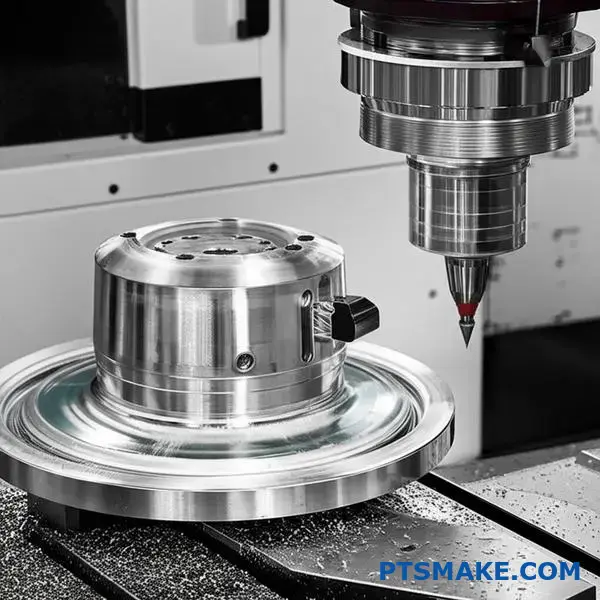
En PTSMAKE, entendemos que el mecanizado exitoso de componentes ferroviarios depende de un profundo conocimiento de los materiales. No se trata solo de cortar metal; se trata de comprender cómo se comporta cada aleación bajo presión.
El Desafío del Mecanizado CNC de Acero de Grado Ferroviario
Los aceros endurecidos y inoxidables son duros. Resisten el corte, lo que genera un calor inmenso y desgaste de la herramienta. Sin la técnica adecuada, corre el riesgo de defectos en la pieza y rotura de la herramienta. Nuestro enfoque implica la selección de herramientas de carburo específicas y el uso de sistemas de refrigeración de alta presión para gestionar el calor de manera efectiva. Esto es crucial para mantener tolerancias estrictas.
CNC de Precisión para Piezas de Tren de Aluminio
El aluminio es mucho más blando, pero eso crea sus propios problemas. Puede ser "gomoso", pegándose a la herramienta de corte y arruinando el acabado superficial. Utilizamos recubrimientos de herramientas especializados y velocidades de corte optimizadas. Esto previene la acumulación de material. El resultado es una pieza suave y precisa que cumple con las especificaciones para aplicaciones como interiores de cabina o carcasas electrónicas. Este proceso a menudo causa un daño significativo adhesión del chip3, que debe gestionarse cuidadosamente.
Consideraciones clave de mecanizado
- Selección de herramientas: Usar la geometría y el material de herramienta correctos.
- Velocidades y Avances: Ajustar los parámetros de la máquina para cada aleación.
- Estrategia de Refrigerante: Aplicar el tipo y la cantidad correctos de refrigerante.
La experiencia en el manejo de diversas aleaciones de grado ferroviario es innegociable. Dicta la calidad, la seguridad y la vida útil de los componentes críticos del ferrocarril. La comprensión de los desafíos específicos del material permite a un experto mecanizado cnc para ferrocarriles entregar piezas que funcionen de manera confiable en condiciones exigentes.
La guía completa para la fabricación de componentes ferroviarios personalizados
Transformar un diseño digital en un componente ferroviario físico es un proceso preciso. Todo comienza con sus archivos de diseño personalizados. Estos archivos son los planos para la fabricación.
Traducimos estas instrucciones digitales en piezas tangibles. Esto asegura que cada componente cumpla con las especificaciones exactas.
Prototipado de piezas ferroviarias CNC personalizadas
El prototipado es un primer paso crítico. Permite probar la forma, el ajuste y la función antes de la producción completa. Este paso ayuda a identificar posibles fallas de diseño de manera temprana.
Para componentes ferroviarios a medida, esta etapa es innegociable.
| Tipo de componente | Materiales comunes de prototipado | Propósito |
|---|---|---|
| Accesorios de Estación | Aluminio 6061 | Comprobar estética y ajuste |
| Soportes para material rodante | Acero inoxidable 304 | Pruebas de resistencia y durabilidad |
| Recintos de señalización | Plástico ABS (Impresión 3D) | Verificar la disposición de los componentes internos |
Este proceso iterativo ahorra tiempo y costes significativos a largo plazo. Asegura que la fabricación CNC final de la pieza del tren sea perfecta.
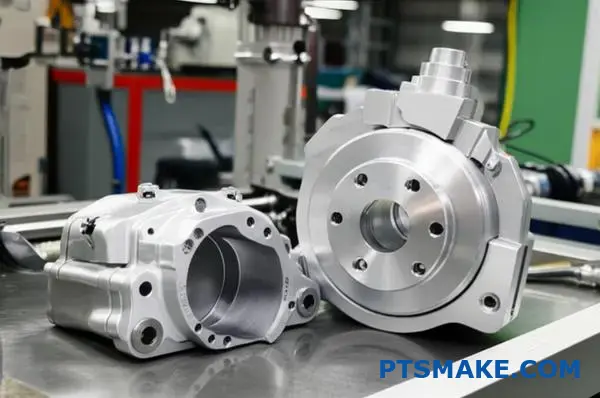
Del archivo de diseño a la pieza mecanizada
El viaje desde un archivo STEP o IGES hasta un producto terminado implica varias etapas clave. En PTSMAKE, hemos perfeccionado este proceso para obtener la máxima eficiencia y precisión. Es el núcleo de lo que hace un servicio fiable mecanizado cnc para ferrocarriles hace.
Primero, su archivo de diseño se importa a nuestro Fabricación Asistida por Ordenador4 software. Este software genera las trayectorias de herramienta específicas y el código de máquina que seguirán nuestras máquinas CNC. Es una traducción directa de su geometría a lenguaje de máquina.
Consideraciones sobre el tipo de archivo
Los diferentes tipos de archivo tienen ventajas distintas. Elegir el adecuado es importante para un flujo de trabajo de fabricación sin problemas. Basándonos en la colaboración con nuestros clientes, hemos descubierto que ciertos formatos funcionan mejor para aplicaciones específicas.
| File Type | Lo mejor para | Ventajas clave |
|---|---|---|
| PASO | Complex Assemblies | Retains 3D model data accurately |
| IGES | Surface Geometry | High compatibility across different CAD systems |
| DXF/DWG | 2D Profiles | Ideal for laser cutting or simple milling |
Our engineers meticulously review each design. We check for manufacturability, ensuring tolerances are achievable and features are well-defined. This proactive approach prevents costly errors during the train part CNC fabrication phase. We ensure all custom CNC rail parts are made to the highest standard.
This careful preparation is what separates standard suppliers from true manufacturing partners.
The journey from a digital file to a tangible, high-precision rail part is a systematic process. It starts with careful design file translation and moves through critical prototyping to ensure the final machined component meets all specifications for safety and performance.
Cómo eliminar retrasos en la producción de piezas ferroviarias
In the railway industry, speed is everything. Delays are not an option. We achieve fast turnaround CNC for rail components by implementing lean manufacturing principles directly into our CNC workflows.
This approach focuses on eliminating waste. It streamlines every step from raw material to finished part. The goal is maximum efficiency.
Shifting from Traditional to Lean
Rethinking the production flow is critical. A lean workflow removes unnecessary steps and waiting periods, directly cutting down production time.
| Traditional Workflow Step | Lean Workflow Step |
|---|---|
| Tratamiento por lotes | Single-Piece Flow |
| Long Setup Times | Quick Changeover (SMED) |
| Multiple Handoffs | Integrated Work Cells |
| Inspection at Final Stage | Control de calidad durante el proceso |
This shift ensures a smoother, faster process. It guarantees parts move continuously toward completion, avoiding costly bottlenecks and downtime.
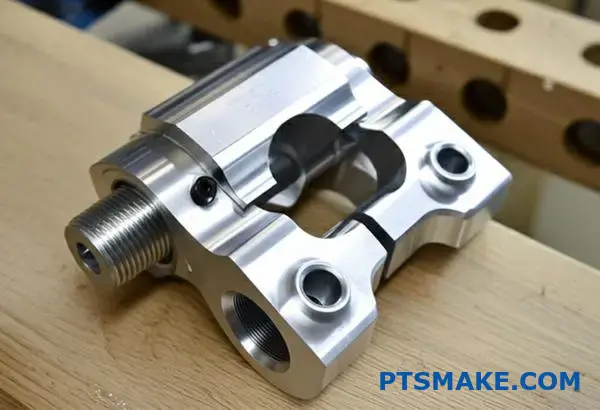
To truly achieve lead time reduction for train parts, we must look beyond basic process improvements. Two key areas make a significant difference: in-house tooling and strategic automation. They are crucial for meeting tight project timelines in large-scale rail infrastructure.
The Advantage of In-House Tooling
Relying on external suppliers for custom jigs and fixtures adds weeks to a project. By creating tooling in-house, we control the entire timeline. This eliminates dependencies and allows for rapid adjustments. We can move from design to production much faster.
Automation’s Role in Meeting Deadlines
La automatización es esencial para cumplir los plazos de CNC en la industria ferroviaria. Los sistemas automatizados cargan y descargan piezas, mientras que los brazos robóticos se encargan de las tareas repetitivas. Esto garantiza una calidad constante y un funcionamiento 24/7. Implementamos conceptos como Fabricación Celular5 para organizar estaciones de trabajo y equipos para un flujo de proceso suave y lógico. Un fabricante de mecanizado CNC para ferrocarriles competente utiliza estas técnicas para garantizar la fiabilidad.
| Proceso | Tiempo Manual | Tiempo Automatizado |
|---|---|---|
| Carga/Descarga de Piezas | 5 minutos | 30 segundos |
| Inspección en curso | 3 minutos | 15 segundos |
| Cambio de Herramienta | 15 minutos | 2 minutos |
Estos ahorros de tiempo se acumulan rápidamente. Dan como resultado un ciclo de producción general mucho más rápido, asegurando que sus componentes ferroviarios se entreguen a tiempo.
Los flujos de trabajo Lean CNC, combinados con herramientas internas y automatización, son fundamentales para eliminar retrasos. Estas estrategias garantizan una producción rápida y fiable, ayudando a los proyectos ferroviarios a gran escala a mantenerse en el buen camino al cumplir plazos críticos sin comprometer la calidad de los componentes esenciales.
Capacidades avanzadas de CNC que debe exigir para proyectos ferroviarios
La industria ferroviaria depende de piezas increíblemente precisas. La tecnología CNC moderna no es solo una opción; es una necesidad para la seguridad y el rendimiento. Su socio de fabricación debe seguir el ritmo.
El Poder del Mecanizado de 5 Ejes
For complex rail components, 5-axis CNC is vital. It machines parts from five sides in a single setup. This reduces errors and improves accuracy significantly.
Live Tooling Lathes for Efficiency
These machines combine turning and milling. This creates complex parts faster and with greater precision, which is key for demanding rail applications.
| Tecnología | Enfoque tradicional | Modern Approach |
|---|---|---|
| Complejidad | Multiple setups, higher error risk | Single setup, high precision |
| Eficacia | Ciclos más lentos | Faster, combined operations |
| Coherencia | En función del operador | Highly repeatable |
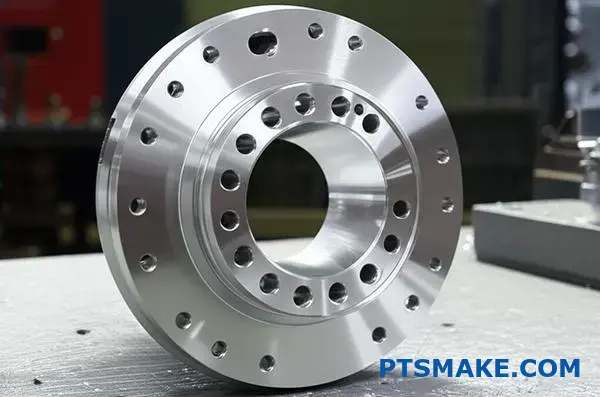
Why High-Tech CNC Matters in the Railway Industry
Advanced technology is non-negotiable for rail projects. Take 5-axis CNC for railroad applications; it allows us to create intricate geometries for parts like bogie components or complex housings in one go. This reduces fixture costs and lead times.
At PTSMAKE, we leverage this high-tech CNC for the railway industry. It’s how we achieve the tight tolerances required. This precision is not just about fit; it’s about the long-term safety and reliability of the entire rail system. The machine’s complex cinemática6 allow for fluid, multi-directional tool paths.
Automated Inspection and Quality Control
Equally important is how parts are inspected. Automated rail part machining relies on tools like Coordinate Measuring Machines (CMMs). These systems verify dimensions automatically, removing the chance for human error and ensuring every single part is identical. This is a standard practice for any serious railroads cnc machining manufacturer.
| Advanced Capability | Beneficio clave para el sector ferroviario | Ejemplo de aplicación |
|---|---|---|
| CNC de 5 ejes | Mecanizado de geometrías complejas | Componentes de suspensión, pinzas de freno |
| Tornos con herramientas motorizadas | Tiempos de ciclo reducidos, alta precisión | Ejes, fijaciones personalizadas, racores |
| Inspección automatizada | Calidad y consistencia garantizadas | Verificación de dimensiones críticas en todas las piezas |
Las tecnologías CNC avanzadas como el mecanizado de 5 ejes y la inspección automatizada son fundamentales. Garantizan que los componentes ferroviarios cumplan los más altos estándares de precisión y fiabilidad, lo que repercute directamente en la seguridad y la eficiencia operativa. Esto es lo que debe ofrecer un socio de fabricación moderno.
Los costos ocultos del mecanizado de baja calidad en los sistemas ferroviarios
El precio inicial de una pieza mecanizada es solo una fracción de su coste total. Un mecanizado deficiente genera gastos ocultos que se acumulan durante todo el ciclo de vida del componente.
Estos costes no son inmediatamente obvios. Aparecen más tarde como fallos, tiempos de inactividad y retiradas. Centrarse únicamente en el precio inicial es un error crítico en la industria ferroviaria.
Ciclo de vida frente a costes iniciales
Pensar en el valor a largo plazo es esencial para garantizar una alta calidad de mecanizado CNC para ferrocarriles. El coste real incluye el mantenimiento, la sustitución y los posibles fallos del sistema.
| Factor de coste | Proveedor de baja calidad | Proveedor de alta calidad |
|---|---|---|
| Precio inicial | Baja | Más alto |
| Mantenimiento | Frecuente y costoso | Mínimo y planificado |
| Riesgo de inactividad | Alta | Bajo |
| Coste del ciclo de vida | Muy alta | Predecible y menor |
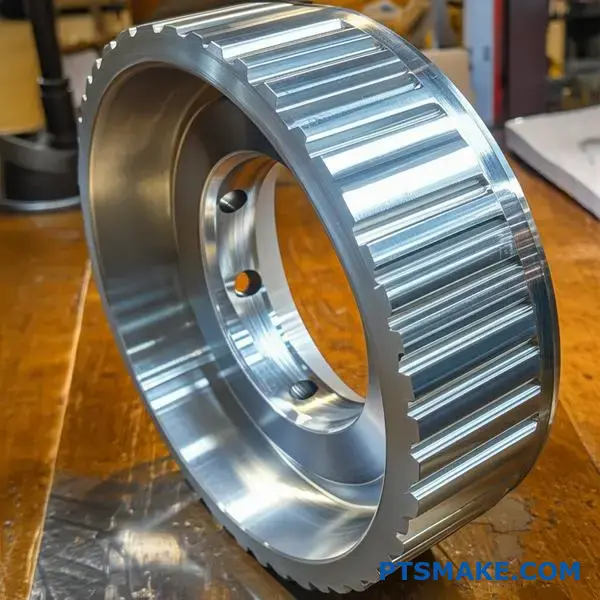
El efecto dominó de una sola pieza defectuosa
Un solo componente mal mecanizado puede desencadenar una reacción en cadena. Comienza con un desgaste prematuro, lo que lleva a fallos inesperados y costosos tiempos de inactividad operativa. Esto no es solo una inconveniencia; es una amenaza directa para la seguridad y los presupuestos. El enfoque siempre debe estar en mecanizado de prevención de fallos del sistema ferroviario.
Este enfoque exige un cambio de perspectiva. En lugar de simplemente comprar una pieza, está invirtiendo en fiabilidad. Se trata de calcular el Coste total de propiedad7, completo, no solo la factura inicial.
Los costos de propagación del fallo
Cuando una pieza falla, los costos se multiplican rápidamente. Tiene el costo de la pieza de repuesto, la mano de obra para la instalación y el enorme gasto del tiempo de inactividad del sistema. Para un sistema ferroviario, esto puede afectar a miles de pasajeros y alterar los horarios de carga.
Trabajar con un proveedor de CNC con baja tasa de defectos es la forma más eficaz de gestionar estos riesgos. Un proveedor de confianza mecanizado cnc para ferrocarriles entiende que su trabajo es prevenir que estos problemas ocurran.
| Etapa de Fallo | Costos Asociados |
|---|---|
| Defecto Inicial | Retrabajo, Descarte |
| Fallo de Componente | Reemplazo, Mano de Obra, Tiempo de Inactividad |
| Retirada del Sistema | Logística, Legal, Daño a la Marca |
Es por eso que en PTSMAKE, nuestro control de procesos está diseñado para minimizar las tasas de defectos desde el principio. Ayudamos a nuestros clientes a evitar estos gastos en cascada.
El precio inicial es engañoso. El costo real de un componente incluye el mantenimiento, el tiempo de inactividad y los riesgos de fallo durante todo su ciclo de vida. Elegir un proveedor de alta calidad minimiza estos gastos a largo plazo, garantizando una mayor seguridad y fiabilidad operativa para los sistemas ferroviarios.
Lo que los vicepresidentes y los ingenieros deben saber sobre el tolerancing CNC para la seguridad ferroviaria
En la industria ferroviaria, las normas no son solo directrices. Son la base de la seguridad y la fiabilidad.
Las tolerancias impactan directamente en cómo encajan y funcionan las piezas. Esto afecta a todo, desde los niveles de vibración hasta la vida útil de los componentes.
Para las piezas críticas para la seguridad, no hay margen de error. Seguir estrictos estándares de ingeniería CNC ferroviaria es esencial.
La adhesión a normas como IRIS garantiza que cada pieza que mecanizamos contribuya a un sistema ferroviario más seguro y fiable.
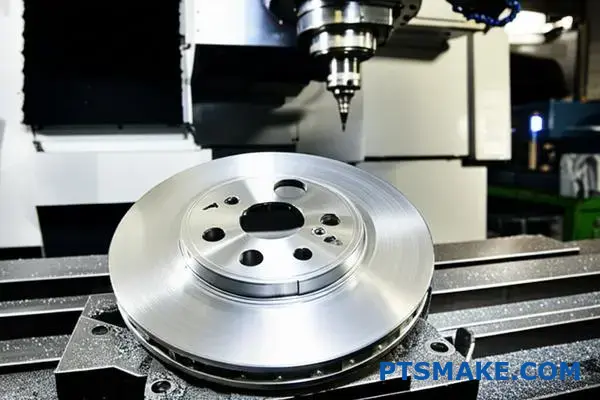
El Vínculo Directo Entre Normas y Rendimiento
La vibración es un enemigo constante en las aplicaciones ferroviarias. Causa desgaste, fatiga y eventual fallo. La toleranciación precisa es nuestra principal defensa. Cuando las piezas encajan perfectamente, el movimiento y la vibración no deseados se minimizan. Esto extiende la vida útil de los componentes críticos.
Por qué la Certificación IRIS es Importante
La industria ferroviaria se basa en marcos de calidad específicos. El ISO/TS 22163 (IRIS)8 es un estándar reconocido a nivel mundial. Se basa en la ISO 9001 pero añade requisitos estrictos específicos para el sector ferroviario. Como mecanizado cnc para ferrocarriles, vemos este estándar como un plano para la excelencia.
Para cualquier socio de suministro ferroviario CNC certificado por IRIS , esto significa procesos sólidos para la gestión de proyectos, la gestión de la configuración y el control de la producción. Se trata de crear un proceso repetible y verificable para cada componente crítico para la seguridad.
La tabla a continuación muestra cómo los estándares se conectan con los resultados del mundo real.
| Categoría de Estándar | Área de Impacto Clave | Consecuencia del Incumplimiento |
|---|---|---|
| IRIS (ISO/TS 22163) | Calidad General del Sistema | Riesgo en la cadena de suministro, inconsistencia de procesos |
| Toleranciación Geométrica | Vibración y desgaste | Fallo prematuro de piezas, ruido |
| Especificaciones de materiales (por ejemplo, EN) | Integridad estructural | Fallo catastrófico bajo carga |
Este enfoque estructurado es crucial para el mecanizado de trenes de seguridad crítica. Garantiza que cada pieza entregada cumpla con las exigencias extremas del entorno ferroviario.
La estricta adhesión a los estándares de ingeniería CNC ferroviaria es innegociable. Garantiza directamente la fiabilidad de los componentes, reduce las vibraciones perjudiciales y es fundamental para la seguridad de los pasajeros. Para un proveedor, el cumplimiento no se trata solo de certificación; es un principio operativo fundamental.
La guía del ejecutivo de adquisiciones para la capacidad CNC escalable
Evaluar la escalabilidad de un fabricante es crucial. Esto es especialmente cierto para los proyectos ferroviarios a largo plazo. Los aumentos repentinos pueden romper una cadena de suministro.
La verdadera escalabilidad no se trata solo de poseer más máquinas. Se trata de un sistema flexible y receptivo. Este sistema garantiza una calidad constante. Le apoya durante los picos de demanda repentinos. La capacidad de un socio para manejar pedidos masivos de CNC ferroviario depende de su infraestructura.
Busque estos indicadores clave.
| Factor de escalabilidad | Descripción |
|---|---|
| Diseño de producción | Líneas modulares y adaptables. |
| Sistemas Digitales | Monitorización de producción en tiempo real. |
| Cadena de suministro | Proveedores de materiales y procesos redundantes. |
Esta base proporciona una capacidad de rieles CNC verdaderamente escalable.
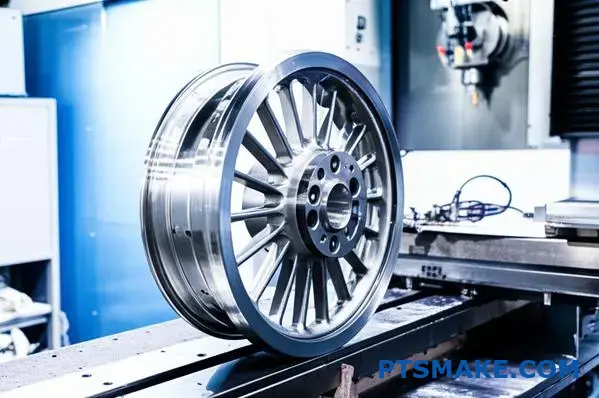
Una evaluación profunda va más allá de una visita a las instalaciones. Debe examinar la filosofía operativa de un potencial mecanizado cnc para ferrocarriles. ¿Cómo se preparan para lo inesperado?
Primero, analice sus líneas de producción. ¿Son modulares? ¿Se puede reconfigurar rápidamente una línea para una pieza diferente? Esta flexibilidad es vital para mecanizado de alto volumen para trenes. Demuestra que pueden adaptarse sin tiempos de inactividad importantes ni costos de reequipamiento.
A continuación, investigue su infraestructura digital. Un robusto Sistema de Ejecución de Fabricación9 (MES) es innegociable. Proporciona datos en tiempo real sobre la utilización de las máquinas, los tiempos de ciclo y el control de calidad. Estos datos son clave para identificar cuellos de botella y asignar recursos de manera eficiente cuando llega un pedido grande. Sin él, la escalabilidad es solo una conjetura.
Finalmente, pregunte sobre sus proveedores de respaldo. Un socio verdaderamente escalable tiene proveedores precalificados para materias primas y procesos secundarios como tratamientos térmicos o galvanoplastia. Esto mitiga los riesgos de fallos de punto único en la cadena de suministro.
Así es como se detecta la diferencia durante una auditoría.
| Socio Escalable | Socio Rígido |
|---|---|
| Celdas modulares y reconfigurables | Líneas de producción fijas y dedicadas |
| MES integrado para datos en tiempo real | Seguimiento e informes manuales |
| Red de proveedores documentada | Depende de una única fuente de materia prima |
| Planificación proactiva de la capacidad | Respuesta reactiva a nuevos pedidos |
Elegir un socio con estos sistemas implementados garantiza que pueda crecer con usted.
La verdadera escalabilidad es una combinación de líneas de producción flexibles, sistemas digitales robustos y una cadena de suministro resiliente. Evaluar estos factores le ayuda a encontrar un socio que pueda manejar tanto el crecimiento a largo plazo como los picos de demanda repentinos de manera efectiva.
Cómo los ingenieros de primer nivel especifican componentes CNC para material rodante
La comunicación clara es la base de una fabricación exitosa. Para los componentes de material rodante, esto comienza con una Solicitud de Cotización (RFQ) detallada.
Una RFQ bien escrita previene errores. Ahorra tiempo y reduce costos. Asegura que las piezas finales cumplan con los estándares exactos de seguridad y rendimiento.
El Poder de una RFQ Precisa
Sus especificaciones guían cada paso. Desde la selección de materiales hasta la inspección final, la claridad es clave. Esto es vital para complejos Especificaciones CNC para trenes.
| Área de Especificación | Detalle Clave |
|---|---|
| Material | Grado, Temple, Certificaciones |
| Tolerancias | Geométrico y Dimensional |
| Acabado superficial | Valor Ra, Tipo de Tratamiento |
| Cantidad | Producción y Prototipo |
Especificaciones Críticas a Incluir
Incluya siempre dibujos 2D detallados junto con modelos 3D. Especifique los requisitos de inspección y cualquier necesidad especial de embalaje. Esto ayuda a su socio de fabricación a entregar perfectamente.
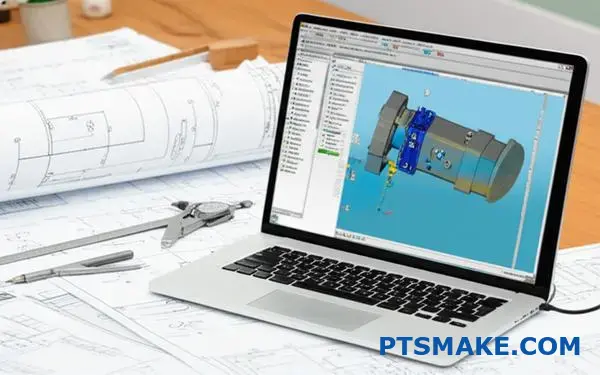
Las especificaciones vagas son un riesgo importante en diseño de ingeniería de piezas ferroviarias. Conducen a suposiciones, retrabajos y retrasos. Como mecanizado cnc para ferrocarriles, enfatizamos la importancia de la precisión desde el primer documento.
Dominando las Tolerancias Geométricas
El Dimensionamiento y Tolerancia Geométrica (GD&T) es crucial. Define la variación permitida en la forma, orientación y ubicación de las características. Esto asegura que las piezas funcionen correctamente dentro de un ensamblaje. Usar un adecuado Marco de referencia Datum10 es el punto de partida para todos los controles geométricos.
Borrar GD&T en sus dibujos elimina la ambigüedad. Permite la calibración funcional y procesos de inspección optimizados. Esta precisión es innegociable para el mecanizado de componentes de material rodante.
Acabados y Compatibilidad de Ensamblaje
El acabado superficial afecta más que solo la apariencia. Impacta la resistencia al desgaste, la protección contra la corrosión y cómo encajan las piezas. Especifique no solo el tipo de acabado, sino también su espesor y los estándares requeridos.
| Tipo de acabado | Función principal | Norma común |
|---|---|---|
| Anodizado | Resistencia a la corrosión | MIL-A-8625 |
| Pasivación | Eliminar contaminantes | ASTM A967 |
| Recubrimiento en polvo | Color/Protección duradera | AAMA 2604 |
Siempre considere cómo interactúan las tolerancias y los acabados. Un recubrimiento grueso puede sacar una dimensión crítica de la tolerancia. Una buena ingeniería tiene en cuenta esta interacción desde el principio.
Las especificaciones detalladas no son solo para el cumplimiento. Son una hoja de ruta para la calidad, asegurando que cada componente CNC funcione de manera segura y confiable durante años. Esta precisión es la piedra angular de las asociaciones efectivas de ingeniería y fabricación de material rodante.
La visión definitiva sobre la creación de prototipos CNC de nuevos sistemas ferroviarios
Del concepto a la vía: Acelerando la innovación ferroviaria
La innovación en sistemas ferroviarios depende de la velocidad y la precisión. La creación de prototipos CNC proporciona ambas. Permite a los ingenieros crear y probar piezas físicas rápidamente.
Esto es crucial para componentes complejos. Los nuevos sistemas de bogies o los acopladores de próxima generación exigen una validación física rigurosa antes de la producción a gran escala.
Con prototipado CNC ferroviario, puedes pasar de un archivo CAD a una pieza funcional en semanas, no en meses. Esto acelera todo el ciclo de desarrollo.
La ventaja del plazo de prototipado
La iteración más rápida es un beneficio clave. Encontrar un defecto de diseño temprano ahorra tiempo y dinero significativos más adelante.
Aquí hay un vistazo a cómo el CNC acelera las cosas en comparación con los métodos antiguos.
| Etapa de creación de prototipos | Fundición tradicional | Prototipado CNC |
|---|---|---|
| Modelo inicial | 6-8 Semanas | 1-2 semanas |
| Iteración del diseño | 4-6 Semanas | 5-10 días |
| Prototipo final | 8-10 Semanas | 2-3 semanas |
Esta velocidad permite pruebas y refinamiento más robustos.
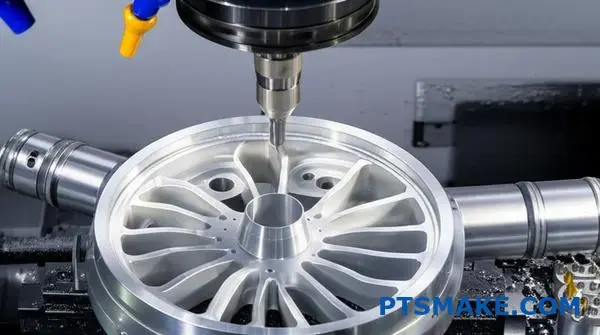
Validación del rendimiento: plazos y tolerancias
Exitoso mecanizado de prototipos de sistemas de tren va más allá de la simple velocidad. Se trata de producir piezas que cumplan con las especificaciones exactas para las pruebas de rendimiento y seguridad. El objetivo es demostrar la viabilidad del diseño.
En PTSMAKE, entendemos que cada componente tiene un cronograma único. Esto está impulsado por el material, la complejidad y el nivel de acabado requerido. Un sistema confiable mecanizado cnc para ferrocarriles debe gestionar estas variables de manera efectiva.
Cronogramas de Prototipado para Componentes Clave
A menudo colaboramos con los clientes para establecer cronogramas realistas. Un prototipo complejo requiere una planificación cuidadosa y tiempo de mecanizado para hacerlo bien.
A continuación, se muestran algunos cronogramas típicos que hemos observado para diferentes Piezas de muestra CNC para ferrocarril proyectos.
| Componente de Riel | Ejemplo de material | Cronograma Típico de Prototipo CNC |
|---|---|---|
| Bastidor Lateral de Bogie | Acero de Alta Resistencia | 3-5 Semanas |
| Nudillo de Acoplador | Aleación de Acero Forjado | 8-12 Días |
| Cuerpo de la Pinza de Freno | Aluminio 7075-T6 | 6-9 Días |
| Caja del cojinete del eje | Hierro dúctil | 2-3 semanas |
Garantizando la precisión: Métodos de prueba de tolerancias
Las tolerancias en las aplicaciones ferroviarias son extremadamente estrictas. No hay margen de error. Utilizamos máquinas de medición por coordenadas (CMM) para verificar cada dimensión crítica contra el modelo 3D.
Este proceso proporciona una prueba documentada de que la pieza es perfecta. Una profunda comprensión de Dimensionado geométrico y tolerancias (GD&T)11 es esencial aquí. Es el lenguaje de la precisión. Los informes de inspección completos brindan a los equipos de ingeniería la confianza para continuar con sus programas de prueba.
La prototipación rápida CNC es vital para validar nuevos componentes ferroviarios. Proporciona la velocidad para innovar y la precisión para garantizar la seguridad y el rendimiento, reduciendo el riesgo de todo el ciclo de desarrollo para sistemas críticos como bogies y acopladores.
Por qué la transparencia en la comunicación es importante en los contratos CNC ferroviarios a largo plazo
En las adquisiciones ferroviarias a gran escala, el tiempo es crítico. Una respuesta lenta de su proveedor no es solo una inconveniencia. Es un riesgo operativo importante.
Las respuestas retrasadas a preguntas técnicas pueden detener la producción. Esto crea un efecto dominó, retrasando los cronogramas de ensamblaje y prueba.
La comunicación efectiva del fabricante CNC ferroviario es innegociable. Protege el cronograma y el presupuesto de su proyecto de contratiempos prevenibles. Cada contrato grande depende de este flujo de información.
El costo real del silencio
La mala capacidad de respuesta del proveedor puede poner en peligro por completo un proyecto. Imagine esperar días para una simple aclaración sobre una especificación de tolerancia. Este retraso impide que todo su equipo de ingeniería avance. Es un cuello de botella que puede costar miles en tiempo perdido.
Qué esperar: Colaboración de ingeniería
La verdadera asociación requiere una comunicación proactiva. Su proveedor debe ser una extensión de su equipo. Esto significa tener un punto de contacto dedicado que comprenda las necesidades técnicas de su proyecto.
En PTSMAKE, nos aseguramos de que nuestros clientes tengan acceso directo a los ingenieros. Esto cierra la brecha entre una pregunta y una respuesta clara y procesable.
Así es como se ve la colaboración efectiva:
| Aspecto | Mala comunicación | Comunicación ideal |
|---|---|---|
| Tiempo de respuesta | Días o semanas | En 24 horas |
| Consultas técnicas | Respuestas vagas o incompletas | Respuestas detalladas y expertas |
| Cambios de diseño | Resistencia o adopción lenta | Retroalimentación proactiva de DFM |
| Punto de contacto | Correo electrónico general de ventas | Ingeniero de proyectos dedicado |
Qué esperar: Informes y transparencia
La transparencia del proveedor en el mecanizado se basa en informes claros. No debería tener que perseguir a su proveedor para obtener actualizaciones. Un socio confiable proporciona informes regulares y estructurados.
Esto incluye actualizaciones de progreso, certificaciones de materiales y datos de control de calidad. La gestión eficaz de proyectos de componentes ferroviarios CNC se basa en este flujo constante de información. Le permite anticipar problemas, no solo reaccionar ante ellos. Creemos que establecer un [Método de la Ruta Crítica]() claro12 desde el principio ayuda a todas las partes a mantenerse alineadas en los entregables y dependencias clave. Como fabricante líder de mecanizado CNC de componentes ferroviarios, sabemos que la transparencia genera confianza.
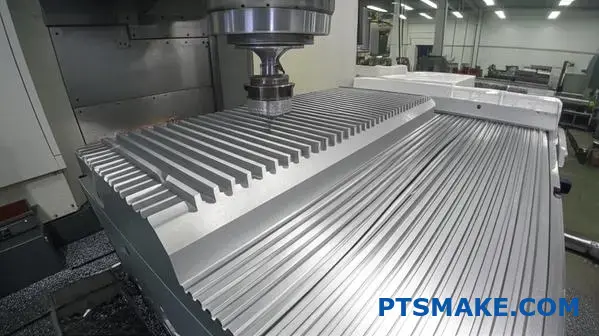
La escasa capacidad de respuesta de los proveedores introduce riesgos inaceptables en los proyectos ferroviarios a gran escala. Los compradores deben exigir estándares claros de colaboración e informes de ingeniería a sus fabricantes de mecanizado CNC para ferrocarriles para garantizar que los plazos y presupuestos del proyecto estén protegidos contra retrasos costosos y prevenibles.
Elección entre CNC nacional y offshore para piezas de tren
La decisión entre proveedores nacionales y extranjeros es crítica. Da forma a su cadena de suministro de componentes ferroviarios. Esto no se trata solo del precio inicial.
Factores decisivos
Debe sopesar varios factores en competencia. Estos incluyen el costo, la velocidad de entrega y la garantía de calidad. Cada elección tiene su propio conjunto de compensaciones.
Una rápida comparación pone de manifiesto las principales diferencias.
| Factor | Nacional (EE. UU.) | Extranjero (por ejemplo, China) |
|---|---|---|
| Coste | Generalmente superior | A menudo inferior |
| Plazos de entrega | Más corto | Más largo |
| Comunicación | Más fácil (Zona horaria) | Requiere gestión |
Esta elección impacta el éxito de su proyecto. El debate sobre el ‘mecanizado de trenes nacional vs. extranjero’ es un equilibrio de riesgos y recompensas.
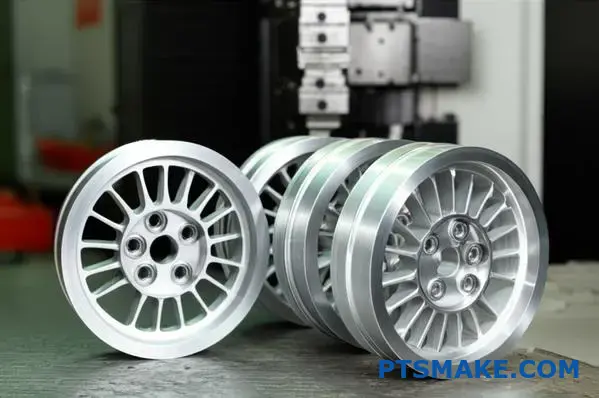
Al observar a los proveedores globales, el costo es un gran atractivo. Un ‘fabricante de rieles CNC extranjero’ a menudo puede ofrecer ahorros significativos en la producción. Esto es especialmente cierto para pedidos de gran volumen de piezas de tren.
Más allá del precio de etiqueta
Sin embargo, la cotización inicial no es el costo final. Debe considerar el costo total de llegada13. Esto incluye envío, aranceles y seguro. Estos factores se suman a su presupuesto y a menudo se pasan por alto en las comparaciones iniciales.
Navegando la logística y la calidad
La logística con un socio en el extranjero, como un proveedor de ‘piezas de tren CNC China’, es más compleja. El envío lleva semanas, no días. Este tiempo de entrega extendido requiere una planificación cuidadosa del inventario. Los retrasos en la aduana pueden interrumpir su cronograma.
Control de calidad a distancia
El control de calidad es otra consideración importante. No se puede simplemente ir a la fábrica. En PTSMAKE, abordamos esto con informes de inspección detallados. Utilizamos videollamadas y proporcionamos certificaciones de materiales. La comunicación clara es esencial.
Aquí hay un desglose de los desafíos potenciales:
| Desafío | Estrategia de mitigación |
|---|---|
| Tiempos de envío largos | Planifique el inventario con mucha antelación. Utilice transporte aéreo para piezas urgentes. |
| Verificación de la calidad | Requerir informes de inspección detallados y certificados de materiales. |
| Lagunas de comunicación | Trabaje con proveedores con gerentes de proyecto dedicados que hablen inglés. |
| Aranceles inesperados | Consulte a un agente de aduanas para comprender los aranceles de antemano. |
Un fabricante confiable de mecanizado CNC de rieles en el extranjero invierte en estos sistemas. Esto genera confianza y garantiza la coherencia del proyecto.
Elegir un proveedor implica equilibrar el ahorro de costos de los socios en el extranjero con la logística y la comunicación más sencillas de los fabricantes nacionales. La elección correcta depende del presupuesto, el cronograma de su proyecto y su capacidad para gestionar una cadena de suministro global.
Reducción del tiempo de inactividad del ferrocarril con proveedores fiables de piezas de repuesto CNC
El tiempo de inactividad de los rieles es extremadamente costoso. Cada minuto que un tren está inactivo, se pierden ingresos. Un proveedor confiable de CNC hace más que solo mecanizar piezas. Se convierten en un socio en la prevención del tiempo de inactividad.
Esta asociación implica estrategias inteligentes. Nos enfocamos en el stock predictivo y en la optimización de pedidos repetidos. La fabricación basada en datos también es clave. Estos métodos garantizan que las piezas estén listas antes de que ocurra una falla. Este enfoque proactivo mantiene los trenes en movimiento.
Estrategias clave del proveedor
| Estrategia | Beneficio principal |
|---|---|
| Stock predictivo | Las piezas están disponibles bajo demanda. |
| Pedidos repetidos fáciles | Ciclos de adquisición más rápidos. |
| Fabricación basada en datos | Fiabilidad mejorada de las piezas. |
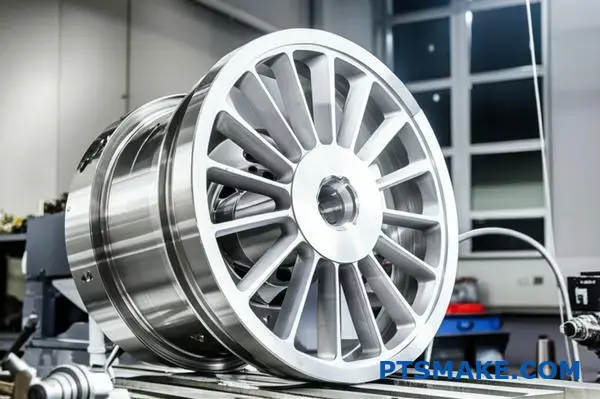
Una relación estratégica con el proveedor es más que una simple transacción. Es una colaboración para garantizar la continuidad de sus operaciones. Como fabricante especializado en mecanizado CNC para ferrocarriles, ayudamos a construir este modelo de mantenimiento proactivo con nuestros socios.
Abastecimiento predictivo en acción
Analizamos sus datos históricos de uso de componentes. Esto nos permite pronosticar sus necesidades futuras de piezas de repuesto críticas para la fabricación de rieles CNC. Luego, podemos mecanizar y almacenar estas piezas con anticipación, reduciendo los tiempos de entrega de semanas a solo días.
El poder de los pedidos repetidos
Una vez que tenemos los archivos digitales y las herramientas para un componente, los pedidos repetidos se vuelven increíblemente eficientes. Una simple orden de compra puede activar la producción casi al instante. Esto es vital para el mecanizado de mitigación de tiempos de inactividad ferroviarios, eliminando retrasos de la re-cotización y la configuración inicial.
Fabricación basada en datos
Trabajamos con los clientes para analizar los datos de rendimiento de las piezas. Esta retroalimentación nos ayuda a refinar diseños o sugerir mejores materiales. Este proceso utiliza Análisis de mantenimiento predictivo14 para crear componentes más duraderos y fiables. Mejores piezas conducen a menos fallos y menos tiempos de inactividad.
| Acérquese a | Proveedor tradicional | Socio estratégico |
|---|---|---|
| Pedido | Reactivo, por fallo | Proactivo, basado en datos |
| Inventario | El cliente posee todo el stock | Riesgo compartido, stock predictivo |
| Plazos de entrega | Largo y variable | Corto y predecible |
| Enfoque | Precio por pieza | Costo total de propiedad |
Un socio estratégico de CNC mitiga activamente el costoso tiempo de inactividad del ferrocarril. A través de stock predictivo, pedidos repetidos eficientes y fabricación basada en datos, garantizan que las piezas de mantenimiento críticas siempre estén disponibles. Esto mejora la confiabilidad operativa y reduce los costos totales de mantenimiento.
Mecanizado de precisión CNC frente a fundición para piezas de ferrocarril
Elegir entre mecanizado CNC y fundición es crucial. Impacta la seguridad y el rendimiento de los componentes ferroviarios. La elección correcta depende de la pieza específica.
Esta comparación directa guiará su decisión. Analizaremos componentes comunes de trenes. Esto ayuda a encontrar el método de fabricación de piezas ferroviarias más rentable.
Enfrentamiento específico de componentes
Comparemos estos métodos para piezas específicas. Las carcasas, acopladores y elementos de suspensión tienen diferentes necesidades.
Carcasas y Cajas Protectoras
Para características internas complejas, el mecanizado CNC es superior. Proporciona las tolerancias ajustadas necesarias para equipos sensibles. La fundición es mejor para carcasas de carcasa simples y de alto volumen.
Acopladores y Barras de Tiro
Estas piezas exigen una fuerza inmensa. La fundición puede ser un buen punto de partida para la forma básica. Sin embargo, las superficies de acoplamiento críticas requieren un mecanizado CNC de precisión.
| Característica | Mecanizado CNC | Casting |
|---|---|---|
| Precisión | Muy alta | Bajo a medio |
| Acabado superficial | Excelente | De bruto a aceptable |
| Lo mejor para | Prototipos, bajo volumen | Alto volumen, formas simples |
| Residuos materiales | Alta (sustractiva) | Bajo (Aditivo) |
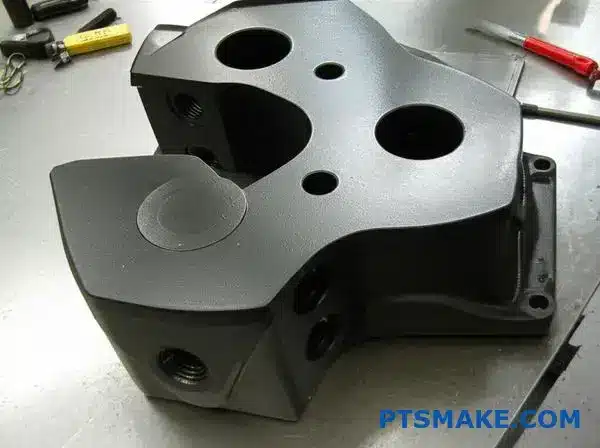
Elegir el proceso de fabricación adecuado implica equilibrar costo, tiempo y rendimiento. Como fabricante especializado en mecanizado CNC para ferrocarriles, a menudo guiamos a los clientes a través de esta decisión. La elección no siempre es obvia.
Profundizando: Factores clave de decisión
Veamos los detalles técnicos. Estos factores influyen directamente en la fiabilidad y el costo de la pieza final.
Propiedades mecánicas
El mecanizado CNC funciona a partir de un bloque sólido de material. Esto preserva la resistencia inherente y la estructura de grano del material. Evita defectos internos como la porosidad, que pueden ocurrir en la fundición. Después de analizar con nuestros clientes, encontramos que las piezas CNC muestran consistentemente una resistencia a la fatiga superior.
La fundición crea una forma casi neta, pero puede introducir vacíos internos. El proceso de enfriamiento también puede crear propiedades de material desiguales. Esto hace que el comportamiento del componente sea menos predecible bajo cargas pesadas. El proceso puede crear propiedades menos deseables en la pieza final. anisótropo15 propiedades en la pieza final.
Costo y tiempo de entrega
La fundición implica altos costos iniciales de herramientas. Esto la hace rentable solo para tiradas de producción muy grandes. El tiempo de entrega para crear moldes también es significativo.
El mecanizado CNC tiene un costo de configuración mínimo. Esto lo hace ideal para prototipos y lotes pequeños a medianos. En PTSMAKE, a menudo podemos entregar piezas mecanizadas por CNC más rápido de lo que una fundición puede producir el primer artículo.
| Factor | Mecanizado CNC | Casting |
|---|---|---|
| Plazos de entrega | Corto (Días/Semanas) | Largo (Semanas/Meses) |
| Coste inicial | Bajo | Muy alta |
| Costo por pieza (Bajo volumen) | Baja | Más alto |
| Costo por pieza (Alto volumen) | Más alto | Baja |
| Flexibilidad de diseño | Alta | Bajo (Post-herramientas) |
El mecanizado CNC ofrece propiedades mecánicas superiores y flexibilidad para prototipos y volúmenes bajos a medios. La fundición es la opción preferida para la producción de alto volumen de piezas más sencillas, donde los costes iniciales de las herramientas se pueden justificar con el tiempo. Cada método tiene su lugar en la fabricación rentable de piezas ferroviarias.
Cómo los OEM de ferrocarril están utilizando CNC para innovar en la reducción de peso
El mecanizado CNC está transformando el transporte ferroviario. Permite la creación de piezas que son a la vez más ligeras y más resistentes. Esta es una combinación crítica para mejorar la eficiencia y el rendimiento.
Diseños Optimizados para la Resistencia
La tecnología CNC hace posibles diseños complejos. Podemos eliminar material solo donde no es necesario. Esto mantiene la integridad estructural al tiempo que reduce significativamente el peso. Es un principio fundamental de la ingeniería moderna.
Integración avanzada de materiales
El proceso también maneja materiales exóticos con facilidad. Materiales que antes eran difíciles de trabajar son ahora opciones viables para componentes ferroviarios. Esto abre puertas a una innovación significativa.
| Componente | Peso Tradicional (kg) | Peso Optimizado con CNC (kg) | Reducción de peso |
|---|---|---|---|
| Conjunto de Soporte | 12.5 | 7.0 | 44% |
| Bisagra de Puerta | 3.2 | 1.8 | 43% |
| Marco de Asiento | 25.0 | 16.5 | 34% |
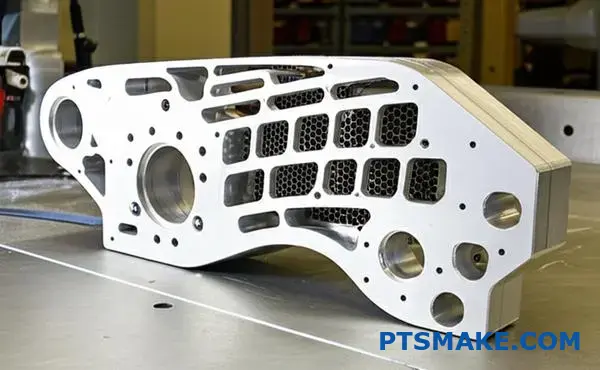
La innovación CNC en el transporte ferroviario va más allá de la simple replicación de piezas. Se trata de repensar fundamentalmente cómo se diseñan y fabrican los componentes. La precisión del mecanizado CNC permite a los ingenieros implementar diseños que antes solo eran teóricos.
Logro de Geometrías Complejas
Podemos crear estructuras internas de celosía o utilizar algoritmos de diseño generativo. Estos métodos colocan el material exactamente donde ocurre el estrés, creando piezas con una relación resistencia-peso óptima. Este nivel de libertad de diseño es imposible con los métodos tradicionales de fundición o forja. Permite crear piezas de tren verdaderamente ligeras que el CNC puede producir de manera fiable.
El Auge del Reemplazo de Metales
Los materiales avanzados son clave para esta revolución. Como un especializado mecanizado cnc para ferrocarriles, trabajamos frecuentemente con materiales que ofrecen propiedades superiores al acero.
Titanio y Aleaciones de Alta Resistencia
Las aleaciones de titanio ofrecen una resistencia comparable al acero con casi la mitad del peso. Nuestros resultados de pruebas demuestran que proporcionan una resistencia excepcional a la corrosión, extendiendo la vida útil de los componentes en condiciones adversas.
Polímeros y Compuestos Avanzados
El nailon relleno de vidrio (GF) es una excelente opción para piezas de repuesto de metal sistemas de rieles. Es resistente, ligero y rentable. Es ideal para componentes no estructurales como carcasas o accesorios interiores, reduciendo el peso total del tren. Optimización de la topología16 el software nos ayuda a diseñar estas piezas de polímero para obtener la máxima resistencia.
| Material | Relación resistencia/peso | Resistencia a la corrosión | Coste relativo |
|---|---|---|---|
| Acero | Base | Moderado | Bajo |
| Aluminio 7075 | Alta | Alta | Medio |
| Titanio (Ti-6Al-4V) | Muy alta | Excelente | Alta |
| Nailon GF | Moderado | Excelente | Bajo |
En resumen, el mecanizado CNC ofrece una doble ventaja. Permite diseños sofisticados y optimizados en peso, y hace práctico el uso de materiales avanzados y ligeros. Esta combinación conduce a componentes de rieles más resistentes y eficientes.
Transforme su negocio ferroviario con PTSMAKE: ¡Obtenga su presupuesto de CNC de precisión hoy mismo!
¿Listo para asegurar ferrocarriles fiables y certificados mecanizado CNC fabricación? ¡Contacte a PTSMAKE para una cotización rápida y sin compromiso! Asóciese con un equipo de confianza a nivel mundial y certificado ISO dedicado a cumplir sus tolerancias, materiales y plazos más difíciles en el transporte ferroviario: ¡superemos sus expectativas desde el prototipo hasta la producción!

Haga clic para aprender cómo este sistema garantiza que sus piezas encajen y funcionen correctamente en ensamblajes críticos. ↩
Aprenda cómo las fluctuaciones de temperatura afectan la precisión del mecanizado y cómo mitigar estos efectos. ↩
Descubra cómo la gestión de este efecto es crucial para lograr un acabado superficial superior. ↩
Explore cómo este software traduce su diseño digital en instrucciones precisas para máquinas CNC. ↩
Descubra cómo este diseño optimizado aumenta la eficiencia y reduce el tiempo de producción. ↩
Descubra cómo los principios de movimiento de la máquina impactan directamente en la precisión y complejidad de las piezas ferroviarias terminadas. ↩
Obtenga más información sobre cómo calcular el impacto financiero total de una compra durante su vida útil. ↩
Conozca qué significa este estándar crítico de gestión de calidad ferroviaria para el éxito de su proyecto. ↩
Descubra cómo MES transforma los pisos de producción para el control y la eficiencia en tiempo real. ↩
Descubra cómo este sistema crea un lenguaje común para el diseño, la fabricación y la inspección para garantizar la precisión. ↩
Explore cómo GD&T garantiza que su pieza encaje y funcione perfectamente dentro de complejos ensamblajes ferroviarios. ↩
Descubra cómo esta herramienta de gestión de proyectos ayuda a identificar tareas cruciales para prevenir retrasos en la entrega de sus componentes ferroviarios. ↩
Comprenda todas las tarifas ocultas para calcular con precisión el costo total de su proyecto y evitar sorpresas en el presupuesto. ↩
Explore cómo el análisis de datos puede predecir fallas en las piezas y optimizar los cronogramas de mantenimiento. ↩
Descubra cómo la estructura del grano del material afecta la resistencia y el rendimiento de la pieza en diferentes direcciones. ↩
Obtenga más información sobre este proceso de diseño computacional. ↩