
Mange ingeniørledere kæmper med at træffe beslutninger om støbe-CNC-bearbejdning, der kan skabe eller bryde deres projektplaner og budgetter. Dårlige leverandørvalg fører til kvalitetsproblemer, forpassede deadlines og omkostningsoverskridelser, der påvirker hele din produktionsplan.
Støbe-CNC-bearbejdning kombinerer traditionelle støbeprocesser med præcisions-CNC-bearbejdning for at skabe højkvalitetsdele med overlegen dimensionel nøjagtighed, forbedrede overfladefinisher og reducerede leveringstider sammenlignet med selvstændige fremstillingsmetoder.
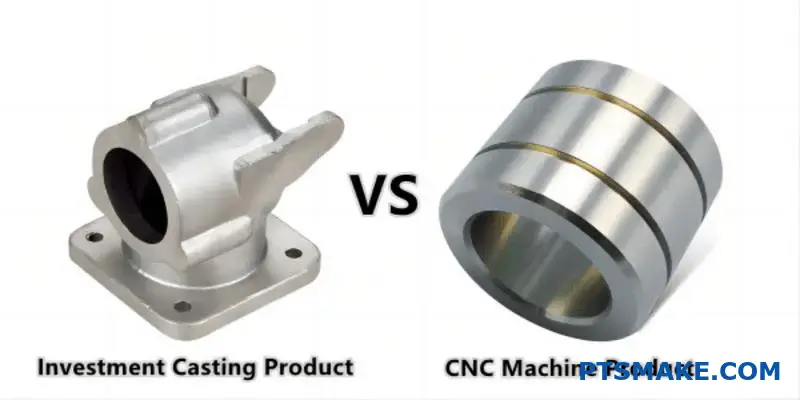
Jeg har arbejdet med hundredvis af projekter hos PTSMAKE, hvor den rigtige støbe-CNC-tilgang forvandlede udfordrende produktionskrav til strømlinet produktionssucces. Denne guide fører dig igennem hvert kritisk beslutningspunkt, fra leverandørevaluering til kvalitetssikringsprotokoller, så du trygt kan styre dit næste støbe-CNC-projekt.
Den ultimative guide til at forbedre delkvalitet med støbe-CNC-bearbejdning
Opnåelse af højkvalitetsdele indebærer ofte en afvejning. Du kan få en kompleks form fra støbning, men præcisionen kan mangle. Det er her, integreret fremstilling skinner.
Støbe-CNC-bearbejdning bygger bro over dette gab. Den kombinerer fordelene ved begge processer. Denne metode er afgørende for at forbedre den samlede delkvalitet. Den sikrer, at hver komponent konsekvent opfylder nøjagtige specifikationer.
Integrationens kraft
Kombinationen af disse to metoder tilbyder en kraftfuld løsning. Du får hurtigt komplekse geometrier fra støbning. Derefter leverer CNC-bearbejdning den endelige præcision.
| Funktion | Standalone støbning | Støbning + CNC-bearbejdning |
|---|---|---|
| Tolerance | Moderat | Meget stram |
| Konsistens | God | Fremragende |
| Overfladefinish | Hårdhændet | Glat |
Denne synergi forbedrer markant kvaliteten af støbe-CNC-bearbejdning.
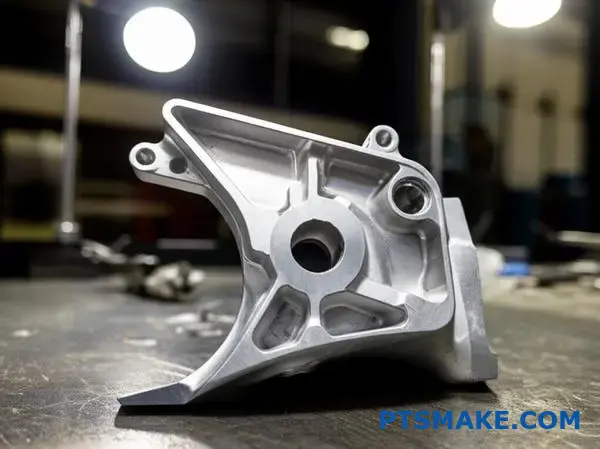
De reelle fordele ved denne integrerede tilgang bliver tydelige, når vi ser på detaljerne. Det handler ikke kun om at lave en del, der ser rigtig ud; det handler om at lave en del, der fungerer pålideligt hver eneste gang. Fordelene ved præcisionsstøbe-CNC-bearbejdning strækker sig ud over simpel æstetik.
Nøglemålinger for kvalitetsforbedring
To primære målinger definerer delkvalitet: dimensionel nøjagtighed og overfladefinish. Støbning alene kæmper for at perfektionere disse. Men med CNC-bearbejdning kan vi opnå exceptionelle resultater. Det giver os mulighed for at forbedre delnøjagtigheden med CNC-bearbejdning til niveauer, som støbning ikke kan nå.
Opnåelse af uovertruffen dimensionsnøjagtighed
Støbning giver en næsten net form, hvilket er en god start. CNC-bearbejdning overtager derefter. Den fjerner materiale med ekstrem præcision og sikrer, at hver funktion passer perfekt til CAD-modellen. Tolerancer kan strammes betydeligt. Hos PTSMAKE udnytter vi denne hybridproces til at levere dele, der opfylder de mest stringente specifikationer.
Forfinelse af overfladen
Processen fjerner også overflademæssige uregelmæssigheder og problemer under overfladen. Dette inkluderer små hulrum eller Porøsitet1 der kan kompromittere strukturel integritet. Resultatet er en glat, ensartet overfladefinish, der er både funktionel og visuelt tiltalende.
| Fejltype | Støbningsresultat | CNC-bearbejdningsløsning |
|---|---|---|
| Overfladens ruhed | Høj | Glattet til specifikation |
| Dimensionsafvigelse | Det er muligt | Korrigeret til snæver tolerance |
| Skillelinjer | Synlig | Fjernet fuldstændigt |
Kombinationen af støbning til skabelse af næsten net form med CNC-bearbejdning til endelig præcision tilbyder uovertruffen kvalitet. Denne integrerede tilgang forbedrer dimensionsnøjagtigheden, forfiner overflader og sikrer ensartede, fejlfrie dele til pålidelige produktionsresultater.
Hvordan støbe-CNC-bearbejdning løser almindelige produktionsforsinkelser
Produktionsforsinkelser er en konstant hovedpine. De forstyrrer tidsplaner og øger omkostningerne. Almindelige problemer inkluderer lange værktøjopsætningstider og omfattende efterbehandling.
Disse flaskehalse kan afspore selv de bedst lagte planer. Men hvad hvis der var en bedre måde?
Hos PTSMAKE bruger vi støbning CNC-bearbejdning. Denne hybridtilgang strømliner produktionen fra start til slut. Den hjælper med at reducere leveringstiderne for støbning og CNC-bearbejdning ved at tackle forsinkelser direkte. Det er en nøgleløsning til produktionsforsinkelser.
Almindelige produktionsforsinkelser
| Forsinkelseskilde | Traditionel procespåvirkning |
|---|---|
| Værktøjsopsætning | Kan tage uger eller måneder for komplekse forme. |
| Materialeaffald | Subtraktive metoder skaber betydeligt spild. |
| Efterbehandling | Kræver omfattende efterbehandling, afgratning og samling. |
| Operatørfejl | Flere manuelle overleveringer øger risikoen. |
Denne proces leverer pålidelige og effektive resultater.
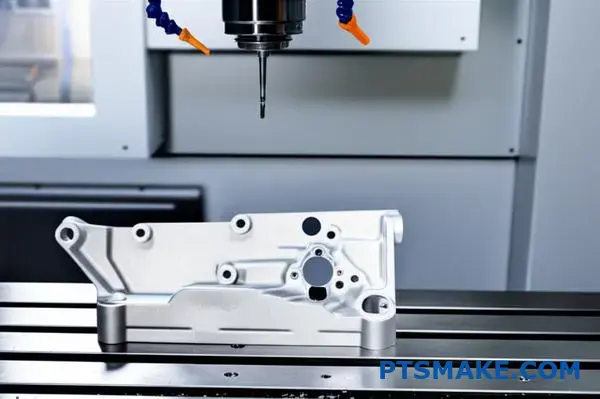
Strømlining af produktion med integrerede arbejdsgange
Den reelle fordel ligger i at kombinere støbning og CNC-bearbejdning. Denne integrerede proces skaber en yderst effektiv arbejdsgang. Den eliminerer mange traditionelle fremstillingstrin.
Støbning først producerer en næsten-netto-formet2 del. Det betyder, at det oprindelige stykke allerede er meget tæt på den endelige geometri. CNC-maskinen behøver derefter kun at udføre minimal efterbehandling. Den fjerner små mængder materiale for at opnå snævre tolerancer og overfladefinisher.
Denne synergi er det, der gør hurtige støbe-CNC-bearbejdningstjenester mulige. Vi har set det reducere produktionscyklusser markant for vores kunder. Automatiserede arbejdsgange overfører den støbte del direkte til CNC-maskinen. Dette reducerer manuel håndtering og potentielle fejl.
Nøgleoptimeringstips
- Design for fremstillingsmulighed (DFM): Optimer dit design tidligt for både støbning og bearbejdning. Dette forhindrer problemer senere.
- Valg af materiale: Vælg en legering, der er velegnet til både støbefluiditet og bearbejdelighed.
- Integreret simulering: Brug software til at simulere støbe- og bearbejdningsprocessen. Dette hjælper med at identificere potentielle problemer, før produktionen begynder.
Vores erfaring hos PTSMAKE viser, at disse trin er kritiske. De sikrer en glat proces og forudsigelige leveringstider.
Denne integrerede tilgang adresserer direkte store forsinkelser. Ved først at skabe en næsten net-formet del og derefter bruge præcisions-CNC til efterbehandling minimerer vi spild og maskintid. Denne strømlinede arbejdsgang tilbyder en mere pålidelig og hurtigere vej fra design til det endelige produkt.
Top 5 faktorer til evaluering af en støbe-CNC-bearbejdningsleverandør
Valget af den rigtige leverandør er kritisk. Deres teknologi påvirker direkte dit projekts succes. Forældet udstyr fører ofte til dårlig kvalitet. Moderne maskiner sikrer derimod præcision og effektivitet for hver del.
Vurdering af kernemaskineri
Se ud over det simple antal maskiner. Du skal spørge til deres specifikke kapaciteter. Betjener de moderne 5-aksel CNC-maskiner? Dette er afgørende for komplekse CNC-bearbejdningsdele til støbegods. Spørg også til deres inspektionsværktøjer.
Tjekliste over nøgleudstyr
| Udstyr | Vigtighed |
|---|---|
| 5-akset CNC-fræser | Håndterer komplekse geometrier i én opsætning. |
| CNC-drejebænk | Vigtigt for højpræcisionsdrejning. |
| CMM-inspektion | Verificerer dimensionsnøjagtighed. |
| CAD/CAM-software | Sikrer problemfri designoversættelse. |
Et veludstyret værksted er et stærkt signal. Det demonstrerer en seriøs forpligtelse til kvalitet og investering i deres håndværk.
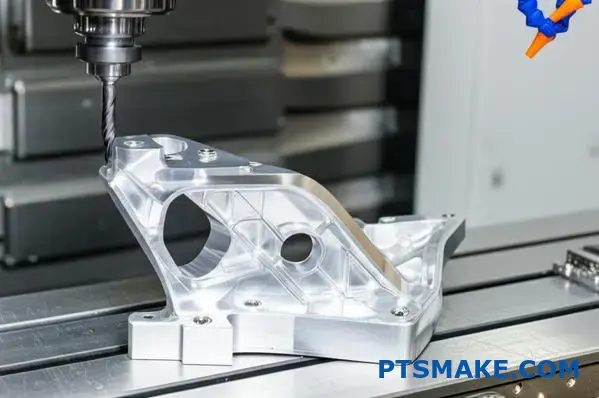
The machinery list is just the beginning when you evaluate a CNC machining vendor. How they integrate this technology is what truly matters. A reliable casting CNC machining partner uses their tools strategically to solve manufacturing challenges, not just to make parts.
Technology and Quality Systems
Advanced equipment significantly reduces manual error. It also helps shorten production lead times. For example, a 5-axis machine can finish a complex part in one single setup. This process avoids tolerance stack-up from multiple fixtures.
At PTSMAKE, we pair our advanced equipment with rigorous quality control protocols. This includes both in-process inspections and final part verification. Our integrated approach ensures that every component meets precise specifications. For us, consistent quality is simply non-negotiable.
A supplier’s proficiency in Geometrisk dimensionering og tolerance3 is also critical. This system ensures everyone—from your designer to their machinist—speaks the same technical language, removing ambiguity from drawings.
Technology Evaluation Checklist
| Kriterier | Yes/No | Noter |
|---|---|---|
| Modern 5-Axis CNC Machines? | Crucial for complex part manufacturing. | |
| CMM for Quality Inspection? | Verifies tolerances and part accuracy. | |
| Use Updated CAD/CAM Software? | Important for file compatibility and efficiency. | |
| ISO 9001-certificeret? | Demonstrates a formal quality management system. |
En leverandørs teknologiske kapacitet er et direkte mål for deres kvalitet og pålidelighed. Moderne udstyr, parret med robuste kvalitetssystemer, er essentielt for at levere præcise støbte CNC-bearbejdningsdele til tiden og i henhold til dine nøjagtige specifikationer.
Sikring af præcision og tolerancer i støbe-CNC-bearbejdede komponenter
At opnå snævre tolerancer på støbte dele er en udfordring. Det kræver en systematisk tilgang. Processen starter længe før CNC-maskinen begynder sit arbejde. Præcision bygges ind fra starten.
Succes afhænger af at kontrollere hvert trin. Dette sikrer, at den endelige komponent opfylder de nøjagtige specifikationer.
Design og proceskontrol
Grundlaget for præcisionsstøbning CNC-bearbejdningstolerancer er det indledende design. Vi skal tage højde for materialet og støbemetoden.
En velplanlagt proces tager højde for enhver variabel.
| Støbemetode | Tolerance før bearbejdning |
|---|---|
| Sandstøbning | ±1.5 mm |
| Investeringsstøbning | ±0.4 mm |
| Trykstøbning | ±0,2 mm |
Denne planlægning forhindrer dyre fejl senere.
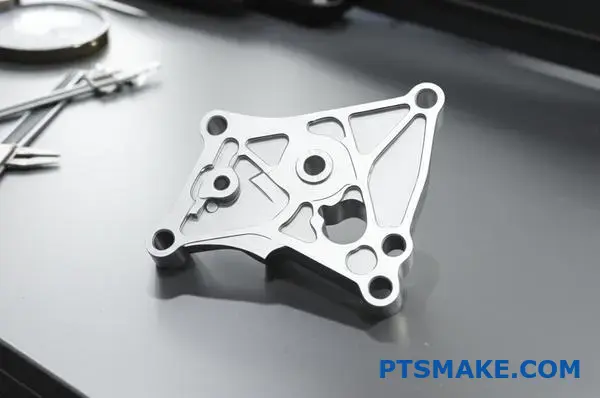
Ægte præcision inden for støbning CNC-bearbejdning kombinerer smart design med ekspertudførelse. Det handler ikke kun om det endelige snit. Det handler om at planlægge det fra selve støbeformen.
Design Considerations for Machining
The casting design must include extra material, or a machining allowance. This ensures the CNC tool has enough stock to remove. It helps achieve a clean, accurate surface.
We also design specific locating points, or datums. These features allow us to securely and repeatedly position the cast part in the CNC fixture. This is critical for tight tolerance cnc machining after casting.
Machining and Inspection Best Practices
Once the part is cast, fixturing is key. A custom, rigid fixture prevents any movement during machining. This stability is essential for maintaining accuracy.
Effective quality control relies on advanced Metrologi4 tools like CMMs and optical scanners. We use in-process inspection to verify dimensions at critical steps, not just at the end. This proactive approach ensures final dimensional accuracy casting cnc.
| Inspektionsværktøj | Bedste brugssag |
|---|---|
| CMM | Verifying complex internal features |
| 3D Scanner | Capturing overall surface geometry |
| Digitale skydelærer | Quick in-process checks |
This multi-stage verification process guarantees that every part we deliver at PTSMAKE meets the required specifications.
Achieving tight tolerances requires a holistic approach. Success hinges on thoughtful design with proper machining allowances, precise machining with custom fixturing, and comprehensive inspection methods to ensure final dimensional accuracy and function.
Den komplette proces for støbe-CNC-bearbejdning fra design til levering
A structured workflow is crucial. It turns a complex design into a physical part. This isn’t just about following steps. It’s about ensuring precision at every stage.
Hele design-til-levering-støbe-cnc-rejsen har en klar vej. Dette minimerer fejl og forsinkelser.
De fire centrale stadier
Vi opdeler hele fremstillingscyklussen i fire håndterbare faser. Hver fase har sine egne kvalitetsporte. Dette sikrer, at intet bliver overset.
Her er et forenklet overblik over de vigtigste trin.
| Scene | Primært fokus | Vigtige resultater |
|---|---|---|
| 1. Gennemgang af design | Fremstillingsvenlighed (DFM) | Optimeret design til støbning og bearbejdning |
| 2. Støbning | Skabelse af den næsten-nettoform | En solid, grov del klar til efterbehandling |
| 3. CNC-bearbejdning | Opnåelse af endelige tolerancer | Delen bearbejdet til nøjagtige specifikationer |
| 4. Inspektion | Kvalitetssikring | En verificeret del, der opfylder alle krav |
Følgende af disse støbe-cnc-bearbejdningsproces trin er vores køreplan for succes.
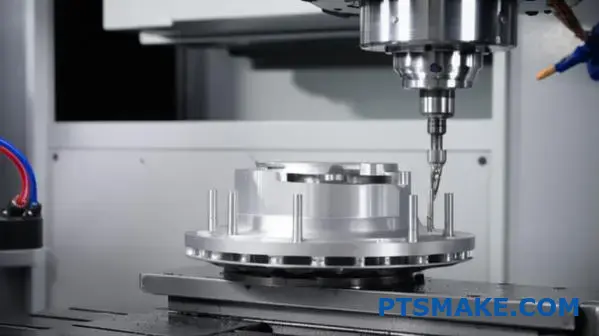
Succesen af ethvert projekt afhænger af den problemfri integration af hver fase. En struktureret proces er ikke bare en retningslinje; det er en streng protokol, der sikrer gentagelighed og kvalitet. Hvert trin påvirker direkte det næste.
Fase 1: Gennemgang af design for fremstillingsvenlighed (DFM)
Dette er det mest kritiske trin. Før der hældes metal, analyserer vi din CAD-model. Vi kontrollerer for potentielle støbefejl som porøsitet. Vi planlægger også arbejdsgangen for CNC-bearbejdning efter støbning. Denne proaktive tilgang sparer betydelig tid og omkostninger.
Fase 2: Støbningsfasen
Når designet er godkendt, fremstiller vi formen. Derefter hælder vi det smeltede metal for at skabe "næsten-nettoformen". Målet her er at producere en solid del. Den skal have lige nok ekstra materiale, eller råmateriale, til de efterfølgende bearbejdningsoperationer.
Fase 3: Præcisions CNC-bearbejdning
Den støbte del flyttes nu til vores CNC-maskiner. Her bearbejder vi den til de endelige, præcise dimensioner. Den primære udfordring er at bevare delens dimensionel stabilitet5 da materiale fjernes. Vi udvikler brugerdefinerede fiksturer til at holde delen sikkert. Dette sikrer, at alle funktioner bearbejdes nøjagtigt i forhold til designets datums.
Fase 4: Kvalitetssikring og inspektion
Endelig gennemgår hver del en grundig inspektion. Vi bruger CMM'er og andre avancerede værktøjer. Dette verificerer, at alle dimensioner og tolerancer opfylder dine specifikationer. Dette er den sidste port før levering.
| Inspektionspunkt | Anvendt værktøj | Formål |
|---|---|---|
| Efter støbning | Røntgen / Visuel | Kontroller for interne og eksterne defekter |
| Efterbearbejdning | CMM / Skydelære | Verificer endelige dimensioner og GD&T |
| Endelig revision | Alle værktøjer | Sikre 100% overholdelse af tegninger |
This structured process transforms a design into a delivered component efficiently.
This end-to-end workflow is our commitment to quality. Following these structured casting cnc machining process steps guarantees consistency, reduces rework, and ensures we meet your delivery deadlines without any compromises.
Materialevalgshemmeligheder for holdbare støbe-CNC-bearbejdede dele
Choosing the right material is the foundation of any successful casting CNC machining project. This decision directly influences the final part’s durability, performance, and cost.
It’s a careful balance. You need a material that casts well, machines efficiently, and meets all functional requirements without breaking the budget.
Balancen
Think of it as a triangle: durability, machinability, and cost are the three corners. Optimizing one often affects the others. Here’s a quick overview of common choices.
| Materialegruppe | Holdbarhed | Bearbejdelighed | Relative omkostninger |
|---|---|---|---|
| Aluminiumslegeringer | God-Udmærket | Fremragende | Lav-medium |
| Zinklegeringer | God | Fremragende | Lav |
| Stållegeringer | Fremragende | Fair-Good | Mellemhøj |
This table provides a starting point. Your specific application will determine the best fit from the best alloys for casting CNC.
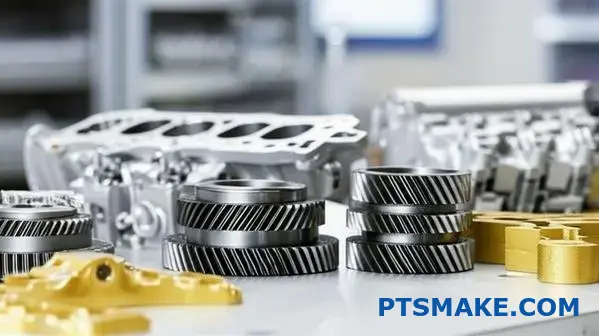
The ideal material choice goes beyond basic properties. At PTSMAKE, we guide clients through a detailed selection process, creating a comprehensive casting cnc machining material guide for each project.
Common Alloys for Casting and CNC Machining
Let’s look at some popular options. Aluminum alloys like A380 are fantastic. They offer a great strength-to-weight ratio and are very easy to machine after casting. This makes them ideal for complex, lightweight parts.
Zinc alloys, such as Zamak 3, are another excellent choice. They have a lower melting point, which extends die life and reduces energy costs. They provide a smooth surface finish, perfect for parts that need plating.
When strength is critical, we often turn to steel. Stainless steels are common durable materials for cnc machining after casting. However, they are tougher to machine. This can increase tool wear and cycle times due to effects like arbejdshærdning6.
Retningslinjer for materialevalg
To choose wisely, consider these questions:
- What is the part’s operating environment? (e.g., temperature, exposure to chemicals)
- What mechanical loads will it endure? (e.g., tension, impact)
- What is the target production volume and budget?
Her er en mere detaljeret oversigt baseret på vores erfaring.
| Legeringseksempel | Nøglefunktion | Bedste anvendelse |
|---|---|---|
| Aluminium A380 | Letvægt, God termisk ledningsevne | Elektroniske kabinetter, Autodele |
| Zink Zamak 3 | Høj duktilitet, Fremragende finish | Dekorativ hardware, Tandhjul, Beslag |
| Rustfrit stål 304 | Korrosionsbestandighed, høj styrke | Medicinsk udstyr, Fødevaregodkendt udstyr |
Besvarelse af disse spørgsmål hjælper med at indsnævre mulighederne. Det sikrer, at den endelige del ikke kun opfylder specifikationerne, men også leverer langsigtet værdi.
Valg af det rigtige materiale er en strategisk beslutning. Det kræver en afvejning af holdbarhed, bearbejdelighed og omkostninger for at sikre optimal ydeevne og levetid for dine støbte og CNC-bearbejdede dele. Det rigtige valg forhindrer dyre fejl og redesign senere.
Omkostnings-fordel-analyse: Støbe-CNC-bearbejdning vs. traditionelle metoder
I B2B-produktion er bundlinjen kritisk. Det handler ikke kun om prisen pr. enhed. Det handler om de samlede omkostninger og afkastet af investeringen (ROI).
Mange vejer separat støbning op imod separat bearbejdning. Jeg mener, at den virkelige samtale handler om deres integration. Omkostningsfordelen ved støbning CNC-bearbejdning er overbevisende. Den tilbyder effektivitet, som separate processer ikke kan matche.
Lad os se på en direkte sammenligning.
Kerneomkostningsfaktorer: En direkte sammenligning
| Faktor | Traditionelle metoder (separate) | Integreret støbning og CNC |
|---|---|---|
| Håndtering af leverandører | High (Two+ suppliers) | Low (Single supplier) |
| Logistics & Shipping | Multiple transit steps | Minimal til ingen |
| Gennemløbstid | Longer; cumulative delays | Shorter; streamlined process |
| Kvalitetskontrol | Complex; hand-off risks | Simplified; unified standards |
This integrated approach streamlines production significantly.
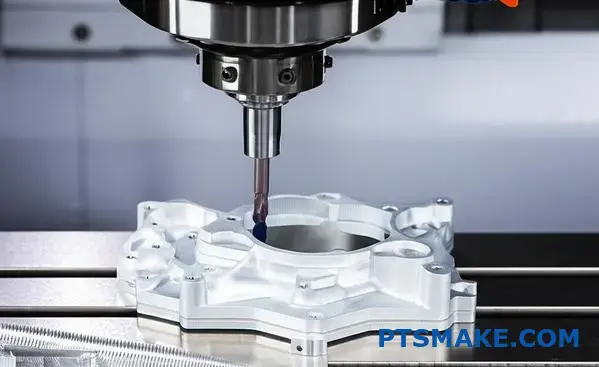
Beyond the Initial Quote: Uncovering True ROI
A lower price from separate vendors can be deceptive. True cnc machining after casting cost savings appear when you analyze the entire project lifecycle.
Case Study Snapshot: Automotive Component
We worked on a complex aluminum housing project. A client initially used separate casting and machining vendors. They faced high scrap rates due to setup misalignments between the two facilities.
By bringing the entire process to PTSMAKE, we unified the workflow. This eliminated the hand-off errors. We reduced their scrap rate by over 75%, a huge saving.
De skjulte omkostninger ved en fragmenteret forsyningskæde
Håndtering af flere leverandører medfører risici. Du har forsendelsesomkostninger mellem støberiet og maskinværkstedet. Du har potentiale for skader under transport. Du har også fordoblede administrative omkostninger.
Disse faktorer oppuster dine endelige omkostninger. En omfattende analyse tager højde for Samlede omkostninger ved ejerskab7, som inkluderer disse indirekte udgifter. Denne tilgang afslører den overlegne værdi af en integreret produktionspartner.
Den mest markante fordel er ofte hastighed. En kortere produktionscyklus betyder hurtigere time-to-market. Det er en konkurrencemæssig fordel, der direkte påvirker din omsætning og ROI. traditionel vs støbning CNC-bearbejdning debatten overser ofte denne afgørende forretningsfaktor.
Valg af en integreret støbning CNC-bearbejdning proces eliminerer skjulte udgifter og strømliner din forsyningskæde. Denne tilgang giver bedre kvalitetskontrol og et overlegent afkast af investeringen, især for komplekse B2B-projekter, hvor præcision og pålidelighed er altafgørende.
Kvalitetssikringsprotokoller, som enhver ingeniør bør kende til støbe-CNC-bearbejdning
Ved støbning af CNC-bearbejdning er kvalitet ikke en tilfældighed. Det er resultatet af en bevidst, struktureret proces. Robuste kvalitetssikringsprotokoller er uundværlige.
De bygger bro mellem designintentionen og den endelige del. Uden dem risikerer du dyrt omarbejde, forsinkelser og fejl.
Effektiv QA sikrer, at hver komponent opfylder de nøjagtige specifikationer. Det er grundlaget for pålidelighed. Denne proces involverer detaljerede inspektioner, grundig testning og komplet dokumentation. Hvert trin opbygger tillid og garanterer ydeevnen for hver del.
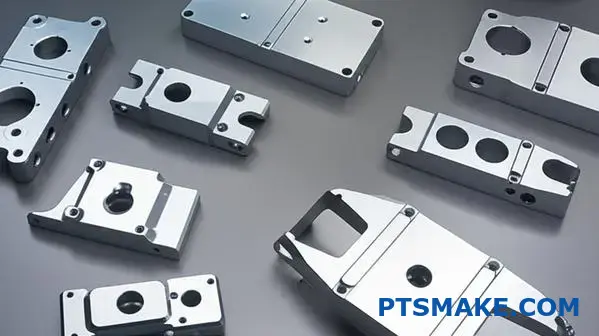
En solid kvalitetssikringsplan for støbning af CNC-bearbejdning hviler på tre kerne-søjler. Disse er inspektion, testning og dokumentation. Hver spiller en distinkt rolle i at verificere delens integritet. At ignorere en søjle svækker hele strukturen.
Vigtige inspektionsprotokoller
Første artikelinspektion (FAI) er afgørende. Den bekræfter, at produktionsprocessen kan producere en del, der opfylder alle krav. Vi udfører inspektioner undervejs på kritiske stadier. Dette fanger afvigelser tidligt, før de bliver store problemer. Slutinspektion er den sidste port før forsendelse.
Avancerede testmetoder
Visuelle kontroller er ikke nok for komplekse dele. Vi stoler på avanceret testning for datadrevet verifikation. Dette er, hvor videnskaben om Metrologi8 leverer den nøjagtighed, vi har brug for. Koordinatmålemaskiner (CMM) verificerer komplekse geometrier mod CAD-modeller med mikron-niveau præcision. For støbegods er ikke-destruktiv testning (NDT) essentiel. Metoder som røntgeninspektion afslører intern porøsitet eller hulrum uden at beskadige delen.
Her er et kig på nogle almindelige testmetoder:
| Testmetode | Primær anvendelse | Vigtige fordele |
|---|---|---|
| CMM | Verifikation af dimensioner | Høj nøjagtighed for kompleks geometri. |
| Røntgen (NDT) | Analyse af interne defekter | Afslører skjulte fejl i støbegods. |
| Materialespektrometri | Verifikation af legeringssammensætning | Bekræfter materialekompatibilitet. |
Dokumentationens rolle
Korrekt dokumentation giver sporbarhed og bevis for kvalitet. Materialecertificeringer, inspektionsrapporter og CMM-data er alle en del af en komplet kvalitetsfil. Denne dokumentation er et nøgleelement i standarderne for kvalitetskontrol af støbegods-CNC.
Robuste kvalitetssikringsprotokoller er grundlæggende. De sikrer, at hver del fra støbegods-CNC-bearbejdningsprocesser er pålidelig, kompatibel og egnet til formålet. Dette system af kontroller, tests og registreringer er essentielt for at levere ensartet kvalitet.
Rollen af avanceret software til optimering af støbe-CNC-bearbejdning
I moderne produktion er præcision ikke valgfrit. For støbegods-CNC-bearbejdning transformerer avanceret software rå støbegods til dele med høj tolerance. Den bygger bro over kløften mellem det oprindelige støbegods og det endelige produkt.
Dette skift fra manuel gætteri til digital nøjagtighed er kritisk. CAD/CAM-software er kernen i denne udvikling. Den sikrer, at hvert snit er beregnet og effektivt.
Nøglefunktioner i software
Softwareoptimering til CNC-bearbejdning efter støbning afhænger af specifikke værktøjer. Disse værktøjer adresserer de unikke udfordringer ved støbte dele.
| Funktion | Funktion | Indvirkning på støbebearbejdning |
|---|---|---|
| Import af 3D-model | Læser scanningsdata eller CAD-filer fra støbning. | Skaber en præcis digital tvilling af den støbte del. |
| Genkendelse af råmateriale | Definerer støbningens uregelmæssige form. | Forhindrer tomgangsskæring og sikrer effektiv materialefjernelse. |
| Værktøjsbanesimulering | Visualiserer hele bearbejdningsprocessen. | Undgår dyre kollisioner og validerer strategien. |
Disse funktioner er essentielle avancerede CNC-værktøjer til støbebearbejdning.
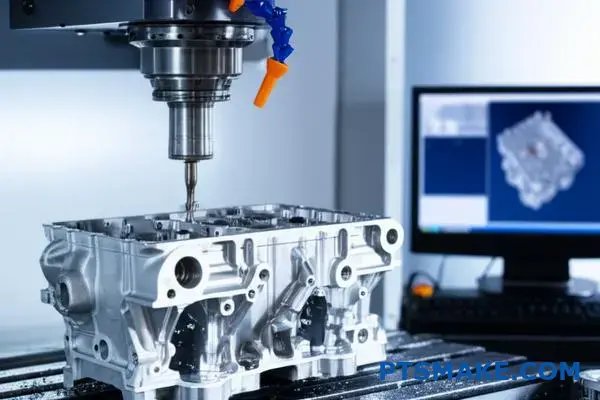
Forbedring af design og simulering
Effektiv softwareoptimering begynder, før maskinen starter. Den starter med en smart digital strategi. CAD/CAM-systemer giver os mulighed for at overlappe den endelige delmodel med den scannede model af den rå støbning. Denne visuelle kontrol er uvurderlig.
Den fremhæver straks områder med utilstrækkeligt materiale. Den viser også, hvor overskydende råmateriale skal fjernes. Dette forhindrer opdagelse af problemer midt i produktionen, hvilket sparer betydelig tid og ressourcer.
Simulering: Det digitale testområde
Simulering er måske den mest kraftfulde funktion. Den giver et risikofrit miljø til at teste bearbejdningsstrategier. Vi kan verificere værktøjsfrigange, kontrollere for potentielle ridser og optimere skæreparametre. Dette er afgørende for komplekse geometrier, der findes i CNC-bearbejdning af støbegods.
| Arbejdsgangstrin | Traditionel metode | Software-optimeret metode |
|---|---|---|
| Opsætning | Manuel sondering og justering. | Automatiseret justering ved hjælp af best-fit algoritmer. |
| Bearbejdning | Konservative hastigheder og fremføringer. | Optimeret, dynamisk værktøjsbane baseret på emnet. |
| Bekræftelse | Efterbehandlingsinspektion, høj risiko for kassation. | In-process sondering og adaptiv bearbejdning. |
Gennem vores samarbejdsforskning med kunder fandt vi ud af, at dette digitale verifikationstrin reducerer opsætningstider med op til 30%. Sand nøjagtighed kræver også at sikre, at selve maskinen fungerer korrekt. Det er her, processer som volumetrisk verifikation9 bliver essentielle for at opretholde de højeste tolerancer på færdige emner.
Avanceret CAD/CAM til støbning CNC-bearbejdning handler ikke kun om programmering. Det er et omfattende værktøj til proceskontrol.
Avanceret software er essentiel for moderne støbning CNC-bearbejdning. Den integrerer design, simulering og verifikation for at forbedre nøjagtighed og effektivitet. Denne teknologi omdanner rå støbegods til præcise komponenter ved at optimere hvert trin, fra den indledende opsætning til den endelige værktøjsbane.
Virkelige casestudier: Succeshistorier med støbe-CNC-bearbejdning
Teori er nyttig, men praktiske eksempler viser sand værdi. Lad os udforske nogle virkelige case studies inden for støbning CNC-bearbejdning.
Disse historier fremhæver, hvordan kombinationen af disse to processer løser komplekse ingeniørmæssige udfordringer. Vi vil fokusere på krævende industrier.
Jeg vil nedbryde hvert tilfælde ved hjælp af et simpelt format. Dette hjælper med at illustrere kraften i denne hybride produktionsmetode.
| Industri | Primær udfordring |
|---|---|
| Medicinsk udstyr | Kompleks geometri med høj præcision |
| Robotteknologi | Styrke-til-vægt-forhold og holdbarhed |
Disse eksempler viser, hvordan succeshistorier inden for CNC-bearbejdning efter støbning skabes. De tilbyder en skabelon til at løse vanskelige designproblemer.
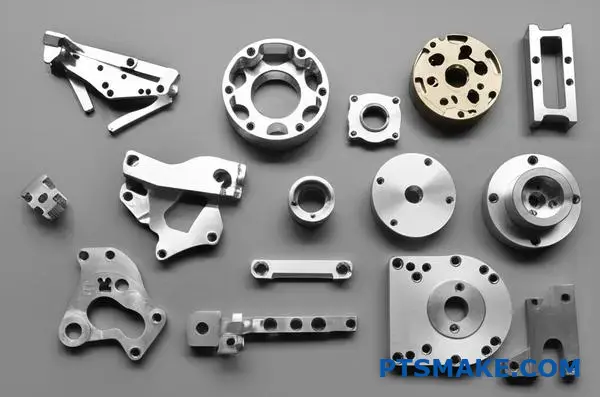
Udforskning af virkelige anvendelser af støbning og CNC-bearbejdning giver den bedste indsigt. Disse casestudier viser, hvordan processen fungerer i praksis.
Casestudie 1: Hus til medicinsk diagnostisk udstyr
Problemet
En kunde havde brug for et komplekst hus til en håndholdt medicinsk scanner. Det krævede interne strukturelle funktioner, tynde vægge og præcise monteringspunkter. Ren CNC-bearbejdning var for langsom og dyr til det planlagte produktionsvolumen.
Løsningen
Vi foreslog en to-trins proces. Først skabte trykstøbning komponentens indviklede næsten-net form10. Dette formede effektivt den overordnede geometri. For det andet blev målrettet CNC-bearbejdning brugt til at færdiggøre kritiske funktioner. Dette omfattede gevindskæring af huller og fræsning af samlingsflader til snævre tolerancer.
Resultatet
Denne tilgang reducerede drastisk enhedsomkostningerne og fremskyndede produktionstiden. Den færdige del opfyldte alle funktionelle krav, herunder overfladebehandlinger af medicinsk kvalitet. Det var en klar sejr for effektivitet og præcision.
Casestudie 2: Led til robotarm
Problemet
En robotvirksomhed udviklede en ny kollaborativ robot. En central ledkomponent skulle være stærk, let og utrolig præcis for at sikre jævn, gentagelig bevægelse. Geometrien var for kompleks til kun at blive støbt.
Løsningen
Investeringsstøbning blev brugt til at producere den indledende del af en højstyrke aluminiumslegering. Denne metode er ideel til komplekse former. Derefter skabte 5-akset CNC-bearbejdning de endelige lejesæder og justeringsfunktioner.
Resultatet
Den færdige ledkomponent overgik ydeevnemålene. Den opnåede det krævede styrke-til-vægt-forhold, samtidig med at tolerancerne blev holdt inden for mikron. Dette demonstrerer en af de mest effektive virkelige anvendelser af støbning og CNC.
Disse casestudier illustrerer, hvordan kombinationen af støbning og CNC-bearbejdning tilbyder en praktisk, omkostningseffektiv løsning til komplekse dele i krævende industrier som medicin og robotteknologi, der balancerer indledende formkompleksitet med endelige præcisionskrav.
Håndtering af komplekse designs: Tips til støbe-CNC-bearbejdning af indviklede dele
Bearbejdning af indviklede dele fra støbegods kræver omhyggelig planlægning. Den indledende støbekvalitet påvirker direkte det endelige CNC-resultat. Korrekt design og strategi er nøglen.
Håndtering af komplekse geometrier i støbning og CNC-bearbejdning handler ikke kun om maskinen. Det starter med designfasen. Vi skal tænke fremad.
Design Tips for Machinability
Before any metal is cut, smart design choices are crucial. These choices can simplify the entire process. They also reduce costs and improve part quality.
Below are some key considerations we use at PTSMAKE.
| Design-aspekt | Recommended Practice | Practice to Avoid |
|---|---|---|
| Udkast til vinkler | Include generous draft angles. | Zero or negative draft angles. |
| Væggens tykkelse | Maintain uniform thickness. | Abrupt changes in thickness. |
| Fillets & Radii | Use large, smooth radii. | Sharp internal corners. |
These simple steps make a huge difference in the final product.
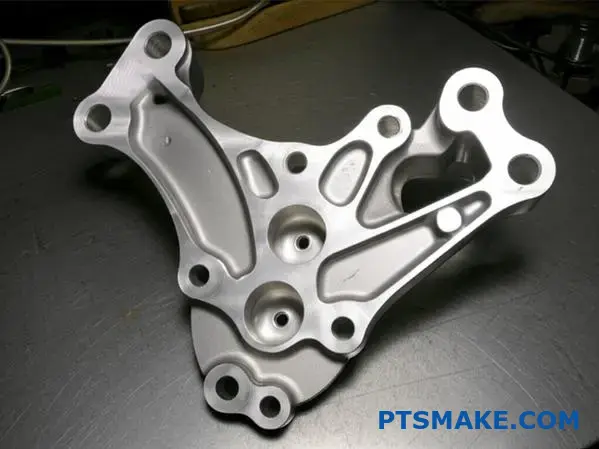
Avancerede bearbejdningsteknikker
After a good casting, the focus shifts to machining. This is where expertise in handling complex geometries becomes vital for success. It involves more than just a standard program.
Optimering af værktøjsbaner
Optimizing the toolpath is essential. For intricate parts cnc machining after casting, we use specific strategies. High-Speed Machining (HSM) paths, for example, maintain constant tool engagement. This reduces tool wear and prevents part distortion from heat buildup.
Et andet nøgleområde er rækkefølgen af operationer. Vi bearbejder ofte kritiske funktioner først. Dette etablerer en stabil reference for efterfølgende snit, hvilket sikrer høj præcision. Dette er en kerne del af vores proces hos PTSMAKE.
Støtte og fiksering
Komplekse dele kræver ofte brugerdefinerede fikseringer. Disse støtter forhindrer vibrationer og afbøjning under bearbejdning. En dårligt understøttet del vil aldrig opfylde snævre tolerancer. Fikseringsdesignet skal være stift, men tillade adgang for skæreværktøjerne. Vi overvejer også effekten af Værktøjsbaneinterpolation11 på den endelige overfladefinish.
Almindelige faldgruber at undgå
Selv med en god plan kan der opstå problemer. At kende de almindelige faldgruber hjælper med at forhindre dyre fejl i komplekse støbe-cnc-bearbejdningsdesigns.
| Faldgrube | Konsekvenser | Sådan undgår du |
|---|---|---|
| Ignorering af støbevariationer | Værktøjskollisioner, unøjagtige dele. | Mål støbegodset før bearbejdning. |
| Dårligt værktøjsvalg | Dårlig overfladefinish, lange cyklusser. | Brug værktøjer designet til materialet. |
| Utilstrækkelig fiksering | Vibrationer, dimensionelle fejl. | Design robuste, brugerdefinerede fikseringer. |
Succesful støbning CNC-bearbejdning kombinerer smart design, avancerede teknikker og proaktiv problemløsning. Korrekt planlægning før og under processen sikrer, at selv de mest komplekse designs fremstilles efter specifikationerne, en standard vi altid sigter efter i vores projekter.
Indflydelsen af overfladefinish på ydeevnen af støbe-CNC-bearbejdede produkter
I støbning CNC-bearbejdning er overfladefinish mere end bare en kosmetisk detalje. Det er en kritisk ingeniørmæssig specifikation. Det påvirker direkte et produkts ydeevne, levetid og endda dets opfattede værdi.
En dels finish påvirker, hvordan den interagerer med sit miljø og andre komponenter. Til nogle applikationer er en grovere tekstur acceptabel. Men for højtydende dele er det uundværligt at opnå en præcis overfladekvalitet. Det dikterer alt fra friktion til udmattelsesbestandighed.
Funktionalitet og Anvendelse
Den krævede overfladefinish afhænger helt af delens funktion. En glat overflade er ikke altid bedre. Nøglen er at matche finishen til applikationen.
| Anvendelsesområde | Typiske Finishkrav | Primær funktion |
|---|---|---|
| Dynamiske tætninger | Meget glat (f.eks. Ra 0,4 µm) | Forhindre væskelækage |
| Bærende overflader | Glat (f.eks. Ra 0,8 µm) | Reducer friktion og slid |
| Æstetiske dæksler | Poleret eller børstet | Forbedre visuel appel |
| Grebshåndtag | Tekstureret eller rillet | Forbedre brugerhåndtering |
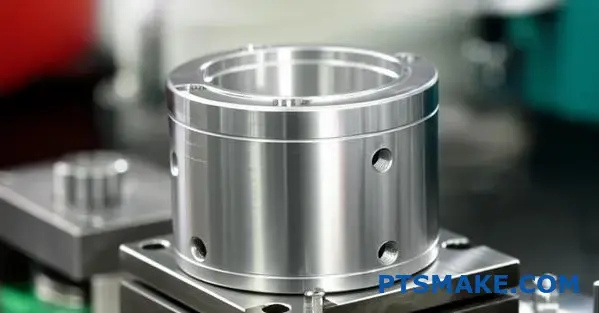
En dels funktionalitet er direkte knyttet til dens overfladetekstur. For komponenter, der bevæger sig mod hinanden, en glattere cnc-bearbejdning efter støbning overfladekvalitet minimerer friktion og slid, hvilket forlænger produktets driftstid. Tænk på hydrauliske cylindre eller lejehuse, hvor en fejlfri overflade er essentiel.
Omvendt kan overfladeimperfektioner blive startpunkter for revner under cyklisk belastning. En glattere finish fordeler spændingen mere jævnt, hvilket markant forbedrer udmattelsesmodstanden. Dette er afgørende i luftfarts- og bilkomponenter, hvor fejl ikke er en mulighed. Overfladeteksturens retningsbestemte karakteristika, kendt som Anisotropi12, spiller også en afgørende rolle i, hvordan en del modstår spænding over tid.
Opnåelse af den ønskede finish
Vi kontrollerer den endelige støbt cnc-bearbejdet del finish ved omhyggeligt at styre vores bearbejdningsparametre. Det er en balance mellem videnskab og erfaring.
Styring af bearbejdningsparametre
Den rette kombination af værktøjer og maskinindstillinger er essentiel. Skarpe skæreværktøjer med den korrekte geometri producerer renere snit. Ligeledes giver justering af hastigheder og fremføringer os mulighed for at forfine overfladeteksturen med høj præcision.
| Parameter | Påvirkning af overfladefinish | Generel retningslinje |
|---|---|---|
| Skærehastighed | Højere hastigheder giver ofte en finere finish | Optimer baseret på materiale og værktøj |
| Tilførselshastighed | Lavere hastigheder producerer en glattere overflade | Balanceret mod produktionstid |
| Radius for værktøjsnæse | En større radius kan skabe en glattere finish | Vælg baseret på emnets geometri |
Hos PTSMAKE bruger vi standarder som Ra (Roughness Average) til at definere og verificere disse overflader, hvilket sikrer, at alle dele, vi leverer, opfylder de nøjagtige ingeniørmæssige specifikationer.
Den korrekte overfladefinish støbning cnc bearbejdning er en kritisk ingeniørmæssig beslutning, ikke en eftertanke. Den påvirker direkte funktionalitet, holdbarhed og kundetilfredshed, hvilket sikrer, at dit produkt fungerer pålideligt og opfylder sin tilsigtede designlevetid.
Miljømæssige og bæredygtighedsaspekter af støbe-CNC-bearbejdning
I fremstillingen er bæredygtighed nu en kerneforretningsstrategi. Det handler ikke kun om overholdelse. Det handler om at skabe værdi.
Miljøvenlige støbe-CNC-processer forbedrer effektiviteten og reducerer omkostningerne. De styrker også dit brands omdømme. Dette er afgørende for at opbygge tillid i B2B-partnerskaber.
Skiftet til grøn fremstilling
Miljøpåvirkningen af CNC-bearbejdning efter støbning er en stor bekymring. Vedtagelse af bæredygtige praksisser er afgørende. Dette skridt hjælper med at opfylde regler og kundernes krav om grønnere produkter.
Vigtige fokusområder
Vi fokuserer på tre hovedområder: reduktion af spild, energibesparelse og genbrug af materialer. Hvert trin giver en mulighed for forbedring.
| Praksisområde | Traditionel metode | Bæredygtig tilgang |
|---|---|---|
| Brug af materiale | Høje skrotprocenter | Nær-net-form støbning, skrotgenbrug |
| Energi | Kontinuerlig maskindrift | Energieffektive maskiner, smart planlægning |
| Affald | Engangsbrug kølemidler | Kølemiddel genbrugssystemer, MQL |
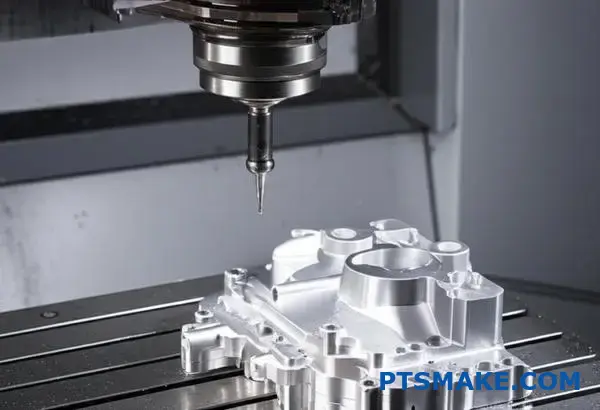
Vedtagelse af bæredygtig støbning CNC-bearbejdning er en praktisk beslutning. Det stemmer overens med globale regler og styrker forsyningskæden. Hos PTSMAKE guider vi partnere mod miljøvenlige valg, der ikke går på kompromis med kvaliteten.
Regler og overholdelse
Navigation af miljøregler som RoHS og REACH er afgørende. Overholdelse er ikke kun et lovkrav. Det er en basislinje for markedsadgang, især i Europa og Nordamerika. Det viser en forpligtelse til sikkerhed og ansvarlighed.
Bæredygtige teknikker i praksis
Materialegenbrug
Vi prioriterer materialer, der let kan genbruges. For eksempel kan aluminium- og stålchips fra CNC-processen smeltes om og genbruges til nye støbegods. Dette skaber et lukket kredsløbssystem, der reducerer efterspørgslen på råmaterialer betydeligt.
Energieffektivitet og affaldsreduktion
Moderne CNC-maskiner bruger mindre strøm. Efter drøftelse med vores udstyrsleverandører fandt vi ud af, at nye modeller kan reducere energiforbruget med op til 20%. Kombinationen af dem med smart produktionsplanlægning minimerer tomgangstid. Dette reducerer den samlede miljøpåvirkning af CNC-bearbejdning efter støbning. En grundig Livscyklusvurdering13 hjælper med at identificere disse muligheder.
| Bæredygtighedsfordel | Indvirkning på B2B-partnerskab |
|---|---|
| Reduceret materialeomkostning | Mere konkurrencedygtige priser for dine dele. |
| Overholdelse af lovgivningen | Sikrer, at dine produkter overholder internationale standarder. |
| Forbedret brand-image | Styrker din virksomheds profil inden for social ansvarlighed. |
| Proceseffektivitet | Fører til mere pålidelige og rettidige leverancer. |
Bæredygtige støbe- og CNC-bearbejdningspraksisser skaber en mere modstandsdygtig og ansvarlig forsyningskæde. De går ud over simpel overholdelse og tilbyder håndgribelige fordele som omkostningsbesparelser og forbedret brandomdømme, hvilket er afgørende for stærke, langsigtede B2B-partnerskaber.
Budgetstyringsstrategier for store støbe-CNC-bearbejdningsordrer
Håndtering af store ordrer inden for støbning og CNC-bearbejdning kræver streng budgetkontrol. Succes handler ikke kun om teknisk dygtighed; det handler om økonomisk planlægning. Effektiv budgettering sikrer rentabilitet.
Det forhindrer omkostningsoverskridelser, der kan sænke et projekt. Vi vil udforske nøglestrategier for dette. Dette inkluderer mængdepriser, procesoptimering og risikobegrænsning. At mestre disse vil beskytte din bundlinje.
Indledende budgetteringstips
Først skal du oprette en detaljeret omkostningsopdeling. Stol aldrig på grove estimater. Adskil materialomkostninger fra arbejdskraft og overhead. Denne klarhed er dit fundament.
| Omkostningskategori | Beskrivelse |
|---|---|
| Direkte omkostninger | Råmaterialer, støbning, direkte arbejdskraft |
| Indirekte omkostninger | Værktøj, maskinslid, kvalitetskontrol |
| Overhead | Ledelse, facilitetsomkostninger |
Forståelse af kerneudgifter
Fokuser på de største omkostningsdrivere. Materialevalg og bearbejdningstid er ofte de største udgifter. Optimering af disse områder giver det største besparelsespotentiale.
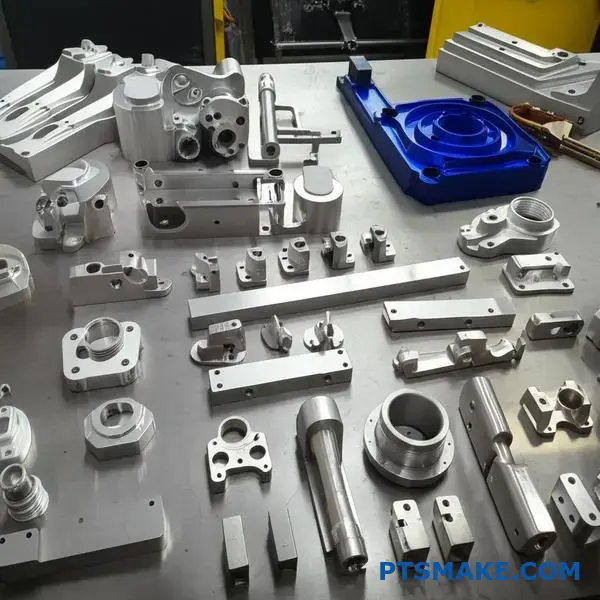
Effektiv omkostningsstyring for store ordrer går ud over simple regneark. Det involverer en proaktiv og strategisk tilgang til alle faser, fra design til levering. Hos PTSMAKE fokuserer vi på at optimere hele værdikæden.
Avancerede omkostningsstyringsteknikker
Vi råder altid kunder til at overveje procesoptimering tidligt. Små designændringer kan drastisk reducere bearbejdningstiden efter støbning. Dette er en nøglekomponent i omkostningsstyring CNC-bearbejdning efter støbning. For eksempel kan forenkling af en kompleks kurve eller justering af en hullets position spare timer med maskinarbejde på tværs af en stor batch.
Et andet kritisk område er risikobegrænsning. Hvad sker der, hvis prisen på råmaterialer stiger? Eller hvis et nøgleudstyr svigter? At opbygge en beredskabsfond, typisk 5-10% af det samlede budget, er essentielt. Den giver en buffer mod uforudsete udfordringer uden at bringe projektets økonomiske sundhed i fare. Præcision i tegninger ved hjælp af systemer som Geometrisk dimensionering og tolerance (GD&T)14 reducerer også fejl og omkostninger til omarbejdning.
Forhandling og leverandørpartnerskab
At opbygge et stærkt partnerskab med din leverandør er afgørende. Det handler ikke kun om at få den laveste pris. En god partner vil hjælpe dig med at finde omkostningsbesparelser.
Her er forhandlingspunkter, vi ofte diskuterer med kunder:
| Forhandlingspunkt | Potentiel indvirkning |
|---|---|
| Masseindkøb af materialer | 5-15% reduktion i materialomkostninger |
| Langtidskontrakt | Prisstabilitet og prioriteret planlægning |
| Betalingsbetingelser | Forbedret likviditetsstyring |
En gennemsigtig dialog om omkostninger til storstilet støbning og CNC-bearbejdning sikrer, at begge parter er på linje for succes.
Effective budgeting for large-scale casting CNC machining projects is a blend of detailed planning, strategic optimization, and strong supplier relationships. This approach not only ensures profitability but also fosters successful, long-term project outcomes.
Effektiv kommunikation med din støbe-CNC-bearbejdningspartner for bedre resultater
Clear communication is the bedrock of any successful manufacturing project. A great design can easily fail due to simple misunderstandings.
This is especially true in casting and CNC machining. Every detail matters. Misinterpreting a tolerance or a timeline can lead to costly rework. Strong communication prevents these errors.
Hvorfor det er vigtigt
Good communication with your casting CNC machining partner builds trust. It ensures everyone is aligned. This reduces risks and keeps the project on track from start to finish.
| Communication Pitfall | Bedste praksis |
|---|---|
| Vague RFQs | Detailed RFQs with 3D models |
| Infrequent Updates | Scheduled Weekly Check-ins |
| Assumption-based Decisions | Formal Written Approvals |
Effective supplier collaboration in CNC machining is not optional. It is essential for achieving the precision and quality you expect.
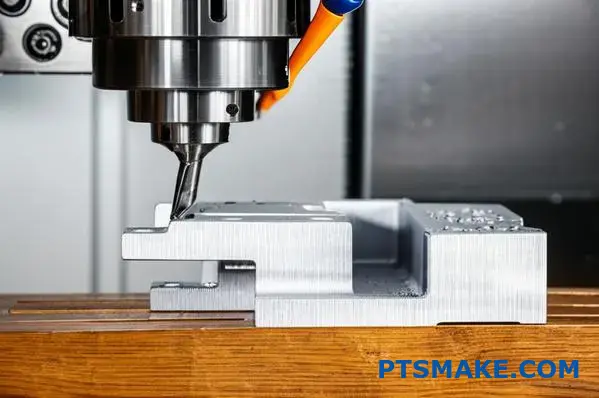
The quality of your project communication directly impacts the final part. Vague instructions lead to flawed parts. It’s a simple cause-and-effect relationship I’ve seen play out many times. Strong partnerships are built on clarity and transparency.
Mastering the Request for Quotation (RFQ)
Your RFQ is the first and most critical communication. A detailed RFQ sets the stage for success. It should include 3D CAD files, material specifications, required tolerances, surface finishes, and desired quantities. Ambiguity here is your enemy. At PTSMAKE, a detailed RFQ allows us to provide a more accurate quote and production plan. This avoids surprises later.
Bedste praksis for samarbejde
Regelmæssige opdateringer er uundværlige for effektivt leverandørsamarbejde inden for CNC-bearbejdning. Planlagte tjek-ins, hvad enten de er daglige eller ugentlige, holder begge teams synkroniserede. Det er også vigtigt at bruge de rigtige værktøjer. Mens e-mail er almindeligt, tilbyder projektstyringsplatforme bedre sporing og gennemsigtighed. Asynkron kommunikation15 bliver afgørende, når man arbejder på tværs af forskellige tidszoner, hvilket sikrer, at fremskridt fortsætter døgnet rundt.
| Værktøj | Bedste brugssag | Fordel |
|---|---|---|
| Formel dokumentation, RFQ'er | Skaber et papirspor | |
| Telefon-/videoopkald | Akutte problemer, komplekse diskussioner | Øjeblikkelig afklaring |
| Projektplatforme | Opgavestyring, statusopdateringer | Centraliseret information |
Denne strukturerede tilgang til kommunikation i støbe-CNC-bearbejdningsprojekter fjerner gætteri og opbygger et pålideligt partnerskab. Det sikrer, at alle specifikationer overholdes.
Effektiv kommunikation med din støbe-CNC-bearbejdningspartner er afgørende. Det minimerer fejl, forhindrer forsinkelser og opbygger den tillid, der er nødvendig for et succesfuldt langsigtet forhold. Det afstemmer forventninger med virkeligheden og sikrer en problemfri proces fra RFQ til endelig levering.
Opbygning af langsigtet tillid til en pålidelig leverandør af støbe-CNC-bearbejdning
At finde en leverandør er transaktionelt. At opbygge et partnerskab er strategisk. En virkelig betroet leverandør af støbe-CNC-bearbejdning bliver en forlængelse af dit team.
Dette forhold bygges ikke natten over. Det kræver en indsats fra begge sider. Det er baseret på pålidelighed, konsistens og fælles projektmål.
Nøglepiller for tillid
Sande partnerskaber er bygget på flere kerne principper. Hvert enkelt er afgørende for succes.
| Tillidsfaktor | Beskrivelse |
|---|---|
| Gennemsigtighed | Åben kommunikation om kapaciteter, tidsplaner og udfordringer. |
| Kvalitetshistorik | En dokumenteret historik for levering af dele, der opfylder specifikationerne. |
| Konsistens | Pålidelig ydeevne projekt efter projekt. |
Disse faktorer skaber et fundament for et stærkt arbejdsforhold.
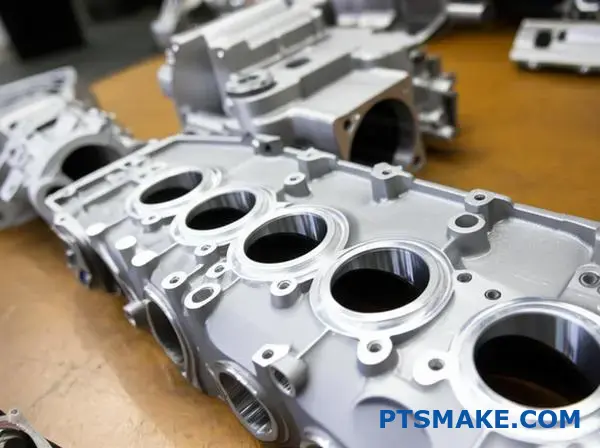
Et langsigtet partnerskab går ud over simple prisforhandlinger. Det fokuserer på at skabe gensidig værdi. Når du finder en pålidelig CNC-bearbejdningspartner efter støbning, investerer du i fremtidig succes.
Dette skift i tankegang er afgørende. I stedet for blot at afgive ordrer, begynder du at samarbejde om løsninger. Dette samarbejde fører til bedre designs, forbedret effektivitet og omkostningsbesparelser over tid. Det skaber en stærkere operationel rygrad for din virksomhed.
Den reelle værdi af langsigtede partnerskaber
Fordelene rækker langt ud over et enkelt projekt. De påvirker hele din produktionsproces. En partner, der forstår dine behov, kan forudse udfordringer, før de opstår.
Denne proaktive tilgang forbedrer din samlede Forsyningskædens modstandsdygtighed16.
Vores analyse viser, at langsigtede CNC-bearbejdningsrelationer efter støbning reducerer leveringstiderne med et gennemsnit på 15-20% efter det første års samarbejde. Dette skyldes strømlinet kommunikation og etablerede processer.
| Relationstype | Fokus | Resultat |
|---|---|---|
| Kort sigt | Laveste pris pr. del | Ujævn kvalitet, kommunikationsforsinkelser. |
| Lang sigt | Samlet værdi & pålidelighed | Glattere drift, bedre innovation. |
I sidste ende betaler investering i tillid sig i kvalitet og effektivitet.
Opbygning af tillid til en leverandør af støbe-CNC-bearbejdning er en strategisk investering. Det forvandler transaktioner til et samarbejdende partnerskab, der sikrer pålidelighed, ensartet kvalitet og bedre langsigtet værdi for dine mest kritiske projekter.
Fremskynd din succes med PTSMAKE støbe-CNC-bearbejdning
Klar til at opnå ensartet kvalitet og hurtige leveringstider for dine støbe-CNC-bearbejdningsprojekter? Kontakt PTSMAKE for et hurtigt, pålideligt tilbud – vores eksperter leverer præcision og værdi fra prototype til produktion. Tag det næste skridt: send din forespørgsel nu og oplev troværdig B2B-fremstillingsmæssig ekspertise!

Lær, hvordan identifikation af denne støbefejl markant kan forbedre din dels styrke og samlede ydeevne. ↩
Lær, hvordan det at komme tættere på den endelige form reducerer bearbejdningstid og øger den samlede produktionseffektivitet. ↩
Lær, hvordan dette symbolske sprog sikrer, at din designintention bliver omsat perfekt til en fysisk del. ↩
Udforsk videnskaben om måling og dens kritiske rolle i moderne fremstilling for at sikre kvalitet og præcision. ↩
Forstå, hvordan materialegenskaber og afkølingshastigheder påvirker delens nøjagtighed efter støbning. ↩
Lær, hvordan denne effekt påvirker bearbejdningshastigheder, værktøjslevetid og projektomkostninger. ↩
Lær, hvordan dette koncept afslører den fulde økonomiske indvirkning af dine fremstillingsbeslutninger. ↩
Udforsk videnskaben om måling for at forstå, hvordan vi garanterer delens nøjagtighed og præcision. ↩
Lær, hvordan denne kalibrering sikrer maskinens nøjagtighed i hele dens arbejdsområde. ↩
Lær mere om, hvordan denne støbeteknik minimerer materialespild og efterfølgende bearbejdningstid. ↩
Opdag, hvordan interpolationsmetoder direkte påvirker maskinbevægelse og den endelige delnøjagtighed. ↩
Forstå, hvordan retningen af overfladeteksturmønstre kan påvirke en dels funktionelle ydeevne og levetid. ↩
Lær at vurdere dit produkts fulde miljøpåvirkning fra start til slut. ↩
Opdag, hvordan præcise tolerancedefinitioner markant kan reducere dine endelige produktionsomkostninger. ↩
Opdag, hvordan denne kommunikationsstil kan forbedre effektiviteten i globale produktionspartnerskaber. ↩
Lær, hvordan stærke leverandørrelationer kan beskytte dine operationer mod forstyrrelser. ↩