
Hvis du vælger den forkerte messingpolering til dine præcisionskomponenter, kan du forvandle et fejlfrit design til en kostbar fiasko. Dårlig overfladefinish fører til korrosion, nedsat ledningsevne, mislykkede inspektioner og skuffede kunder, der forventer resultater i spejlblank kvalitet fra deres pålidelige leverandører.
Valg af messingpudsemiddel afhænger af dine anvendelseskrav, miljøforhold og den ønskede finishkvalitet. Industrielle anvendelser har brug for specialiserede forbindelser, der giver holdbarhed, korrosionsbestandighed og ensartede resultater på tværs af produktionskørsler, i modsætning til forbrugerprodukter, der prioriterer bekvemmelighed frem for ydeevne.
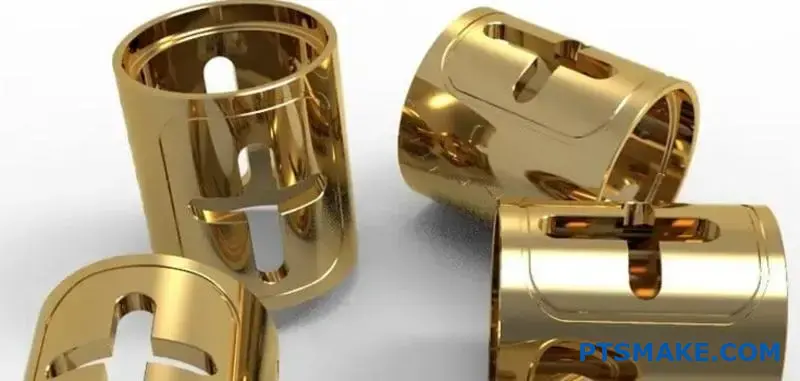
Denne guide dækker alt fra at vælge den rigtige poleringskemi til at opnå spejlfinish, der opfylder standarderne for rumfart og medicinsk udstyr. Du vil opdage gennemprøvede teknikker, der sikrer ensartet kvalitet fra prototype til masseproduktion.
Hvorfor messingpolering er vigtig i præcisionsteknik
Inden for finmekanik handler en komponents finish ikke kun om udseende. Det er et kritisk aspekt af dens funktion. En ordentlig messingpolering gør mere end at få en del til at skinne.
Præstation og opfattelse
Det sikrer, at delen fungerer pålideligt. Det påvirker også det første indtryk af det endelige produkt. Dårlig efterbehandling kan tyde på dårlig kvalitet.
Det gælder især i B2B-sektoren. Brancher som rumfart og medicinsk udstyr kræver perfektion. Fordelene ved en professionel polering er tydelige.
| Industriel sektor | Den primære fordel ved messingpolering |
|---|---|
| Luft- og rumfart | Modstandsdygtighed over for korrosion |
| Medicinsk udstyr | Steriliserbarhed og renlighed |
| Elektronik | Forbedret ledningsevne |
Når man arbejder med industrier, hvor der står meget på spil, er alle detaljer vigtige. Fordelene ved industriel messingpolering går langt ud over simpel æstetik. De har direkte indflydelse på sikkerhed, pålidelighed og funktionalitet. Tænk over det.
Luft- og rumfartsapplikationer
Inden for rumfart modstår en poleret messingkomponent bedre korrosion. Denne lille detalje kan forlænge levetiden for en kritisk del og forhindre fejl. Selv mindre overfladefejl kan blive til stresspunkter med tiden.
Medicinske og elektroniske komponenter
For medicinsk udstyr er en glat, poleret overflade lettere at sterilisere. Det forhindrer bakterier i at samle sig i mikroskopiske sprækker. Dette er et ufravigeligt krav.
Inden for elektronik er præcisionsbehandling af komponenter afgørende. En ren, poleret overflade sikrer optimal elektrisk ledningsevne mellem komponenterne. Det er afgørende for følsomme elektroniske enheders ydeevne. Vi har set, hvordan en overlegen finish kan forbedre signalintegriteten i et stik. Det reducerer signaltab.
Sænkning af overfladeruhed1 af en komponent kan drastisk reducere friktion og slid. Det sikrer også en tættere forsegling af fittings.
| Anvendelse | Påvirkning af nøglepræstationer |
|---|---|
| Tilslutninger | Forbedret ledningsevne |
| Lejer | Reduceret friktion |
| Ventiler | Bedre forsegling |
| Implantater | Forbedret biokompatibilitet |
Hos PTSMAKE fokuserer vi på disse detaljer. En perfekt finish er en del af vores forpligtelse til at levere komponenter, der overgår specifikationerne.
Messingpolering er afgørende for funktion og opfattelse inden for præcisionsteknik. En kvalitetsfinish forbedrer ydeevnen i kritiske sektorer som luft- og rumfart og medicinsk udstyr, hvilket har direkte indflydelse på pålideligheden og opbygger kundernes tillid til den endelige samling.
Sådan vælger du den rigtige messingpolering til dine dele
At vælge den rigtige messingpudsning handler ikke kun om udseende. Det er en teknisk beslutning. Du skal finde en balance mellem æstetik, holdbarhed og beskyttelse.
Den endelige anvendelse af din del er den vigtigste faktor. Er det et dekorativt stykke eller en funktionel komponent? Dette spørgsmål styrer dit valg.
Her er en simpel ramme til at starte med.
| Polsk type | Bedst til | Nøglefunktion |
|---|---|---|
| Højglans | Dekorative dele | Spejllignende glans |
| Satinfinish | OEM-komponenter | Lavt genskin, skjuler fingeraftryk |
| Antik finish | Arkitektonisk | ældet, klassisk udseende |
| Beskyttende lak | Dele med høj slitage | Maksimal korrosionsbestandighed |
Denne grundlæggende guide hjælper dig med at indsnævre mulighederne for dit projekt.
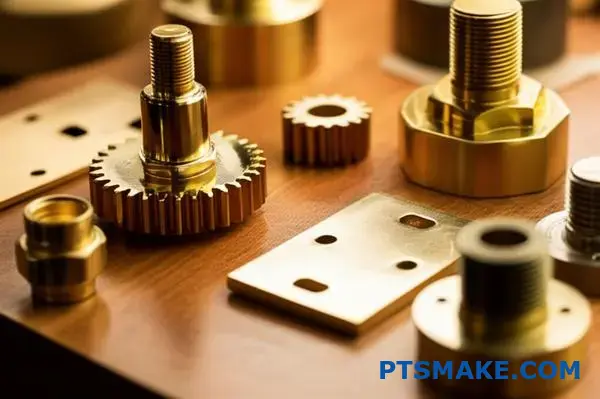
En guide til valg af messingfinish hjælper med at strømline din beslutning. Hos PTSMAKE guider vi dagligt vores kunder gennem denne proces. Vi deler den op i fire nøgleområder.
Ønsket æstetik
Først skal du definere det look, du har brug for. En højglanspolish fungerer til forbrugerprodukter. Det skaber en førsteklasses fornemmelse. Men til industrielt udstyr er en satin eller mat finish bedre. Det reducerer blænding og ser professionelt ud.
Industri og anvendelse
Industrien sætter standarden. Dele til medicin og rumfart har ofte brug for ikke-reflekterende finish af funktionelle årsager. I modsætning hertil bruger arkitektonisk hardware måske en antik messingpolering for at få et klassisk look. Den bedste messingpolering til OEM-dele er ofte en, der afbalancerer udseende med ydeevne.
Krav til holdbarhed
Overvej delens miljø. Vil den blive håndteret ofte? Eller udsættes den for barske forhold? En simpel vokspolering giver minimal beskyttelse. En klar lak eller pulverlak giver en meget mere holdbar barriere mod slitage. Det er afgørende for dele, der skal holde. En dels levetid kan påvirkes af galvanisk korrosion2 hvis det er i kontakt med andre metaller.
Modstandsdygtighed over for korrosion
Messing modstår naturligt korrosion godt. Men salttåge, fugt og kemikalier kan fremskynde anløbningen. Til marineapplikationer eller udendørs brug er en polering med tilsatte korrosionshæmmere eller en forseglet lak afgørende. Vores tests viser, at lakerede overflader kan forlænge en dels levetid betydeligt i barske miljøer.
At vælge den rigtige messingpolering indebærer at afveje æstetiske ønsker mod funktionelle behov som holdbarhed og korrosionsbestandighed. Ved at bruge en klar beslutningsramme sikrer du, at dine dele ikke kun ser godt ud, men også fungerer pålideligt i deres tilsigtede anvendelse.
Hemmeligheder til at opnå spejlfinish på messingkomponenter
At opnå en ægte spejlfinish på messing handler ikke om magi. Det er en metodisk proces. Den er helt afhængig af de rigtige værktøjer, slibemidler og forbindelser. Gætværk fører kun til frustrerende ridser.
Til højglans messingdele er præcision nøglen fra start til slut. Du skal følge en systematisk progression af slibemidler. Det begynder med slibning for at fjerne maskinmærker. Derefter kan du gå videre til de egentlige messingpoleringsmidler.
Her er et typisk slibeforløb, som vi følger:
| Trin | Slibende type | Korn/kvalitet | Formål |
|---|---|---|---|
| 1 | Sandpapir | 400-600 | Fjern dybe ridser |
| 2 | Sandpapir | 800-1200 | Finpuds overfladen |
| 3 | Sandpapir | 1500-2000 | Gør klar til polering |
| 4 | Poleringsmiddel | Grov | Indledende cut & buff |
| 5 | Poleringsmiddel | Fint | Endelig højglansglans |
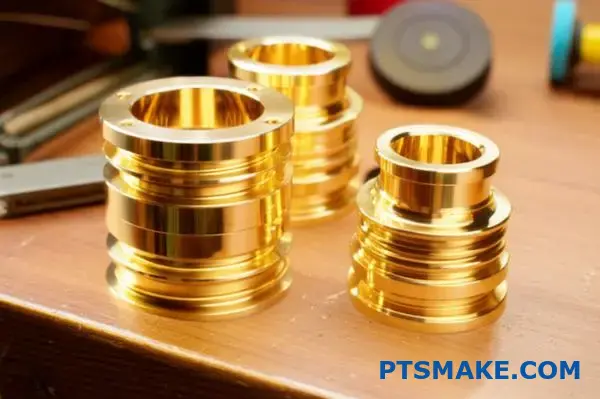
Når overfladen er klargjort, begynder den virkelige kunst af den spejlblanke messingpolering med forbindelser. Det er ikke bare simple pastaer. De er en omhyggelig blanding af fine slibepartikler, der er suspenderet i en bærende væske eller voks.
Valg af den rigtige polermasse
Selve slibemidlet, ofte aluminiumoxid eller diamant, dikterer skærehastigheden. Bærestoffet, som typisk er olie- eller vandbaseret, påvirker smøring, varmeafledning og oprydning. Ingeniører værdsætter dette niveau af kontrol.
Hos PTSMAKE bruger vi en sammensat proces i flere trin til kritiske komponenter. Det sikrer maksimal klarhed og refleksionsevne på den endelige del.
| Sammensat type | Slibekvalitet | Typisk brugssag |
|---|---|---|
| Skæring (brun) | Grov | Fjernelse af alvorlige defekter |
| Polering (hvid) | Medium | Lysner og forfiner |
| Efterbehandling (blå/rød) | Ultrafin | Endelig spejlglans |
En kritisk faktor, man skal være opmærksom på, er slibning Agglomeration3. Når disse fine partikler klumper sig sammen, virker de som et meget grovere korn. Det skaber dybe, tilfældige ridser, som er meget svære at fjerne senere.
Korrekt smøring og brug af rene polerskiver er vigtige tips til CNC-messingpolering for at forhindre dette. Denne disciplin sikrer en ensartet, fejlfri overflade, som kræves til højglans messingdele. Det adskiller en acceptabel finish fra en exceptionel.
At opnå en spejlfinish på messing kræver en disciplineret tilgang. Det kræver en omhyggelig rækkefølge af slibemidler for at fjerne alle ujævnheder, efterfulgt af det korrekte valg af polermidler for at skabe den fejlfri, reflekterende overflade.
Sammenligning af messingpolering og plettering til industrielle dele
Når man vælger en finish til industrielle messingdele, handler beslutningen ikke kun om udseende. Det er et kritisk valg mellem æstetik og funktion. Debatten om Messingpudsning vs. plettering kommer an på din komponents slutanvendelse.
A Messingpolering fremhæver blot materialets naturlige overflade. Det fremhæver den iboende varme, gyldne glans i selve messinglegeringen. Plettering er derimod en additiv proces. Den lægger et nyt lag metal på messingen.
Denne grundlæggende forskel dikterer de endelige egenskaber for din del.
| Funktion | Poleret messing | Belagt messing |
|---|---|---|
| Proces | Slibende (fjerner materiale) | Additiv (tilføjer lag) |
| Primært mål | Fremhæv det naturlige look | Tilføj nye egenskaber |
| Overflade | Original messinglegering | Nyt metallag |
Denne indledende sammenligning er med til at sætte rammerne for beslutningen. Det handler om at afsløre, hvad der er der, og om at tilføje noget nyt.
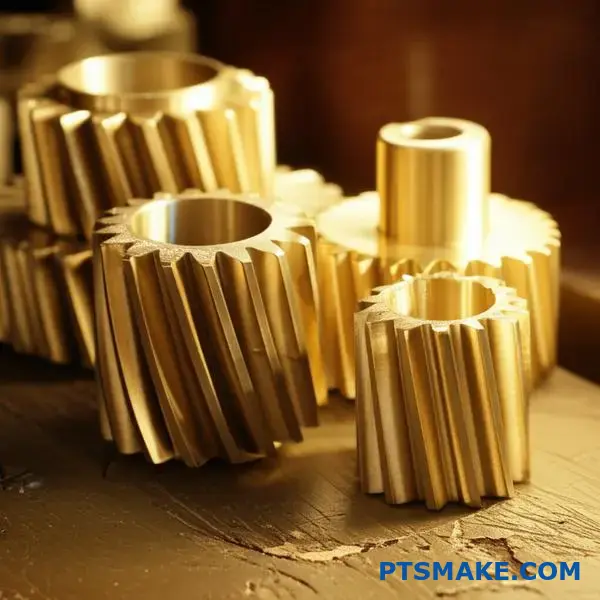
Funktionel indvirkning på performance
Fra et teknisk synspunkt er funktionalitet altafgørende. En simpel Messingpolering er fantastisk, når du har brug for at bevare grundmaterialets egenskaber. Det holder messinglegeringens oprindelige elektriske og termiske ledningsevne intakt. Det er ofte tilstrækkeligt til mange anvendelser.
Men for højtydende Galvaniserede messingkomponenter, plettering giver betydelige fordele. Vi kan tilføje et lag af et andet metal, f.eks. nikkel eller tin, for at forbedre korrosionsbestandigheden dramatisk. Til elektriske kontakter kan et tyndt lag sølv eller guld forbedre ledningsevnen og forhindre oxidering. Valget dikterer delens levetid i barske miljøer.
Afvejning af æstetik og holdbarhed
Æstetisk set giver plettering langt flere muligheder og konsistens. Du kan opnå overflader som blank krom, satineret nikkel eller endda sort zink. Disse looks er ensartede og kan i høj grad gentages på tværs af store produktionsserier. Poleret messing giver et klassisk, varmt udseende, men det vil anløbe med tiden uden en beskyttende lak.
Holdbarhed er en anden vigtig forskel. En hård forkromning er f.eks. langt mere modstandsdygtig over for ridser og slid end blank messing. Hos PTSMAKE styrer vi omhyggeligt processen for at sikre stærke Substratets vedhæftning4, Det forhindrer, at det belagte lag skaller af under stress. Dette er afgørende for bevægelige dele.
Denne tabel hjælper med at afklare den bedste finish for ledningsevne og udseende.
| Ejendom | Messing poleret | Messingbelægning (f.eks. nikkel) |
|---|---|---|
| Ledningsevne | Hjemmehørende i messing | Varierer efter pletteringsmetal |
| Modstandsdygtighed over for korrosion | Lav (anløber) | Høj til meget høj |
| Hårdhed/slid | Hårdhed af uædle metaller | Betydeligt forøget |
| Farvemuligheder | Kun messing | Flere (sølv, krom osv.) |
Valget mellem polering og plettering afhænger helt og holdent af, hvad din del skal bruges til. Polering er bedst til æstetiske dele i kontrollerede miljøer. Plettering er afgørende for komponenter, der har brug for øget holdbarhed, korrosionsbestandighed eller specifikke elektriske egenskaber.
Hvordan messingpolering påvirker korrosionsbestandigheden i barske miljøer
I kritiske sektorer er en messingpolering af høj kvalitet ikke til forhandling. Det er mere end æstetik; det er et funktionelt krav. Det har direkte indflydelse på komponenternes pålidelighed og levetid.
For dele til rumfart og marine er fejl ikke en mulighed. En overlegen polering skaber en glat, ikke-porøs overflade. Det minimerer de steder, hvor korrosionen kan begynde. Den rigtige korrosionsbestandig messingpolish er et primært forsvar.
Præstationer i nøgleindustrier
| Industri | Vigtig fordel ved polish af høj kvalitet |
|---|---|
| Luft- og rumfart | Forhindrer mikropitting, sikrer strukturel integritet |
| Marine | Modstår saltvandskorrosion og biofouling |
| Medicinsk | Letter sterilisering, sikrer biokompatibilitet |
En ordentlig beskyttende messingoverfladefinish er den første forsvarslinje i disse krævende områder.
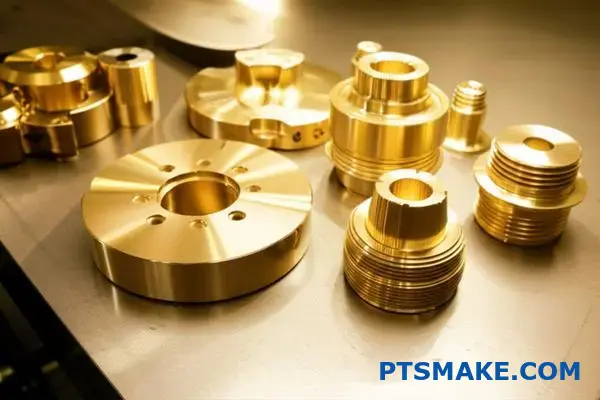
Sammenhængen mellem poleringskvalitet og ydeevne er direkte. En glattere overflade, målt ved en lavere Ra-værdi, efterlader færre mikroskopiske huller. Disse små ufuldkommenheder er der, hvor korrosion, som rust eller anløbning, starter.
Udfordringer inden for rumfart og marine
Inden for rumfart udsættes komponenter for ekstreme temperaturskift og ændringer i det atmosfæriske tryk. En fejlfri beskyttende messingoverfladefinish forhindrer fugt i at blive fanget. Det mindsker risikoen for spændingskorrosion.
Havmiljøer er endnu hårdere. De kombinerer konstant fugt med saltholdighed. Her er en højkvalitets Messingpolering er afgørende for at forhindre accelereret nedbrydning fra saltvand. Det hjælper også med at forhindre galvanisk korrosion5 når messing er i kontakt med andre metaller.
Hos PTSMAKE opnår vi ultraglatte overflader til disse anvendelser. Det sikrer, at vores kunders dele fungerer pålideligt i deres tilsigtede levetid.
Anvendelser af medicinsk udstyr
For medicinske instrumenter er indsatsen lige så høj. En ikke-porøs overflade er lettere at rengøre og sterilisere fuldstændigt. Det reducerer risikoen for bakterievækst og sikrer patientsikkerheden. Den rigtige polering bidrager til materialets biokompatibilitet.
| Funktion | Luftfart/Marin Benefit | Medicinsk ydelse |
|---|---|---|
| Lav overfladeruhed | Reduceret modstand, færre korrosionssteder | Forbedret rengøringsevne, mindre bakteriel vedhæftning |
| Ensartet finish | Ensartet materialeydelse | Forudsigelig interaktion med væv |
| Forbedret hårdhed | Øget slidstyrke | Bedre holdbarhed mod gentagen sterilisering |
En overlegen Messingpolering er et kritisk teknisk trin. Det forbedrer direkte komponenternes pålidelighed og levetid i barske rumfarts-, marine- og medicinske miljøer ved at skabe en robust, beskyttende overflade.
Det lange spil: Hvordan poleret messing betaler sig
Polering af messing er mere end æstetik. Det er en strategisk investering i dit produkts fremtid og brand. Denne finish påvirker direkte den langsigtede ydeevne og kundernes opfattelse.
En vigtig fordel er forbedret holdbarhed af poleret messing. En professionelt poleret overflade er ikke bare skinnende; det er en mere modstandsdygtig komponent.
Dette enkle trin tilføjer et lag af beskyttelse. Det hjælper med at beskytte mod mindre ridser og korrosion fra omgivelserne. I løbet af produktets levetid sikrer denne detalje en lang levetid.
Præstation vs. kundeindtryk
Forbindelsen mellem de fysiske egenskaber og det, kunden føler, er direkte. Vores analyse viser en klar sammenhæng.
| Faktor | Langsigtede resultater | Kundeindtryk |
|---|---|---|
| Modstandsdygtighed over for korrosion | Betydeligt højere | Virker godt vedligeholdt |
| Overfladens hårdhed | Marginalt øget | Føles glat og solid |
| Renlighed | Lettere at tørre af | Ser førsteklasses og ren ud |
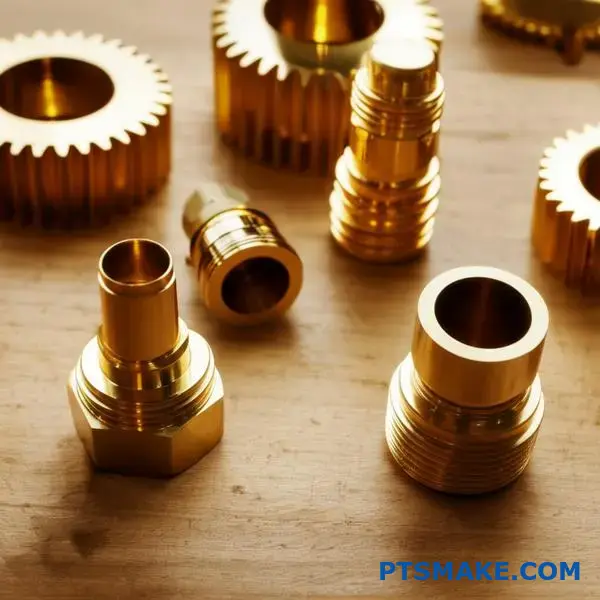
En poleret overflade gør mere end at beskytte. Den kommunikerer lydløst dit brands standarder. Dette er et afgørende aspekt af OEM-branding gennem overfladefinish.
Tænk på slutbrugerens første interaktion. Når de samler et produkt op med en poleret messingdel, føles det væsentligt. Det signalerer straks høj kvalitet.
Denne positive haptisk opfattelse6 er kraftfuld. Det skaber ubevidst tillid. Kunderne forbinder denne følelse af kvalitet med dit brand, hvilket skaber en varig positiv association.
Opbygning af brand equity gennem finish
Hos PTSMAKE ser vi hele tiden, hvordan finish bliver en uudtalt del af brandets identitet. Den fungerer som et stille løfte om den indre kvalitet. En plettet eller ru overflade kan antyde, at der er taget genveje andre steder.
I modsætning hertil antyder en lys, glat polering omhyggelig opmærksomhed på detaljer. Det viser et engagement i kvalitet, som kunderne lægger mærke til.
Den afsmittende effekt af kvalitetsopfattelse
Denne første opfattelse påvirker loyaliteten. En kunde, der har tillid til kvaliteten af dine komponenter, er langt mere tilbøjelig til at købe igen. Den indledende investering i en overlegen messingpudsning betaler sig selv gennem kundefastholdelse og brandets omdømme.
| Færdiggør kvalitet | Kundens takeaway | Indvirkning på OEM-brand |
|---|---|---|
| Højpoleret | "Det føles godt lavet." | Opfattes som førsteklasses, pålidelig |
| Kedelig/ufærdig | "Er det en billig del?" | Set som grundlæggende, budgetfokuseret |
| Inkonsekvent | "De er ikke opmærksomme på detaljerne." | Brandet fremstår uprofessionelt |
En messingpolering af høj kvalitet giver et håndgribeligt investeringsafkast. Det øger holdbarheden af poleret messing og giver overlegen ydeevne. Det skaber et førsteklasses kundeindtryk, styrker OEM-branding gennem overfladefinish og opbygger varig værdi for hele din produktlinje.
Kundecaseundersøgelse: Messingfinish til overholdelse af medicinsk udstyr
En kunde henvendte sig til os med en udfordring. De havde en kritisk messingkomponent til et diagnostisk apparat. Men den fejlede gentagne gange i de lovpligtige kontroller.
Problemet var ikke designet eller materialet. Overfladebehandlingen levede ikke op til de strenge standarder for overfladebehandling af medicinsk udstyr.
Vores opgave var at forfine deres messingpoleringsproces. Det sikrede, at komponenten ikke kun var funktionel, men også fuldt kompatibel. Dette casestudie om messingpolering viser, hvordan finish er afgørende.
| Stat | Overfladens tilstand | Status for overholdelse |
|---|---|---|
| Før | Mikropitting, inkonsekvent Ra | Mislykket |
| Efter | Glat, ensartet, <0,4 μm Ra | Bestået |
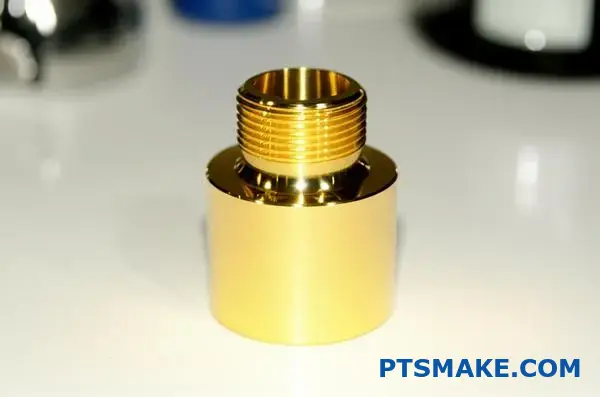
Den lovgivningsmæssige forhindring
Komponenten krævede direkte kontakt med følsomme biologiske prøver. Det betød, at overfladen skulle være ikke-reaktiv og let at sterilisere. Enhver mikroskopisk fejl kunne rumme forurenende stoffer. Det risikerede patientsikkerheden og testens nøjagtighed.
Indledende fejl
Deres første prototyper havde en visuelt tiltalende glans. Men under mikroskopisk inspektion var overfladen for ru. Denne ruhed opfyldte ikke de nødvendige standarder for rengøring af medicinsk udstyr. Overfladen har direkte indflydelse på et apparats sikkerhedsprofil.
PTSMAKE-løsningen: En proces i flere trin
Vi opgav den almindelige poleringsmetode i ét trin. Hos PTSMAKE udviklede vi en flertrinsproces. Den var designet til deres specifikke messinglegering. Denne tilgang sikrede en ensartet og ultraglat overflade. Den endelige finish var afgørende for at opnå enheden Biokompatibilitet7.
Vi arbejdede sammen med kundens team gennem flere iterationer. Sammen perfektionerede vi teknikken. Vores proces ikke bare opfyldte, men overgik de nødvendige specifikationer for deres applikation.
| Trin | Standardproces | Vores forbedrede proces |
|---|---|---|
| 1 | Mekanisk slibning | Kontrolleret lapning |
| 2 | Single-Compound Buff | Polering med flere forbindelser |
| 3 | Kemisk vask | Ultralydsrensning og passivering |
| 4 | Visuel inspektion | 3D-overflademåling |
Denne detaljerede metode garanterede myndighedernes godkendelse.
Dette casestudie viser, at messingpolering ikke er kosmetisk for medicinsk udstyr. En præcis efterbehandlingsproces er afgørende for at opfylde strenge lovmæssige standarder og sikre produktsikkerhed, hvilket i sidste ende fører til en vellykket markedsintroduktion.
Hvordan PTSMAKE sikrer ensartethed i messingpolering fra prototype til masseproduktion
Skalering fra en enkelt prototype til masseproduktion er en kritisk test. Det er her, mange projekter møder udfordringer.
En perfekt prototype er en god start. Men at opnå det samme konsekvent messingfinish på tværs af tusindvis af enheder kræver et robust system.
Fra prøve til skala
Hos PTSMAKE sikrer vi PTSMAKE gentagelsesnøjagtighed for polering gennem dokumenterede processer. Denne systematiske tilgang gør et håndværk til en pålidelig videnskab. Vi opbygger tillid ved at levere forudsigelig kvalitet hver gang.
| Scene | Vigtigt fokus | Resultat |
|---|---|---|
| Prototype | Opnåelse af målet for finish | En enkelt, perfekt del |
| Produktion | Replikering af finishen | Tusindvis af identiske dele |
Denne disciplin er grundlæggende for vores produktionsfilosofi.
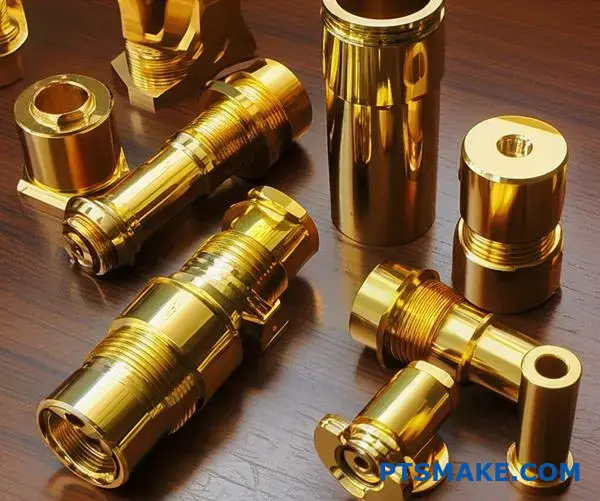
Broen fra én til tusind
Overgangen fra en enkelt perfekt del til tusindvis er ikke magisk. Det er en omhyggeligt styret teknisk proces. Vi dokumenterer alle variabler fra prototypefasen. Disse data bliver grundlaget for masseproduktion.
Standard driftsprocedurer (SOP'er)
Vi udarbejder detaljerede SOP'er for hver Messingpolering projekt. Disse dokumenter er ikke bare retningslinjer. De er strenge instruktioner til vores teknikere. De dækker alt fra maskinindstillinger til den specifikke kvalitet af det anvendte slibemiddel.
Det sikrer, at hver operatør på hvert skift producerer det samme resultat.
Vigtige kontrollerede parametre
Vi kontrollerer flere variabler præcist. Det fjerner gætterier og garanterer en konsekvent messingfinish. Undersøgelsen af tribologi8 informerer vores forståelse af, hvordan materialer interagerer under poleringsprocessen, hvilket giver mulighed for finere kontrol.
| Parameter | Kontrolmetode | Hvorfor det er vigtigt |
|---|---|---|
| Poleringshastighed | Digital RPM-kontrol | Påvirker varme- og materialefjernelseshastigheden |
| Slibende korn | Indkøbte og verificerede partier | Bestemmer den endelige overfladeruhed |
| Anvendt tryk | Kalibreret værktøj | Sikrer ensartet materialekontakt |
| Cyklustid | Automatiserede timere | Garanterer ensartet varighed |
Vores forpligtelse til repeterbarhed
Vores fokus på PTSMAKE gentagelsesnøjagtighed for polering er ubarmhjertig. Vi bruger statistisk proceskontrol til at overvåge resultaterne. Enhver afvigelse bliver straks markeret og korrigeret. Denne proaktive tilgang sikrer, at din endelige produktion matcher den godkendte prototype perfekt.
Succesfuld skalering af en Messingpolering finish kræver, at man går fra håndværk til videnskab. PTSMAKE opnår dette med detaljerede SOP'er og streng proceskontrol. Det sikrer, at prototypens kvalitet gentages perfekt i alle dele under masseproduktionen.
Indpakning af polerede messingdele til ridsefri levering
Den endelige messingpolering er perfekt. Nu begynder den mest kritiske rejse: fra vores anlæg til dit. Korrekt emballering er ikke bare et sidste skridt. Det er en central del af fremstillingsprocessen.
Effektiv logistik for poleret messing sikrer, at dine dele ankommer friske fra fabrikken. Det forhindrer kostbar omarbejdning eller afvisning. Det rigtige anti-ridse-emballagemateriale er nøglen.
Primære emballagelag
Det er vigtigt at vælge den rigtige første indpakning. Det er den første forsvarslinje mod ridser og miljømæssige faktorer.
| Materiale | Risiko for ridser | Risiko for pletter |
|---|---|---|
| Mikrofiberklud | Meget lav | Lav |
| VCI-papir | Lav | Meget lav |
| Standard bobleplast | Høj | Medium |
| PE-skumindpakning | Lav | Lav |
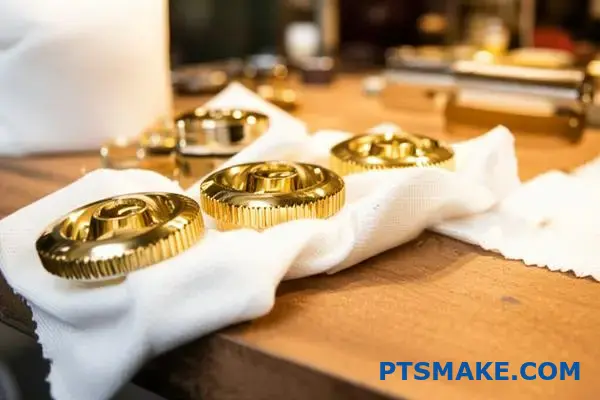
De rigtige materialer er afgørende for at beskytte din investering. Hos PTSMAKE har vi forfinet vores processer for at eliminere transportskader. Det beskytter den sarte messingpolering mod slid og miljømæssige faktorer under transporten. En uberørt del afspejler vores engagement i kvalitet.
Avanceret materialevalg
Vi undgår almindelige materialer som standard bobleplast. Dets overflade kan efterlade aftryk på en spejlblank overflade. Vi holder os også fra kraftpapir, som kan være slibende. I stedet vælger vi et særligt anti-ridse-emballagemateriale, der er designet til følsomme overflader.
Vores løsning er en tilgang med flere lag. Det starter med et blødt, ikke-slibende lag. Det kan være en fnugfri klud eller en specialiseret polyethylen (PE)-skumplade. Dette lag kommer i direkte kontakt med emnet.
Dernæst bruger vi måske VCI-papir (Vapor Corrosion Inhibitor). Det er især vigtigt ved langdistance- eller søfragt. Det hjælper med at forhindre anløbning. Nogle papirmaterialer kan være hygroskopisk9, som kan fange fugt mod overfladen. VCI-papir bekæmper aktivt denne risiko.
Sammenligning af avancerede beskyttelsesindpakninger
Efter at have testet har vi fundet klare vindere til at beskytte en messingpudsning af høj kvalitet.
| Materiale | Beskyttelsesniveau | Bedste brugssag |
|---|---|---|
| Fnugfri mikrofiber | Fremragende | Primær indpakning til spejlfinish |
| VCI papir/poser | Fremragende | Anti-anløbning, lang transit |
| Tværbundet PE-skum | Meget god | Stødabsorbering og forebyggelse af ridser |
| Syrefrit papir | God | Sammenfletning mellem flade dele |
Denne omhyggelige udvælgelse i logistikken for poleret messing er ikke til forhandling for at levere perfektion.
Korrekt beskyttelse af B2B-forsendelser er en videnskab. Det indebærer at vælge det rigtige anti-ridse-emballagemateriale og skabe et system, der forhindrer bevægelse, slid og korrosion. Det sikrer, at hver eneste del ankommer med sin perfekte messingpolering og er klar til at blive samlet.
Optimering af design for lettere polering i produktionen
At opnå en fejlfri messingpolering begynder i designfasen. Det er ikke bare et sidste skridt. Smarte designvalg gør poleringen meget nemmere, hurtigere og mere omkostningseffektiv for dit projekt.
En del, der ikke er designet til efterbehandling, skal ofte omarbejdes. Det fører til uensartet kvalitet og højere omkostninger.
DFM til poleret messing CNC
Korrekt DFM sikrer, at din del er klar til finish. Denne tilgang minimerer det intense manuelle arbejde, der kræves for en messingpolering af høj kvalitet. Det er et afgørende skridt for at opnå ensartede resultater.
| Design-funktion | Vanskeligt at polere | Let at polere |
|---|---|---|
| Indvendige hjørner | Skarp, stram | Generøs, afrundet |
| Overflader | Kompleks, mangefacetteret | Stor, flad eller let buet |
| Forsinkelser | Dyb, smal | Lavvandet, bred adgang |
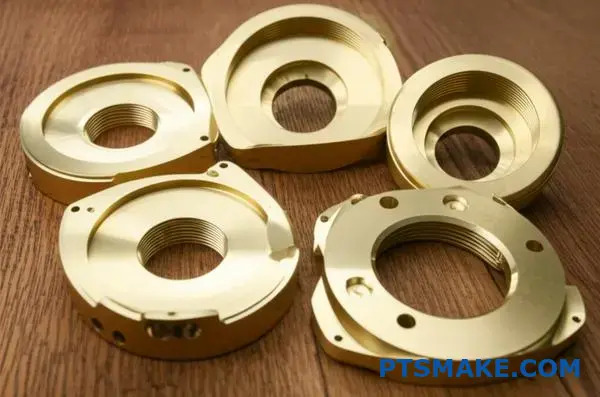
Polering af messing er et håndværk, men du kan i høj grad påvirke resultatet med godt design. Hos PTSMAKE arbejder vi sammen med vores kunder for at sikre, at alle Design af messingdel klar til finish for at opnå et enestående resultat. Dette samarbejde er nøglen.
Forenkle geometri for adgang
Komplekse former med mange detaljer er svære at polere jævnt. Poleringsværktøjer, især de automatiserede, har svært ved at nå alle overflader. Det resulterer ofte i en varieret, inkonsekvent glans.
Det gør en stor forskel at vælge enklere geometrier med store, tilgængelige overflader.
Altid indvendige hjørner med radius
Skarpe indvendige hjørner er en stor udfordring. Pudsehjul kan simpelthen ikke nå ind i et skarpt hjørne. Det efterlader kedelige, upolerede pletter, som skiller sig ud.
Et simpelt DFM-tip er at tilføje en generøs radius. Denne lille ændring giver poleringsværktøjet fuld adgang.
Planlæg den forpolerede overflade
Den indledende overfladefinish fra CNC-bearbejdning påvirker direkte den endelige Messingpolering. En glattere maskinfinish kræver mindre poleringstid. Det reducerer også risikoen for at fjerne for meget materiale. Denne egenskab kan påvirkes af materialets Anisotropi10, hvilket kan påvirke skæring og polering.
| Parameter | Anbefalet retningslinje | Hvorfor det er vigtigt |
|---|---|---|
| Indvendige radier | > 1 mm | Giver adgang til værktøj og buffere |
| Overfladens ruhed | < Ra 0,8 μm | Reducerer den manuelle poleringstid |
| Væggens tykkelse | Konsekvent | Forhindrer forvrængning under polering |
Kort sagt er en overlegen messingpolering designet, ikke bare påført. Enkle overvejelser som afrundede hjørner og glatte overflader reducerer poleringsindsatsen, omkostningerne og leveringstiden betydeligt. Planlægning i forvejen er den mest effektive strategi.
Arbejd med PTSMAKE for uovertruffen præcision i messingpolering
Er du klar til at opnå en fejlfri, højtydende messingfinish til dine industriprojekter? Kontakt PTSMAKE for at få et hurtigt, skræddersyet tilbud - vores eksperter sikrer ensartet, korrosionsbestandig messingpolering fra prototype til produktion. Tag det næste skridt i kvalitet og bliv partner med PTSMAKE i dag!

Lær, hvordan denne overflademåling har direkte indflydelse på komponenternes friktion, slid og samlede levetid. ↩
Lær, hvordan kontakt med andre metaller kan påvirke dine messingdeles levetid. ↩
Forstå, hvordan slibepartiklernes opførsel påvirker overfladekvaliteten, og lær teknikker til at forhindre ridser. ↩
Forstå, hvordan denne binding er afgørende for den langsigtede pålidelighed og ydeevne af dine belagte komponenter. ↩
Forstå den elektrokemiske proces, der får et metal til at korrodere, når det rører ved et andet i en elektrolyt. ↩
Lær, hvordan taktile kvaliteter påvirker brugerens opfattelse af produktets kvalitet og samlede værdi. ↩
Forstå de vigtigste materialeegenskaber, der kræves til sikker anvendelse af medicinsk udstyr. ↩
Udforsk, hvordan videnskaben om friktion og slid hjælper os med at perfektionere poleringsteknikkerne, så de bliver mere ensartede. ↩
Lær, hvordan materialets fugtabsorption kan påvirke dine dele under forsendelse. ↩
Lær, hvordan et materiales retningsbestemte egenskaber kan påvirke den endelige polerede overflade og designresultaterne. ↩