
Military equipment failures cost lives and compromise national security. When precision CNC machining falls short of defense-grade standards, the consequences extend far beyond budget overruns—they can determine mission success or failure in critical situations.
Military CNC machining requires specialized expertise to produce defense-grade parts that meet stringent MIL-SPEC standards, handle classified projects securely, and deliver mission-critical precision from prototype through full-scale deployment.
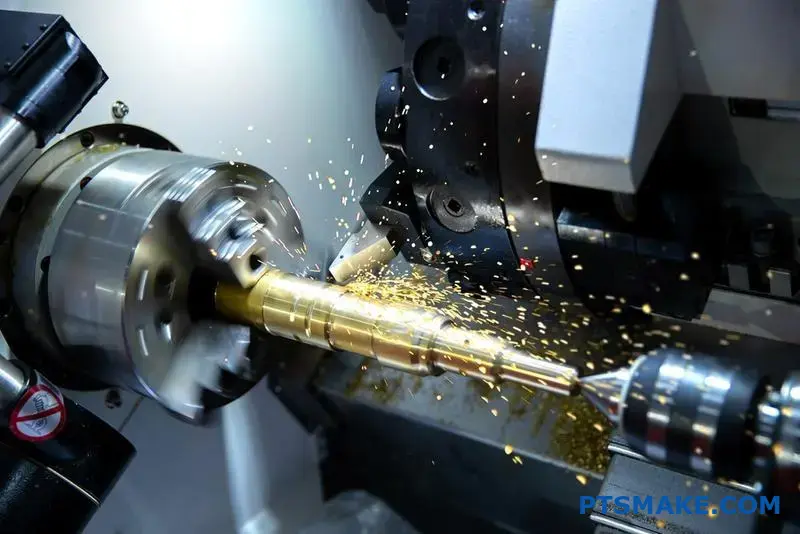
I’ve worked with defense contractors who needed rapid prototyping for classified systems and manufacturers requiring ITAR-compliant production runs. This guide covers the essential knowledge you need to navigate military CNC machining successfully.
Why Precision Matters In Military CNC Applications
In military CNC machining, precision isn’t just a goal. It’s an absolute requirement. A tiny error can lead to catastrophic failure on the battlefield.
معيار عدم التسامح مطلقًا
يجب أن تعمل أجزاء CNC ذات المستوى الدفاعي بشكل لا تشوبه شائبة. إنها تعمل تحت ضغط شديد وفي بيئات قاسية. ببساطة لا يوجد مجال للخطأ.
عواقب عدم الدقة
حتى الانحراف على مستوى الميكرون يمكن أن يضر بالأداء. قد يعني هذا انحراف صاروخ عن مساره أو فشل نظام حرج في لحظة حاسمة.
| المكوّن | خطر عدم الدقة |
|---|---|
| زناد السلاح الناري | عطل في الإطلاق أو استجابة متأخرة |
| زعنفة توجيه الصاروخ | مسار غير دقيق |
| محور المركبة المدرعة | فشل هيكلي تحت الضغط |
هذا الطلب الصارم للدقة هو ما يحدد CNC عالي الدقة للتطبيقات العسكرية. يتعلق الأمر بالموثوقية والسلامة.
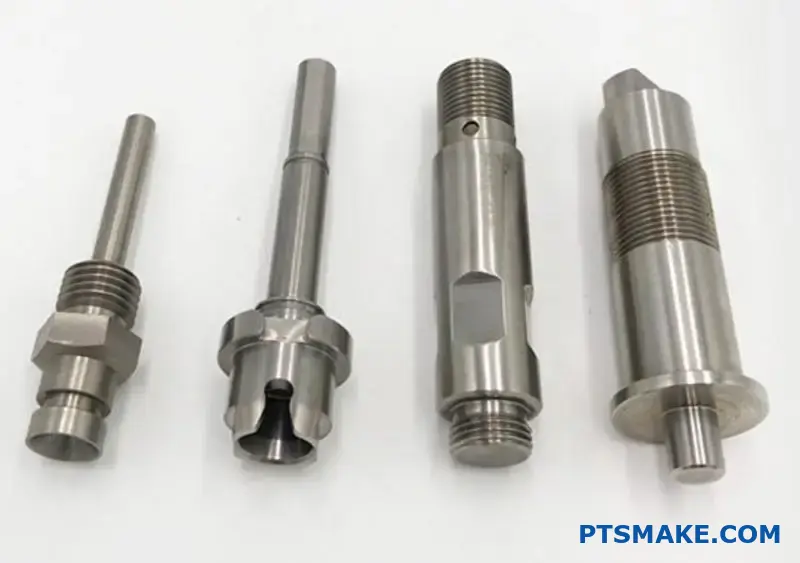
ما وراء المخطط: التحديات غير المرئية
تحقيق الدقة المطلوبة في تصنيع CNC العسكري يتجاوز بكثير مجرد اتباع ملف CAD. يجب أن نأخذ في الاعتبار العوامل التي يمكن أن تغير بشكل خفي سلامة المكون وأدائه أثناء التصنيع وبعده. هذا هو المكان الذي تكمن فيه الخبرة حقًا.
سلامة المواد والضغط
غالبًا ما تتمتع المواد المستخدمة في الدفاع بخصائص فريدة. على سبيل المثال، تُظهر بعض السبائك سلوكيات هيكلية مختلفة اعتمادًا على اتجاه القوة. هذا اعتبار حاسم أثناء التشغيل الآلي. يجب أن نفهم خواص متباينة الخواص1 كل مادة لمنع نقاط الضعف غير المتوقعة.
عامل رئيسي آخر هو الإجهاد المتبقي الذي يتم إدخاله أثناء عملية التشغيل الآلي. يمكن أن تؤدي التقنيات غير السليمة إلى خلق توترات داخلية تؤدي إلى تشوه الجزء أو فشله المبكر في الميدان. هذا تهديد صامت نعمل على التخفيف منه بنشاط.
التأثير البيئي على الأداء
يجب أن تعمل معدات الدفاع بشكل موثوق في كل مكان. هذا يعني من القطب الشمالي المتجمد إلى الصحاري الحارقة. التمدد والانكماش الحراري يمثلان تحديات كبيرة. قد يكون الجزء المصقول بدقة مثالية عند 20 درجة مئوية خارج المواصفات عند -40 درجة مئوية.
يجب علينا اختيار المواد وعمليات التشغيل الآلي التي تضمن الاستقرار عبر نطاق واسع من درجات حرارة التشغيل.
| العامل | مراعاة التصنيع الآلي |
|---|---|
| صلابة المواد | اختيار الأداة وتحسين سرعة القطع |
| التمدد الحراري | تعديلات التفاوت للبيئة التشغيلية |
| تثبيط الاهتزازات | التثبيت وصلابة الآلة لضمان جودة السطح |
في PTSMAKE، نحن لا نقوم فقط بتصنيع الأجزاء. نحن نصمم حلولاً تأخذ في الاعتبار هذه المتغيرات المعقدة والمترابطة. هذا يضمن أن كل جزء CNC بدرجة دفاع جاهز تمامًا للمهمة.
الدقة في التشغيل الآلي العسكري باستخدام الحاسب الآلي أمر غير قابل للتفاوض بسبب المخاطر الشديدة للفشل. تتطلب الدقة الحقيقية خبرة تتجاوز المخطط، مع مراعاة علوم المواد والعوامل البيئية لضمان أن كل مكون جاهز للمهمة وموثوق به تمامًا في ظل الظروف القاسية.
What Are MIL-SPEC Standards and How Does CNC Machining Meet Them?
ما هي معايير MIL-SPEC؟ فكر فيها على أنها الكتاب النهائي لقواعد التصنيع الدفاعي. إنها موجودة لسبب واحد: ضمان الموثوقية الكاملة.
تضمن هذه القواعد أن كل مكون قوي ومتوافق ويعمل دون فشل في ظل الظروف القاسية.
هذا هو المكان الذي يصبح فيه التشغيل الآلي الدقيق MIL-SPEC ضروريًا. لا يفي التشغيل الآلي باستخدام الحاسب الآلي بهذه المعايير العسكرية للتشغيل الآلي باستخدام الحاسب الآلي فحسب؛ بل يتجاوزها باستمرار. يوفر التحكم والتوثيق المطلوبين.
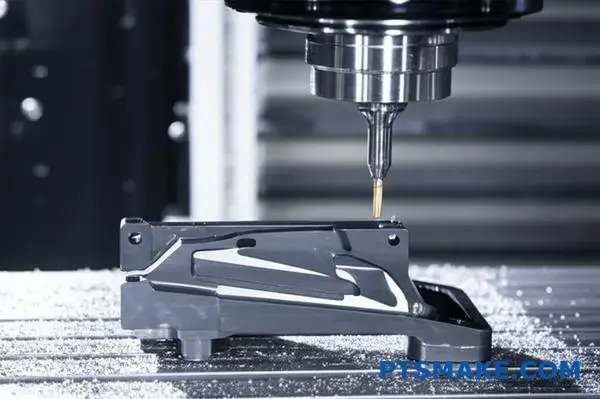
يوفر التشغيل الآلي باستخدام الحاسب الآلي الإثبات القابل للتحقق الذي تتطلبه هذه المعايير الصارمة. الأمر لا يتعلق فقط بصنع جزء بشكل صحيح. يتعلق الأمر بإثبات، بالبيانات، أن كل خطوة تم إجراؤها بشكل صحيح.
الدور الحاسم لسجلات التدقيق
تولد أنظمة CNC الحديثة سجلاً رقميًا كاملاً. يغطي هذا السجل كل شيء بدءًا من البرنامج الأولي وحتى فحوصات الجودة النهائية. هذا يخلق مسار تدقيق غير منقطع. لأي مشروع تصنيع CNC عسكري، هذا المستوى من التتبع أساسي. لا يترك شيئًا للصدفة.
الحفاظ على تفاوتات أدق
تتطلب معايير التصنيع العسكري CNC دقة فائقة. نقوم بتصنيع الأجزاء باستمرار بتفاوتات أدق مما تتطلبه المواصفات. يضمن هذا المخزن المؤقت المدمج ملاءمة ووظيفة مثالية. علم علم القياس2 هو المفتاح للتحقق من صحة هذه النتائج.
بناءً على المشاريع التي تعاملنا معها، الفرق واضح.
| المتطلبات | صناعي قياسي | معيار MIL-SPEC |
|---|---|---|
| التفاوت الشائع | ±0.127 مم (0.005 بوصة) | ±0.025 مم (0.001 بوصة) |
| أصل المواد | غير محدد في كثير من الأحيان | موثق بدقة |
| تتبع العمليات | الأساسيات | شامل وإلزامي |
أهمية الشهادات
الشهادات غير قابلة للتفاوض. في PTSMAKE، تتماشى عملياتنا مع أنظمة الجودة مثل ISO 9001. كما نقدم شهادات مواد كاملة. يؤكد هذا أن المواد الخام تلبي لوائح الدفاع الصارمة، مما يضمن الامتثال من البداية إلى النهاية.
في جوهرها، تعتبر آلات التحكم الرقمي بالحاسوب (CNC) مناسبة تمامًا للأعمال التي تتوافق مع المواصفات العسكرية (MIL-SPEC). إن دقتها المتأصلة، ومسارات التدقيق الرقمية التفصيلية، والالتزام بالعمليات المعتمدة تجعلها مثالية لتطبيقات الدفاع حيث الفشل ليس خيارًا.
From Prototype To Deployment: CNC’s Role In Military Innovation
آلات التحكم الرقمي بالحاسوب (CNC) ضرورية للبحث والتطوير العسكري. إنها تقصر الرحلة من الفكرة إلى الواقع. هذه العملية تدور حول السرعة والدقة.
دور النمذجة الأولية السريعة
تنشئ خدمات آلات التحكم الرقمي بالحاسوب (CNC) للنماذج الأولية العسكرية نماذج مادية بسرعة. يمكن للمهندسين الإمساك بالجزء واختباره. يؤكد هذا شكله وملاءمته ووظيفته في وقت مبكر.
التكرار والتحسين
التغييرات لا مفر منها في تطوير الأجهزة الدفاعية. تسمح آلات التحكم الرقمي بالحاسوب (CNC) بإجراء تعديلات سريعة. يمكن صنع نسخة جديدة من مكون في غضون ساعات. هذه الحلقة التكرارية ضرورية.
| المرحلة | مساهمة آلات التحكم الرقمي بالحاسوب (CNC) | التأثير |
|---|---|---|
| المفهوم | إنشاء نماذج مادية | التحقق من صحة نظرية التصميم |
| الاختبار | تعديل سريع للأجزاء | تقليل وقت إعادة التصميم |
| ما قبل الإنتاج | دفعات صغيرة | التحقق من قابلية التصنيع |
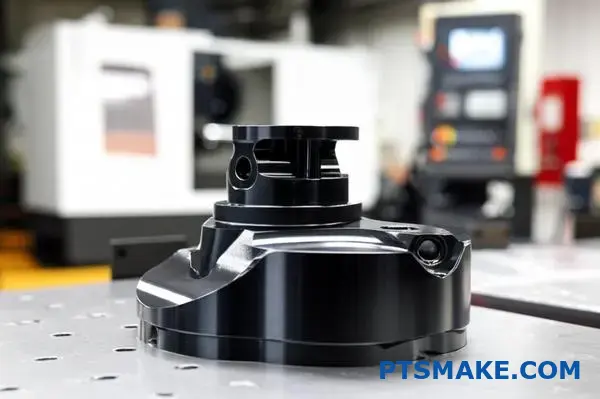
آلات التحكم الرقمي بالحاسوب (CNC) هي أكثر من مجرد أداة للنماذج الأولية. إنها تشكل الجسر الحاسم من التصميم الأولي إلى النشر النهائي. هذا الانتقال السلس ميزة كبيرة. يضمن أن الجزء الذي تم اختباره مطابق للجزء المستخدم في الميدان.
ضمان سلامة المواد
تستخدم المعدات العسكرية مواد متقدمة. يشمل ذلك السبائك عالية القوة والمركبات المتخصصة. الآلات ذات التحكم الرقمي بالحاسوب (CNC) هي واحدة من الطرق القليلة التي يمكنها تشكيل هذه المواد بدقة فائقة. تسمح بإنشاء أجزاء تلبي معايير أداء صارمة.
تؤسس هذه العملية أيضًا صارمة إمكانية تتبع المواد3, ، وهو أمر غير قابل للتفاوض في الدفاع. يؤكد أصل وجودة كل مكون مستخدم.
قيادة الابتكار الحقيقي
سرعة الآلات ذات التحكم الرقمي بالحاسوب (CNC) للابتكار العسكري هي عامل تغيير. التصاميم المعقدة التي كانت نظرية في السابق أصبحت ممكنة الآن. يؤدي هذا إلى معدات أخف وأقوى وأكثر كفاءة.
| مرحلة البحث والتطوير | الدور الأساسي للآلات ذات التحكم الرقمي بالحاسوب (CNC) | النتيجة الرئيسية |
|---|---|---|
| البحث | إنشاء نماذج إثبات المفهوم. | تحليل الجدوى. |
| التطوير | إنتاج نماذج أولية وظيفية للاختبار. | التحقق من الأداء. |
| النشر | تصنيع أجزاء نهائية منخفضة الحجم وعالية الدقة. | جاهزية المهمة. |
في PTSMAKE، نساعد عملاءنا على تحسين هذه التصميمات المعقدة. نضمن أن ابتكاراتهم ليست رائعة فحسب، بل قابلة للتصنيع أيضًا. هذا النهج العملي يوفر الوقت والموارد.
تقلل آلات التحكم الرقمي بالحاسوب (CNC) بشكل كبير من دورة البحث والتطوير العسكرية. إنها تدعم كل مرحلة من نماذج أولية آلات التحكم الرقمي بالحاسوب العسكرية إلى النشر الميداني. تضمن هذه العملية الدقة، وتتحقق من أداء المواد، وتوفر في النهاية أجهزة موثوقة للمهام الحرجة، وتربط التصميمات المبتكرة بالتطبيق في العالم الحقيقي.
Critical Materials Used In Military CNC Machining
يعد اختيار المادة المناسبة الخطوة الأولى الحاسمة. في آلات التحكم الرقمي بالحاسوب العسكرية، الأداء تحت الضغط الشديد غير قابل للتفاوض. يؤثر اختيار المادة بشكل مباشر على متانة المكون ووزنه وموثوقيته.
فئات المواد الرئيسية
غالبًا ما نعمل مع مجموعة محددة من المعادن عالية الأداء. لكل منها خصائص فريدة مناسبة لتطبيقات الدفاع المختلفة. يعد اختيار مادة آلات التحكم الرقمي بالحاسوب العسكرية المناسبة أمرًا حيويًا.
سبائك التيتانيوم
يُقدّر التيتانيوم لنسبة قوته إلى وزنه العالية ومقاومته للتآكل. إنه ضروري لإطارات الطائرات والمكونات البحرية.
سبائك الألومنيوم
الألمنيوم عالي القوة خفيف الوزن وسهل التشغيل. يُستخدم في المركبات المدرعة والأجزاء الهيكلية للطائرات.
| المواد | الممتلكات الرئيسية | التطبيق العسكري الشائع |
|---|---|---|
| التيتانيوم (Ti-6Al-4V) | قوة عالية بالنسبة للوزن | إطارات الطائرات، أجزاء المحركات |
| الألمنيوم (7075) | خفيف الوزن، قوي | دروع المركبات، أغلفة الصواريخ |
| الفولاذ المقاوم للصدأ | مقاومة التآكل | أجهزة بحرية، مكونات أسلحة |
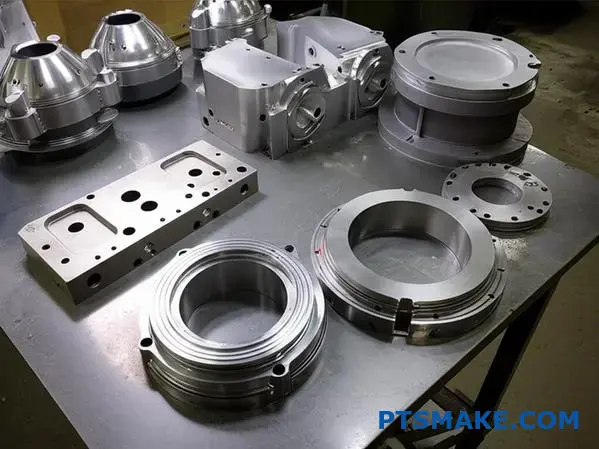
نظرة أعمق على السبائك العسكرية
في حين أن المواد الأساسية شائعة، فإن التطبيقات العسكرية تتطلب سبائك متخصصة. تم تصميم هذه السبائك لبيئات قاسية ومحددة. هذا هو المكان الذي تصبح فيه الخبرة في التعامل مع آلات التحكم الرقمي بالحاسوب للسبائك العسكرية أمرًا بالغ الأهمية.
التيتانيوم في تطبيقات الدفاع
مكونات الدفاع المصنعة بتقنية CNC من التيتانيوم، خاصة تلك المصنوعة من Ti-6Al-4V، هي معيار في الطائرات العسكرية الحديثة. إنها توفر أداءً استثنائيًا في درجات الحرارة العالية. ومع ذلك، فإن تشغيل هذه السبيكة يمثل تحديًا بسبب ضعف موصليتها الحرارية. يمكن أن يؤدي هذا إلى تآكل سريع للأدوات. إدارة الحرارة هي المفتاح.
الفولاذ والألمنيوم المتقدم
بالنسبة للأجزاء المدرعة والهيكلية، توفر سبائك مثل فولاذ AR500 مقاومة باليستية. في المقابل، يوفر الألمنيوم 7075 قوة تضاهي الفولاذ بجزء بسيط من الوزن. تقدم كل سبيكة تحديات تشغيل فريدة. على سبيل المثال، تتطلب صلابة AR500 أدوات قطع محددة وسرعات آلة أبطأ. عند تشغيل هذه المواد، غالبًا ما نلاحظ أن خواص متباينة الخواص4 يمكن أن يؤثر على سلامة المكون النهائي إذا لم تتم إدارته بشكل صحيح.
| نوع السبيكة | الميزة الأساسية | تحدي التصنيع الآلي |
|---|---|---|
| Ti-6Al-4V | قوة فائقة ومقاومة للحرارة | ضعف التوصيل الحراري |
| 7075 ألومنيوم 7075 | قوة عالية، وزن خفيف | يمكن أن تكون عرضة للتشقق تحت الضغط |
| فولاذ AR500 | مقاومة باليستية ممتازة | صلابة عالية، كاشطة |
| إنكونيل | قوة فائقة في درجات الحرارة العالية | تصلب العمل، تآكل الأدوات |
يعد الاختيار الصحيح لمواد CNC العسكرية أمرًا بالغ الأهمية لتطبيقات الدفاع. توفر مواد مثل التيتانيوم والألمنيوم وسبائك الفولاذ المتخصصة فوائد فريدة ولكنها تقدم أيضًا تحديات تشغيل مميزة تتطلب تعاملًا خبيرًا واستراتيجيات تصنيع محددة.
Inspection Protocols That Save Military Projects From Failure
الفحوصات البصرية والفرجار ليست كافية للمشاريع العسكرية. يجب علينا استخدام طرق فحص متقدمة. هذه الأدوات تنظر إلى ما هو أبعد من السطح.
إنها تضمن أن كل جزء يلبي المواصفات القصوى. هذا أمر حيوي لموثوقية المعدات العسكرية.
دور الفحص المتقدم
مناسب فحص أجزاء CNC تستخدم تكنولوجيا متطورة. إنها تجد العيوب غير المرئية بالعين المجردة. هذه الخطوة غير قابلة للتفاوض للتطبيقات الدفاعية.
طرق متقدمة رئيسية
| الطريقة | الاستخدام الأساسي | حاسم لـ |
|---|---|---|
| CMM | دقة الأبعاد ثلاثية الأبعاد | الأشكال هندسية معقدة |
| الأشعة السينية | الكشف عن العيوب الداخلية | السلامة الهيكلية |
| تحليل السطح | التحقق من التشطيب والطلاء | المتانة، الاحتكاك |
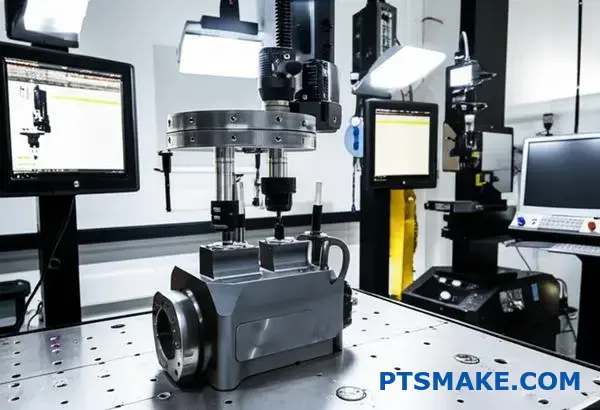
يوفر الفحص المتقدم بيانات موضوعية. هذا يزيل التخمين من مراقبة الجودة. بالنسبة للمشاريع العسكرية، هذا اليقين ضروري. نحن نتحدث عن مكونات لا يمكن أن تفشل فيها.
نظرة متعمقة على تقنية الفحص
ماكينات قياس الإحداثيات (CMM)
CMM لأجزاء الدفاع هو المعيار الذهبي للتحقق من الأبعاد. تستخدم CMM مسبارًا للمس نقاطًا على الجزء. يقوم بإنشاء خريطة ثلاثية الأبعاد دقيقة للمكون.
في PTSMAKE، نستخدم CMM للتأكد من أن الأجزاء المعقدة من تشغيل الآلات CNC العسكرية تتطابق الخطوط تمامًا مع نموذج CAD. غالبًا ما تكون التفاوتات ضيقة بشكل لا يصدق.
فحص بالأشعة السينية
تمنحنا الأشعة السينية نظرة داخل الجزء النهائي. إنها جزء أساسي من ضمان الجودة العسكرية CNC. يكشف هذا الأسلوب عن الفراغات الداخلية أو الشقوق أو التناقضات في كثافة المواد دون إتلاف المكون. إنه شكل من أشكال الاختبارات غير الإتلافية5.
تحليل السطح
يتضمن ذلك مقاييس التنميط والمجاهر. تقيس هذه الأدوات خشونة السطح والملمس وسمك الطلاء. بالنسبة للأجزاء التي تواجه احتكاكًا شديدًا أو تآكلًا، فإن التشطيب السطحي المثالي أمر بالغ الأهمية للأداء والعمر الافتراضي.
| التكنولوجيا | ما الذي يقيسه | مثال على التطبيق العسكري |
|---|---|---|
| CMM | الأبعاد الهندسية، التفاوتات | التحقق من محيط شفرات التوربينات |
| الأشعة السينية | العيوب الداخلية، كثافة المواد | التحقق من الفراغات في أغلفة مصبوبة |
| تحليل السطح | الخشونة، سمك الطلاء | ضمان طلاءات منخفضة الاحتكاك على المكابس |
تعتبر الأساليب المتقدمة مثل CMM والأشعة السينية وتحليل السطح بالغة الأهمية. فهي توفر البيانات العميقة والموضوعية اللازمة للتحقق من صحة الأجزاء للتطبيقات العسكرية عالية المخاطر، مما يضمن الدقة البعدية والسلامة الداخلية لكل مكون على حدة.
How To Vet CNC Partners For Classified Or Sensitive Projects
عندما يكون مشروعك مصنفًا، فإن الأمان ليس اختياريًا. إنه الأساس المطلق لشراكتك. قدرة المورد الخاص بك على حماية المعلومات الحساسة أمر بالغ الأهمية.
1. سنركز على ثلاثة ركائز أمنية حاسمة. وهي الامتثال للوائح إدارة تجارة الأسلحة الدولية (ITAR)، والتعامل مع البيانات، وأمن المنشأة المادية. اختيار شركة تصنيع CNC آمنة حقًا 2. يتطلب تعمقًا في هذه المجالات. هذا يضمن سلامة مشروعك. 3. فهم لوائح إدارة تجارة الأسلحة الدولية (ITAR) والبروتوكولات الأمنية.
4. تصنيع مكونات الطيران الدقيقة باستخدام الحاسب الآلي
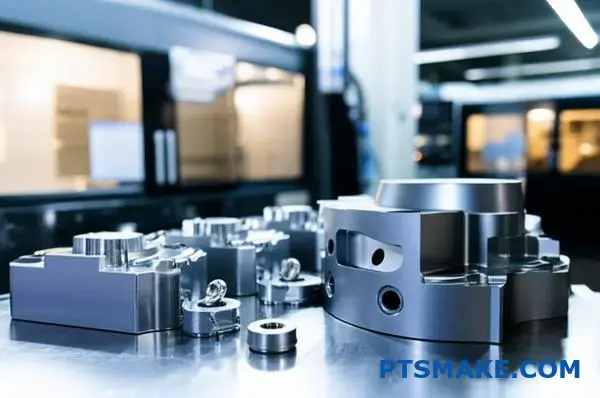
6. الامتثال للوائح إدارة تجارة الأسلحة الدولية (ITAR): نقطة الفحص الأولى.
7. يجب أن يكون أي شريك مشارك في
8. مسجلاً لدى إدارة تجارة الأسلحة الدولية (ITAR). هذا أمر غير قابل للتفاوض. تحدد لوائح إدارة تجارة الأسلحة الدولية كيفية التعامل مع المقالات والخدمات المتعلقة بالدفاع. اطلب رمز تسجيل DDTC الخاص بهم. تحقق منه. الشريك غير المألوف مع لوائح إدارة تجارة الأسلحة الدولية هو علامة حمراء فورية لـ تشغيل الآلات CNC العسكرية 9. موردي المشاريع المصنفة 10. سرية البيانات والتعامل معها.
11. كيف سيستلم شريكك ملفات CAD الخاصة بك ويخزنها؟ يجب عليهم استخدام طرق نقل آمنة ومشفرة. يجب تسجيل الوصول إلى الملفات الحساسة وتقييده. وهذا يشمل حماية
12. [المعلومات غير المصنفة الخاضعة للرقابة](https://www.dodcui.mil/)[^6] 13. والتي تتطلب ضمانات محددة. وجدنا أن بروتوكولات التعامل الواضحة مع البيانات تقلل بشكل كبير من المخاطر الأمنية. 14. أمن المنشأة.
15. المنشأة الآمنة هي قلعة مادية. تتطلب نقاط وصول خاضعة للرقابة، ومراقبة على مدار الساعة طوال أيام الأسبوع، ومناطق آمنة مخصصة. يجب تخزين المواد الخام والمكونات النهائية للمشاريع الحساسة في مناطق مقفلة ومراقبة.
A secure facility is a physical fortress. It requires controlled access points, 24/7 surveillance, and designated secure zones. Raw materials and finished components for sensitive projects must be stored in locked, monitored areas.
| طبقة الأمان | طريقة التحقق | مستوى الأهمية |
|---|---|---|
| تنظيمي | التحقق من تسجيل ITAR | إلزامي |
| رقمي | تدقيق تشفير البيانات وسجلات الوصول | الحرجة |
| البدنية | فحص المنشأة في الموقع | الحرجة |
يعد التحقق من امتثال شريكك لـ ITAR، والتعامل مع البيانات، والأمن المادي أمرًا ضروريًا. هذه الخطوات ليست مجرد أفضل الممارسات؛ إنها إجراءات وقائية ضرورية لحماية سرية مشروعك وضمان الامتثال القانوني من اليوم الأول.
Choosing Between 3-Axis, 5-Axis, Or Swiss Machining For Defense Needs
يعد اتخاذ القرار الصحيح بين أنواع آلات CNC الدقيقة أمرًا بالغ الأهمية. تخدم كل تقنية غرضًا مميزًا في التطبيقات العسكرية. يؤثر قرارك بشكل مباشر على التكلفة والدقة وأوقات التسليم.
يجب علينا مطابقة الآلة مع الاحتياجات المحددة للمكون. يمكن أن يؤدي عدم التطابق إلى نفقات غير ضرورية أو فشل الأجزاء.
مقارنة نقاط القوة الأساسية
دعنا نقسم الاستخدامات الأساسية لكل نوع من أنواع التشغيل الآلي في قطاع الدفاع.
| نوع التشغيل الآلي | تطبيق الدفاع الأساسي | الميزة الرئيسية |
|---|---|---|
| 3 محاور CNC | الأقواس، والمبيتات، والألواح | فعالة من حيث التكلفة للأجزاء البسيطة |
| 5 محاور CNC | شفرات التوربينات، والهياكل المعقدة | إعداد واحد للأشكال الهندسية المعقدة |
| التصنيع بالماكينات السويسرية | دبابيس الإطلاق، والموصلات | سرعة عالية للأجزاء الصغيرة والمعقدة |
يبسط هذا الجدول عملية الاختيار الأولية.
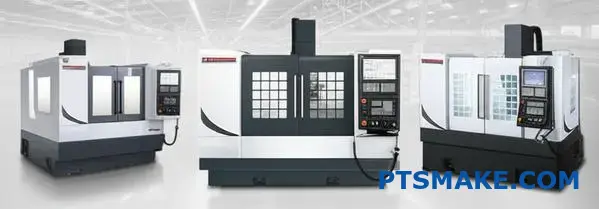
اتخاذ القرار الصحيح لأجزاء الدفاع
يتضمن اختيار أفضل عملية تصنيع عسكرية باستخدام الحاسب الآلي عدة عوامل رئيسية. تعقيد الجزء هو نقطة البداية الأكثر وضوحًا.
تقييم هندسة الجزء
بالنسبة للأجزاء ذات الميزات على وجوه متعددة، فإن تطبيقات الدفاع باستخدام الحاسب الآلي ذات 5 محاور مثالية. هذه الطريقة تقوم بتصنيع الأشكال المعقدة في إعداد واحد. يقلل من الأخطاء الناتجة عن إعادة تثبيت الجزء. الأجزاء البسيطة والمنشورية مناسبة تمامًا للآلات ذات 3 محاور.
يتميز الخراطة السويسرية بالتميز في المكونات الصغيرة والنحيلة. فكر في الأجزاء ذات نسبة الطول إلى القطر العالية. هذه شائعة في الذخائر والإلكترونيات. تظهر خبرتنا أن خدمات الخراطة السويسرية العسكرية توفر دقة لا مثيل لها لهذه الأجزاء المحددة.
حجم الإنتاج والتفاوتات
حجم الإنتاج المطلوب هو عامل حاسم آخر.
| العامل | 3-المحور 3 | 5-المحور 5 | الخراطة السويسرية |
|---|---|---|---|
| أفضل حجم | منخفضة إلى متوسطة | منخفضة إلى متوسطة | عالية |
| التعقيد | منخفضة | عالية | عالي (أسطواني) |
| التسامح | قياسي | ضيق جداً | ضيق للغاية |
في PTSMAKE، نقوم بتحليل هذه العوامل مع عملائنا. نضمن أن تتوافق الطريقة المختارة مع متطلبات الميزانية والأداء. نوع قطع العمل6 يلعب أيضًا دورًا مهمًا في تحقيق التفاوتات الضيقة، خاصة في عمليات 5 محاور. غالبًا ما نقوم بتطوير تجهيزات مخصصة لمشاريع الدفاع المتطلبة.
يعد اختيار نوع التصنيع المناسب - 3 محاور، 5 محاور، أو سويسري - أمرًا أساسيًا لتصنيع الدفاع. يعتمد اختيارك على تعقيد الجزء وحجم الإنتاج والدقة المطلوبة. يؤثر هذا القرار بشكل مباشر على أداء المكون وفعالية تكلفة المشروع الإجمالية.
Fast-Track Manufacturing For Urgent Military Projects
في المشاريع العسكرية العاجلة، الوقت مورد لا يمكنك استعادته. النماذج الأولية السريعة والإنتاج بكميات صغيرة ضروريان. يسمحان بالتحقق السريع من التصاميم.
تضمن هذه السرعة توفر المكونات الحيوية دون تأخير.
دور CNC السريع
يُعد CNC السريع للتطبيقات العسكرية مُغيرًا لقواعد اللعبة. إنه يسد الفجوة بين التصميم والأجزاء الوظيفية. هذه القدرة حيوية لإنتاج أجزاء الدفاع بسرعة.
تلبية المواعيد النهائية الضيقة
نحقق ذلك من خلال تحسين كل خطوة في عمليتنا.
| المرحلة | الإجراء | المزايا |
|---|---|---|
| نقلاً عن | التحليل الآلي | ملاحظات فورية |
| البرمجة | برامج CAM المتقدمة | تقليل وقت الإعداد |
| التصنيع الآلي | معدات عالية السرعة | أزمنة دورات أسرع |
يضمن هذا النهج المنظم أننا نلبي الجداول الزمنية الأكثر تطلبًا.
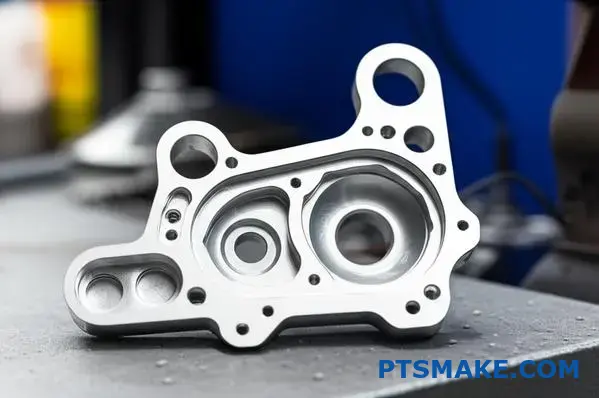
عند التعامل مع الحاجة الملحة لـ CNC بكميات منخفضة، فإن التحدي الرئيسي هو الحفاظ على المعايير العسكرية الصارمة تحت الضغط. لا يوجد مجال للانحراف، بغض النظر عن الجدول الزمني. يجب أن يكون كل جزء مثاليًا.
هذا هو المكان الذي تثبت فيه العملية القوية قيمتها.
التبسيط من أجل النجاح
في PTSMAKE، تركز استراتيجيتنا لتصنيع CNC العسكري على التحضير المبكر. نستخدم محاكاة مفصلة للتحقق من كل جانب من جوانب دورة الإنتاج قبل قطع أي قطعة معدنية.
هذا النهج الاستباقي يقلل من الأخطاء. كما أنه يمنع التأخير المكلف أثناء مرحلة التصنيع. إدارة مسار الأدوات7 الجيل بدقة هو مفتاح ذلك. يضمن تحقيق السرعة والدقة على حد سواء.
من النموذج الأولي إلى الجزء الجاهز للاستخدام الميداني
إن تدفق العمليات المحدد جيدًا أمر بالغ الأهمية لتحويل النموذج الأولي إلى مكون جاهز للمهمة بسرعة. تُظهر تجربتنا أن الخطة المنهجية أسرع من المحاولة المتسرعة.
| خطوة العملية | الاعتبارات الرئيسية | النتيجة |
|---|---|---|
| مراجعة التصميم | فحص قابلية التصنيع | إزالة عقبات الإنتاج |
| توريد المواد | شبكة موردين معتمدة | سلامة المواد مضمونة |
| الفحص النهائي | فحوصات CMM واليدوية | الامتثال للمواصفات 100% |
تضمن هذه المنهجية المنضبطة أن المشاريع الأكثر إلحاحًا تسفر عن قطع موثوقة وعالية الجودة.
يُعد النمذجة الأولية السريعة والتشغيل الآلي CNC بكميات صغيرة أمرًا حيويًا لتلبية الاحتياجات العسكرية الملحة. إن العملية المبسطة التي توازن بين السرعة والجودة التي لا تقبل المساومة هي مفتاح التسليم الناجح وفي الوقت المناسب للمكونات الدفاعية الحيوية.
Achieving Component Interchangeability Across Systems
تبادل المكونات ليس صدفة. إنه نتيجة مباشرة للهندسة والتصنيع الدقيقين.
هذا صحيح بشكل خاص بالنسبة للأجزاء الدفاعية القابلة للتبديل. هنا، الفشل ليس خيارًا.
أساس الملاءمة
تُعد التفاوتات الضيقة المخطط المثالي للملاءمة المثالية. إنها تحدد الانحراف المقبول لبُعد معين. بدونها، تحقيق موثوق ملاءمة دقيقة CNC مستحيل.
ما أهمية ذلك
بالنسبة للمكونات العسكرية المعيارية المصنوعة بتقنية CNC، تتيح هذه الدقة لجزء تم تصنيعه اليوم أن يحل محل جزء تم تصنيعه قبل سنوات بشكل مثالي، في أي مكان في العالم.
| نوع التسامح | التطبيق النموذجي | التأثير على قابلية التبادل |
|---|---|---|
| قياسي | السلع الاستهلاكية | منخفضة إلى متوسطة |
| ضيقة | الطيران، الدفاع، الفضاء | عالٍ، حرج |
تضمن هذه الدقة أن يؤدي كل مكون وظيفته بلا عيوب ضمن نظام أكبر.
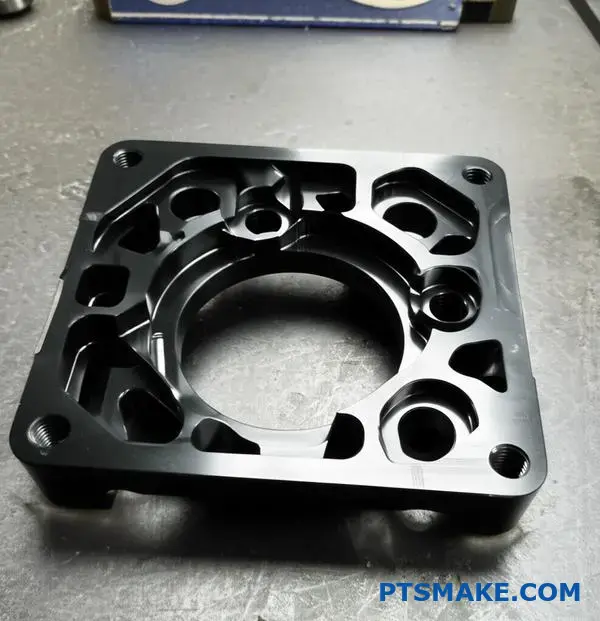
التبادلية الحقيقية تتجاوز مجرد التفاوتات الضيقة. إنها تتطلب عمليات تصنيع خاضعة للرقابة العميقة من البداية إلى النهاية. الرسم بمواصفات ضيقة هو مجرد خطة؛ التنفيذ هو كل شيء.
العمليات الخاضعة للرقابة: الركيزة غير المرئية
في PTSMAKE، نركز على استقرار العمليات. هذا يعني التحكم في كل متغير، من التحقق من المواد الخام إلى الفحص النهائي. يضمن أن الجزء الأول مطابق للألف.
العمليات المتسقة ضرورية لتصنيع CNC العسكري، حيث الموثوقية أمر بالغ الأهمية. هذا الانضباط يمنع الانحراف والتغير على مدار عمليات الإنتاج الطويلة.
ما وراء المخطط
نحن نراقب معايرة الآلة، وتآكل الأدوات، وحتى درجة الحرارة المحيطة. يمكن لهذه العوامل أن تؤثر بشكل خفي على الأبعاد. تتطلب الدقة الحقيقية هذا المستوى من التحكم. هذه هي الطريقة التي نضمن بها أن الأجزاء تلبي المواصفات المعقدة مثل تحديد الأبعاد الهندسية والمقايسة الهندسية8 باستمرار.
هذا النهج المنهجي يحول التصميم الجيد إلى مكون قابل للتبادل بشكل موثوق. إنه جوهر التصنيع الدقيق الحديث.
| مرحلة العملية | نقطة فحص التحكم | الغرض |
|---|---|---|
| مدخلات المواد | تحليل الشهادة | التحقق من السبيكة والمزاج |
| المادة الأولى | فحص CMM | تأكيد دقة الإعداد |
| قيد التنفيذ | مراقبة SPC | اكتشاف الانحراف وتصحيحه |
| ضمان الجودة النهائي | فحص كامل الأبعاد | ضمان الامتثال للمواصفات |
تضمن هذه العملية المنظمة أن كل جزء نقدمه يلبي المتطلبات الدقيقة لتناسب مثالي.
يعتمد تحقيق المكونات القابلة للتبديل على ركيزتين: الهندسة الدقيقة مع تفاوتات ضيقة وعمليات تصنيع صارمة ومتحكم بها. هذا المزيج ضروري لإنتاج مكونات CNC عسكرية معيارية موثوقة تتناسب وتعمل بشكل مثالي عبر أي نظام أو منصة.
Advanced Coatings And Finishes That Extend Service Life
اختيار التشطيب المناسب ليس مجرد مسألة جمالية. إنه يتعلق بالبقاء. الطلاءات المتقدمة تطيل بشكل كبير العمر التشغيلي لأجزاء CNC المصنعة. إنها توفر حماية حاسمة ضد التآكل والصدأ والإجهاد البيئي.
هذا صحيح بشكل خاص للتطبيقات الصعبة. فكر في الأجزاء المستخدمة في الدفاع أو الطيران والفضاء. التشطيب هو مكون أداء حاسم.
الأنودة للألمنيوم
الأنودة هي عملية كهروكيميائية. إنها تعزز طبقة الأكسيد الطبيعية على أجزاء الألمنيوم. هذا يوفر مقاومة ممتازة للتآكل والمتانة.
طلاء المسحوق
يوفر طلاء المسحوق تشطيبًا متينًا وزخرفيًا. إنه أقوى من الطلاء التقليدي. يتم تطبيقه كمسحوق جاف ثم معالجته بالحرارة.
معالجات عسكرية
هذه تشطيبات متخصصة. إنها تلبي المواصفات العسكرية الصارمة (MIL-SPEC). إنها توفر حماية فائقة في أقسى البيئات. هذا هو المكان الذي طلاءات CNC العسكرية ضرورية.
| نوع العلاج | المواد الأولية | الميزة الرئيسية |
|---|---|---|
| الأنودة (النوع الثاني/الثالث) | ألومنيوم | مقاومة التآكل/مقاومة التآكل |
| طلاء المسحوق | معظم المعادن | المتانة، الجماليات |
| طلاءات MIL-SPEC | متنوع | حماية البيئات القاسية |
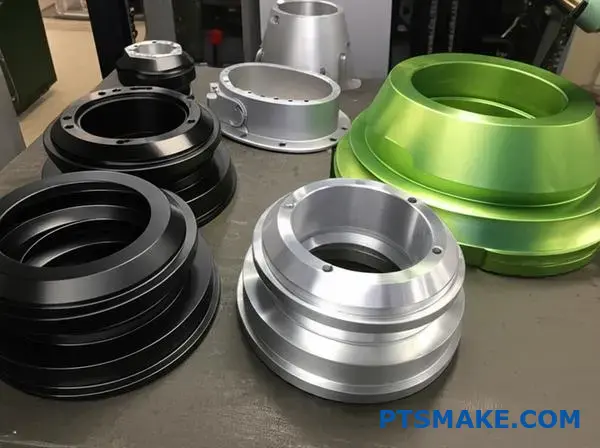
بالنسبة للمكونات في قطاع الدفاع، غالبًا ما تكون التشطيبات القياسية غير كافية. هذا هو المكان الذي تصبح فيه بروتوكولات معالجة سطح CNC المتخصصة للدفاع أمرًا بالغ الأهمية. هذه ليست مجرد طلاءات؛ إنها أنظمة متكاملة مصممة للأداء والموثوقية القصوى. معالجة سطح CNC للدفاع بروتوكولات معالجة سطح CNC المتخصصة للدفاع أمرًا بالغ الأهمية. هذه ليست مجرد طلاءات؛ إنها أنظمة متكاملة مصممة للأداء والموثوقية القصوى.
فهم طلاءات MIL-SPEC
تحدد المواصفات العسكرية كل شيء. وهذا يشمل سمك الطلاء وصلابته ومقاومته الكيميائية. تضمن هذه الطلاءات عمل الأجزاء بشكل موثوق في ظروف القتال. تشمل الأمثلة الشائعة الطلاءات المقاومة للعوامل الكيميائية (CARC) ومواد التشحيم ذات الأغشية الجافة. تظهر اختباراتنا أن هذه يمكن أن تزيد من عمر المكون بأكثر من 200% في البيئات المسببة للتآكل.
اختيار التشطيب المناسب
عملية الاختيار مفصلة. يجب أن نأخذ في الاعتبار المادة الأساسية وبيئة التشغيل وعمر الخدمة المتوقع. قد يكون الطلاء الأنودي الصلب مثاليًا لجزء من الألومنيوم مقاوم للتآكل. ومع ذلك، يحتاج مكون فولاذي معرض للمياه المالحة إلى حل مختلف تمامًا، مثل طلاء الزنك المتخصص مع طلاء تحويل الكرومات. الخصائص القبلية9 خصائص السطح طلاءات CNC العسكرية خصائص السطح هي عامل رئيسي في هذه القرارات. في [اسم الشركة]، نعمل مع العملاء لمطابقة التشطيب الصحيح للتطبيق المحدد.
| مثال MIL-SPEC | الوصف | تطبيق مشترك |
|---|---|---|
| MIL-A-8625 | الطلاءات الأنودية للألومنيوم | أجزاء الألومنيوم للطيران والدفاع |
| MIL-DTL-5541 | الطلاءات التحويلية الكيميائية | حماية من التآكل، برايمر طلاء |
| MIL-PRF-24712 | طلاءات مسحوق للاستخدام البحري | معدات السفن، أجهزة بحرية |
الطلاءات المتقدمة ضرورية لإطالة العمر التشغيلي، خاصة في الصناعات ذات المخاطر العالية. من الأنودة إلى المعالجات القوية ذات الدرجة العسكرية، يضمن الاختيار الصحيح أن تتحمل الأجزاء التآكل والتآكل والظروف القاسية، مما يضمن الموثوقية والأداء عندما يكون ذلك أكثر أهمية.
Real-World Case Studies: CNC Solutions In Mission-Critical Defense Systems
النظرية شيء. التطبيق العملي شيء آخر. دعنا نستكشف بعض التطبيقات العسكرية الحقيقية لـ CNC حيث الدقة ليست مجرد هدف، بل ضرورة.
الطائرات المسيرة (UAVs)
تتطلب الطائرات المسيرة مكونات خفيفة الوزن وقوية للغاية في نفس الوقت.
تقوم آلات CNC بتصنيع أجزاء معقدة لهياكل الطائرات وغرف المستشعرات. تضمن هذه الأجزاء الدفاعية المصنعة خصيصًا الموثوقية أثناء الطيران.
حوامل الأسلحة
الاستقرار هو كل شيء للدقة. تعتمد حوامل الأسلحة على أجزاء CNC لامتصاص قوى الارتداد الهائلة والحفاظ على الهدف.
| مجموعة المكونات | المواد الشائعة | متطلبات CNC الرئيسية |
|---|---|---|
| هيكل الطائرة المسيرة | ألومنيوم 7075 | طحن معقد بخمسة محاور، تقليل الوزن |
| علب المستشعرات | التيتانيوم (Ti-6Al-4V) | تحملات ضيقة، إحكام بيئي |
| حوامل الأسلحة | الفولاذ المقاوم للصدأ | صلابة عالية، تخميد الاهتزازات |
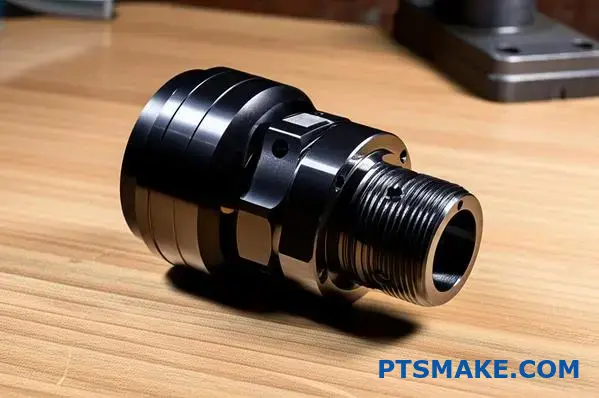
دعنا نتعمق في أحد أكثر المجالات تطلبًا: أنظمة التحكم في الحرائق. هذه دراسة حالة مثالية للدفاع باستخدام التصنيع باستخدام الحاسب الآلي. هذه الأنظمة هي العقول المدبرة للدقة، وتحسب المسارات في أجزاء من الثانية.
يمكن أن يؤدي خطأ صغير في ترس أو هيكل إلى خطأ عدة أمتار على مسافة. هذا هو المكان الذي يثبت فيه التصنيع العسكري باستخدام الحاسب الآلي قيمته الحقيقية.
دور التفاوتات المسموح بها
في أنظمة التحكم في الحرائق، تتطلب المكونات مثل حوامل العدسات البصرية، وهياكل الجيروسكوب، وتروس المشغلات دقة فائقة.
غالبًا ما نعمل مع تحملات تُقاس بالميكرونات. بعد اختبارات مكثفة مع عملائنا، وجدنا أن هذا المستوى من الدقة غير قابل للتفاوض لضمان موثوقية النظام.
تكامل المواد والتشطيب
اختيار المادة هو مجرد البداية. يلعب التشطيب السطحي دورًا كبيرًا في الأداء وطول العمر.
بالنسبة للأجزاء المصنوعة من الألومنيوم، فإن معالجات مثل الطلاء الصلب الأنودة10 قياسية. تخلق هذه العملية سطحًا شبيهًا بالسيراميك يقاوم التآكل والتآكل، وهو أمر بالغ الأهمية في البيئات التشغيلية القاسية. إنها تفصيلة نديرها عن كثب في PTSMAKE.
| مكون حاسم | المادة المستخدمة | التفاوت النموذجي (±) | الوظيفة الأساسية |
|---|---|---|---|
| هيكل الجيروسكوب | تيتانيوم | 0.005 مم | يحمي مستشعرات التثبيت الحساسة |
| حامل العدسة | ألومنيوم 6061-T6 | 0.010 مم | يضمن المحاذاة البصرية المثالية |
| ترس القيادة | فولاذ مقوى | 0.002 مم | يوفر حركة سلسة ودقيقة |
تُظهر دراسات الحالة هذه كيف تُنشئ آلات CNC العسكرية الأجزاء عالية الدقة الضرورية لأنظمة الدفاع الحديثة. من الطائرات المسيرة إلى التحكم في الحرائق، ينصب التركيز على الموثوقية والدقة والأداء في الظروف القاسية.
Unlock Mission-Critical Precision With PTSMAKE Military CNC Solutions
هل أنت مستعد لرفع مستوى مشاريع التصنيع الدفاعي لديك بدقة وأمان عالميين؟ اطلب عرض أسعارك من PTSMAKE اليوم واكتشف كيف يمكن لآلات CNC العسكرية المتقدمة لدينا أن توفر الموثوقية والامتثال وسرعة الإنجاز - بغض النظر عن مدى تعقيد أو حساسية متطلباتك. اتخذ الإجراء الآن!

تعرف على كيف يمكن أن تختلف خصائص المواد حسب الاتجاه وتؤثر على قوة المكون. ↩
اكتشف كيف يضمن علم القياس أن تلبي أجزائك المواصفات الأكثر تطلبًا. ↩
تعرف على سبب أهمية توثيق التاريخ الكامل للمادة للتطبيقات العسكرية والفضائية. ↩
اكتشف كيف تؤثر الخصائص الاتجاهية للمادة على نتائج التشغيل الآلي. ↩
تعرف على كيف تضمن هذه الطرق سلامة الأجزاء دون التسبب في تلف المكون. ↩
اكتشف كيف تعد استراتيجيات تثبيت العمل المتقدمة ضرورية لتحقيق دقة على مستوى الميكرون. ↩
افهم كيف تؤثر استراتيجيات مسار الأداة بشكل مباشر على كفاءة التشغيل الآلي والجودة النهائية للأجزاء الدقيقة. ↩
تعلم كيف تحدد هذه اللغة الرمزية وتوصل تفاوتات الهندسة لتحقيق نتائج تصنيع دقيقة. ↩
تعلم كيف تؤثر تفاعلات السطح على الاحتكاك والتآكل والتزييت في الأنظمة الميكانيكية. ↩
تعرف على المزيد حول هذه العملية الكهروكيميائية الحاسمة لتعزيز متانة الأجزاء ومقاومة التآكل. ↩