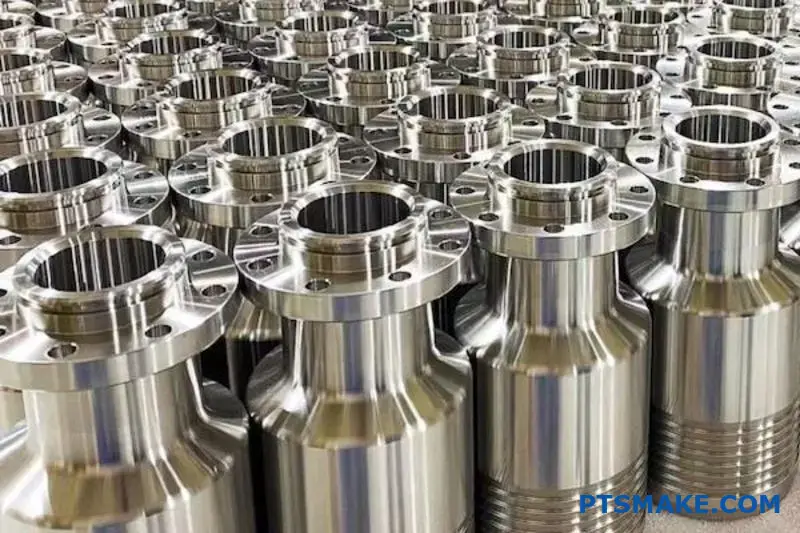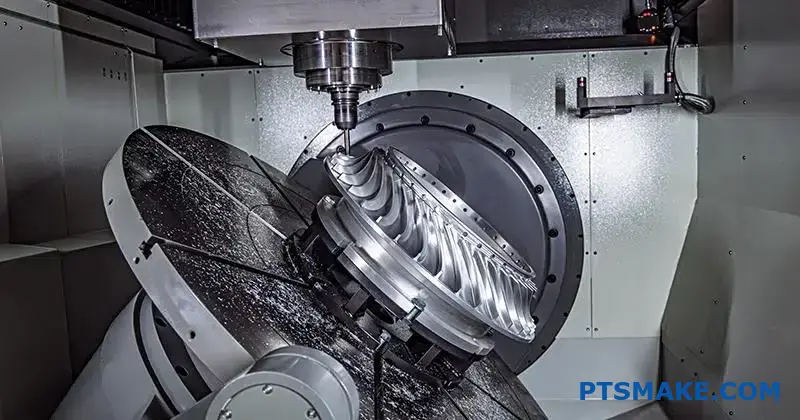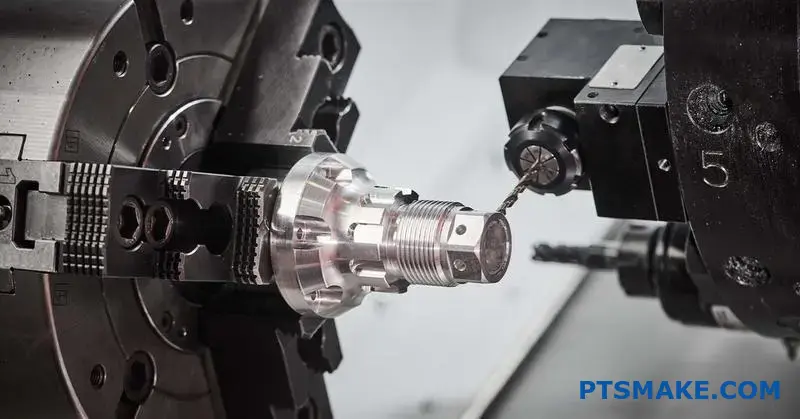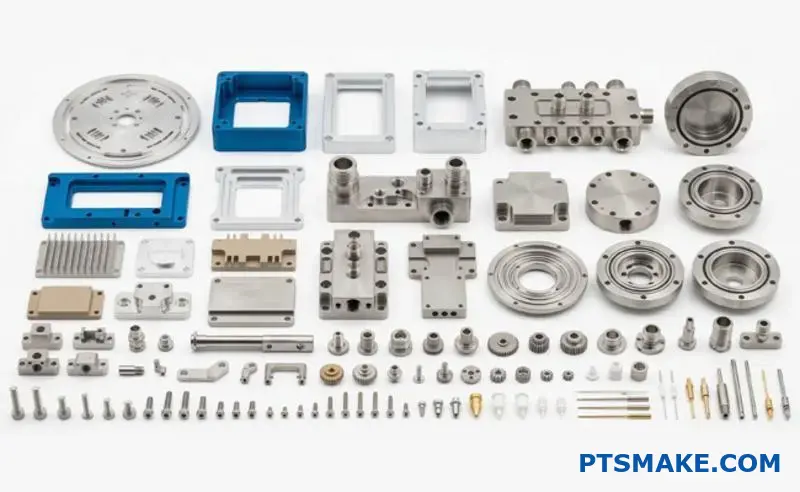

Many procurement managers struggle to find reliable CNC machining suppliers outside of China, especially when delivery delays and quality inconsistencies put their projects at risk. Vietnam’s rapid industrial growth promises cost-effective precision manufacturing, but separating capable suppliers from mediocre ones feels like navigating a minefield without proper guidance.
Vietnam has emerged as a leading CNC machining destination, offering 30-40% cost savings compared to China while maintaining comparable quality standards. The country’s strategic location, skilled workforce, and favorable trade agreements make it an attractive alternative for precision manufacturing outsourcing.
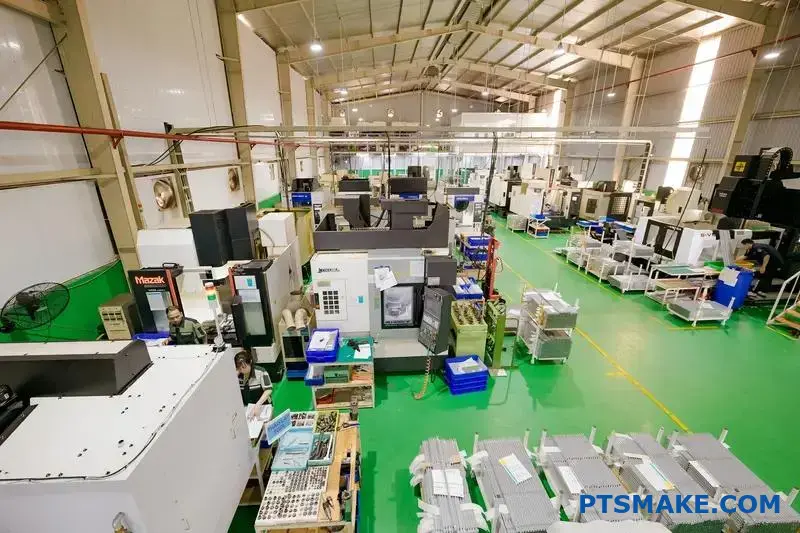
This comprehensive guide draws from real supplier evaluations and procurement experiences across Vietnam’s manufacturing hubs. I’ll walk you through the practical steps to identify reliable partners, manage quality expectations, and structure successful offshore CNC projects that deliver results on time and within budget.
Why Vietnam Is Emerging As A CNC Machining Powerhouse
Vietnam is rapidly becoming a key player in global manufacturing. This isn’t a random trend; it’s a strategic shift I’ve watched closely.
Many companies are now looking beyond traditional hubs. Vietnam presents a compelling case for diversification.
The country provides a significant Vietnam manufacturing advantage. This is driven by smart economic policies and a proactive government.
Its growing role in low-cost CNC Asia is clear. This makes it a hotspot for CNC machining Vietnam, attracting serious investment. Let’s look at the core reasons.
The Economic Foundation for Growth
Vietnam’s economic stability is a major draw. The government has focused on creating a business-friendly environment. This reduces risk for companies like ours and our clients looking to establish supply chains there.
This stable foundation makes long-term planning more reliable.
Competitive Labor and Developing Skills
The workforce is young and growing. More importantly, labor costs remain highly competitive against other regional players. This directly impacts the final cost of machined parts without compromising on diligence.
However, it’s not just about cost. A national focus on technical education is expanding the pool of capable engineers and machine operators. This is crucial for high-precision CNC machining where skill is paramount.
Powerful Trade Agreements
Vietnam’s network of trade agreements is a game-changer. Pacts like the EVFTA and CPTPP open up huge international markets. They significantly reduce or eliminate tariffs on manufactured goods.
This creates a powerful L'avantage comparatif1 for businesses manufacturing there. Parts made in Vietnam can enter markets like the EU or Canada more cheaply.
Here is a simple breakdown of key agreements:
| Agreement | Key Benefits for CNC Machining |
|---|---|
| EVFTA | Near-zero tariffs for goods exported to the EU. |
| CPTPP | Reduced trade barriers with 10 other countries. |
| RCEP | Streamlined trade rules across the Asia-Pacific. |
These agreements make the entire supply chain more efficient. They simplify logistics and reduce costs for companies seeking a Vietnam manufacturing advantage. This is a huge factor in today’s global market.
Vietnam’s rise in CNC machining is built on solid ground. Favorable labor costs, a skilled workforce, and strategic trade agreements like EVFTA and CPTPP create a powerful manufacturing environment. This combination offers a distinct competitive edge in Asia.
How Vietnam CNC Suppliers Compare To China, India And Mexico
Choosing the right offshore partner is critical. It involves balancing cost, quality, and logistics. Each country offers unique advantages and challenges.
Let’s break down the key differences objectively. This helps you make an informed decision for your supply chain.
High-Level Sourcing Comparison
This table offers a quick overview. It is based on our direct project experiences and client feedback.
| Pays | Pricing | Qualité Cohérence | Average Lead Time |
|---|---|---|---|
| Vietnam | Highly Competitive | Improving, but can vary | Moderate to Long |
| Chine | Very Competitive | Generally High | Short to Moderate |
| Inde | Highly Competitive | Variable | Moderate to Long |
| Mexico | Modéré | Bon | Very Short (for US) |
Considering cnc machining vietnam is a popular choice now. But it’s important to see how it truly stacks up.
A simple price-per-part comparison is misleading. You must consider the Coût total de possession (TCO)2. This includes shipping, tariffs, communication overhead, and potential rework costs.
Deeper Dive: Beyond the Price Tag
When evaluating the best offshore CNC suppliers, look closer at these operational factors. China’s mature infrastructure often means faster, more reliable logistics. This can significantly shorten project timelines.
In contrast, while cnc machining vietnam offers compelling labor costs, its logistics network is still developing. This can sometimes introduce unexpected delays. We’ve seen this firsthand on time-sensitive projects.
Key Operational Factors
Mexico’s key advantage is its proximity to the US. This drastically reduces shipping times and costs, making it ideal for Just-In-Time (JIT) manufacturing needs.
India presents a large, skilled engineering pool. However, navigating its business culture and infrastructure can require more hands-on management.
Here’s a breakdown based on factors that impact your project’s bottom line.
| Facteur | Vietnam | Chine | Inde | Mexico |
|---|---|---|---|---|
| Logistics Maturity | Developing | Excellent | Modéré | Bon |
| Labor Skill Level | Growing | Haut | High (Engineering) | Modéré |
| Ease of Communication | Modéré | Bon | Good (English) | Bon |
| Supply Chain Stability | Bon | Excellent | Modéré | Bon |
At PTSMAKE, we guide clients through this analysis. We help them find the best fit not just for a single part, but for their entire production strategy.
This data-driven comparison reveals that the lowest price doesn’t always mean the best value. Each region—Vietnam, China, India, and Mexico—has distinct operational profiles that must align with your project’s specific priorities, from lead time to quality consistency.
The Real Cost Breakdown Of CNC Machining In Vietnam
Understanding the pricing structure is key. The cost of CNC machining in Vietnam isn’t just one number. It’s a mix of several factors.
Each element plays a distinct role in the final quote. For effective budget planning, you need to see the whole picture.
Les principaux éléments de coût
Machine Time & Labor
This is often the largest part of the cost. It includes the hourly rate for running the CNC machine. It also covers the skilled labor needed to operate it.
Materials and Tooling
Material choice directly impacts the price. Common metals like aluminum are cheaper than specialized alloys. Tooling costs for jigs and fixtures are also factored in.
Below is a typical cost distribution for a standard part.
| Élément de coût | Percentage of Total Cost (Approx.) |
|---|---|
| Le temps des machines | 40% – 60% |
| Matières premières | 20% – 35% |
| Travail | 10% – 15% |
| Outillage et configuration | 5% – 10% |
This breakdown helps visualize where your money goes.

To accurately forecast your CNC machining Vietnam cost, you must look beyond the obvious. The initial quote covers direct manufacturing, but other elements are crucial for successful budget planning.
Deeper Dive into Pricing
Setup and Programming
Every new part requires setup time. This includes CAM programming and machine preparation. For low-volume runs, this cost has a larger impact on the Vietnam CNC cost per part.
Tooling and Fixtures
Custom fixtures or specialized cutting tools add to the upfront cost. The amortissement3 of these tools over the total number of parts produced is a key calculation. At PTSMAKE, we provide clear tooling cost options to help clients manage this.
Finishing and Quality Control
Post-processing steps like anodizing, painting, or polishing add costs. Rigorous quality control and inspection, while essential, also require time and resources.
Logistics and Shipping
Finally, consider the cost of getting parts from Vietnam to your facility. This includes packaging, freight, and customs duties. These can vary significantly.
Here’s a comparison for different part complexities.
| Fonctionnalité | Simple Part (e.g., a bracket) | Complex Part (e.g., a housing) |
|---|---|---|
| Le temps des machines | Faible | Haut |
| Coût des matériaux | Modéré | High (more waste) |
| Programmation | Faible | Haut |
| Finition | Minime | Souvent nécessaire |
This shows how complexity drives up every single cost factor.
A clear understanding of the full cost structure is crucial. It goes beyond materials and machine time to include setup, tooling, and logistics. This knowledge empowers effective budget planning and supplier negotiations.
Top Factors That Affect CNC Part Quality In Vietnam
When outsourcing CNC machining to Vietnam, quality is everything. But what truly defines part quality? It’s not a single step. It’s a combination of several critical factors.
Understanding these variables is key. It helps you ask the right questions. This ensures you partner with a supplier who meets your standards. True quality control in cnc machining vietnam goes beyond a final inspection.
Here are the four pillars of part quality:
| Facteur clé | Description |
|---|---|
| Capacité de la machine | The precision and age of the CNC machines. |
| Compétences de l'opérateur | The experience and training of the machinists. |
| QA/QC Processes | The systems for inspection and quality assurance. |
| Matières premières | The sourcing and verification of materials. |
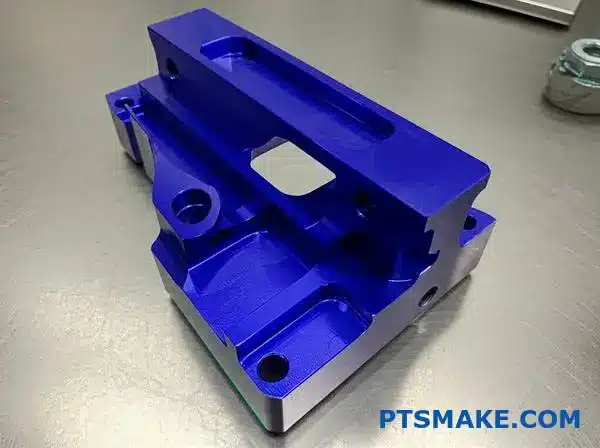
To achieve consistent results, a supplier must excel in all four areas. A weakness in one area can compromise the entire project. This is how you can move forward with outsourcing CNC with confidence.
Breaking Down the Quality Variables
Let’s look deeper into each factor. Machine capability is fundamental. A modern, well-maintained 5-axis machine can achieve far tighter tolerances than an older 3-axis model. Always ask about their equipment list and maintenance logs.
Operator skill is just as crucial. An experienced machinist can optimize toolpaths and troubleshoot issues a junior operator might miss. This human element directly impacts surface finish and accuracy.
Robust QA/QC Systems
A strong QA/QC process is non-negotiable. This includes documented procedures for every step, from first-article inspection to final checks. They should use advanced tools for measurement. Effective métrologie4 is the foundation of quality assurance. We at PTSMAKE use CMMs to verify critical dimensions.
Sourcing Certified Materials
Finally, consider raw material sourcing. A supplier must provide material certifications and demonstrate traceability. Using unverified materials is a huge risk that can lead to part failure.
Here are some essential questions to ask a potential supplier:
| Catégorie | Questions to Ask Your Vietnamese Supplier |
|---|---|
| Machines | Can you provide a list of your CNC machines and their ages? |
| Operators | What is the average experience level of your machinists? |
| QA/QC | What inspection equipment do you use (e.g., CMM, calipers)? |
| Matériaux | How do you ensure raw material traceability and certification? |
Evaluating machine capability, operator skill, QA/QC processes, and material sourcing is essential. A strong supplier can provide clear, confident answers for each of these areas, ensuring you receive high-quality parts consistently. This builds trust for long-term partnerships.
How To Shortlist Reliable CNC Suppliers In Vietnam
Finding the right CNC partner in Vietnam requires a structured vetting process. A supplier’s website can look impressive, but you need to verify their claims. This is a critical step.
I always recommend a multi-step approach. It helps filter out unsuitable vendors early. This saves time and resources in the long run.
Key Vetting Steps
Your CNC vendor qualification process should be thorough. Focus on tangible proof of quality and capability. Don’t rely on promises alone.
| Vetting Area | Principaux points d'attention | Importance |
|---|---|---|
| Certifications | ISO 9001, Industry Specific | Haut |
| References | Past Client Feedback | Haut |
| Factory Audits | On-site Verification | Critique |
| Temps de réponse | Communication Speed | Moyen |
This initial check separates serious contenders from the rest. It forms the foundation for shortlisting reliable suppliers.
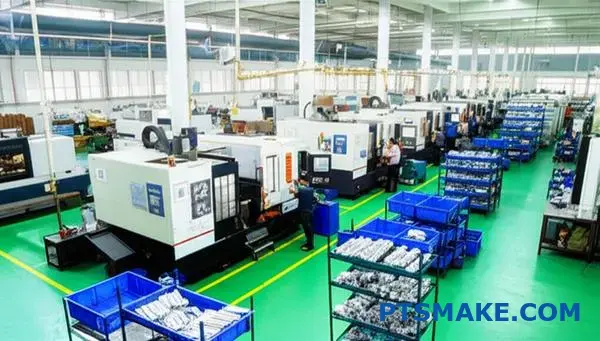
Beyond the Paperwork
Certifications like ISO 9001 are a good start. They show a commitment to quality management systems. But they don’t tell the whole story about a supplier’s actual performance.
You need to dig deeper. I always ask for customer references. Speaking to a current or former client provides invaluable, unfiltered feedback. It reveals a supplier’s real-world reliability and problem-solving skills.
Direct Assessment is Crucial
Nothing replaces a factory audit. It allows you to see their equipment and processes firsthand. You can evaluate their quality control measures, including their Métrologie5 equipment and procedures. This is a key part of the CNC vendor qualification process for cnc machining vietnam.
A capabilities matrix is another useful tool. It provides a clear snapshot of their technical abilities.
| Capacité | Fournisseur A | Fournisseur B | Fournisseur C |
|---|---|---|---|
| CNC 5 axes | Oui | Non | Oui |
| Tolérances | ±0,005 mm | ±0,02 mm | ±0,01mm |
| Expertise des matériaux | Metals, Plastics | Metals Only | Plastics Only |
| Prototypage | Oui | Oui | Non |
Finally, observe their response times. Slow or unclear communication during the quoting stage is often a red flag for future partnership issues. At PTSMAKE, we prioritize clear, prompt communication.
A thorough vetting process involves reviewing documents, talking to past clients, and conducting on-site audits. This multi-pronged approach minimizes risk and helps you find a truly reliable CNC machining partner in Vietnam for the long term.
The Hidden Risks In Vietnam CNC Machining — And How To Avoid Them
Outsourcing your CNC machining to Vietnam is a smart move for many. But it is not without its challenges. I’ve seen companies stumble by overlooking common B2B outsourcing concerns.
These issues can cause serious project setbacks.
Common Outsourcing Hurdles
- Intellectual Property (IP) protection.
- Inconsistent part tolerancing.
- Language and communication barriers.
- Unexpected delays in tooling.
These Vietnam CNC manufacturing risks are manageable. The key is to know how to protect your designs offshore and establish clear expectations from the start.
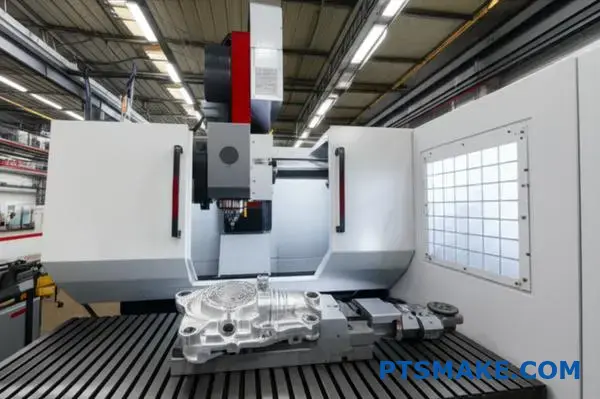
Addressing these risks head-on requires a clear and proactive strategy. It’s not about avoiding Vietnam. It’s about finding the right partner and setting up the project for success.
Protecting Your Designs
Your intellectual property is your most valuable asset. Always start with a strong Non-Disclosure Agreement (NDA). It should be bilingual and legally enforceable in Vietnam. This is a non-negotiable first step to protect your designs offshore.
Ensuring Consistent Quality
Inconsistent tolerancing is a frequent problem. Vague drawings are often the cause. Using a standardized system like Dimensionnement et tolérancement géométriques (GD&T)6 is crucial for any high-precision project. It leaves no room for interpretation.
Combler le fossé communicationnel
Language barriers can lead to costly mistakes. Work with a supplier that has dedicated, English-speaking project managers. This ensures your technical requirements are perfectly understood.
Here is a quick look at some key risks and how to manage them:
| Domaine de risque | Préoccupation première | Stratégie d'atténuation |
|---|---|---|
| Protection IP | Unauthorized use of designs | Sign a locally enforceable NDA |
| Tolerancing | Parts not meeting specs | Provide detailed GD&T drawings |
| Communication | Misunderstood requirements | Vet for English-speaking staff |
| Tooling Delays | Production schedule slips | Demand a detailed project plan |
Preventing Delays
Tooling and production delays often happen due to poor planning. Insist on a detailed project timeline with clear milestones. Regular updates, including photos of the progress, create accountability and help you identify potential issues early.
Navigating the risks of CNC machining in Vietnam requires careful planning. Key concerns include IP protection, inconsistent quality, and communication barriers. Proactive mitigation, through legal agreements, precise technical drawings, and clear communication channels, is essential for a successful partnership.
Decoding Tolerances And Material Availability In Vietnam CNC
When outsourcing cnc machining vietnam, two questions always come up. What tolerances can you hold? And what materials can you get?
Understanding these is key to project success. It prevents costly redesigns and delays. Let’s break down what’s realistically achievable in Vietnam.
Standard CNC Tolerances
For most projects, standard tolerances are sufficient. Vietnam’s workshops reliably meet these general guidelines. Tighter specs are possible but require discussion.
General Machining Tolerances
| Processus d'usinage | Tolérance standard |
|---|---|
| Fraisage CNC | ±0,005" (±0,127mm) |
| Tournage CNC | ±0,002" (±0,051mm) |
| General Features | ±0,010" (±0,254 mm) |
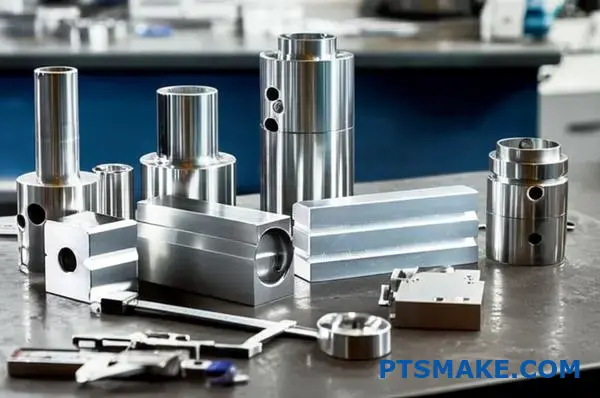
Obtenir des tolérances plus strictes
While the table above shows standard capabilities, pushing for higher precision is entirely possible. However, it’s not automatic. Achieving tighter CNC tolerances in Vietnam depends on the machine’s quality, the operator’s skill, and the cutting tools used.
We often advise clients that tolerances tighter than ±0.002" (±0.05mm) move a part into a higher cost bracket. This is because it requires more setup time, slower machine speeds, and increased quality control checks. It’s a trade-off between precision and cost.
Common Materials for CNC Parts Vietnam
The local supply chain is robust for standard engineering materials. You can readily find common grades of aluminum, steel, and plastics. This accessibility helps keep costs competitive and lead times short for many CNC machining projects.
However, highly specialized alloys or specific grades might require importation. This can add to the lead time and overall cost. It’s always best to confirm material availability early in the design phase. Materials with consistent isotropic properties tend to machine more predictably, affecting the final part’s quality.
Available Material Overview
| Catégorie de matériaux | Common Grades | Applications typiques |
|---|---|---|
| Aluminium | 6061-T6, 7075-T6 | Housings, brackets, prototypes |
| Acier | 303, 304, 316 Stainless | Shafts, fasteners, medical parts |
| Acier au carbone | 1018, 1045 | Jigs, fixtures, structural parts |
| Plastiques | POM (Delrin), ABS, PEEK | Roulements, engrenages, isolateurs |
Understanding Vietnam’s standard tolerances and material supply chain is crucial. While standard specs are easily met, higher precision is achievable at a premium. Always confirm specific material grades with your partner to avoid delays and manage costs effectively for your project.
Pro Tips For Managing Remote CNC Projects In Vietnam
Managing CNC projects remotely, especially in Vietnam, can feel daunting. You lose the ability to walk over and check progress.
However, success is achievable. It hinges on establishing robust processes from the start.
This guide shares best practices. We will cover remote design reviews, DFM feedback, prototyping, and revisions. Proper offshore CNC project management is key.
| Stade | Key Remote Action | Tool Example |
|---|---|---|
| Examen de la conception | Live screen-sharing | Zoom, Google Meet |
| Retour d'information DFM | Annotated reports | PDF markup tools |
| Prototypage | Video inspection call | High-res camera |
| Révisions | Documented change logs | Shared spreadsheets |

Effective remote control manufacturing in Vietnam requires a shift in mindset. You must replace physical presence with superior communication and structured workflows. It’s not about more communication, but better, clearer communication.
Mastering Remote Design Reviews
Vague emails won’t work. Schedule video calls to review 3D models together. Use CAD software with screen-sharing capabilities. This allows for real-time pointing and discussion, ensuring everyone is on the same page. This simple step prevents costly misunderstandings down the line.
Effective DFM Feedback From Afar
Clear DFM (Design for Manufacturability) feedback is crucial. Instead of just text, provide annotated screenshots highlighting specific areas of the CAD model. Reference specific dimensions and tolerances. The goal is to make your feedback visual and unambiguous, leaving no room for interpretation. This is where Asynchronous Communication7 becomes invaluable, as teams can review feedback on their own schedule.
Navigating Prototyping and Revisions
You can’t physically hold the prototype. Request high-resolution photos and videos from multiple angles. Ask for a detailed inspection report with measurements of critical features.
For revisions, maintain a formal change request log. This document should track every requested change, the reason, and its approval status.
| Communication Method | Meilleur pour | Potential Pitfall |
|---|---|---|
| Courriel | Document transfer | Slow response times |
| Video Call | Complex reviews | Time zone conflicts |
| Instant Message | Quick questions | Can be disruptive |
Successful remote CNC project management hinges on clear, structured communication. By implementing rigorous processes for design reviews, DFM feedback, and prototype verification, you can effectively oversee manufacturing in Vietnam without being on-site, ensuring quality and adherence to specifications.
The Ultimate Checklist For CNC Machining RFQs In Vietnam
A detailed Request for Quotation (RFQ) is your most critical tool. It eliminates guesswork for Vietnamese suppliers. This ensures you receive accurate, comparable quotes quickly.
Vague RFQs lead to follow-up questions. This causes delays and potential misunderstandings. A clear, comprehensive RFQ template sets the stage for a smooth project.
Your Essential RFQ Checklist
A well-structured RFQ prevents costly errors. Use this checklist as your guide for every CNC machining project in Vietnam.
| Catégorie | Key Information |
|---|---|
| Technical | Tolerances, Material Specs |
| Commercial | Volumes, Target Price |
| Logistique | Packaging, Shipping Terms |
| Finition | Surface Finish, Treatments |

To truly streamline quoting, you must provide context beyond the numbers. Explain the part’s function. This helps us at PTSMAKE suggest potential cost-saving adjustments without sacrificing quality. It builds a partnership, not just a transaction.
Diving Deeper: Why Each Detail Matters
Every item on your checklist directly impacts the final price and quality. Skipping details is a common mistake when looking to quote CNC parts in Asia.
Spécifications techniques
Clear tolerances are non-negotiable. Ambiguity here can lead to parts that don’t fit or function correctly. Also, be precise with material specifications. Mention the exact grade and any required certifications. For complex parts, providing full Dimensionnement et tolérancement géométriques (GD&T)8 callouts is essential for clear communication of design intent.
Commercial and Logistical Terms
Production volume dramatically affects unit price. Specify quantities for prototypes, initial runs, and annual estimates. Clear logistics terms, like Incoterms, are also vital. This defines who pays for and manages the shipment, insurance, and customs.
How to Streamline Your RFQ Process
A complete package gets the fastest response. Always include your 3D CAD files, 2D technical drawings, and a filled-out RFQ checklist. This shows professionalism and preparation.
| Do’s | Don’ts |
|---|---|
| Consolidate all files into one package. | Send multiple, separate emails. |
| Specify critical vs. non-critical dimensions. | Assume the supplier knows everything. |
| Provide a target price if possible. | Leave quantities and terms vague. |
At PTSMAKE, a comprehensive RFQ allows our engineering team to provide a detailed and accurate quote within 24-48 hours. This efficiency is a direct result of clear information.
A thorough RFQ is the bedrock of a successful partnership. Including precise details on tolerances, materials, volumes, and logistics ensures you receive accurate quotes from any CNC machining supplier in Vietnam, setting your project up for success.
Design For Manufacturability Tips For Vietnam CNC Machining
Optimizing your design for manufacturability (DFM) is crucial. This is especially true when working with offshore partners. Smart DFM for CNC machining in Vietnam is not about compromising quality.
It’s about making intelligent choices. These choices reduce complexity and machining time. This directly lowers your costs and accelerates production schedules. A well-thought-out design aligns perfectly with typical local capabilities.
Below are some key areas to consider.
| DFM Focus Area | Impact sur la production |
|---|---|
| Tolérances | Reduces inspection time and scrap |
| Sélection des matériaux | Ensures availability, lowers cost |
| Feature Geometry | Speeds up machining, reduces tooling |
| Standard Components | Simplifies assembly and sourcing |
Following these tips helps optimize your part for offshore CNC manufacturing.

To truly optimize your part for offshore CNC production, you must consider the specific tools and processes available. In Vietnam, while capabilities are growing fast, sticking to common standards is the safest and most cost-effective path.
Simplify Your Geometries
Complex shapes require more machine setups. They also demand specialized tooling. Both of these factors increase costs. Aim for simple profiles and pockets wherever possible.
Wall Thickness and Radii
Avoid designing parts with very thin walls. They are prone to vibration and warping during machining. Standardize your internal corner radii to match common end mill sizes (e.g., 1mm, 2mm, 3mm). This eliminates the need for tool changes.
Tolerancing Best Practices
Over-tolerancing is a frequent issue I see. Only apply tight tolerances where they are functionally necessary. Looser tolerances on non-critical features can significantly cut down machining and inspection time. Understanding Dimensionnement et tolérancement géométriques9 est un élément clé.
Here’s how to think about it:
| Costly Design Choice | Optimized DFM Choice |
|---|---|
| Non-standard corner radii | Radii matching standard tool sizes |
| Unnecessarily tight tolerance | Functional tolerancing only |
| Poches étroites et profondes | Des poches plus larges et moins profondes |
| Exotic material grades | Locally available standard materials |
At PTSMAKE, we often guide our clients through these small but impactful design adjustments. They consistently lead to better outcomes.
Thoughtful DFM is the foundation of successful offshore manufacturing. By simplifying geometry and specifying realistic tolerances, you can significantly reduce costs and improve lead times for CNC machining projects in Vietnam without sacrificing the part’s functionality.
How Volume Affects CNC Pricing In Vietnam: Prototype Vs. Production
In Vietnam, the price per part is not static. It changes dramatically with order volume. A single prototype has a completely different cost structure than a large production run.
Understanding these pricing tiers is essential for budgeting. It helps you plan your project from initial design validation to full-scale manufacturing.
Pricing Tiers: A Direct Comparison
For low volume CNC Vietnam projects, setup costs dominate. For high volume, material and machine time are the bigger factors. This shift is fundamental.
| Fonctionnalité | Prototype (1-10 pcs) | Mass Production (1,000+ pcs) |
|---|---|---|
| Coût par unité | Le plus élevé | Le plus bas |
| Coût de la mise en place | Fully applied to few units | Spread across many units |
| Turnaround Time | Rapide (jours) | Longer (Weeks) |
| Focus | Validation de la conception | Cost Efficiency & Scalability |
This structure ensures you get parts quickly for testing. Then, you can scale up affordably.
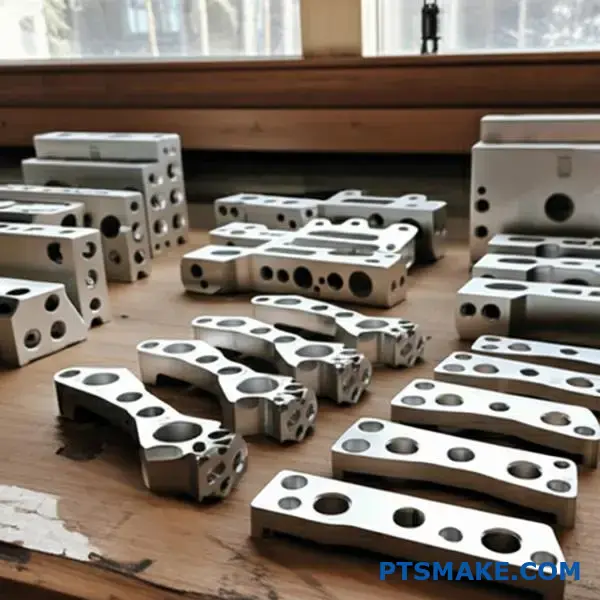
The MOQ Threshold
The Minimum Order Quantity (MOQ) is a critical concept. It is the smallest order a manufacturer will accept for a production run price. Below this, you are in prototype territory. Crossing the MOQ threshold is a key moment. It’s where you start seeing significant price drops.
Capacity and Scalability
Vietnamese suppliers have different strengths. Some excel at rapid prototyping. Others are built for high volume CNC production Vietnam. At PTSMAKE, we handle both seamlessly.
Our capacity scales with your needs. We can produce a few parts quickly for your initial tests. Once your design is final, we can ramp up to thousands of units. This scalability is a core part of our service. It removes friction as your project grows.
The scalability of a partner is crucial. A shop great at prototypes might not handle a 10,000-piece order. A factory for mass production may not want a one-off job. You need a partner who understands the entire lifecycle of a product. This is where expertise in Amortissement10 of setup costs becomes vital.
| Taille de la commande | Typical Price Per Unit | Idéal pour |
|---|---|---|
| 1-10 | 100% (ligne de base) | Fit and function testing |
| 10-100 | 40-60% of Baseline | Small batch, pre-production |
| 100-1,000 | 15-35% of Baseline | Low-volume production |
| 1,000+ | <15% of Baseline | Production en grande quantité |
This tiered approach to cnc machining vietnam allows for flexibility. It supports innovation without demanding a huge initial investment.
In short, order volume directly dictates your CNC machining costs in Vietnam. Prototypes have high per-unit prices due to setup fees. Mass production benefits from economies of scale, drastically lowering costs once you pass the MOQ threshold.
The Secrets Behind Vietnam’s CNC Surface Finish Options
Beyond the precision of the cut, the final surface finish is crucial. It defines a part’s look, feel, and durability. Vietnam’s CNC shops offer a full range of secondary processes.
These services transform a raw machined part. They add corrosion resistance, improve wear, and create specific aesthetic qualities.
Common Finishing Services
Choosing the right finish is vital. It impacts performance and cost. Let’s explore the most common options available for parts produced through cnc machining vietnam.
Anodisation
Anodizing is an electrolytic process. It increases the thickness of the natural oxide layer on metal parts. It’s common for aluminum.
Sablage de perles
This process uses fine glass beads. It creates a uniform, matte, or satin surface finish. It’s great for a non-reflective look.
A quick comparison can help guide your choice.
| Service de finition | Bénéfice principal | Matériaux communs |
|---|---|---|
| Anodisation | Résistance à la corrosion | Aluminium, titane |
| Polissage | Aesthetic Shine | Metals, Plastics |
| Revêtement par poudre | Durability, Color | La plupart des métaux |
| Placage | Conductivity, Protection | Divers métaux |
| Sablage de perles | Finition mate uniforme | Metals, Plastics |
Each option provides unique advantages. The best choice depends entirely on your application’s specific requirements.
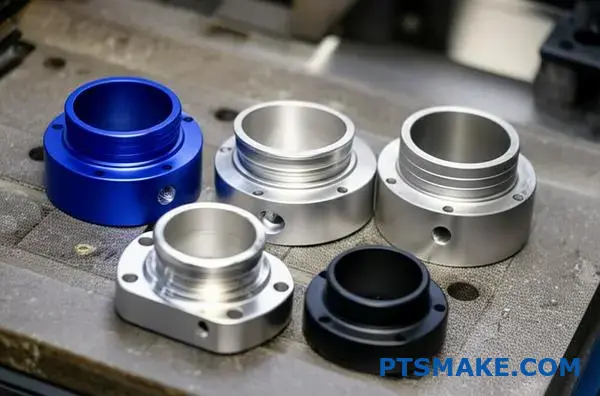
The growth in Vietnam’s CNC finishing capabilities has been impressive. Initially, complex surface treatments were often outsourced. This added time and cost to projects. Now, these services are integrated locally.
Diving Deeper into Processes
Let’s break down how these finishes are applied and their specific benefits. Understanding the process helps in making informed decisions for your parts.
Anodisation (Type II & Type III)
Anodizing isn’t just a coating; it’s an electrochemical conversion process11 that integrates with the base material. Type II offers good corrosion resistance and allows for dyeing in various colors. Type III, or hardcoat anodizing, creates a much thicker, wear-resistant layer.
Revêtement par poudre
This is a dry finishing process. A powder is electrostatically applied and then cured under heat. It forms a hard finish that is tougher than conventional paint. We’ve found it excellent for parts exposed to harsh environments.
Placage
Plating involves depositing a thin layer of metal onto a substrate. It’s used for corrosion protection, improved solderability, or decorative purposes. Common plating metals include nickel, chromium, and zinc.
Here is a look at two durable coating options.
| Fonctionnalité | Revêtement par poudre | Anodisation à couche dure (Type III) |
|---|---|---|
| Processus | Electrostatic application of dry powder | Electrolytic oxidation of the surface |
| Avantage principal | High impact resistance, wide color selection | Extreme hardness and wear resistance |
| Meilleur pour | Steel and aluminum parts needing durability | Aluminum parts in high-wear applications |
| Considération | Adds significant thickness to the part | Can affect tight dimensional tolerances |
This local availability of advanced surface treatment CNC Vietnam is a game-changer. It streamlines the supply chain significantly, something we leverage at PTSMAKE to ensure faster turnaround times for our clients.
Vietnam’s integrated CNC finishing capabilities offer a complete solution. From anodizing to powder coating, these local services enhance part performance and aesthetics while reducing lead times and logistical complexity for any project.
How To Protect Your IP When CNC Machining In Vietnam
When you outsource CNC machining to Vietnam, your intellectual property is your most valuable asset. A simple verbal agreement is never enough to protect it.
You need solid legal and digital strategies in place. This starts with a robust contract tailored for Vietnam. It also extends to how you handle and share your design files every day. Let’s cover the essentials for effective CNC IP security in Asia.
| Weak Protection | Strong Protection |
|---|---|
| Emailing files directly | Using a secure portal |
| A simple handshake | A detailed NDA |
| Assuming trust | Verifying security protocols |
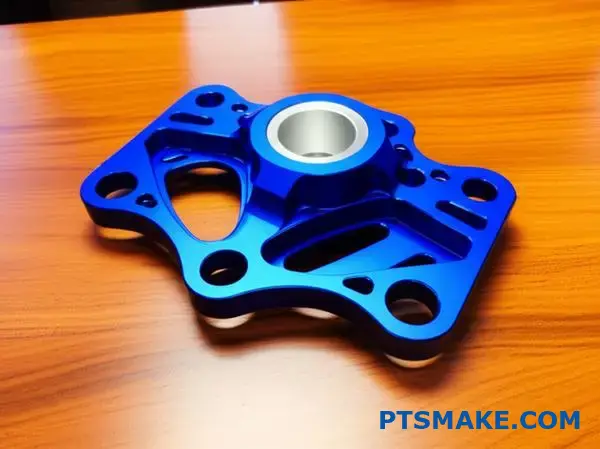
Crafting a Vietnam-Specific NDA
A generic NDA template downloaded from the internet is insufficient. For effective Vietnam NDA protection, your agreement must be enforceable under local law.
Always specify Vietnamese law as the governing jurisdiction in your contract. This ensures you have a practical legal path if a dispute arises. Be extremely specific about what constitutes "Confidential Information," explicitly listing CAD files, material specifications, and manufacturing processes.
A crucial element is a clause for Injunctive Relief12. This legal tool allows you to act swiftly to stop a breach in its tracks, rather than just seeking monetary damages after the harm is done.
Beyond the Contract: Secure File Handling
How you protect CAD files daily is just as vital as the legal paperwork. Avoid sending sensitive designs through standard, unencrypted email. At PTSMAKE, we insist on using a secure, access-controlled client portal for all file transfers. This adds a critical layer of security and traceability. It’s a simple step that significantly reduces risk.
Consider these practical file security measures:
| Pratique | Bénéfice |
|---|---|
| File Encryption | Makes data unreadable if intercepted. |
| Secure Portal | Controls access and tracks downloads. |
| Watermarking | Deters unauthorized sharing of drawings. |
| File Segmentation | Limits a single supplier’s access to the full design. |
Protecting your IP for cnc machining vietnam requires a two-pronged approach. You must combine a legally sound, localized NDA with strict digital protocols for handling your CAD files. One without the other leaves you exposed to unnecessary risk.
Shipping CNC Parts From Vietnam: What Buyers Should Know
Getting your CNC machined parts from Vietnam to your facility is a critical final step. A smooth process depends on understanding logistics.
This isn’t just about moving boxes. It involves international trade rules, paperwork, and strategic choices.
We will cover the essentials here. This includes Incoterms, customs, and shipping methods. Knowing these basics helps you avoid costly delays. It ensures your cnc machining vietnam project succeeds.
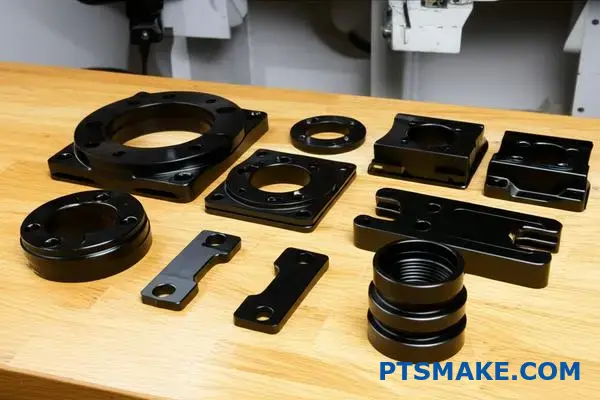
Decoding International Logistics
Shipping CNC parts from Asia to the USA or EU involves several layers. Let’s break down the most important elements. Clear understanding here prevents confusion and unexpected costs later on. It is the key to managing your supply chain effectively.
Key Shipping Terms (Incoterms)
Incoterms define who is responsible for the shipment at each stage. Choosing the right one is crucial for managing risk and cost. At PTSMAKE, we typically work with these three.
| Incoterm | Seller’s Responsibility | Buyer’s Responsibility |
|---|---|---|
| EXW | Makes parts available at the factory. | Handles all shipping, export, and import. |
| FOB | Delivers parts to the departure port. | Manages ocean freight, import, and delivery. |
| DDP | Manages the entire process to your door. | Receives the goods. |
Customs, Paperwork, and Tariffs
Proper documentation is non-negotiable for CNC export Vietnam. You will need a Commercial Invoice, Packing List, and a Bill of Lading13. Each document must be accurate to avoid customs holds. Tariffs, based on the part’s HS code, also impact the final cost.
Air Freight vs. Sea Freight
Choosing between air and sea freight depends on your priority: speed or cost.
| Méthode | Meilleur pour | Vitesse | Coût |
|---|---|---|---|
| Air | Urgent, high-value, or small parts. | Fast (3-10 days) | Haut |
| Sea | Large volumes, less urgent parts. | Slow (30-50 days) | Faible |
Finally, a reliable freight partner is essential. They manage the complexities of logistics CNC Asia to USA/EU, providing a single point of contact.
Mastering logistics is vital for sourcing CNC parts from Vietnam. Understanding Incoterms, preparing correct customs documents, and choosing the right shipping method will protect your timeline and budget. A good freight forwarder simplifies this entire process for you.
Top CNC Machining Hubs In Vietnam Buyers Should Track
When sourcing cnc machining vietnam, location matters. Vietnam isn’t a single market. It’s a collection of specialized industrial hubs.
Each region offers unique advantages. Southern hubs like Ho Chi Minh City provide diverse capabilities. Northern areas like Bac Ninh are electronics powerhouses.
Understanding these key zones is crucial. It helps you find the right partner. This ensures your project aligns with regional strengths in infrastructure and labor skills.
Key CNC Machining Locations
| Région | Primary Industries | Avantage principal |
|---|---|---|
| Ho Chi Minh City | Automobile, Machines | Major Port, Diverse Suppliers |
| Binh Duong | Electronics, Furniture | Proximity to HCMC, Industrial Parks |
| Bac Ninh | Électronique grand public | Electronics Supply Chain Cluster |
| Hanoi | R&D, Automotive | Political Center, Skilled Labor |
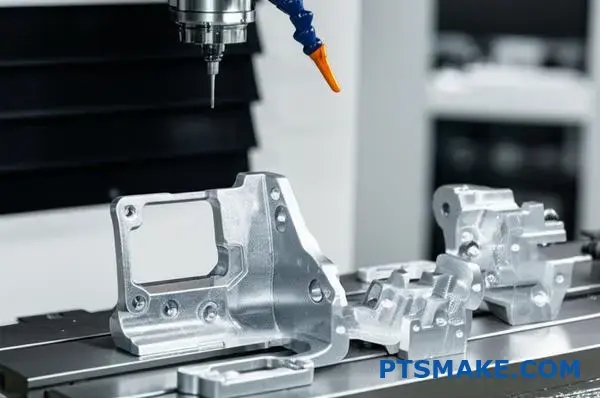
Vietnam’s manufacturing landscape is concentrated in specific economic zones. This regional focus creates powerful supply chain ecosystems. You can leverage these for your benefit.
Ho Chi Minh City (HCMC) & Binh Duong
The south is the traditional industrial heartland. HCMC is a massive hub with excellent port logistics. You’ll find many CNC shops Ho Chi Minh serving automotive, machinery, and consumer goods sectors. Binh Duong, its neighbor, offers vast industrial parks and is a key part of the southern economic engine. The Industrial Park Concentration14 here creates a dense network of suppliers and specialized services, streamlining production.
Hanoi & Bac Ninh
The north has rapidly emerged as an electronics giant. Hanoi, the capital, provides a strong base for R&D and high-skilled labor. Bac Ninh is the star of this region. Driven by major electronics investments, it has become one of the premier Vietnam precision machining zones. The entire supply chain for consumer electronics, from tooling to final assembly, is located here.
This table breaks down their core strengths:
| Hub | Main Focus | Infrastructure | Main-d'œuvre qualifiée |
|---|---|---|---|
| HCMC | Diverse Manufacturing | Major Seaport, International Airport | Abundant, Broad Skills |
| Binh Duong | Supporting Industries | Modern Industrial Parks | Growing, Specialized |
| Hanoi | Automotive, R&D | International Airport, Road Network | High-skilled, Educated |
| Bac Ninh | Électronique | Proximity to Hanoi, China Border | Specialized in Electronics |
Choosing the right hub in Vietnam is vital. HCMC offers versatility and strong logistics. The northern provinces provide deep specialization, especially in electronics. Your product and supply chain needs will determine the best fit for your manufacturing partner.
How Leading OEMs Are Leveraging CNC Suppliers In Vietnam
Let’s move from theory to reality. Global OEMs are not just testing the waters. They are achieving measurable success with Vietnamese CNC suppliers.
These are not isolated wins. These are strategic moves.
Automotive Sector: Precision Gains
A European automotive giant now sources gearbox components from Vietnam. They get the tight tolerances required. But at a production cost that was previously unachievable.
Consumer Electronics: Scaling Production
Similarly, a major US tech company uses Vietnamese partners for high-volume aluminum chassis. This move was crucial for their production scalability.
| OEM Sector | Exemple de composant | Bénéfice principal |
|---|---|---|
| Automobile | Transmission Housings | Cost-Efficiency with High Precision |
| Électronique | Laptop Casings | Scalable, High-Volume Output |
| Médical | Poignées d'outils chirurgicaux | Consistent Quality & Reliability |
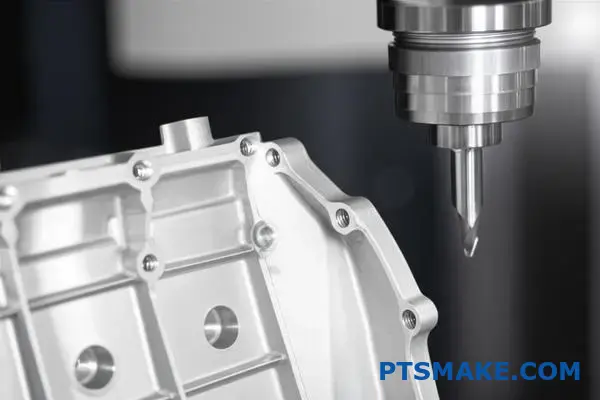
The most successful partnerships I’ve seen go beyond simple cost reduction. Smart OEMs are using CNC machining in Vietnam for strategic reasons. It is about building a more robust global manufacturing footprint.
This proactive approach is a core part of building Résilience de la chaîne d'approvisionnement15. It’s about mitigating risks before they become problems.
Use Cases of Offshore Machining
We see this happening across various sectors. The focus is on specific parts where Vietnam’s capabilities shine. It’s not about moving everything, but moving the right things.
Composants de dispositifs médicaux
Consider a US medical device firm. They source high-precision handles for surgical instruments. These are non-critical but require extreme consistency. Vietnamese suppliers deliver this reliability, securing a vital part of their production line.
Industrial Automation Parts
Another example involves industrial robotics. A company needed custom aluminum brackets and mounts. Vietnamese shops provided a flexible solution. They could handle initial small batches and then scale up as demand for the robots grew. This adaptability is key.
| Program Type | Strategic Advantage | Common Part Types |
|---|---|---|
| Production en grande série | Economies d'échelle | Enclosures, Casings, Brackets |
| Mid-Volume, High-Mix | Flexibilité de la production | Custom Fixtures, Mounts |
| Supply Chain Diversification | Risk Mitigation | Gears, Shafts, Connectors |
These use cases show that leading OEMs are leveraging CNC Vietnam for OEMs as a strategic tool. The benefits include cost savings, scalable production, and a stronger, more diversified supply chain, making it a powerful option in offshore machining.
Signs You’ve Found A World-Class CNC Partner In Vietnam
When sourcing from a new region, it’s easy to focus only on price. But to find a truly high-end CNC partner, you must look deeper. The best suppliers share specific traits. These are the green flags that signal a reliable, long-term relationship.
Identifying these qualities early saves you time and prevents costly mistakes. A world-class partner in Vietnam will demonstrate excellence across several key areas. They prove their value long before production begins.
Core Partner Attributes
A trusted CNC supplier in Vietnam excels in these five areas.
| Trait | Why It’s Crucial |
|---|---|
| Transparence | Builds trust and eliminates surprises. |
| Engineering Depth | Improves design and prevents production issues. |
| Full-Service | Simplifies your supply chain. |
| Clean Facilities | Directly reflects quality standards. |
| Strong Communication | Ensures alignment and quick problem-solving. |
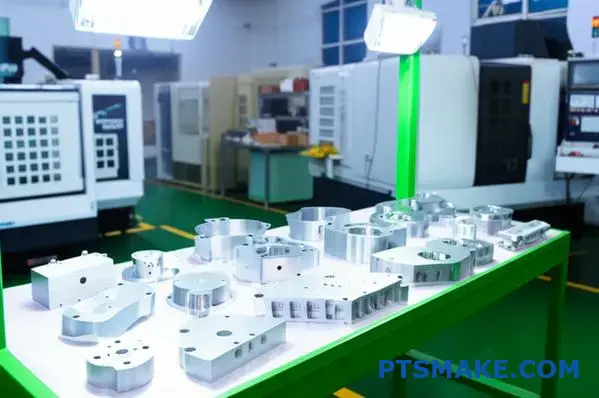
Finding a partner for cnc machining vietnam requires careful evaluation. It’s about more than just a quote. You are building a critical part of your supply chain. Look for a partner who acts as an extension of your own team.
From Supplier to Partner
A transactional supplier simply makes parts. A true partner invests in your success. This begins with engineering. They should offer Design for Manufacturability (DFM) feedback. This proactive step optimizes your design for efficiency and quality, saving you money.
Full-service capabilities are another key sign. A partner who handles CNC machining, finishing, and assembly simplifies logistics. At PTSMAKE, we integrate these services to provide a seamless experience. This means one point of contact for your entire project.
Visiting a facility tells you a lot. A clean and organized shop floor is not just for show. It indicates disciplined processes and a commitment to quality. Top facilities often implement rigorous quality systems. They use methods like Contrôle statistique des processus (CSP)16 to monitor and control production.
Clear, consistent communication is the final piece. A world-class partner provides regular updates and is easy to reach.
| Partner Quality | Average Supplier | World-Class Partner |
|---|---|---|
| Ingénierie | Accepts any design | Provides DFM feedback |
| Capacités | Machining only | Machining, finishing, assembly |
| Communication | Slow, reactive | Des mises à jour proactives et régulières |
Identifying a partner with these essential traits is key. Transparency, engineering depth, and strong communication are not bonuses; they are requirements for a successful partnership that ensures quality, reliability, and on-time delivery for your projects.
Unlock CNC Machining Success in Vietnam with PTSMAKE
Ready to take your CNC machining Vietnam strategy to the next level? Send your RFQ to PTSMAKE today and let our expert team transform your designs into precision parts—on time, on spec, and within budget. Accelerate your sourcing journey with a trusted, world-class manufacturing partner!

Discover how this economic principle helps lower your production costs when sourcing from different regions. ↩
Learn how all related purchasing costs impact your project’s total expense. ↩
Learn how tooling costs are calculated and spread over your production run. ↩
Learn about the science of precision measurement and why it is critical for quality control. ↩
Understand the principles of precision measurement to better evaluate a supplier’s quality control department. ↩
Understand how this system removes ambiguity in engineering drawings to ensure part consistency. ↩
Learn how this method improves project efficiency when working across different time zones. ↩
Understand how GD&T acts as a universal engineering language to define and communicate tolerances with precision. ↩
Learn how precise callouts can improve part quality and reduce inspection costs. ↩
Discover how setup costs are spread across production runs to lower your per-unit price. ↩
Understand the science behind this finishing method to optimize your part’s design and material selection. ↩
Understand this key legal tool to quickly stop IP theft before major damage occurs. ↩
Learn about this key legal document that details shipment terms and acts as a title to your goods. ↩
Learn how clustering suppliers in these zones can reduce your supply chain risks and lead times. ↩
Learn how a resilient supply chain can safeguard your operations against global market volatility. ↩
Learn how Statistical Process Control helps maintain consistent quality and reduces defects in high-volume production runs. ↩