
Viele Ingenieurleiter kämpfen mit Entscheidungen bei der Guss-CNC-Bearbeitung, die ihre Projektzeitpläne und Budgets entscheidend beeinflussen können. Schlechte Lieferantenauswahl führt zu Qualitätsproblemen, verpassten Fristen und Kostenüberschreitungen, die Ihren gesamten Produktionsplan beeinträchtigen.
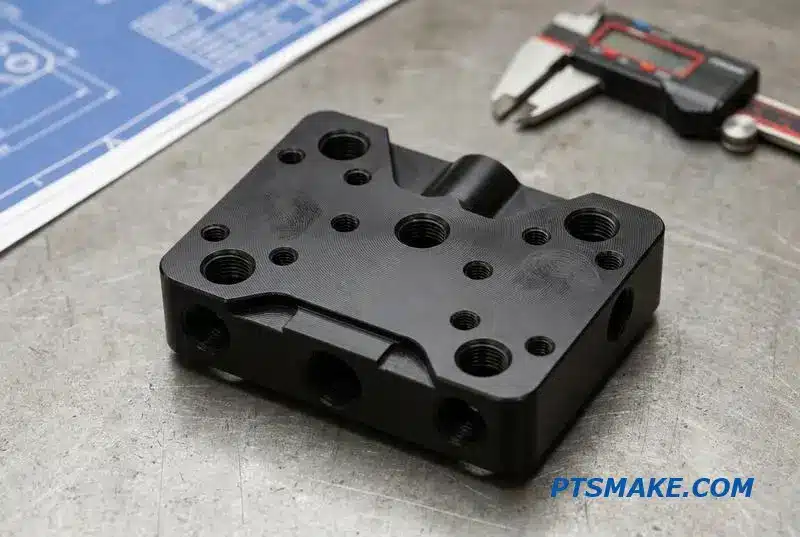
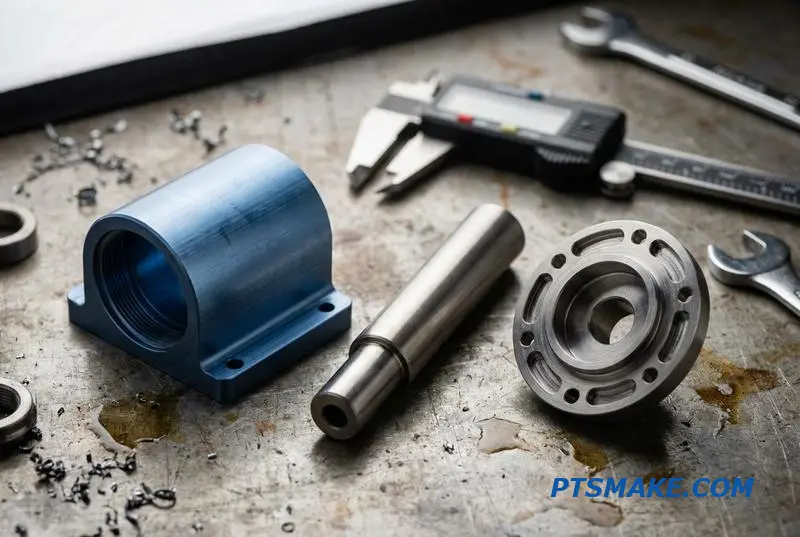
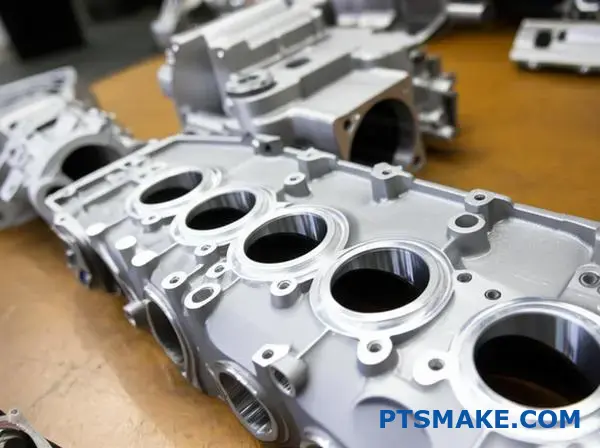
Guss-CNC-Bearbeitung kombiniert traditionelle Gießverfahren mit präziser CNC-Bearbeitung, um hochwertige Teile mit überlegener Maßhaltigkeit, verbesserten Oberflächengüten und verkürzten Lieferzeiten im Vergleich zu eigenständigen Fertigungsmethoden zu erstellen.
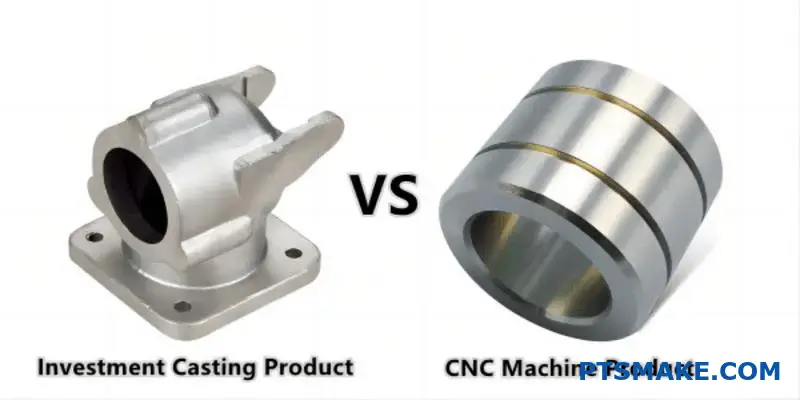
Ich habe bei PTSMAKE mit Hunderten von Projekten zusammengearbeitet, bei denen der richtige Guss-CNC-Ansatz herausfordernde Fertigungsanforderungen in einen optimierten Produktionserfolg verwandelte. Dieser Leitfaden führt Sie durch jeden kritischen Entscheidungspunkt, von der Lieferantenbewertung bis zu Qualitätssicherungsprotokollen, damit Sie Ihr nächstes Guss-CNC-Projekt souverän managen können.
Der ultimative Leitfaden zur Verbesserung der Teilequalität mit Guss-CNC-Bearbeitung
Das Erreichen von Teilen hoher Qualität beinhaltet oft einen Kompromiss. Sie erhalten möglicherweise eine komplexe Form durch Gießen, aber die Präzision kann fehlen. Hier glänzt die integrierte Fertigung.
Die Guss-CNC-Bearbeitung schließt diese Lücke. Sie kombiniert die Vorteile beider Prozesse. Diese Methode ist entscheidend für die Verbesserung der Gesamtteilqualität. Sie stellt sicher, dass jede Komponente durchgängig exakte Spezifikationen erfüllt.
Die Kraft der Integration
Die Kombination dieser beiden Methoden bietet eine leistungsstarke Lösung. Sie erhalten schnell komplexe Geometrien durch Gießen. Dann liefert die CNC-Bearbeitung die endgültige Präzision.
| Merkmal | Eigenständiges Gießen | Gießen + CNC-Bearbeitung |
|---|---|---|
| Toleranz | Mäßig | Sehr eng |
| Konsistenz | Gut | Ausgezeichnet |
| Oberflächenbehandlung | Raue | Glatt |
Diese Synergie hebt die Qualität der Guss-CNC-Bearbeitung erheblich.
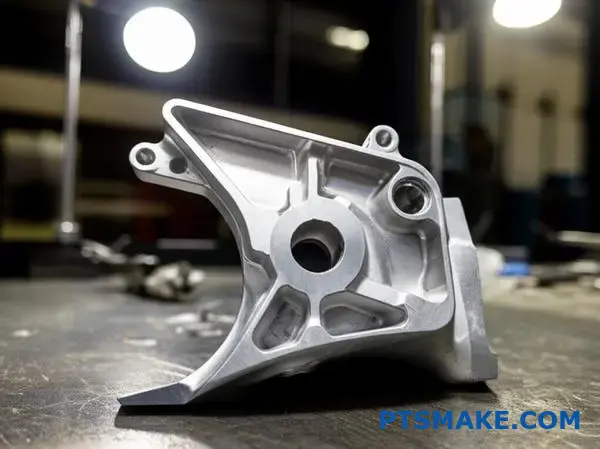
Die wirklichen Vorteile dieses integrierten Ansatzes werden deutlich, wenn wir uns die Details ansehen. Es geht nicht nur darum, ein Teil herzustellen, das richtig aussieht; es geht darum, ein Teil herzustellen, das jedes Mal zuverlässig funktioniert. Die Vorteile der Präzisions-Guss-CNC-Bearbeitung gehen über einfache Ästhetik hinaus.
Schlüsselmetriken zur Qualitätssteigerung
Zwei Hauptmetriken definieren die Teilqualität: Maßgenauigkeit und Oberflächengüte. Gießen allein hat Schwierigkeiten, diese zu perfektionieren. Aber mit der CNC-Bearbeitung können wir außergewöhnliche Ergebnisse erzielen. Sie ermöglicht es uns, die Teilegenauigkeit mit der CNC-Bearbeitung auf ein Niveau zu verbessern, das Gießen nicht erreichen kann.
Unerreichte Maßgenauigkeit erzielen
Guss liefert eine nahezu endkonturnahe Form, was ein großartiger Anfang ist. CNC-Bearbeitung übernimmt dann. Sie entfernt Material mit extremer Präzision und stellt sicher, dass jedes Merkmal perfekt mit dem CAD-Modell übereinstimmt. Toleranzen können erheblich verengt werden. Bei PTSMAKE nutzen wir diesen Hybridprozess, um Teile zu liefern, die den strengsten Spezifikationen entsprechen.
Verfeinerung der Oberfläche
Der Prozess entfernt auch Oberflächenunregelmäßigkeiten und Probleme unter der Oberfläche. Dazu gehören kleine Hohlräume oder Porosität1 die die strukturelle Integrität beeinträchtigen können. Das Ergebnis ist eine glatte, gleichmäßige Oberflächenbeschaffenheit, die sowohl funktional als auch optisch ansprechend ist.
| Defekt Typ | Gussergebnis | CNC-Bearbeitungslösung |
|---|---|---|
| Oberflächenrauhigkeit | Hoch | Auf Spezifikation geglättet |
| Maßdrift | Möglicherweise | Auf enge Toleranz korrigiert |
| Abschiedszeilen | Sichtbar | Vollständig entfernt |
Die Kombination von Guss zur Erzeugung einer nahezu endkonturnahen Form mit CNC-Bearbeitung für die endgültige Präzision bietet unübertroffene Qualität. Dieser integrierte Ansatz verbessert die Maßgenauigkeit, verfeinert Oberflächen und gewährleistet konsistente, fehlerfreie Teile für zuverlässige Fertigungsergebnisse.
Wie Guss-CNC-Bearbeitung häufige Fertigungsverzögerungen löst
Produktionsverzögerungen sind ein ständiger Kopfschmerz. Sie stören Zeitpläne und treiben die Kosten in die Höhe. Häufige Probleme sind lange Werkzeugrüstzeiten und umfangreiche Nachbearbeitungen.
Diese Engpässe können selbst die besten Pläne über den Haufen werfen. Aber was wäre, wenn es einen besseren Weg gäbe?
Bei PTSMAKE verwenden wir Guss-CNC-Bearbeitung. Dieser Hybridansatz optimiert die Produktion von Anfang bis Ende. Er hilft, die Vorlaufzeiten für Guss-CNC-Bearbeitung zu verkürzen, indem er Verzögerungen direkt angeht. Es ist eine wichtige Lösung für Produktionsverzögerungen bei CNC.
Häufige Produktionsverzögerungen
| Verzögerungsquelle | Auswirkungen des traditionellen Prozesses |
|---|---|
| Werkzeugeinrichtung | Kann bei komplexen Formen Wochen oder Monate dauern. |
| Materialabfälle | Subtraktive Verfahren erzeugen erheblichen Ausschuss. |
| Nachbearbeitung | Erfordert umfangreiche Nachbearbeitung, Entgraten und Montage. |
| Bedienungsfehler | Mehrere manuelle Übergaben erhöhen das Risiko. |
Dieser Prozess liefert zuverlässige und effiziente Ergebnisse.
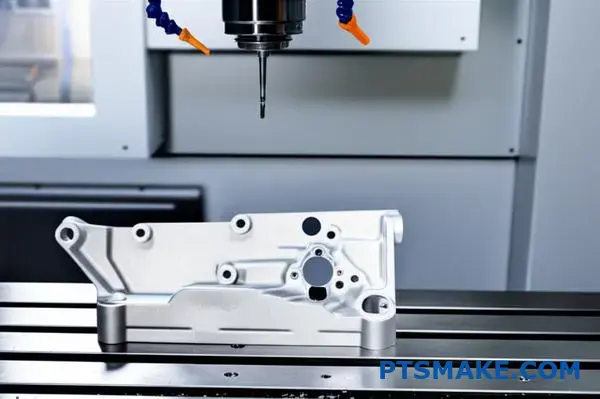
Optimierung der Produktion durch integrierte Arbeitsabläufe
Der eigentliche Vorteil liegt in der Kombination von Guss und CNC-Bearbeitung. Dieser integrierte Prozess schafft einen hocheffizienten Arbeitsablauf. Er eliminiert viele traditionelle Fertigungsschritte.
Guss zuerst erzeugt ein nahezu maßhaltiges2 Teil. Das bedeutet, dass das ursprüngliche Teil bereits sehr nahe an der endgültigen Geometrie ist. Die CNC-Maschine muss dann nur noch minimale Nacharbeiten durchführen. Sie entfernt geringe Materialmengen, um enge Toleranzen und Oberflächengüten zu erreichen.
Diese Synergie macht schnelle Guss-CNC-Bearbeitungsdienste möglich. Wir haben gesehen, wie sie die Produktionszyklen für unsere Kunden erheblich verkürzt hat. Automatisierte Arbeitsabläufe übertragen das Gussteil direkt an die CNC-Maschine. Dies reduziert manuelle Handhabung und potenzielle Fehler.
Wichtige Optimierungstipps
- Design for Manufacturability (DFM): Optimieren Sie Ihr Design frühzeitig für Guss und Bearbeitung. Dies verhindert spätere Probleme.
- Auswahl der Materialien: Wählen Sie eine Legierung, die sich sowohl für Gießbarkeit als auch für Bearbeitbarkeit gut eignet.
- Integrierte Simulation: Verwenden Sie Software, um den Guss- und Bearbeitungsprozess zu simulieren. Dies hilft, potenzielle Probleme vor Produktionsbeginn zu erkennen.
Unsere Erfahrung bei PTSMAKE zeigt, dass diese Schritte entscheidend sind. Sie gewährleisten einen reibungslosen Prozess und vorhersehbare Lieferzeiten.
Dieser integrierte Ansatz adressiert direkt größere Verzögerungen. Indem wir zuerst ein nahezu endkonturnahes Teil erstellen und dann Präzisions-CNC für die Endbearbeitung verwenden, minimieren wir Abfall und Bearbeitungszeit. Dieser optimierte Arbeitsablauf bietet einen zuverlässigeren und schnelleren Weg vom Design zum Endprodukt.
Die 5 wichtigsten Faktoren zur Bewertung eines Guss-CNC-Bearbeitungsanbieters
Die Wahl des richtigen Lieferanten ist entscheidend. Ihre Technologie wirkt sich direkt auf den Erfolg Ihres Projekts aus. Veraltete Ausrüstung führt oft zu schlechter Qualität. Moderne Maschinen hingegen gewährleisten Präzision und Effizienz für jedes Teil.
Bewertung der Kernmaschinen
Schauen Sie über die reine Maschinenanzahl hinaus. Sie müssen nach ihren spezifischen Fähigkeiten fragen. Betreiben sie moderne 5-Achsen-CNC-Maschinen? Dies ist entscheidend für komplexe CNC-bearbeitete Gussteile. Erkundigen Sie sich auch nach ihren Inspektionswerkzeugen.
Checkliste für Schlüsselgeräte
| Ausrüstung | Bedeutung |
|---|---|
| 5-Achsen-CNC-Fräse | Verarbeitet komplexe Geometrien in einer Aufspannung. |
| CNC-Drehmaschine | Wesentlich für hochpräzises Drehen. |
| CMM-Prüfung | Überprüft die Maßhaltigkeit. |
| CAD/CAM-Software | Gewährleistet eine nahtlose Designübertragung. |
Eine gut ausgestattete Werkstatt ist ein starkes Signal. Sie zeigt ein ernsthaftes Engagement für Qualität und Investitionen in ihr Handwerk.
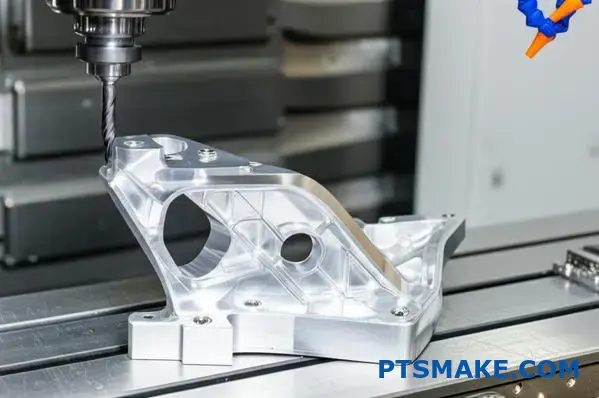
Die Ausrüstungsliste ist nur der Anfang, wenn Sie einen CNC-Bearbeitungsanbieter bewerten. Wie sie diese Technologie integrieren, ist das, was wirklich zählt. Ein zuverlässiger Partner für CNC-Bearbeitung von Gussstücken nutzt seine Werkzeuge strategisch, um Fertigungsherausforderungen zu lösen, nicht nur um Teile herzustellen.
Technologie und Qualitätssysteme
Fortschrittliche Ausrüstung reduziert manuelle Fehler erheblich. Sie hilft auch, die Produktionsdurchlaufzeiten zu verkürzen. Zum Beispiel kann eine 5-Achsen-Maschine ein komplexes Teil in einer einzigen Aufspannung fertigstellen. Dieser Prozess vermeidet Toleranzstapelungen durch mehrere Vorrichtungen.
Bei PTSMAKE kombinieren wir unsere fortschrittliche Ausrüstung mit strengen Qualitätssicherungsprotokollen. Dies umfasst sowohl Inprozesskontrollen als auch die Endprüfung des Teils. Unser integrierter Ansatz stellt sicher, dass jede Komponente präzise Spezifikationen erfüllt. Für uns ist gleichbleibende Qualität einfach nicht verhandelbar.
Die Kompetenz eines Anbieters in Geometrische Bemaßung und Tolerierung3 ist ebenfalls entscheidend. Dieses System stellt sicher, dass jeder – von Ihrem Konstrukteur bis zu seinem Maschinisten – die gleiche technische Sprache spricht und Mehrdeutigkeiten in Zeichnungen beseitigt.
Checkliste zur Technologiebewertung
| Kriterien | Ja/Nein | Anmerkungen |
|---|---|---|
| Moderne 5-Achsen-CNC-Maschinen? | Entscheidend für die Herstellung komplexer Teile. | |
| KMG zur Qualitätskontrolle? | Überprüft Toleranzen und Teilegenauigkeit. | |
| Aktuelle CAD/CAM-Software verwenden? | Wichtig für Dateikompatibilität und Effizienz. | |
| ISO 9001 zertifiziert? | Demonstriert ein formelles Qualitätsmanagementsystem. |
Die technologische Leistungsfähigkeit eines Lieferanten ist ein direktes Maß für seine Qualität und Zuverlässigkeit. Moderne Ausrüstung, gepaart mit robusten Qualitätssystemen, ist unerlässlich, um präzise CNC-bearbeitete Gussgussteile pünktlich und nach Ihren genauen Spezifikationen zu liefern.
Sicherstellung von Präzision und Toleranz bei Guss-CNC-bearbeiteten Komponenten
Das Erreichen enger Toleranzen bei Gussteilen ist eine Herausforderung. Es erfordert einen systematischen Ansatz. Der Prozess beginnt lange bevor die CNC-Maschine ihre Arbeit aufnimmt. Präzision wird von Anfang an eingebaut.
Der Erfolg hängt von der Kontrolle jeder Phase ab. Dies stellt sicher, dass die endgültige Komponente exakte Spezifikationen erfüllt.
Design und Prozesskontrolle
Die Grundlage für Präzisionsguss CNC-Bearbeitungstoleranzen ist das ursprüngliche Design. Wir müssen das Material und die Gießmethode berücksichtigen.
Ein gut geplanter Prozess berücksichtigt jede Variable.
| Gießverfahren | Vorbearbeitungstoleranz |
|---|---|
| Sandgießen | ±1,5 mm |
| Feinguss | ±0,4 mm |
| Druckgießen | ±0,2 mm |
Diese Planung verhindert kostspielige Fehler später.
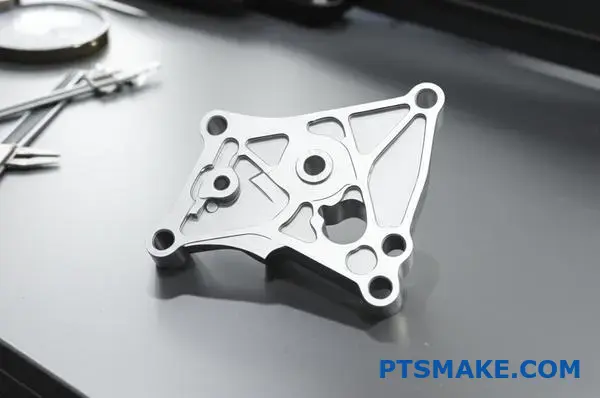
Echte Präzision in Guss CNC-Bearbeitung kombiniert intelligentes Design mit fachmännischer Ausführung. Es geht nicht nur um den letzten Schnitt. Es geht darum, ihn bereits von der Gussform selbst aus zu planen.
Designüberlegungen für die Bearbeitung
Der Gussentwurf muss zusätzliches Material oder eine Bearbeitungszugabe enthalten. Dies stellt sicher, dass das CNC-Werkzeug genügend Material zum Abtragen hat. Es hilft, eine saubere, genaue Oberfläche zu erzielen.
Wir entwerfen auch spezifische Positionierungspunkte oder Bezugspunkte. Diese Merkmale ermöglichen es uns, das Gussteil sicher und wiederholt in der CNC-Vorrichtung zu positionieren. Dies ist entscheidend für präzise CNC-Bearbeitung nach dem Guss.
Beste Praktiken für Bearbeitung und Inspektion
Sobald das Teil gegossen ist, ist die Vorrichtung entscheidend. Eine kundenspezifische, steife Vorrichtung verhindert jegliche Bewegung während der Bearbeitung. Diese Stabilität ist unerlässlich, um die Genauigkeit zu erhalten.
Eine effektive Qualitätskontrolle beruht auf fortschrittlichen Metrologie4 Werkzeugen wie KMGs und optischen Scannern. Wir führen Inprozess-Inspektionen durch, um Abmessungen an kritischen Schritten zu überprüfen, nicht nur am Ende. Dieser proaktive Ansatz gewährleistet die endgültige Maßhaltigkeit Guss CNC.
| Inspektionswerkzeug | Bester Anwendungsfall |
|---|---|
| CMM | Überprüfung komplexer interner Merkmale |
| 3D-Scanner | Erfassung der gesamten Oberflächengeometrie |
| Digitale Messschieber | Schnelle Inprozess-Prüfungen |
Dieser mehrstufige Verifizierungsprozess garantiert, dass jedes Teil, das wir bei PTSMAKE liefern, die erforderlichen Spezifikationen erfüllt.
Das Erreichen enger Toleranzen erfordert einen ganzheitlichen Ansatz. Der Erfolg hängt von einem durchdachten Design mit entsprechenden Bearbeitungszugaben, präziser Bearbeitung mit kundenspezifischen Vorrichtungen und umfassenden Inspektionsmethoden ab, um die endgültige Maßhaltigkeit und Funktion zu gewährleisten.
Der vollständige Prozess der Guss-CNC-Bearbeitung von Design bis Lieferung
Ein strukturierter Arbeitsablauf ist entscheidend. Er verwandelt ein komplexes Design in ein physisches Teil. Dabei geht es nicht nur darum, Schritte zu befolgen. Es geht darum, Präzision in jeder Phase zu gewährleisten.
Die gesamte Reise vom Design bis zur Lieferung beim Guss von CNC-Teilen hat einen klaren Weg. Dies minimiert Fehler und Verzögerungen.
Die vier Kernphasen
Wir zerlegen den gesamten Fertigungszyklus in vier überschaubare Phasen. Jede Phase hat ihre eigenen Qualitätskontrollpunkte. Dies stellt sicher, dass nichts übersehen wird.
Hier ist ein vereinfachter Überblick über die wichtigsten Schritte.
| Bühne | Primärer Schwerpunkt | Wichtigstes Ergebnis |
|---|---|---|
| 1. Entwurfsprüfung | Herstellbarkeit (DFM) | Optimiertes Design für Guss und Bearbeitung |
| 2. Gießen | Erstellung der nahezu endgültigen Form | Ein solides, grobes Teil, bereit für die Endbearbeitung |
| 3. CNC-Bearbeitung | Erreichen der endgültigen Toleranzen | Das Teil, bearbeitet nach genauen Spezifikationen |
| 4. Inspektion | Qualitätssicherung | Ein verifiziertes Teil, das alle Anforderungen erfüllt |
Die Befolgung dieser Guss-CNC-Bearbeitungsprozessschritte ist unsere Erfolgsformel.
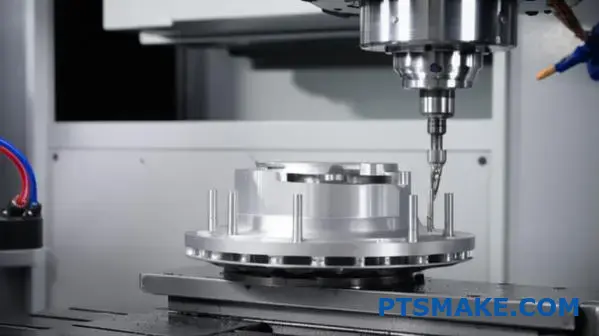
Der Erfolg jedes Projekts hängt von der nahtlosen Integration jeder Phase ab. Ein strukturierter Prozess ist nicht nur eine Richtlinie; er ist ein strenges Protokoll, das Wiederholbarkeit und Qualität gewährleistet. Jeder Schritt beeinflusst direkt den nächsten.
Phase 1: Überprüfung des Designs für die Herstellbarkeit (DFM)
Dies ist der kritischste Schritt. Bevor Metall gegossen wird, analysieren wir Ihr CAD-Modell. Wir prüfen auf potenzielle Gussfehler wie Porosität. Wir planen auch den Workflow für die CNC-Bearbeitung nach dem Guss. Dieser proaktive Ansatz spart erheblich Zeit und Kosten.
Phase 2: Die Gussphase
Sobald das Design genehmigt ist, erstellen wir die Form. Dann gießen wir das geschmolzene Metall, um die "nahezu endgültige Form" zu erzeugen. Das Ziel hier ist es, ein solides Teil zu produzieren. Es muss gerade genug zusätzliches Material oder "Stock" für die nachfolgenden Bearbeitungsvorgänge vorhanden sein.
Stufe 3: Präzisions-CNC-Bearbeitung
Das Gussteil gelangt nun zu unseren CNC-Maschinen. Hier bearbeiten wir es auf die endgültigen, präzisen Abmessungen. Die größte Herausforderung besteht darin, die Form des Teils beizubehalten, Formbeständigkeit5 während Material entfernt wird. Wir entwickeln kundenspezifische Vorrichtungen, um das Teil sicher zu halten. Dies stellt sicher, dass jedes Merkmal relativ zu den Konstruktionsbezugspunkten genau bearbeitet wird.
Stufe 4: Qualitätssicherung und Inspektion
Abschließend durchläuft jedes Teil eine strenge Inspektion. Wir verwenden KMGs und andere fortschrittliche Werkzeuge. Dies bestätigt, dass alle Abmessungen und Toleranzen Ihren Spezifikationen entsprechen. Dies ist das letzte Tor vor der Auslieferung.
| Inspektionsstelle | Verwendetes Werkzeug | Zweck |
|---|---|---|
| Nach dem Guss | Röntgen / Visuell | Auf interne und externe Fehler prüfen |
| Nachbearbeitung | KMG / Messschieber | Endgültige Abmessungen und GD&T überprüfen |
| Endkontrolle | Alle Werkzeuge | Sicherstellen, dass 100% den Zeichnungen entspricht |
Dieser strukturierte Prozess verwandelt ein Design effizient in eine gelieferte Komponente.
Dieser End-to-End-Workflow ist unser Qualitätsversprechen. Die Befolgung dieser strukturierten Guss- und CNC-Bearbeitungsprozessschritte garantiert Konsistenz, reduziert Nacharbeit und stellt sicher, dass wir Ihre Liefertermine ohne Kompromisse einhalten.
Geheimnisse der Materialauswahl für langlebige Guss-CNC-bearbeitete Teile
Die Wahl des richtigen Materials ist die Grundlage für jedes erfolgreiche Guss-CNC-Bearbeitungsprojekt. Diese Entscheidung beeinflusst direkt die Haltbarkeit, Leistung und Kosten des Endteils.
Es ist eine sorgfältige Balance. Sie benötigen ein Material, das sich gut gießen lässt, effizient bearbeiten lässt und alle funktionalen Anforderungen erfüllt, ohne das Budget zu sprengen.
Der Balanceakt
Betrachten Sie es als ein Dreieck: Haltbarkeit, Bearbeitbarkeit und Kosten sind die drei Ecken. Die Optimierung des einen beeinflusst oft die anderen. Hier ist ein kurzer Überblick über gängige Optionen.
| Werkstoff-Gruppe | Dauerhaftigkeit | Bearbeitbarkeit | Relative Kosten |
|---|---|---|---|
| Aluminium-Legierungen | Gut-Ausgezeichnet | Ausgezeichnet | Niedrig bis mittel |
| Zink-Legierungen | Gut | Ausgezeichnet | Niedrig |
| Stahl-Legierungen | Ausgezeichnet | Angemessen-gut | Mittel-Hoch |
Diese Tabelle bietet einen Ausgangspunkt. Ihre spezifische Anwendung bestimmt die beste Wahl aus den besten Legierungen für Guss-CNC.
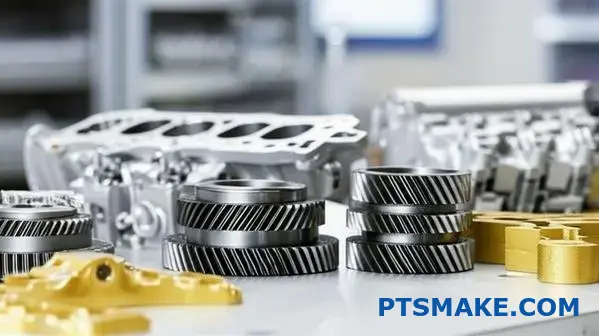
Die ideale Materialwahl geht über grundlegende Eigenschaften hinaus. Bei PTSMAKE begleiten wir Kunden durch einen detaillierten Auswahlprozess und erstellen für jedes Projekt einen umfassenden Leitfaden für Guss-CNC-Bearbeitungsmaterialien.
Gängige Legierungen für Guss und CNC-Bearbeitung
Betrachten wir einige beliebte Optionen. Aluminiumlegierungen wie A380 sind fantastisch. Sie bieten ein hervorragendes Verhältnis von Festigkeit zu Gewicht und sind nach dem Guss sehr gut zu bearbeiten. Das macht sie ideal für komplexe, leichte Teile.
Zinklegierungen wie Zamak 3 sind eine weitere ausgezeichnete Wahl. Sie haben einen niedrigeren Schmelzpunkt, was die Standzeit der Werkzeuge verlängert und die Energiekosten senkt. Sie bieten eine glatte Oberfläche, perfekt für Teile, die beschichtet werden müssen.
Wenn Festigkeit entscheidend ist, greifen wir oft zu Stahl. Edelstähle sind gängige, langlebige Materialien für die CNC-Bearbeitung nach dem Guss. Sie sind jedoch schwieriger zu bearbeiten. Dies kann den Werkzeugverschleiß und die Zykluszeiten aufgrund von Effekten wie Kaltverfestigung6.
Leitlinien für die Materialauswahl
Um klug zu wählen, berücksichtigen Sie diese Fragen:
- Was ist die Betriebsumgebung des Teils? (z. B. Temperatur, Chemikalienexposition)
- Welche mechanischen Belastungen wird es aushalten? (z. B. Zug, Schlag)
- Was ist das angestrebte Produktionsvolumen und Budget?
Hier ist eine detailliertere Aufschlüsselung basierend auf unserer Erfahrung.
| Legierungsbeispiel | Hauptmerkmal | Beste Anwendung |
|---|---|---|
| Aluminium A380 | Leicht, Gute Wärmeleitfähigkeit | Elektronikgehäuse, Automobilteile |
| Zink Zamak 3 | Hohe Duktilität, Ausgezeichnete Oberfläche | Dekorationsbeschläge, Zahnräder, Halterungen |
| Rostfreier Stahl 304 | Korrosionsbeständigkeit, hohe Festigkeit | Medizinische Geräte, Lebensmittelkonforme Ausrüstung |
Die Beantwortung dieser Fragen hilft, die Optionen einzugrenzen. Sie stellt sicher, dass das Endteil nicht nur die Spezifikationen erfüllt, sondern auch langfristigen Wert liefert.
Die Auswahl des richtigen Materials ist eine strategische Entscheidung. Sie erfordert ein Gleichgewicht zwischen Haltbarkeit, Bearbeitbarkeit und Kosten, um eine optimale Leistung und Langlebigkeit für Ihre Guss- und CNC-bearbeiteten Teile zu gewährleisten. Die richtige Wahl verhindert kostspielige Ausfälle und Neukonstruktionen im späteren Verlauf.
Kosten-Nutzen-Analyse: Guss-CNC-Bearbeitung vs. traditionelle Methoden
Im B2B-Fertigungsbereich ist das Endergebnis entscheidend. Es geht nicht nur um den Stückpreis. Es geht um die Gesamtkosten und die Kapitalrendite (ROI).
Viele wägen reines Gießen gegen reines Bearbeiten ab. Ich glaube, die eigentliche Diskussion dreht sich um ihre Integration. Der Kosten-Nutzen-Vorteil von Guss CNC-Bearbeitung ist überzeugend. Er bietet Effizienz, die separate Prozesse nicht erreichen können.
Schauen wir uns einen direkten Vergleich an.
Kernkostenfaktoren: Ein direkter Vergleich
| Faktor | Traditionelle Methoden (Getrennt) | Integriertes Gießen & CNC |
|---|---|---|
| Lieferanten-Management | Hoch (Zwei+ Lieferanten) | Niedrig (Einzelner Lieferant) |
| Logistik & Versand | Mehrere Transitphasen | Gering bis gar nicht |
| Vorlaufzeit | Längere; kumulative Verzögerungen | Kürzere; optimierter Prozess |
| Qualitätskontrolle | Komplex; Übergaberisiken | Vereinfacht; einheitliche Standards |
Dieser integrierte Ansatz optimiert die Produktion erheblich.
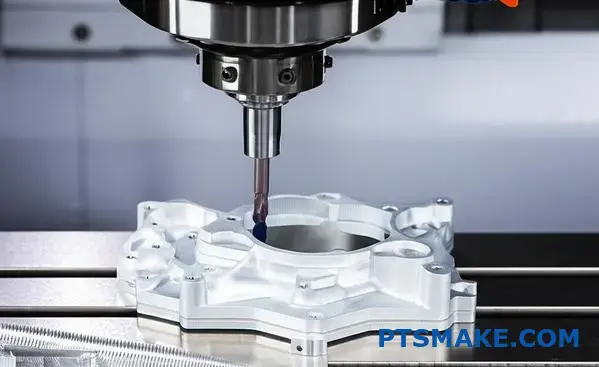
Über das anfängliche Angebot hinaus: Den wahren ROI aufdecken
Ein niedrigerer Preis von separaten Anbietern kann trügerisch sein. Wahrer CNC-Bearbeitung nach dem Guss Kosteneinsparungen ergeben sich, wenn Sie den gesamten Projektlebenszyklus analysieren.
Fallstudien-Schnappschuss: Automobilkomponente
Wir haben an einem komplexen Aluminiumgehäuseprojekt gearbeitet. Ein Kunde verwendete zunächst separate Guss- und Bearbeitungsanbieter. Sie sahen sich hohen Ausschussraten aufgrund von Einrichtungsfehlausrichtungen zwischen den beiden Einrichtungen gegenüber.
Indem wir den gesamten Prozess zu PTSMAKE brachten, haben wir den Arbeitsablauf vereinheitlicht. Dies eliminierte die Übergabefehler. Wir haben ihre Ausschussrate um über 75% reduziert, eine enorme Einsparung.
Die versteckten Kosten einer fragmentierten Lieferkette
Die Verwaltung mehrerer Lieferanten birgt Risiken. Sie haben Versandkosten zwischen Gießerei und Maschinenwerkstatt. Sie haben potenzielle Transportschäden. Sie haben auch doppelte Verwaltungskosten.
Diese Faktoren erhöhen Ihre Endkosten. Eine umfassende Analyse berücksichtigt die Gesamtbetriebskosten7, welche diese indirekten Kosten einschließt. Dieser Ansatz offenbart den überlegenen Wert eines integrierten Fertigungspartners.
Der bedeutendste Vorteil ist oft die Geschwindigkeit. Ein kürzerer Produktionszyklus bedeutet eine schnellere Markteinführung. Das ist ein Wettbewerbsvorteil, der sich direkt auf Ihren Umsatz und Ihren ROI auswirkt. Die traditionelle vs. Guss-CNC-Bearbeitung Debatte übersieht oft diesen entscheidenden geschäftlichen Faktor.
Die Wahl eines integrierten Guss CNC-Bearbeitung Prozesses eliminiert versteckte Kosten und optimiert Ihre Lieferkette. Dieser Ansatz bietet eine bessere Qualitätskontrolle und eine überlegene Kapitalrendite, insbesondere für komplexe B2B-Projekte, bei denen Präzision und Zuverlässigkeit von größter Bedeutung sind.
Qualitätssicherungsprotokolle, die jeder Ingenieur für die Guss-CNC-Bearbeitung kennen sollte
Bei der Guss-CNC-Bearbeitung ist Qualität kein Zufall. Sie ist das Ergebnis eines bewussten, strukturierten Prozesses. Robuste Qualitätssicherungsprotokolle sind nicht verhandelbar.
Sie schließen die Lücke zwischen Designabsicht und dem fertigen Teil. Ohne sie riskieren Sie kostspielige Nacharbeiten, Verzögerungen und Ausfälle.
Eine effektive QS stellt sicher, dass jede Komponente exakte Spezifikationen erfüllt. Sie ist die Grundlage der Zuverlässigkeit. Dieser Prozess umfasst detaillierte Inspektionen, strenge Tests und eine vollständige Dokumentation. Jeder Schritt schafft Vertrauen und garantiert die Leistung jedes Teils.
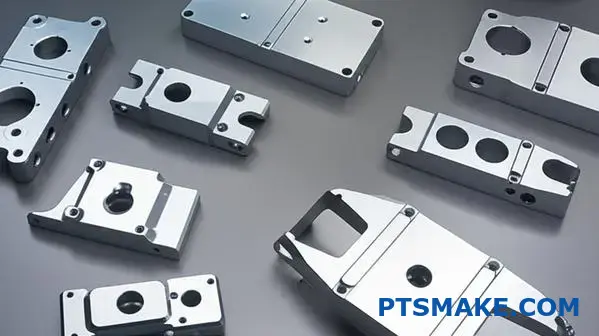
Ein solider Qualitätssicherungsplan für die Guss-CNC-Bearbeitung ruht auf drei Kernpfeilern. Dies sind Inspektion, Prüfung und Dokumentation. Jeder spielt eine eigenständige Rolle bei der Überprüfung der Teilintegrität. Das Ignorieren eines Pfeilers schwächt die gesamte Struktur.
Wichtige Inspektionsprotokolle
Die Erststückprüfung (FAI) ist entscheidend. Sie bestätigt, dass der Produktionsprozess ein Teil herstellen kann, das alle Anforderungen erfüllt. Wir führen Inprozess-Inspektionen in kritischen Phasen durch. Dies deckt Abweichungen frühzeitig auf, bevor sie zu größeren Problemen werden. Die Endkontrolle ist das letzte Tor vor dem Versand.
Erweiterte Prüfmethoden
Visuelle Prüfungen reichen bei komplexen Teilen nicht aus. Wir verlassen uns auf fortschrittliche Tests zur datengesteuerten Verifizierung. Hier liefert die Wissenschaft der Metrologie8 die Genauigkeit, die wir benötigen. Koordinatenmessgeräte (KMG) überprüfen komplexe Geometrien anhand von CAD-Modellen mit mikrometergenauer Präzision. Für Gussstücke ist die zerstörungsfreie Prüfung (ZfP) unerlässlich. Methoden wie die Röntgeninspektion decken innere Porosität oder Lunker auf, ohne das Teil zu beschädigen.
Hier ist ein Überblick über einige gängige Prüfmethoden:
| Prüfverfahren | Primäre Verwendung | Hauptvorteil |
|---|---|---|
| CMM | Überprüfung der Dimensionen | Hohe Genauigkeit für komplexe Geometrien. |
| Röntgen (ZfP) | Analyse interner Defekte | Enthüllt verborgene Fehler in Gussstücken. |
| Material Spektrometrie | Überprüfung der Legierungszusammensetzung | Bestätigt Materialkonformität. |
Die Rolle der Dokumentation
Eine ordnungsgemäße Dokumentation bietet Rückverfolgbarkeit und Qualitätsnachweis. Materialzertifikate, Inspektionsberichte und KMG-Daten sind Teil einer vollständigen Qualitätsakte. Diese Dokumentation ist ein Schlüsselelement der Qualitätskontrollstandards für Guss-CNC.
Robuste Qualitätssicherungsprotokolle sind grundlegend. Sie stellen sicher, dass jedes Teil aus Guss-CNC-Bearbeitungsprozessen zuverlässig, konform und zweckmäßig ist. Dieses System von Prüfungen, Tests und Aufzeichnungen ist unerlässlich für die Lieferung gleichbleibender Qualität.
Die Rolle fortschrittlicher Software bei der Optimierung der Guss-CNC-Bearbeitung
In der modernen Fertigung ist Präzision keine Option. Für die Guss-CNC-Bearbeitung verwandelt fortschrittliche Software grobe Gussstücke in hochpräzise Teile. Sie schließt die Lücke zwischen dem ursprünglichen Guss und dem Endprodukt.
Dieser Übergang vom manuellen Raten zur digitalen Genauigkeit ist entscheidend. CAD/CAM-Software steht im Mittelpunkt dieser Entwicklung. Sie stellt sicher, dass jeder Schnitt berechnet und effizient ist.
Wichtige Softwarefunktionen
Die Softwareoptimierung für die CNC-Bearbeitung nach dem Guss stützt sich auf spezifische Werkzeuge. Diese Werkzeuge adressieren die einzigartigen Herausforderungen von Gussteilen.
| Merkmal | Funktion | Auswirkungen auf die Gussbearbeitung |
|---|---|---|
| 3D-Modellimport | Liest Scan-Daten von Gussstücken oder CAD-Dateien. | Erstellt einen präzisen digitalen Zwilling des gegossenen Teils. |
| Werkstofferkennung | Definiert die unregelmäßige Form des Gusses. | Verhindert Luftbearbeitung und gewährleistet eine effiziente Materialabfuhr. |
| Werkzeugwegsimulation | Visualisiert den gesamten Bearbeitungsprozess. | Vermeidet kostspielige Kollisionen und validiert die Strategie. |
Diese Funktionen sind wesentliche fortschrittliche CNC-Bearbeitungswerkzeuge für Gussstücke.
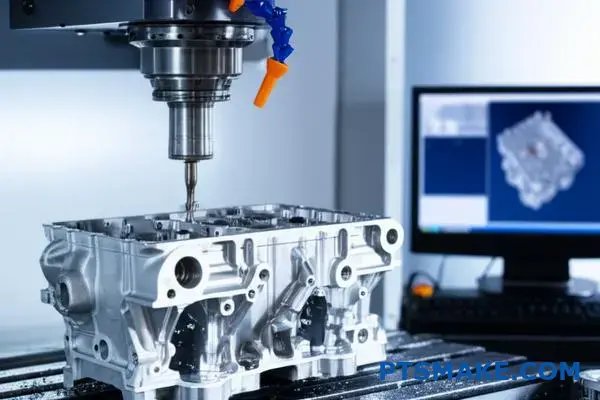
Verbesserung von Design und Simulation
Eine effektive Softwareoptimierung beginnt, bevor die Maschine anläuft. Sie beginnt mit einer intelligenten digitalen Strategie. CAD/CAM-Systeme ermöglichen es uns, das endgültige Teilemodell über das gescannte Modell des Rohlings zu legen. Diese visuelle Überprüfung ist von unschätzbarem Wert.
Sie hebt sofort Bereiche mit unzureichendem Material hervor. Sie zeigt auch an, wo überschüssiges Material abgetragen werden muss. Dies verhindert, dass Probleme mitten in der Produktion entdeckt werden, was erhebliche Zeit und Ressourcen spart.
Simulation: Der digitale Erprobungsraum
Simulation ist vielleicht die leistungsfähigste Funktion. Sie bietet eine risikofreie Umgebung, um Bearbeitungsstrategien zu testen. Wir können Werkzeugabstände überprüfen, auf mögliche Beschädigungen prüfen und Schnittparameter optimieren. Dies ist entscheidend für komplexe Geometrien, die bei der CNC-Bearbeitung von Gussstücken vorkommen.
| Workflow-Schritt | Traditionelle Methode | Softwareoptimierte Methode |
|---|---|---|
| Einrichtung | Manuelles Tasten und Ausrichten. | Automatische Ausrichtung mit Best-Fit-Algorithmen. |
| Bearbeitung | Konservative Geschwindigkeiten und Vorschübe. | Optimierte, dynamische Werkzeugwege basierend auf dem Rohteil. |
| Verifizierung | Nachbearbeitungsinspektion, hohes Ausschussrisiko. | In-Prozess-Tastsystem und adaptive Bearbeitung. |
Durch unsere gemeinsame Forschung mit Kunden haben wir festgestellt, dass dieser digitale Verifizierungsschritt die Einrichtzeiten um bis zu 30 % reduziert. Wahre Genauigkeit erfordert auch die Sicherstellung, dass die Maschine selbst korrekt funktioniert. Hier kommen Prozesse wie volumetrische Verifizierung9 zum Einsatz, die für die Einhaltung höchster Toleranzen bei Fertigteilen unerlässlich sind.
Fortschrittliche CAD/CAM für die Gussbearbeitung auf CNC-Maschinen ist nicht nur Programmierung. Es ist ein umfassendes Werkzeug zur Prozesskontrolle.
Fortschrittliche Software ist für die moderne Gussbearbeitung auf CNC-Maschinen unerlässlich. Sie integriert Design, Simulation und Verifizierung, um Genauigkeit und Effizienz zu verbessern. Diese Technologie verwandelt Rohteile in präzise Komponenten, indem sie jeden Schritt vom ersten Setup bis zum endgültigen Werkzeugweg optimiert.
Echte Fallstudien: Erfolgsgeschichten mit Guss-CNC-Bearbeitung
Theorie ist nützlich, aber praktische Beispiele zeigen den wahren Wert. Lassen Sie uns einige reale Fallstudien zur Gussbearbeitung auf CNC-Maschinen untersuchen.
Diese Geschichten verdeutlichen, wie die Kombination dieser beiden Prozesse komplexe technische Herausforderungen löst. Wir werden uns auf anspruchsvolle Branchen konzentrieren.
Ich werde jeden Fall in einem einfachen Format aufschlüsseln. Dies hilft, die Leistungsfähigkeit dieser hybriden Fertigungsmethode zu veranschaulichen.
| Industrie | Primäre Herausforderung |
|---|---|
| Medizinische Geräte | Komplexe Geometrie mit hoher Präzision |
| Robotik | Verhältnis von Festigkeit zu Gewicht und Haltbarkeit |
Diese Beispiele zeigen, wie Erfolgsgeschichten in der CNC-Bearbeitung nach dem Guss entstehen. Sie bieten eine Blaupause für die Lösung schwieriger Designprobleme.
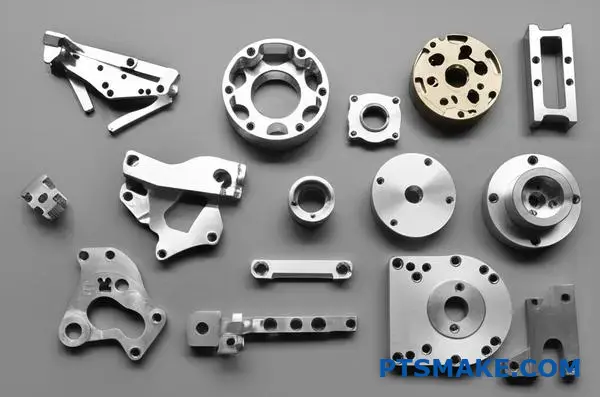
Die Untersuchung realer Anwendungen der Gussbearbeitung auf CNC-Maschinen liefert die besten Einblicke. Diese Fallstudien zeigen, wie der Prozess in der Praxis funktioniert.
Fallstudie 1: Gehäuse für medizinische Diagnosegeräte
Das Problem
Ein Kunde benötigte ein komplexes Gehäuse für einen handgehaltenen medizinischen Scanner. Es erforderte interne Strukturmerkmale, dünne Wände und präzise Befestigungspunkte. Reine CNC-Bearbeitung war für das geplante Produktionsvolumen zu langsam und kostspielig.
Die Lösung
Wir schlugen einen zweistufigen Prozess vor. Zuerst erzeugte der Druckguss die komplizierten internen Merkmale der Komponente. netznahe Form10. Dies bildete effizient die Gesamtgeometrie. Zweitens wurde gezielte CNC-Bearbeitung verwendet, um kritische Merkmale zu veredeln. Dazu gehörten das Gewindeschneiden von Löchern und das Fräsen von Gegenflächen mit engen Toleranzen.
Das Ergebnis
Dieser Ansatz senkte die Stückkosten drastisch und beschleunigte die Produktionszeit. Das fertige Teil erfüllte alle funktionalen Anforderungen, einschließlich Oberflächengüten in medizinischer Qualität. Es war ein klarer Gewinn für Effizienz und Präzision.
Fallstudie 2: Roboterarmgelenk
Das Problem
Ein Robotikunternehmen entwickelte einen neuen kollaborativen Roboter. Eine Schlüsselgelenkskomponente musste stark, leicht und unglaublich präzise sein, um reibungslose, wiederholbare Bewegungen zu gewährleisten. Die Geometrie war für den reinen Guss zu komplex.
Die Lösung
Der Feinguss wurde verwendet, um das ursprüngliche Teil aus einer hochfesten Aluminiumlegierung herzustellen. Diese Methode ist ideal für komplexe Formen. Anschließend erzeugte die 5-Achs-CNC-Bearbeitung die endgültigen Lageraufnahmen und Ausrichtungsmerkmale.
Das Ergebnis
Die fertige Gelenkskomponente übertraf die Leistungsziele. Sie erreichte das erforderliche Verhältnis von Festigkeit zu Gewicht und hielt Toleranzen im Mikrometerbereich ein. Dies zeigt eine der effektivsten realen Anwendungen von Guss-CNC.
Diese Fallstudien veranschaulichen, wie die Kombination von Gussverfahren mit CNC-Bearbeitung eine praktische, kostengünstige Lösung für komplexe Teile in anspruchsvollen Branchen wie der Medizin- und Robotikindustrie bietet und die anfängliche Formkomplexität mit den endgültigen Präzisionsanforderungen in Einklang bringt.
Umgang mit komplexen Designs: Tipps für die Guss-CNC-Bearbeitung komplizierter Teile
Die Bearbeitung komplexer Teile aus Gussstücken erfordert sorgfältige Planung. Die Qualität des ursprünglichen Gussstücks wirkt sich direkt auf das Endergebnis der CNC-Bearbeitung aus. Richtige Konstruktion und Strategie sind entscheidend.
Die Handhabung komplexer Geometrien bei der Guss-CNC-Bearbeitung ist nicht nur eine Frage der Maschine. Sie beginnt in der Entwurfsphase. Wir müssen vorausschauend denken.
Design-Tipps für die Bearbeitbarkeit
Bevor Metall geschnitten wird, sind intelligente Designentscheidungen entscheidend. Diese Entscheidungen können den gesamten Prozess vereinfachen. Sie reduzieren auch die Kosten und verbessern die Teilequalität.
Nachfolgend finden Sie einige wichtige Überlegungen, die wir bei PTSMAKE verwenden.
| Design-Aspekt | Recommended Practice | Practice to Avoid |
|---|---|---|
| Entwurfswinkel | Include generous draft angles. | Zero or negative draft angles. |
| Wanddicke | Maintain uniform thickness. | Abrupt changes in thickness. |
| Fillets & Radii | Use large, smooth radii. | Sharp internal corners. |
These simple steps make a huge difference in the final product.
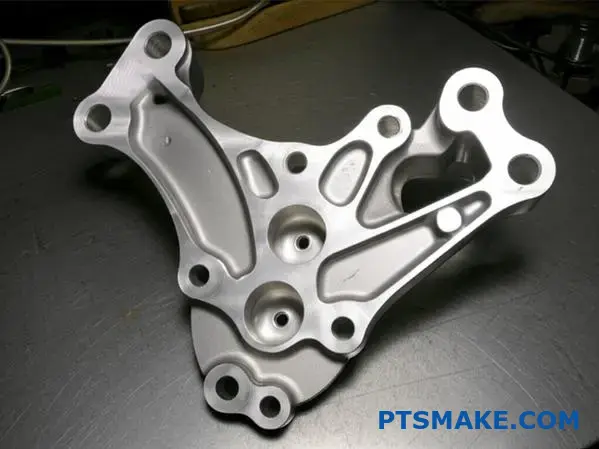
Fortgeschrittene Bearbeitungstechniken
After a good casting, the focus shifts to machining. This is where expertise in handling complex geometries becomes vital for success. It involves more than just a standard program.
Werkzeugweg-Optimierung
Optimizing the toolpath is essential. For intricate parts cnc machining after casting, we use specific strategies. High-Speed Machining (HSM) paths, for example, maintain constant tool engagement. This reduces tool wear and prevents part distortion from heat buildup.
Another key area is the sequence of operations. We often machine critical features first. This establishes a stable reference for subsequent cuts, ensuring high precision. This is a core part of our process at PTSMAKE.
Support and Fixturing
Complex parts often need custom fixtures. These supports prevent vibration and deflection during machining. A poorly supported part will never meet tight tolerances. The fixture design must be rigid yet allow access for the cutting tools. We also consider the effects of Werkzeugweg-Interpolation11 auf der endgültigen Oberflächengüte.
Häufig zu vermeidende Fallstricke
Selbst mit einem guten Plan können Probleme auftreten. Das Wissen um die häufigsten Fallstricke hilft, kostspielige Fehler bei komplexen Guss-CNC-Bearbeitungskonstruktionen zu vermeiden.
| Fallstrick | Konsequenz | Wie man vermeidet |
|---|---|---|
| Ignorieren von Gussvarianten | Werkzeugkollisionen, ungenaue Teile. | Prüfen Sie den Guss vor der Bearbeitung. |
| Schlechte Werkzeugauswahl | Schlechte Oberflächengüte, lange Zyklen. | Verwenden Sie für das Material entwickelte Werkzeuge. |
| Unzureichende Spannvorrichtungen | Vibrationen, Dimensionsfehler. | Entwerfen Sie robuste, kundenspezifische Spannvorrichtungen. |
Erfolgreiche Guss-CNC-Bearbeitung kombiniert intelligentes Design, fortschrittliche Techniken und proaktive Problemlösung. Eine ordnungsgemäße Planung vor und während des Prozesses stellt sicher, dass selbst die komplexesten Designs nach Spezifikation gefertigt werden, ein Standard, den wir in unseren Projekten immer anstreben.
Der Einfluss der Oberflächengüte auf die Leistung von Guss-CNC-bearbeiteten Produkten
Bei der Guss-CNC-Bearbeitung ist die Oberflächengüte mehr als nur ein kosmetisches Detail. Sie ist eine kritische technische Spezifikation. Sie beeinflusst direkt die Leistung, die Lebensdauer und sogar den wahrgenommenen Wert eines Produkts.
Die Oberflächenbeschaffenheit eines Teils beeinflusst, wie es mit seiner Umgebung und anderen Komponenten interagiert. Für einige Anwendungen ist eine rauere Textur akzeptabel. Aber für Hochleistungsteile ist das Erreichen einer präzisen Oberflächenqualität nicht verhandelbar. Sie bestimmt alles, von der Reibung bis zur Ermüdungsbeständigkeit.
Funktionalität und Anwendung
Die erforderliche Oberflächengüte hängt vollständig von der Funktion des Teils ab. Eine glatte Oberfläche ist nicht immer besser. Entscheidend ist die Anpassung der Oberflächengüte an die Anwendung.
| Anwendungsbereich | Typische Oberflächenanforderung | Primäre Funktion |
|---|---|---|
| Dynamische Dichtungen | Sehr glatt (z. B. Ra 0,4 µm) | Verhindert Flüssigkeitsleckagen |
| Lageroberflächen | Glatt (z. B. Ra 0,8 µm) | Reduziert Reibung und Verschleiß |
| Ästhetische Abdeckungen | Poliert oder gebürstet | Verbessert die visuelle Attraktivität |
| Griffe | Strukturiert oder gerändelt | Verbessert die Benutzerhandhabung |
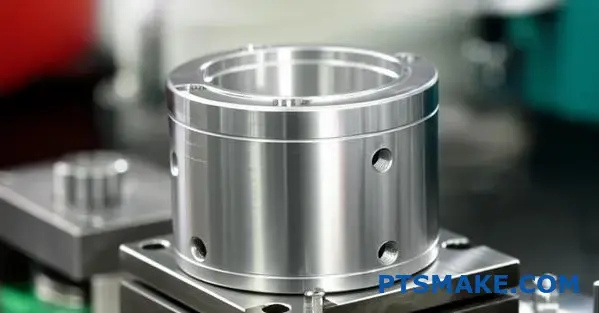
Die Funktionalität eines Teils ist direkt mit seiner Oberflächentextur verbunden. Für Teile, die sich gegeneinander bewegen, ist eine glattere CNC-Bearbeitung nach dem Guss Oberflächenqualität minimiert Reibung und Verschleiß und verlängert so die Betriebslebensdauer des Produkts. Denken Sie an Hydraulikzylinder oder Lagergehäuse, bei denen eine makellose Oberfläche unerlässlich ist.
Umgekehrt können Oberflächenunvollkommenheiten unter zyklischer Belastung zu Initiationspunkten für Risse werden. Eine glattere Oberfläche verteilt die Spannung gleichmäßiger und verbessert die Ermüdungsbeständigkeit erheblich. Dies ist entscheidend für Teile in der Luft- und Raumfahrt und im Automobilbau, wo ein Versagen keine Option ist. Die gerichtete Eigenschaft der Oberflächentextur, bekannt als Anisotropie12, spielt ebenfalls eine entscheidende Rolle dabei, wie ein Teil im Laufe der Zeit Belastungen standhält.
Erzielung der gewünschten Oberflächengüte
Wir kontrollieren die endgültige Guss-CNC-bearbeitete Teileoberfläche durch sorgfältiges Management unserer Bearbeitungsparameter. Es ist eine Balance aus Wissenschaft und Erfahrung.
Steuerung der Bearbeitungsparameter
Die richtige Kombination von Werkzeugen und Maschineneinstellungen ist unerlässlich. Scharfe Schneidwerkzeuge mit der richtigen Geometrie erzeugen sauberere Schnitte. Ebenso ermöglicht uns die Anpassung von Geschwindigkeiten und Vorschüben, die Oberflächentextur mit hoher Präzision zu verfeinern.
| Parameter | Auswirkungen auf die Oberflächenbeschaffenheit | Allgemeiner Leitfaden |
|---|---|---|
| Schnittgeschwindigkeit | Höhere Geschwindigkeiten ergeben oft eine feinere Oberfläche | Optimieren basierend auf Material und Werkzeug |
| Vorschubgeschwindigkeit | Niedrigere Vorschübe erzeugen eine glattere Oberfläche | Abwägen gegen Produktionszeit |
| Radius der Werkzeugschneide | Ein größerer Radius kann eine glattere Oberfläche erzeugen | Wählen basierend auf der Teilegeometrie |
Bei PTSMAKE verwenden wir Standards wie Ra (Rauheitsmittelwert), um diese Oberflächengüten zu definieren und zu überprüfen, und stellen so sicher, dass jedes von uns gelieferte Teil die genauen technischen Spezifikationen erfüllt.
Die richtige Oberflächengüte Gussbearbeitung CNC ist eine kritische technische Entscheidung, kein nachträglicher Gedanke. Sie beeinflusst direkt die Funktionalität, Haltbarkeit und Kundenzufriedenheit und stellt sicher, dass Ihr Produkt zuverlässig funktioniert und seine vorgesehene Lebensdauer erreicht.
Umwelt- und Nachhaltigkeitsaspekte der Guss-CNC-Bearbeitung
In der Fertigung ist Nachhaltigkeit heute eine zentrale Geschäftsstrategie. Es geht nicht nur um die Einhaltung von Vorschriften. Es geht darum, Werte zu schaffen.
Umweltfreundliche Gussbearbeitungs-CNC-Prozesse verbessern die Effizienz und senken die Kosten. Sie stärken auch den Ruf Ihrer Marke. Dies ist entscheidend für den Aufbau von Vertrauen in B2B-Partnerschaften.
Der Wandel zur grünen Fertigung
Die Umweltauswirkungen der CNC-Bearbeitung nach dem Guss sind ein großes Anliegen. Die Einführung nachhaltiger Praktiken ist unerlässlich. Dieser Schritt hilft, Vorschriften und Kundenanforderungen nach umweltfreundlicheren Produkten zu erfüllen.
Schwerpunktbereiche
Wir konzentrieren uns auf drei Hauptbereiche: Abfallreduzierung, Energieeinsparung und Materialrecycling. Jeder Schritt bietet eine Verbesserungsmöglichkeit.
| Praxisbereich | Traditionelle Methode | Nachhaltiger Ansatz |
|---|---|---|
| Materielle Verwendung | Hohe Ausschussraten | Near-Net-Shape-Guss, Schrottrecycling |
| Energie | Kontinuierlicher Maschinenbetrieb | Energieeffiziente Maschinen, intelligente Zeitplanung |
| Abfall | Einweg-Kühlmittel | Kühlmittel-Recycling-Systeme, MQL |
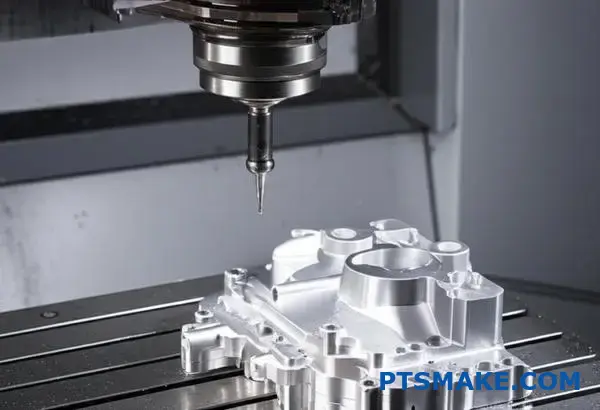
Die Einführung nachhaltiger Gießerei-CNC-Bearbeitung ist eine praktische Entscheidung. Sie steht im Einklang mit globalen Vorschriften und stärkt die Lieferkette. Bei PTSMAKE begleiten wir Partner zu umweltfreundlichen Entscheidungen, die keine Kompromisse bei der Qualität eingehen.
Vorschriften und Compliance
Die Einhaltung von Umweltvorschriften wie RoHS und REACH ist entscheidend. Compliance ist nicht nur eine gesetzliche Anforderung. Sie ist eine Grundvoraussetzung für den Marktzugang, insbesondere in Europa und Nordamerika. Sie zeigt ein Engagement für Sicherheit und Verantwortung.
Nachhaltige Techniken in Aktion
Materialrecycling
Wir bevorzugen Materialien, die leicht recycelt werden können. Beispielsweise können Aluminium- und Stahlspäne aus dem CNC-Prozess wieder eingeschmolzen und für neue Gussstücke wiederverwendet werden. Dies schafft ein geschlossenes System und reduziert den Bedarf an Rohstoffen erheblich.
Energieeffizienz und Abfallreduzierung
Moderne CNC-Maschinen verbrauchen weniger Strom. Nach Gesprächen mit unseren Ausrüstungslieferanten haben wir festgestellt, dass neue Modelle den Energieverbrauch um bis zu 20% senken können. Die Kombination mit einer intelligenten Produktionsplanung minimiert Leerlaufzeiten. Dies reduziert die Umweltauswirkungen der CNC-Bearbeitung nach dem Gießen insgesamt. Eine gründliche Ökobilanz13 hilft, diese Möglichkeiten zu identifizieren.
| Nachhaltigkeitsvorteil | Auswirkungen auf B2B-Partnerschaften |
|---|---|
| Reduzierte Materialkosten | Wettbewerbsfähigere Preise für Ihre Teile. |
| Einhaltung von Vorschriften | Stellt sicher, dass Ihre Produkte internationale Standards erfüllen. |
| Verbessertes Markenimage | Stärkt Ihr Profil in Bezug auf soziale Verantwortung von Unternehmen. |
| Prozess-Effizienz | Führt zu zuverlässigeren und pünktlicheren Lieferungen. |
Nachhaltige Gieß- und CNC-Bearbeitungspraktiken schaffen eine widerstandsfähigere und verantwortungsvollere Lieferkette. Sie gehen über die bloße Einhaltung von Vorschriften hinaus und bieten greifbare Vorteile wie Kosteneinsparungen und eine verbesserte Markenreputation, die für starke, langfristige B2B-Partnerschaften unerlässlich sind.
Budgetmanagementstrategien für Guss-CNC-Bearbeitungsaufträge in großem Maßstab
Die Verwaltung von Großaufträgen für Gießerei- und CNC-Bearbeitung erfordert eine strenge Budgetkontrolle. Erfolg ist nicht nur eine Frage der technischen Fähigkeiten, sondern auch der Finanzplanung. Eine effektive Budgetierung sichert die Rentabilität.
Sie verhindert Kostenüberschreitungen, die ein Projekt zum Scheitern bringen können. Wir werden wichtige Strategien dafür untersuchen. Dazu gehören Mengenrabatte, Prozessoptimierung und Risikominderung. Die Beherrschung dieser Aspekte schützt Ihr Endergebnis.
Tipps zur anfänglichen Budgetierung
Erstellen Sie zunächst eine detaillierte Kostenaufschlüsselung. Verlassen Sie sich niemals auf grobe Schätzungen. Trennen Sie Materialkosten von Arbeits- und Gemeinkosten. Diese Klarheit ist Ihr Fundament.
| Kostenkategorie | Beschreibung |
|---|---|
| Direkte Kosten | Rohmaterialien, Gießen, direkte Arbeitskosten |
| Indirekte Kosten | Werkzeuge, Maschinenverschleiß, Qualitätskontrolle |
| Overhead | Management, Anlagenkosten |
Verständnis der Kernkosten
Konzentrieren Sie sich auf die wichtigsten Kostentreiber. Materialauswahl und Bearbeitungszeit sind oft die größten Ausgaben. Die Optimierung dieser Bereiche bietet das größte Einsparpotenzial.
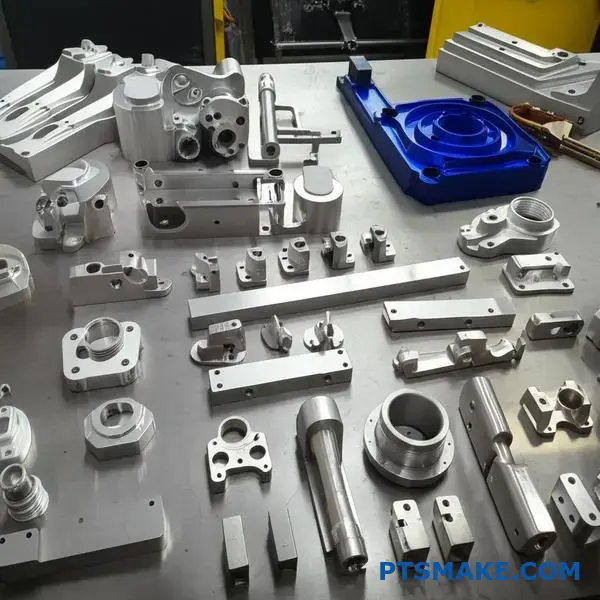
Effektives Kostenmanagement für Großaufträge geht über einfache Tabellenkalkulationen hinaus. Es beinhaltet einen proaktiven und strategischen Ansatz für jede Phase, vom Design bis zur Lieferung. Bei PTSMAKE konzentrieren wir uns auf die Optimierung der gesamten Wertschöpfungskette.
Fortgeschrittene Techniken des Kostenmanagements
Wir raten unseren Kunden immer, die Prozessoptimierung frühzeitig in Betracht zu ziehen. Kleine Designänderungen können die Bearbeitungszeit nach dem Gießen drastisch reduzieren. Dies ist ein wichtiger Teil des Kostenmanagements CNC-Bearbeitung nach dem Gießen. Zum Beispiel kann die Vereinfachung einer komplexen Kurve oder die Anpassung der Position eines Lochs Stunden an Maschinenarbeit über eine große Charge hinweg einsparen.
Ein weiterer kritischer Bereich ist die Risikominderung. Was passiert, wenn die Preise für Rohmaterialien stark ansteigen? Oder wenn ein wichtiges Gerät ausfällt? Der Aufbau eines Notfallfonds, typischerweise 5-10% des Gesamtbudgets, ist unerlässlich. Er bietet einen Puffer gegen unvorhergesehene Herausforderungen, ohne die finanzielle Gesundheit des Projekts zu gefährden. Präzision in Zeichnungen mit Systemen wie Geometrische Dimensionierung und Tolerierung (GD&T)14 reduziert auch Fehler und Nacharbeitskosten.
Verhandlung und Lieferantenpartnerschaft
Der Aufbau einer starken Partnerschaft mit Ihrem Lieferanten ist unerlässlich. Es geht nicht nur darum, den niedrigsten Preis zu erzielen. Ein guter Partner hilft Ihnen, Kosteneinsparungen zu erzielen.
Hier sind Verhandlungspunkte, die wir oft mit Kunden besprechen:
| Verhandlungspunkt | Potenzielle Auswirkungen |
|---|---|
| Großeinkauf von Materialien | 5-15% Reduzierung der Materialkosten |
| Langfristiger Vertrag | Preisstabilität und bevorzugte Terminplanung |
| Zahlungsbedingungen | Verbesserte Cashflow-Steuerung |
Ein transparenter Dialog über Kosten für die CNC-Bearbeitung von Großgussteilen stellt sicher, dass beide Parteien auf Erfolg ausgerichtet sind.
Eine effektive Budgetierung für CNC-Bearbeitungsprojekte von Großgussteilen ist eine Mischung aus detaillierter Planung, strategischer Optimierung und starken Lieferantenbeziehungen. Dieser Ansatz gewährleistet nicht nur die Rentabilität, sondern fördert auch erfolgreiche, langfristige Projektergebnisse.
Effektive Kommunikation mit Ihrem Guss-CNC-Bearbeitungspartner für bessere Ergebnisse
Klare Kommunikation ist das Fundament jedes erfolgreichen Fertigungsprojekts. Ein großartiges Design kann aufgrund einfacher Missverständnisse leicht scheitern.
Dies gilt insbesondere für Guss- und CNC-Bearbeitung. Jedes Detail zählt. Fehlinterpretationen von Toleranzen oder Zeitplänen können zu kostspieligen Nacharbeiten führen. Starke Kommunikation verhindert diese Fehler.
Warum es wichtig ist
Eine gute Kommunikation mit Ihrem Partner für Guss-CNC-Bearbeitung schafft Vertrauen. Sie stellt sicher, dass alle auf dem gleichen Stand sind. Dies reduziert Risiken und hält das Projekt von Anfang bis Ende auf Kurs.
| Kommunikationsfallstrick | Beste Praxis |
|---|---|
| Vage RFQs | Detaillierte RFQs mit 3D-Modellen |
| Seltene Updates | Geplante wöchentliche Check-ins |
| Annahmebasierte Entscheidungen | Formelle schriftliche Genehmigungen |
Eine effektive Zusammenarbeit mit Lieferanten bei der CNC-Bearbeitung ist keine Option. Sie ist unerlässlich, um die von Ihnen erwartete Präzision und Qualität zu erreichen.
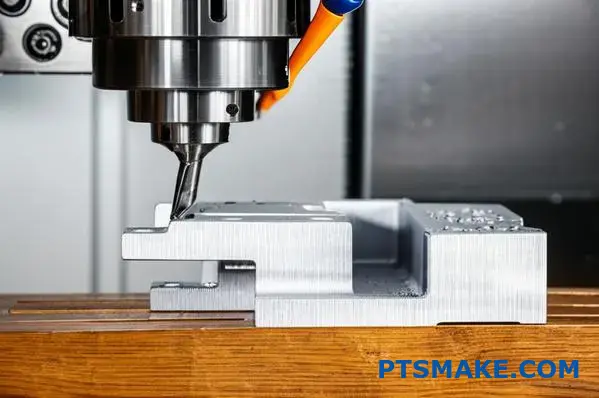
Die Qualität Ihrer Projektkommunikation wirkt sich direkt auf das Endteil aus. Vage Anweisungen führen zu fehlerhaften Teilen. Es ist eine einfache Ursache-Wirkungs-Beziehung, die ich schon oft beobachtet habe. Starke Partnerschaften basieren auf Klarheit und Transparenz.
Beherrschen der Angebotsanfrage (RFQ)
Ihre RFQ ist die erste und wichtigste Kommunikation. Eine detaillierte RFQ legt den Grundstein für den Erfolg. Sie sollte 3D-CAD-Dateien, Materialspezifikationen, erforderliche Toleranzen, Oberflächenbeschaffenheiten und gewünschte Mengen enthalten. Mehrdeutigkeit ist hier Ihr Feind. Bei PTSMAKE ermöglicht eine detaillierte RFQ, dass wir ein genaueres Angebot und einen Produktionsplan erstellen können. Dies vermeidet Überraschungen später.
Best Practices für die Zusammenarbeit
Regelmäßige Updates sind für eine effektive Lieferantenkollaboration in der CNC-Bearbeitung nicht verhandelbar. Geplante Check-ins, ob täglich oder wöchentlich, halten beide Teams synchronisiert. Es ist auch wichtig, die richtigen Werkzeuge zu verwenden. Während E-Mail üblich ist, bieten Projektmanagement-Plattformen eine bessere Nachverfolgung und Transparenz. Asynchrone Kommunikation15 wird unerlässlich, wenn Sie über verschiedene Zeitzonen hinweg arbeiten, um sicherzustellen, dass der Fortschritt rund um die Uhr fortgesetzt wird.
| Werkzeug | Bester Anwendungsfall | Nutzen Sie |
|---|---|---|
| Formale Dokumentation, RFQs | Schafft eine schriftliche Aufzeichnung | |
| Telefon-/Videoanrufe | Dringende Probleme, komplexe Diskussionen | Sofortige Klärung |
| Projektplattformen | Aufgabenverfolgung, Fortschrittsaktualisierungen | Zentralisierte Informationen |
Dieser strukturierte Ansatz für die Kommunikation von CNC-Bearbeitungsprojekten im Gussverfahren beseitigt Rätselraten und baut eine zuverlässige Partnerschaft auf. Er stellt sicher, dass jede Spezifikation erfüllt wird.
Eine effektive Kommunikation mit Ihrem Partner für CNC-Bearbeitung im Gussverfahren ist entscheidend. Sie minimiert Fehler, verhindert Verzögerungen und schafft das Vertrauen, das für eine erfolgreiche langfristige Beziehung erforderlich ist. Sie gleicht Erwartungen mit der Realität ab und sorgt für einen reibungslosen Prozess von der RFQ bis zur endgültigen Lieferung.
Langfristiges Vertrauen zu einem zuverlässigen Guss-CNC-Bearbeitungsanbieter aufbauen
Die Suche nach einem Lieferanten ist transaktional. Der Aufbau einer Partnerschaft ist strategisch. Ein wirklich vertrauenswürdiger Anbieter für CNC-Bearbeitung im Gussverfahren wird zu einer Erweiterung Ihres Teams.
Diese Beziehung wird nicht über Nacht aufgebaut. Sie erfordert Anstrengungen von beiden Seiten. Sie basiert auf Zuverlässigkeit, Beständigkeit und gemeinsamen Projektzielen.
Säulen des Vertrauens
Echte Partnerschaften basieren auf mehreren Kernprinzipien. Jedes einzelne ist entscheidend für den Erfolg.
| Vertrauensfaktor | Beschreibung |
|---|---|
| Transparenz | Offene Kommunikation über Fähigkeiten, Zeitpläne und Herausforderungen. |
| Qualitätsverlauf | Eine nachgewiesene Erfolgsbilanz bei der Lieferung von Teilen, die den Spezifikationen entsprechen. |
| Konsistenz | Zuverlässige Leistung Projekt für Projekt. |
Diese Faktoren bilden die Grundlage für eine starke Arbeitsbeziehung.
Eine langfristige Partnerschaft geht über einfache Preisverhandlungen hinaus. Sie konzentriert sich auf die Schaffung gegenseitigen Nutzens. Wenn Sie einen zuverlässigen CNC-Bearbeitungspartner nach dem Guss finden, investieren Sie in zukünftigen Erfolg.
Diese Denkweise ist entscheidend. Anstatt nur Bestellungen aufzugeben, beginnen Sie, an Lösungen zu arbeiten. Diese Zusammenarbeit führt zu besseren Designs, verbesserter Effizienz und Kosteneinsparungen im Laufe der Zeit. Sie schafft ein stärkeres operatives Rückgrat für Ihr Unternehmen.
Der wahre Wert langfristiger Partnerschaften
Die Vorteile gehen weit über ein einzelnes Projekt hinaus. Sie wirken sich auf Ihren gesamten Produktionsprozess aus. Ein Partner, der Ihre Bedürfnisse versteht, kann Herausforderungen antizipieren, bevor sie auftreten.
Dieser proaktive Ansatz verbessert Ihre gesamte Widerstandsfähigkeit der Lieferkette16.
Unsere Analyse zeigt, dass langfristige Beziehungen in der CNC-Bearbeitung von Gussstücken die Vorlaufzeiten nach dem ersten Jahr der Zusammenarbeit um durchschnittlich 15-20 % reduzieren. Dies liegt an der optimierten Kommunikation und den etablierten Prozessen.
| Beziehungstyp | Schwerpunkt | Ergebnis |
|---|---|---|
| Kurzfristig | Niedrigster Preis pro Teil | Inkonsistente Qualität, Kommunikationsverzögerungen. |
| Langfristig | Gesamtwert & Zuverlässigkeit | Reibungslosere Abläufe, bessere Innovation. |
Letztendlich zahlt sich die Investition in Vertrauen in Qualität und Effizienz aus.
Der Aufbau von Vertrauen zu einem Anbieter von CNC-Bearbeitung für Guss ist eine strategische Investition. Sie verwandelt Transaktionen in eine kollaborative Partnerschaft und gewährleistet Zuverlässigkeit, gleichbleibende Qualität und einen besseren langfristigen Wert für Ihre kritischsten Projekte.
Beschleunigen Sie Ihren Erfolg mit PTSMAKE Guss-CNC-Bearbeitung
Sind Sie bereit, für Ihre Guss-CNC-Bearbeitungsprojekte gleichbleibende Qualität und schnelle Durchlaufzeiten zu erzielen? Kontaktieren Sie PTSMAKE für ein schnelles, zuverlässiges Angebot – unsere Experten liefern Präzision und Wert vom Prototyp bis zur Produktion. Machen Sie den nächsten Schritt: Senden Sie jetzt Ihre Anfrage und erleben Sie vertrauenswürdige B2B-Fertigungsexzellenz!

Erfahren Sie, wie die Identifizierung dieses Gussfehlers die Festigkeit und die Gesamtleistung Ihres Teils erheblich verbessern kann. ↩
Erfahren Sie, wie die Annäherung an die Endform die Bearbeitungszeit reduziert und die gesamte Produktionseffizienz steigert. ↩
Erfahren Sie, wie diese symbolische Sprache sicherstellt, dass Ihre Designabsicht perfekt in ein physisches Teil umgesetzt wird. ↩
Entdecken Sie die Wissenschaft der Messtechnik und ihre entscheidende Rolle in der modernen Fertigung zur Gewährleistung von Qualität und Präzision. ↩
Verstehen Sie, wie sich Materialeigenschaften und Abkühlraten auf die Teilegenauigkeit nach dem Guss auswirken. ↩
Erfahren Sie, wie sich dieser Effekt auf Bearbeitungsgeschwindigkeiten, Werkzeugstandzeiten und Projektkosten auswirkt. ↩
Erfahren Sie, wie dieses Konzept die volle finanzielle Auswirkung Ihrer Fertigungsentscheidungen aufzeigt. ↩
Entdecken Sie die Wissenschaft der Messtechnik, um zu verstehen, wie wir die Genauigkeit und Präzision von Teilen garantieren. ↩
Erfahren Sie, wie diese Kalibrierung die Genauigkeit der Maschine über ihr gesamtes Arbeitsvolumen hinweg gewährleistet. ↩
Erfahren Sie mehr darüber, wie diese Gießtechnik Materialabfall und nachfolgende Bearbeitungszeit minimiert. ↩
Entdecken Sie, wie Interpolationsmethoden die Maschinenbewegung und die endgültige Teilegenauigkeit direkt beeinflussen. ↩
Verstehen Sie, wie die Richtung von Oberflächentexturmuster die funktionale Leistung und Lebensdauer eines Teils beeinflussen kann. ↩
Lernen Sie, die vollständigen Umweltauswirkungen Ihres Produkts von Anfang bis Ende zu bewerten. ↩
Entdecken Sie, wie präzise Toleranzdefinitionen Ihre endgültigen Fertigungskosten erheblich reduzieren können. ↩
Entdecken Sie, wie dieser Kommunikationsstil die Effizienz in globalen Fertigungspartnerschaften verbessern kann. ↩
Erfahren Sie, wie starke Lieferantenbeziehungen Ihre Betriebe vor Störungen schützen können. ↩