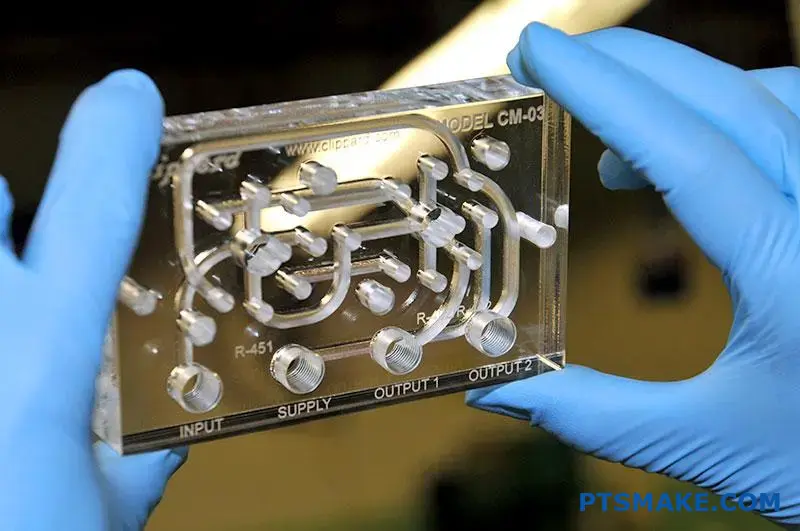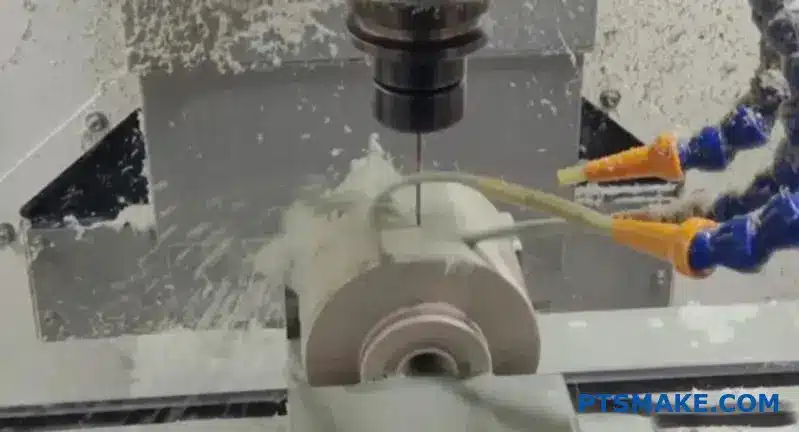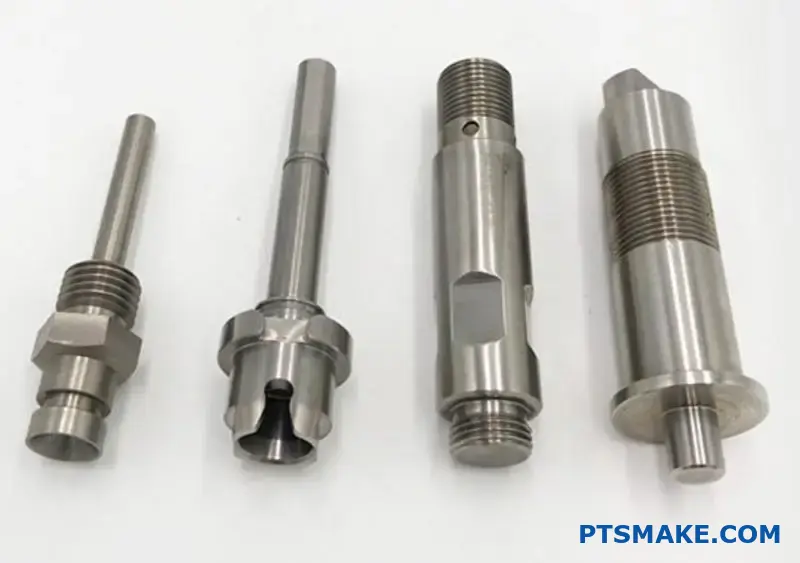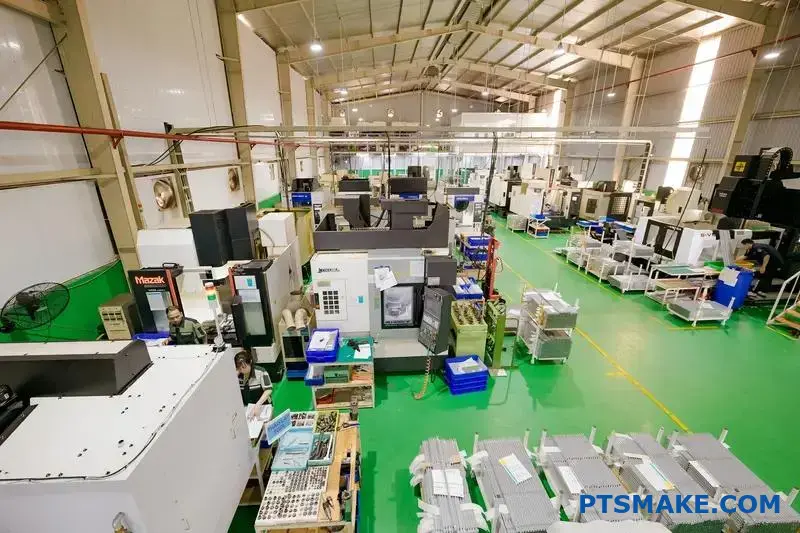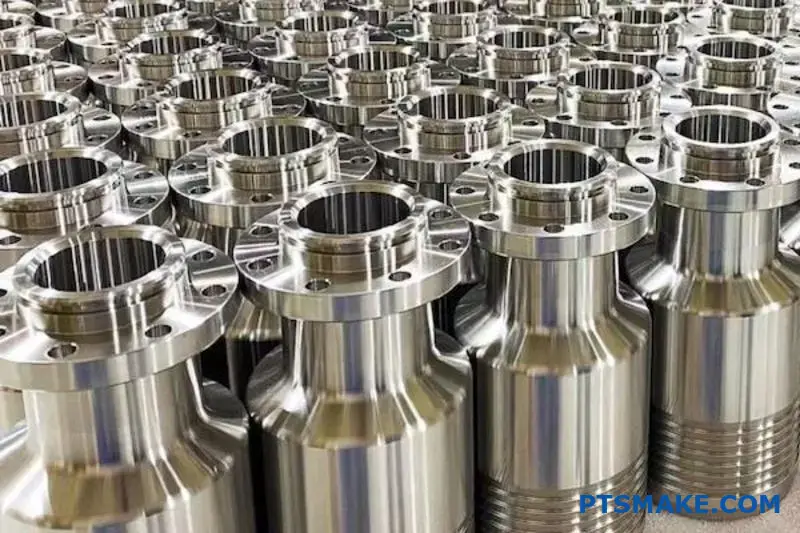

Finding the right CNC machining manufacturer for railroad components feels impossible when safety and precision can’t be compromised. Most procurement managers struggle with suppliers who promise tight tolerances but deliver parts that fail critical inspections, leading to costly delays and safety risks.
Successful railroad CNC machining partnerships require evaluating suppliers based on ISO certifications, material expertise in rail-grade alloys, tolerance capabilities, production scalability, and transparent communication processes that ensure consistent quality from prototype to full production.
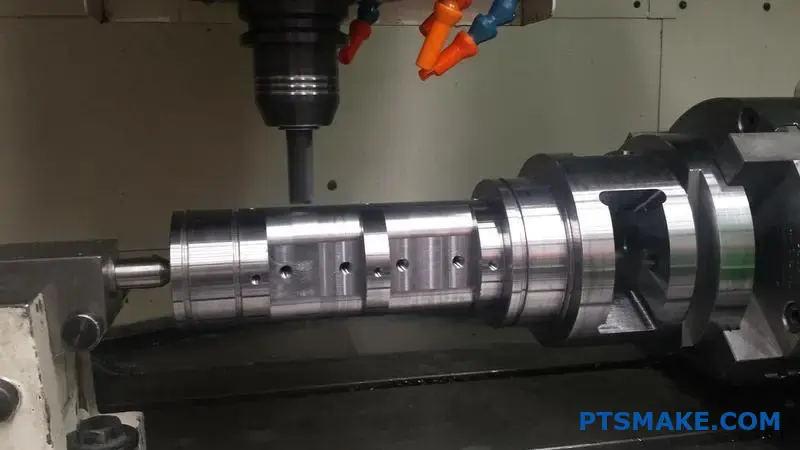
I’ve worked with rail industry procurement teams who transformed their component sourcing by applying proven evaluation strategies. These methods help you identify manufacturers who understand the unique demands of railway applications and can deliver the precision your projects require.
The Ultimate Checklist For Evaluating CNC Partners In Rail Transport
Choosing a CNC partner in the rail industry is serious business. The safety and reliability of your operations depend on every single component.
This isn’t just about finding a supplier. It’s about securing a partner who understands the immense responsibility.
Vigtige evalueringssøjler
When I evaluate a potential railroad CNC machining supplier, I focus on a few core areas. These pillars ensure long-term success and safety for critical rail components.
| Kriterier | Vigtighed | Nøglespørgsmål |
|---|---|---|
| Tolerancer | Kritisk | Can they meet your exact specs? |
| Materialer | Kritisk | Do they have rail-grade expertise? |
| Certificeringer | Høj | Are they ISO certified? |
These points are non-negotiable for ensuring component integrity.
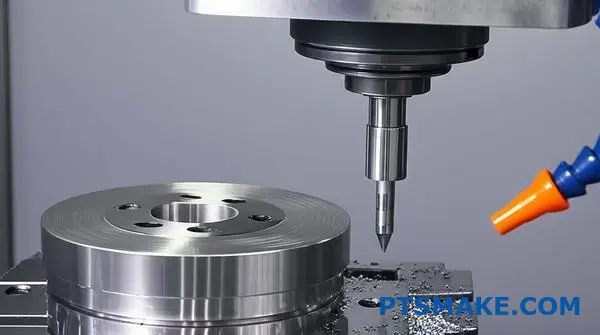
When selecting a partner for precision CNC machining for trains, technical specifications are just the starting line. A truly reliable partner demonstrates excellence across several, often overlooked, areas. These are the factors that separate an average supplier from a long-term strategic asset.
Digging Deeper: What Really Matters
Material compatibility is crucial. A supplier must understand the unique demands of the rail environment, from constant vibration to extreme weather. They need proven experience with materials like high-strength steel alloys and specialized composites. This expertise prevents premature part failure.
Another key factor is communication. A transparent partner keeps you informed about progress and potential issues. This prevents surprises and keeps your maintenance schedules on track. Finding a certified CNC rail manufacturer who acts as a true partner is essential. Their ability to manage lead times directly impacts your operational readiness. A partner’s understanding of concepts like Geometrisk dimensionering og tolerance1 ensures parts are not just made to spec, but function perfectly within complex assemblies.
| Partner Trait | Det røde flag | Grønt flag |
|---|---|---|
| Kommunikation | Vague updates | Proactive & detailed reports |
| Gennemløbstid | Frequent delays | Consistent on-time delivery |
| Problemløsning | Blames others | Offers solutions |
A top-tier railroads cnc machining manufacturer will always show more green flags than red ones.
Choosing the right CNC partner for rail transport requires a deep look beyond the technical sheets. Evaluating certifications, material expertise, and communication transparency is critical for ensuring safety, reliability, and a successful long-term partnership in this demanding industry.
Secrets To Achieving Tight Tolerances For Rail Components
In the railway industry, precision is not optional. We are talking about micron-level tolerances. For critical parts, even the slightest deviation can have significant consequences.
The Criticality of Micron-Level Precision
Components like brake housings and suspension parts demand this accuracy. Tight tolerance CNC rail parts are essential for safety and operational integrity. They ensure every part works together flawlessly.
Hvorfor det er vigtigt
Proper fit and function prevent catastrophic failures. This level of machining accuracy for rail industry directly translates to passenger safety and equipment longevity.
| Komponent | Funktion | Impact of Tight Tolerance |
|---|---|---|
| Brake Housings | Ensures reliable braking | Guarantees consistent performance |
| Dele til affjedring | Absorbs track imperfections | Reduces component wear and tear |
| Coupling Systems | Connects cars securely | Prevents dangerous decoupling |
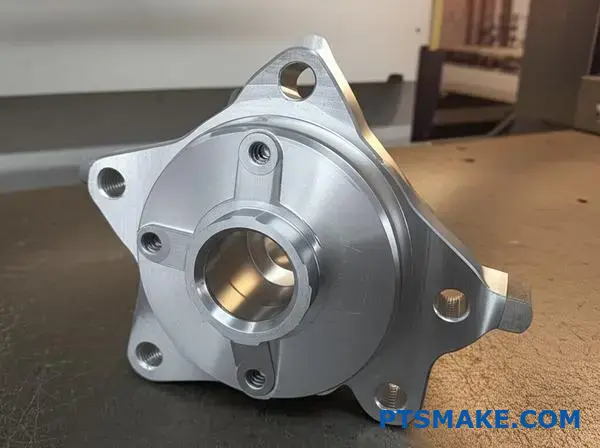
When manufacturing railway components, achieving and maintaining precision is a complex process. It separates experienced suppliers from the rest. As a specialized railroads cnc machining manufacturer, we have refined our methods over many years.
How Experienced Manufacturers Maintain Precision
It begins with the right equipment. Multi-axis CNC machines allow us to machine complex geometries in a single setup. This minimizes the potential for error that comes from moving a part between machines.
Precision CNC turning for railway components, for instance, requires machines with exceptional rigidity and accuracy. But the machine is only part of the equation. The environment plays a crucial role.
Our machining floors are climate-controlled. Temperature shifts can cause metal to expand or contract, destroying tight tolerances. Maintaining a consistent environment is key to achieving thermal stability2, ensuring the material and machine behave predictably throughout the process.
| Teknik | Formål | Advantage for Rail Components |
|---|---|---|
| 5-akset bearbejdning | Reduces part handling | Minimizes tolerance stacking errors |
| Klimakontrol | Stabilizes temperature | Prevents material expansion/contraction |
| Afprøvning undervejs i processen | Verifies dimensions mid-cycle | Allows for real-time corrections |
Achieving micron-level precision for rail components is non-negotiable for safety. It relies on a system of advanced machinery, strict environmental controls, and continuous quality verification. This commitment defines a truly reliable manufacturing partner in the rail industry.
Why Material Expertise In Rail-Grade Alloys Is Critical
Choosing the right material is just the start. Each rail-grade alloy presents unique machining challenges. An experienced CNC manufacturer knows how to handle these differences.
This expertise prevents costly errors. It also ensures the final component meets strict safety and performance standards for the railroad industry.
Common Railroad Component Machining Materials
Different parts require different alloys. Strength, weight, and corrosion resistance are key factors. We frequently work with the following materials.
| Materiale | Nøgleegenskab | Fælles ansøgning |
|---|---|---|
| Hærdet stål | High Strength, Wear Resistance | Rails, Wheels, Axles |
| Rustfrit stål | Modstandsdygtighed over for korrosion, holdbarhed | Fastgørelseselementer, beslag |
| Aluminium | Lightweight, Good Strength-to-Weight | Body Panels, Interior Components |
| Titanium | High Strength, Low Density | High-Stress, Lightweight Parts |
Handling these materials requires specific knowledge and equipment.
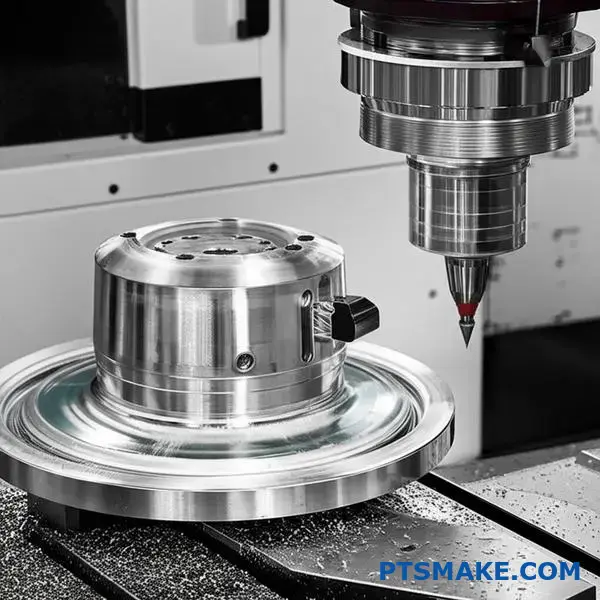
At PTSMAKE, we understand that successful railroad component machining depends on deep material knowledge. It’s not just about cutting metal; it’s about understanding how each alloy behaves under pressure.
The Challenge of CNC Machining Rail-Grade Steel
Hardened and stainless steels are tough. They resist cutting, which generates immense heat and tool wear. Without proper technique, you risk part defects and tool breakage. Our approach involves selecting specific carbide tools and using high-pressure coolant systems to manage heat effectively. This is crucial for maintaining tight tolerances.
Precision CNC for Aluminum Train Parts
Aluminum is much softer, but that creates its own issues. It can be "gummy," sticking to the cutting tool and ruining the surface finish. We use specialized tool coatings and optimized cutting speeds. This prevents material buildup. The result is a smooth, precise part that meets specifications for applications like cabin interiors or electronic enclosures. This process often causes significant chip adhesion3, which must be carefully managed.
Key Machining Considerations
- Valg af værktøj: Using the right tool geometry and material.
- Speeds and Feeds: Adjusting machine parameters for each alloy.
- Coolant Strategy: Applying the right type and amount of coolant.
Expertise in handling diverse rail-grade alloys is non-negotiable. It dictates the quality, safety, and lifespan of critical railroad components. Understanding material-specific challenges allows a skilled railroads cnc machining manufacturer to deliver parts that perform reliably under demanding conditions.
The Complete Guide To Custom Rail Component Manufacturing
Transforming a digital design into a physical rail component is a precise process. It all begins with your custom design files. These files are the blueprints for manufacturing.
We translate these digital instructions into tangible parts. This ensures every component meets exact specifications.
Prototyping Custom CNC Rail Parts
Prototyping is a critical first step. It allows for testing form, fit, and function before full production. This step helps identify potential design flaws early.
For bespoke railroad components, this stage is non-negotiable.
| Komponenttype | Common Prototyping Material | Formål |
|---|---|---|
| Station Fittings | Aluminium 6061 | Check aesthetics and fit |
| Rolling Stock Brackets | Rustfrit stål 304 | Test styrke og holdbarhed |
| Signaling Enclosures | ABS Plastic (3D Print) | Verify internal component layout |
This iterative process saves significant time and cost down the line. It ensures the final train part CNC fabrication is perfect.
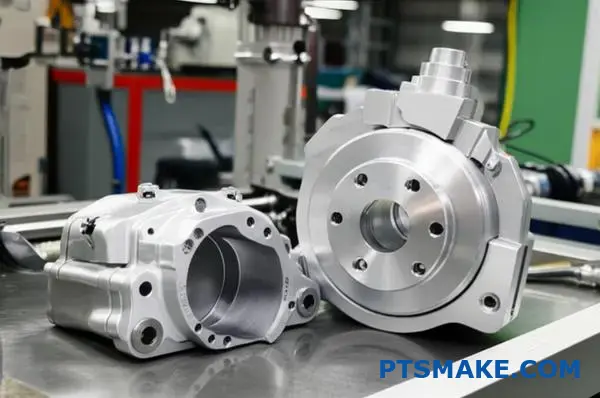
From Design File to Machined Part
The journey from a STEP or IGES file to a finished product involves several key stages. At PTSMAKE, we have refined this process for maximum efficiency and precision. It is the core of what a reliable railroads cnc machining manufacturer does.
First, your design file is imported into our Computer-Aided Manufacturing4 software. This software generates the specific toolpaths and machine code that our CNC machines will follow. It’s a direct translation of your geometry into machine language.
File Type Considerations
Different file types have distinct advantages. Choosing the right one is important for a smooth manufacturing workflow. Based on collaboration with our clients, we’ve found certain formats work better for specific applications.
| File Type | Bedst til | Vigtig fordel |
|---|---|---|
| TRIN | Complex Assemblies | Retains 3D model data accurately |
| IGES | Surface Geometry | High compatibility across different CAD systems |
| DXF/DWG | 2D-profiler | Ideal for laser cutting or simple milling |
Our engineers meticulously review each design. We check for manufacturability, ensuring tolerances are achievable and features are well-defined. This proactive approach prevents costly errors during the train part CNC fabrication phase. We ensure all custom CNC rail parts are made to the highest standard.
This careful preparation is what separates standard suppliers from true manufacturing partners.
The journey from a digital file to a tangible, high-precision rail part is a systematic process. It starts with careful design file translation and moves through critical prototyping to ensure the final machined component meets all specifications for safety and performance.
How To Eliminate Delays In Railroad Part Production
In the railway industry, speed is everything. Delays are not an option. We achieve fast turnaround CNC for rail components by implementing lean manufacturing principles directly into our CNC workflows.
This approach focuses on eliminating waste. It streamlines every step from raw material to finished part. The goal is maximum efficiency.
Shifting from Traditional to Lean
Rethinking the production flow is critical. A lean workflow removes unnecessary steps and waiting periods, directly cutting down production time.
| Traditional Workflow Step | Lean Workflow Step |
|---|---|
| Batch-behandling | Single-Piece Flow |
| Long Setup Times | Quick Changeover (SMED) |
| Multiple Handoffs | Integrated Work Cells |
| Inspection at Final Stage | Kvalitetskontrol undervejs i processen |
This shift ensures a smoother, faster process. It guarantees parts move continuously toward completion, avoiding costly bottlenecks and downtime.
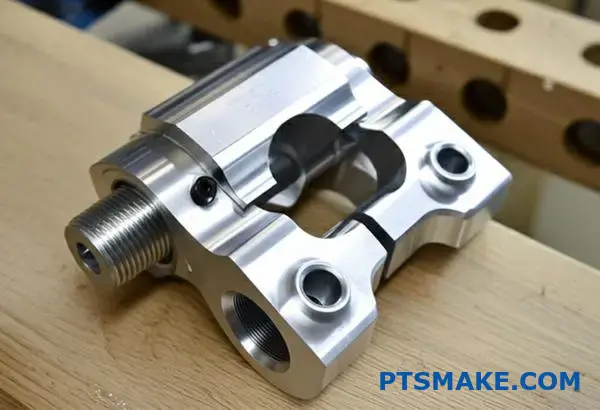
To truly achieve lead time reduction for train parts, we must look beyond basic process improvements. Two key areas make a significant difference: in-house tooling and strategic automation. They are crucial for meeting tight project timelines in large-scale rail infrastructure.
The Advantage of In-House Tooling
Relying on external suppliers for custom jigs and fixtures adds weeks to a project. By creating tooling in-house, we control the entire timeline. This eliminates dependencies and allows for rapid adjustments. We can move from design to production much faster.
Automation’s Role in Meeting Deadlines
Automation is essential for meeting CNC deadlines in the railway industry. Automated systems load and unload parts, while robotic arms handle repetitive tasks. This ensures consistent quality and 24/7 operation. We implement concepts like Cellular Manufacturing5 to organize workstations and equipment for a smooth, logical process flow. A proficient railroads cnc machining manufacturer uses these techniques to guarantee reliability.
| Proces | Manual Time | Automated Time |
|---|---|---|
| Part Loading/Unloading | 5 minutes | 30 seconds |
| Inspektion undervejs i processen | 3 minutes | 15 seconds |
| Tool Changeover | 15 minutter | 2 minutes |
These time savings accumulate quickly. They result in a much faster overall production cycle, ensuring your rail components are delivered on schedule.
Lean CNC workflows, combined with in-house tooling and automation, are fundamental to eliminating delays. These strategies ensure fast, reliable production, helping large-scale rail projects stay on track by meeting critical deadlines without compromising on the quality of essential components.
Advanced CNC Capabilities You Should Demand For Rail Projects
The rail industry relies on incredibly precise parts. Modern CNC technology isn’t just an option; it’s a necessity for safety and performance. Your manufacturing partner must keep pace.
The Power of 5-Axis Machining
For complex rail components, 5-axis CNC is vital. It machines parts from five sides in a single setup. This reduces errors and improves accuracy significantly.
Live Tooling Lathes for Efficiency
These machines combine turning and milling. This creates complex parts faster and with greater precision, which is key for demanding rail applications.
| Teknologi | Traditionel tilgang | Modern Approach |
|---|---|---|
| Kompleksitet | Multiple setups, higher error risk | Single setup, high precision |
| Effektivitet | Langsommere cyklustider | Faster, combined operations |
| Konsistens | Operatør-afhængig | Highly repeatable |
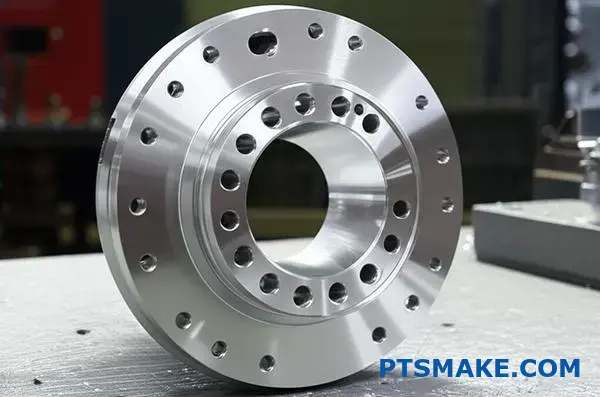
Why High-Tech CNC Matters in the Railway Industry
Advanced technology is non-negotiable for rail projects. Take 5-axis CNC for railroad applications; it allows us to create intricate geometries for parts like bogie components or complex housings in one go. This reduces fixture costs and lead times.
At PTSMAKE, we leverage this high-tech CNC for the railway industry. It’s how we achieve the tight tolerances required. This precision is not just about fit; it’s about the long-term safety and reliability of the entire rail system. The machine’s complex kinematik6 allow for fluid, multi-directional tool paths.
Automated Inspection and Quality Control
Equally important is how parts are inspected. Automated rail part machining relies on tools like Coordinate Measuring Machines (CMMs). These systems verify dimensions automatically, removing the chance for human error and ensuring every single part is identical. This is a standard practice for any serious railroads cnc machining manufacturer.
| Advanced Capability | Key Benefit for Rail | Eksempel på anvendelse |
|---|---|---|
| 5-akset CNC | Machining complex geometries | Suspension components, brake calipers |
| Live Tooling Lathes | Reduced cycle times, high accuracy | Axles, custom fasteners, fittings |
| Automatiseret inspektion | Guaranteed quality and consistency | Verifying critical dimensions on all parts |
Advanced CNC technologies like 5-axis machining and automated inspection are fundamental. They ensure rail components meet the highest standards for precision and reliability, which directly impacts safety and operational efficiency. This is what a modern manufacturing partner should provide.
The Hidden Costs Of Poor-Quality Machining In Railway Systems
The initial price of a machined part is only a fraction of its total cost. Subpar machining creates hidden expenses that accumulate over the component’s entire lifecycle.
These costs are not immediately obvious. They appear later as failures, downtime, and recalls. Focusing only on the upfront price is a critical mistake in the railway industry.
Lifecycle vs. Upfront Costs
Thinking about long-term value is essential for ensuring high railroad CNC machining quality. The real cost includes maintenance, replacement, and potential system failures.
| Omkostningsfaktor | Low-Quality Supplier | High-Quality Supplier |
|---|---|---|
| Oprindelig pris | Lavere | Højere |
| Vedligeholdelse | Frequent & Costly | Minimal & Planned |
| Risiko for nedetid | Høj | Lav |
| Livscyklusomkostninger | Meget høj | Predictable & Lower |
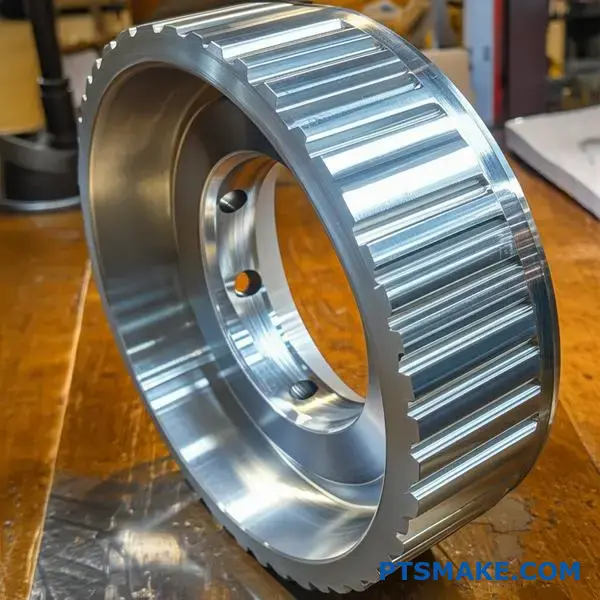
The Domino Effect of a Single Bad Part
A single poorly machined component can set off a chain reaction. It begins with premature wear, leading to unexpected failures and costly operational downtime. This is not just an inconvenience; it is a direct threat to safety and budgets. The focus should always be on rail system failure prevention machining.
This approach demands a shift in perspective. Instead of just buying a part, you are investing in reliability. It’s about calculating the full Samlede omkostninger ved ejerskab7, not just the initial invoice.
The Ripple Costs of Failure
When a part fails, the costs multiply quickly. You have the cost of the replacement part, the labor for installation, and the massive expense of system downtime. For a railway system, this can impact thousands of passengers and disrupt freight schedules.
Working with a low defect rate CNC supplier is the most effective way to manage these risks. A trusted railroads cnc machining manufacturer understands that their job is to prevent these issues from ever happening.
| Failure Stage | Associated Costs |
|---|---|
| Initial Defect | Rework, Scrap |
| Component Failure | Replacement, Labor, Downtime |
| System Recall | Logistics, Legal, Brand Damage |
This is why at PTSMAKE, our process control is designed to minimize defect rates from the start. We help our clients avoid these cascading expenses.
Initial price is misleading. The true cost of a component includes maintenance, downtime, and failure risks over its entire lifecycle. Choosing a high-quality supplier minimizes these long-term expenses, ensuring greater safety and operational reliability for railway systems.
What VPs And Engineers Must Know About CNC Tolerancing For Rail Safety
In the railway industry, standards are not just guidelines. They are the foundation of safety and reliability.
Tolerances directly impact how parts fit and function. This affects everything from vibration levels to component lifespan.
For safety-critical parts, there is no room for error. Following strict rail CNC engineering standards is essential.
Adherence to standards like IRIS ensures that every part we machine contributes to a safer, more reliable rail system.
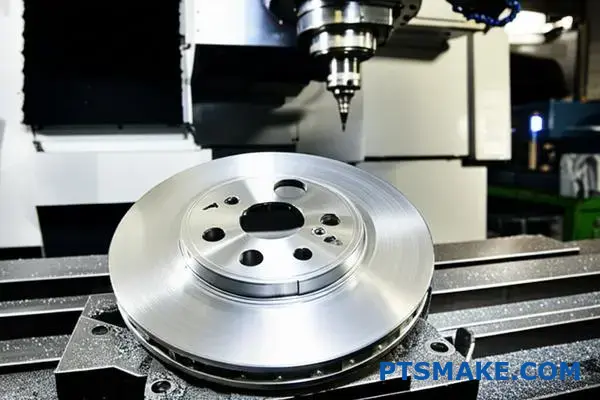
The Direct Link Between Standards and Performance
Vibration is a constant enemy in railway applications. It causes wear, fatigue, and eventual failure. Precise tolerancing is our primary defense. When parts fit perfectly, unwanted movement and vibration are minimized. This extends the service life of critical components.
Why IRIS Certification Matters
The rail industry relies on specific quality frameworks. The ISO/TS 22163 (IRIS)8 is a globally recognized standard. It builds upon ISO 9001 but adds stringent rail-specific requirements. As a railroads cnc machining manufacturer, we see this standard as a blueprint for excellence.
For enhver IRIS certified CNC rail supply partner, this means robust processes for project management, configuration management, and production control. It’s about creating a repeatable, verifiable process for every safety-critical component.
The table below shows how standards connect to real-world outcomes.
| Standard Category | Key Impact Area | Consequence of Non-Compliance |
|---|---|---|
| IRIS (ISO/TS 22163) | Overall System Quality | Supply chain risk, process inconsistency |
| Geometric Tolerancing | Vibration & Wear | Premature part failure, noise |
| Material Specs (e.g., EN) | Strukturel integritet | Catastrophic failure under load |
This structured approach is crucial for safety-critical train machining. It ensures that every part delivered meets the extreme demands of the railway environment.
Strict adherence to rail CNC engineering standards is non-negotiable. It directly ensures component reliability, reduces harmful vibration, and is fundamental to passenger safety. For a supplier, compliance isn’t just about certification; it’s a core operational principle.
The Procurement Executive’s Guide To Scalable CNC Capacity
Assessing a manufacturer’s scalability is crucial. This is especially true for long-term rail projects. Sudden ramp-ups can break a supply chain.
True scalability isn’t just about owning more machines. It’s about a flexible, responsive system. This system ensures consistent quality. It supports you during sudden demand spikes. A partner’s ability to handle bulk railroad CNC orders depends on their infrastructure.
Look for these key indicators.
| Scalability Factor | Beskrivelse |
|---|---|
| Production Design | Modular and adaptable lines. |
| Digital Systems | Real-time production monitoring. |
| Forsyningskæden | Redundant material and process suppliers. |
This foundation provides truly scalable CNC rail capacity.
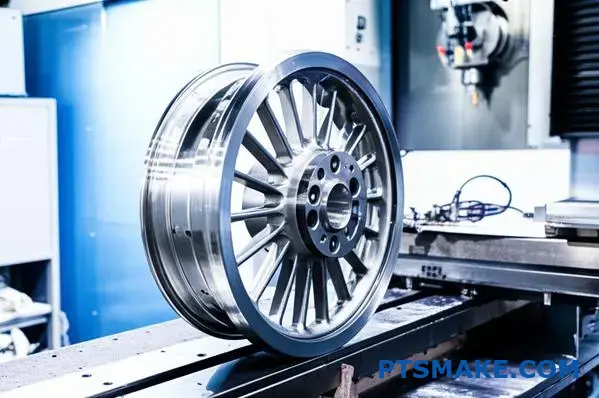
A deep assessment goes beyond a facility tour. You need to look at the operational philosophy of a potential railroads cnc machining manufacturer. How do they prepare for the unexpected?
First, analyze their production lines. Are they modular? Can a line be quickly reconfigured for a different part? This flexibility is vital for high-volume machining for trains. It shows they can adapt without major downtime or retooling costs.
Next, investigate their digital infrastructure. A robust Manufacturing Execution System9 (MES) is non-negotiable. It provides real-time data on machine utilization, cycle times, and quality control. This data is key to identifying bottlenecks and efficiently allocating resources when a large order comes in. Without it, scaling is just guesswork.
Finally, ask about their backup suppliers. A truly scalable partner has pre-vetted suppliers for raw materials and secondary processes like heat treatment or plating. This mitigates risks from single-point failures in the supply chain.
Here’s how to spot the difference during an audit.
| Scalable Partner | Rigid Partner |
|---|---|
| Modular, reconfigurable cells | Fixed, dedicated production lines |
| Integrated MES for real-time data | Manual tracking and reporting |
| Documented supplier network | Relies on a single raw material source |
| Proactive capacity planning | Reactive response to new orders |
Choosing a partner with these systems in place ensures they can grow with you.
True scalability is a combination of flexible production lines, robust digital systems, and a resilient supply chain. Assessing these factors helps you find a partner who can handle both long-term growth and sudden demand spikes effectively.
How Top Engineers Specify CNC Components For Rolling Stock
Clear communication is the foundation of successful manufacturing. For rolling stock components, this starts with a detailed Request for Quote (RFQ).
A well-written RFQ prevents errors. It saves time and reduces costs. It ensures the final parts meet exact safety and performance standards.
The Power of a Precise RFQ
Your specifications guide every step. From material selection to final inspection, clarity is key. This is vital for complex CNC specifications for trains.
| Specification Area | Key Detail |
|---|---|
| Materiale | Grade, Temper, Certifications |
| Tolerancer | Geometric and Dimensional |
| Overfladefinish | Ra value, Treatment Type |
| Mængde | Production and Prototype |
Critical Specs to Include
Always include detailed 2D drawings alongside 3D models. Specify inspection requirements and any special packaging needs. This helps your manufacturing partner deliver perfectly.
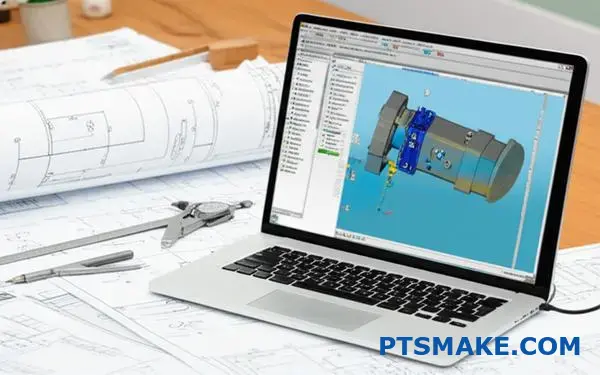
Vague specifications are a major risk in engineering design rail parts. They lead to assumptions, rework, and delays. As a railroads cnc machining manufacturer, we stress the importance of precision from the very first document.
Mastering Geometric Tolerances
Geometric Dimensioning and Tolerancing (GD&T) is crucial. It defines the allowable variation in form, orientation, and location of features. This ensures parts function correctly within an assembly. Using a proper Datum Reference Frame10 is the starting point for all geometric controls.
Clear GD&T on your drawings removes ambiguity. It allows for functional gauging and streamlined inspection processes. This precision is non-negotiable for the machining rolling stock components.
Finishes and Assembly Compatibility
Surface finish affects more than just appearance. It impacts wear resistance, corrosion protection, and how parts fit together. Specify not just the type of finish, but also its thickness and required standards.
| Finish Type | Primær funktion | Fælles standard |
|---|---|---|
| Anodisering | Modstandsdygtighed over for korrosion | MIL-A-8625 |
| Passivering | Remove Contaminants | ASTM A967 |
| Powder Coat | Durable Color/Protection | AAMA 2604 |
Always consider how tolerances and finishes interact. A thick coating can push a critical dimension out of tolerance. Good engineering accounts for this interplay early on.
Detailed specifications are not just about compliance. They are a roadmap for quality, ensuring every CNC component performs safely and reliably for years. This precision is the cornerstone of effective rolling stock engineering and manufacturing partnerships.
The Ultimate Insight On CNC-Prototyping New Rail Systems
From Concept to Track: Accelerating Rail Innovation
Rail system innovation relies on speed and precision. CNC prototyping provides both. It allows engineers to create and test physical parts quickly.
This is crucial for complex components. New bogie systems or next-gen couplers demand rigorous physical validation before full-scale production.
With rail CNC prototyping, you can move from a CAD file to a functional part in weeks, not months. This accelerates the entire development cycle.
The Prototyping Timeline Advantage
Faster iteration is a key benefit. Finding a design flaw early saves significant time and money down the line.
Here’s a look at how CNC speeds things up compared to older methods.
| Prototyping-fasen | Traditional Casting | CNC Prototyping |
|---|---|---|
| Initial Model | 6-8 Weeks | 1-2 uger |
| Design-iteration | 4-6 Weeks | 5-10 dage |
| Final Prototype | 8-10 Weeks | 2-3 uger |
This speed allows for more robust testing and refinement.
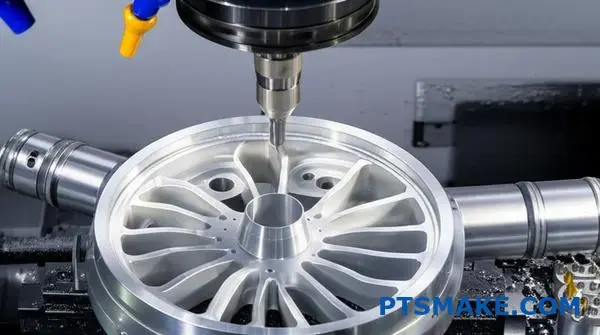
Validating Performance: Timelines and Tolerances
Successful train system prototype machining goes beyond just speed. It’s about producing parts that meet exact specifications for performance and safety testing. The goal is to prove the design’s viability.
At PTSMAKE, we understand that each component has a unique timeline. This is driven by material, complexity, and the level of finish required. A reliable railroads cnc machining manufacturer must manage these variables effectively.
Prototyping Timelines for Key Components
We often collaborate with clients to set realistic schedules. A complex prototype requires careful planning and machining time to get right.
Below are some typical timelines we’ve observed for different CNC sample parts railway projekter.
| Skinnekomponent | Eksempel på materiale | Typical CNC Prototype Timeline |
|---|---|---|
| Bogie Side Frame | High-Tensile Steel | 3-5 Weeks |
| Coupler Knuckle | Forged Steel Alloy | 8-12 Days |
| Brake Caliper Body | Aluminium 7075-T6 | 6-9 Days |
| Axle Box Bearing Housing | Duktilt jern | 2-3 uger |
Ensuring Precision: Tolerancing Proof Methods
Tolerances in rail applications are extremely tight. There is no room for error. We use Coordinate Measuring Machines (CMM) to verify every critical dimension against the 3D model.
This process provides documented proof that the part is perfect. A deep understanding of Geometrisk dimensionering og tolerance (GD&T)11 is essential here. It’s the language of precision. Full inspection reports give engineering teams the confidence to proceed with their testing programs.
CNC rapid prototyping is vital for validating new rail components. It provides the speed to innovate and the precision to ensure safety and performance, de-risking the entire development cycle for critical systems like bogies and couplers.
Why Communication Transparency Matters In Long-Term Rail CNC Contracts
In large-scale rail procurements, time is critical. A slow response from your supplier isn’t just an inconvenience. It’s a major operational risk.
Delayed answers to technical questions can halt production. This creates a domino effect, pushing back assembly and testing schedules.
Effective rail CNC manufacturer communication is non-negotiable. It protects your project timeline and budget from preventable setbacks. Every large contract depends on this flow of information.
The Real Cost of Silence
Poor supplier responsiveness can completely jeopardize a project. Imagine waiting days for a simple clarification on a tolerance specification. This delay stops your entire engineering team from moving forward. It’s a bottleneck that can cost thousands in lost time.
What to Expect: Engineering Collaboration
True partnership requires proactive communication. Your supplier should be an extension of your team. This means having a dedicated point of contact who understands your project’s technical needs.
At PTSMAKE, we ensure our clients have direct access to engineers. This closes the gap between a question and a clear, actionable answer.
Here’s what effective collaboration looks like:
| Aspekt | Dårlig kommunikation | Ideal Communication |
|---|---|---|
| Svartid | Days or weeks | Inden for 24 timer |
| Technical Queries | Vague or incomplete answers | Detailed, expert responses |
| Ændringer i design | Resistance or slow adoption | Proactive DFM feedback |
| Point of Contact | General sales email | Dedicated project engineer |
What to Expect: Reporting and Transparency
Supplier transparency in machining is built on clear reporting. You shouldn’t have to chase your supplier for updates. A reliable partner provides regular, structured reports.
This includes progress updates, material certifications, and quality control data. Effective rail component project management CNC relies on this constant stream of information. It allows you to anticipate issues, not just react to them. We find that establishing a clear [Critical Path Method]()12 at the outset helps all parties stay aligned on key deliverables and dependencies. As a leading railroads cnc machining manufacturer, we know transparency builds trust.
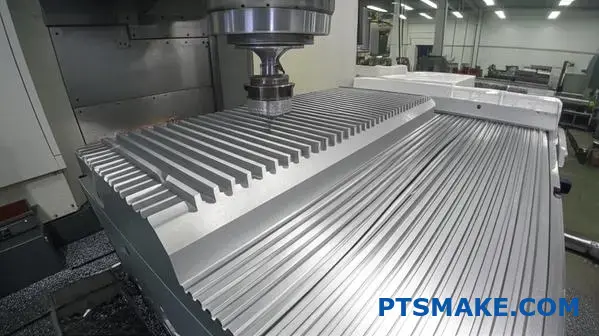
Poor supplier responsiveness introduces unacceptable risks into large-scale rail projects. Buyers must demand clear standards for engineering collaboration and reporting from their railroads cnc machining manufacturer to ensure project timelines and budgets are protected against costly, preventable delays.
Choosing Between Domestic And Offshore CNC For Train Parts
The decision between domestic and offshore suppliers is critical. It shapes your supply chain for railroad components. This isn’t just about the initial price tag.
Vigtige beslutningsfaktorer
You must weigh several competing factors. These include cost, delivery speed, and quality assurance. Each choice has its own set of trade-offs.
En hurtig sammenligning viser de vigtigste forskelle.
| Faktor | Domestic (U.S.) | Offshore (e.g., China) |
|---|---|---|
| Omkostninger | Generelt højere | Ofte lavere |
| Gennemløbstid | Kortere | Længere |
| Kommunikation | Easier (Time Zone) | Requires Management |
This choice impacts your project’s success. The ‘domestic vs overseas train machining’ debate is a balance of risks and rewards.
When looking at global suppliers, cost is a major draw. An ‘offshore CNC rail manufacturer’ can often offer significant savings on production. This is especially true for large volume orders of train parts.
Beyond the Sticker Price
However, the initial quote isn’t the final cost. You must consider the total landed cost13. This includes shipping, tariffs, and insurance. These factors add to your budget and are often overlooked in initial comparisons.
Navigating Logistics and Quality
Logistics with an overseas partner, like a supplier for ‘CNC train parts China’, are more complex. Shipping takes weeks, not days. This extended lead time requires careful inventory planning. Delays in customs can disrupt your schedule.
Quality Control from a Distance
Quality control is another major consideration. You cannot just drive to the factory. At PTSMAKE, we address this with detailed inspection reports. We use video calls and provide material certifications. Clear communication is essential.
Here’s a breakdown of potential challenges:
| Udfordring | Afbødningsstrategi |
|---|---|
| Long Shipping Times | Plan inventory far in advance. Use air freight for urgent parts. |
| Verifikation af kvalitet | Require detailed inspection reports and material certs. |
| Huller i kommunikationen | Work with suppliers with dedicated English-speaking project managers. |
| Unexpected Tariffs | Consult a customs broker to understand duties beforehand. |
A reliable ‘railroads cnc machining manufacturer’ overseas invests in these systems. This builds trust and ensures project consistency.
Choosing a supplier involves balancing cost savings from offshore partners against the simpler logistics and communication of domestic manufacturers. The right choice depends on your project’s budget, timeline, and your capacity for managing a global supply chain.
Reducing Rail Downtime With Reliable CNC Spare Part Suppliers
Rail downtime is extremely costly. Every minute a train is idle, revenue is lost. A reliable CNC supplier does more than just machine parts. They become a partner in preventing downtime.
This partnership involves smart strategies. We focus on predictive stocking and streamlined repeat orders. Data-based manufacturing is also key. These methods ensure parts are ready before a failure occurs. This proactive approach keeps trains moving.
Key Supplier Strategies
| Strategi | Primær fordel |
|---|---|
| Predictive Stocking | Parts are available on demand. |
| Easy Repeat Orders | Faster procurement cycles. |
| Data-Based Manufacturing | Improved part reliability. |
A strategic supplier relationship is more than just a transaction. It is a collaboration to ensure your operational continuity. As a specialized railroads cnc machining manufacturer, we help build this proactive maintenance model with our partners.
Predictive Stocking in Action
We analyze your historical usage data for components. This allows us to forecast your future needs for critical spare parts CNC rail manufacturing items. We can then machine and stock these parts in advance, cutting lead times from weeks to just days.
The Power of Repeat Orders
Once we have the digital files and tooling for a component, repeat orders become incredibly efficient. A simple purchase order can trigger production almost instantly. This is vital for railway downtime mitigation machining, removing delays from re-quoting and initial setup.
Data-Based Manufacturing
We work with clients to analyze part performance data. This feedback helps us refine designs or suggest better materials. This process uses Predictive Maintenance Analytics14 to create more durable and reliable components. Better parts lead to fewer failures and less downtime.
| Fremgangsmåde | Traditionel leverandør | Strategisk partner |
|---|---|---|
| Ordering | Reactive, on-failure | Proactive, data-based |
| Inventar | Client holds all stock | Shared risk, predictive stocking |
| Gennemløbstid | Long and variable | Short and predictable |
| Fokus | Pris pr. del | Total cost of ownership |
A strategic CNC partner actively mitigates costly rail downtime. Through predictive stocking, efficient repeat orders, and data-driven manufacturing, they ensure critical maintenance parts are always available. This improves operational reliability and reduces total maintenance costs.
Precision CNC Machining vs. Casting For Railroad Parts
Choosing between CNC machining and casting is crucial. It impacts the safety and performance of railroad components. The right choice depends on the specific part.
This direct comparison will guide your decision. We will look at common train components. This helps find the most cost-effective rail part manufacturing method.
Component-Specific Showdown
Let’s compare these methods for specific parts. Housings, couplers, and suspension elements have different needs.
Housings and Protective Cases
For complex internal features, CNC machining is superior. It provides the tight tolerances needed for sensitive equipment. Casting is better for simpler, high-volume housing shells.
Couplers and Drawbars
These parts demand immense strength. Casting can be a good starting point for the basic shape. However, critical mating surfaces require precision CNC machining.
| Funktion | CNC-bearbejdning | Støbning |
|---|---|---|
| Præcision | Meget høj | Lav til middel |
| Overfladefinish | Fremragende | Rough to Fair |
| Bedst til | Prototyper, lav volumen | High Volume, Simple Shapes |
| Materialeaffald | Høj (subtraktiv) | Low (Additive) |
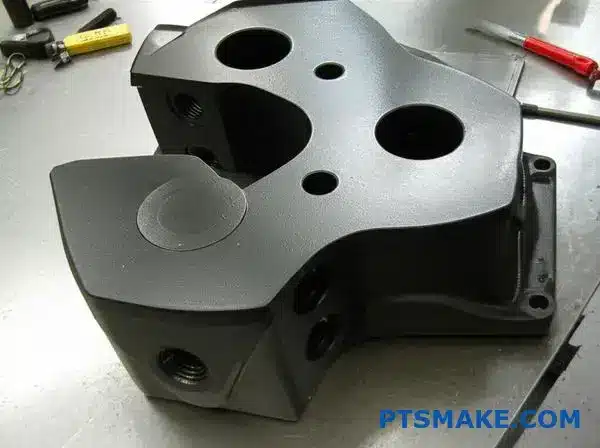
Choosing the right manufacturing process involves balancing cost, time, and performance. As a specialized railroads cnc machining manufacturer, we often guide clients through this decision. The choice isn’t always obvious.
Diving Deeper: Key Decision Factors
Let’s look at the technical details. These factors directly influence the final part’s reliability and cost.
Mekaniske egenskaber
CNC machining works from a solid block of material. This preserves the material’s inherent strength and grain structure. It avoids internal defects like porosity, which can occur in casting. After analyzing with our clients, we find CNC parts consistently show superior fatigue resistance.
Casting creates a near-net shape but can introduce internal voids. The cooling process can also create uneven material properties. This makes the component’s behavior less predictable under heavy load. The process can create less desirable anisotropisk15 properties in the final part.
Cost and Lead Time
Casting involves high initial tooling costs. This makes it cost-effective only for very large production runs. The lead time for creating molds is also significant.
CNC machining has minimal setup cost. This makes it ideal for prototypes and small to medium batches. At PTSMAKE, we can often deliver CNC machined parts faster than a casting foundry can produce the first article.
| Faktor | CNC-bearbejdning | Støbning |
|---|---|---|
| Gennemløbstid | Short (Days/Weeks) | Long (Weeks/Months) |
| Oprindelige omkostninger | Lav | Meget høj |
| Per-Part Cost (Low Vol.) | Lavere | Højere |
| Per-Part Cost (High Vol.) | Højere | Lavere |
| Fleksibilitet i designet | Høj | Low (Post-Tooling) |
CNC machining offers superior mechanical properties and flexibility for prototypes and low-to-medium volumes. Casting is the go-to for high-volume production of simpler parts where initial tooling costs can be justified over time. Each method has its place in cost-effective rail part manufacturing.
How Rail OEMs Are Using CNC To Innovate Lightweighting
CNC machining is transforming rail transport. It allows for the creation of parts that are both lighter and stronger. This is a critical combination for improving efficiency and performance.
Optimized Designs for Strength
CNC technology makes complex designs possible. We can remove material only where it isn’t needed. This maintains structural integrity while reducing weight significantly. It’s a core principle of modern engineering.
Avanceret materialeintegration
The process also handles exotic materials with ease. Materials once difficult to work with are now viable options for rail components. This opens doors for significant innovation.
| Komponent | Traditional Weight (kg) | CNC-Optimized Weight (kg) | Vægtreduktion |
|---|---|---|---|
| Bracket Assembly | 12.5 | 7.0 | 44% |
| Door Hinge | 3.2 | 1.8 | 43% |
| Seat Frame | 25.0 | 16.5 | 34% |
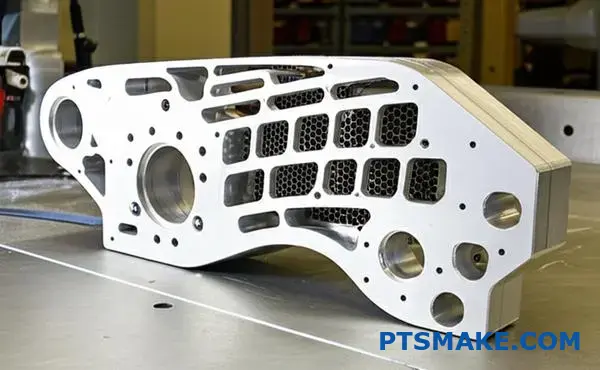
CNC innovation in rail transport goes beyond simple part replication. It’s about fundamentally rethinking how components are designed and made. The precision of CNC machining allows engineers to implement designs that were previously only theoretical.
Achieving Complex Geometries
We can create internal lattice structures or use generative design algorithms. These methods place material exactly where stress occurs, creating parts with an optimal strength-to-weight ratio. This level of design freedom is impossible with traditional casting or forging methods. It allows for creating truly lightweight train parts CNC can produce reliably.
The Rise of Metal Replacement
Advanced materials are key to this revolution. As a specialized railroads cnc machining manufacturer, we frequently work with materials that offer superior properties over steel.
Titanium and High-Strength Alloys
Titanium alloys offer strength comparable to steel at nearly half the weight. Our test results show they provide exceptional corrosion resistance, extending component life in harsh conditions.
Advanced Polymers and Composites
Glass-filled (GF) nylon is an excellent choice for metal replacement parts rail systems. It is strong, lightweight, and cost-effective. It is ideal for non-structural components like housings or interior fittings, reducing overall train weight. Optimering af topologi16 software helps us design these polymer parts for maximum strength.
| Materiale | Styrke-til-vægt-forhold | Modstandsdygtighed over for korrosion | Relative omkostninger |
|---|---|---|---|
| Stål | Basis | Moderat | Lav |
| Aluminium 7075 | Høj | Høj | Medium |
| Titanium (Ti-6Al-4V) | Meget høj | Fremragende | Høj |
| GF-Nylon | Moderat | Fremragende | Lav |
In short, CNC machining offers a dual advantage. It enables sophisticated, weight-optimized designs and makes it practical to use advanced, lightweight materials. This combination leads to stronger, more efficient rail components.
Transform Your Rail Business With PTSMAKE—Get Your Precision CNC Quote Today!
Ready to secure reliable, certified railroads CNC machining manufacturing? Contact PTSMAKE for a fast, no-obligation quote! Partner with a globally trusted, ISO-certified team dedicated to meeting your toughest tolerances, materials, and deadlines in rail transport—let’s exceed your expectations from prototype to production!

Click to learn how this system ensures your parts fit and function correctly in critical assemblies. ↩
Learn how temperature fluctuations affect machining accuracy and how to mitigate these effects. ↩
Discover how managing this effect is crucial for achieving a superior surface finish. ↩
Explore how this software translates your digital design into precise instructions for CNC machines. ↩
Discover how this lean layout boosts efficiency and cuts production time. ↩
Discover how machine movement principles directly impact the precision and complexity of finished rail parts. ↩
Learn more about calculating the full financial impact of a purchase over its lifespan. ↩
Learn what this critical rail quality management standard means for your project’s success. ↩
Learn how MES transforms production floors for real-time control and efficiency. ↩
Learn how this system creates a common language for design, manufacturing, and inspection to ensure precision. ↩
Explore how GD&T ensures your part fits and functions perfectly within complex rail assemblies. ↩
Learn how this project management tool helps identify crucial tasks to prevent delays in your rail component delivery. ↩
Understand all hidden fees to accurately calculate your total project cost and avoid budget surprises. ↩
Explore how data analytics can predict part failure and optimize maintenance schedules. ↩
Discover how material grain structure affects part strength and performance in different directions. ↩
Learn more about this computational design process. ↩